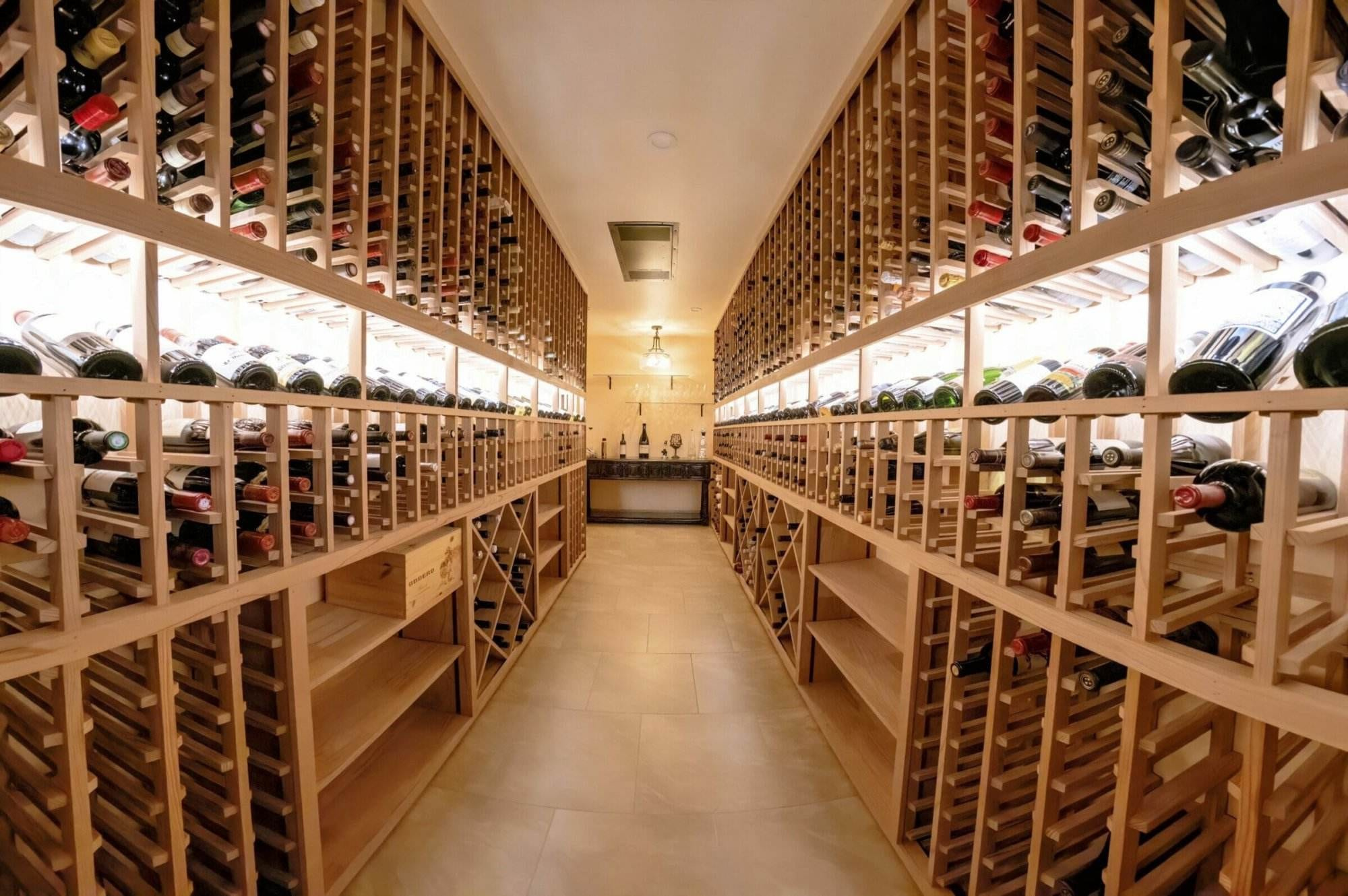
Longer-term wine storage begins with a suitable location and a plan you can maintain. Review the room or refrigerator, bottle organization and equipment instructions, then record changes in conditions instead of assuming that an attractive rack alone provides the environment the collection needs. At Wine Hardware in Walnut Creek, we help turn those decisions into a cellar plan. Bring room photos, a rough sketch and your collection goals to start the conversation.
When wine is stored correctly, it can enhance its flavors and aromas, allowing you to fully enjoy the unique characteristics of each bottle. Temperature control, humidity levels, light exposure, ventilation, cork quality, storage location, and the use of wine racks and shelving are all important considerations when it comes to storing wine properly. By paying attention to these factors, you can ensure that your wine collection remains in top condition for years to come.
Temperature Control
Temperature control is one of the most critical factors in wine storage. The ideal temperature range for storing wine is between 45°F (7°C) and 65°F (18°C). Fluctuations in temperature can have a detrimental effect on the quality of your wine. When exposed to high temperatures, wine can age prematurely and develop off-flavors. On the other hand, if stored at too low temperatures, the aging process slows down and the flavors may become muted.
To maintain a consistent temperature in your storage area, it is important to choose a location that is not subject to extreme temperature changes. Avoid areas near windows or exterior walls that may be exposed to direct sunlight or drafts. If you don’t have a dedicated cellar or wine fridge, consider using a temperature-controlled wine cabinet or cooler to maintain the ideal conditions for your collection.
Humidity
Humidity is another crucial factor in wine storage. The ideal humidity range for storing wine is between 50% and 70%. Proper humidity levels help keep the corks moist, preventing them from drying out and allowing air to enter the bottle. If the humidity is too low, the corks can shrink and lose their seal, leading to oxidation and spoilage of the wine. Conversely, if the humidity is too high, mold and mildew can develop on the labels and corks.
To maintain proper humidity levels, it is important to store your wine in a location that has adequate moisture. Avoid storing wine in areas that are too dry, such as near heating vents or in basements with dehumidifiers. If necessary, you can use a humidifier or a damp cloth to increase humidity in your storage area. However, be cautious not to over-humidify, as excessive moisture can also damage the labels and corks.
Light Exposure
Light exposure can have a negative impact on the quality of your wine. Ultraviolet (UV) rays, in particular, are harmful to wine as they can break down organic compounds and cause chemical reactions that result in off-flavors and aromas. This is why wine bottles are typically made of colored glass or wrapped in foil to protect them from light.
To protect your wine from light exposure, it is important to store your bottles in a dark area away from direct sunlight. Avoid using fluorescent lights or other sources of UV light in your storage area. If you have a wine cellar or cabinet with glass doors, consider using UV-blocking film or curtains to further protect your bottles.
Ventilation
Proper ventilation is crucial for wine storage as it helps prevent the buildup of odors and mold. Poor ventilation can lead to musty smells and affect the overall quality of your wine. It is important to ensure that there is adequate airflow in your storage area to keep the air fresh and prevent any unwanted odors from seeping into your bottles.
To ensure proper ventilation, avoid storing your wine in enclosed spaces or areas with poor air circulation. If you have a wine cellar or cabinet, make sure it is well-ventilated and has proper insulation to prevent any odors from entering. Regularly check for any signs of mold or mildew and address them promptly to maintain a clean and odor-free storage environment.
Corks
Corks play a crucial role in wine preservation as they create a seal that prevents air from entering the bottle. The quality of the cork can greatly affect the quality of the wine. Poor-quality corks can lead to oxidation and spoilage, while high-quality corks can help preserve the flavors and aromas of the wine.
When storing wine bottles with cork closures, it is important to keep them in a horizontal position. This allows the wine to keep the cork moist, preventing it from drying out and shrinking. If the cork dries out, it can lose its seal and allow air to enter the bottle, resulting in spoilage. Additionally, storing bottles horizontally helps prevent sediment from settling at the bottom of the bottle, which can affect the taste and appearance of the wine.
Storage Location
Choosing the right location for wine storage is crucial for maintaining optimal conditions for your collection. Certain areas of the home are better suited for wine storage than others. Ideally, your storage area should be cool, dark, and free from temperature fluctuations and odors.
A basement or a dedicated wine cellar is often the best choice for long-term storage as they tend to have stable temperatures and humidity levels. If you don’t have access to a cellar, consider using a temperature-controlled wine cabinet or cooler in a cool and dark area of your home. Avoid storing your wine in areas such as kitchens or laundry rooms that are subject to frequent temperature changes and odors.
Wine Racks and Shelving
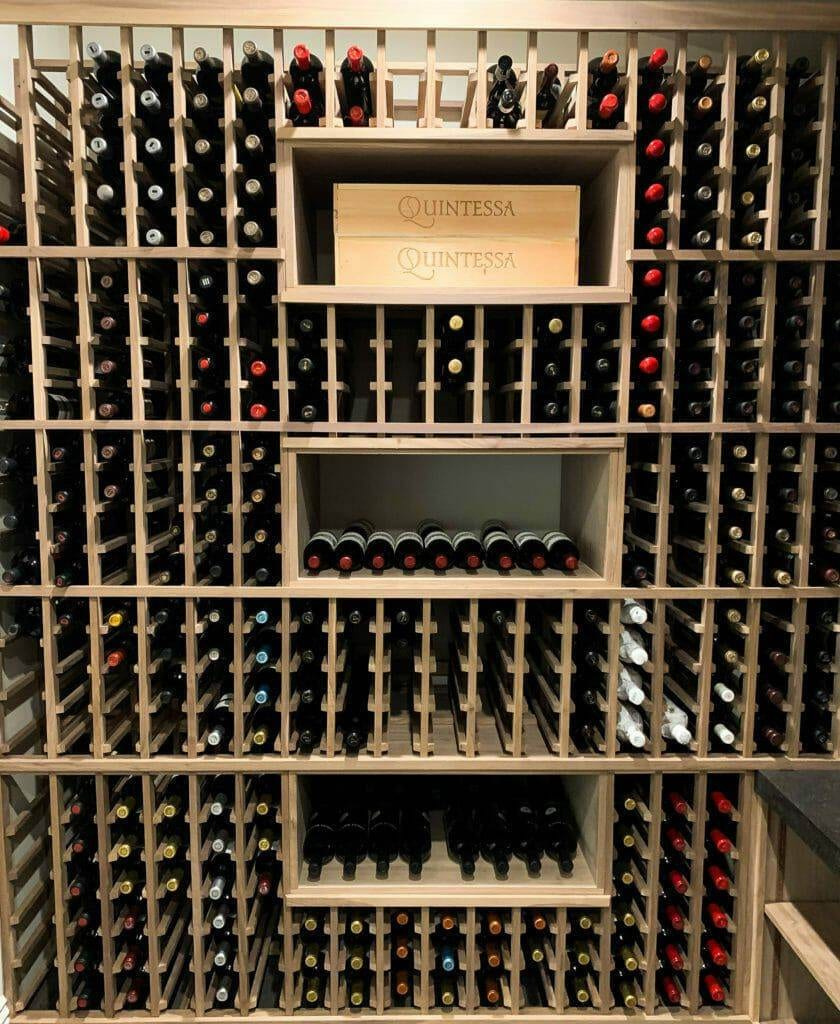
Using wine racks and shelving is not only practical for organization but also beneficial for maintaining optimal wine quality. Wine racks and shelving allow for proper air circulation around the bottles and help prevent any unwanted movement or vibrations that can disturb the sediment in the wine.
When selecting wine racks and shelving, it is important to choose materials that are sturdy and resistant to moisture. Wood and metal are popular choices as they are durable and can withstand the weight of the bottles. Avoid using plastic or wire racks as they may not provide adequate support and can potentially damage your bottles.
Wine Coolers and Refrigerators
Wine coolers and refrigerators are a convenient option for storing wine, especially if you have a smaller collection. They provide precise temperature control and often have built-in humidity control, making them ideal for preserving the quality of your bottles.
When selecting a wine cooler or refrigerator, consider the size of your collection and the space available in your home. Look for models that offer dual-zone temperature control, allowing you to store different types of wine at their respective optimal temperatures. Additionally, choose a model with UV-resistant glass doors or solid doors to protect your bottles from light exposure.
Storing Opened Bottles of Wine
Storing opened bottles of wine requires special attention to ensure that they remain fresh and enjoyable for as long as possible. The ideal temperature for storing opened wine is between 40°F (4°C) and 50°F (10°C). This helps slow down the oxidation process and preserve the flavors and aromas of the wine.
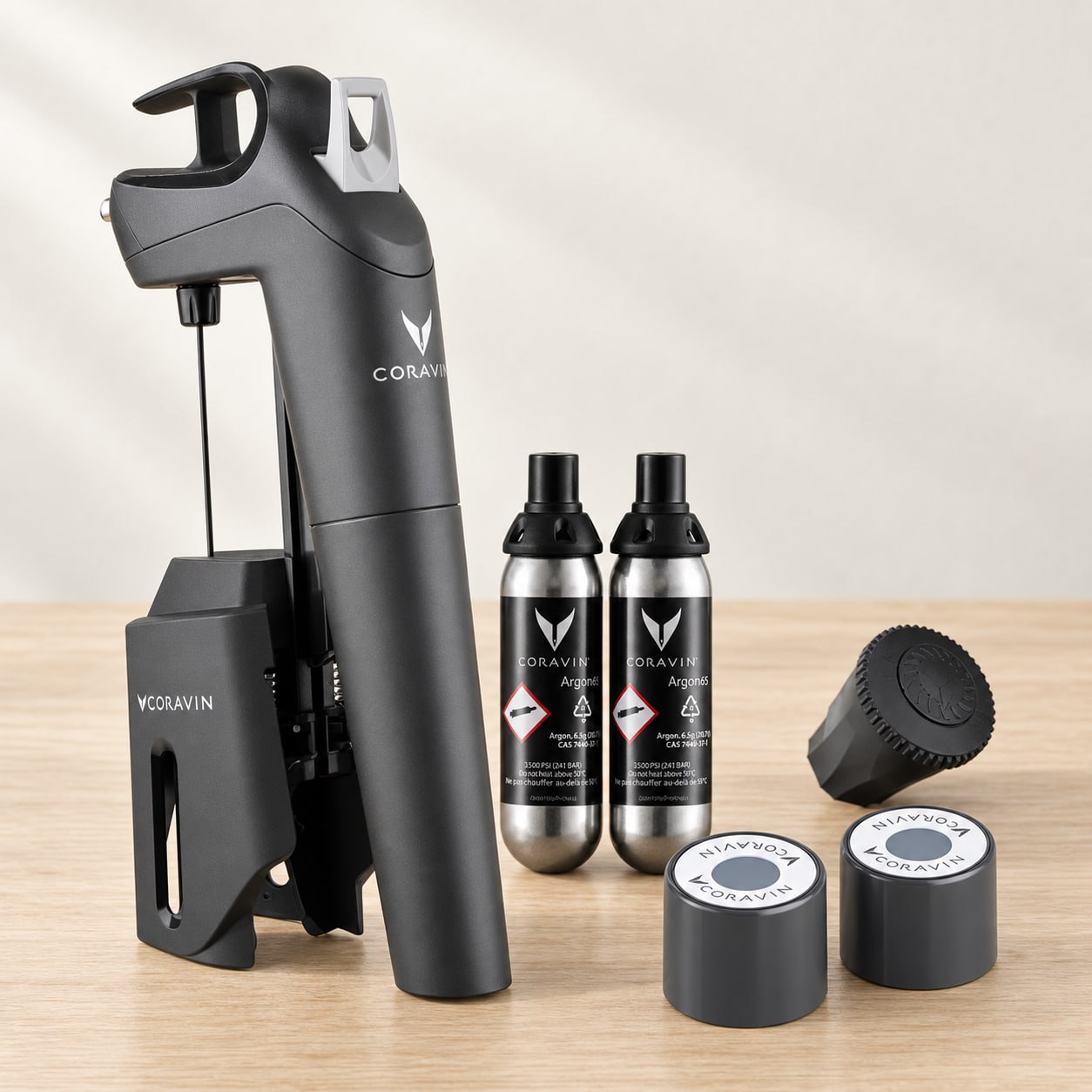
To store opened bottles, use a vacuum pump or airtight stopper to remove as much air as possible from the bottle. This helps prevent oxidation and keeps the wine fresh for longer. Store the bottle upright to minimize contact between the wine and oxygen. If you have a small amount of leftover wine, consider transferring it to a smaller bottle to reduce the amount of air in contact with the wine.
Proper wine storage is essential for preserving the taste and longevity of your bottles. By paying attention to factors such as temperature control, humidity levels, light exposure, ventilation, cork quality, storage location, and the use of wine racks and shelving, you can ensure that your wine collection remains in optimal condition. Whether you have a small collection or a large cellar, prioritizing proper wine storage will allow you to fully enjoy the unique flavors and aromas of each bottle for years to come.
Additional guidance: Appropriate Wine Storage
We know numerous bottles of wine you buy will be enjoyed instantly or in the short term. We also know that many of us are collectors and want to store wine for upwards of ten years. In any case, even those kept for a couple of weeks or months can be affected by the sort of home wine storage you have. Most wine drinkers know they should be storing their wine correctly but may not know why…hopefully we can help you better understand the importance based on these five elements below.
Notwithstanding keeping up the right temperature, legitimately stored wine considers an extremely slight vacillation of that perfect temperature. For wine to stay stable, it is suggested that your wine storage temperature not change more than 2º – 3º C or 5º F and that those vacillations are uncommon. With every temperature variance, outside air can saturate the bottle making wine free its freshness.
Outside air will saturate your wine bottles through the plug, so make sure there no scents or smells originating from different substances stored adjacent your wine for drawn out stretches of time. These would incorporate cleaning solvents, paint or chemicals of any sort.
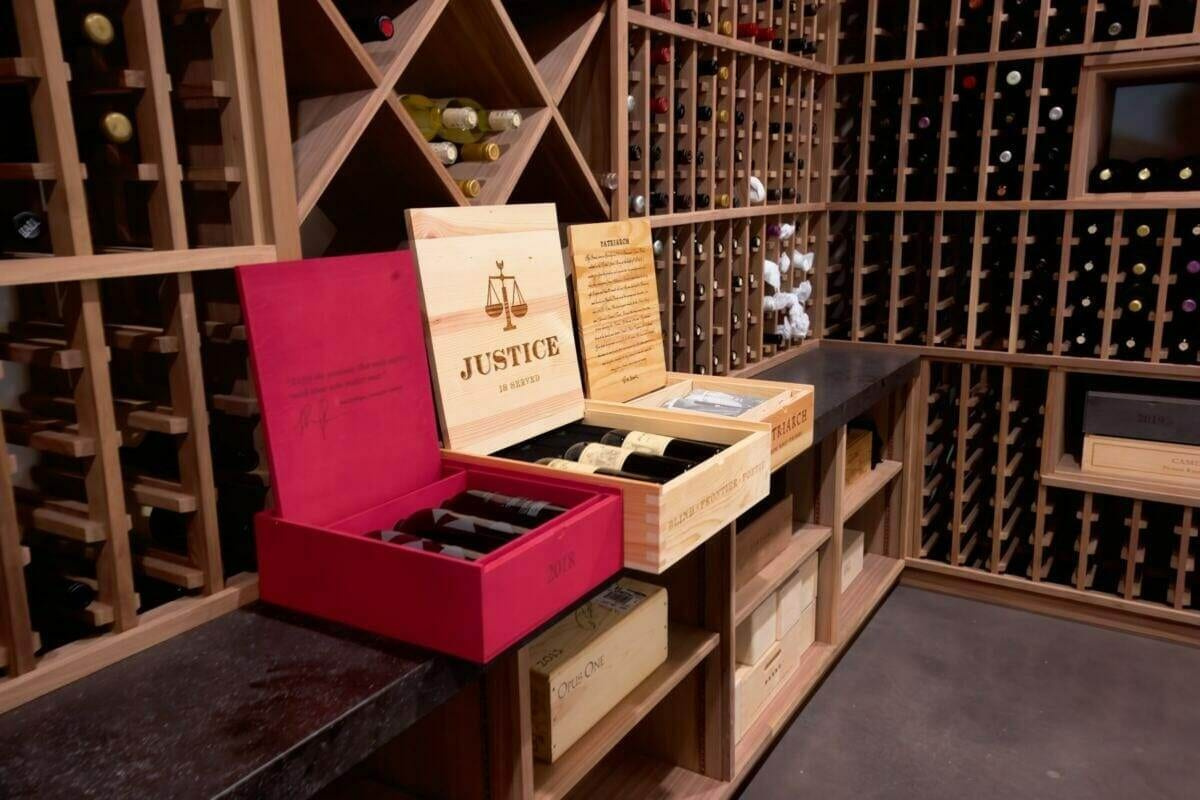
With Mike, you can review your wine storage setup around the room and bottles you have. Have photos of the room and your collection goals ready when you call (925) 944-1084.
More on long-term wine storage at home
Napa souvenir wines are easier to enjoy when you record what made you choose them. Keep the producer, vintage and tasting notes together, decide which bottles are for upcoming meals and assign suitable storage before the next tasting trip adds more. Use those details to guide your next bottle choice at Wine Hardware in Walnut Creek. Tell us what you enjoy and ask about current availability for showroom pickup or local delivery.
Factors such as temperature, humidity, light exposure, and vibration can all impact the aging process. Therefore, understanding the importance of a proper cellar setup is the first step toward becoming a true wine connoisseur. Moreover, a thoughtfully designed wine cellar can also serve as a focal point in your home.
Plan the cellar around the bottles you keep and how you want to share them with guests. Whether you are a casual enthusiast or a serious collector, investing time and resources into creating an optimal storage environment will pay dividends in the long run. A well-maintained cellar not only preserves the integrity of your wines but also enhances their value, making it an essential aspect of any serious wine collection.
Key Takeaways
- Proper cellar setup is crucial for long-term wine preservation and aging
- Choosing the right location for your wine cellar is essential for maintaining optimal temperature and humidity levels
- Selecting the ideal wine racks and storage options is important for organizing and preserving your wine collection
- Maintaining the optimal temperature and humidity levels is key to preserving the quality of your wines
- Organizing your Napa Valley souvenir wines for long-term preservation requires careful planning and storage options
Choosing the Right Location for Your Wine Cellar
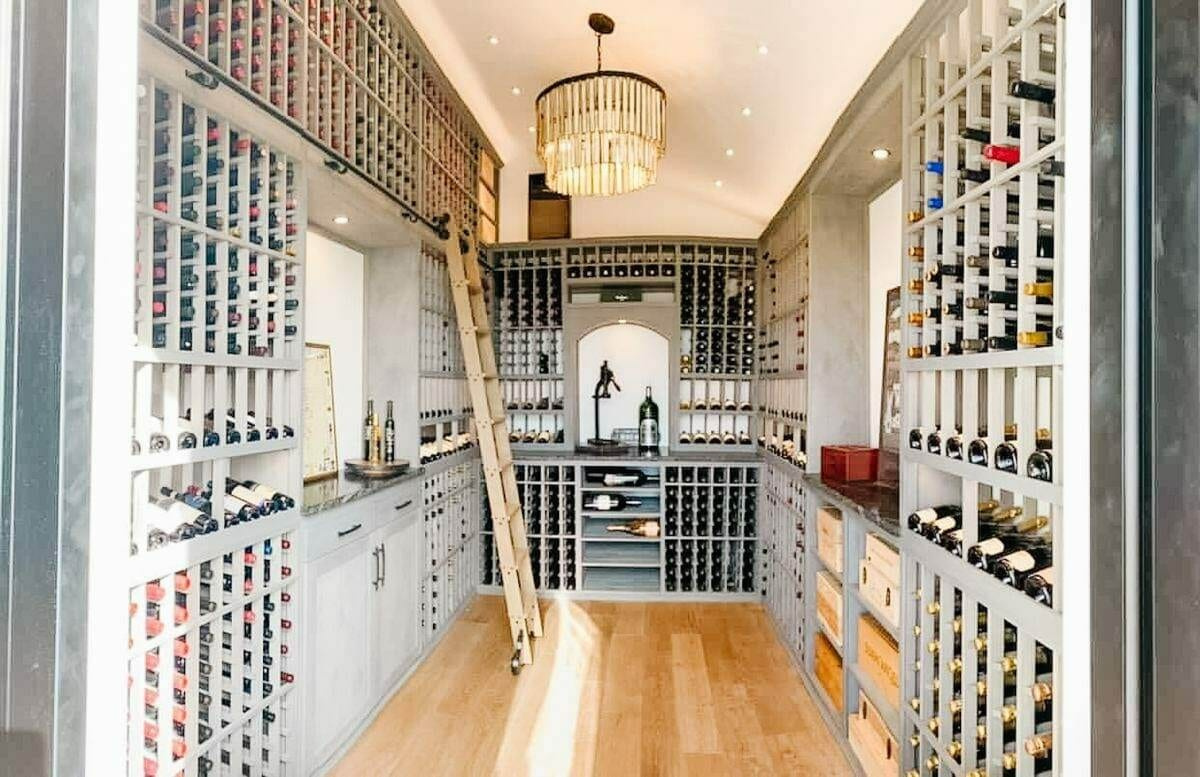
The location of your wine cellar plays a pivotal role in its effectiveness. Ideally, it should be situated in a cool, dark place away from direct sunlight and temperature fluctuations. Basements are often considered the best option due to their naturally stable temperatures and humidity levels.
However, if a basement is not available, other areas of the home can be adapted for wine storage. The key is to avoid places like kitchens or laundry rooms, where heat and humidity can fluctuate dramatically. In addition to temperature considerations, accessibility is another important factor when choosing a location for your wine cellar.
You want to ensure that your collection is easily accessible for both enjoyment and inventory management. A well-placed cellar can enhance your overall wine experience, allowing you to share your collection with friends and family without hassle. Ultimately, the right location will not only protect your wines but also make it easier for you to appreciate and enjoy them.
Selecting the Ideal Wine Racks and Storage options
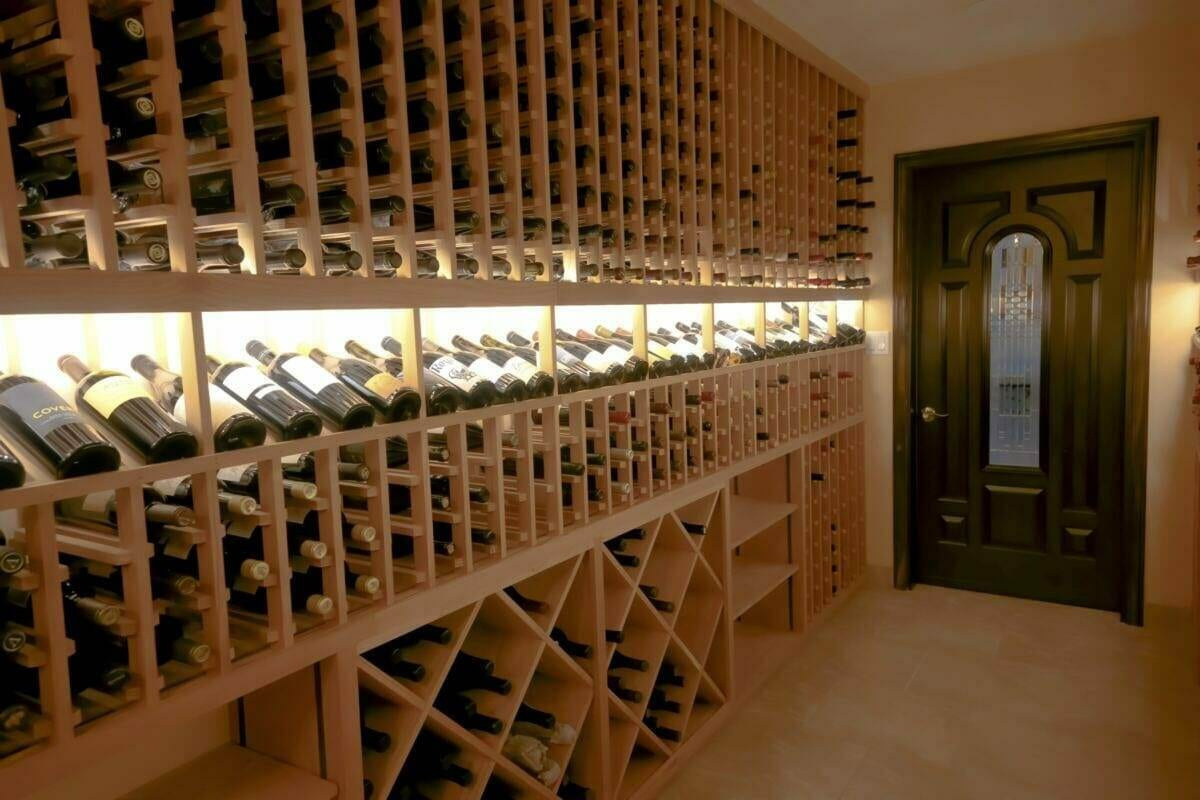
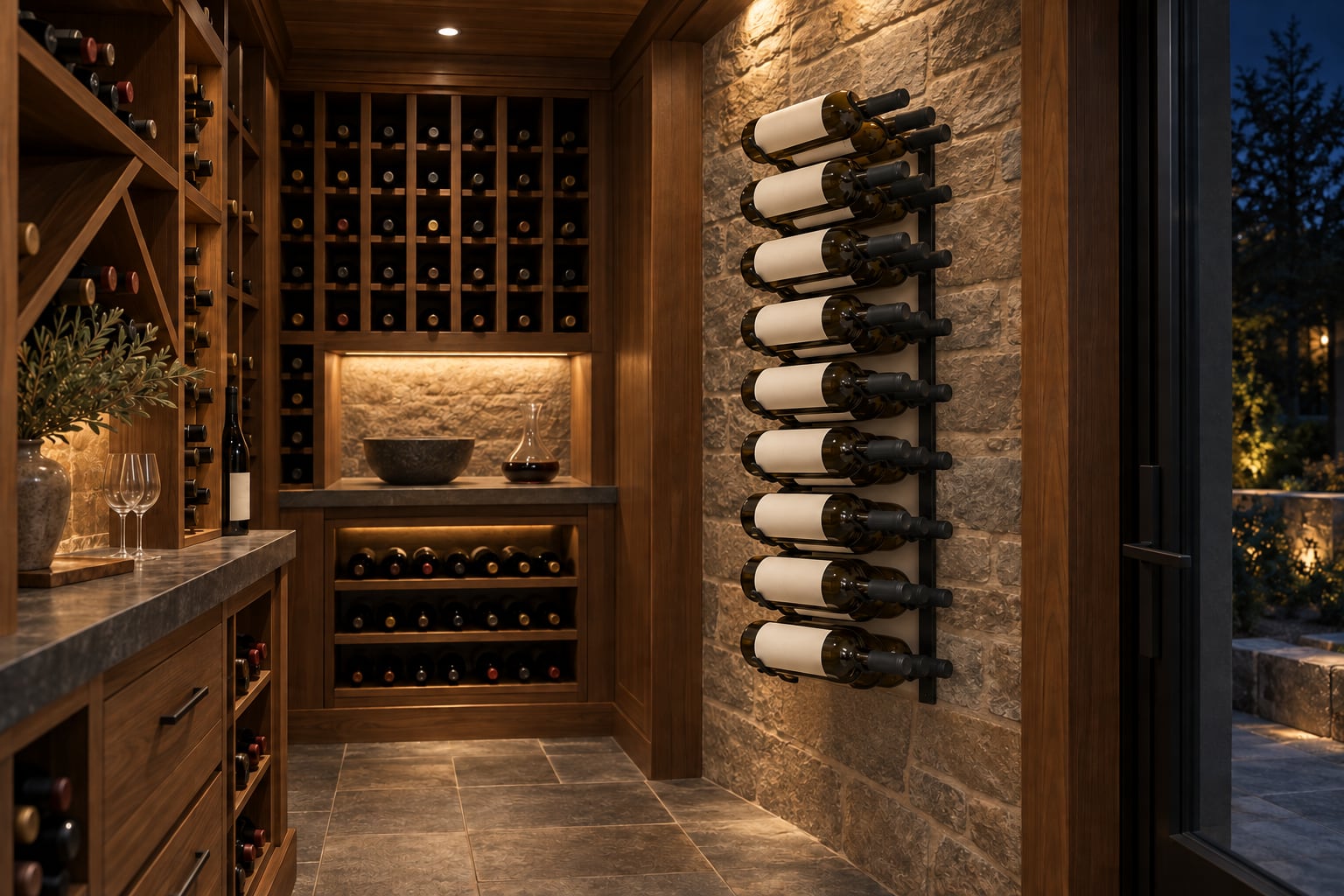
Once you have determined the location for your wine cellar, the next step is selecting the right wine racks and storage options. The choice of racks can significantly influence both the aesthetics and functionality of your cellar. There are various styles available, from traditional wooden racks to modern metal designs, each offering unique benefits.
Wooden racks are often favored for their classic look and ability to absorb moisture, while metal racks can provide a sleek, contemporary feel. When selecting racks, consider the size of your collection and how you plan to organize it. Custom wine racks can be tailored to fit your specific needs, allowing you to maximize space while showcasing your bottles beautifully.
Additionally, incorporating various storage options such as bins for bulk storage or display shelves for rare wines can enhance both organization and accessibility. The right combination of racks and storage options will create an inviting atmosphere that encourages you to explore and enjoy your collection.
Maintaining the Optimal Temperature and Humidity Levels
Maintaining optimal temperature and humidity levels is crucial for preserving the quality of your wines. Choose storage settings for the collection and distinguish those needs from the temperature at which you prefer to serve wine. Fluctuations in temperature can cause corks to expand and contract, leading to oxidation or spoilage.
Therefore, investing in a reliable temperature control system is essential for any serious wine collector. Humidity levels also play a significant role in wine preservation. Confirm humidity requirements for the collection and installed equipment.
Too little humidity can dry out corks, allowing air to seep into the bottle, while excessive humidity can promote mold growth. A humidifier or dehumidifier may be necessary depending on your local climate conditions. Regularly monitoring these environmental factors will ensure that your wines remain in pristine condition, ready to be enjoyed at their best.
Organizing Your Napa Valley Souvenir Wines for Long-Term Preservation
For many wine enthusiasts, collecting Napa Valley wines is a cherished hobby that often leads to an impressive assortment of bottles. Organizing these souvenir wines effectively is essential for long-term preservation and enjoyment. One effective method is to categorize your collection by varietal or region, allowing you to easily locate specific bottles when the occasion arises.
This organization not only streamlines access but also enhances your appreciation of the diverse flavors and styles within your collection. Another important aspect of organizing your wines is labeling them clearly. Consider using a labeling system that includes details such as vintage year, varietal, and producer information.
This practice will help you keep track of your collection's age and optimal drinking windows. Additionally, maintaining an inventory list can be beneficial for monitoring your collection's growth over time. By taking these steps to organize your Napa Valley souvenirs, you will ensure that each bottle is preserved properly and ready for enjoyment whenever you choose.
Investing in Quality Wine Cooling Systems
Investing in a quality wine cooling system is one of the most critical decisions you will make when setting up your wine cellar. These systems are designed to maintain consistent temperatures and humidity levels, providing an ideal environment for aging wines. There are various types of cooling systems available, including self-contained units and split systems, each with its own advantages depending on the size and layout of your cellar.
When selecting a cooling system, consider factors such as energy efficiency, noise level, and ease of installation. A well-chosen cooling system will not only protect your investment but also enhance the overall experience of managing your wine collection. Additionally, some advanced systems come equipped with features like digital temperature displays and alarms that alert you to any fluctuations in conditions.
By prioritizing quality in your cooling system investment, you can ensure that your wines are stored under optimal conditions for years to come.
Implementing Effective Lighting and Security Measures
Lighting plays a crucial role in creating an inviting atmosphere in your wine cellar while also protecting your collection from potential damage. Natural light should be avoided entirely as UV rays can degrade wine quality over time. Compare LED fixture output, heat, UV exposure and operating time with the requirements of the cellar.
Dimmable lights can also enhance the ambiance while allowing you to adjust brightness levels based on your needs. Security measures are equally important when it comes to protecting your valuable wine collection. Consider installing locks on doors or cabinets to deter unauthorized access.
Additionally, surveillance cameras can provide peace of mind by allowing you to monitor your cellar remotely. Implementing these security measures will not only safeguard your investment but also create a sense of ownership over your cherished collection.
Regular Maintenance and Monitoring of Your Wine Cellar
Regular maintenance and monitoring are essential components of successful wine cellar management. Establishing a routine for checking temperature and humidity levels will help you catch any potential issues before they escalate into significant problems. This proactive approach ensures that your wines remain in optimal condition throughout their aging process.
In addition to environmental monitoring, periodic inspections of your storage options are necessary to ensure they remain in good condition. Check for signs of wear or damage on racks and cooling systems, addressing any issues promptly to prevent further complications. By committing to regular maintenance practices, you will not only preserve the quality of your wines but also enhance your overall enjoyment of this rewarding hobby.
In conclusion, creating a custom wine cellar requires careful planning and attention to detail at every stage - from choosing the right location to implementing effective maintenance practices. By investing time and resources into each aspect of cellar setup, you can create an environment that not only protects but also enhances the enjoyment of your wine collection for years to come. Whether you're storing Napa Valley souvenirs or rare finds from around the world, a well-designed cellar will ensure that every bottle reaches its full potential.
FAQs
What is the importance of preserving Napa Valley souvenir wines?
Preserving Napa Valley souvenir wines is important because it allows you to maintain the quality and flavor of the wine for a longer period of time, ensuring that you can enjoy the wine at its best.
What are the key factors to consider when setting up a cellar for preserving Napa Valley souvenir wines?
Key factors to consider when setting up a cellar for preserving Napa Valley souvenir wines include temperature control, humidity levels, lighting, and storage racks or shelves.
How does temperature control affect the preservation of Napa Valley souvenir wines?
Temperature control is crucial for preserving Napa Valley souvenir wines as it helps to prevent the wine from aging too quickly or spoiling. Confirm a stable storage setting for the collection and installed equipment.
Why is humidity control important for preserving Napa Valley souvenir wines?
Humidity control is important for preserving Napa Valley souvenir wines as it helps to keep the corks moist, preventing them from drying out and allowing air to seep into the bottles, which can spoil the wine.
What role does lighting play in preserving Napa Valley souvenir wines?
Lighting can affect the preservation of Napa Valley souvenir wines as exposure to UV rays can cause the wine to deteriorate and develop off-flavors. It is important to store wines in a dark environment.
What type of storage racks or shelves are recommended for preserving Napa Valley souvenir wines?
Sturdy, wooden or metal storage racks or shelves are recommended for preserving Napa Valley souvenir wines as they provide proper support for the bottles and allow for easy organization and access.
Ask about wine availability at the Walnut Creek showroom, or call (925) 944-1084. Wines are available for showroom pickup or local delivery.