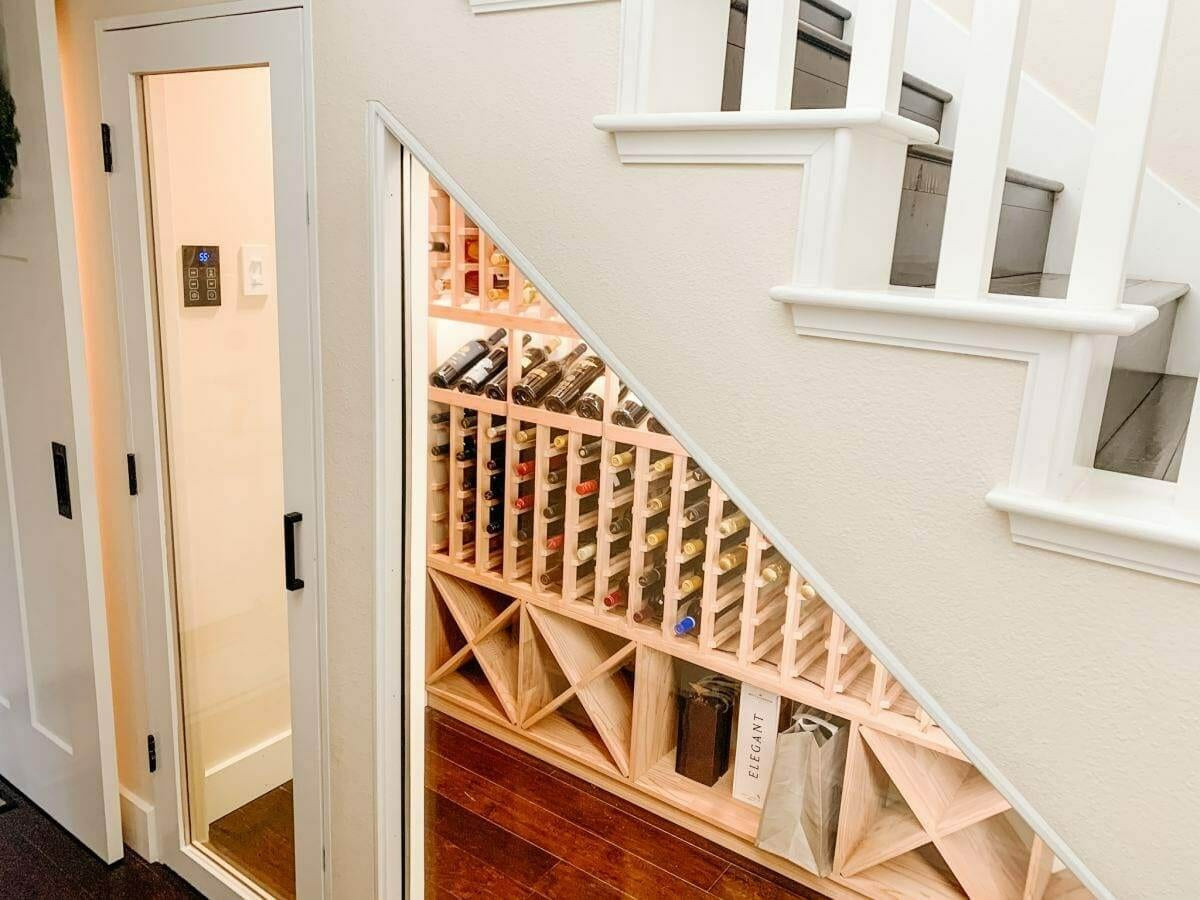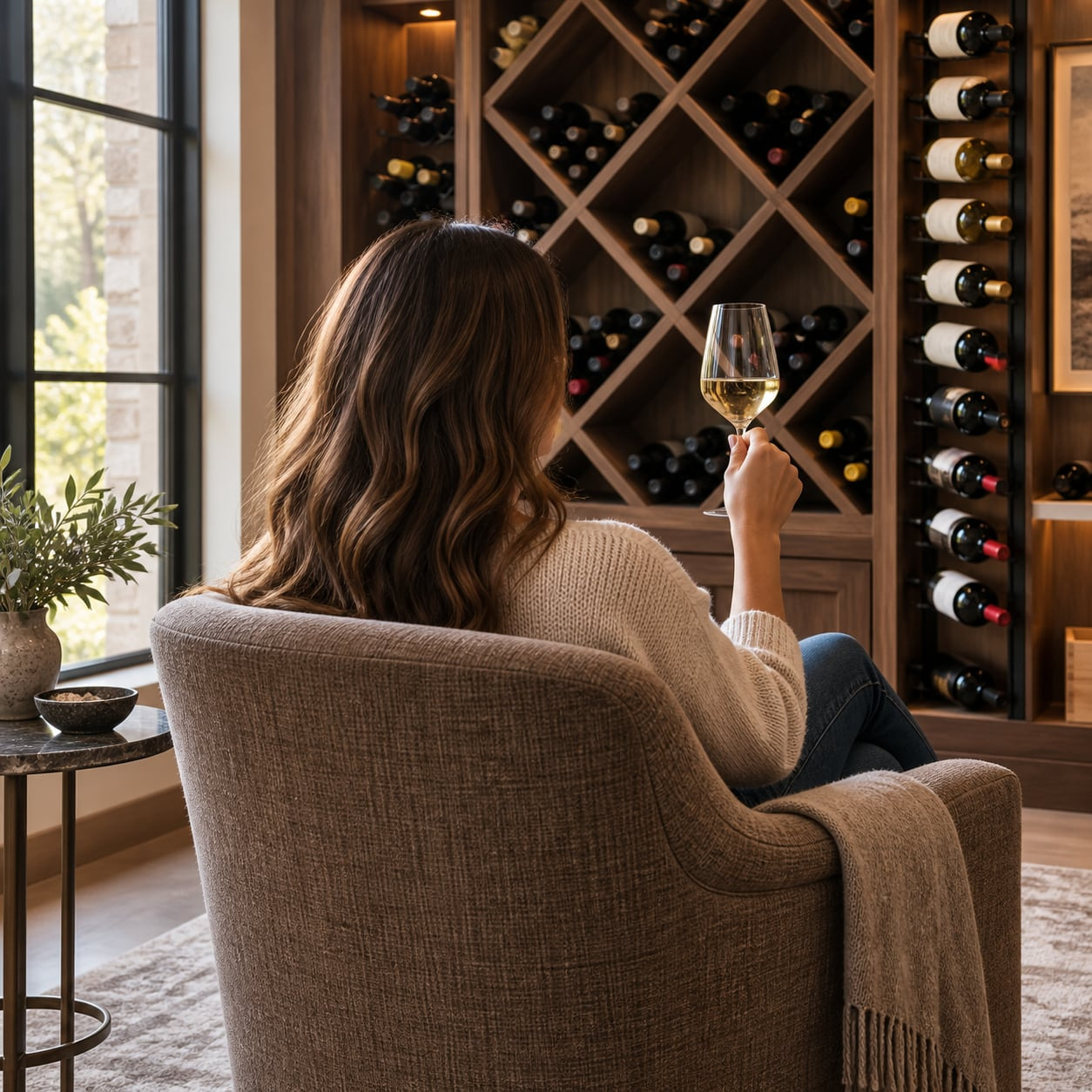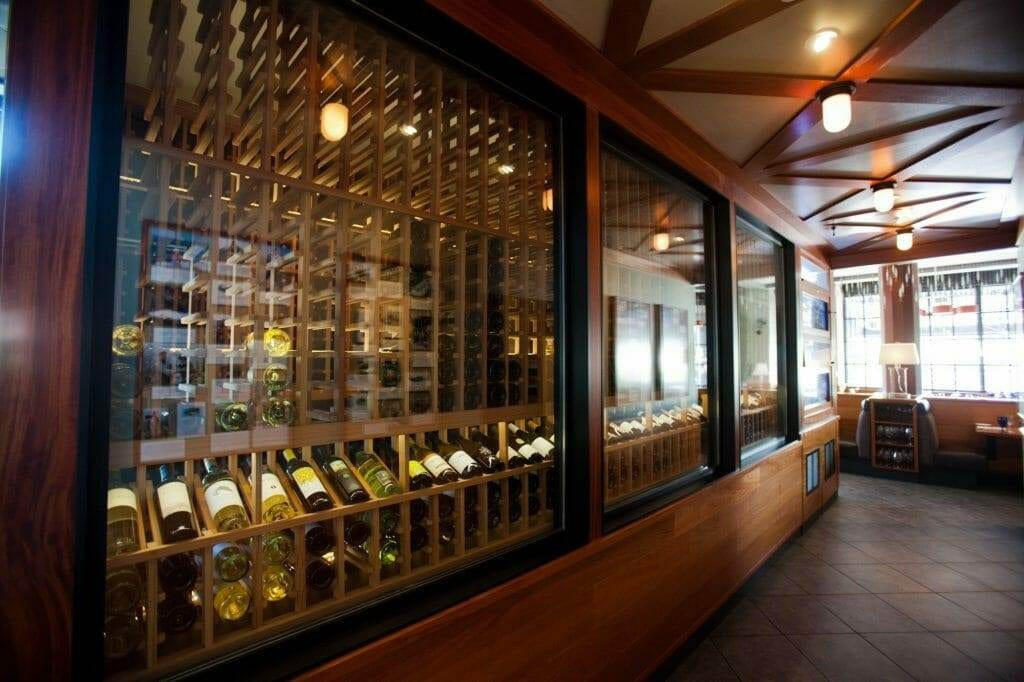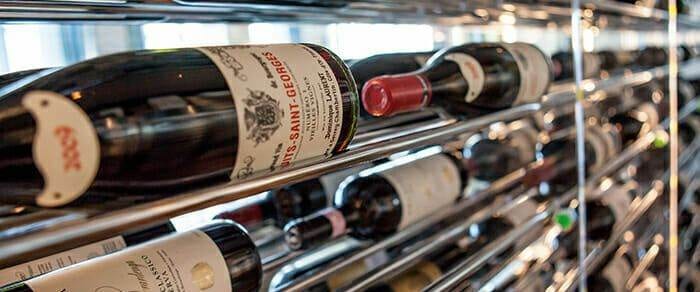
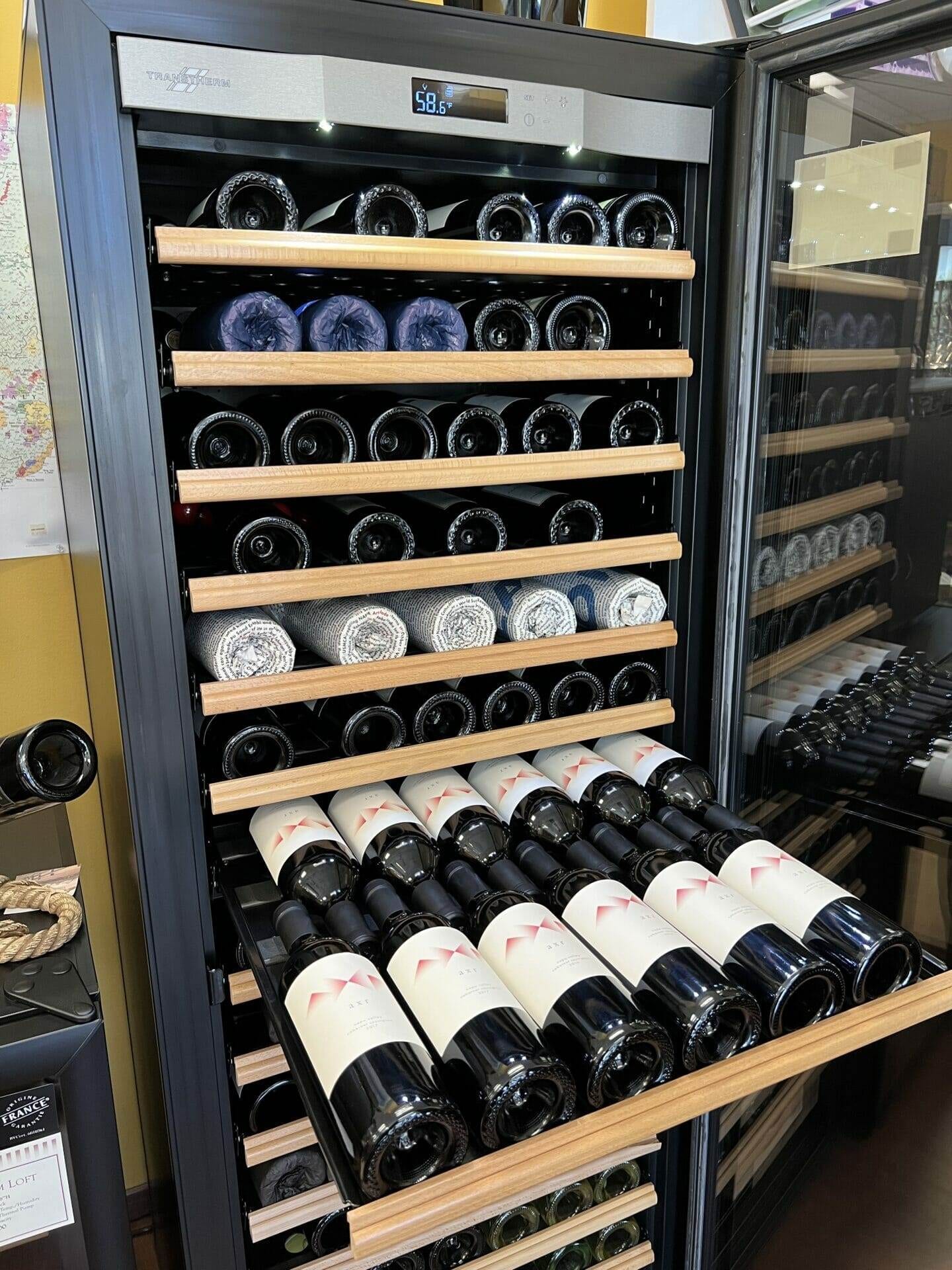
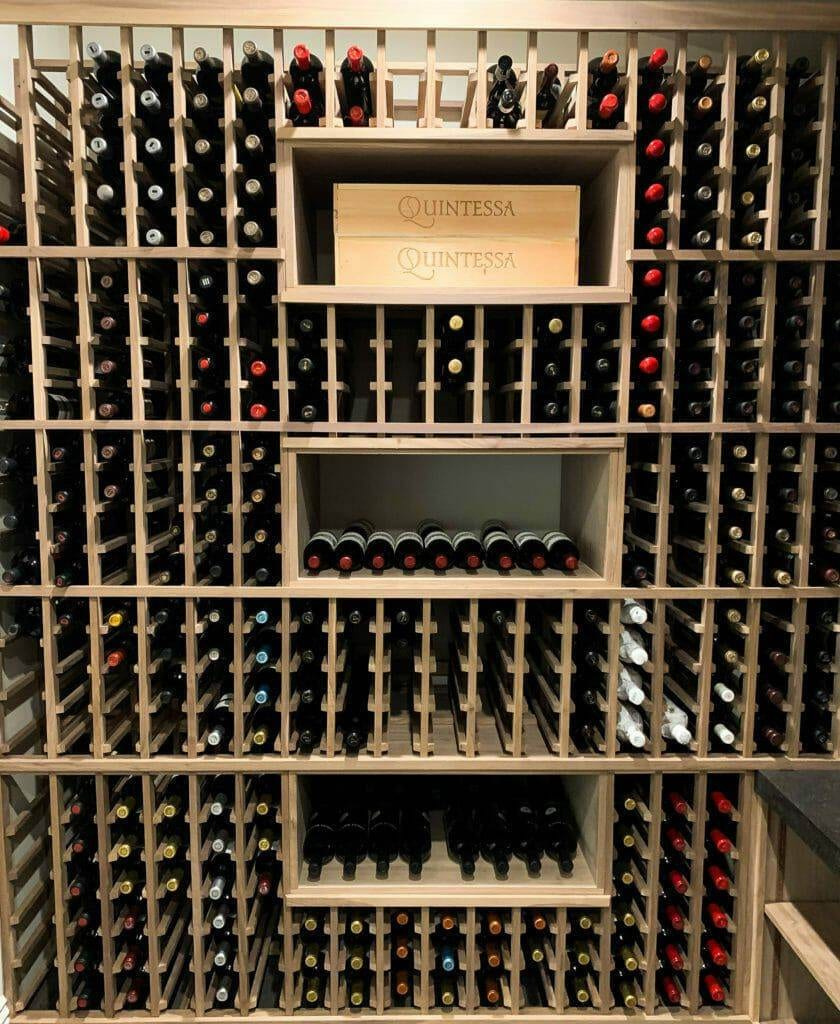
Wine keeps best somewhere close to 55°F that stays there, and it is the swing rather than the number that does the damage. A kitchen refrigerator runs far too cold and far too dry for long-term storage, which is why a cellar or a cabinet uses equipment built for it. Describe the room and what you want to keep in it, and Mike will tell you which of the two you actually need.
The Science of Wine Storage: Factors that Affect Wine Quality
Temperature is perhaps the most critical factor when it comes to wine storage. Fluctuations in temperature can cause the expansion and contraction of the liquid inside the bottle, leading to oxidation and spoilage. Ideally, wine should be stored at a consistent temperature between 45°F and 65°F (7°C and 18°C), depending on the type of wine. Higher temperatures can accelerate aging and result in cooked flavors, while lower temperatures can slow down the aging process.
Humidity is another crucial factor in wine storage. The ideal humidity level for wine storage ranges from 50% to 70%. Insufficient humidity can cause corks to dry out, leading to oxidation and spoilage. On the other hand, excessive humidity can promote mold growth and damage labels. Maintaining the right humidity level is essential for preserving the integrity of the wine.
Light exposure can also have a detrimental effect on wine quality. Ultraviolet (UV) rays from sunlight or artificial lighting can break down organic compounds in wine, resulting in unpleasant aromas and flavors. It is best to store wine in a dark environment or use UV-resistant glass doors on your wine storage unit.
Vibration is another factor that can impact wine quality. Constant movement or vibration can disturb the sediment in wine, affecting its clarity and taste. It is important to store wine in a location where it is not subjected to excessive vibration.
Types of Wine Cooling Systems: Which One is Right for You?
There are several types of wine cooling systems available on the market, each with its own advantages and disadvantages. The three main types are wine cellars, wine coolers, and wine cabinets.
Wine cellars are dedicated spaces designed specifically for storing wine. They can be built into a home or business or purchased as pre-fabricated units. Wine cellars offer the most control over temperature and humidity, making them ideal for serious collectors or those with large wine collections. However, they can be expensive to install and require proper insulation and ventilation.
Wine coolers, also known as wine refrigerators or wine fridges, are standalone units that provide a controlled environment for storing wine. They come in various sizes and capacities, making them suitable for both small and large collections. Wine coolers are more affordable than wine cellars and offer convenience and flexibility in terms of placement. However, they may not provide the same level of temperature and humidity control as a wine cellar.
Wine cabinets are another option for storing wine. These are typically smaller units that resemble furniture pieces and can be placed in living areas or dining rooms. Wine cabinets offer a combination of style and functionality, allowing you to showcase your wine collection while keeping it at the right temperature and humidity. However, they may have limited capacity compared to wine cellars or coolers.
The Benefits of Investing in a Quality Wine Cooling System
Investing in a quality wine cooling system offers numerous benefits for both casual wine enthusiasts and serious collectors alike. One of the primary advantages is preserving the quality of the wine. By maintaining the ideal temperature, humidity, and light conditions, a wine cooling system can help prevent spoilage and ensure that your wine ages gracefully.
Proper wine storage also enhances the aging process. When wine is stored in optimal conditions, it can develop complex flavors and aromas over time. The controlled environment provided by a wine cooling system allows the wine to mature at a consistent pace, resulting in a more enjoyable drinking experience.
In addition to preserving wine quality, a wine cooling system can also add value to a home or business. A well-designed wine cellar or stylish wine cabinet can become a focal point and conversation starter. It can also demonstrate your commitment to wine appreciation and create a sophisticated ambiance.
How to Choose the Right Wine Cooling System for Your Needs
Choosing the right wine cooling system requires careful consideration of several factors. The first step is to determine the size and capacity you need. Consider the number of bottles you currently have and how many you plan to add to your collection in the future. This will help you determine whether a wine cellar, cooler, or cabinet is the best option for you.
Next, consider your budget. Wine cellars are typically the most expensive option, while wine coolers and cabinets offer more affordable alternatives. Set a budget that aligns with your needs and preferences.
Researching and comparing different models and brands is also essential. Read reviews, visit showrooms if possible, and ask for recommendations from fellow wine enthusiasts or professionals in the industry. Look for features such as temperature and humidity control, insulation, ventilation, and energy efficiency.
Installing Your Wine Cooling System: Tips and Tricks
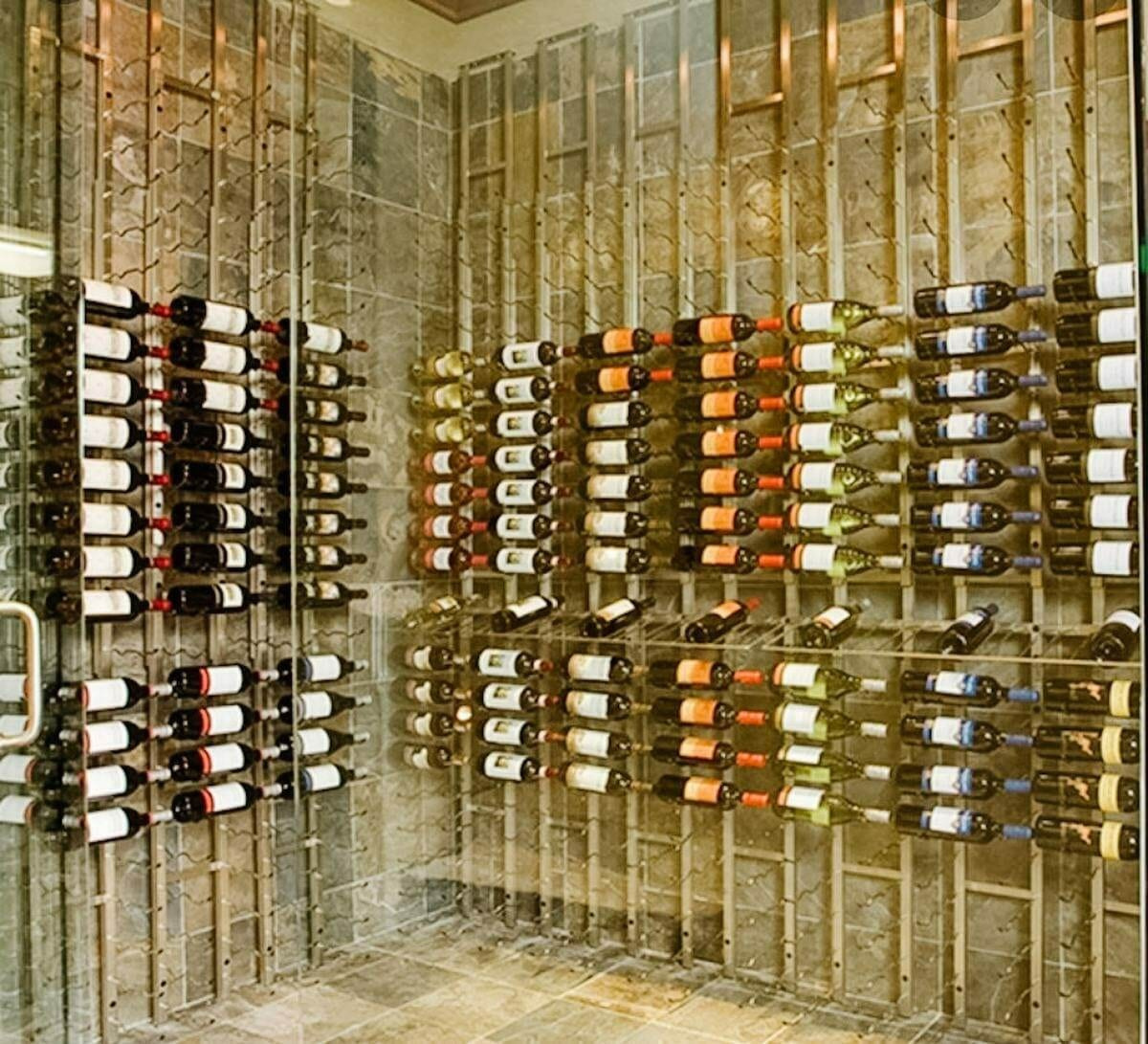
Installing a wine cooling system requires careful planning and consideration of various factors. The first step is to choose an appropriate location for your wine storage unit. Ideally, it should be placed in a cool, dark area away from direct sunlight and heat sources such as radiators or appliances.
Proper ventilation is crucial for maintaining the efficiency of your wine cooling system. Ensure that there is enough space around the unit for air to circulate freely. Avoid placing the unit in a confined space or against a wall.
Electrical requirements should also be taken into account. Check the voltage and power requirements of the wine cooling system and ensure that you have the necessary electrical outlets and wiring in place. If you are unsure about electrical work, it is best to hire a professional installer to ensure safety and compliance with building codes.
Maintaining Your Wine Cooling System: Best Practices for Longevity
Regular maintenance and cleaning are essential for ensuring the longevity and efficiency of your wine cooling system. Follow the manufacturer’s instructions for cleaning and maintenance, which may include tasks such as dusting the coils, checking the seals, and replacing filters.
It is also important to monitor the temperature and humidity levels regularly. Invest in a reliable thermometer and hygrometer to keep track of these parameters. Make adjustments as needed to maintain the ideal conditions for wine storage.
In addition to regular maintenance, it is important to address any issues or malfunctions promptly. If you notice any unusual noises, temperature fluctuations, or other signs of trouble, contact a professional technician for assistance.
Common Mistakes to Avoid When Storing Wine
There are several common mistakes that people make when storing wine, which can negatively impact its quality and longevity. One of the most common mistakes is storing wine in the wrong temperature conditions. Fluctuations in temperature can cause the wine to age prematurely or spoil. It is important to maintain a consistent temperature within the recommended range for optimal storage.
Another common mistake is storing wine in an environment with excessive humidity or dryness. Insufficient humidity can cause corks to dry out, leading to oxidation and spoilage. On the other hand, excessive humidity can promote mold growth and damage labels. It is important to maintain the ideal humidity level for wine storage.
Exposing wine to light is another mistake to avoid. UV rays from sunlight or artificial lighting can break down organic compounds in wine, resulting in unpleasant aromas and flavors. Store wine in a dark environment or use UV-resistant glass doors on your wine storage unit.
Lastly, storing wine in a location with excessive vibration can disturb the sediment in the bottle and affect its clarity and taste. Avoid placing wine near appliances, speakers, or other sources of vibration.
The Role of Humidity in Wine Storage: Why It Matters
Humidity plays a crucial role in wine storage and can have a significant impact on wine quality. Insufficient humidity can cause corks to dry out, leading to oxidation and spoilage. On the other hand, excessive humidity can promote mold growth and damage labels.
The ideal humidity level for wine storage ranges from 50% to 70%. This range helps keep the corks moist and prevents them from drying out. When corks dry out, they can shrink and allow air to enter the bottle, resulting in oxidation and spoilage.
To maintain the ideal humidity level, you can use a humidifier or dehumidifier depending on your specific needs. A humidifier can add moisture to the air if the humidity is too low, while a dehumidifier can remove excess moisture if the humidity is too high.
It is important to monitor the humidity level regularly using a hygrometer and make adjustments as needed. Proper humidity control is essential for preserving the integrity of the wine and ensuring its longevity.
Wine Cellars vs. Wine Coolers: Which is Better for Your Collection?
When it comes to choosing between a wine cellar and a wine cooler, there are several factors to consider. Wine cellars offer the most control over temperature and humidity, making them ideal for serious collectors or those with large wine collections. They provide a dedicated space for storing wine and can be customized to meet specific needs. However, wine cellars can be expensive to install and require proper insulation and ventilation.
On the other hand, wine coolers are more affordable and offer convenience and flexibility in terms of placement. They come in various sizes and capacities, making them suitable for both small and large collections. Wine coolers provide a controlled environment for storing wine, but they may not offer the same level of temperature and humidity control as a wine cellar.
The choice between a wine cellar and a wine cooler ultimately depends on your specific needs, preferences, and budget. If you have a large collection and are willing to invest in a dedicated space for wine storage, a wine cellar may be the best option. However, if you have a smaller collection or limited space, a wine cooler can provide an efficient and cost-effective solution.
Elevating Your Wine Experience with Proper Storage
Proper wine storage is essential for preserving the quality, taste, and aroma of wine. By understanding the factors that affect wine quality and investing in a quality wine cooling system, you can ensure that your wine ages gracefully and maintains its optimal flavor profile.
Whether you choose a wine cellar, a wine cooler, or a wine cabinet, it is important to consider factors such as size, capacity, budget, and features. Research different models and brands, read reviews, and seek recommendations to make an informed decision.
Once you have chosen and installed your wine cooling system, regular maintenance and cleaning are crucial for ensuring its longevity and efficiency. Monitor temperature and humidity levels regularly and make adjustments as needed.
By avoiding common mistakes such as storing wine in the wrong temperature or humidity conditions, exposing it to light or excessive vibration, you can preserve the quality of your wine collection.
In conclusion, proper wine storage is not only about preserving the quality of the wine but also about enhancing your overall wine experience. By investing in a quality wine cooling system and following best practices for storage and maintenance, you can elevate your wine experience and enjoy the full potential of your favorite wines.
Mike can help you decide which room details matter before choosing a cellar cooling system. Use your model number and room photos as the starting point for a call to (925) 944-1084.