Introduction
A wine refrigerator that starts running warm is telling you about its airflow more than its compressor. Keep the vents clear, clean it the way the manual for that model says to, park the bottles somewhere cool while you work, and note what the display was doing beforehand. Take the model number and that note to Mike before anyone removes a panel.
A brief overview of the importance of maintaining a wine refrigerator
Proper maintenance of a wine refrigerator is crucial for wine enthusiasts and collectors. Maintaining the ideal temperature and humidity levels ensures that wines age gracefully and retain their quality. Regular cleaning and organization prevent unwanted odors and preserve the integrity of the wines. By ensuring proper air circulation and ventilation, wine refrigerators can prevent temperature fluctuations and maintain consistent conditions. A well-maintained wine refrigerator guarantees that each bottle is stored in optimal conditions, ready for enjoyment whenever desired.
Common issues with wine refrigerators and the need for proper maintenance
Wine refrigerators can experience common issues that require proper maintenance. Temperature fluctuations can spoil the taste and aroma of the wines, while inadequate humidity levels can cause corks to dry out. Faulty seals and leaks can lead to air entering the unit, affecting the stored wines. Regular maintenance ensures that these issues are addressed promptly, preserving the quality and value of your wine collection. Wine Hardware offers tips and solutions for maintaining your wine refrigerator effectively.
Cleaning and Organization
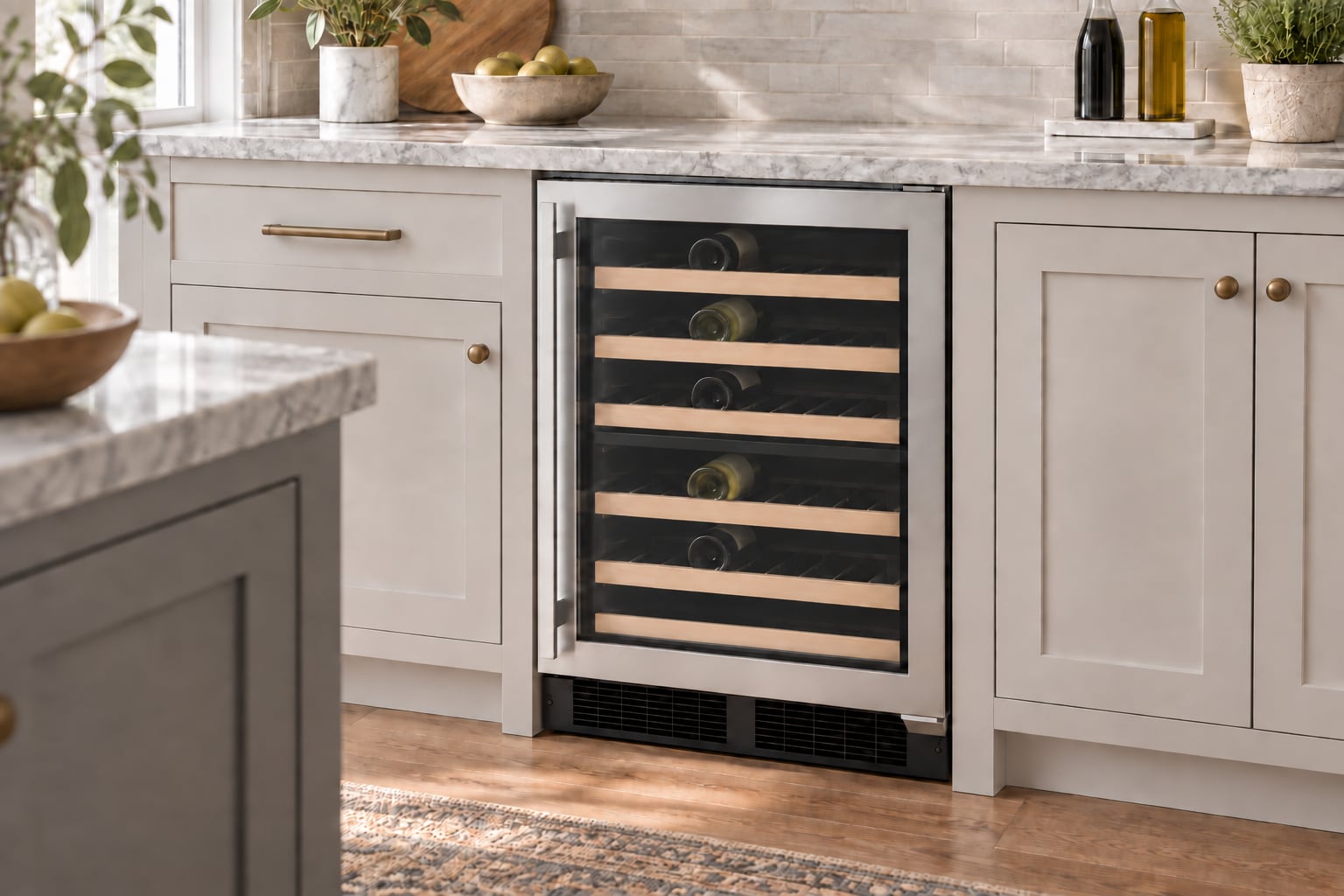
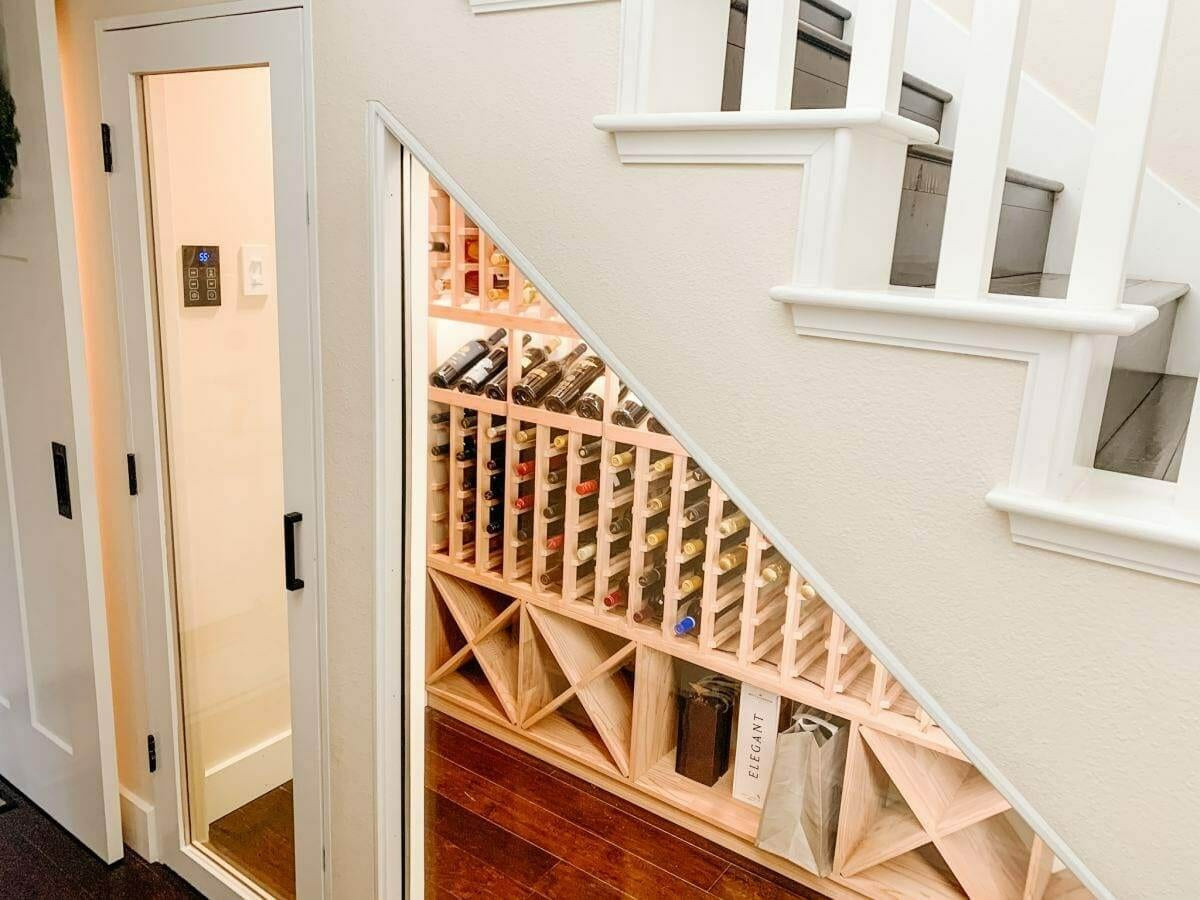
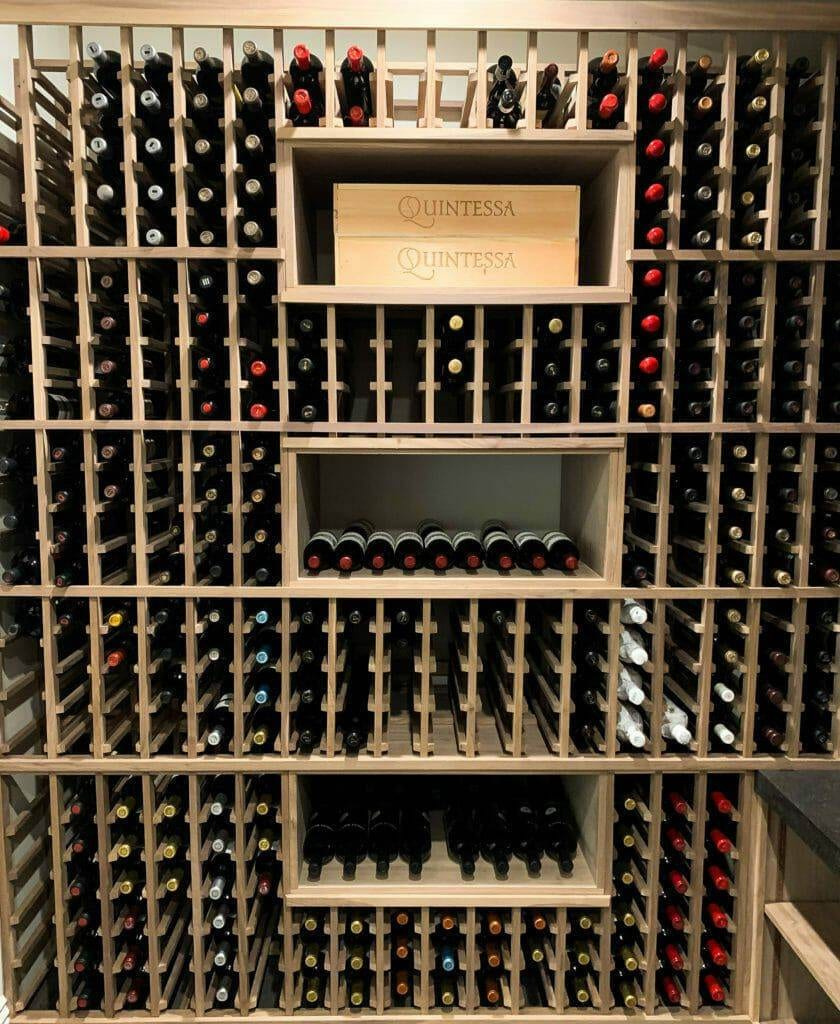
Keeping a wine refrigerator clean and organized is crucial for maintaining the quality of your wine collection. Regular cleaning of the interior and exterior of the unit is essential to prevent any build-up of dirt or bacteria. Wine Hardware recommends using mild soap and water or a specialized cleaner for stainless steel surfaces. It is also important to organize the bottles properly to maximize space and efficiency. Using wine racks or dividers can help prevent bottles from rolling and potentially breaking.
Cleaning tips for the interior and exterior of a wine refrigerator
To maintain the cleanliness of a wine refrigerator, Wine Hardware recommends using mild soap and water or a specialized cleaner for stainless steel surfaces. Simply wipe down the interior and exterior with a soft cloth or sponge to remove any dirt or residue. Avoid using abrasive cleaners or scrubbers that may scratch the surfaces. Regular cleaning will help prevent any build-up of dirt or bacteria and keep your wine refrigerator looking and functioning its best.
Organizational strategies to maximize space and efficiency
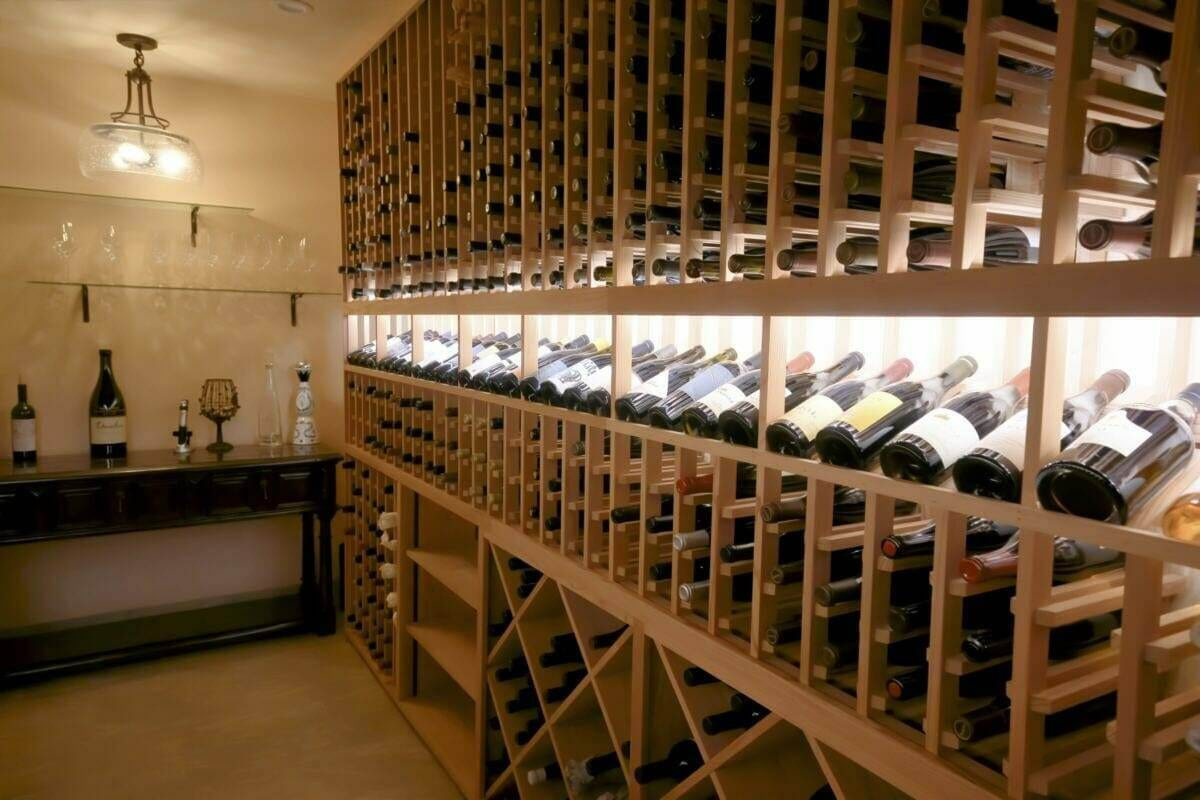
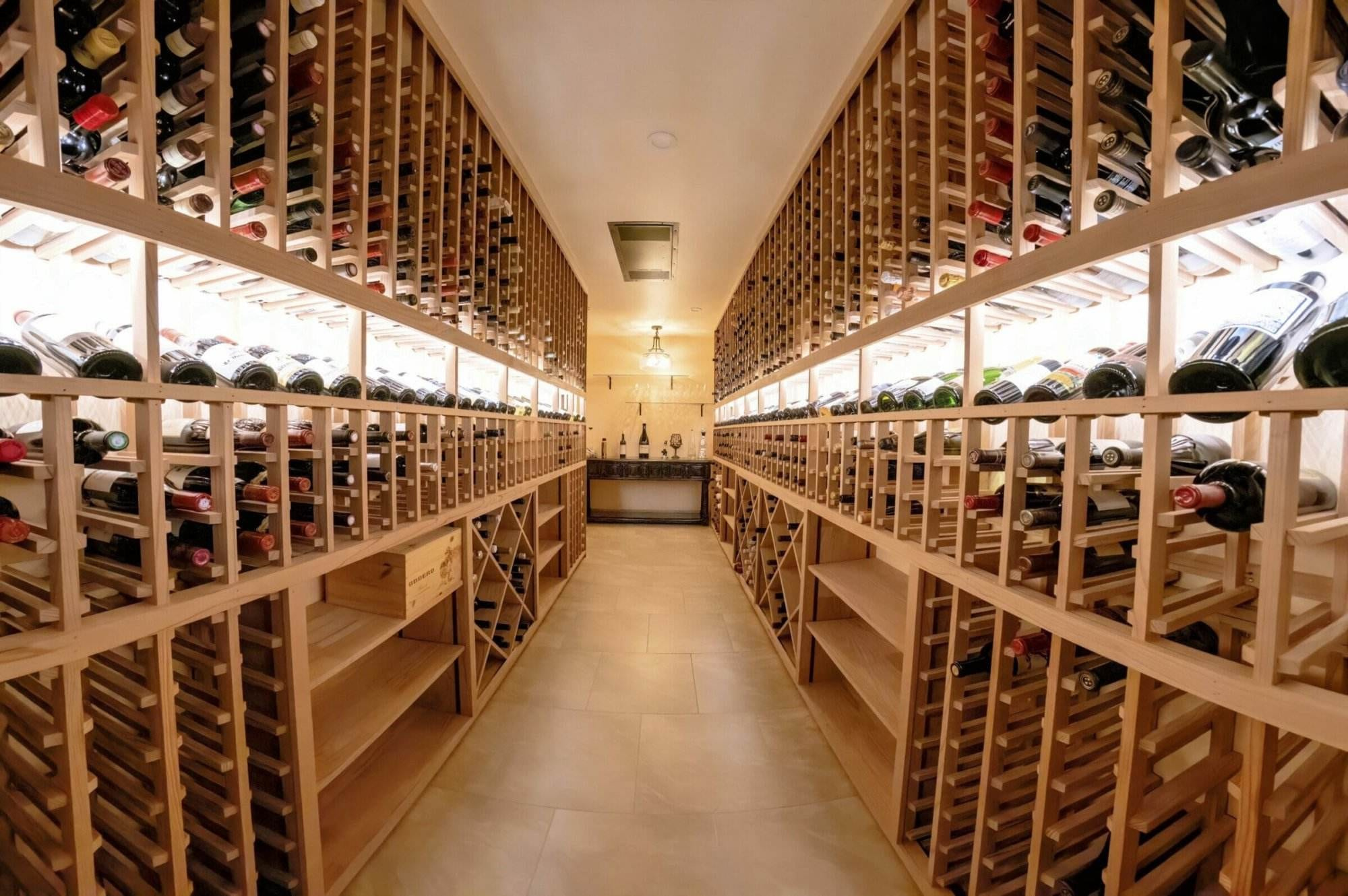
Organizational strategies are essential for maximizing space and efficiency in a wine refrigerator. Wine Hardware recommends using wine bottle racks or shelves to keep bottles neatly organized and easily accessible. Utilize adjustable shelves to accommodate different bottle sizes and shapes. Consider using dividers or separators to create sections for different types of wine. Labeling each section can make it easier to locate specific bottles. Additionally, arranging bottles in a vertical position allows for optimal air circulation and helps prevent sediment disturbance.
Temperature and Humidity Control
Understanding the optimal temperature and humidity levels for storing wine is crucial for maintaining its quality. Wine Hardware recommends keeping the temperature between 45°F and 65°F to prevent the wine from aging too quickly or spoiling. A humidity level of around 70% helps preserve the cork and prevent it from drying out. It is important to regularly monitor and adjust the temperature and humidity settings to ensure the wine remains in optimal conditions.
Understanding the optimal temperature and humidity levels for storing wine
Maintaining the proper temperature and humidity levels in a wine refrigerator is crucial for preserving the quality of the wine. The optimal temperature range is between 45°F and 65°F to prevent rapid aging or spoilage. A humidity level of around 70% helps preserve the cork and prevents it from drying out. Monitoring and adjusting these settings regularly ensures that the wine remains in optimal conditions.
Tips for adjusting and monitoring temperature and humidity in a wine refrigerator
To ensure the optimal conditions for storing wine, here are some tips for adjusting and monitoring temperature and humidity in a wine refrigerator. Firstly, invest in a thermometer and hygrometer to accurately measure and monitor these levels. Adjust the temperature settings as needed to maintain a range between 45°F and 65°F. Use a humidifier or dehumidifier to maintain a humidity level around 70%. Regularly check and calibrate the thermometer and hygrometer to ensure accurate readings. Keep track of any fluctuations and make necessary adjustments promptly.
Air Circulation and Ventilation
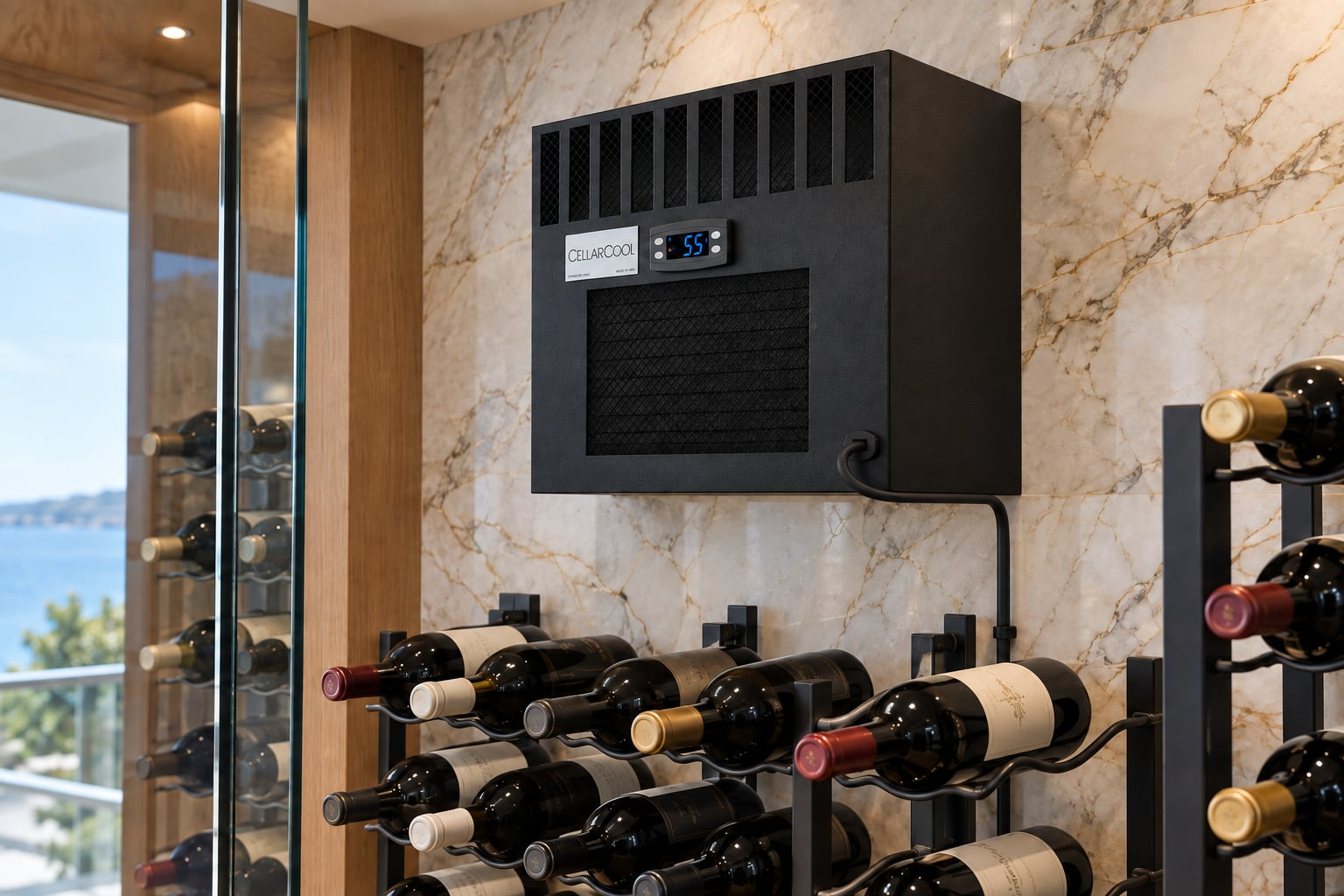
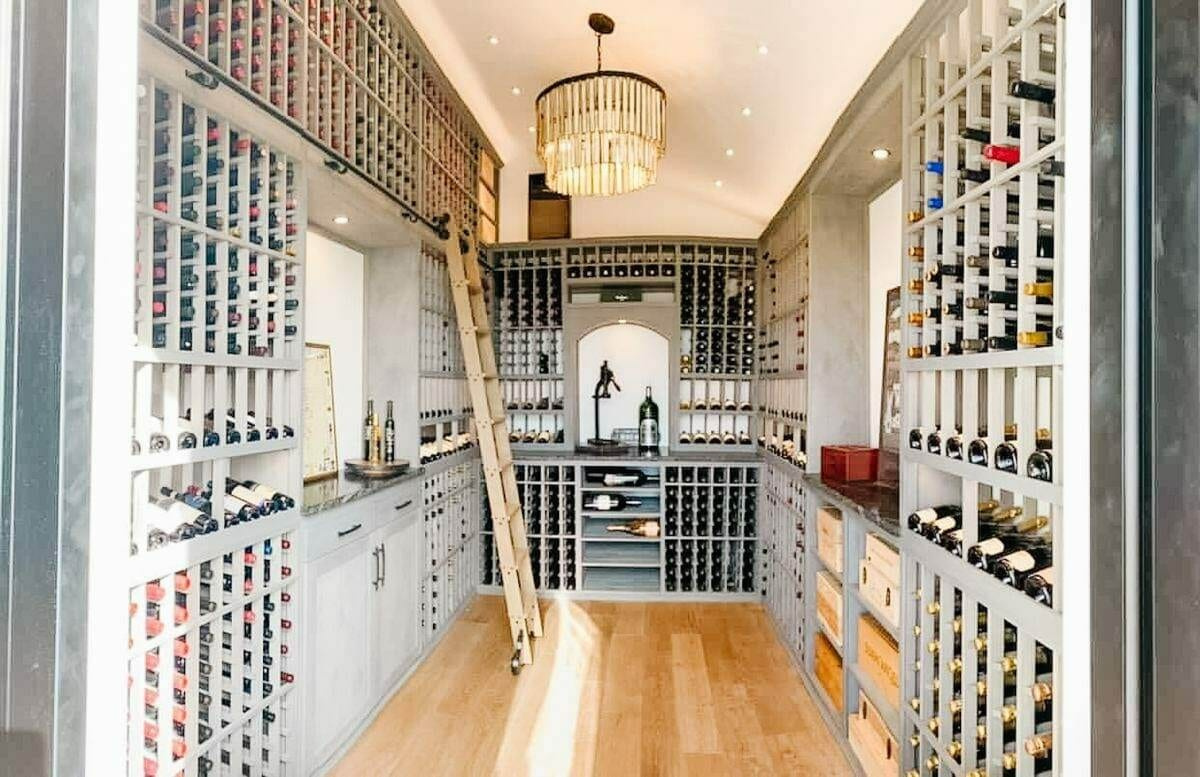
Proper air circulation and ventilation are crucial for maintaining the optimal conditions inside a wine refrigerator. Adequate airflow helps prevent temperature fluctuations and ensures even cooling throughout the unit. To promote air circulation, avoid overloading the shelves and leave enough space between bottles. Additionally, regularly clean the vents and fan to prevent blockages and maintain efficient ventilation. This will help keep your wine refrigerator functioning at its best.
Importance of proper air circulation and ventilation in a wine refrigerator
Proper air circulation and ventilation are essential for a wine refrigerator’s optimal performance. It ensures even cooling throughout the unit, minimizing temperature fluctuations that can harm the wine. Adequate airflow also helps prevent the formation of mold and mildew, which can spoil the wine and affect its taste. By promoting air circulation, wine enthusiasts can maintain the ideal conditions for their collection and preserve the quality of their wines for longer periods.
Strategies to ensure adequate airflow and prevent temperature fluctuations
To ensure adequate airflow and prevent temperature fluctuations in a wine refrigerator, there are several strategies that wine enthusiasts can employ. First, it is important to avoid overcrowding the unit and allow for proper spacing between bottles. This allows for better air circulation. Additionally, arranging bottles in a way that allows for the free flow of air around them can help maintain consistent temperatures. Lastly, regularly checking and cleaning the air vents and filters of the wine refrigerator can ensure that airflow is not obstructed.
Maintenance Checklist
A comprehensive checklist for routine maintenance of a wine refrigerator
- Regularly clean the interior with a mild detergent solution to remove any spills or residue.
- Wipe the exterior surface with a soft cloth and a mixture of warm water and mild soap.
- Check the door seals for any signs of wear or damage. Replace if necessary to maintain an airtight seal.
- Inspect and clean the condenser coils to remove dust and debris that can hinder performance.
- Keep the area around the wine refrigerator free from clutter and ensure proper ventilation.
- Monitor the temperature and humidity levels regularly to ensure they are within the optimal range.
- Check the filters and vents for any blockages and clean if needed to maintain proper airflow.
- Inspect the power cord for any signs of damage and make sure it is securely plugged into a grounded outlet.
- Regularly check for any leaks or unusual noises coming from the wine refrigerator.
- Follow the manufacturer’s recommendations for any additional maintenance tasks specific to your model.
Recommendations for scheduled maintenance tasks to keep your unit functioning optimally
Regularly schedule the following maintenance tasks to ensure optimal performance of your wine refrigerator. Clean the interior and exterior surfaces using a mild detergent solution. Check and replace worn or damaged door seals to maintain an airtight seal. Clean the condenser coils to remove dust and debris. Keep the surrounding area free from clutter and ensure proper ventilation. Monitor temperature and humidity levels. Check and clean filters and vents. Regularly inspect the power cord for damage. Follow manufacturer’s recommendations for additional maintenance tasks.
Troubleshooting and Repairs
Common problems with wine refrigerators and troubleshooting steps
Wine refrigerators can experience common issues that may affect their performance. If the unit is not cooling properly, check the temperature settings and ensure proper air circulation. If unusual noises are heard, check for level placement and loose components. In case of persistent problems, contacting Wine Hardware customer support is advisable for further troubleshooting assistance.
When to seek professional help and tips for DIY repairs.
If your wine refrigerator is experiencing persistent issues despite your troubleshooting efforts, it may be time to seek professional help. Wine Hardware provides customer support for troubleshooting assistance and can guide you on whether repairs are required. However, for minor issues, DIY repairs can be attempted. Wine Hardware recommends referring to the product manual for specific troubleshooting steps and cautions against attempting any repairs that may void the warranty.
Mike can help you identify the model information and observations to review before a maintenance decision. Call him at (925) 944-1084 with the model number and a few photos of your room.
More on wine refrigerator operation and maintenance
A wine refrigerator is easier to maintain when you know its model, can reach the approved service areas and keep a short record of changes. For a Danville home, begin with the manufacturer's instructions and the way the appliance is installed. Wine Hardware can help you identify the right questions for your equipment, from blocked access to an unfamiliar warning, before a small observation becomes a series of guesses.
Find the model and establish a baseline
Record the complete model and serial information in a place you can reach without moving the appliance. Keep the owner's manual and purchase details with it. Note the normal control settings and any routine observations that help you describe a change, such as a new sound, an alarm or condensation where you have not noticed it before.
For a built-in unit, keep the installation drawing as well. Its ventilation and clearance requirements remain relevant after the cabinetry is finished. If you inherited the refrigerator with the home, identifying the exact model is a useful first task. Maintenance advice for a different appliance may direct you toward parts that are not owner-accessible on yours.
Clean according to the appliance instructions
Use the cleaning products, methods and shutdown procedure specified by the manufacturer. Plan where the bottles will go while the interior is cleaned, and avoid leaving the task unfinished with the door open. Handle shelves according to their removal instructions rather than forcing a part that appears to slide.
Check the door seal and the surfaces it closes against for visible dirt or obstructions, using the approved care method. If the seal is damaged or the door does not close as expected, document the issue and ask about service. Do not assume that aggressive cleaners, improvised lubricants or a universal replacement gasket are appropriate for the selected model.
Keep the intended ventilation available
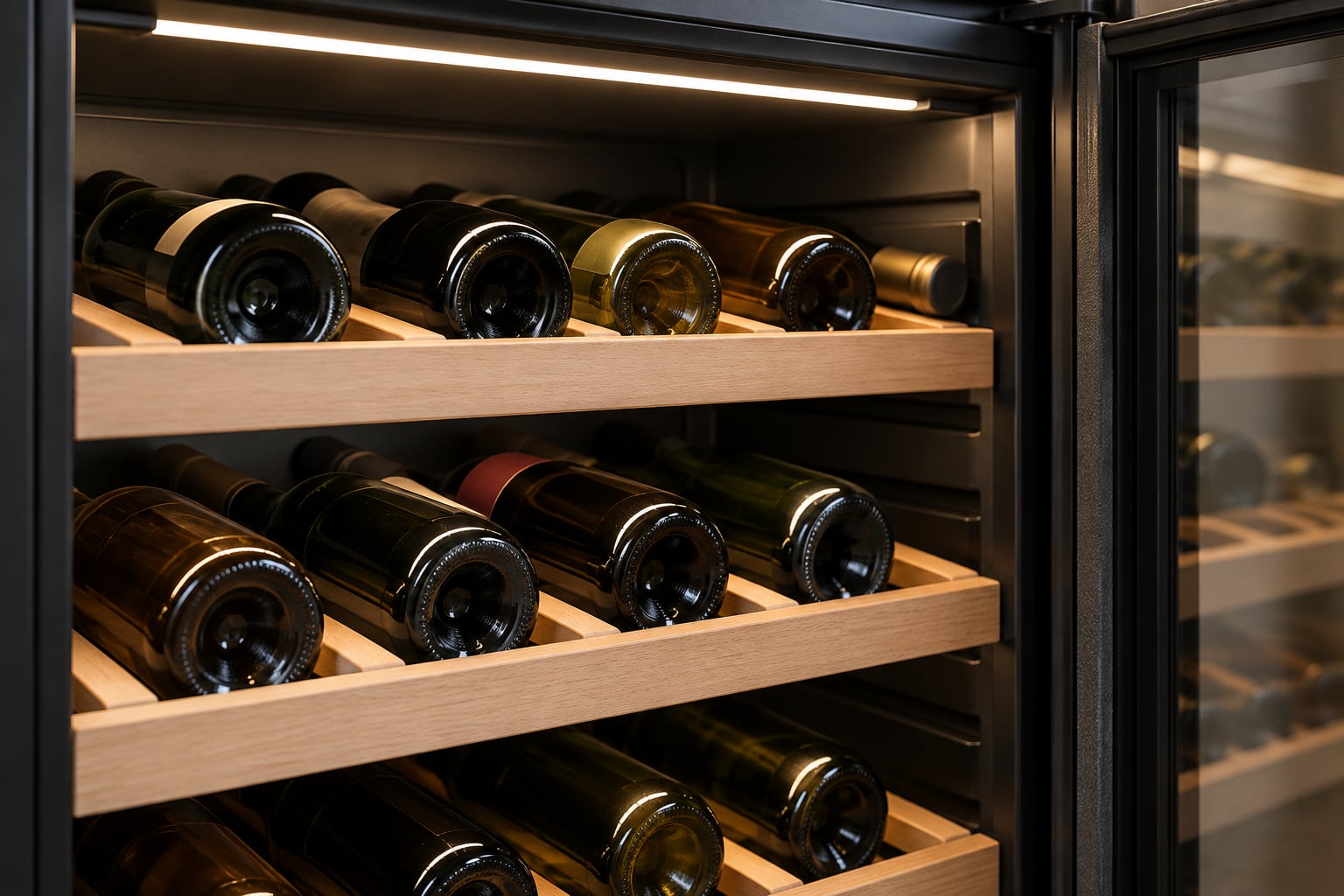
Look at the areas the installation manual identifies for ventilation and owner cleaning. Make sure stored items, decorative trim or a changed room arrangement have not covered them. An appliance can gradually lose access as a kitchen drawer, rug or nearby furniture is added around it.
Clean only the parts the manual identifies as owner-serviceable, following its instructions. Do not remove covers to reach electrical or refrigeration components based on a general online checklist. If a condenser or filter needs attention, first establish whether the owner or a service technician is meant to perform that task on the exact model and installation.
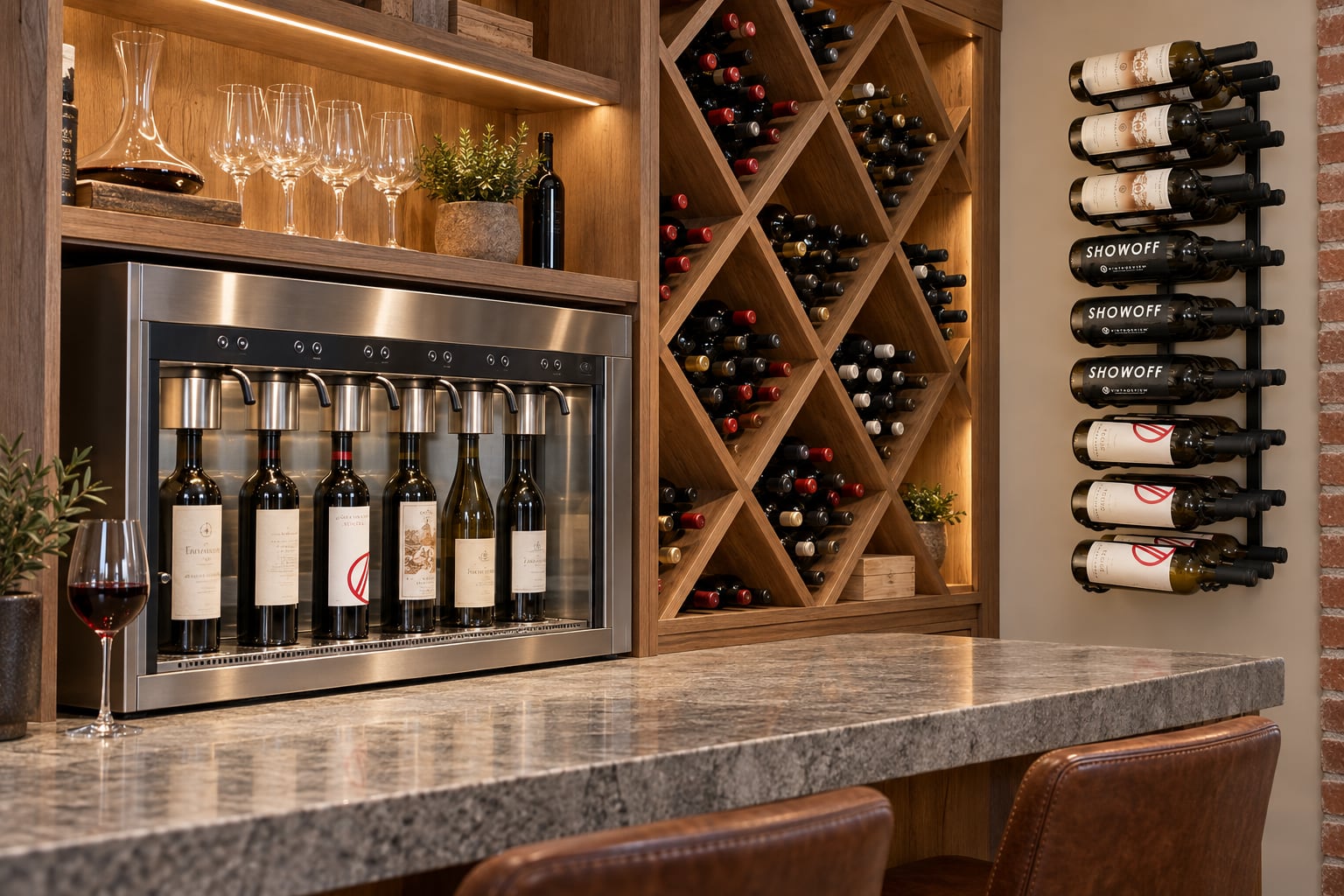
Organize bottles so the appliance remains usable
Check that bottles sit within the permitted shelf arrangement and do not obstruct the door or areas the manufacturer requires to remain clear. Broad bottles can change usable capacity and shelf spacing. Avoid forcing the advertised count into a layout that does not match the bottle shapes you own.
Keep frequent selections easy to identify so you can retrieve them without prolonged searching. A simple shelf map can help if bottles are stored behind one another. When adding new purchases, take the opportunity to notice anything out of place rather than routinely moving the entire collection. The aim is orderly access, not unnecessary handling of every bottle.
Record a problem before changing controls
If the refrigerator behaves differently, write down the exact warning, displayed reading and when you noticed it. Note whether the door had been open, bottles were recently added or the surrounding conditions changed. Photographs of the display and installation can help a service conversation begin with specific observations.
Use the matching manual's troubleshooting guidance and contact the appropriate support provider for unresolved issues. Repeated resets or changing several settings at once can make the original problem harder to describe. If the appliance cannot maintain the needed storage conditions, discuss an appropriate temporary arrangement for the collection while the equipment is assessed.
Create a maintenance routine you can keep
Follow the manufacturer's schedule and adapt reminders to the owner tasks it specifies. Keep a simple note of cleaning, filter changes where applicable and professional service. This record is more useful than a generic promise that one fixed maintenance interval suits every refrigerator in every home.
Wine Hardware carries Transtherm and Marvel wine refrigerators and can discuss questions about equipment and replacement fit. Bring your Danville appliance details, photographs and observations to our Walnut Creek showroom. If service is needed, clarify who will perform it and what access they require before moving cabinets or attempting to remove the refrigerator yourself.
Questions before you decide
How often should I clean the condenser?
Use the exact model's manual to establish whether condenser cleaning is an owner task and what schedule applies. Some parts may require professional service. Do not remove covers or improvise a cleaning method from instructions for another appliance.
Should I adjust the setting whenever the display changes?
First record the reading and relevant events, then consult the model's instructions. The display and control behavior vary by appliance. Repeated adjustments can obscure the pattern you need to explain during a support call.
What information helps when I ask for service advice?
Provide the model, serial information, exact warning or symptom, installation photos and any recent changes. Include the steps already taken under the manual's guidance and whether the problem is continuing or intermittent.
Ask Wine Hardware about your Danville wine refrigerator. Send the model details and observations, or call (925) 944-1084 to identify the next step.
Common Wine Refrigerator Storage MistakesImproper Placement and Ventilation
Wine refrigerator storage mistakes often begin with assuming that every bottle fits the stated capacity. Check shelf layout, door closure and the manufacturer's required clearances, then organize frequently chosen wines so retrieval does not require a prolonged search through the cabinet. Bring the model details, room dimensions and installation photos to Wine Hardware in Walnut Creek. We can help identify the equipment questions to resolve before you choose your next step.
Improper Placement affecting Wine Refrigerator Efficiency
Placing a wine refrigerator in an improper location can significantly impact its efficiency. Direct sunlight and heat sources should be avoided, as they can disrupt the desired temperature conditions. It is important to provide sufficient space around the unit for proper air circulation, as this prevents overheating. By ensuring proper placement, wine enthusiasts can enjoy optimal performance and preservation of their favorite bottles.
Importance of Proper Ventilation for Wine Refrigerators
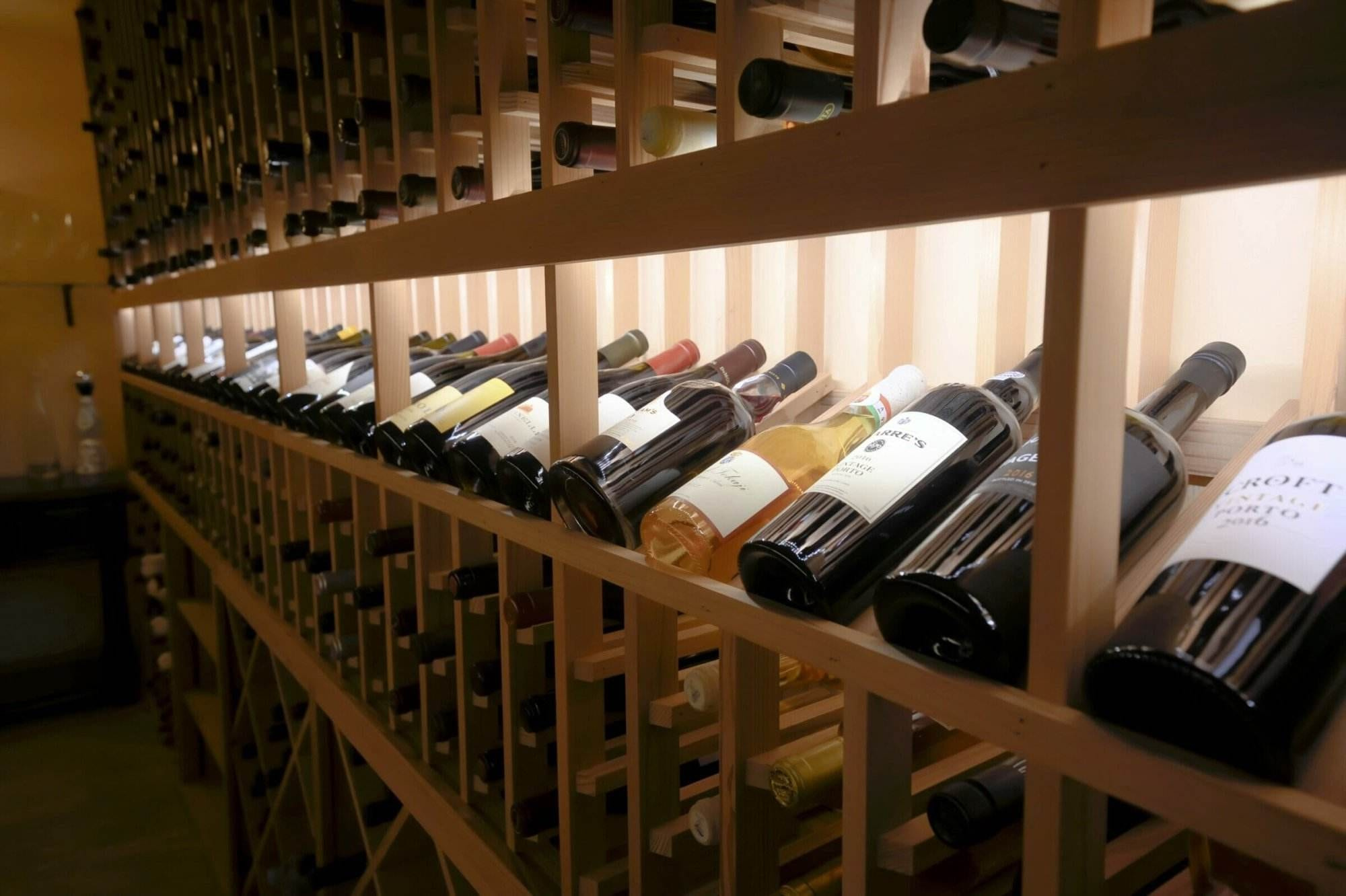
Proper ventilation is crucial for maintaining the efficiency of wine refrigerators. Without adequate airflow, the unit may struggle to cool the bottles to the desired temperature. Good ventilation ensures that the compressor works efficiently and prevents overheating. It also helps in regulating humidity levels inside the refrigerator. Wine Hardware strongly emphasizes the importance of providing sufficient space around the unit to allow for proper air circulation, thus optimizing the performance and longevity of the wine refrigerator.
Incorrect Temperature Settings
Setting the wrong temperature on wine refrigerators is a common mistake to avoid. It can have a significant impact on the storage and preservation of wines. If the temperature is too high or too low, it can affect the flavors, aromas, and overall quality of the wines. It is essential to refer to the specific temperature recommendations for different types of wines and ensure that the wine refrigerator is set accordingly.
Setting the Wrong Temperature on Wine Refrigerators
Setting the wrong temperature on a wine refrigerator can have detrimental effects on the quality and preservation of wines. Each type of wine has specific temperature requirements, and deviating from these recommendations can impact the flavors and aromas. It is crucial to refer to the manufacturer's guidelines to ensure that the wine refrigerator is set at the optimal temperature for storing and aging wines effectively.
Impact of Incorrect Temperature Settings on Wine Storage
Incorrect temperature settings on a wine refrigerator can have significant consequences for wine storage. If the temperature is too high, it can accelerate the aging process and cause the wine to spoil or develop off flavors. On the other hand, if the temperature is too low, it can slow down the aging process and impede the wine's development. Maintaining the correct temperature is crucial to preserve the flavors, aromas, and overall quality of the wine.
Overloading and Poor Organization
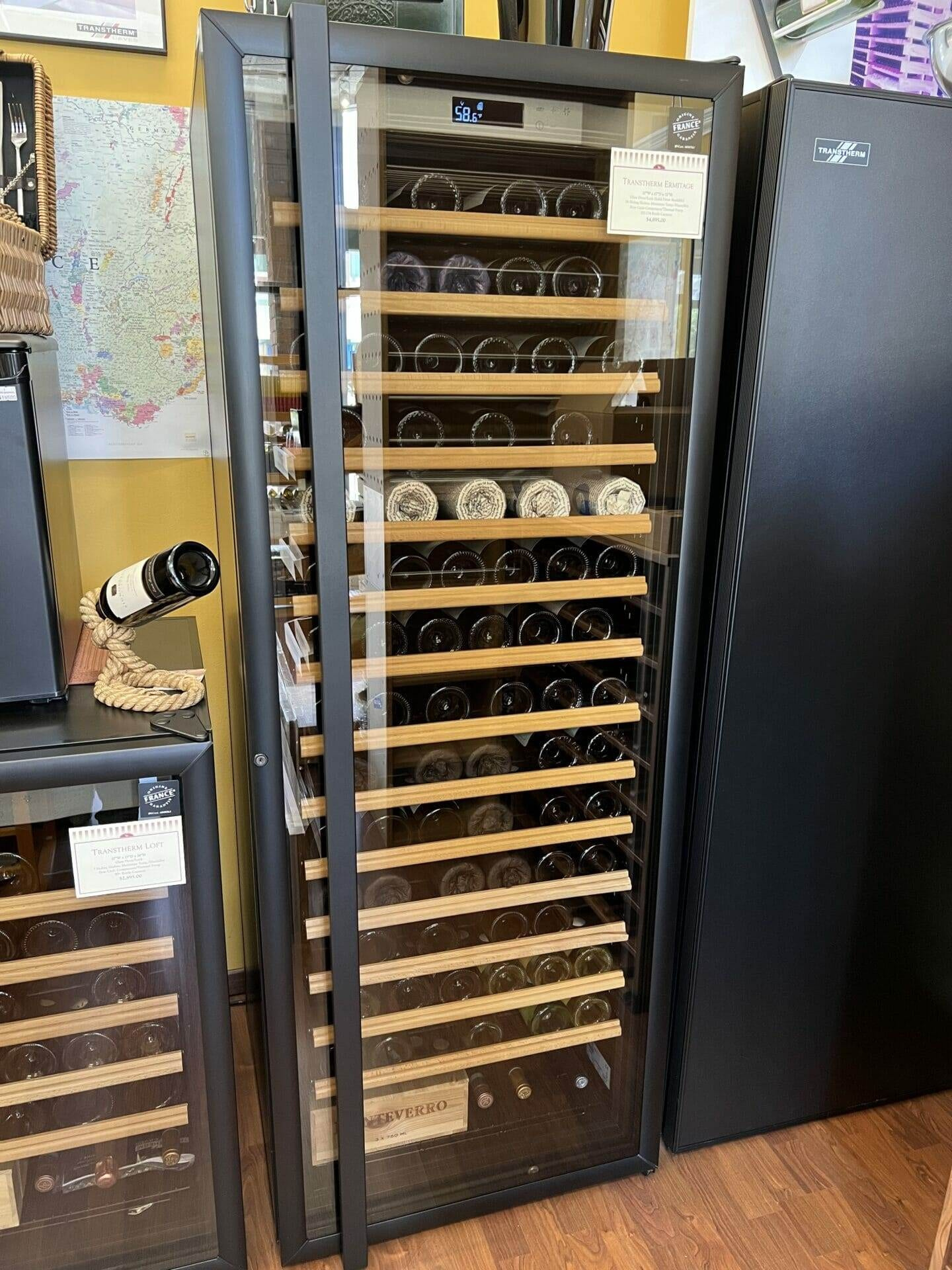
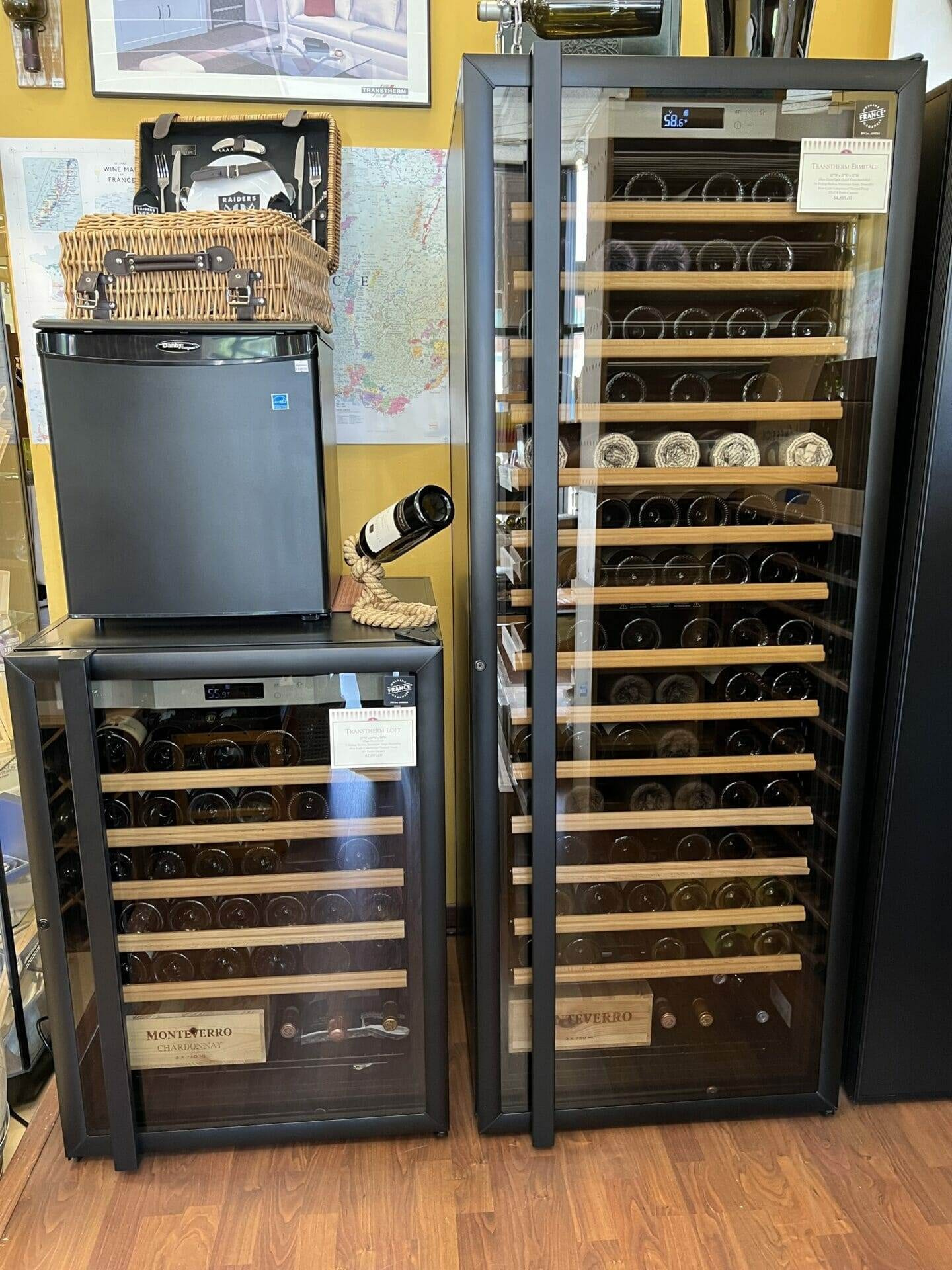
Overloading and poor organization are common mistakes that can negatively impact the performance of a wine refrigerator. When the refrigerator is overloaded with too many bottles, it can disrupt the airflow and cause uneven cooling. This can lead to temperature fluctuations and affect the quality of the wine. Additionally, poor organization can make it difficult to access specific bottles, resulting in unnecessary handling and potential damage to other bottles. Properly managing the number of bottles and organizing them effectively is essential for maintaining optimal conditions inside the wine refrigerator.
Effects of Overloading Wine Refrigerators
Overloading a wine refrigerator can have detrimental effects on its performance. The airflow inside the refrigerator can become disrupted, resulting in uneven cooling throughout the unit. As a result, temperature fluctuations may occur, compromising the quality of the wine. Furthermore, overloading the refrigerator can make it difficult to access specific bottles, leading to unnecessary handling and potential damage. It is crucial to avoid overloading to maintain optimal conditions for wine storage.
Tips for Organizing Wine Refrigerators Effectively
When organizing a wine refrigerator, it's important to prioritize accessibility and proper storage. Group similar wines together to make it easier to find specific bottles. Utilize wine racks or bins to keep bottles in place and prevent them from rolling around. Label shelves or use a wine inventory system to keep track of what wines are stored where. Avoid overcrowding the refrigerator to maintain optimal airflow and temperature consistency.
Forgetting Regular Maintenance
Regular maintenance is essential for the optimal performance of a wine refrigerator. Neglecting maintenance tasks can lead to various issues such as temperature inconsistencies, compressor failure, or even mold growth. To avoid these problems, it is important to schedule routine maintenance for cleaning the interior, checking the seals, and monitoring temperature settings. By prioritizing regular maintenance, wine enthusiasts can ensure the longevity and efficiency of their wine refrigerators.
Importance of Regular Maintenance for Wine Refrigerators
Regular maintenance is crucial for the optimal performance of a wine refrigerator. It helps ensure that the temperature remains consistent, preventing any fluctuations that could potentially spoil the wine. Regular maintenance also involves cleaning the interior to remove any dust or debris that can affect the taste and quality of the wine. By staying on top of maintenance tasks, wine enthusiasts can prolong the lifespan of their wine refrigerators and enjoy their collection to the fullest.
Common Maintenance Tasks for Wine Refrigerators
Regular maintenance for wine refrigerators includes cleaning the interior with a soft cloth and mild detergent to remove any residue. It is important to regularly check the temperature settings and adjust if necessary. Dusting the exterior and condenser coils helps maintain optimal performance. Additionally, inspecting the door seal for any damage and replacing if needed ensures an airtight seal. Regularly defrosting and removing any ice buildup prevents inefficiency.
Placing Non-Wine Items Inside
When using a wine refrigerator, it is important to avoid placing non-wine items inside. Wine refrigerators are specifically designed to maintain the ideal temperature and humidity levels for storing wine. Placing non-wine items can disrupt the airflow and compromise the overall performance of the refrigerator. It is best to reserve the wine refrigerator solely for storing wine to ensure optimal conditions for your valuable collection.
Negative Effects of Placing Non-Wine Items in Wine Refrigerators
Placing non-wine items inside a wine refrigerator can have negative effects on its performance. These refrigerators are specifically designed to maintain the ideal temperature and humidity levels for wine storage. When non-wine items are added, they can disrupt the airflow and compromise the overall efficiency of the refrigerator. This can result in temperature fluctuations and uneven cooling, which can impact the quality and taste of your wine. Therefore, it is best to avoid placing non-wine items in a wine refrigerator to ensure optimal conditions for your valuable collection.
Best Practices for Using Wine Refrigerators Properly
Proper usage of Wine Refrigerators involves a few key best practices. Firstly, always store only wine inside the refrigerator to ensure optimal temperature and humidity levels are maintained. Secondly, avoid overloading the refrigerator as it can hinder airflow and cause temperature fluctuations. Lastly, regularly clean and maintain the refrigerator to prevent any buildup or damage. Following these practices will help maximize the performance and longevity of the Wine Refrigerator.
Conclusion
In conclusion, properly using a Wine Refrigerator is essential for maintaining the quality and taste of your wines. Avoid common mistakes such as improper placement, incorrect temperature settings, overloading, and neglecting regular maintenance. By following best practices, you can ensure that your Wine Refrigerator performs optimally, providing the perfect environment for storing and aging your wines. Take the necessary steps to care for your Wine Refrigerator and enjoy the full benefits of your collection.
Summary of Common Mistakes to Avoid with Wine Refrigerators
A wine refrigerator should be placed properly for optimal efficiency. Incorrect placement can affect its performance and lead to temperature fluctuations. Proper ventilation is crucial to prevent heat buildup and ensure consistent cooling. Setting the wrong temperature on the wine refrigerator can negatively impact the quality and taste of the wines. Overloading the refrigerator and poor organization can compromise its cooling abilities. Regular maintenance is essential for the long-term performance of the wine refrigerator. Placing non-wine items in the refrigerator can alter the temperature and humidity levels, affecting the wines. Avoid these common mistakes to maximize the performance of your wine refrigerator.
Tips for Maximizing Wine Refrigerator Performance
To maximize wine refrigerator performance, it is important to place the unit in a cool and dry location with proper ventilation. Keep the refrigerator away from direct sunlight and heat sources. Set the temperature to the recommended range for storing wine. Avoid overloading the refrigerator and maintain a well-organized storage system. Regularly clean and maintain the unit to ensure optimal performance. Finally, only store wine in the refrigerator and avoid placing non-wine items inside.
Introduction to Seasonal Wine Storage
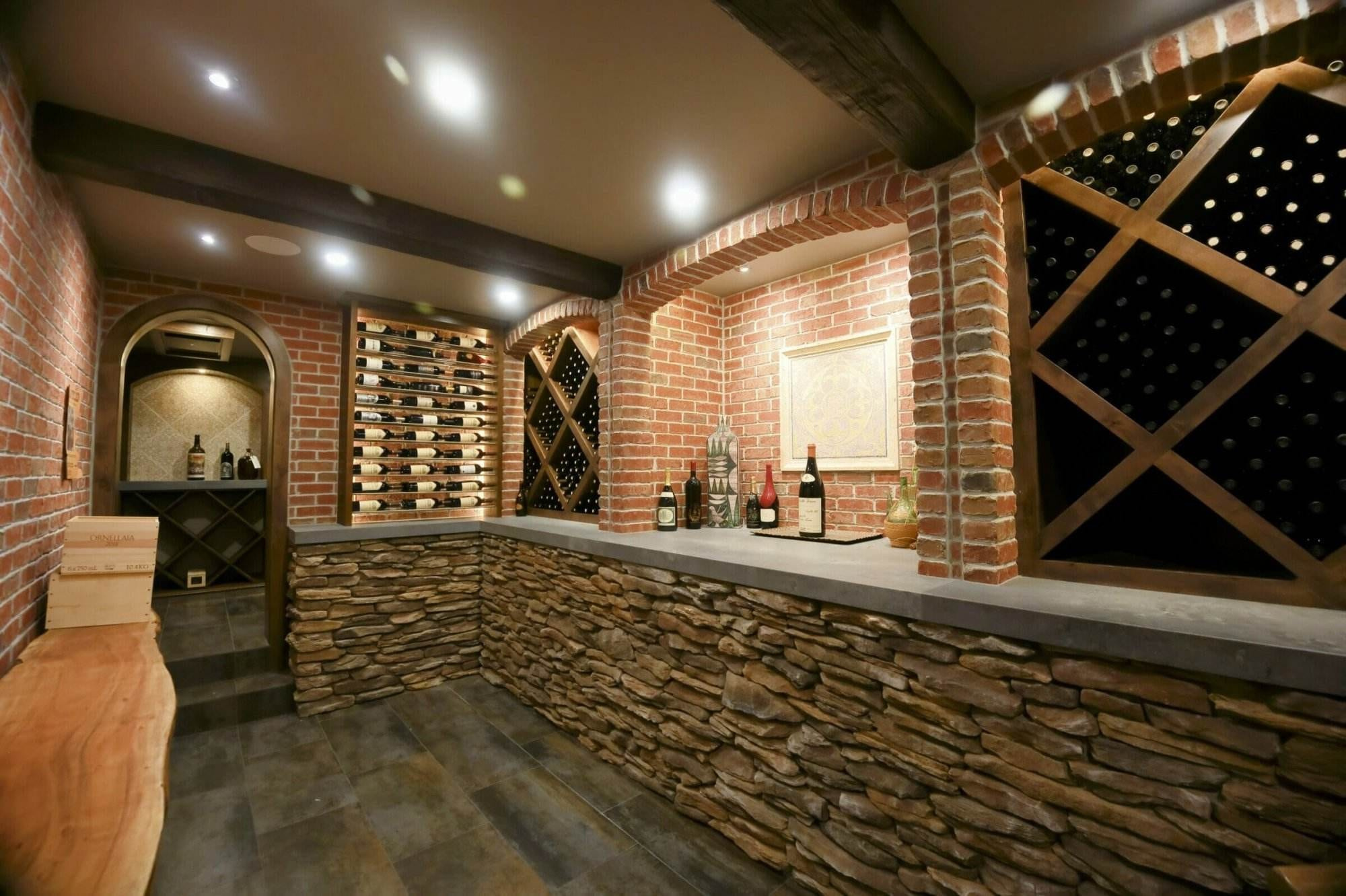
Seasonal wine refrigerator planning should follow the appliance's actual surroundings and instructions. Notice changes in room use, ventilation and bottle turnover, then review any persistent readings or warnings before changing settings simply because the weather outside has changed. Bring the model details, room dimensions and installation photos to Wine Hardware in Walnut Creek. We can help identify the equipment questions to resolve before you choose your next step.
Explanation of the importance of adjusting wine refrigerator settings
The importance of adjusting wine refrigerator settings lies in maintaining the optimal conditions for storing wine. Temperature and humidity control are crucial factors in preserving the flavor, aroma, and quality of wines. By adjusting the settings according to the season, wine enthusiasts can ensure that their collection is protected from temperature fluctuations that can accelerate aging or spoilage. Proper adjustments help prolong the lifespan and enhance the overall enjoyment of wines.
Tips on maintaining wine quality throughout the year
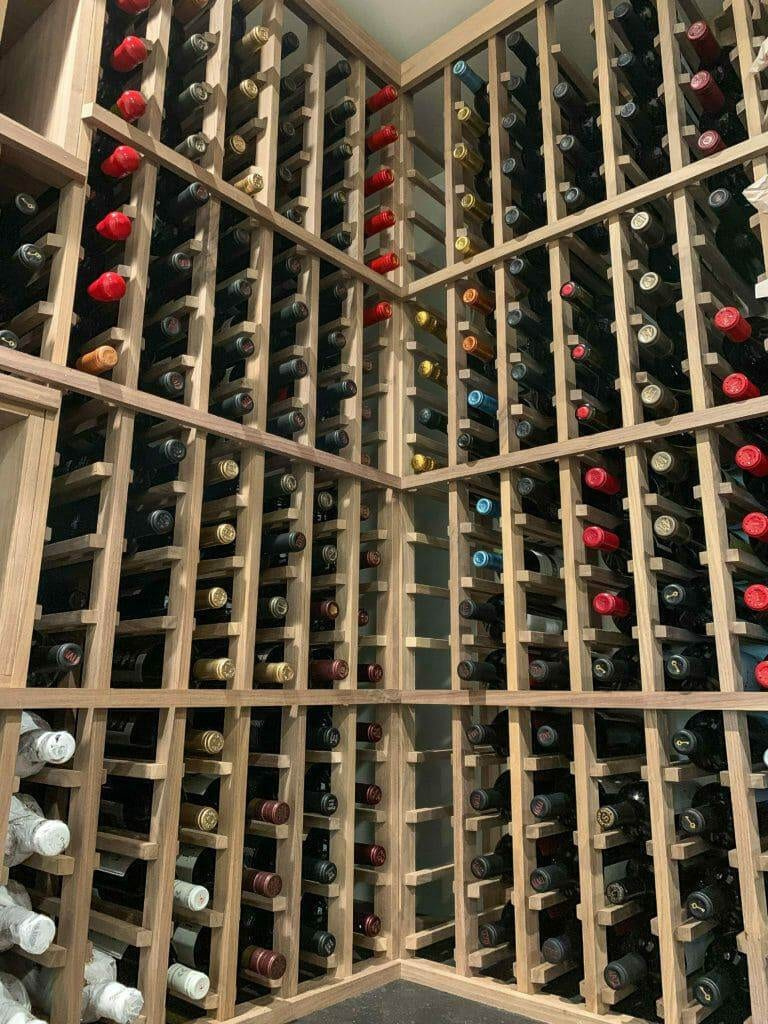
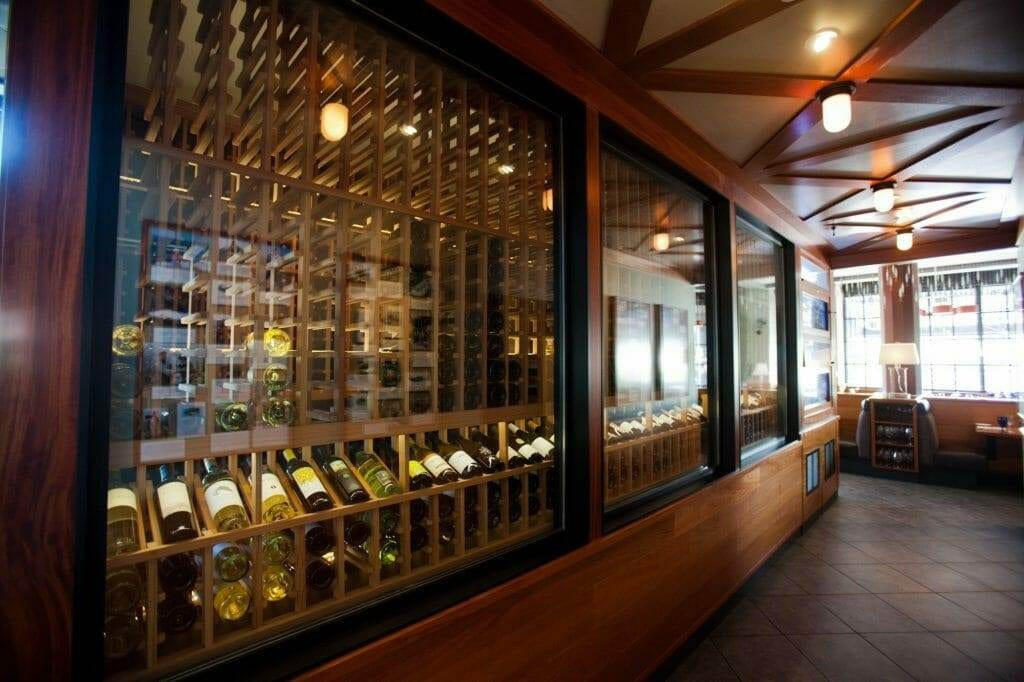
To maintain wine quality throughout the year, it is essential to follow a few key tips. Firstly, it is crucial to keep the wine refrigerator at a consistent temperature, avoiding extreme fluctuations. Secondly, ensure that the humidity levels are optimal to prevent corks from drying out or mold growth. Thirdly, avoid exposing the wine to direct sunlight or excessive heat. Finally, regularly check and maintain the wine refrigerator to ensure it is functioning properly. These tips will help preserve the flavor and quality of wines year-round.
Winter Wine Storage
Ideal temperature and humidity settings for winter storage
For winter operation, check the refrigerator's permitted ambient conditions and storage settings in its manual. This range prevents the wine from freezing or becoming too cold. Review humidity readings alongside the collection's storage needs and the equipment requirements. By adhering to these temperature and humidity settings, wine enthusiasts can preserve the quality of their wines throughout the winter months.
Protecting wines from cold temperatures and dry air
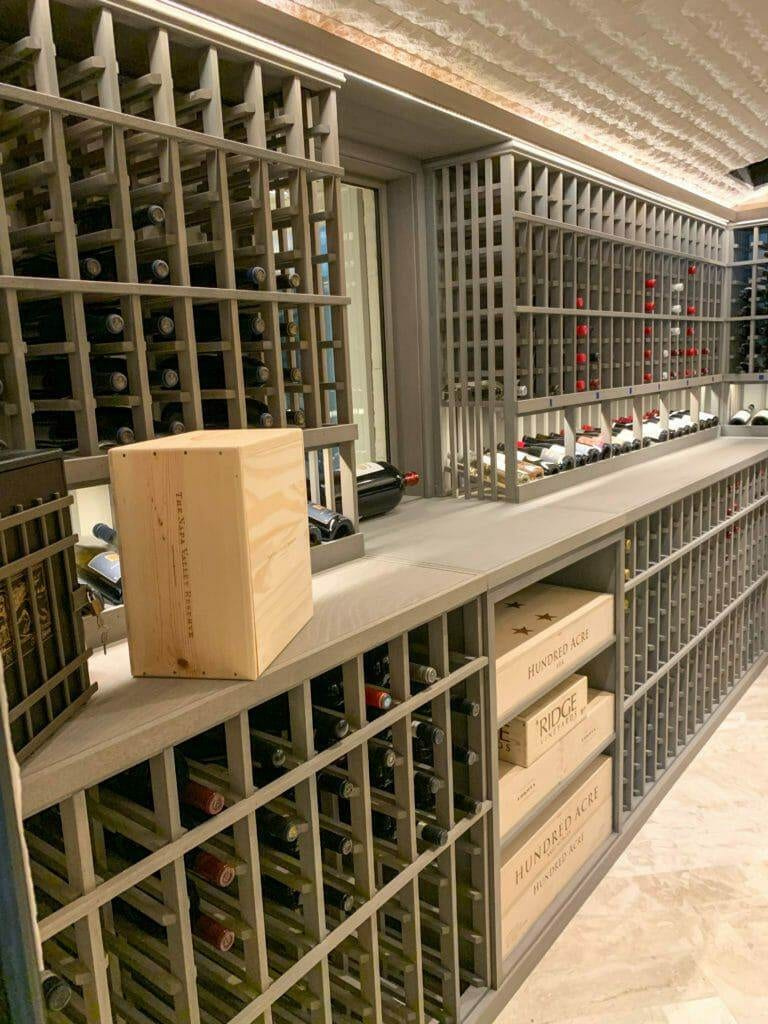
Winter storage poses the risk of wines being exposed to cold temperatures and dry air. Check the refrigerator's permitted ambient conditions before placing it where winter temperatures may affect operation. This range prevents the wine from freezing or becoming too cold. Review humidity readings alongside the collection's storage needs and the equipment requirements. By adhering to these temperature and humidity settings, wine enthusiasts can preserve the quality of their wines throughout the winter months.
Spring Wine Storage
Adapting wine refrigerator settings for spring season
During the spring season, it is important to adjust the settings of your wine refrigerator to accommodate the changing temperatures. Choose storage settings for the wines you keep and verify them against the refrigerator instructions. This temperature range allows the wines to breathe and develop without becoming too warm. By making these adjustments, you can ensure that your wines are stored at the ideal conditions during the spring months.
Preventing wine spoilage due to varying temperatures
Wine enthusiasts take special care to prevent wine spoilage due to varying temperatures. By adjusting the settings of their wine refrigerator, they can ensure a stable environment for their wines. Fluctuating temperatures can cause the wine to expand and contract, potentially leading to oxidation or even freezing. Maintaining a consistent temperature helps protect the wine's flavor and integrity, ensuring a delightful experience with each sip.
Summer Wine Storage
Maintaining optimal cooling conditions during hot summer months
During the hot summer months, it is crucial to maintain optimal cooling conditions for your wine storage. Follow the exact refrigerator's ambient-temperature limits and operating instructions during winter. Regularly check and clean the cooling system to ensure it is working efficiently. It is also important to keep the wine refrigerator away from windows or direct sunlight to prevent heat exposure. By following these measures, you can ensure that your wines are stored at the ideal temperature during the summer.
Tips for preventing wine overheating and sun exposure
To prevent wine from overheating and being damaged by sun exposure, it is important to follow these tips. Firstly, place the wine refrigerator in a cool and shaded area away from direct sunlight. Secondly, maintain a consistent temperature by avoiding drastic fluctuations. Thirdly, ensure proper insulation in the wine refrigerator to prevent external heat from entering. By implementing these measures, you can protect your wines from overheating and sun damage during the summer months.
Fall Wine Storage
Precautions for storing wine in fluctuating fall temperatures
During fall, the temperatures can vary significantly, posing a challenge to wine storage. It is crucial to monitor and adjust the wine refrigerator settings accordingly. Check the collection's storage settings and monitor readings as the surrounding room conditions change in fall. Monitor humidity readings and review unexpected changes with the installer. Additionally, ensure proper insulation and ventilation to minimize exposure to external temperature fluctuations. Following these precautions will help maintain the integrity of your wines during the fall season.
Adjusting humidity levels and ventilation for seasonal changes
To ensure proper wine storage throughout the fall season, it is crucial to adjust humidity levels and ventilation in your wine refrigerator. Confirm humidity requirements for the collection and room. This helps prevent corks from drying out and wine oxidation. Use a hygrometer to monitor and adjust humidity levels accordingly. Adequate ventilation is also important to maintain stable temperature and prevent any build-up of unwanted odors. Regularly clean the ventilation vents and ensure proper airflow within the refrigerator to safeguard the quality of your wines.
Conclusion
Wine storage is a delicate process that requires careful attention to temperature and humidity levels. Adjusting your wine refrigerator settings according to the seasons is crucial in maintaining the quality of your wines. Whether it's protecting them from cold temperatures in winter or preventing overheating in summer, Wine Hardware provides you with the necessary tips and guidelines to ensure optimal wine storage throughout the year. Remember to regularly monitor and adjust your wine refrigerator's settings to keep your wines in perfect condition.
Summary of seasonal wine storage tips
During winter, follow the exact refrigerator's ambient-temperature limits and operating instructions. Review humidity readings against the requirements for the collection and room. In spring, check readings as room conditions change and follow the exact refrigerator's operating instructions. In summer, check that the room stays within the exact refrigerator's permitted ambient conditions. Shield the wine refrigerator from direct sunlight and ensure proper ventilation. In fall, review the temperature and humidity readings against the collection's needs and equipment instructions. Regularly monitor and adjust the wine refrigerator settings to ensure optimal wine storage throughout the year.
Recommended wine refrigerator maintenance practices
To ensure the optimal performance of the wine refrigerator, regular maintenance is essential. Wine Hardware recommends cleaning the interior and exterior surfaces of the unit with a mild detergent and soft cloth. It is important to remove any dust or debris from the cooling vents to prevent airflow obstruction. In addition, checking and replacing the air filters periodically helps maintain proper ventilation. Lastly, inspecting the seals on the door and replacing them if necessary ensures a tight seal, preserving the wine's quality and preventing energy loss.