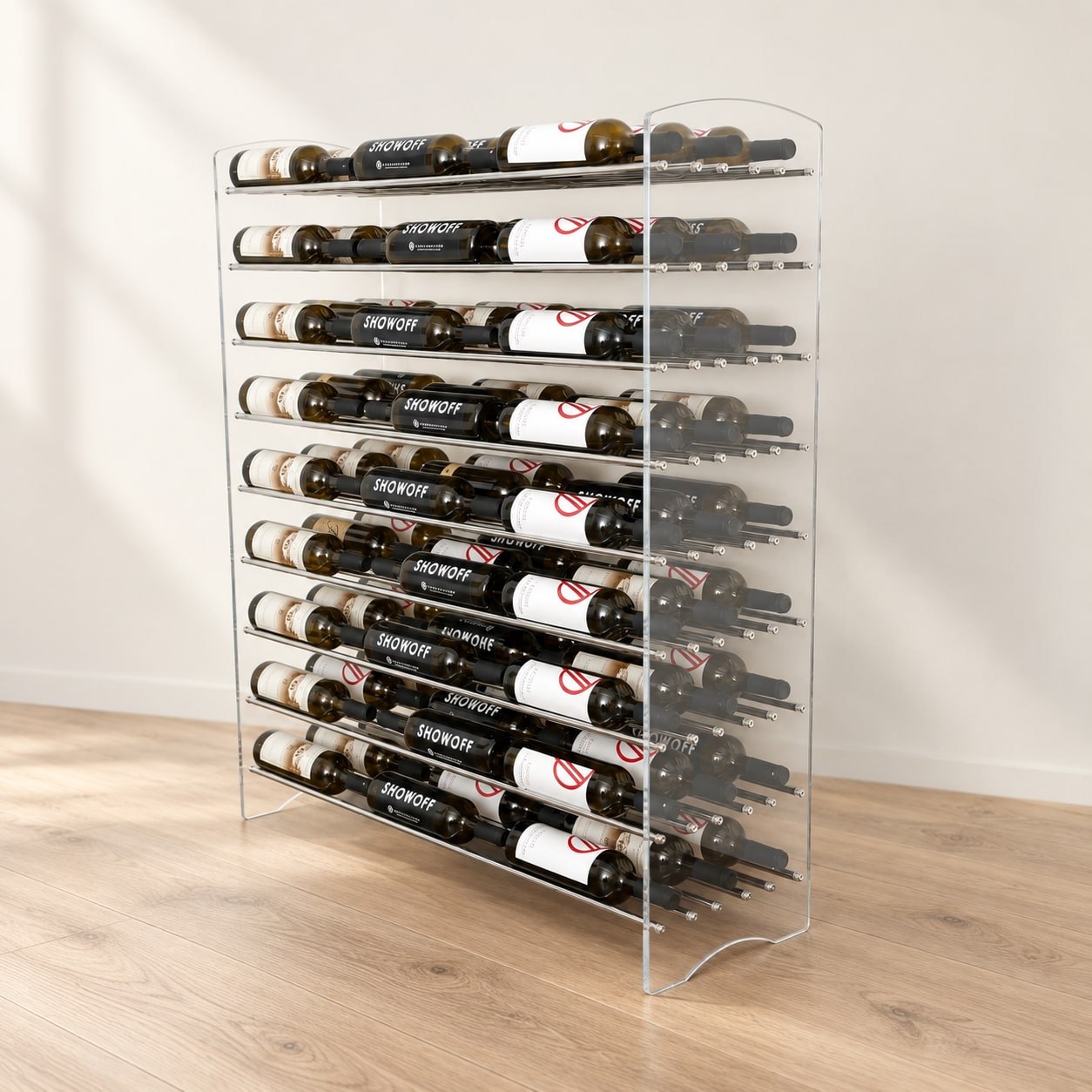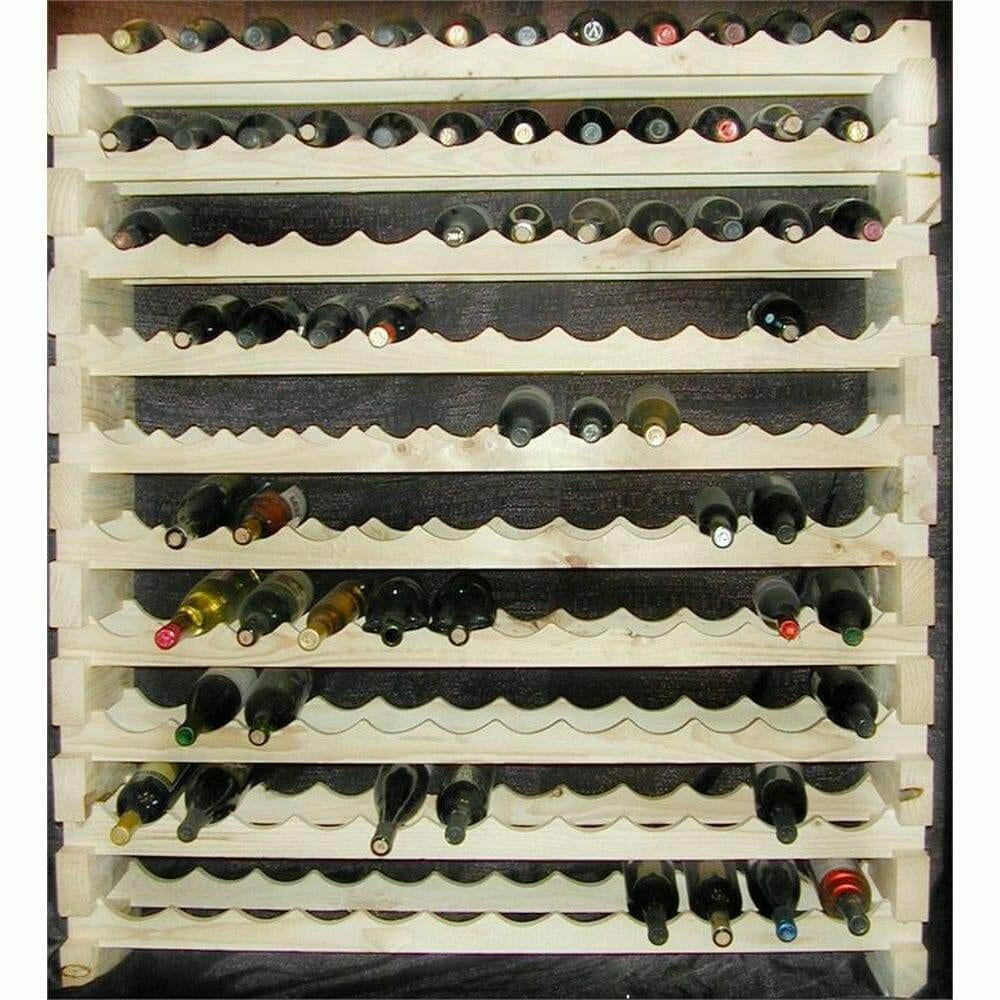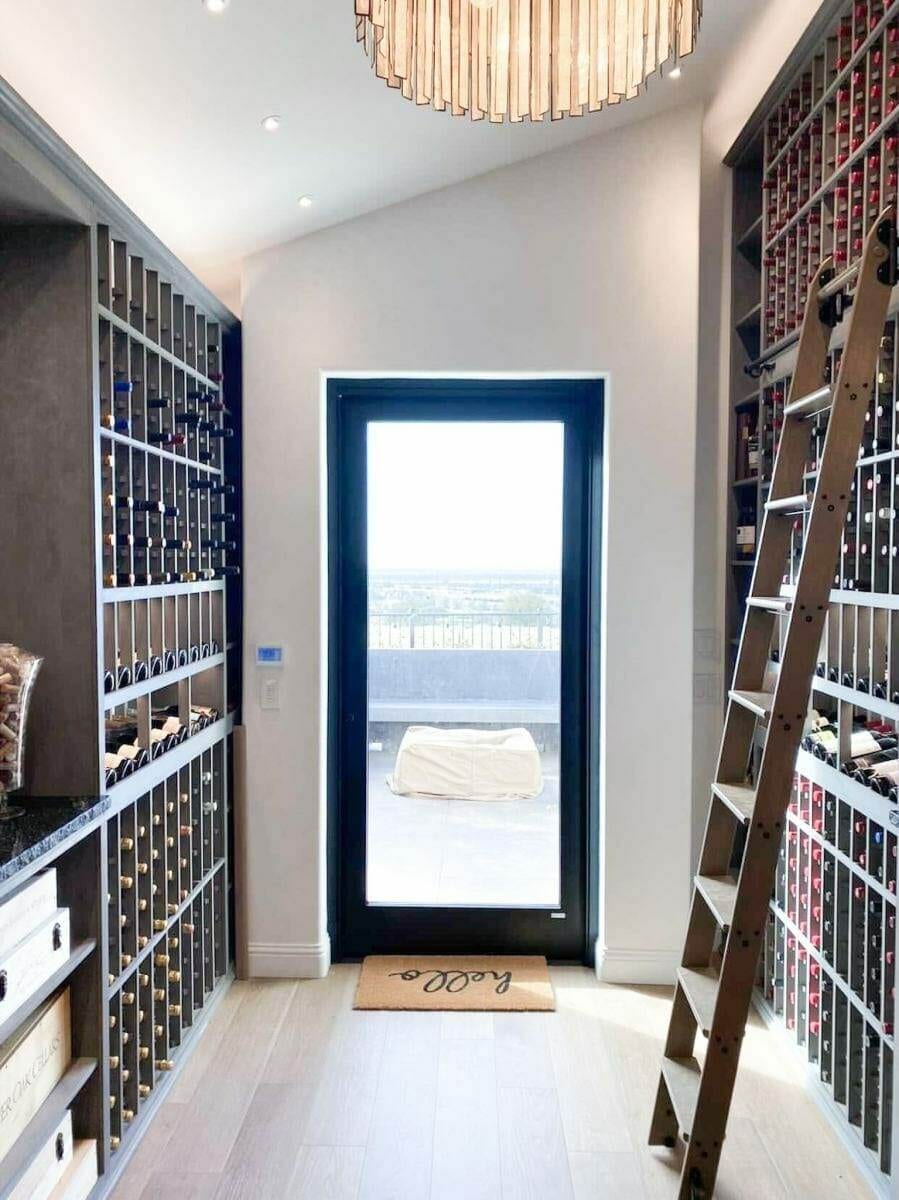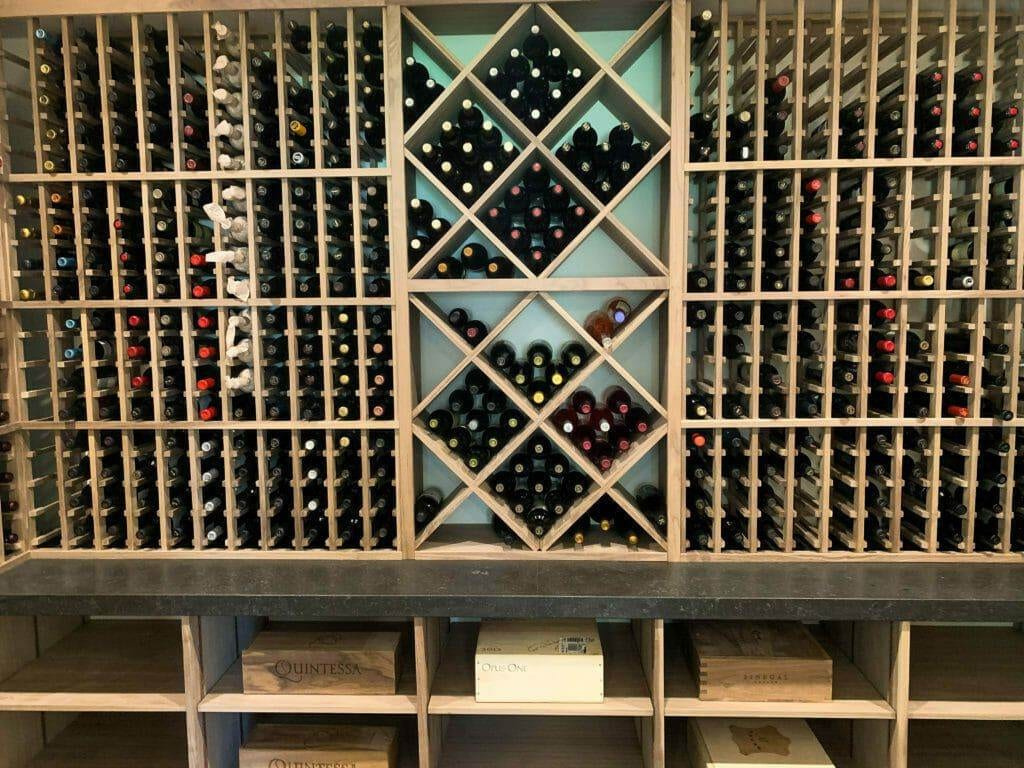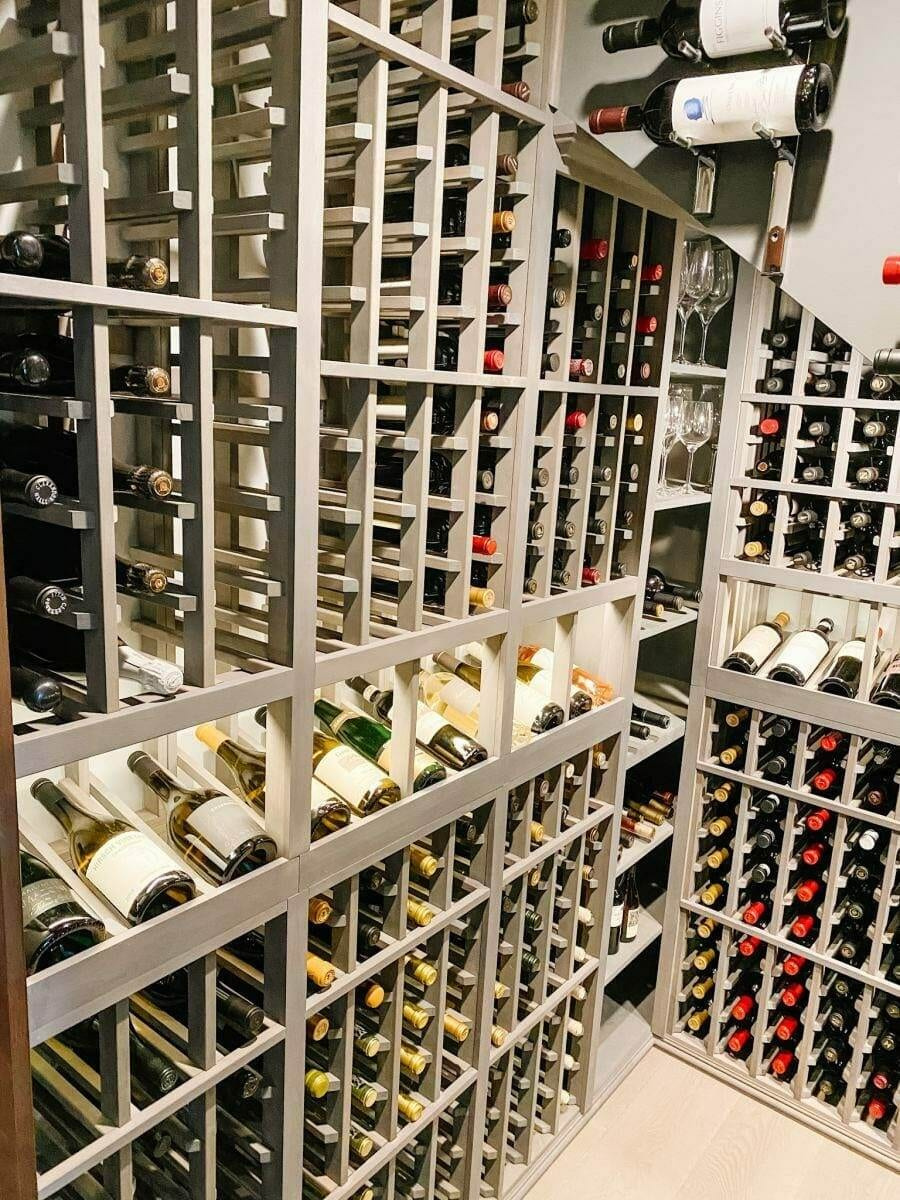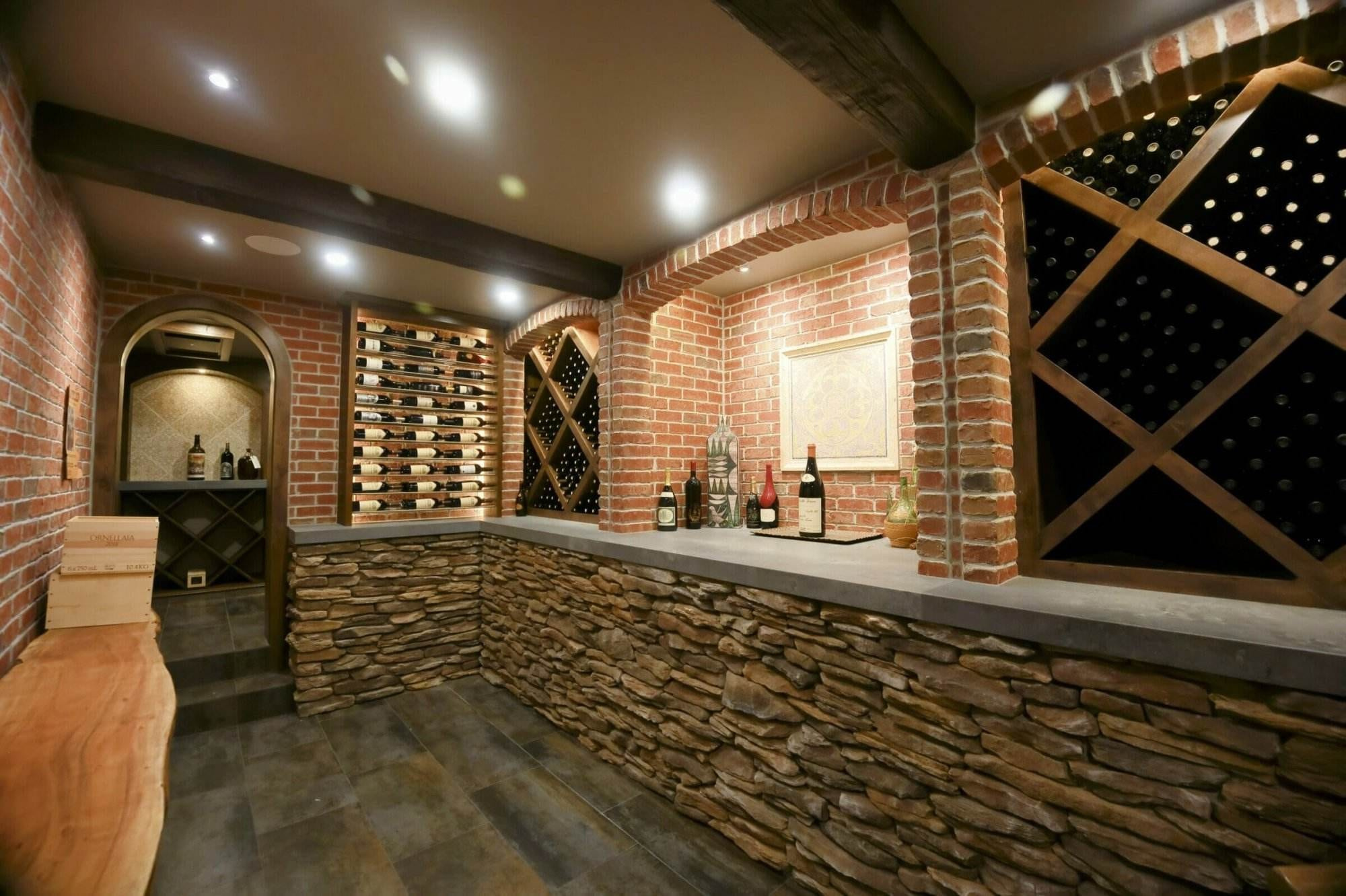
A cellar is organized when you can find a bottle without opening three racks. Put what you drink weekly at eye level, give long-term cases the deep or high positions, keep one shelf clear for new arrivals, and write down where things went instead of trusting your memory. Mike will walk a layout with you at the Walnut Creek showroom before you commit to a rack plan.
Assessing Your Wine Collection: Where to Begin
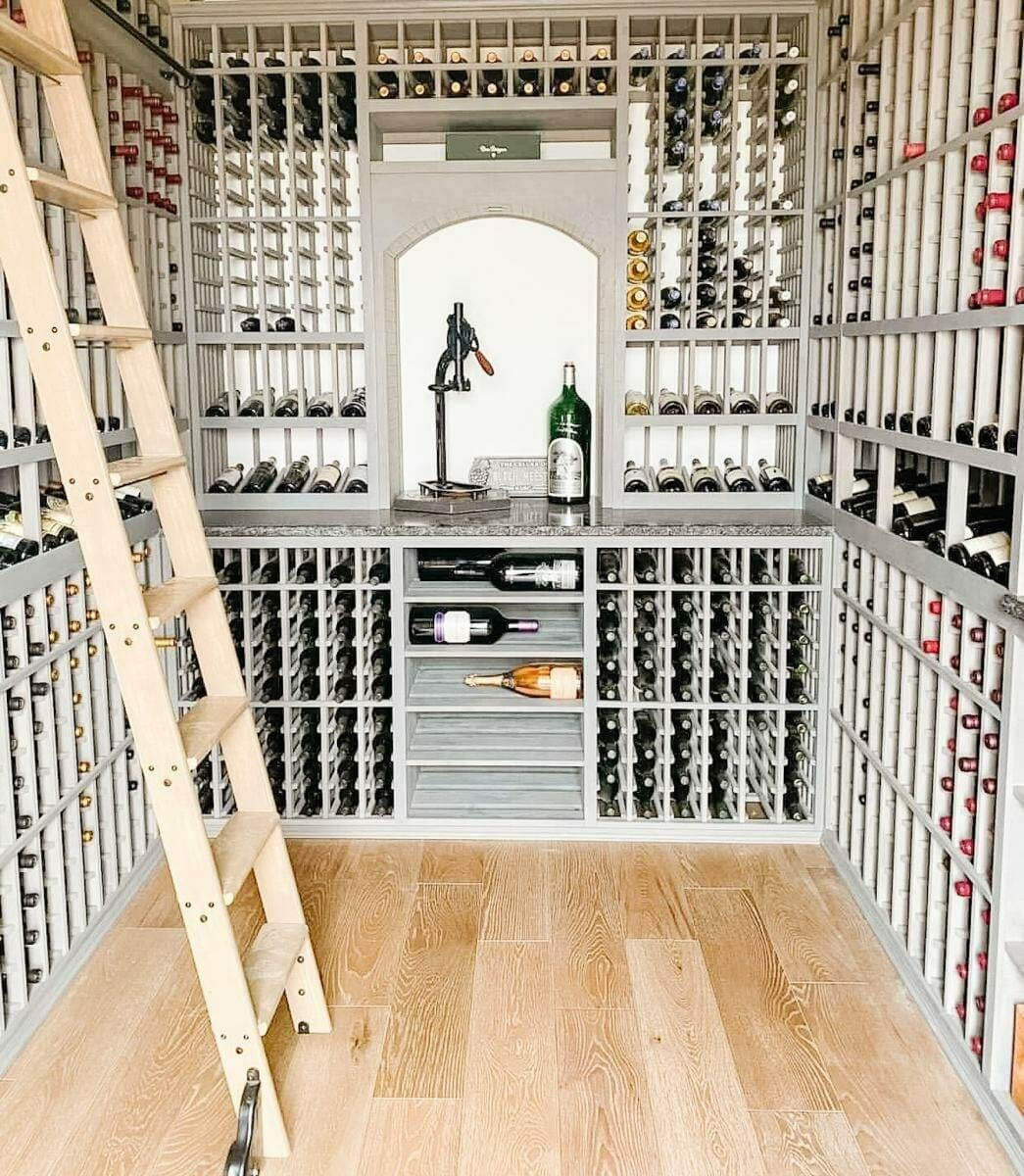
Before embarking on the journey of organizing your wine cellar, it is essential to take a comprehensive look at your current wine collection. This assessment will help you understand the scope and nature of your collection, which in turn will guide you in determining the appropriate storage solutions and organizational strategies.
Begin by taking stock of your existing wines. Gather all the bottles, whether they are stored in a dedicated wine cellar, a wine refrigerator, or scattered throughout your home. Carefully examine each bottle, taking note of the varietal, vintage, and any other relevant information. This process will not only provide you with a clear understanding of your collection but also help you identify any gaps or areas that require attention.
Once you have a comprehensive understanding of your current wine collection, it is time to consider your wine storage needs and goals. Assess the size and growth potential of your collection, as well as any specific requirements, such as the need to store large-format bottles or accommodate rare or valuable wines. This evaluation will help you determine the appropriate storage solutions, whether it’s investing in a dedicated wine cellar, upgrading your existing wine storage system, or a combination of both.
By taking the time to assess your wine collection and identify your storage needs, you will be better equipped to develop a strategic plan for organizing and maintaining your wine cellar. This foundational step will ensure that your efforts in the subsequent stages of the organization process are tailored to your specific requirements, ultimately leading to a more efficient and enjoyable wine storage experience.
Categorizing and Cataloging Your Wines
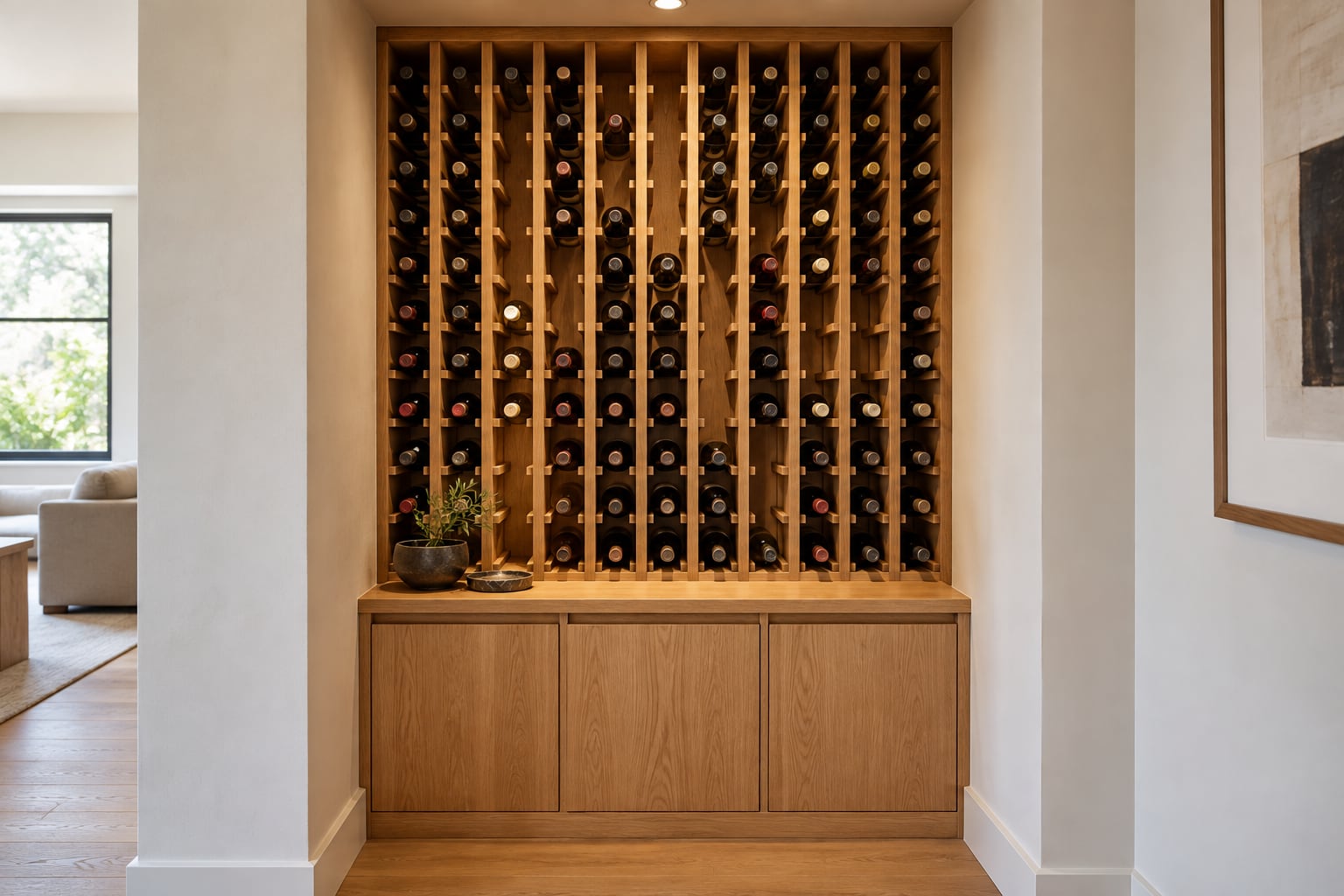
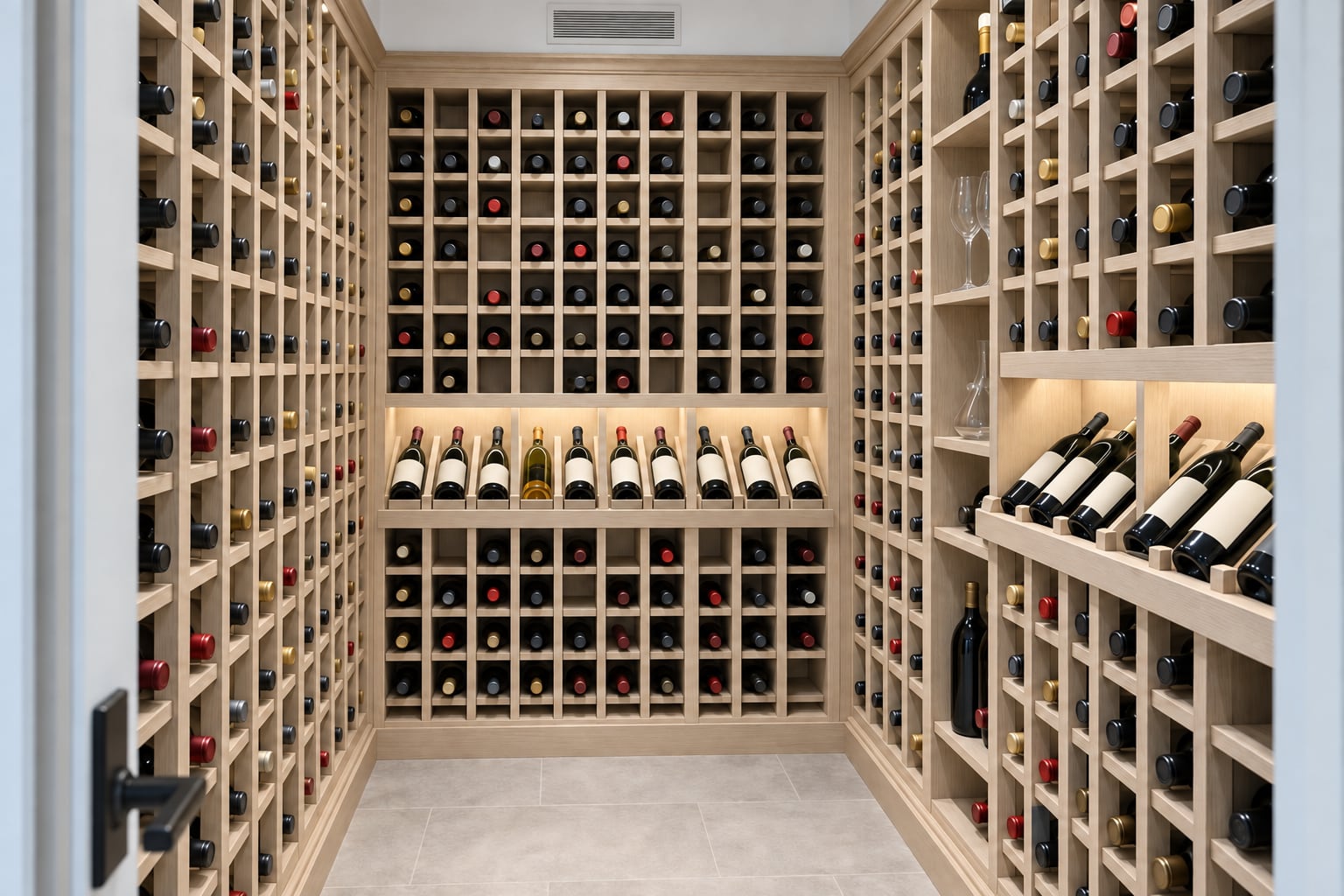
Organizing your wine collection is a crucial step in maintaining a well-structured and easily navigable wine cellar. One effective approach is to categorize your wines by varietal, vintage, or region, allowing you to quickly locate and access the bottles you desire.
When categorizing your wines, consider the factors that are most important to you and your wine-drinking preferences. For instance, you may choose to group your wines by varietal, such as Cabernet Sauvignon, Chardonnay, or Pinot Noir, which can be particularly useful if you have a diverse collection spanning multiple grape varieties. Alternatively, you may prefer to organize your wines by vintage, which can be beneficial for tracking the evolution of your collection over time or for identifying the optimal drinking windows for specific bottles.
Categorizing your wines by region can also be a valuable organizational strategy, especially if you have a particular affinity for wines from specific wine-producing areas. This approach can help you easily locate and explore the diverse styles and characteristics of wines from different terroirs.
Alongside the categorization of your wines, it is essential to develop a comprehensive wine inventory system. This can be as simple as a physical record-keeping system, such as a notebook or a spreadsheet, or as sophisticated as a digital wine inventory management tool. Regardless of the method you choose, the key is to maintain detailed information about each bottle in your collection, including the varietal, vintage, producer, region, and any other relevant details.
By categorizing and cataloging your wines, you will not only enhance the overall organization of your wine cellar but also gain a deeper understanding of your collection. This knowledge can inform your future wine purchasing decisions, help you identify opportunities for vertical or horizontal tastings, and facilitate the sharing of your passion for wine with others.
Optimal Storage Conditions for Wine Preservation
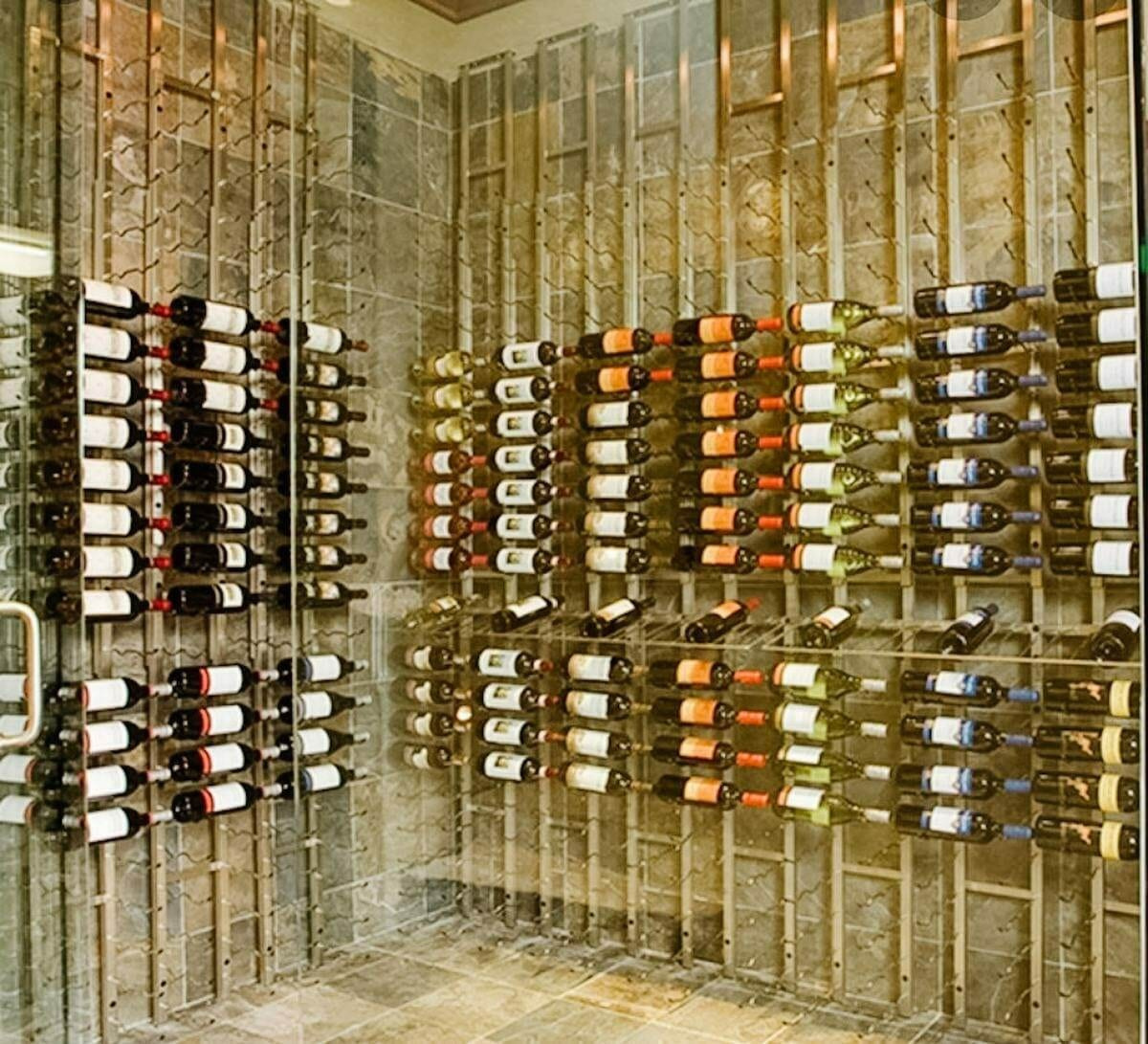
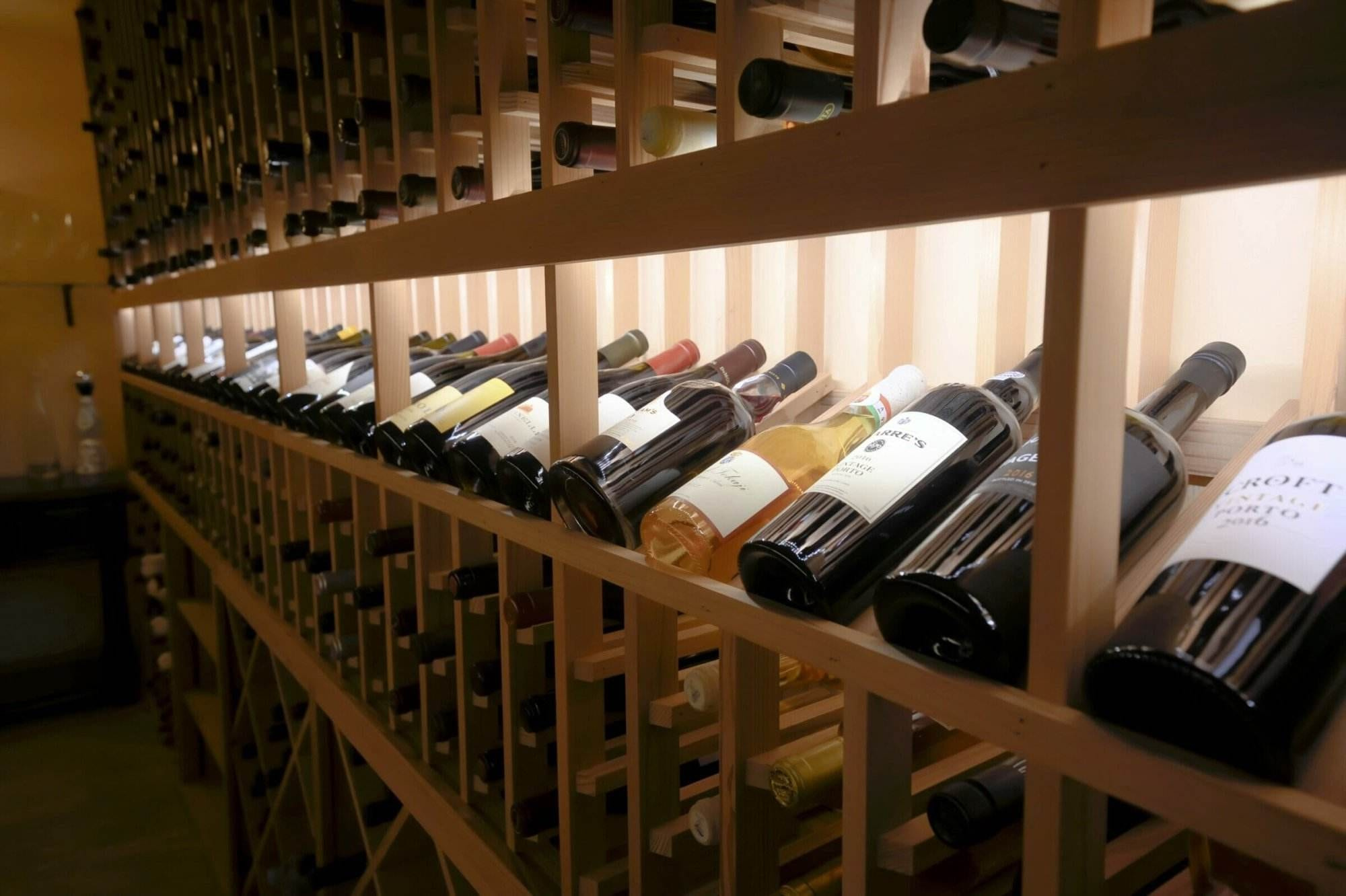
Ensuring the proper storage conditions for your wine collection is crucial for preserving the quality and integrity of your prized bottles. Three primary factors – temperature, humidity, and light – play a vital role in maintaining the optimal environment for wine storage.
Temperature control is of utmost importance, as fluctuations in temperature can have a detrimental effect on wine. The ideal temperature range for wine storage is generally between 55°F and 65°F (13°C and 18°C). Exposure to temperatures outside of this range can accelerate the aging process, leading to premature oxidation or the development of off-flavors. Consistent temperature is key, as sudden temperature changes can also be harmful to wine.
Humidity is another critical factor in wine storage. The ideal humidity range for a wine cellar is between 60% and 70%. This level of humidity helps to prevent the cork from drying out, which can allow air to enter the bottle and compromise the wine’s quality. Excessively dry or humid environments can also lead to issues such as label damage or the growth of mold.
Lastly, light exposure is a significant concern for wine storage. Ultraviolet (UV) light can cause chemical reactions within the wine, leading to the development of off-flavors and aromas. To protect your wines, it is essential to store them in a dark environment, away from direct sunlight or any other sources of intense lighting.
In addition to these primary environmental factors, it is also important to ensure proper ventilation and a vibration-free environment within your wine cellar. Adequate airflow helps to maintain consistent temperature and humidity levels, while minimizing vibrations can prevent the premature aging of your wines.
By carefully controlling the temperature, humidity, and light exposure in your wine cellar, you can ensure the long-term preservation of your wine collection, allowing you to enjoy the full expression of each bottle’s unique character and flavor profile.
Investing in the Right Wine Cellar Racking and Storage Solutions
Selecting the appropriate racking and storage solutions for your wine cellar is a crucial step in ensuring the optimal organization and preservation of your collection. The right wine cellar racking system can not only enhance the visual appeal of your space but also provide the necessary support and protection for your bottles.
When choosing a racking system, consider the size and layout of your wine cellar, as well as the specific needs of your collection. Traditional wooden racks are a popular choice, offering a classic and elegant aesthetic, while metal or modular racking systems can provide greater flexibility and customization options.
In addition to the primary racking system, you may also want to incorporate specialized storage solutions for unique bottle shapes and sizes. For example, you may need to accommodate large-format bottles, such as magnums or double magnums, or accommodate bottles with unusual shapes or dimensions. Investing in custom-designed racks or shelving units can ensure that each bottle in your collection is properly supported and protected.
Another important consideration is the orientation of your wine bottles within the racking system. The traditional “lying down” position, with the bottles stored horizontally, helps to keep the wine in contact with the cork, preventing it from drying out and allowing for proper aging. However, some wine enthusiasts prefer the “standing up” position, which can be more space-efficient and may be suitable for wines intended for near-term consumption.
By carefully selecting the right wine cellar racking and storage solutions, you can create a visually appealing and functionally efficient space that will protect and showcase your wine collection. This investment in the proper storage infrastructure will not only ensure the long-term preservation of your wines but also enhance your overall wine tasting experience.
Labeling and Tracking Your Wine Inventory
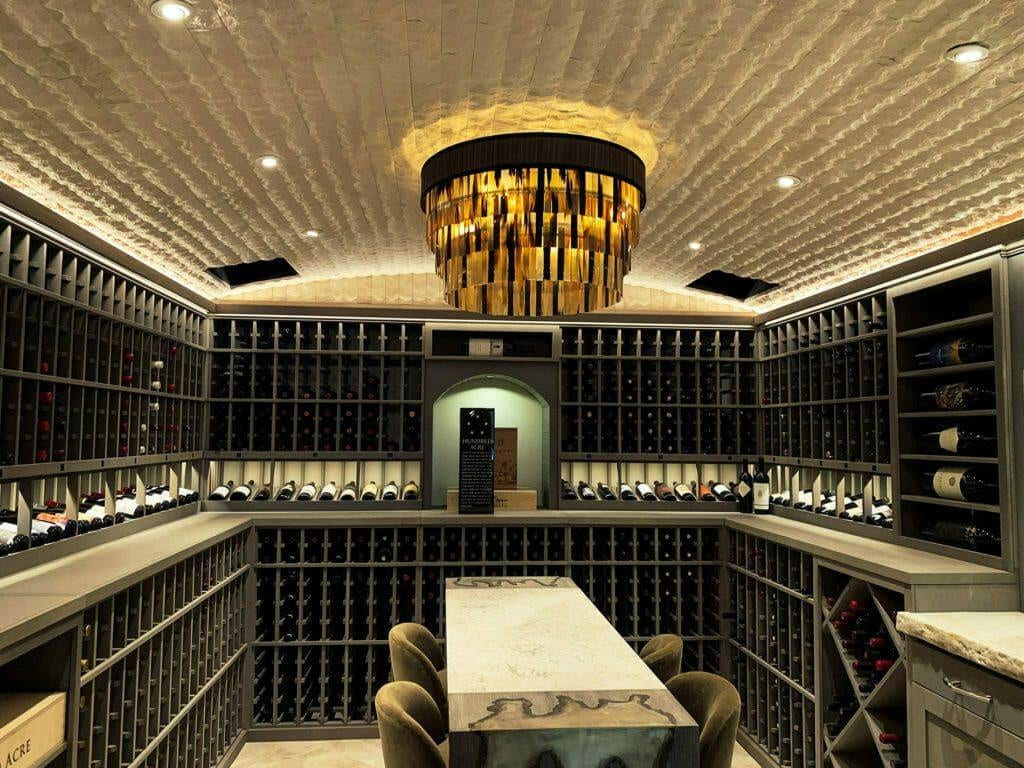
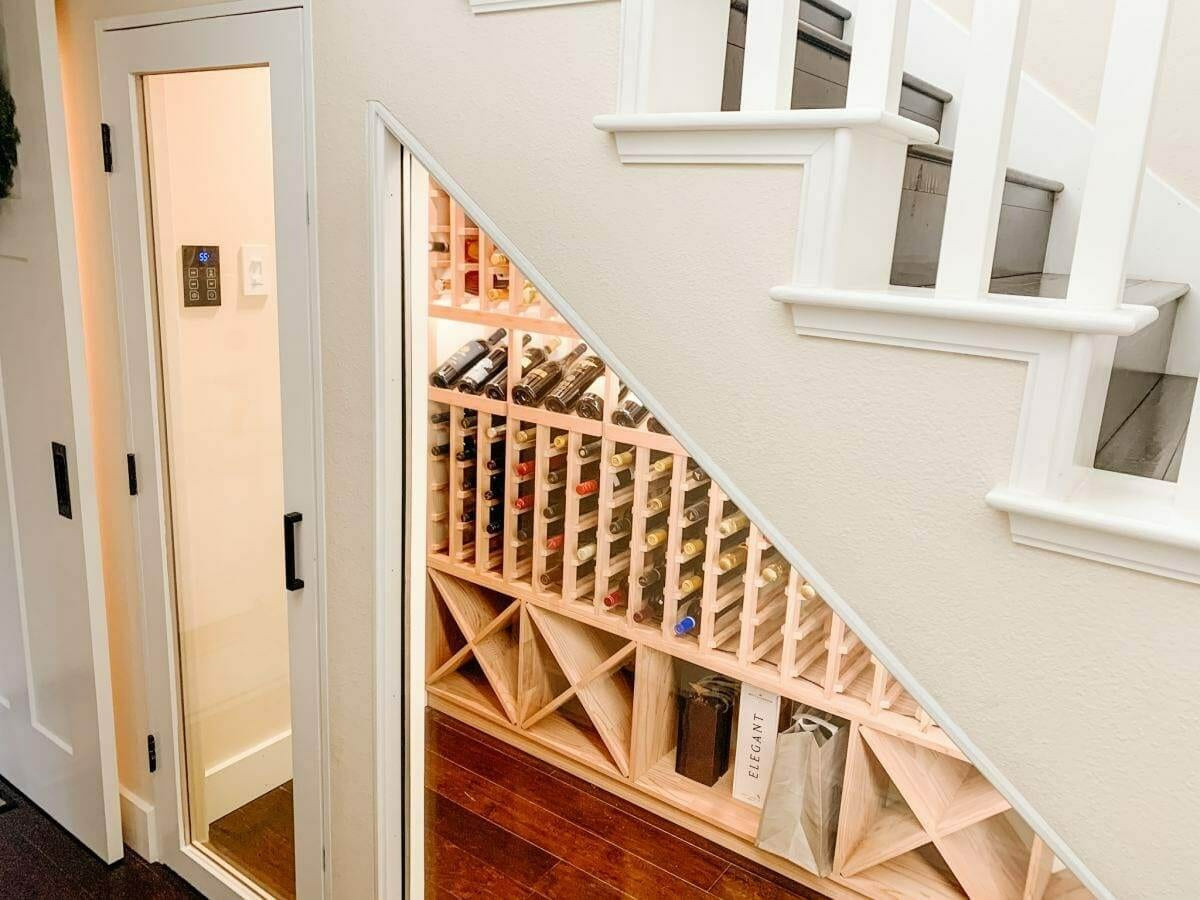
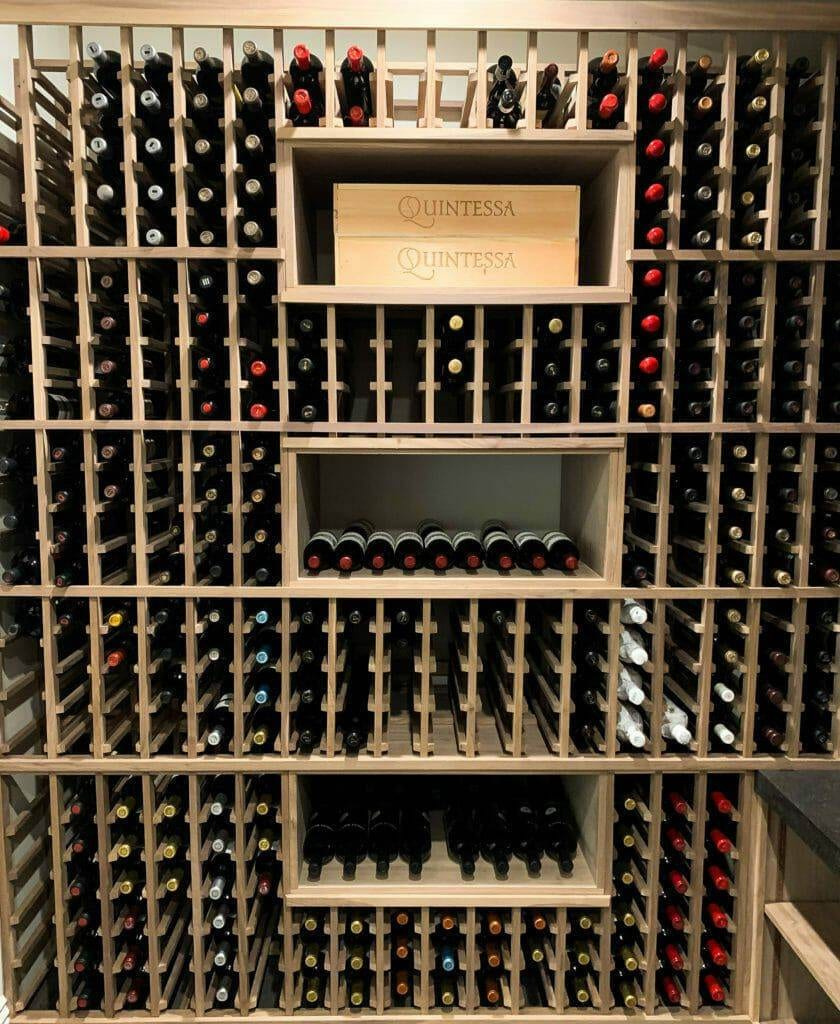
Maintaining a well-organized and easily accessible wine inventory is a crucial aspect of managing a successful wine cellar. Implementing a clear and consistent labeling system, coupled with effective tracking methods, can greatly simplify the process of locating and managing your wine collection.
When it comes to labeling your wines, consider adopting a standardized approach that provides essential information at a glance. This may include details such as the wine’s varietal, vintage, producer, and the specific location within your wine cellar. Utilizing pre-printed labels or creating your own customized labels can help ensure a cohesive and visually appealing system.
In addition to physical labeling, it is also beneficial to maintain a comprehensive digital or physical record of your wine inventory. This can be as simple as a spreadsheet or as sophisticated as a dedicated wine inventory management software. Regardless of the method you choose, the key is to capture detailed information about each bottle, including its location within your cellar, tasting notes, and any other relevant details.
By utilizing digital tools or physical records to track your wine inventory, you can easily monitor the status of your collection, identify any gaps or duplicates, and plan for future purchases. This level of organization can also prove invaluable when it comes to sharing your wine knowledge with guests or planning wine-related events.
Furthermore, a well-documented wine inventory can serve as a valuable reference point when it comes to evaluating the maturity and drinking windows of your wines. By maintaining accurate records, you can make informed decisions about when to consume or cellar specific bottles, ensuring that you derive maximum enjoyment from your collection.
Maximizing Space: Tips for Efficient Wine Cellar Layout
Optimizing the layout and use of space within your wine cellar is crucial for maximizing storage capacity and maintaining an organized and visually appealing environment. By incorporating strategic design elements and utilizing innovative storage solutions, you can create a wine cellar that not only accommodates your current collection but also allows for future growth.
One key aspect of efficient wine cellar layout is the optimization of vertical and horizontal space. By utilizing vertical space, you can maximize the number of bottles stored within a given footprint, allowing you to accommodate a larger collection without compromising the overall aesthetic. This can be achieved through the use of multi-tiered racking systems or by incorporating high-density storage solutions, such as pull-out or sliding shelves.
In addition to vertical space optimization, it is also important to consider the efficient use of horizontal space. This may involve incorporating adjustable and modular storage solutions that can be easily reconfigured as your collection evolves. Modular racking systems, for example, can be expanded or rearranged to accommodate new acquisitions or accommodate unique bottle shapes and sizes.
Another important consideration in wine cellar layout is the incorporation of specialized storage solutions for specific bottle types or collections. For instance, you may need to allocate dedicated space for large-format bottles, magnums, or even rare or valuable wines that require additional protection and security measures.
By carefully planning the layout and design of your wine cellar, you can create a visually appealing and highly functional space that not only showcases your collection but also ensures the long-term preservation and accessibility of your wines. This strategic approach to wine cellar organization can also make it easier to maintain and update your collection over time, as your wine passion and collection continue to grow.
Maintaining Your Wine Cellar: Cleaning and Upkeep
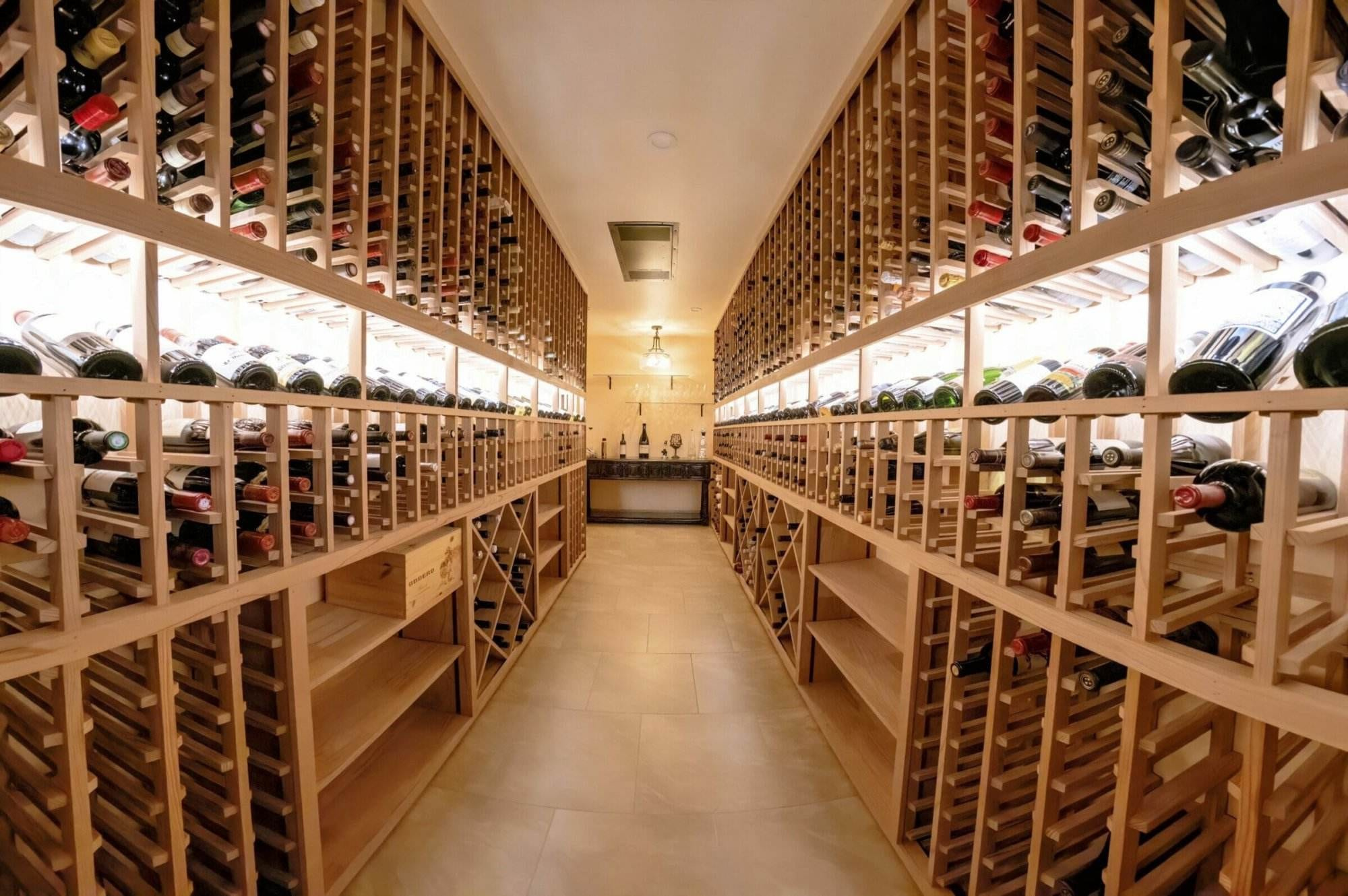
Maintaining the cleanliness and overall condition of your wine cellar is essential for preserving the quality and longevity of your wine collection. Establishing a regular cleaning and maintenance routine can help ensure that your wine cellar remains a pristine environment, free from potential contaminants or issues that could compromise the integrity of your wines.
Begin by implementing a consistent cleaning schedule, which may involve weekly or monthly inspections and light cleaning, as well as more thorough cleanings on a quarterly or semi-annual basis. During these cleaning sessions, focus on wiping down the racking, shelves, and any other surfaces within the cellar, using a mild, non-abrasive cleaning solution that is safe for use in wine storage environments.
In addition to general cleaning, it is crucial to address any potential issues that may arise within your wine cellar, such as fluctuations in temperature or humidity levels, the presence of mold or mildew, or the detection of pests. Regularly monitoring these environmental factors and taking proactive measures to address any problems can help ensure the long-term preservation of your wine collection.
If you encounter any issues, it is important to act quickly and decisively to mitigate the potential damage. This may involve adjusting the temperature or humidity controls, implementing dehumidification or air filtration systems, or employing pest control measures. Consulting with a professional wine cellar specialist can also be beneficial in identifying and resolving any complex issues that may arise.
By maintaining a consistent cleaning and upkeep routine, you can help ensure that your wine cellar remains a pristine and well-functioning environment, allowing your wines to mature and develop in optimal conditions. This dedication to the ongoing care and maintenance of your wine cellar will not only preserve the quality of your collection but also contribute to the overall enjoyment and appreciation of your wines.
Elevating Your Wine Tasting Experience with a Organized Cellar
A well-organized wine cellar not only serves as a practical storage solution but also has the power to elevate your overall wine tasting experience. When your wine collection is meticulously curated and easily accessible, it can unlock a new level of enjoyment and appreciation for the wines you have carefully amassed.
One of the primary benefits of a well-organized wine cellar is the ease of access it provides. With a clear and intuitive system in place, you can quickly locate the perfect bottle for any occasion, whether you’re hosting a dinner party, pairing a specific wine with a meal, or simply indulging in a personal tasting. This convenience allows you to focus on the true pleasure of wine appreciation, without the frustration of searching through a disorganized collection.
Moreover, a beautifully organized wine cellar can serve as a source of pride and inspiration, both for you and your guests. Showcasing your carefully curated collection can spark engaging conversations about the various regions, vintages, and styles represented, allowing you to share your passion for wine and educate others about the nuances of your collection. This shared experience can deepen the connection between you and your guests, fostering a greater appreciation for the art of wine tasting.
Beyond the practical and social benefits, a well-organized wine cellar can also enhance the sensory experience of wine tasting. When your wines are stored in optimal conditions, with proper temperature, humidity, and light control, you can be confident that each bottle will deliver its full flavor and aroma profile. This attention to detail ensures that you can fully appreciate the unique character and evolution of your wines, elevating the overall tasting experience.
By investing time and effort into organizing your wine cellar, you are not only preserving the quality of your collection but also creating an environment that celebrates your passion for wine. Whether you’re enjoying a quiet evening at home or hosting a memorable gathering, a well-organized wine cellar can transform the way you experience and share your love of wine.
Get Mike's help to compare rack arrangements around how you organize and retrieve your wine. Reach Mike at (925) 944-1084 with your rack measurements, or visit our Walnut Creek showroom.
More on wine collection organization and inventory
Organizing a small rack by varietal works when the arrangement matches how you choose dinner wine. Give each group a clear location, reserve verified spaces for unusual bottles and record new arrivals before placing them wherever an opening happens to remain. Bring a room photo, available dimensions and a few representative bottle measurements to Wine Hardware in Walnut Creek. We can help you compare rack layouts before you order.
Each varietal has its own distinct profile influenced by factors such as climate, soil type, and winemaking techniques. For instance, Cabernet Sauvignon is known for its bold flavors and tannins, while Pinot Noir is celebrated for its delicate and nuanced characteristics. In addition to the grape variety, the region where the wine is produced plays a significant role in shaping its profile.
Wines from regions like Bordeaux or Napa Valley may exhibit different qualities even if they are made from the same grape. Understanding these nuances not only enhances your appreciation of wine but also aids in making informed decisions when selecting bottles for your collection. By familiarizing yourself with various varietals, you can better curate a selection that reflects your personal taste and preferences.
Key Takeaways
- Understanding the different varietals is essential for building a diverse wine collection.
- Choosing the right rack for your collection depends on the size and variety of your bottles.
- Organizing your wine by varietal makes it easier to locate and enjoy your favorite bottles.
- Labeling and identifying your bottles accurately is crucial for maintaining an organized collection.
- Measure the available walls and access space before choosing racks or deciding how to organize the collection.
Choosing the Right Rack for Your Collection
Selecting the appropriate wine rack is a crucial step in establishing an organized and functional wine collection. The right rack not only provides a safe storage solution but also enhances the aesthetic appeal of your collection. When choosing a wine rack, consider factors such as the size of your collection, the available space in your home, and your personal style.
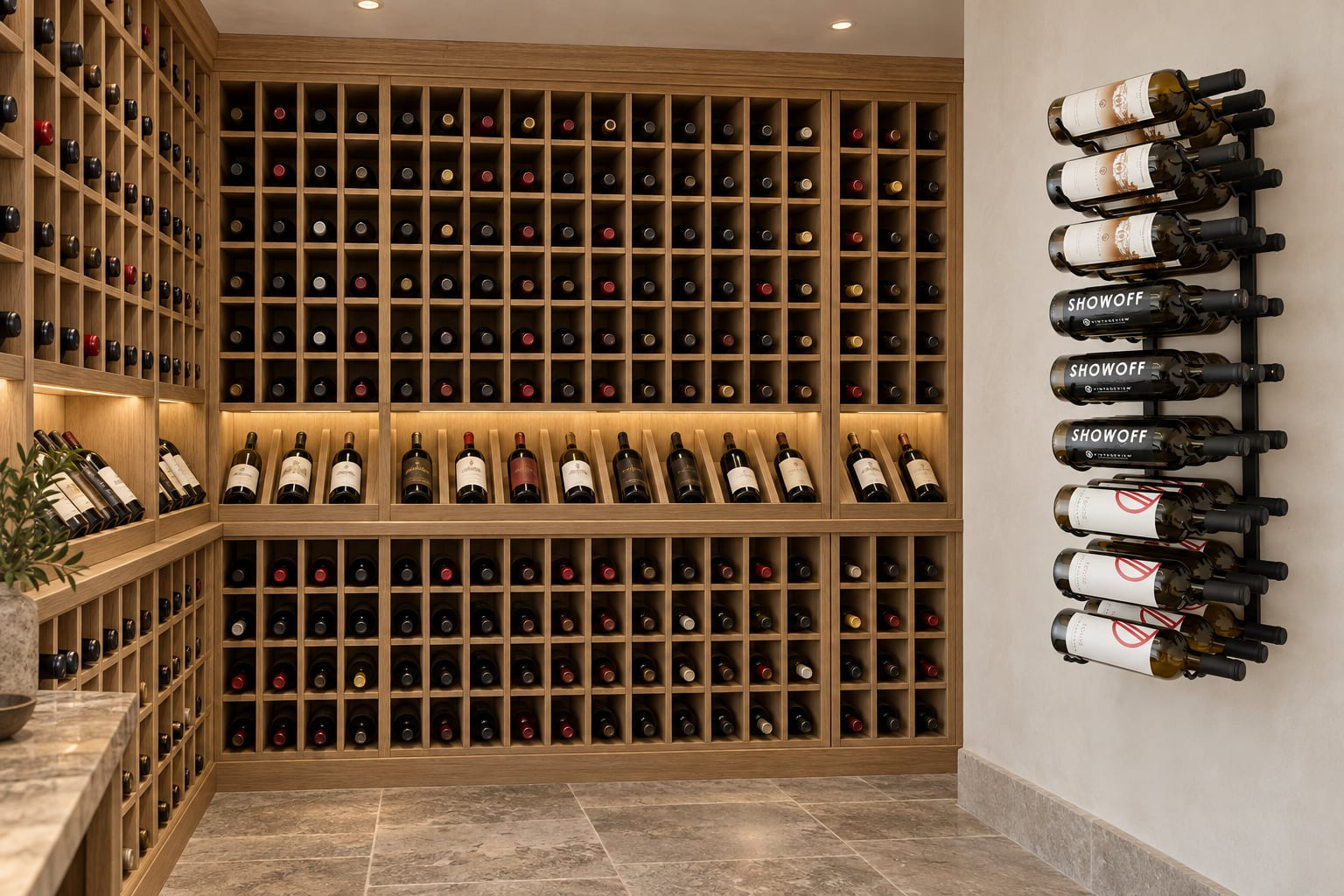
Wine racks come in various materials, including wood, metal, and acrylic, each offering different benefits in terms of durability and design. For smaller collections, a compact rack that can fit on a countertop or in a closet may be ideal. On the other hand, larger collections may require a more substantial storage solution, such as a freestanding or wall-mounted rack.
Additionally, consider the orientation of the bottles; storing wine horizontally is essential for keeping corks moist and preventing oxidation. Ultimately, the right rack should not only accommodate your current collection but also allow for future growth as you continue to explore new varietals.
Organizing Your Wine by Varietal
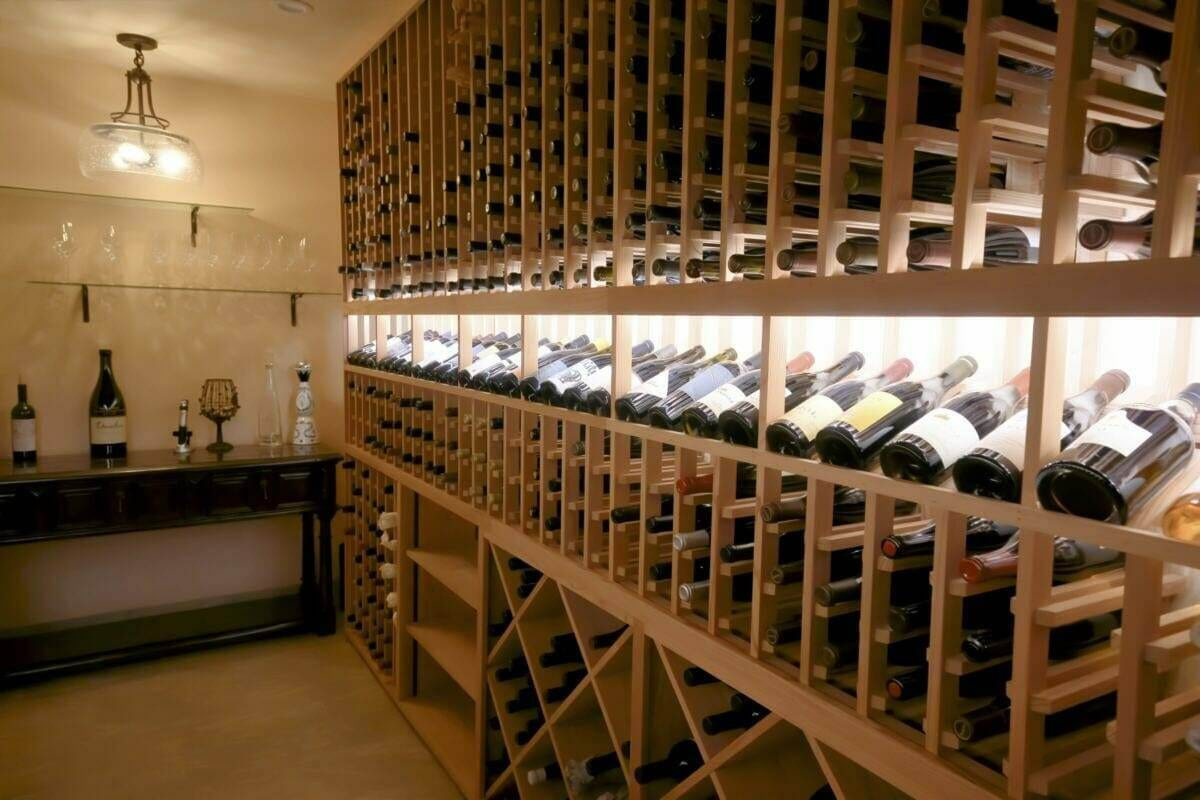
Once you have chosen an appropriate rack for your collection, the next step is to organize your wine by varietal. This method of organization allows for easy access and retrieval while also providing a visually appealing display. Grouping wines by varietal can help you quickly locate specific bottles when hosting gatherings or simply enjoying a quiet evening at home.
Keep tasting notes within each grape variety so you can compare bottles and remember which wines you want to buy again. To effectively organize your collection, start by categorizing your wines into primary varietals such as Cabernet Sauvignon, Chardonnay, Merlot, and others. Within each category, you can further sort by region or vintage if desired.
This level of organization not only streamlines the process of selecting a bottle but also enhances your understanding of the different styles and profiles within each varietal. As your collection grows, maintaining this organization will make it easier to track what you have on hand and what you may want to add in the future.
Labeling and Identifying Your Bottles
Labeling your wine bottles is an essential practice that can significantly enhance your wine management experience. Proper labeling allows you to quickly identify each bottle's varietal, vintage, and region without having to inspect every label individually. This is particularly useful when you have a diverse collection with numerous bottles stored away.
You can use simple adhesive labels or invest in more sophisticated labeling systems that include barcodes or QR codes for easy tracking. In addition to basic information, consider including tasting notes or food pairing suggestions on your labels. This added detail can serve as a helpful reminder when selecting a bottle for a specific occasion or meal.
By taking the time to label and identify your bottles clearly, you create an organized system that not only saves time but also enhances your overall enjoyment of your wine collection.
Making the Most of Limited Space
For many wine enthusiasts, space can be a significant constraint when it comes to building a collection. Map usable wall space and door movement before choosing a rack arrangement for a small room. One approach is to utilize vertical storage options such as tall racks or wall-mounted shelves that take advantage of height rather than floor space.
This allows you to store more bottles without sacrificing valuable square footage. Another strategy is to consider multi-functional furniture that incorporates wine storage into its design. For example, a coffee table with built-in wine storage or an ottoman that doubles as a wine cooler can provide both functionality and style.
Check an under-stair area or closet for usable dimensions, ventilation and access before planning wine storage there. By thinking outside the box and being resourceful with your available space, you can create an impressive wine collection even in smaller living environments.
Tips for Easy Access and Retrieval
Efficient access and retrieval of your wine bottles are essential for enjoying your collection to its fullest potential. To facilitate this process, consider arranging your bottles in a way that prioritizes frequently consumed wines at eye level or within easy reach. This ensures that you can quickly grab a bottle when the occasion arises without having to sift through less frequently accessed wines.
Additionally, consider implementing a rotation system where older bottles are placed at the front of the rack while newer acquisitions are stored at the back. This practice not only helps prevent wines from being forgotten but also encourages you to enjoy them at their peak quality. Furthermore, maintaining an inventory list or digital catalog of your collection can streamline access by allowing you to search for specific bottles without having to physically inspect each one.
Maintaining and Updating Your Collection
Maintaining and updating your wine collection is an ongoing process that requires attention and care. Regularly checking on your bottles ensures that they are stored properly and remain in optimal condition. This includes monitoring temperature and humidity levels in your storage area, as fluctuations can adversely affect the quality of your wine over time.
Store wine away from direct light and review stable temperature and humidity settings for the collection with the installer. In addition to monitoring storage conditions, it's important to periodically review your collection for any bottles that may be nearing their peak drinking window or those that you no longer wish to keep. This allows you to make informed decisions about which wines to enjoy first or which ones may be suitable for gifting or sharing with friends.
Keeping an updated inventory list can also help track which wines have been consumed and which ones remain in your collection.
Showcasing Your Wine Collection in Small Racks
Even with limited space, showcasing your wine collection can be an enjoyable endeavor that adds character to your home decor. Small racks can keep frequently opened wines within reach and give selected bottles a place in the room. When selecting small racks, consider designs that complement your interior style while also providing easy access to your favorite bottles.
To enhance the visual appeal of your display, consider incorporating lighting elements such as LED strips or spotlights that illuminate the bottles and create an inviting atmosphere. Additionally, arranging bottles in an aesthetically pleasing manner - such as alternating colors or grouping by varietal - can create an eye-catching focal point in any room. Arrange small racks where you can reach bottles during dinner or a gathering without blocking movement through the room.
FAQs
What is the best way to arrange wine by varietal for easy access in small racks?
To arrange wine by varietal for easy access in small racks, it is best to group similar varietals together. This can be done by organizing the wines by type, such as red, white, or sparkling, and then further categorizing them by varietal, such as Cabernet Sauvignon, Chardonnay, or Champagne.
Why is it important to arrange wine by varietal for easy access?
Arranging wine by varietal for easy access makes it simpler to locate specific bottles when you want to enjoy a particular type of wine. It also helps to keep your wine collection organized and easily accessible, especially in small racks where space is limited.
What are some tips for arranging wine by varietal in small racks?
Some tips for arranging wine by varietal in small racks include using labels or tags to identify each varietal, grouping similar varietals together, and arranging the bottles in a way that makes it easy to see and access each one. It can also be helpful to keep a written or digital inventory of your wine collection to track the location of each varietal.
Are there any specific considerations for arranging wine by varietal in small racks?
When arranging wine by varietal in small racks, it is important to consider the size and shape of the bottles, as well as the capacity of the racks. It may be necessary to adjust the arrangement to accommodate different bottle sizes and ensure that the racks are not overcrowded, which could make it difficult to access the bottles.

Efficient Wine Organization by Varietal for Small Racks: Maximizing Accessibility and Space
Smart & Stylish: Organizing Your Wine by Varietal for Quick Access in Small Racks
Are there any specific considerations for arranging wine by varietal in small racks?
When arranging wine by varietal in small racks, it is important to consider the size and shape of the bottles, as well as the capacity of the racks. It may be necessary to adjust the arrangement to accommodate different bottle sizes and ensure that the racks are not overcrowded, which could make it difficult to access the bottles. Efficient Wine Organization by Varietal for Small Racks: Maximizing Accessibility and Space
An organized Walnut Creek wine collection needs a rule you can maintain after dinner. Choose how bottles are grouped, assign clear locations and record purchases as they arrive, then review the rack layout when changing bottle shapes or buying habits make retrieval awkward. Bring a room photo, available dimensions and a few representative bottle measurements to Wine Hardware in Walnut Creek. We can help you compare rack layouts before you order.
As you delve into the world of wine, it becomes essential to familiarize yourself with the different varietals, regions, and vintages that resonate with your palate. This knowledge not only enhances your appreciation for wine but also informs your purchasing decisions, ensuring that each addition to your collection is a thoughtful one. Moreover, understanding your collection involves recognizing the purpose behind it.
Are you building a collection for personal enjoyment, investment, or perhaps both? If your goal is to invest in wine, it is crucial to stay informed about market trends and the potential for appreciation in value over time. On the other hand, if your focus is on personal enjoyment, consider how each bottle will complement your lifestyle and dining experiences.
By clarifying your intentions, you can make more informed choices about which wines to acquire and how to manage them effectively.
Key Takeaways
- Understanding your wine collection is essential for proper storage and enjoyment.
- Measure the storage space, door openings and access routes against the bottles you plan to keep.
- Sorting and categorizing your wines will make it easier to locate and enjoy them.
- Consider temperature, humidity and light exposure alongside rack dimensions when choosing a storage location.
- Labeling and inventory are crucial for keeping track of your collection and knowing when to drink each bottle.
Assessing Your Storage Space
Once you have a clear understanding of your wine collection, the next step is to assess your storage space. The environment in which you store your wines plays a critical role in preserving their quality and ensuring they age gracefully. Factors such as temperature, humidity, light exposure, and vibration can significantly impact the integrity of your bottles.
Choose a location away from direct light and confirm storage settings for the collection and cooling equipment. Fluctuations in temperature can cause the cork to expand and contract, potentially allowing air to seep into the bottle and spoil the wine. In addition to temperature considerations, humidity levels should also be taken into account.
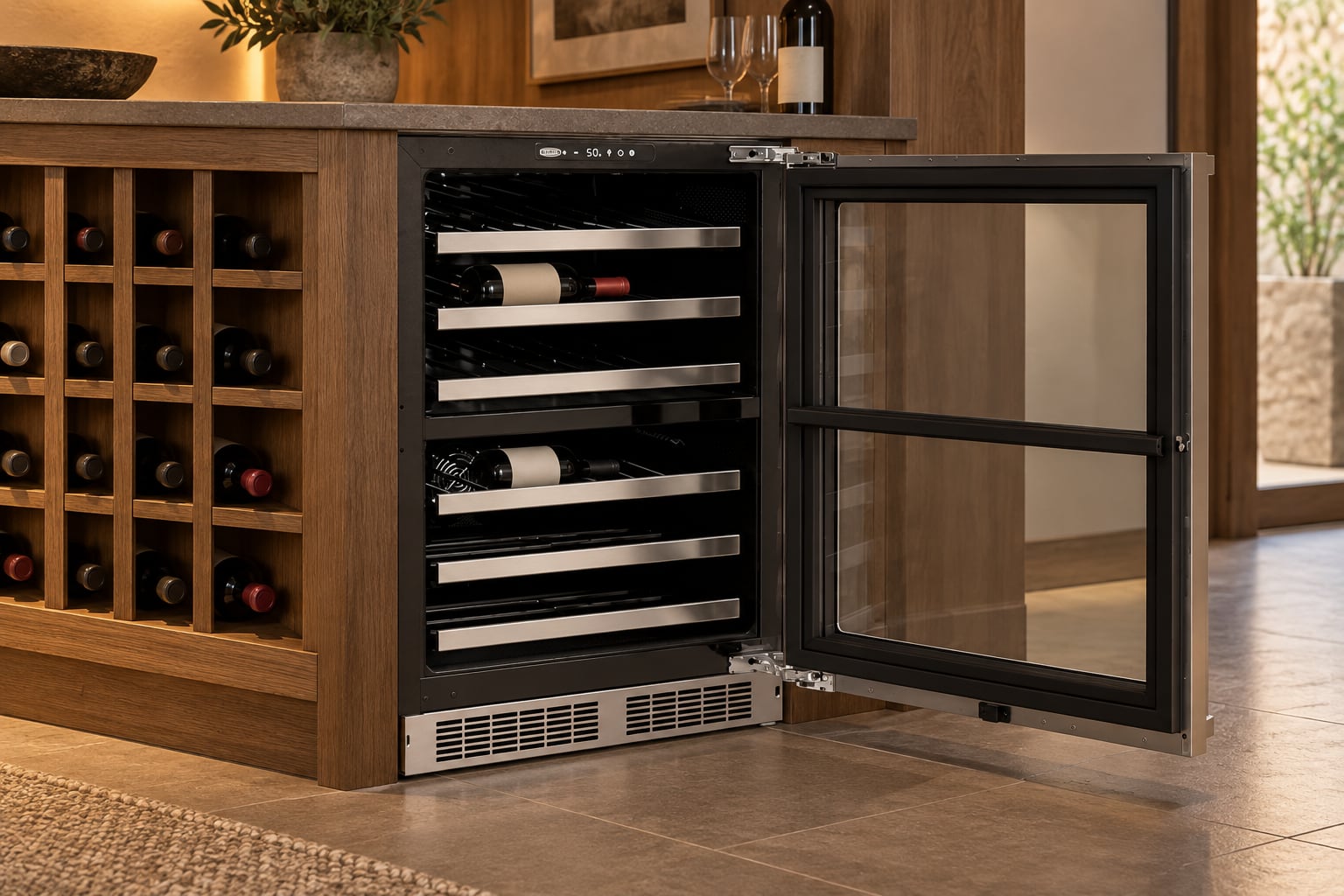
Track humidity alongside temperature and ask the installer to assess readings that fall outside the requirements for the collection and room. If your storage space lacks the necessary conditions for optimal wine preservation, you may want to consider investing in a wine fridge or cooling system. These specialized appliances are designed to maintain the perfect environment for your collection, allowing you to store your wines with confidence.
Sorting and Categorizing Your Wines
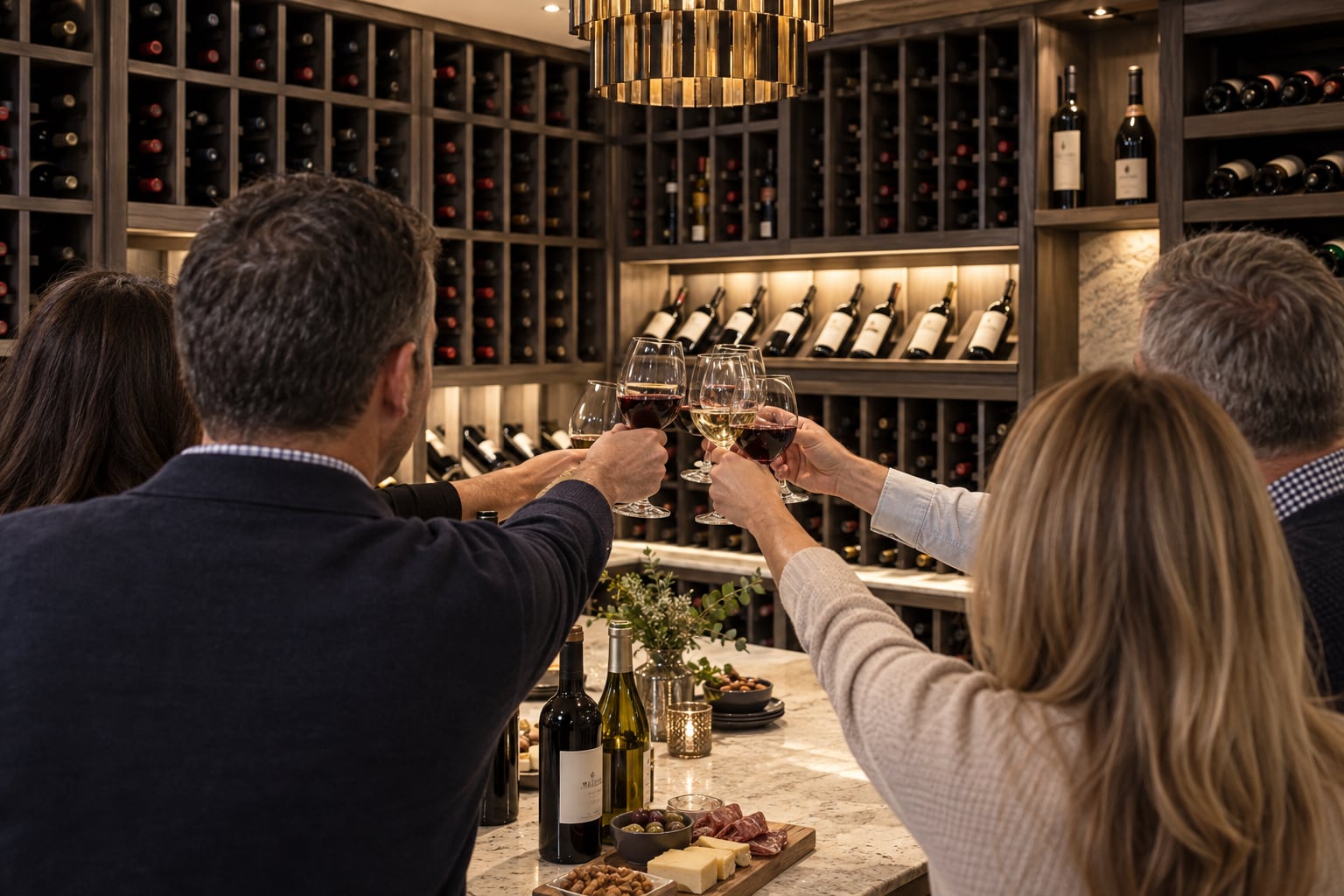
Once you have assessed your storage space, it's time to sort and categorize your wines. This process not only makes it easier to locate specific bottles but also allows you to appreciate the diversity within your collection. There are several methods for organizing your wines, and the best approach often depends on personal preference and the size of your collection.
One common method is to categorize wines by type - reds, whites, rosés, sparkling, and dessert wines. This straightforward approach allows for easy access when you're planning a meal or hosting a gathering. Another effective way to sort your collection is by region or country of origin.
This method can be particularly rewarding for those who enjoy exploring different wine-producing areas and learning about their unique characteristics. For example, you might group together all your French wines, Italian wines, and Californian wines. Additionally, some collectors prefer to organize their wines by vintage or age, which can be helpful when planning tastings or determining which bottles are ready to drink.
Regardless of the method you choose, taking the time to sort and categorize your wines will enhance your overall experience as a collector.
Choosing storage for your collection
Match the storage arrangement to your bottle inventory and the organizing method you plan to maintain. The options available range from simple racks to elaborate custom wine cellars designed specifically for optimal storage conditions. Compare usable space, budget and finishes before choosing racks, a cabinet or a complete cellar.
For smaller collections or limited spaces, modular wine racks can be an excellent choice. These racks are versatile and can be easily expanded as your collection grows. A larger collection may call for a dedicated cellar; compare its enclosure, equipment and access needs with a cabinet.
Wine Hardware in Walnut Creek designs custom cellars around the room, collection and way you plan to use them. Their expertise in designing custom wine racks ensures that every bottle is stored securely while also being displayed beautifully. Additionally, they offer a wide range of accessories such as wine fridges and cooling systems that help maintain ideal storage conditions.
Choose storage that fits your bottles and provides access without crowding the room or hiding equipment.
Labeling and Inventory
An organized wine collection is only as good as its labeling and inventory system. Keeping track of what you have on hand is essential for managing your collection effectively. A well-maintained inventory allows you to know which bottles are ready to drink, which ones need aging, and what you might want to purchase next.
Start by creating a comprehensive list of all the wines in your collection, including details such as varietal, vintage, region, and tasting notes. This information can be recorded in a simple spreadsheet or through specialized wine management software. Labeling each bottle clearly is equally important.
Consider adhesive labels with the wine name and vintage, plus any tasting notes and food pairings you want to keep. Proper labeling not only helps you locate specific bottles quickly but also enhances the overall experience when sharing your collection with friends or family. By maintaining an organized inventory and clear labeling system, you can enjoy your wine collection without the stress of uncertainty.
Maintaining Your Collection
Maintaining your wine collection goes beyond simply storing it properly; it involves regular checks and care to ensure that each bottle remains in optimal condition. Periodically inspect your bottles for any signs of leakage or damage to the corks. A compromised cork can lead to oxidation or spoilage of the wine inside.
If you notice any issues with specific bottles, consider consuming them sooner rather than later to avoid disappointment. Additionally, keep an eye on the overall environment where your wines are stored. Regularly check temperature and humidity levels to ensure they remain within ideal ranges.
If you're using a wine fridge or cooling system from Wine Hardware of Walnut Creek, make sure it's functioning correctly and adjust settings as needed. By taking proactive steps to maintain your collection, you can ensure that each bottle reaches its full potential when it's time to enjoy it.
Displaying Your Wines
Separate the wines you want to display from those you plan to hold in controlled storage, then plan each location accordingly. Thoughtful display options can transform a simple storage area into an elegant focal point in any room. Consider using custom wine racks from Wine Hardware of Walnut Creek that not only provide functional storage but also enhance the visual appeal of your collection.
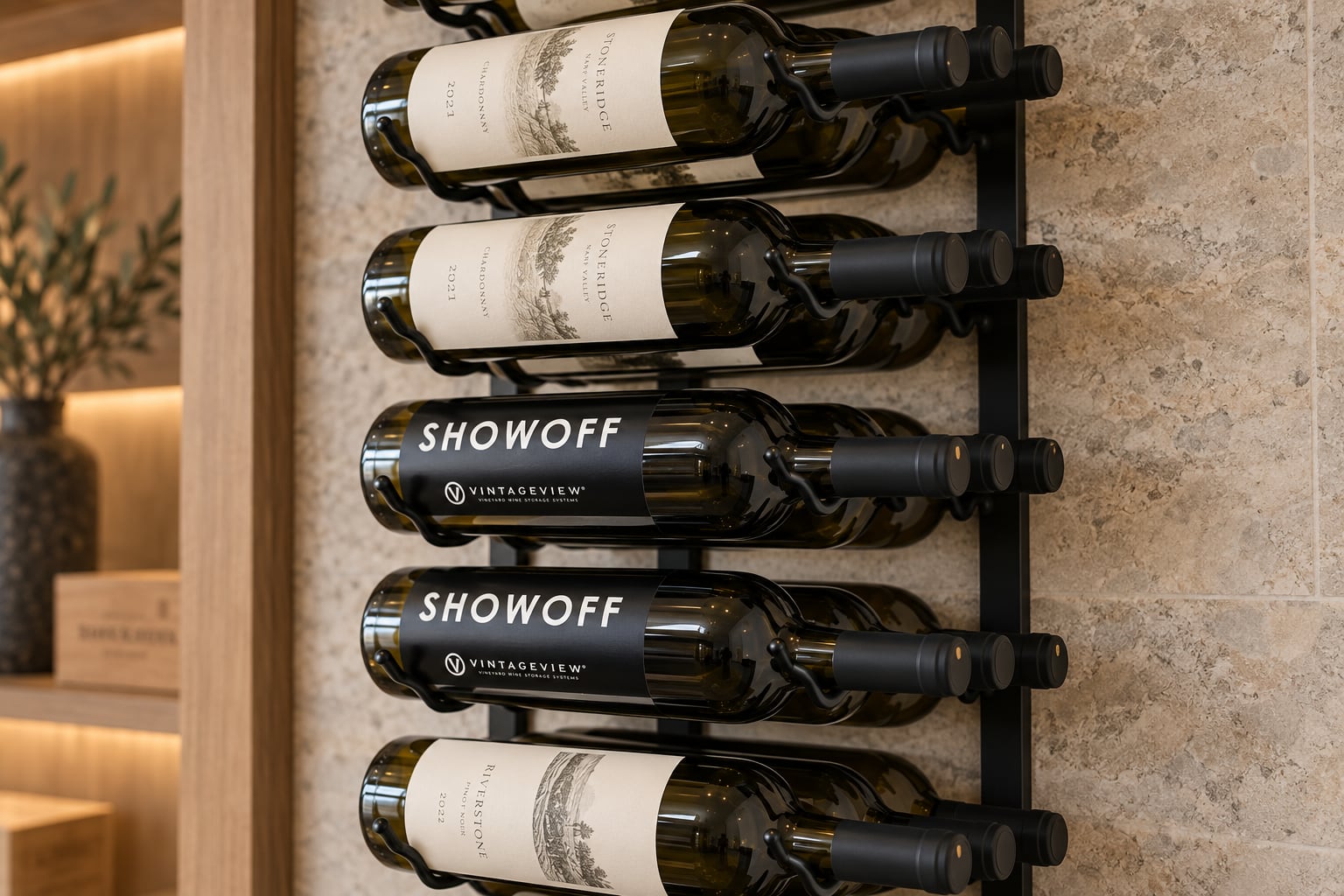
When displaying wines, think about how you want to present them based on occasions or themes. For example, you might choose to highlight special bottles during holidays or celebrations while keeping everyday selections more discreetly stored. Creative display options could include using wall-mounted racks or decorative shelving units that allow for easy access while showcasing labels prominently.
By thoughtfully displaying your wines, you create an inviting atmosphere that encourages enjoyment and appreciation.
Expanding Your Knowledge and Collection
Keep a record of what you buy, what you open and the bottles you want to add as your collection develops. Attend tastings at local wineries or participate in wine clubs where you can meet fellow enthusiasts and learn from their experiences. Engaging with experts in the field can provide valuable insights into emerging trends and lesser-known varietals that may pique your interest.
In addition to expanding your knowledge through social interactions, consider investing in books or online courses focused on wine appreciation and collecting strategies. The more informed you become about different regions, varietals, and aging processes, the better equipped you will be to make informed decisions about future acquisitions for your collection. Keep the producer, region and tasting notes with each new bottle so the record stays useful as your collection grows.
Keep the bottle inventory, storage arrangement and tasting notes current as you buy and open wines. By following these steps diligently while embracing the joy of discovery along the way, you'll find yourself not just collecting bottles but curating an experience that celebrates the art of winemaking itself.
FAQs
What is the best way to organize a wine collection?
The best way to organize a wine collection is to categorize the wines by type, region, or vintage. This can be done using a wine rack, cellar, or wine refrigerator, and keeping a detailed inventory of the wines.
What are the benefits of organizing a wine collection?
Organizing a wine collection makes it easier to locate specific bottles, track inventory, and ensure that wines are stored properly. It also allows for easier selection of wines for different occasions and helps to prevent any bottles from being forgotten and going bad.
How should I store my wine collection?
Wine should be stored in a cool, dark, and humid environment, with a consistent temperature and minimal vibration. Wine racks, cellars, and wine refrigerators are all suitable options for storing a wine collection.
What are some tips for organizing a wine collection in Walnut Creek?
In Walnut Creek, it is important to consider the local climate and temperature fluctuations when organizing a wine collection. It is also helpful to keep track of local wine events and vineyards to add to the collection.
How can I keep track of my wine collection?
Keeping a detailed inventory of the wine collection, including information such as type, region, vintage, and quantity, is a great way to keep track of the collection. There are also various wine inventory apps and software available for this purpose.
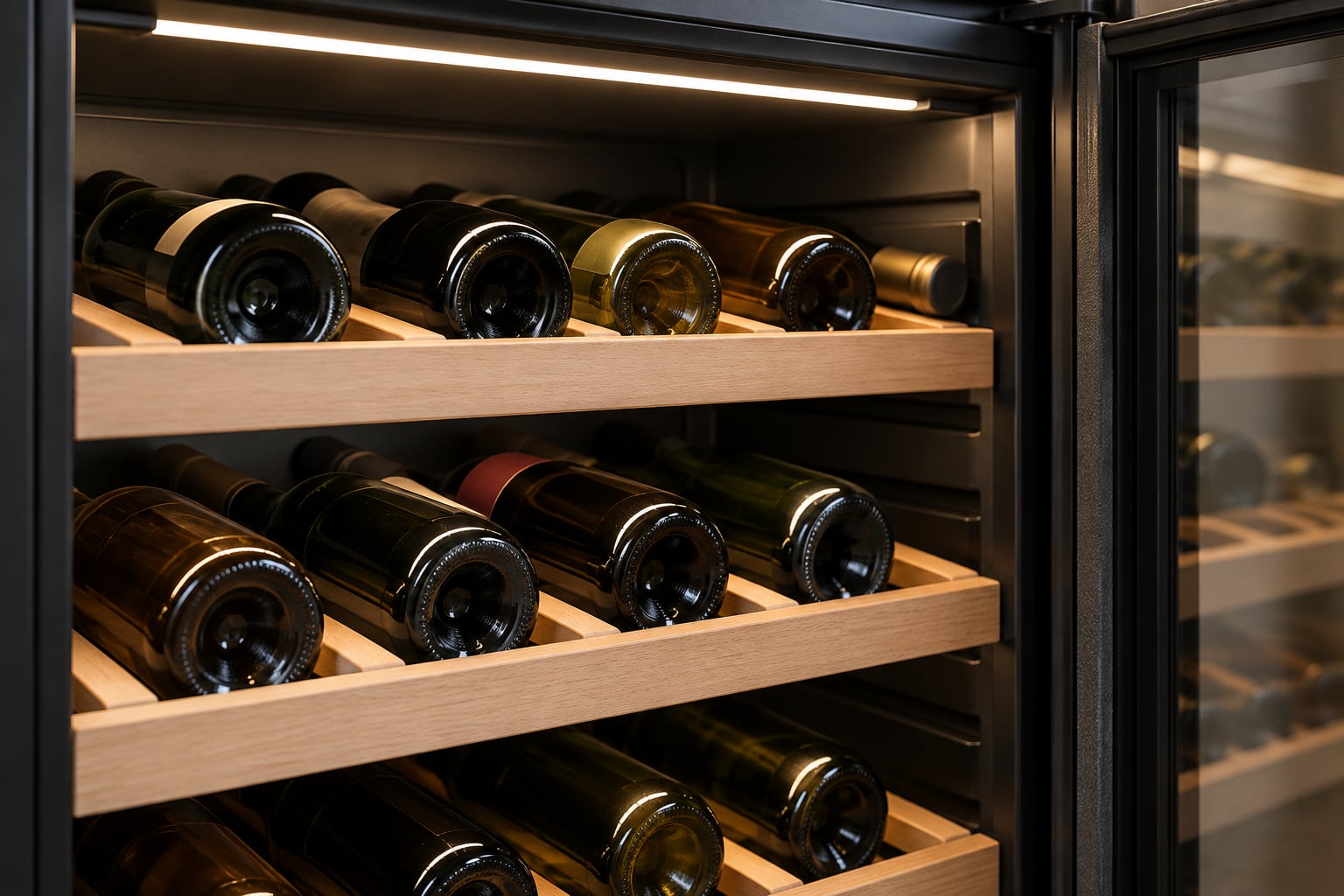
Assessing Your Wine Collection Needs
A wine inventory should help you find a bottle and know what has changed. Choose simple location names, record purchases and update opened bottles, then match the system to your rack layout instead of creating a detailed database that is difficult to maintain. Bring a room photo, available dimensions and a few representative bottle measurements to Wine Hardware in Walnut Creek. We can help you compare rack layouts before you order.
Assessing the size and scope of your wine collection
To accurately assess the size and scope of your wine collection, begin by taking inventory of all the bottles you currently have. Categorize them by varietal, region, or any other criteria that makes sense to you. Make note of any wines that are nearing their peak drinking window or may need to be consumed soon. This assessment will help you determine the storage capacity needed for your custom wine cellar.
Determining your storage requirements and organization preferences
To determine your storage requirements and organization preferences for your custom wine cellar, consider factors such as the size of your collection, the types of wines you have, and how you prefer to categorize and access them. Assess the available space in your cellar and choose racks and shelving that accommodate your needs. Plan for future growth by accounting for additional bottles you may acquire over time. By understanding your storage requirements and organization preferences, you can create a personalized and efficient system for managing your wine collection.
Choosing the Right Wine Racks and Shelving
When it comes to choosing the right wine racks and shelving for your custom wine cellar, consider factors such as capacity and aesthetic preferences. Select racks that can accommodate the size of your collection and match your desired design aesthetic. Additionally, explore different shelving options that offer optimal storage and display capabilities. By carefully choosing your wine racks and shelving, you can create a functional and visually appealing storage solution for your wines.
Selecting wine racks based on capacity and aesthetic preferences
When selecting wine racks for your custom wine cellar, consider both the capacity and aesthetic preferences. Choose racks that can accommodate your collection's size while also complementing the overall design of the cellar. This ensures a functional and visually appealing storage solution for your wines.
Considering different shelving options for optimal storage and display
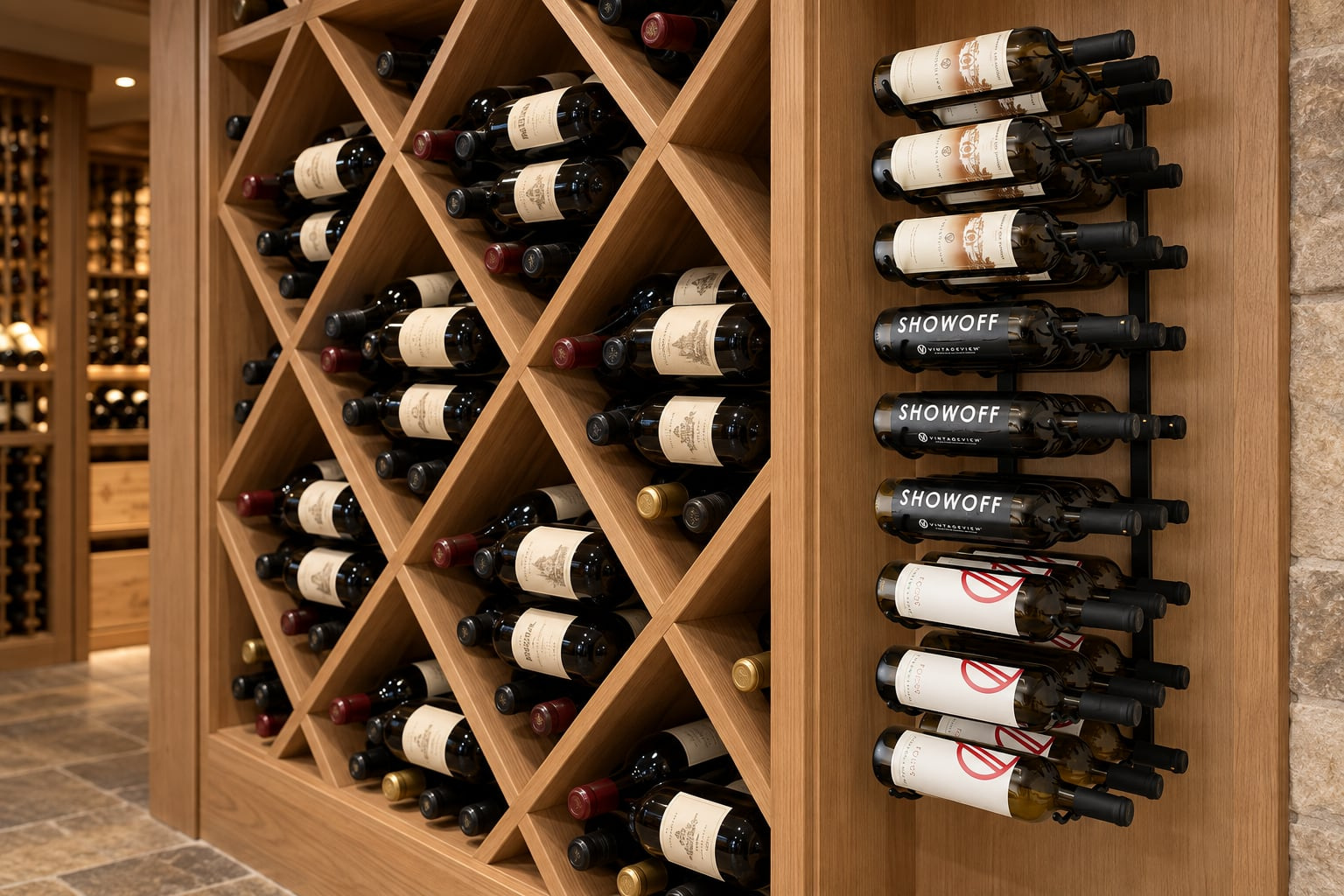
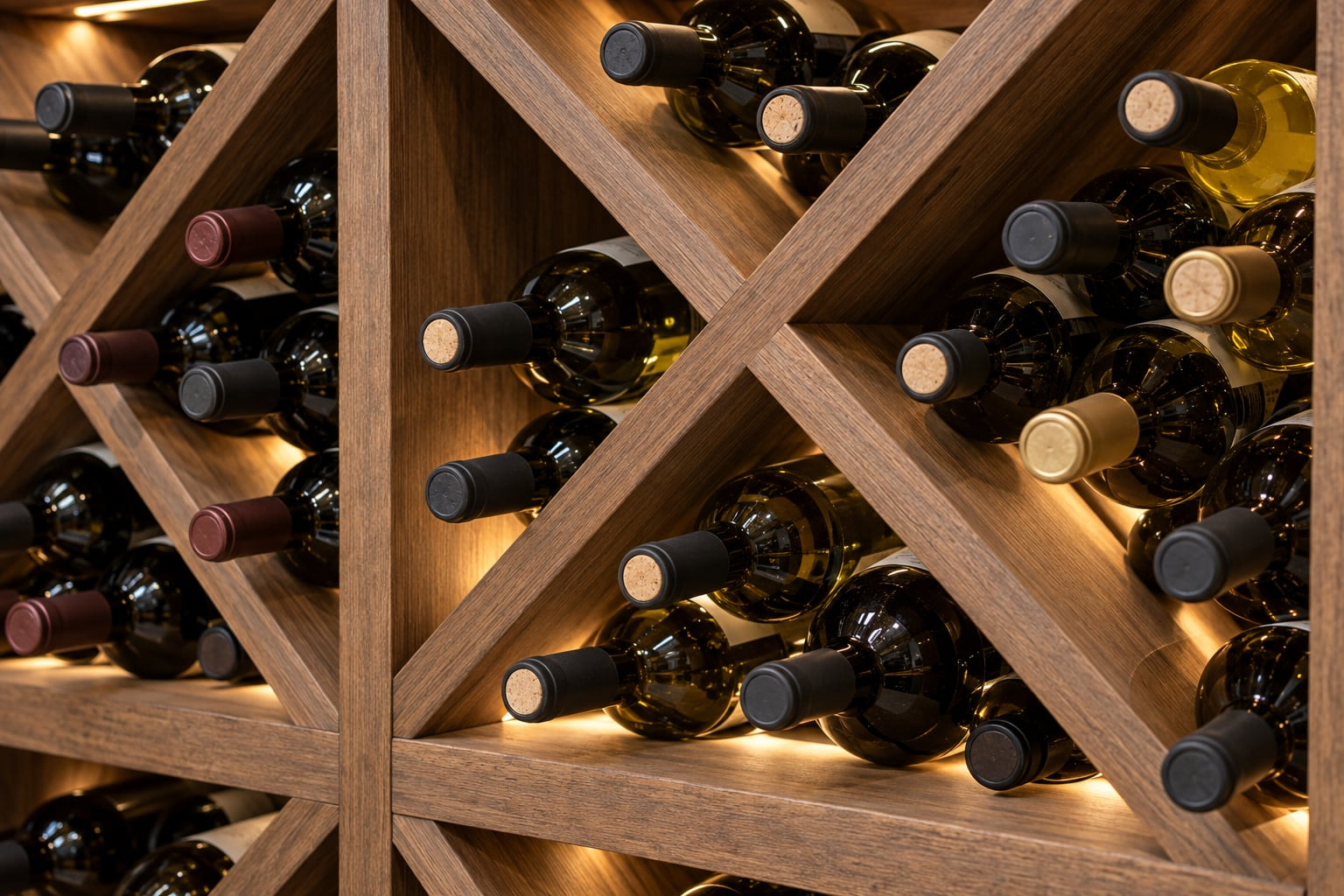
When considering different shelving options for optimal storage and display in your custom wine cellar, it is important to prioritize functionality and aesthetics. Look for shelves that can accommodate various bottle sizes and shapes while enhancing the overall visual appeal of the space. Consider options such as diamond bins, individual bottle racks, or display shelves to showcase your collection in an organized and visually pleasing manner.
Temperature and Humidity Control
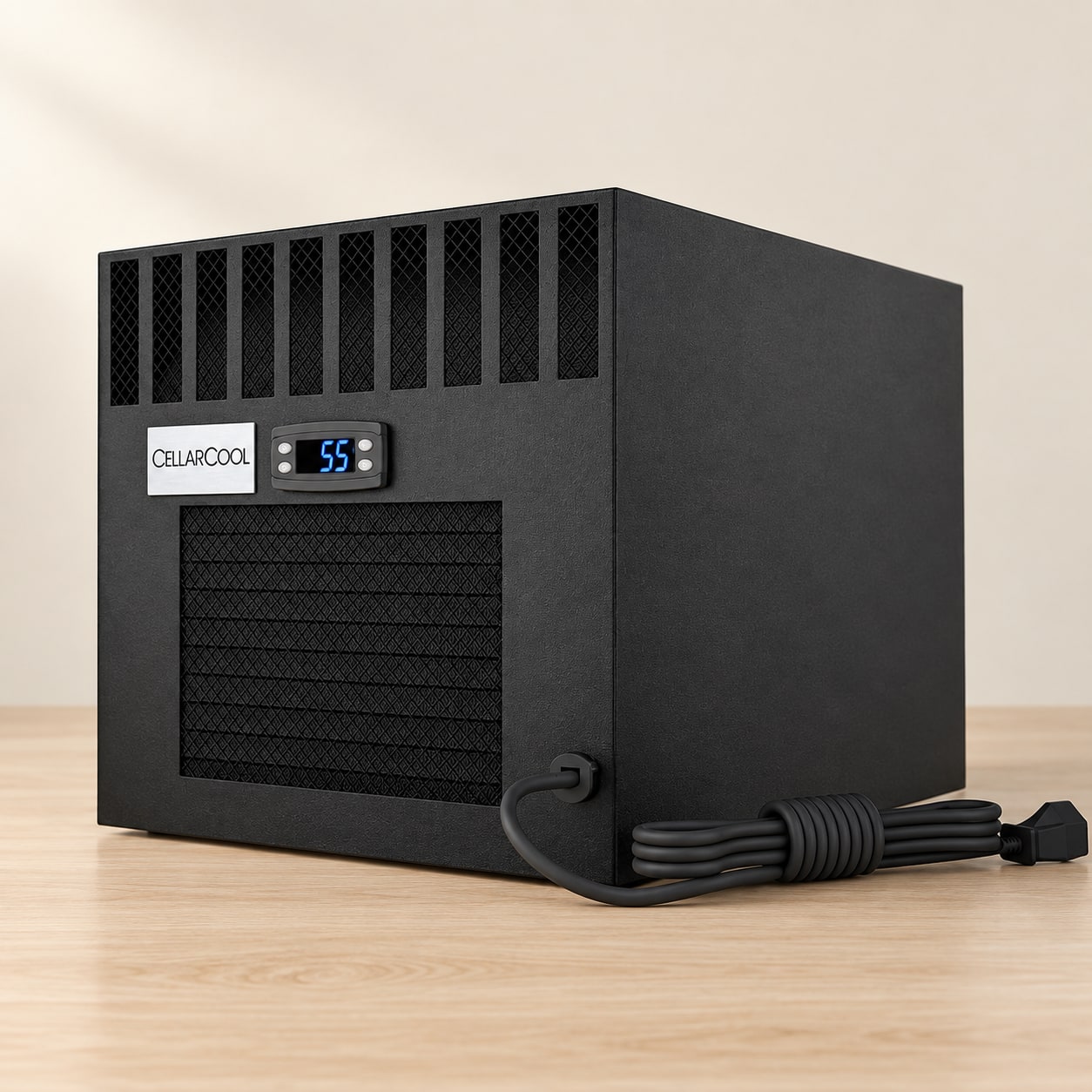
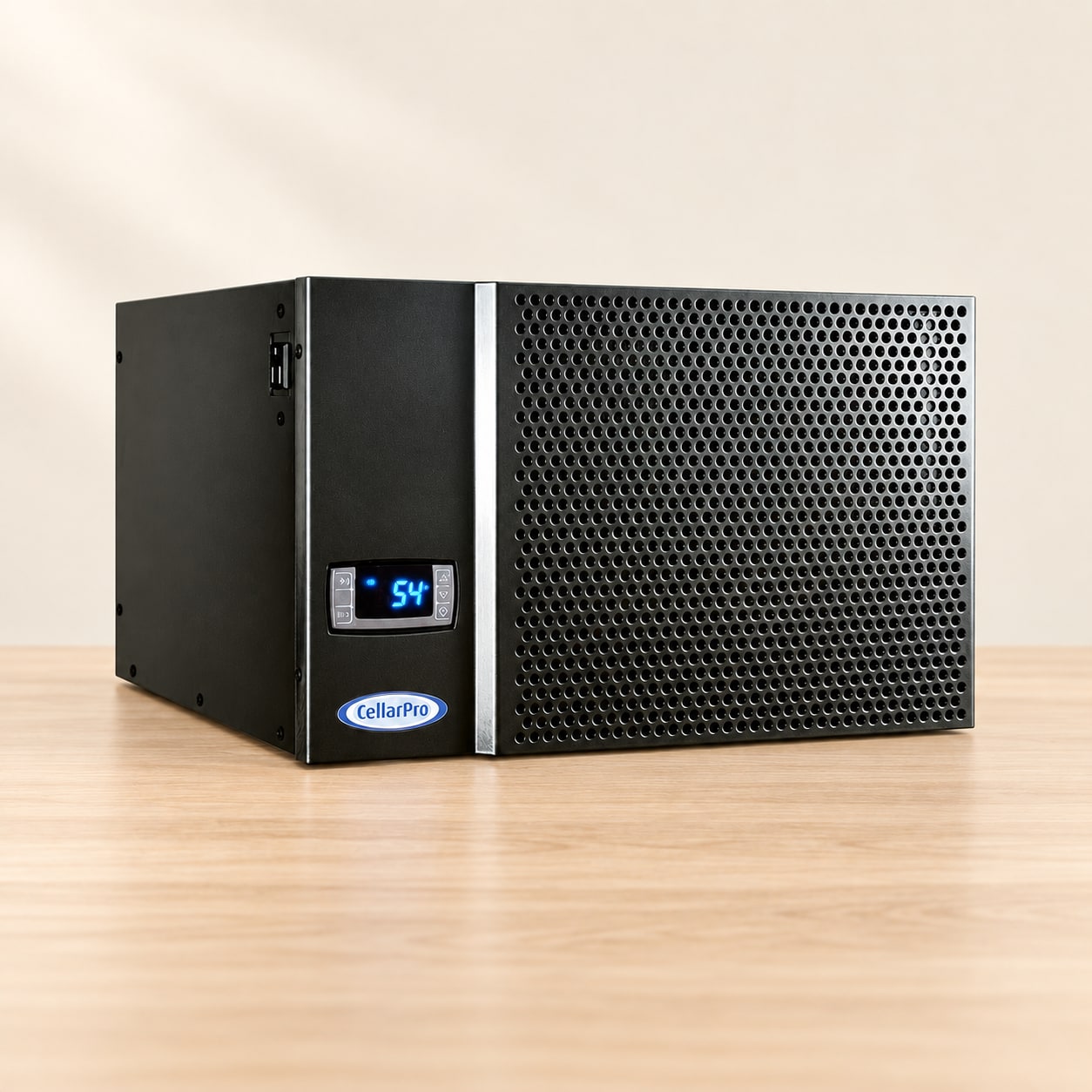
Choose a cooling system against the exact manufacturer's requirements and the room assessment; confirm whether separate humidity equipment is needed. Consider a self-contained cooling unit or a ducted split system based on the size and location of your wine cellar. Additionally, install a humidifier to prevent excessive dryness and cork shrinkage. Regularly monitor and adjust temperature and humidity settings as needed to preserve the quality of your wine collection.
Understanding the importance of temperature and humidity control in wine storage
Choose a cooling system against the exact manufacturer's requirements and the room assessment; confirm whether separate humidity equipment is needed. Consider a self-contained cooling unit or a ducted split system based on the size and location of your wine cellar. Additionally, install a humidifier to prevent excessive dryness and cork shrinkage. Regularly monitor and adjust temperature and humidity settings as needed to preserve the quality of your wine collection.
Exploring wine cellar cooling systems and humidifiers
Compare cooling and humidification equipment using the exact manufacturer's specifications and the installer's assessment of the room. Consider investing in a reliable self-contained cooling unit or ducted split system based on the size and location of your wine cellar. Don't forget to install a humidifier to prevent excessive dryness and cork shrinkage. Regularly monitor and adjust temperature and humidity settings as needed to preserve the quality of your wine collection.
Inventory Tracking and Management Systems
To effectively manage your wine collection, utilizing wine inventory management software and tools can streamline the process. Implementing effective labeling and tracking methods, along with software, helps you keep track of your bottles, monitor their aging process, and easily access information about each wine. This ensures efficient organization and helps you make informed decisions about your collection.
Utilizing wine inventory management software and tools
To effectively manage your wine collection, utilizing wine inventory management software and tools can streamline the process. Implementing effective labeling and tracking methods, along with software, helps you keep track of your bottles, monitor their aging process, and easily access information about each wine. This ensures efficient organization and helps you make informed decisions about your collection.
Implementing effective labeling and tracking methods for your wine collection
To effectively manage your wine collection, implementing effective labeling and tracking methods is crucial. By labeling each bottle with key information such as vintage, region, and tasting notes, you can easily locate specific wines and track their aging process. Additionally, utilizing wine inventory management software and tools can streamline the process by providing a centralized database for your collection, allowing you to easily access information and make informed decisions about your wines.
Maintenance and Cleaning Tips
Proper maintenance and cleaning practices are essential for the longevity and preservation of your wine cellar and equipment. Regularly inspecting and cleaning the racks, shelves, and cooling systems helps prevent mold, dust, and debris buildup. Use a mild detergent or specialized cleaning products designed for wine cellars to avoid damaging the materials. Additionally, ensure proper air circulation and ventilation to maintain optimal conditions for your wine collection.
Proper maintenance and cleaning practices for wine cellars and equipment
When it comes to maintaining and cleaning your wine cellar and equipment, there are a few key practices to keep in mind. Regularly inspect and clean the racks, shelves, and cooling systems to prevent mold and debris buildup. Use mild detergent or specialized cleaning products designed for wine cellars. Ensure proper air circulation and ventilation for optimal conditions. Follow these steps to ensure the longevity and preservation of your wines.
Ensuring the longevity and preservation of your wines
To ensure the longevity and preservation of your wines, follow these key steps. First, maintain a consistent temperature and humidity level in your wine cellar. Second, keep your bottles stored horizontally to keep the corks moist and prevent oxidation. Third, minimize exposure to light and vibrations. Finally, regularly inspect and clean your wine cellar and equipment to prevent mold or debris buildup. By following these practices, you can protect and enjoy your wine collection for years to come.
Customizing Your Wine Cellar
When customizing your wine cellar, reflect your style and preferences in the design. Incorporate custom features and accessories for a unique wine storage experience. Consider adding personalized touches like engraved labels or decorative lighting. This will enhance the aesthetic appeal of your wine cellar while ensuring that it aligns with your personal taste. With Wine Hardware's wide selection of customizable options, you can create a tailor-made wine cellar that showcases your collection and reflects your individuality.
Personalizing your wine cellar design to reflect your style and preferences
When it comes to personalizing your wine cellar design, the possibilities are endless. Reflect your style and preferences by incorporating custom features and accessories that enhance the aesthetic appeal of your wine storage space. Consider engraved labels, decorative lighting, or even unique artwork to create a truly one-of-a-kind wine cellar that showcases your collection and reflects your individuality. With Wine Hardware's customizable options, you can create a tailor-made wine cellar that is as unique as your taste in wine.
Incorporating custom features and accessories for a unique wine storage experience
When it comes to customizing your wine cellar, incorporating unique features and accessories can enhance the overall wine storage experience. Consider adding engraved labels, decorative lighting, or even artwork to personalize your space. With Wine Hardware’s customizable options, you can create a wine cellar that reflects your style and preferences. Make it truly one-of-a-kind!