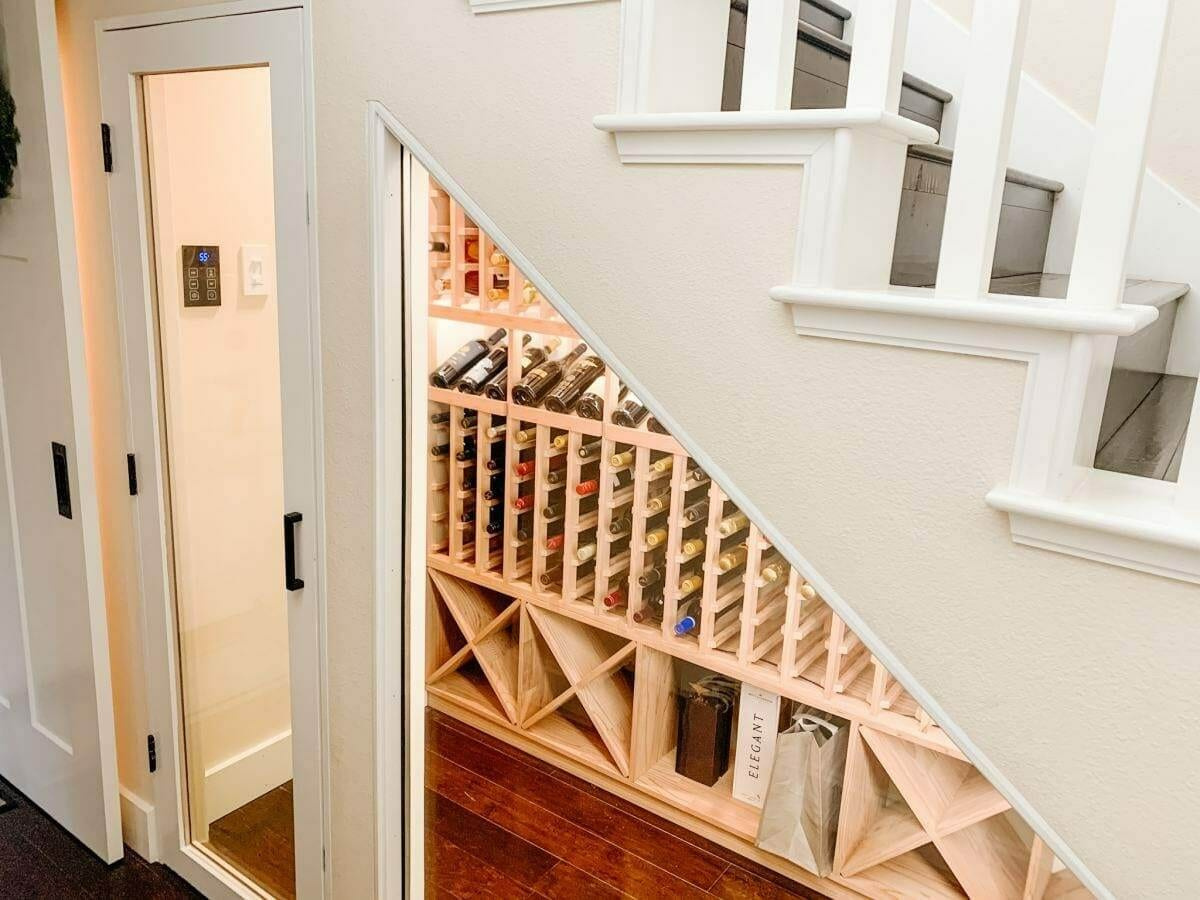
A Lafayette cellar budget depends on who handles each part of the build, not just who assembles the racks. DIY work can make sense for a defined task; a cooled room also needs coordinated construction and equipment decisions. Before you choose a route, separate the work you can document and complete from the work that needs a specialist. Wine Hardware helps you develop that scope before products are ordered.
Separate a rack project from a cellar build
Start by naming the finished result. Adding racks to an existing suitable room is a different project from converting a closet into a refrigerated cellar. The second may involve an enclosure, insulation, door details, cooling equipment, electrical work and coordinated trade access. A list headed simply "wine cellar" hides those differences.
Write the scope in plain language: what exists now, what will be removed, what will be constructed and which equipment will be installed. Include any finish repairs outside the cellar. For Lafayette homes, this also gives the design and permitting conversations a concrete starting point instead of relying on a general description of a home improvement.
Identify the DIY work you can actually own
A rack kit with clear assembly instructions may offer a manageable task for an owner with suitable skills and tools. Read the instructions before purchasing, including attachment and loading requirements. Decide whether you can verify the mounting surface and execute the specified method, rather than making that decision after the boxes arrive.
Other useful owner tasks include inventorying bottles, recording room measurements, choosing finishes and maintaining the project decision list. These steps can improve the result without requiring you to take on unfamiliar construction. Assign a person to each remaining task. If nobody owns a detail such as sealing a service penetration, it has not been removed from the job; it has simply been overlooked.
Review what a professional proposal includes
A professional scope should describe the design work, construction responsibilities, equipment selection and installation sequence. Ask who coordinates the rack layout with the cooling unit and who reviews the room before the finishes go on. Those interfaces matter because a later change can affect more than one trade.
Request clear exclusions as well as inclusions. The proposal should identify whether electrical work, wall preparation, permits, freight, finish painting and equipment startup are included or handled separately. Wine Hardware provides cellar design, equipment and contractor referrals; discuss the arrangement for your particular project so you know who is responsible for each portion before work begins.
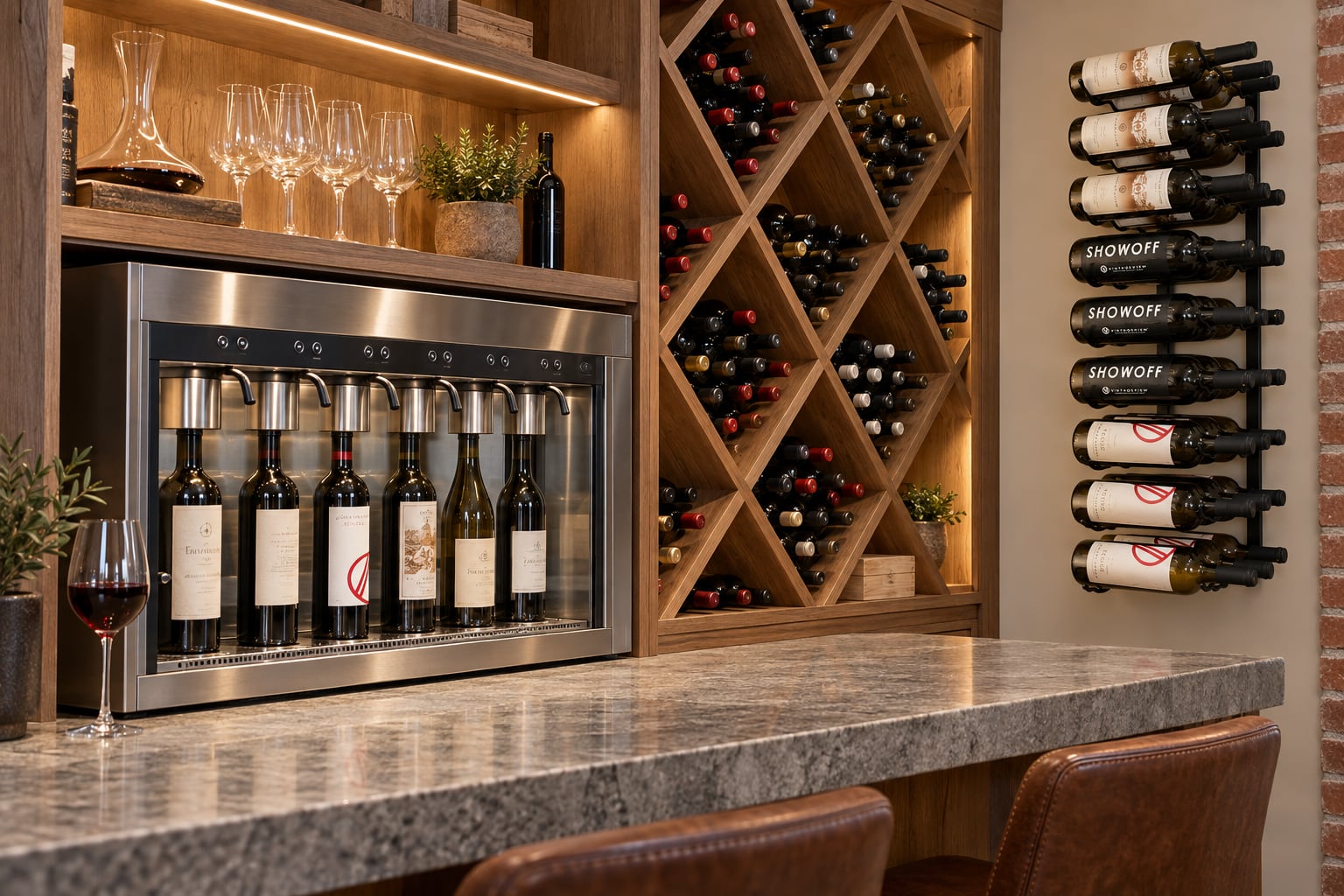
Build a fair cost comparison
For the DIY route, list materials, delivery, tools you would need to obtain and any specialist work you would still hire. Add the cost of completing unfinished surfaces and the practical effect of having part of the home unavailable. Your own time belongs in the comparison even when it does not appear on an invoice.
For the professional route, ask for the same finished scope. Compare allowances and unresolved items before comparing totals. A lower initial figure may leave equipment, trim or access work undecided. We do not publish a universal Lafayette build price here: the room, chosen equipment and actual construction scope are needed for a meaningful estimate.
Resolve approvals and technical questions early
Confirm the reviewing authority for the property address and ask which approvals apply to the proposed work. Contra Costa County currently provides building permit services for Lafayette, while city planning review may also be relevant. Start with the county's permit information and verify your exact project with the responsible office.
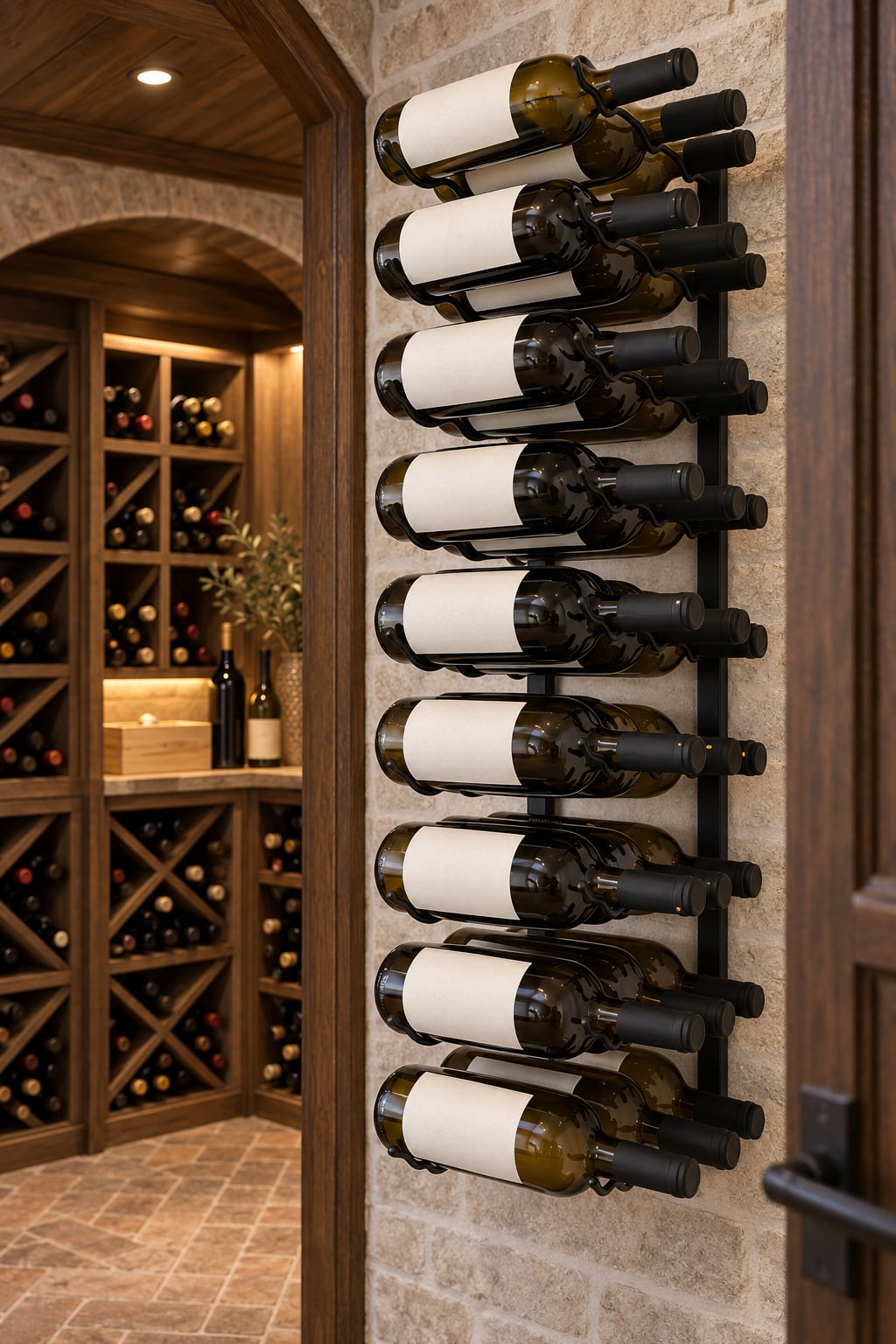
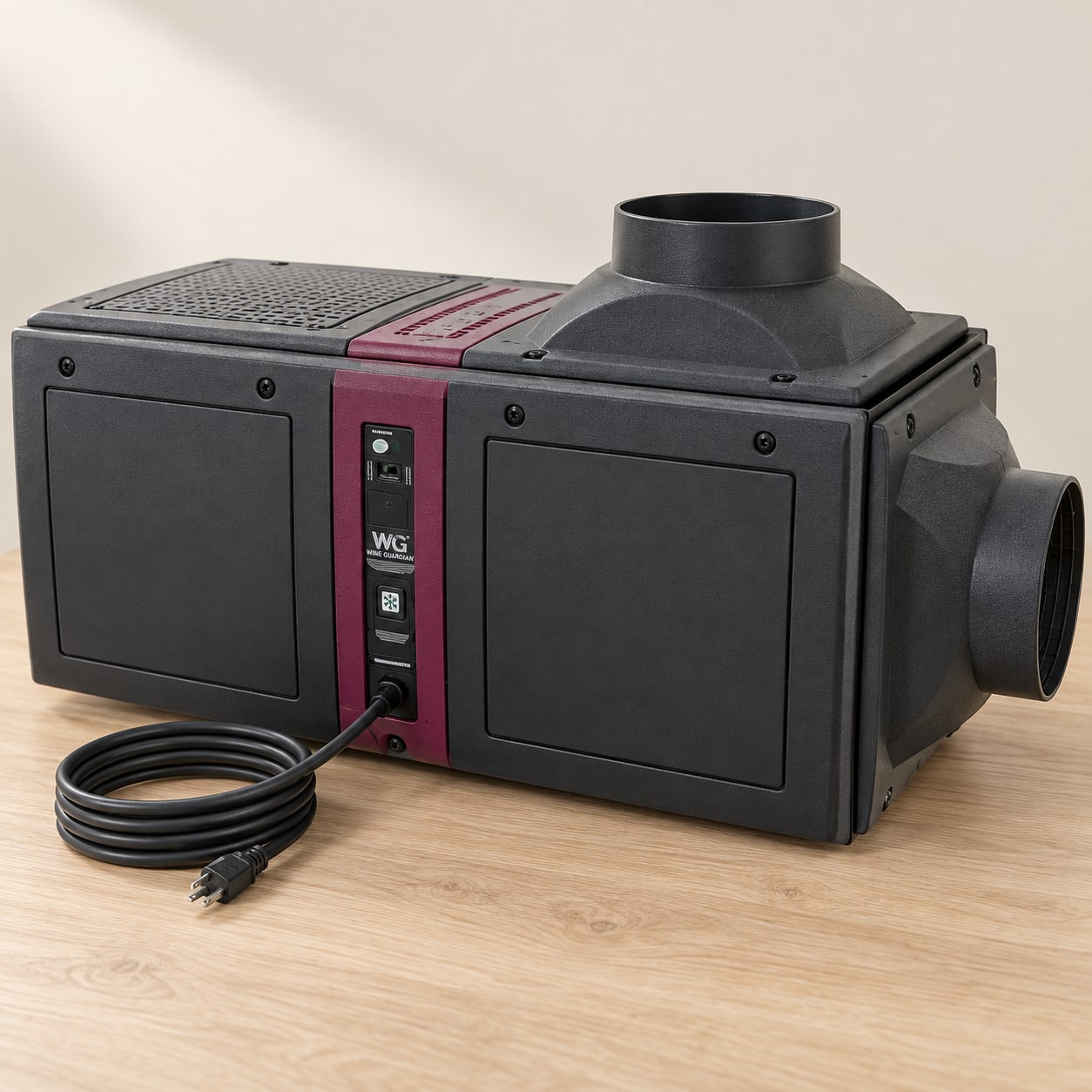
Have the appropriate trades review equipment power, refrigeration connections, drainage where required and access for maintenance. Follow the selected manufacturer's current installation manual rather than a generic cellar recipe. These questions are equally relevant whether you assemble the racks yourself or hire the complete build; the ownership of a task does not change the room's requirements.
Choose a hybrid plan when it makes sense
You may prefer professional design and construction while keeping finish selections, inventory and some rack assembly under your control. Agree on those boundaries in writing. Make sure the installer knows when your work will be complete and what must remain accessible for inspection or equipment setup.
Finish with a handover plan: drawings, equipment details, operating instructions and the contact for questions after startup. Test the intended arrangement before loading the full collection. A successful DIY contribution is a completed, compatible part of the cellar; a successful professional service leaves you knowing how the room works and who to call when something changes.
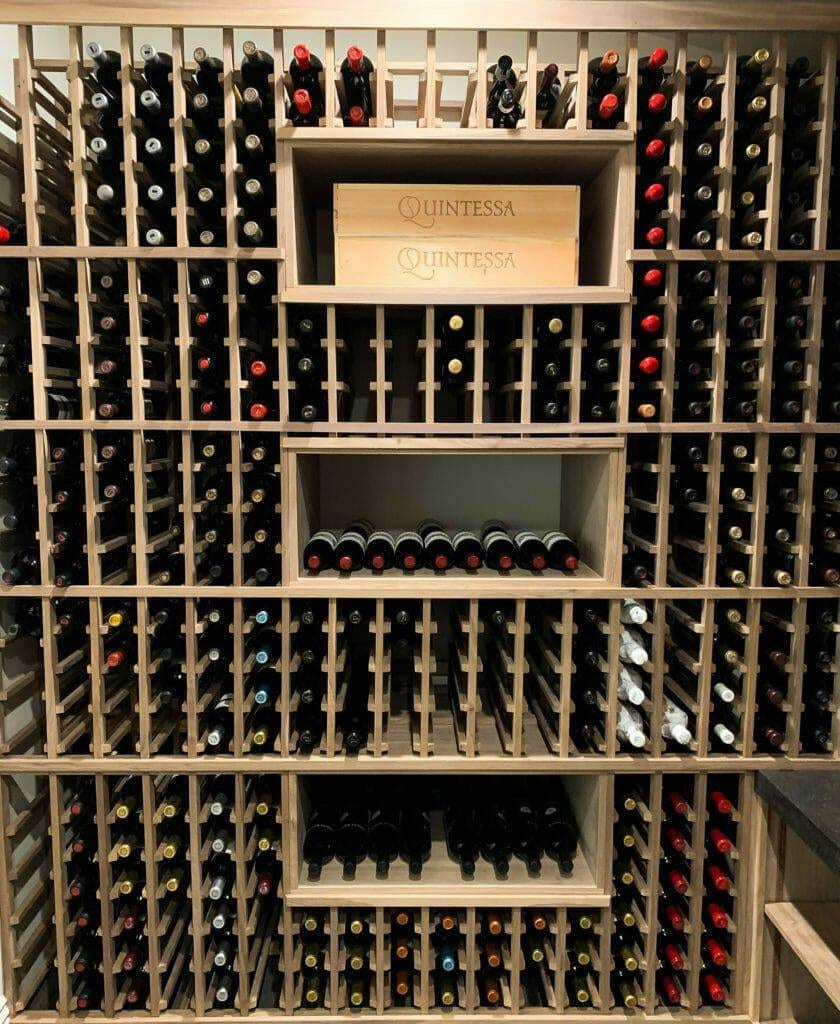
Questions before you decide
Can I build only the racks myself?
Yes, that can be a defined part of a larger project when the chosen kit and mounting requirements suit your skills. Coordinate the finished dimensions and attachment details with the cellar design before assembly begins.
Does professional construction guarantee a fixed cost?
The proposal should state the agreed scope and how changes are handled. Hidden site conditions, revised selections and excluded work can affect the final amount. Resolve allowances and responsibilities before using a quote as your complete project budget.
When should I contact Wine Hardware?
Contact us while you are deciding on the room and scope. Bring photographs, approximate dimensions and your collection goals. Those details help us discuss the design, equipment and contractor coordination your project may need.
Plan your Lafayette cellar with Wine Hardware. Call (925) 944-1084 or bring the room photos to our Walnut Creek showroom.