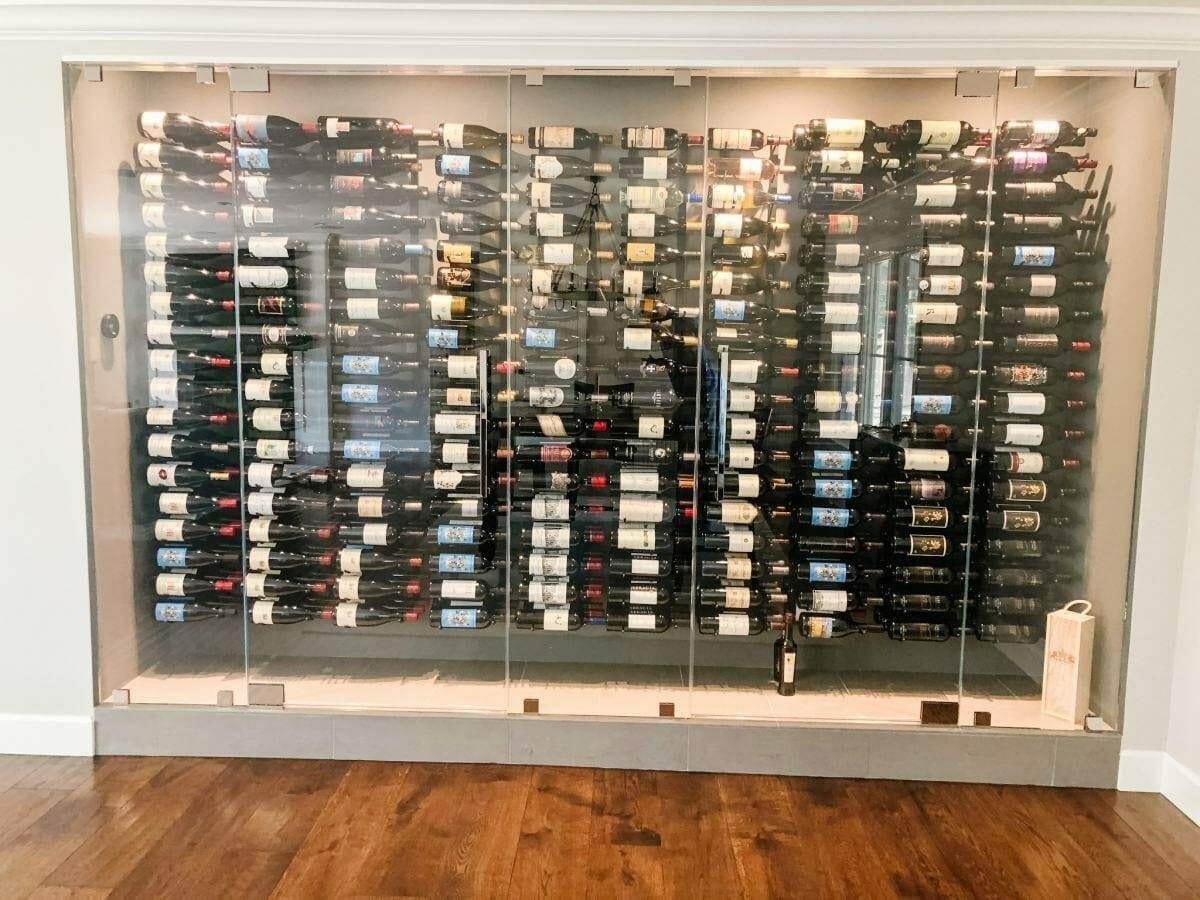
The Corkscrew: Your Wine Opener Sidekick
A beginner's wine tasting setup can stay focused: glasses, bottles and a way to record what you notice. Choose tools that help compare aroma, texture and change in the glass, then add specialist accessories only when they answer a specific question. Wine Hardware in Walnut Creek carries glassware and wine accessories you can compare around your own routine. Bring your serving question to the showroom and ask about the available options.
Corkscrews come in a wide variety of shapes, sizes, and designs, each with its own unique features and benefits. From the classic waiter’s corkscrew to the sleek and modern winged corkscrew, the options are endless. The waiter’s corkscrew, with its compact and portable design, is a popular choice among wine lovers for its versatility and ease of use. On the other hand, the winged corkscrew offers a more powerful and efficient cork removal, making it an ideal choice for those who frequently encounter stubborn or difficult-to-remove corks.
When selecting a corkscrew, it’s important to consider factors such as the material, the length of the worm (the spiral part that pierces the cork), and the overall ergonomics of the tool. A well-crafted corkscrew not only makes the cork removal process effortless but also adds a touch of elegance to your wine-tasting ritual. Investing in a high-quality corkscrew can be a game-changer, as it ensures that you can consistently and confidently open your bottles without any frustration or damage to the cork.
Stemware: Choosing the Right Wine Glass
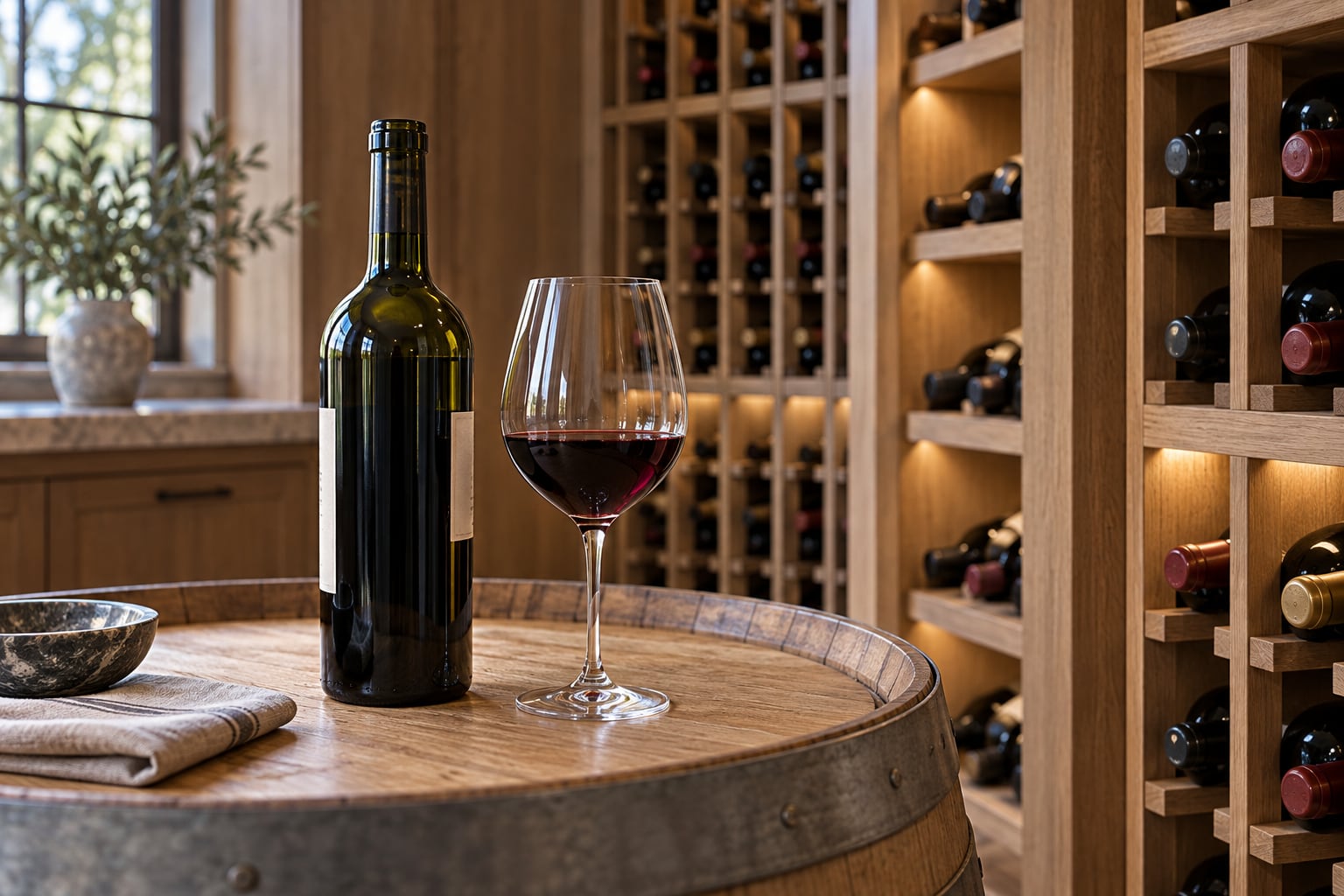
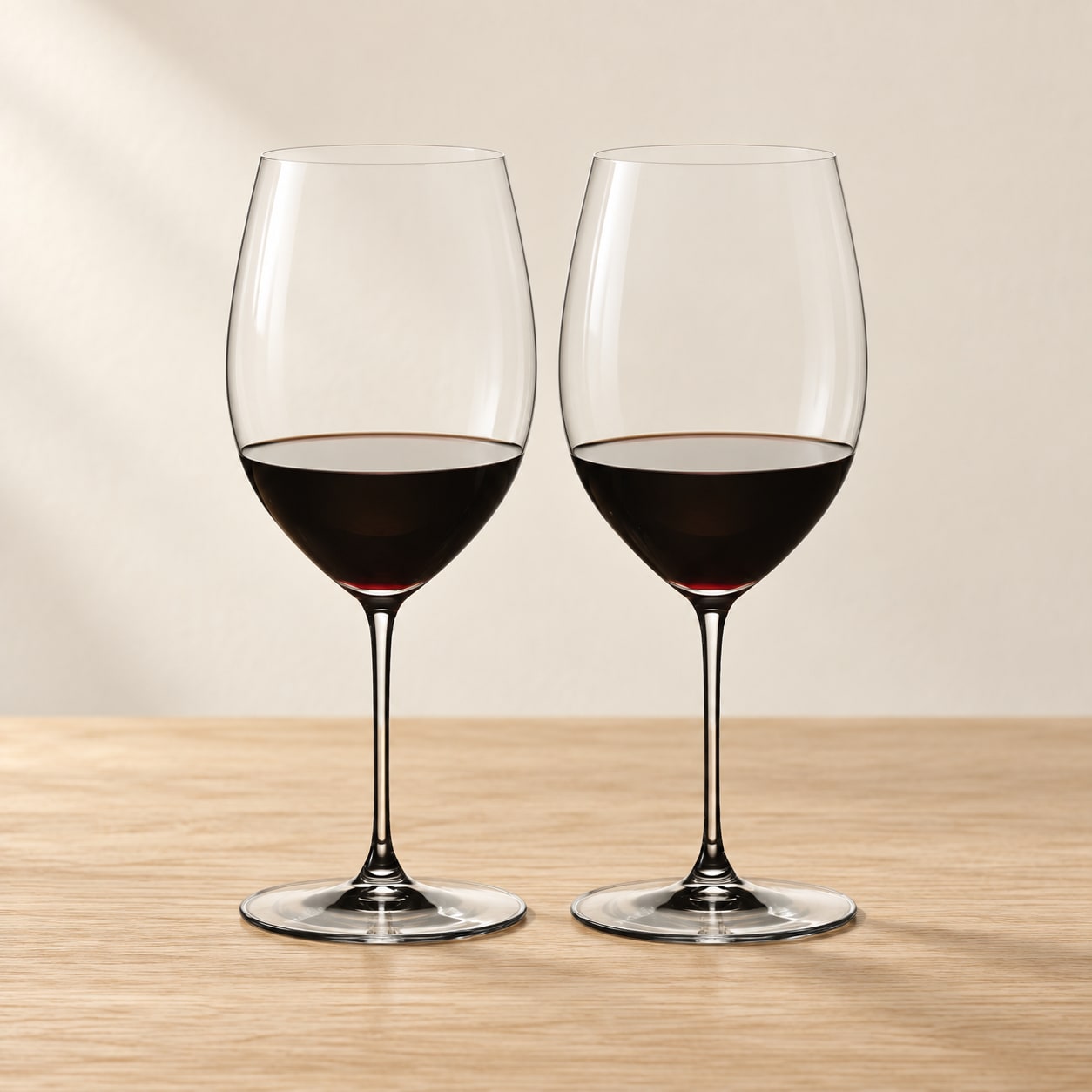
The shape and size of the wine glass can have a significant impact on the aroma and taste of the wine. Understanding the role of stemware in enhancing the wine-tasting experience is crucial for newbies and seasoned wine enthusiasts alike.
The shape of the wine glass influences the way the wine interacts with the air, which in turn affects the release of the wine’s aromas and flavors. For instance, a wide-bowled glass is ideal for full-bodied red wines, as it allows the wine to breathe and the complex bouquet to fully develop. Conversely, a narrower glass is better suited for delicate white wines, as it helps to concentrate the aromas and prevent them from dissipating too quickly.
In addition to the shape, the size of the wine glass also plays a crucial role. A larger glass allows for more surface area, which facilitates the aeration of the wine and enhances the overall tasting experience. Conversely, a smaller glass may restrict the wine’s ability to fully express its aromatic and flavor profiles.
When building your wine tasting kit, it’s essential to invest in a set of high-quality stemware that caters to the different wine varieties you plan to explore. This may include a selection of red wine glasses, white wine glasses, and even specialized glasses for sparkling wines or fortified wines. By choosing the right glassware, you’ll be able to fully appreciate the nuances and complexities of each wine, elevating your overall tasting experience.
Decanters: Unlocking the Flavors of Your Wine
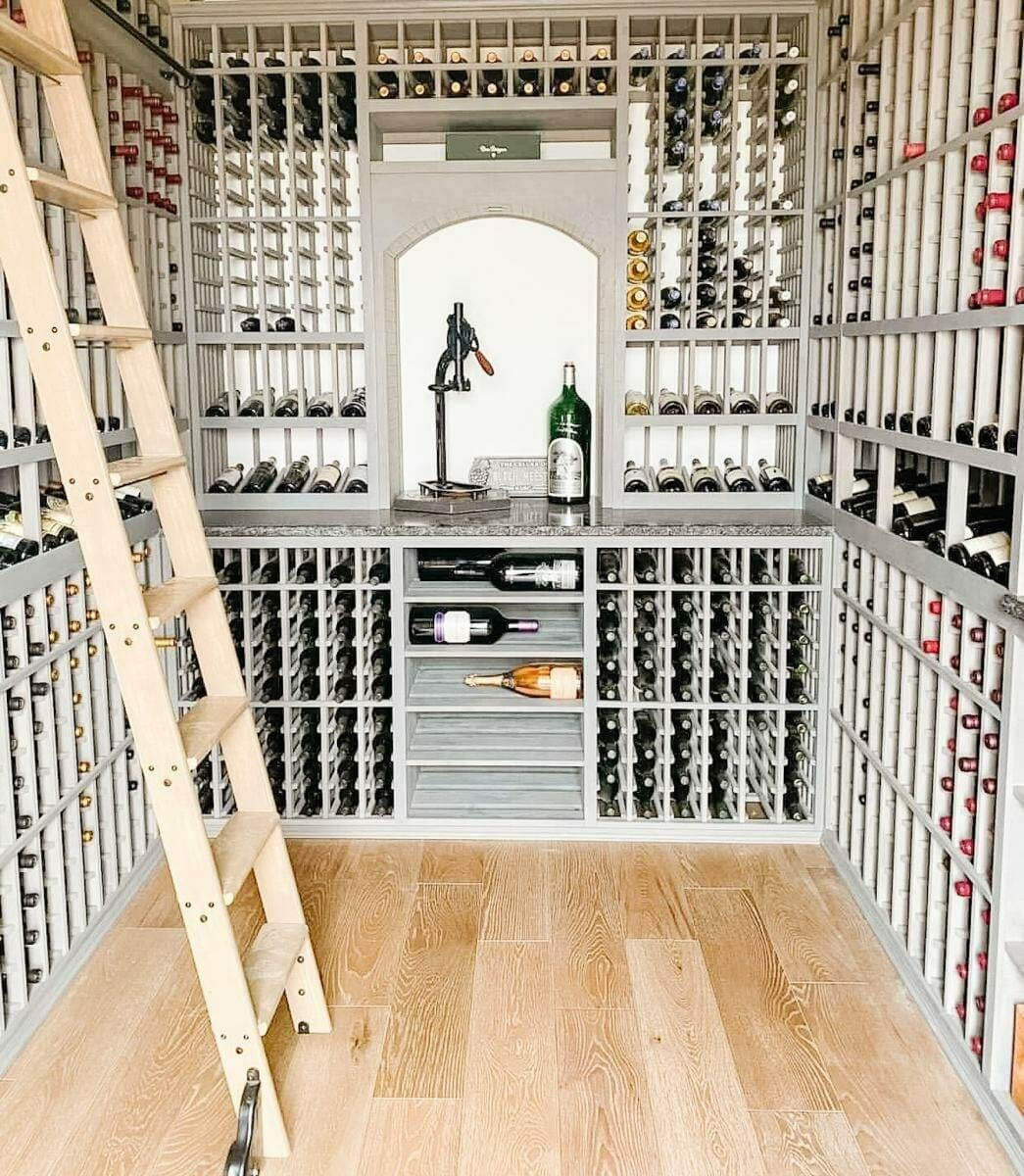
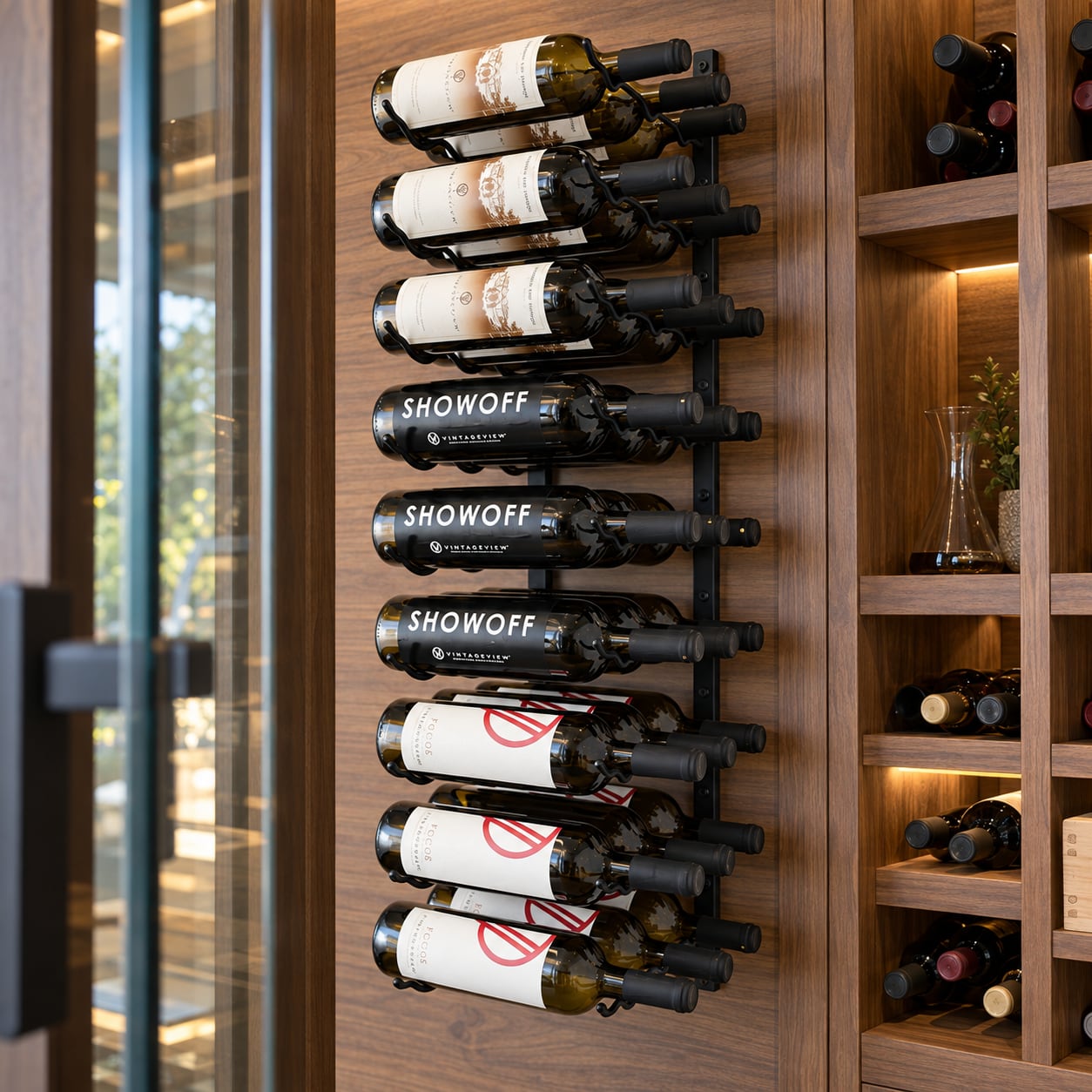
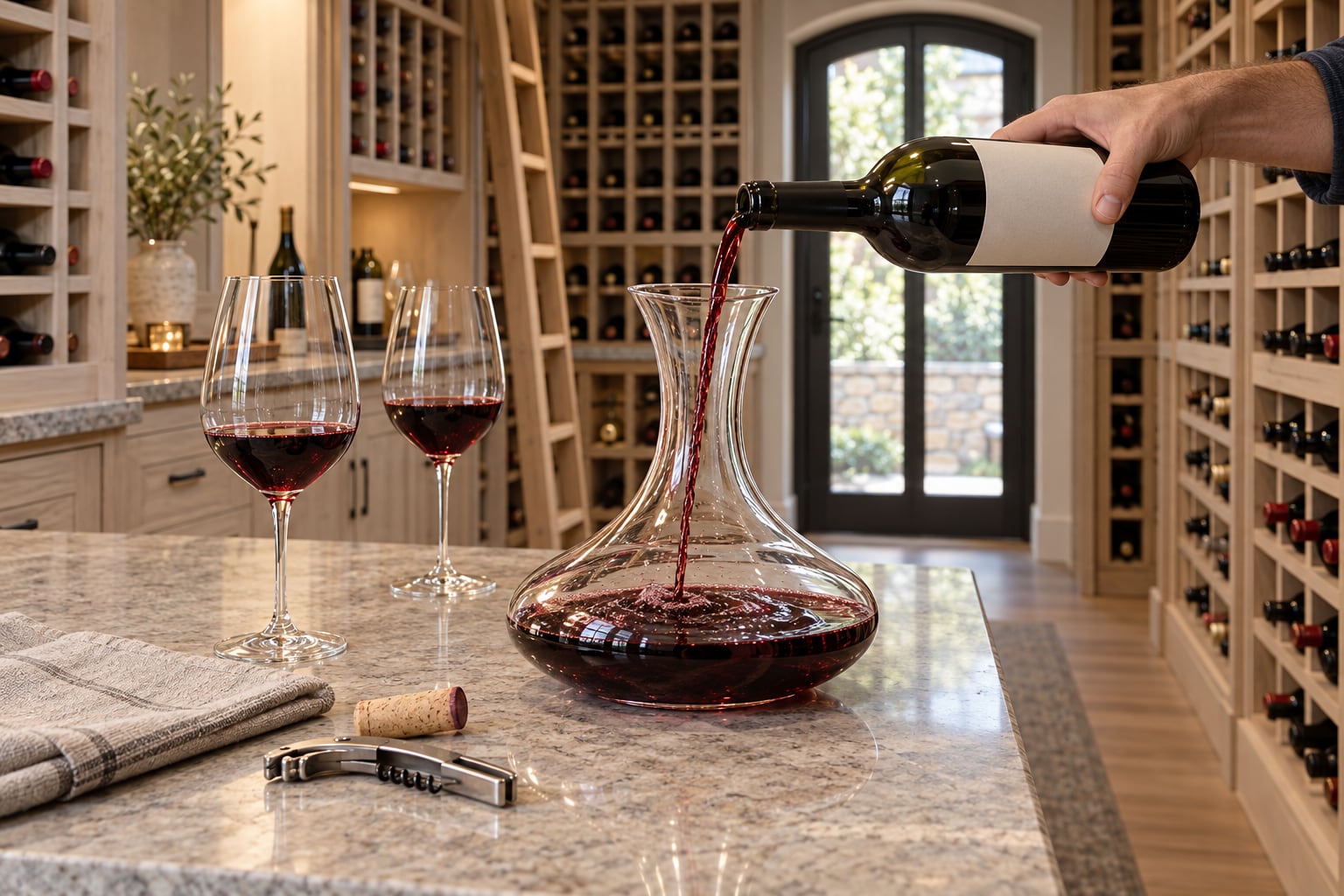
Decanters are an essential tool for wine enthusiasts, as they play a crucial role in unlocking the full potential of a wine’s flavor profile. By allowing the wine to interact with air, decanters facilitate the process of aeration, which can significantly improve the wine’s taste and bouquet.
The primary purpose of a decanter is to separate the wine from any sediment that may have accumulated over time, particularly in the case of older or more tannic wines. This separation allows the wine to breathe and develop, revealing its true character and complexity. Additionally, decanters can help to soften the harsh tannins in young, full-bodied red wines, making them more approachable and enjoyable.
When selecting a decanter, it’s important to consider factors such as the size, shape, and material. Larger decanters are generally better suited for full-bodied red wines, as they provide more surface area for the wine to interact with air. Conversely, smaller decanters may be more appropriate for lighter-bodied wines or white wines, where the goal is to preserve the delicate aromas and flavors.
The shape of the decanter can also influence the aeration process. Some decanters feature a wide, shallow design, which encourages more efficient oxygenation, while others have a taller, narrower profile that may be better suited for certain wine styles. Additionally, the material of the decanter, such as glass or crystal, can affect the overall aesthetic and durability of the piece.
Incorporating a decanter into your wine tasting kit can be a game-changer, as it allows you to fully experience the depth and complexity of your favorite wines. By taking the time to properly decant your wines, you’ll be rewarded with a more harmonious and enjoyable tasting experience.
Wine Aerators: Enhancing the Aroma and Taste
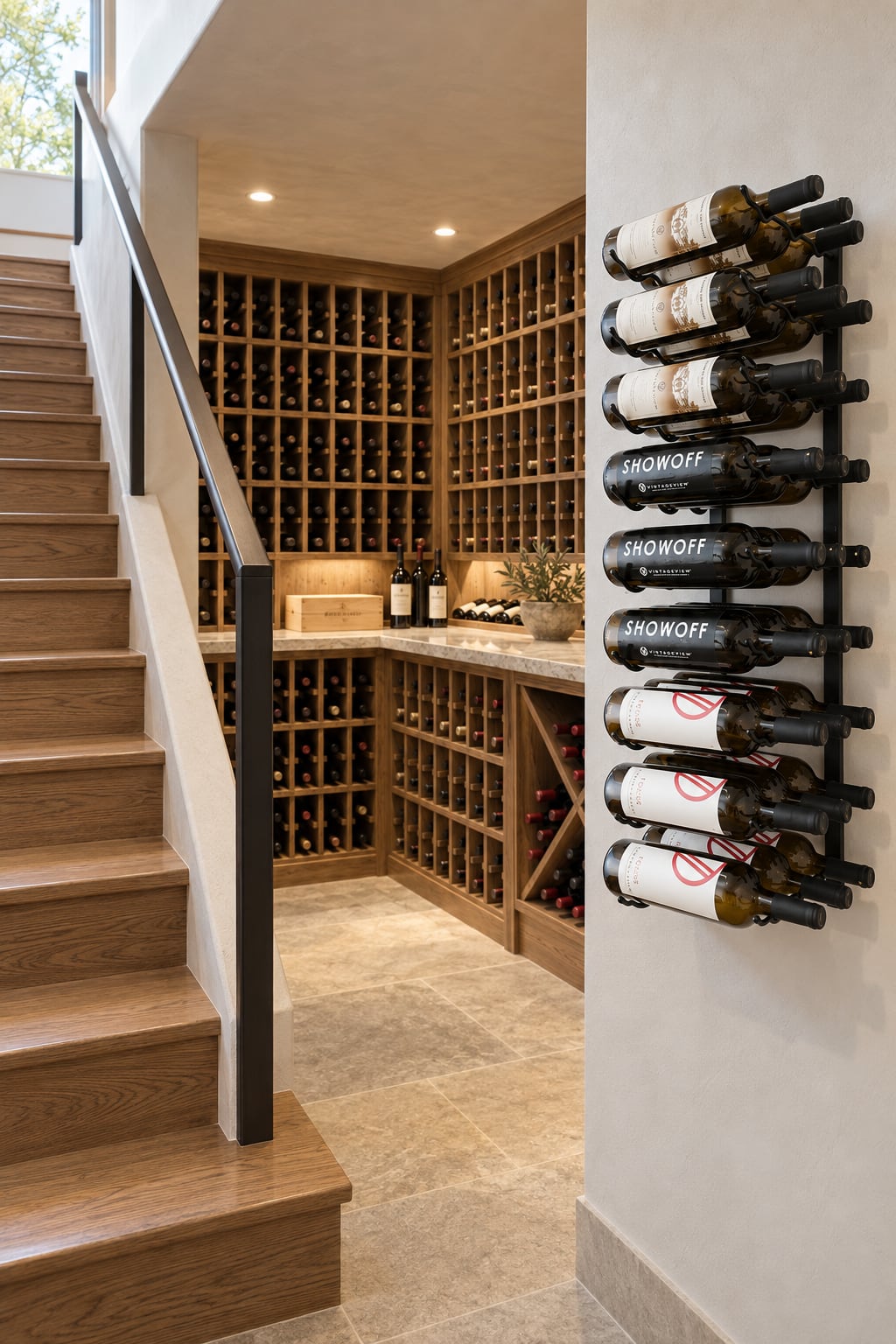
Wine aerators are another essential tool for wine enthusiasts, as they play a crucial role in enhancing the aroma and taste of your favorite wines. Aeration is the process of exposing the wine to air, which helps to release the wine’s volatile compounds and soften the tannins, resulting in a more balanced and enjoyable drinking experience.
Wine aerators come in a variety of designs, from simple handheld devices to more sophisticated in-bottle models. Handheld aerators, for instance, are often used to quickly aerate a glass of wine, while in-bottle aerators are designed to aerate the wine as it is poured from the bottle.
The effectiveness of a wine aerator can be influenced by factors such as the design, the materials used, and the specific wine being aerated. Some aerators feature a more complex design, with multiple chambers or filters, which can help to create a more efficient and consistent aeration process. Other aerators may be made from high-quality materials, such as stainless steel or crystal, which can contribute to the overall durability and aesthetic appeal of the device.
When selecting a wine aerator, it’s important to consider the specific needs and preferences of your wine tasting experience. For instance, if you frequently entertain guests or host wine tastings, a more versatile and user-friendly aerator may be the best choice. Conversely, if you’re primarily interested in enhancing the aroma and taste of your personal wine collection, a more specialized or high-end aerator may be worth the investment.
Incorporating a wine aerator into your tasting kit can be a game-changer, as it allows you to unlock the full potential of your wines and enjoy a more nuanced and enjoyable tasting experience.
Tasting Notebooks: Documenting Your Wine Journey
As a wine enthusiast, keeping detailed tasting notes is an invaluable tool for personal growth and learning. A well-organized tasting notebook can serve as a comprehensive record of your wine-tasting experiences, allowing you to track your preferences, identify patterns, and develop a more discerning palate over time.
Tasting notes can include a wide range of information, from the wine’s appearance and aroma to its flavor profile and overall impression. By documenting these details, you can better understand the unique characteristics of each wine, as well as how they may evolve over time or pair with different foods
When it comes to choosing a tasting notebook, there are a variety of options available, from simple blank journals to more structured and specialized notebooks designed specifically for wine tasting. These specialized notebooks often include pre-printed tasting grids or templates, making it easier to organize and record your observations in a consistent and meaningful way.
In addition to the physical notebook, many wine enthusiasts also find value in digital note-taking tools, such as mobile apps or online platforms. These digital solutions can offer additional features, such as the ability to upload photos, share notes with others, and access a broader database of wine information.
Regardless of the format you choose, the key to effective tasting note-taking is to develop a consistent and personalized approach that works best for your needs and preferences. By consistently documenting your wine-tasting experiences, you’ll be able to build a valuable reference guide that can inform your future purchasing decisions, enhance your appreciation for the nuances of wine, and ultimately deepen your overall wine tasting journey.
Wine Openers: Beyond the Corkscrews
While the corkscrew is undoubtedly the most common and widely recognized wine opener, there are a variety of alternative tools and devices that can also be used to access the contents of a wine bottle. These wine openers can offer unique benefits and functionalities, making them a valuable addition to any wine enthusiast’s toolkit.
One such alternative is the wine key, which combines a corkscrew with a small knife or foil cutter. This versatile tool allows users to easily remove the foil and cork, making it a popular choice among wine professionals and casual drinkers alike. Wine keys often feature a more compact and portable design, making them a convenient option for those who enjoy wine on the go.
Another wine opener option is the bottle opener, which is specifically designed to remove the cap or closure from a wine bottle. These devices can be particularly useful for opening bottles with screw caps or other non-cork closures, which may not be easily accessible with a traditional corkscrew.
When selecting a wine opener, it’s important to consider factors such as the type of wine closures you typically encounter, the level of effort required to operate the device, and the overall durability and quality of the tool. Some wine openers may also offer additional features, such as built-in foil cutters or ergonomic handles, which can further enhance the wine-opening experience.
By exploring the diverse range of wine openers available, you can find the perfect tool to suit your specific needs and preferences, ensuring a smooth and hassle-free wine-tasting experience every time.
Wine Chillers: Maintaining the Perfect Temperature
Temperature is a critical factor in the enjoyment of wine, as it can significantly impact the aroma, flavor, and overall drinking experience. Proper temperature control is essential for ensuring that each wine is served at its optimal serving temperature, allowing its unique characteristics to shine.
The ideal serving temperature can vary widely depending on the wine variety. For example, light-bodied white wines and sparkling wines are typically best served chilled, often between 45°F and 55°F (7°C and 13°C). In contrast, full-bodied red wines are typically enjoyed at a slightly warmer temperature, around 55°F to 65°F (13°C to 18°C).
To maintain the perfect temperature, wine enthusiasts can turn to a variety of wine chilling tools and accessories. These include traditional ice buckets, insulated wine sleeves, and more sophisticated electric wine coolers or refrigerators. Each option offers its own unique benefits, from the simplicity of an ice bucket to the precise temperature control of an electric cooler.
When selecting a wine chiller, it’s important to consider factors such as the size of your wine collection, the types of wines you typically enjoy, and the level of temperature control you require. For those with a larger wine collection or who entertain frequently, a dedicated wine refrigerator may be the best investment, as it can provide precise temperature regulation and ample storage space.
Incorporating a reliable wine chiller into your tasting kit can help ensure that each wine is served at its optimal temperature, allowing you to fully appreciate the nuances and complexities of your favorite vintages. By maintaining the perfect serving temperature, you can elevate the overall wine-tasting experience and ensure that every sip is as enjoyable as the last.
Wine Stoppers: Preserving Your Unfinished Bottles
One of the challenges faced by wine enthusiasts, particularly those who enjoy exploring a variety of wines, is the need to properly preserve any unfinished bottles. Leaving a partially consumed bottle of wine exposed to air can lead to oxidation, which can quickly degrade the wine’s flavor and aroma.
This is where wine stoppers come into play, offering a simple and effective solution for preserving the quality of your wine. These specialized stoppers are designed to create an airtight seal, preventing the wine from coming into contact with the air and slowing down the oxidation process.
Wine stoppers come in a variety of materials, including rubber, silicone, and even metal or glass. Each type offers its own unique benefits, such as durability, ease of use, or the ability to create a tighter seal. Some wine stoppers even feature additional features, such as vacuum-sealing mechanisms or the ability to regulate the flow of air into the bottle.
When selecting a wine stopper, it’s important to consider the specific needs of your wine collection. For instance, if you frequently open and re-cork bottles, a stopper with a user-friendly design may be the best choice. Alternatively, if you’re primarily interested in long-term storage, a more robust and airtight stopper may be the better option.
Incorporating a set of high-quality wine stoppers into your tasting kit can be a game-changer, as it allows you to preserve the integrity of your unfinished bottles and enjoy them at a later time. By properly sealing and storing your wines, you can ensure that each sip is as fresh and flavorful as the first.
Accessory Essentials: Completing Your Wine Tasting Kit
In addition to the essential tools and accessories we’ve already discussed, there are a variety of other items that can enhance your wine tasting experience and complete your comprehensive tasting kit.
One such accessory is a wine pourer or aerator, which can be used in conjunction with a decanter or wine glass to further improve the aeration and presentation of your wine. These devices often feature a unique design that helps to control the flow and direction of the wine as it’s poured, ensuring a smooth and consistent pour every time.
Another useful accessory is a wine thermometer, which can help you monitor and maintain the optimal serving temperature for your wines. By ensuring that each wine is served at its ideal temperature, you can unlock its full flavor potential and enhance the overall tasting experience.
For those who enjoy taking detailed tasting notes, a set of wine tasting mats or placemats can be a valuable addition to your kit. These specialized mats often feature pre-printed grids or templates, making it easier to organize and record your observations in a consistent and visually appealing manner.
Finally, consider investing in a wine carrier or travel case, which can protect your wine bottles and accessories while on the go. Whether you’re attending a wine tasting event, visiting a vineyard, or simply transporting your collection, a well-designed wine carrier can help ensure the safe and secure transport of your prized possessions.
By curating a comprehensive wine tasting kit that includes these additional accessories, you’ll be able to elevate your wine-tasting experience, streamline your workflow, and ensure that you’re always prepared to explore and enjoy the world of wine.
With Mike, you can work through a first set of wine tasting tools around your serving plans. Visit the Walnut Creek showroom with your serving question, or reach Mike at (925) 944-1084.
More on tools for home wine tasting
A Walnut Creek home tasting needs tools that support the comparison you want to make. Plan glasses, pouring space and a place for notes, then decide whether decanting or preservation accessories have a useful role in that particular evening. Wine Hardware in Walnut Creek carries glassware and wine accessories you can compare around your own routine. Bring your serving question to the showroom and ask about the available options.
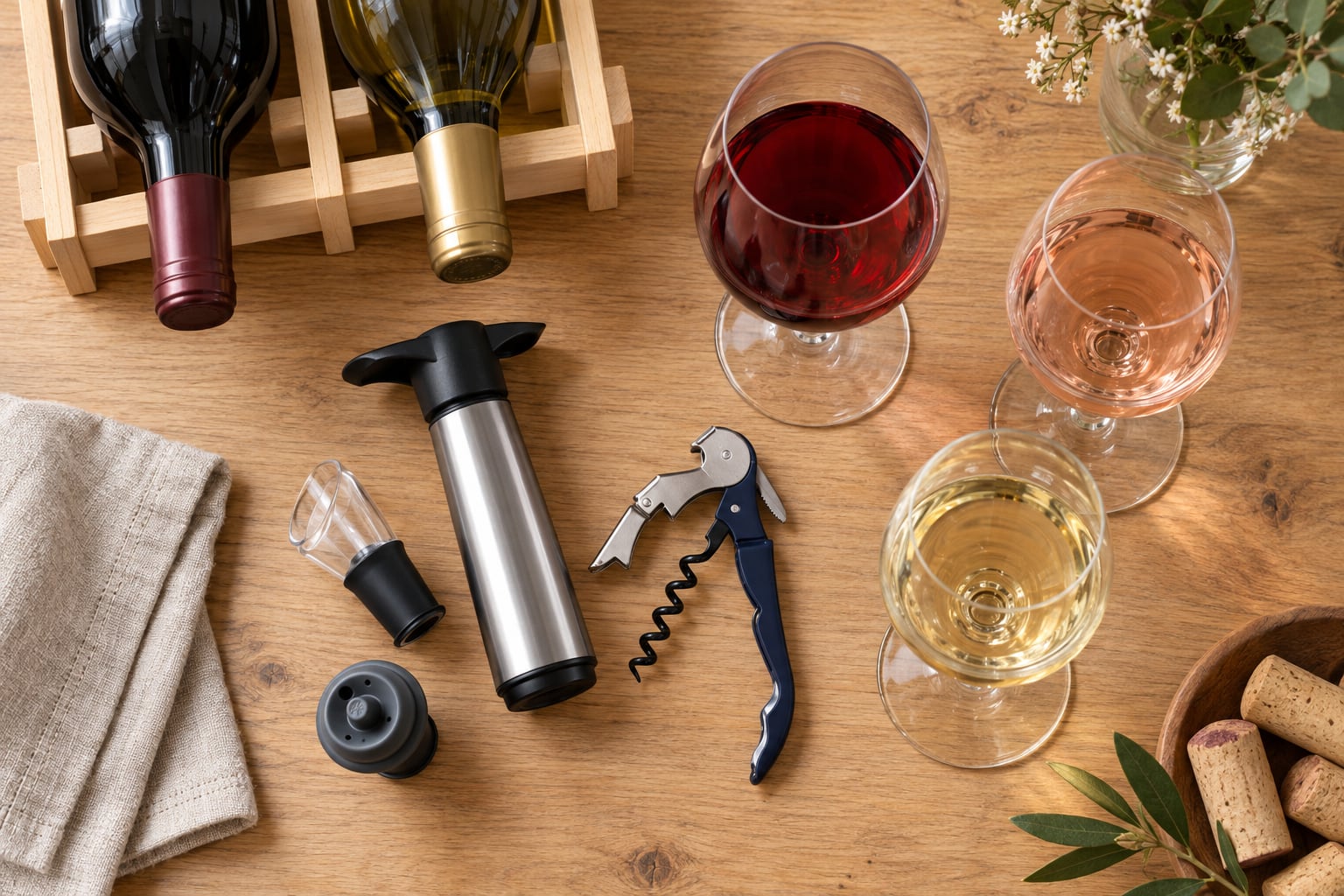
From corkscrews to glassware, each accessory plays a vital role in the overall enjoyment of wine. One of the most fundamental accessories is a quality corkscrew. While many may overlook this tool, a good corkscrew can make the difference between a smooth opening and a frustrating experience.
There are various types available, from traditional waiter's corkscrews to electric models, each designed to cater to different preferences. Additionally, having a wine pourer can help control the flow of wine, ensuring that each pour is precise and elegant. These small yet significant tools set the stage for a delightful tasting experience.
Key Takeaways
- The essential wine tasting accessories include a corkscrew, wine stoppers, and a wine pourer.
- Elevate your tasting experience with wine glasses designed for specific wine varietals.
- Enhance the aroma and flavor of your wine with decanters and aerators.
- Wine preservation tools such as vacuum sealers and wine fridges are important for maintaining the quality of opened bottles.
- Elevate your tasting events with cheese and charcuterie boards that complement the wine selection.
Elevating Your Tasting Experience with Wine Glasses
The Importance of Shape and Size
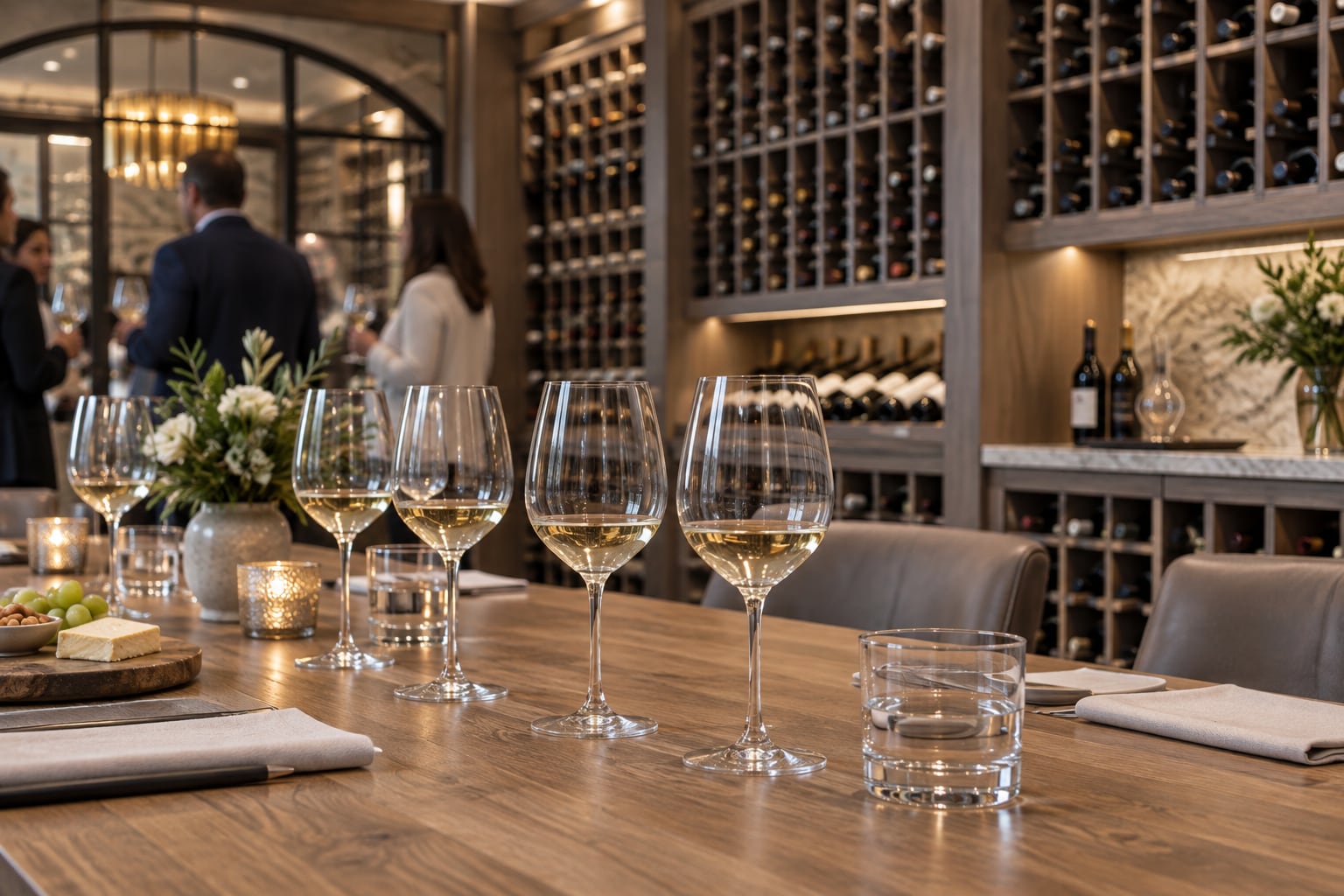
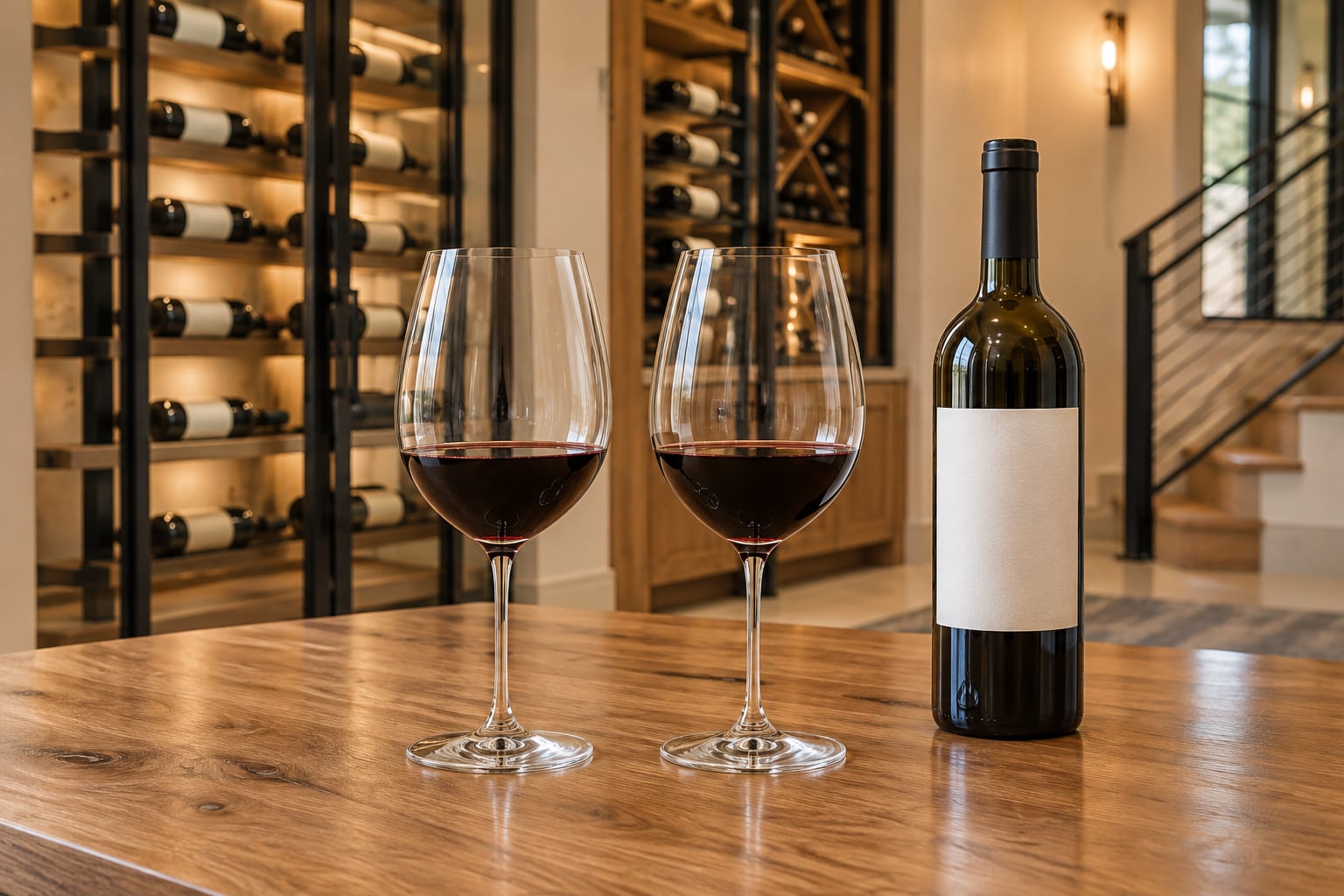
The choice of wine glass can dramatically influence the tasting experience. Different shapes and sizes are designed to enhance specific types of wine, allowing the drinker to fully appreciate the aromas and flavors. For instance, a wide-bowled glass is ideal for red wines, as it allows for greater aeration, while a narrower glass is better suited for whites, preserving their crispness.
The Material Matters
Investing in a set of quality wine glasses can elevate any tasting event, making it feel more sophisticated and intentional. Moreover, the material of the glass also plays a crucial role in the tasting experience. Crystal glasses are often preferred for their clarity and ability to showcase the wine’s color and brilliance.
Enhancing the Drinking Experience
They also tend to have thinner rims, which can enhance the drinking experience by allowing the wine to flow smoothly onto the palate. By selecting the right glassware, wine enthusiasts can create an environment that encourages exploration and appreciation of each unique bottle.
Enhancing the Aroma and Flavor with Decanters and Aerators
Decanters and aerators are essential tools for enhancing the aroma and flavor of wine. Decanting involves pouring wine from its bottle into a decanter, allowing it to breathe and develop its full character. This process is particularly beneficial for older wines that may have sediment or for younger wines that need time to open up.
A beautifully designed decanter can also serve as an elegant centerpiece on your tasting table, adding a touch of sophistication to your event. Aerators, on the other hand, are designed for those who want to enjoy their wine immediately without waiting for it to breathe. These devices introduce air into the wine as it is poured, accelerating the aeration process and enhancing its flavors and aromas.
Many wine enthusiasts find that using an aerator can significantly improve their tasting experience, making even young wines more enjoyable. By incorporating these tools into your wine tasting routine, you can unlock new dimensions of flavor and aroma that might otherwise go unnoticed.
The Importance of Wine Preservation Tools
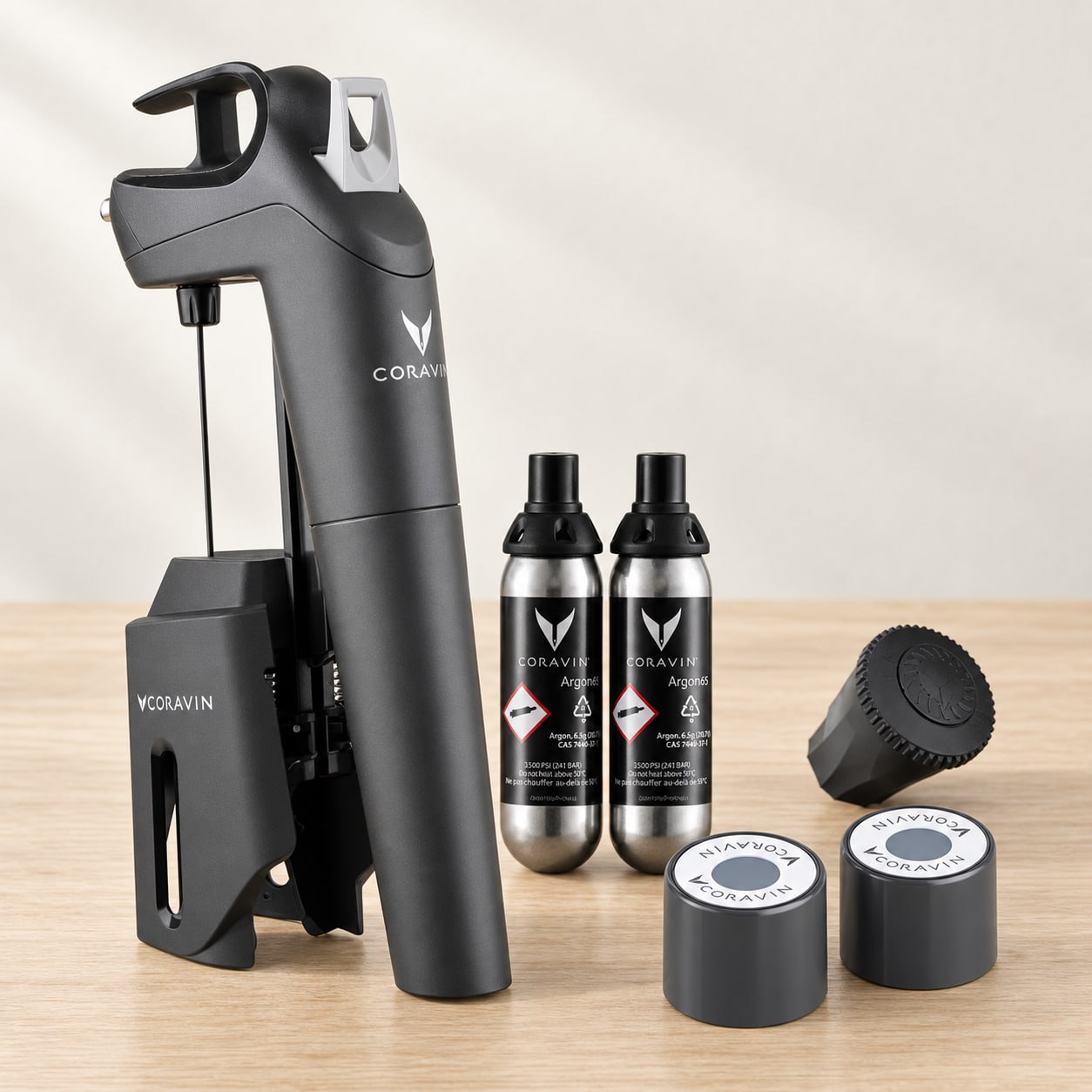
Wine preservation tools are crucial for maintaining the quality of opened bottles. Once a bottle is opened, exposure to oxygen begins to alter its flavor profile, often leading to oxidation and spoilage. To combat this, various preservation systems have been developed, ranging from vacuum pumps to inert gas systems that displace oxygen in the bottle.
These tools allow wine lovers to savor their favorite bottles over several days or even weeks without compromising quality. Investing in a reliable preservation tool not only extends the life of your opened wines but also enhances your overall tasting experience. With these systems in place, you can confidently explore different bottles without the pressure of finishing them in one sitting.
This flexibility allows for more leisurely tastings and encourages experimentation with food pairings and different vintages. Ultimately, preservation tools are an essential part of any serious wine enthusiast's collection.
Elevating Your Tasting Events with Cheese and Charcuterie Boards
No wine tasting is complete without a thoughtfully selected cheese and charcuterie board. These boards not only complement the flavors of the wine but also create an inviting atmosphere for guests. The combination of textures and flavors found in various cheeses, cured meats, fruits, and nuts can enhance the overall tasting experience, making it more memorable and enjoyable.
When selecting items for your board, consider pairing specific cheeses with particular wines to highlight their unique characteristics. For example, a rich brie pairs beautifully with a crisp Chardonnay, while a sharp blue cheese complements a bold Cabernet Sauvignon. Including a variety of accompaniments such as olives, crackers, and spreads can further elevate your board, providing guests with an array of flavors to explore alongside their wine selections.
A well-prepared cheese and charcuterie board not only satisfies the palate but also serves as a visual feast that enhances the overall ambiance of your tasting event.
Creating the Perfect Ambiance with Wine Tasting Decor
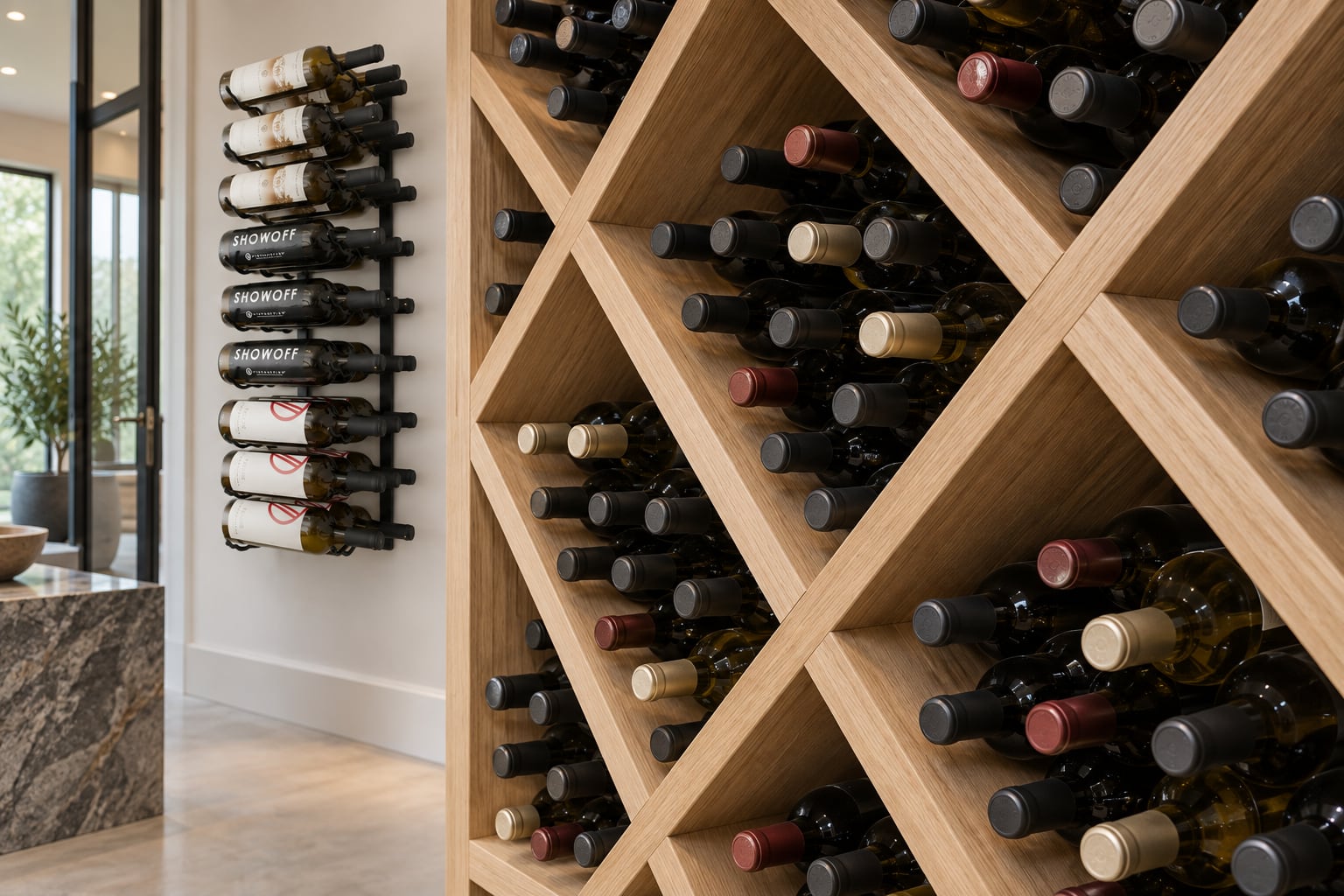
The ambiance of your wine tasting event plays a significant role in shaping the overall experience. Thoughtful decor can create an inviting atmosphere that encourages conversation and exploration among guests. Consider using soft lighting, such as candles or string lights, to create a warm and intimate setting that enhances the enjoyment of each sip.
Incorporating elements that reflect your personal style or theme can also add a unique touch to your event. For instance, using rustic wooden boards for serving cheese or displaying wine bottles can evoke a charming vineyard vibe. Additionally, incorporating fresh flowers or greenery can bring life to your tasting space while adding an elegant touch.
By paying attention to these details, you can create an environment that not only showcases your wine selections but also fosters connection and enjoyment among your guests.
The Role of Wine Tasting Notebooks and Pens
For those who take their wine tasting seriously, keeping notes is an invaluable practice. Wine tasting notebooks allow enthusiasts to document their impressions of each bottle, including aromas, flavors, and overall experiences. This practice not only helps in remembering favorites but also aids in developing a deeper understanding of personal preferences over time.
Having a dedicated notebook encourages mindfulness during tastings, prompting individuals to focus on the subtleties of each wine rather than simply consuming it. Pairing your notebook with quality pens can enhance this experience further; smooth-writing pens make jotting down notes more enjoyable and less cumbersome. By cultivating this habit, you can create a personalized record of your wine process that you can refer back to for future tastings or when selecting new bottles.
Hosting Successful Wine Tasting Events at Home
Hosting a successful wine tasting event at home requires careful planning and attention to detail. Choose a tasting theme, such as a grape variety, region or producer, before selecting the bottles. Having a clear theme helps guide your selections and creates a cohesive experience for your guests.
Next, consider how many wines you want to feature and ensure you have enough time for each one. A well-paced event allows guests to savor each sip without feeling rushed. Providing information about each wine - such as its origin, tasting notes, and ideal pairings - can enrich the experience and spark engaging conversations among attendees.
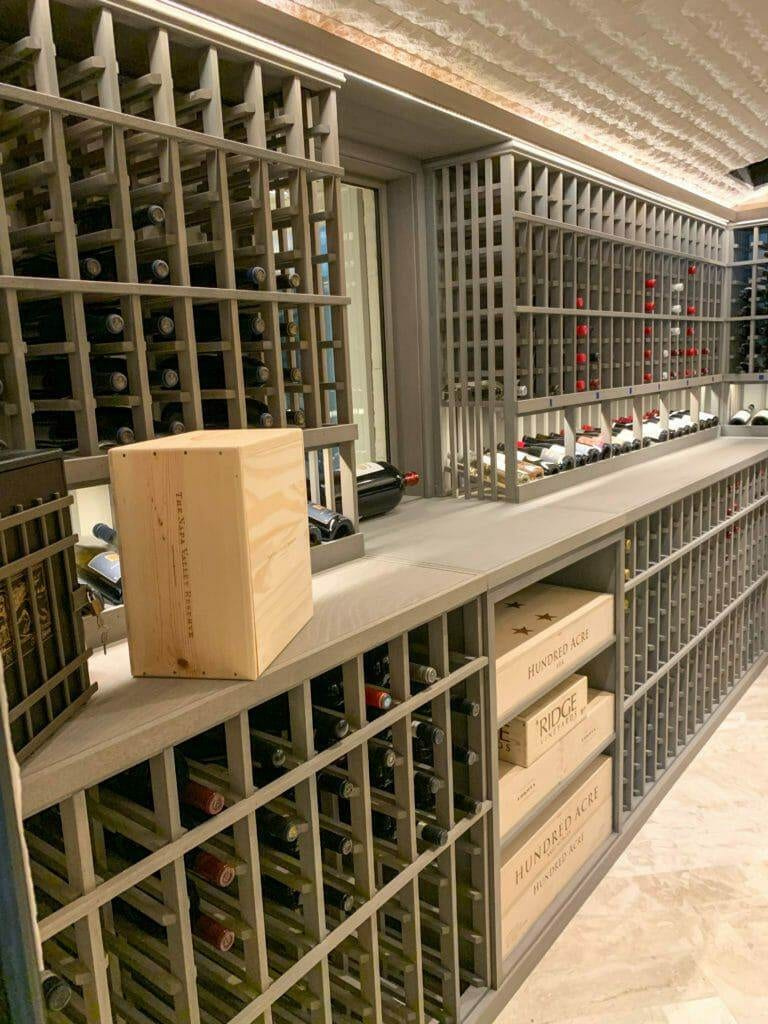
Finally, don't forget about logistics: ensure you have enough glassware for everyone and consider providing water and palate cleansers between tastings. By thoughtfully curating your selections and creating an inviting atmosphere, you can host memorable wine tasting events that leave a lasting impression on your guests. With the right accessories and attention to detail, every gathering can become an opportunity for exploration and enjoyment in the world of wine.
FAQs
What are some essential accessories for wine tasting at home?
Some essential accessories for wine tasting at home include wine glasses, a decanter, a wine aerator, a wine stopper, a wine opener, and a spittoon.
What is the purpose of a decanter in wine tasting?
A decanter is used to aerate the wine, allowing it to breathe and develop its flavors and aromas. It also helps to separate the wine from any sediment that may have formed in the bottle.
How does a wine aerator enhance the wine tasting experience?
A wine aerator exposes the wine to air as it is poured, which helps to soften tannins and enhance the wine's aromas and flavors, making it more enjoyable to taste.
Why is a wine stopper important for wine tasting at home?
A wine stopper is important for preserving any leftover wine after a tasting session, helping to maintain its quality and freshness for future enjoyment.
What is the role of a spittoon in wine tasting?
A spittoon is used for spitting out wine during a tasting, allowing tasters to evaluate multiple wines without consuming excessive amounts of alcohol.