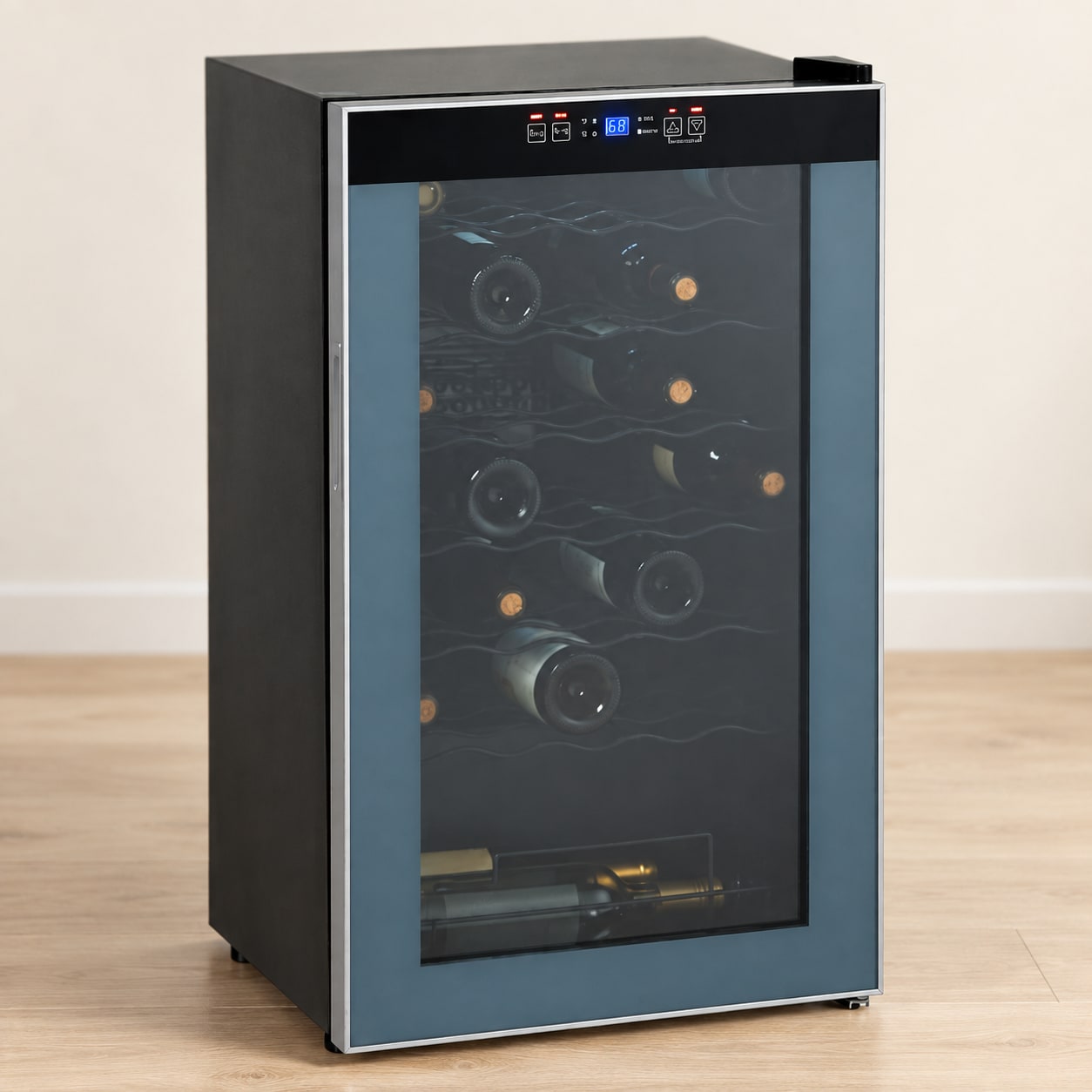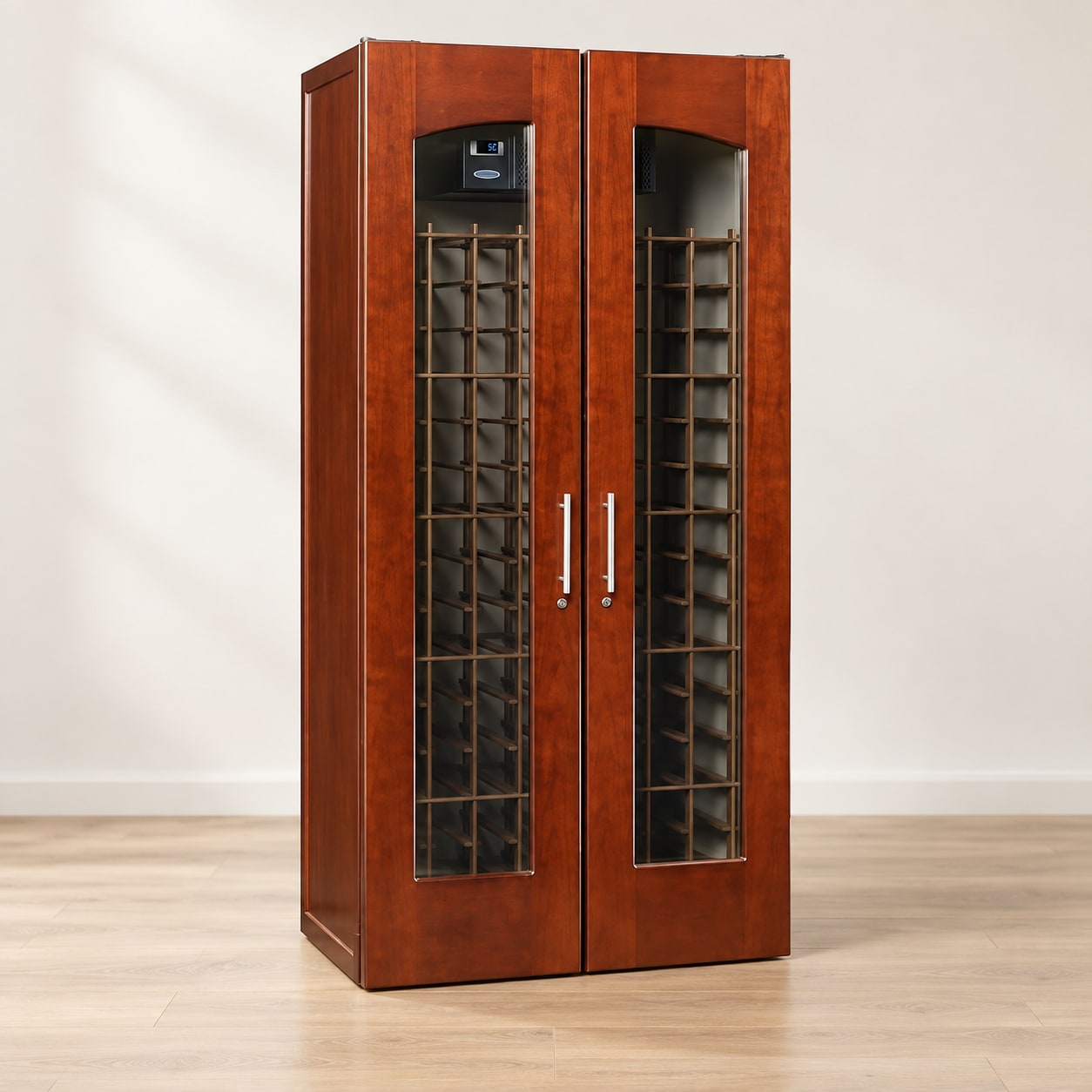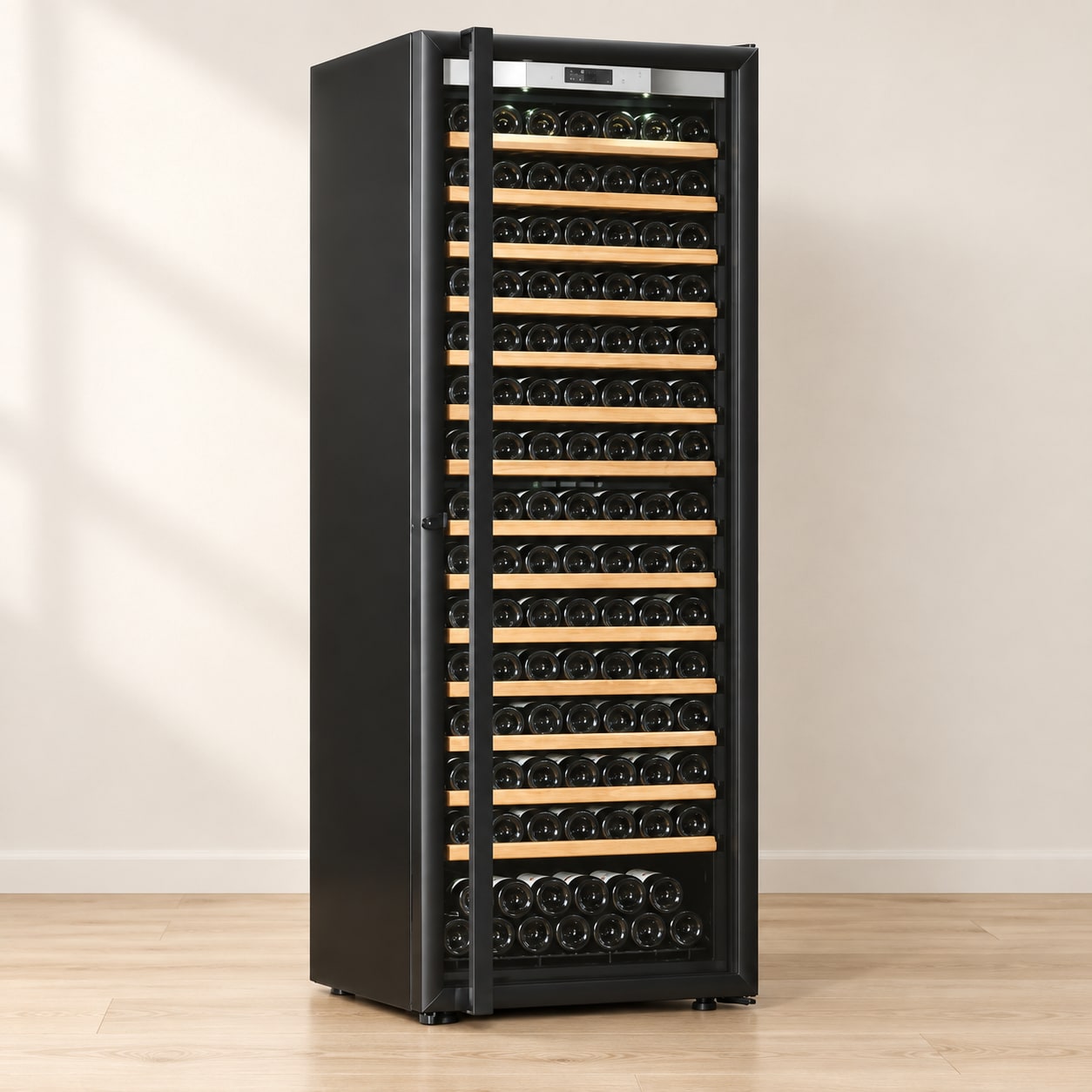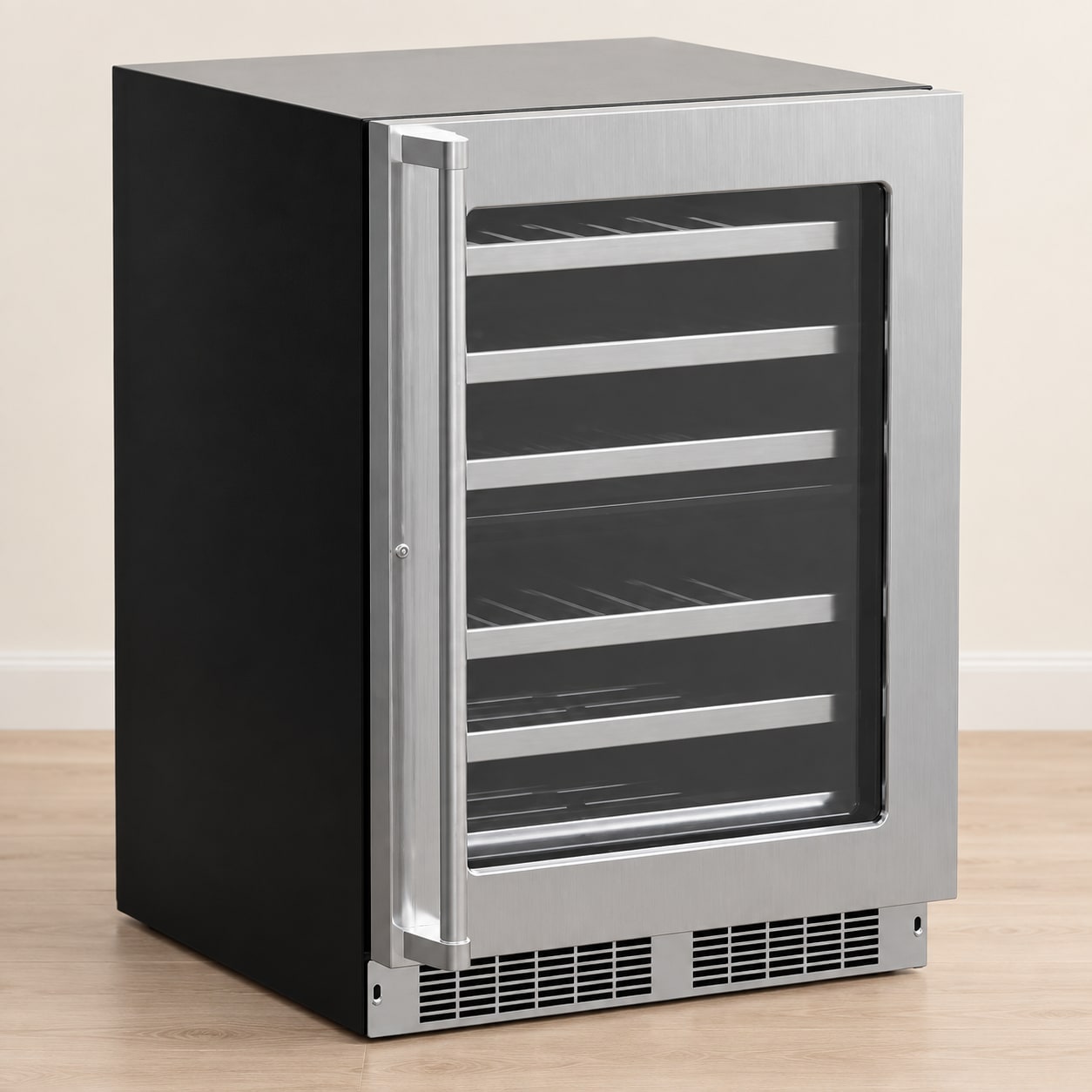
A wine fridge and a wine cellar can both give a collection a dedicated home, but they ask different things of your space and project budget. Compare them around usable capacity, bottle access, installation and future growth. Wine Hardware carries wine refrigerators and designs custom cellars, so you can discuss both routes with the same collection in mind and choose the scope that fits how you buy, keep and serve wine.
Write one brief for both alternatives
List your current bottles, unusual formats and likely buying pattern. Separate wine intended for near-term service from bottles you plan to hold. Note whether you want a visible display, discreet storage or room to talk through the collection with guests. Use that same brief when comparing the two options.
Avoid beginning with an assumed dividing line such as a certain number of bottles or a particular collection value. The available space, bottle shapes and access requirements can matter as much as the count. A refrigerator with unsuitable shelves may not meet a smaller collection's needs, while a carefully planned cellar may serve storage without needing a large entertaining area.
Understand what the refrigerator packages together
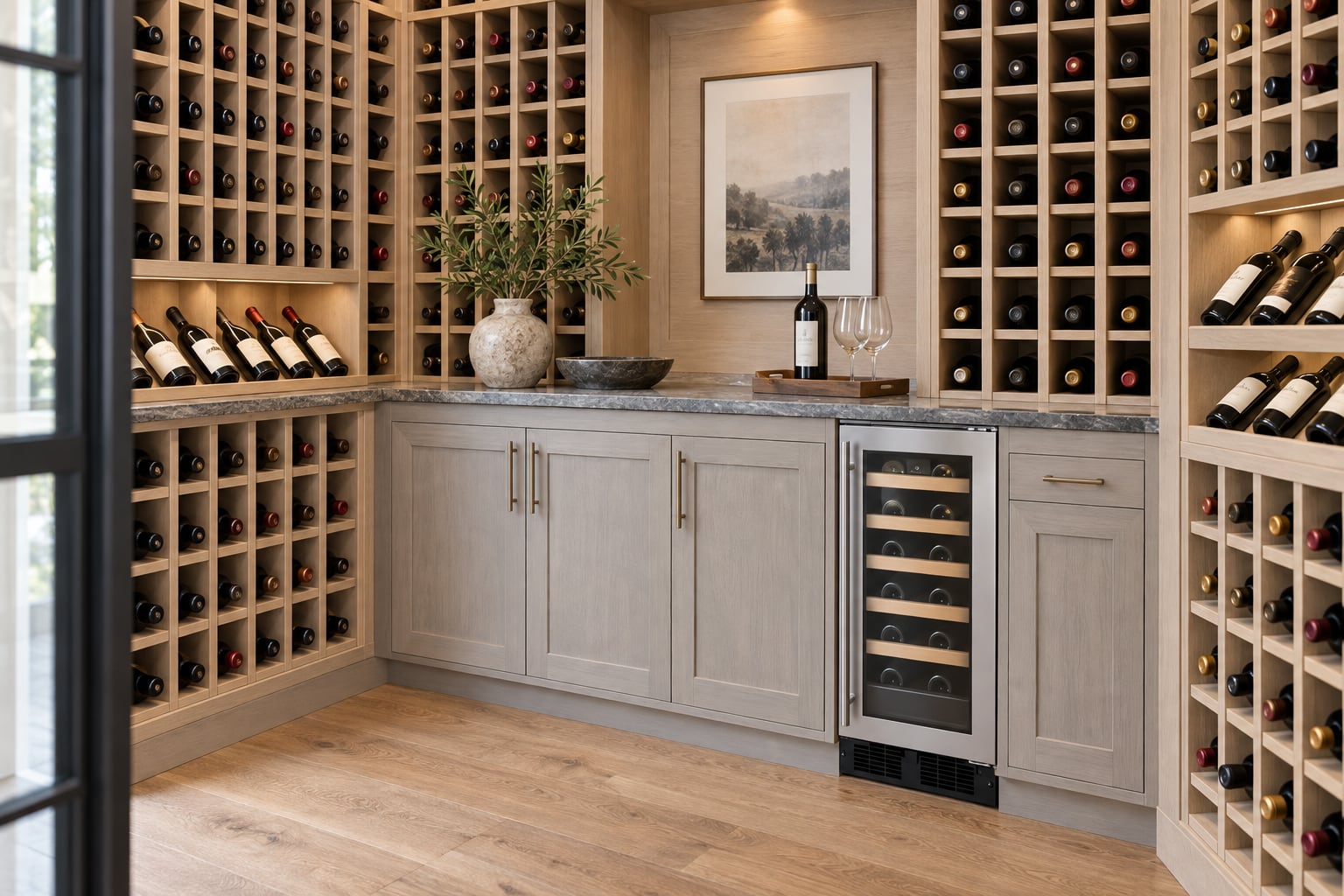
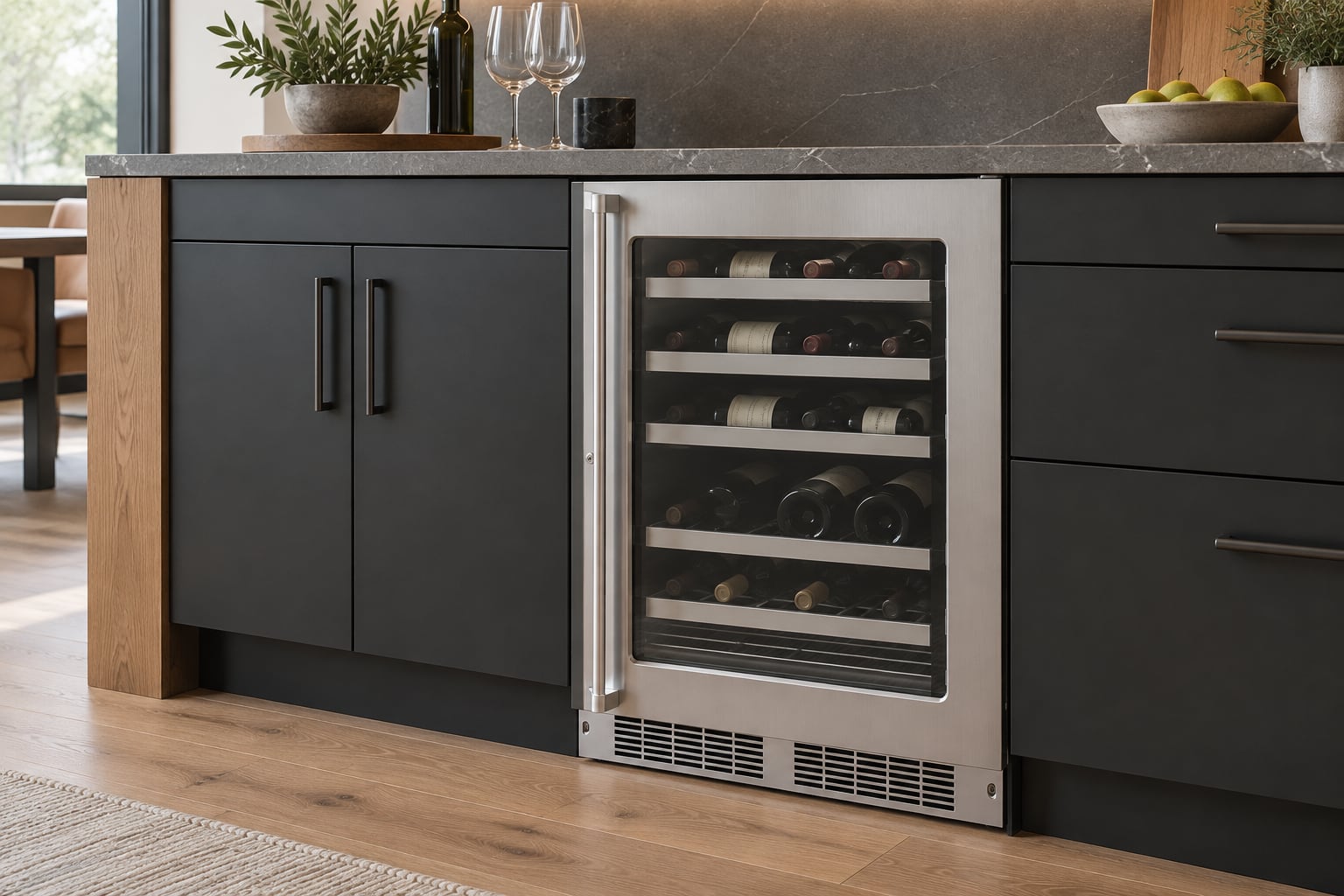
A wine refrigerator combines a cabinet, shelving and cooling in one appliance. Select a model intended for the proposed built-in or freestanding location, then confirm its installation requirements. Opening size, ventilation, door movement, power and access for future removal should all be reviewed before surrounding cabinetry is finished.
Wine Hardware carries Transtherm and Marvel wine refrigerators. Compare the usable bottle layout and features of the specific models that suit your location. Ask what the capacity assumes and how broad bottles affect it. Temperature zones, alarms and other functions need to be checked individually rather than inferred from a model's price or the general reputation of a brand.
Understand what a custom cellar lets you shape
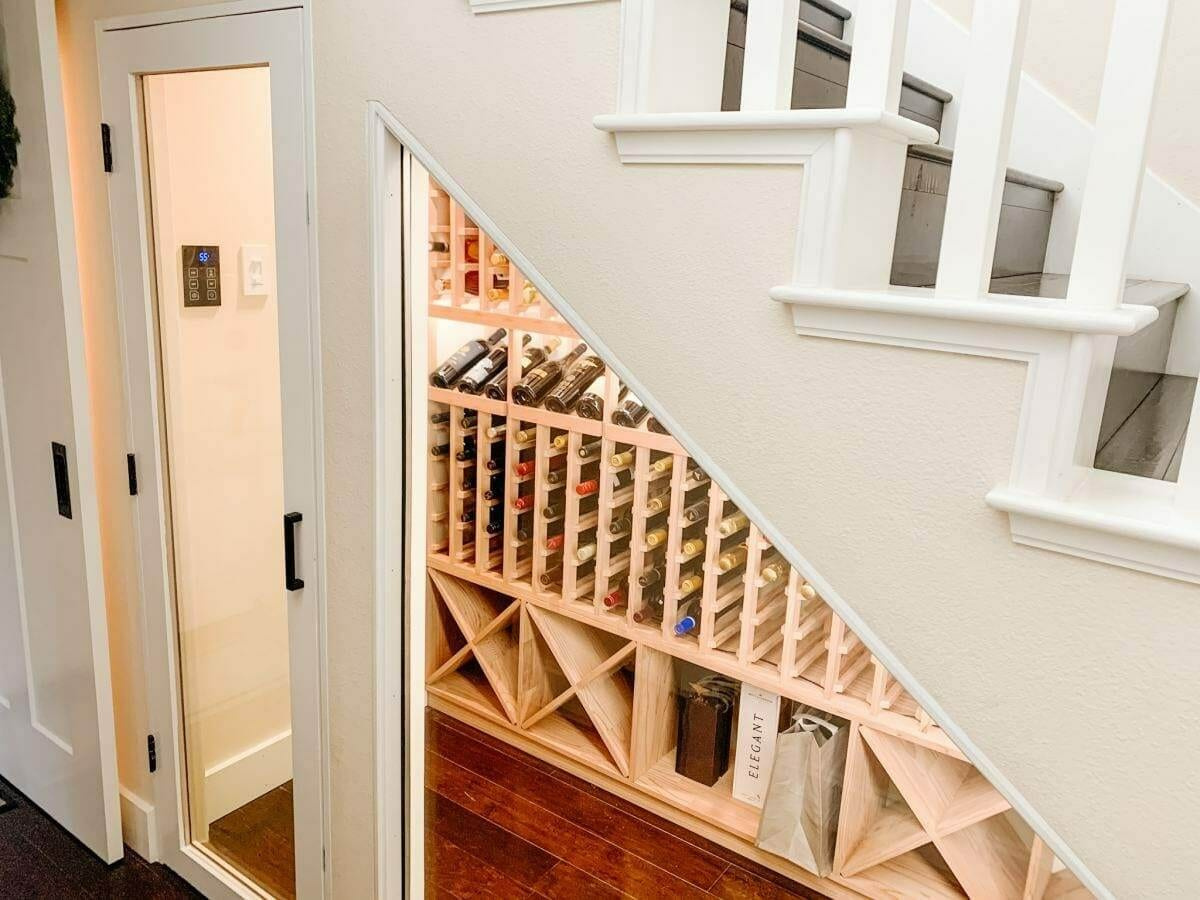
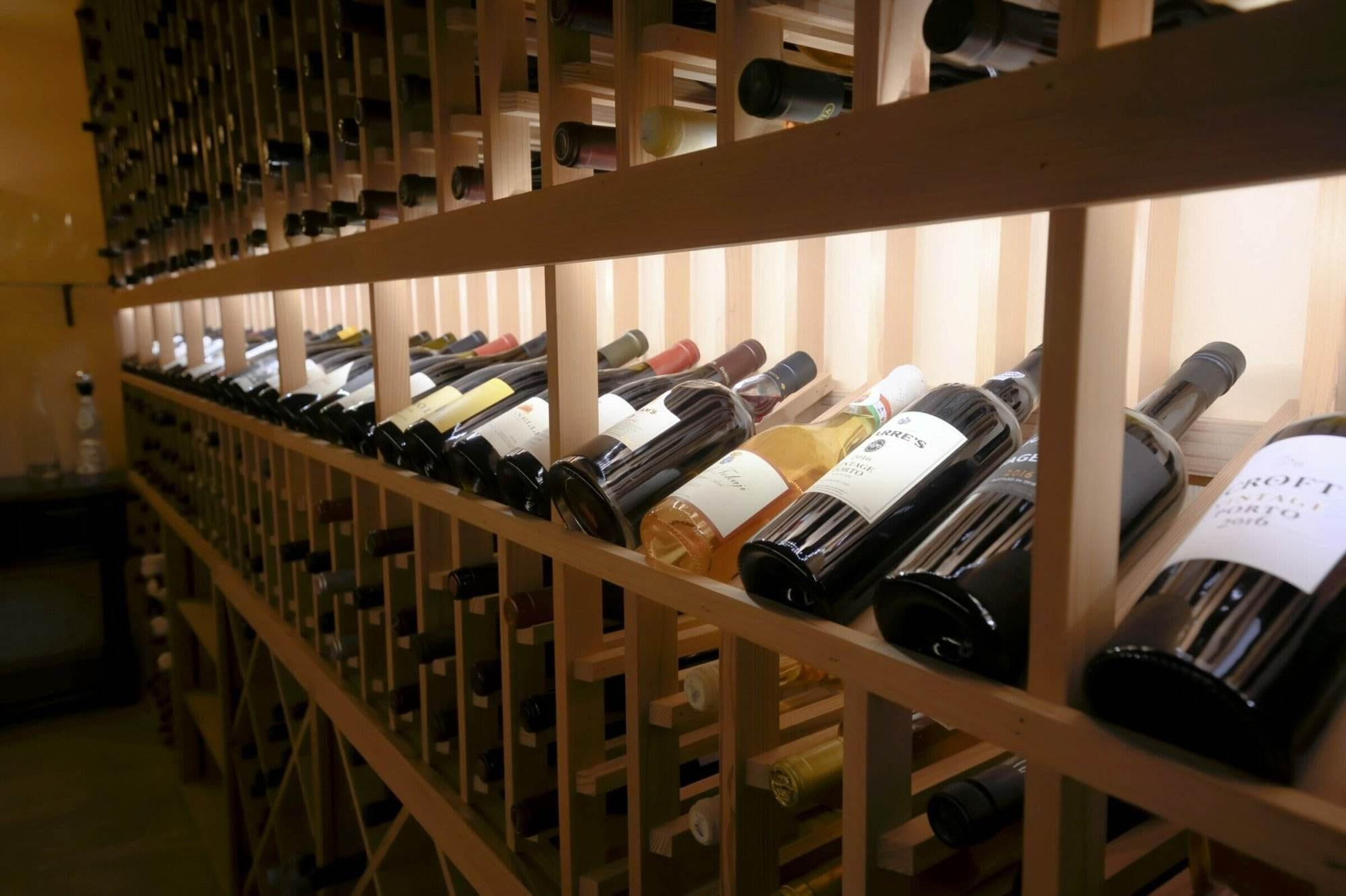
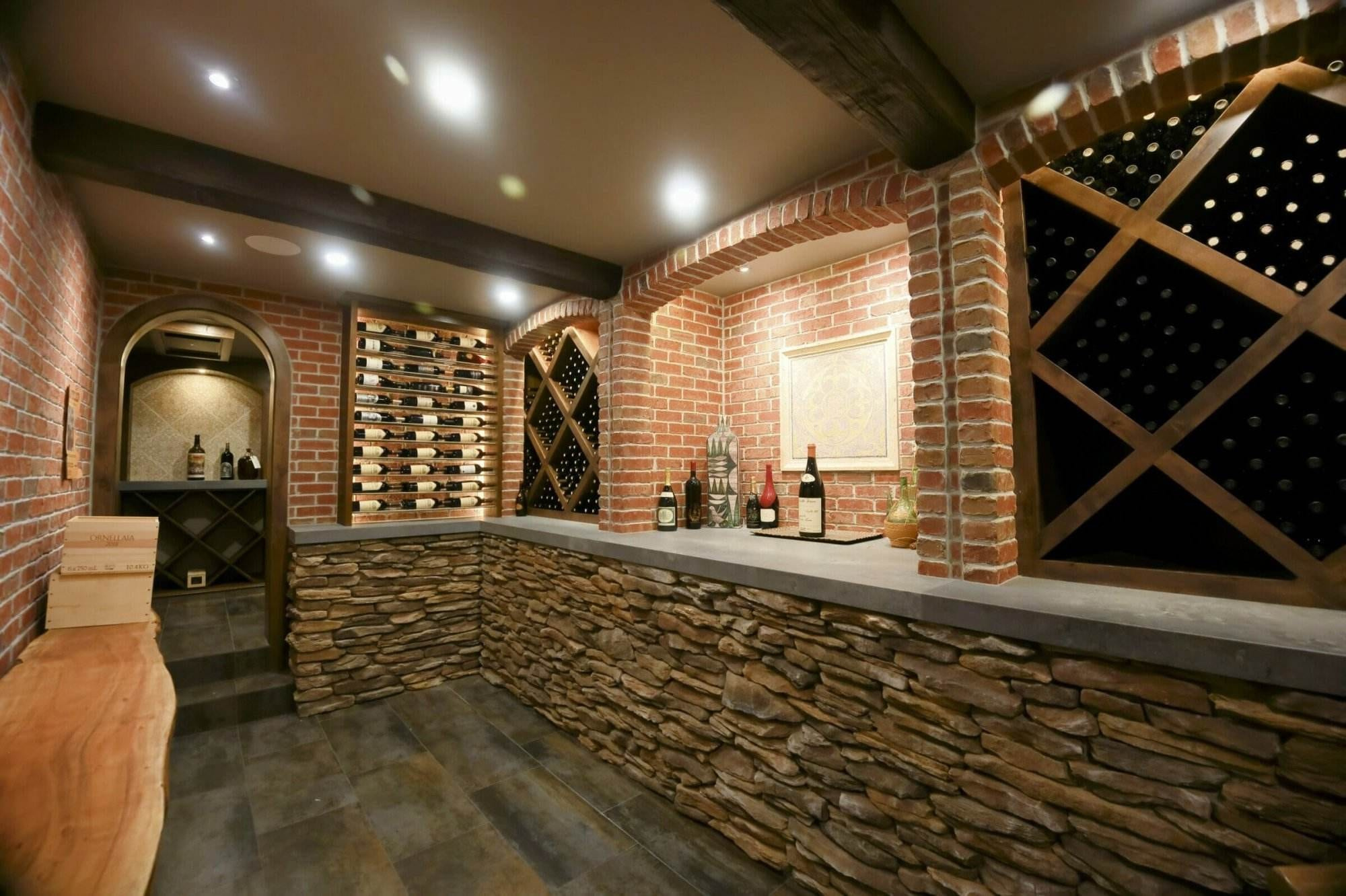
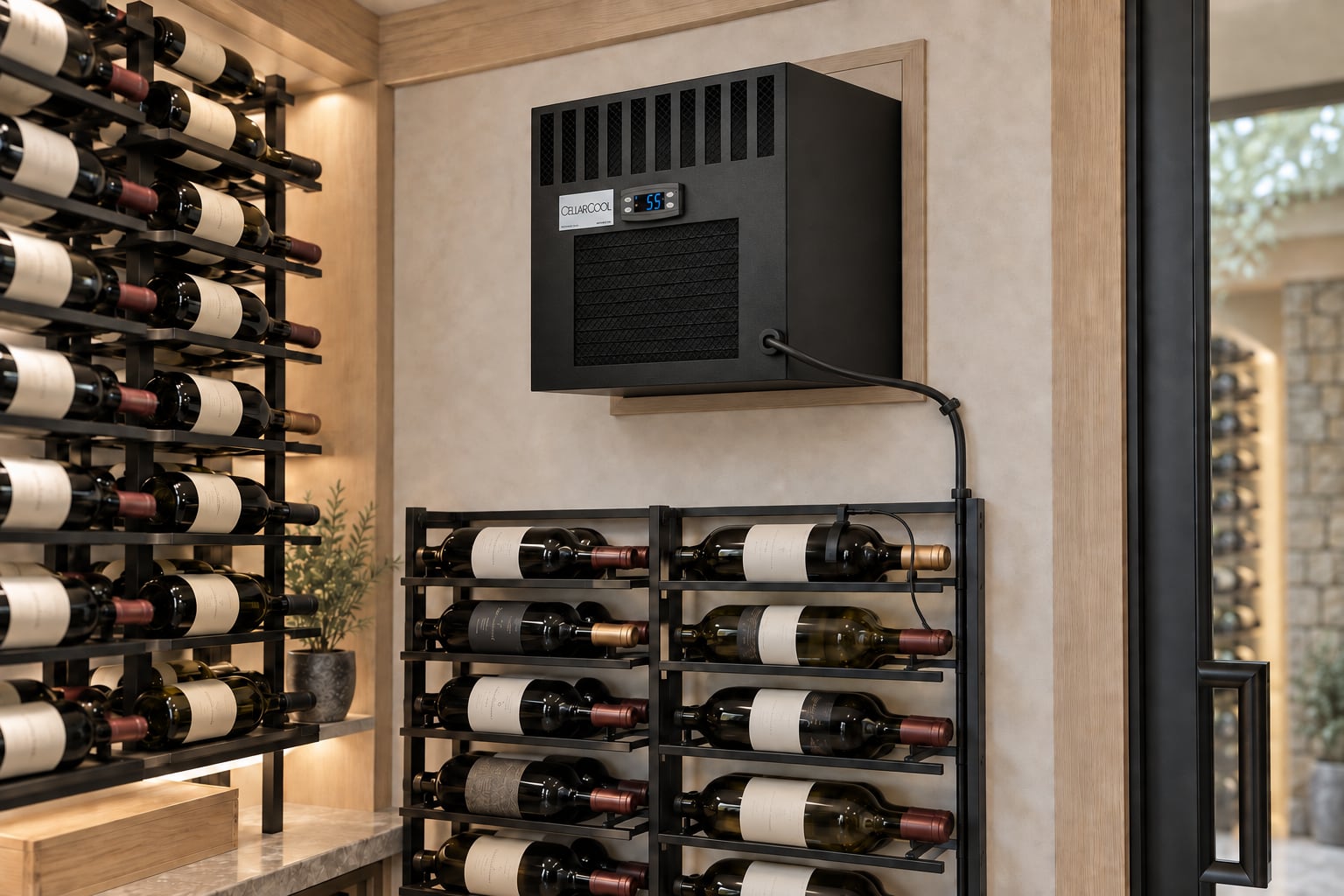
A cellar creates storage at room scale, with a layout that can combine individual bottles, larger formats, grouped wines and display sections. The design can respond to the home and collection, but it also needs a coordinated enclosure, door, cooling system, racking and service access.
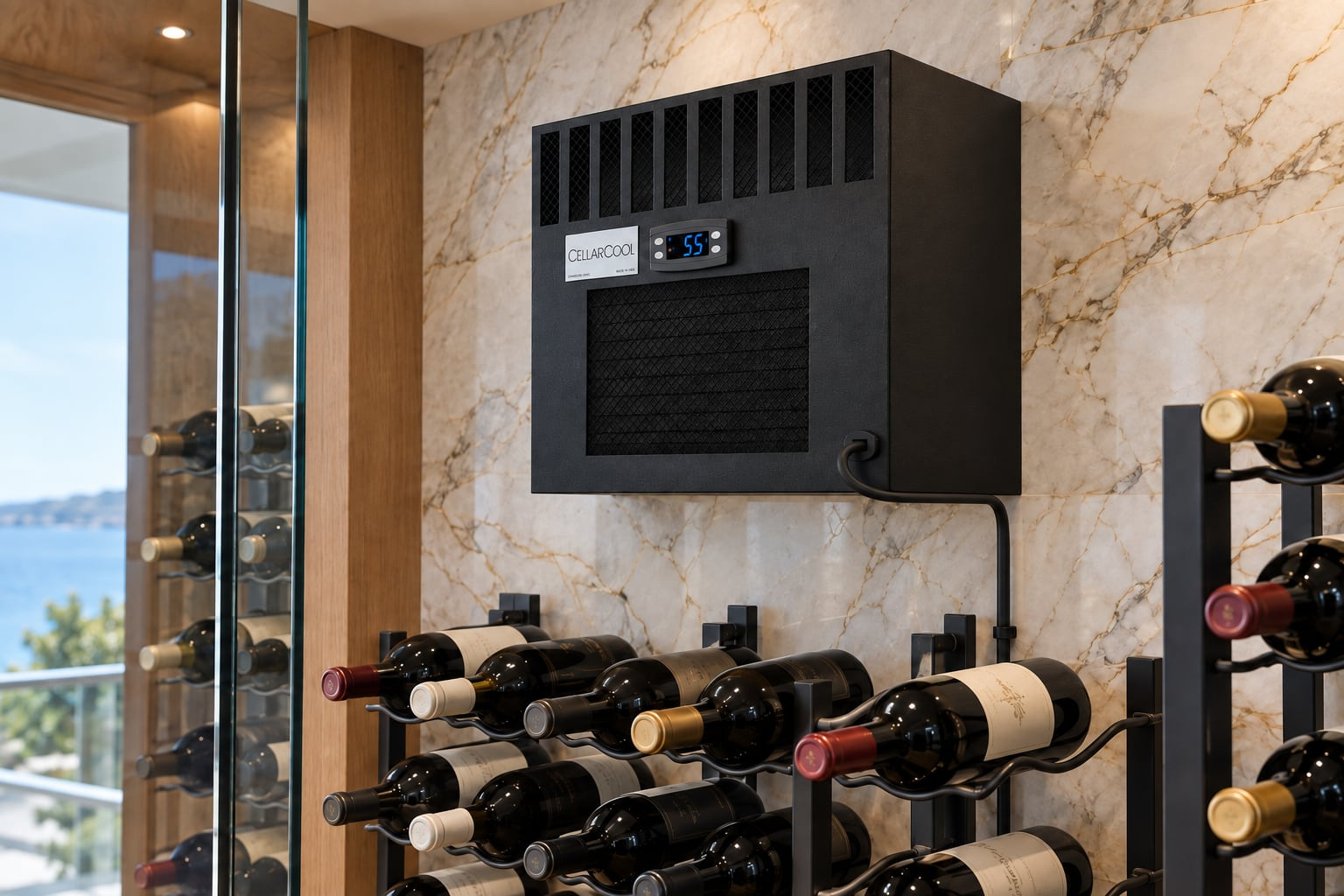
Begin with the proposed room and adjacent spaces. Ask what existing construction can remain and what needs assessment or alteration. Include glazing and lighting in the room information. A cooling system is selected for that application; an attractive rack drawing or a bottle count alone does not define the equipment needed to serve the finished space.
Compare installation scope and everyday ownership
For the refrigerator, list the appliance, delivery, any cabinet changes, electrical work and installation. For the cellar, list room preparation, enclosure, cooling, racks, lighting, labor and any required approvals. Ask for clear inclusions and exclusions so a supplied-appliance price is not compared with a finished room proposal.
Then consider ownership. How do you clean the storage, reach the equipment and get help when something changes? Who explains the controls and keeps the model information?
Neither option removes the need for appropriate use and maintenance. A practical handover and accessible installation belong in the decision, alongside appearance and initial cost.
Plan growth without assuming unlimited expansion
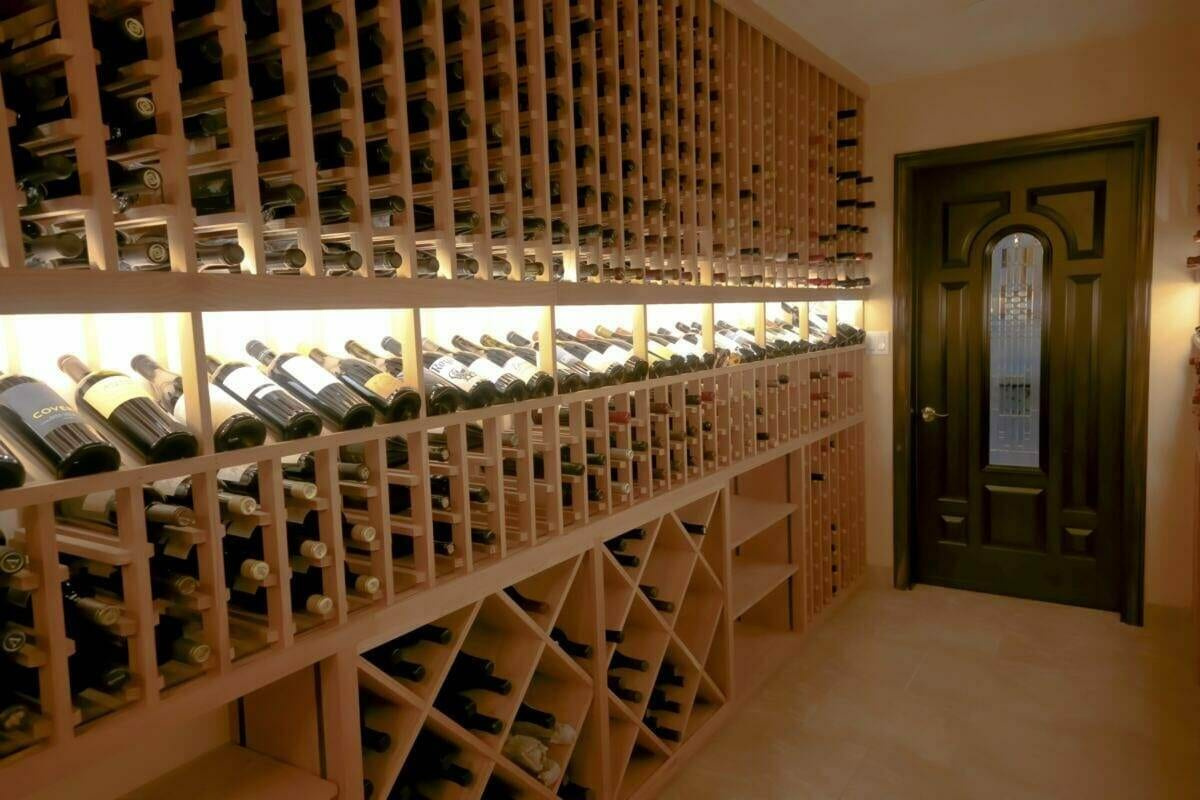
If the collection may grow, draw the next stage. A second refrigerator needs another suitable location. More racks in a cellar need usable space and must not obstruct equipment or circulation. If the room itself expands, the enclosure and cooling assessment may need to be revisited as well.
Consider whether buying in stages supports your longer plan or simply postpones an unresolved decision. A refrigerator for serving and a cellar for the main collection can have complementary roles. Define those roles before buying both. This keeps additional equipment from becoming duplicate storage purchased because the first arrangement was never connected to the collection's actual use.
Choose the option you can explain clearly
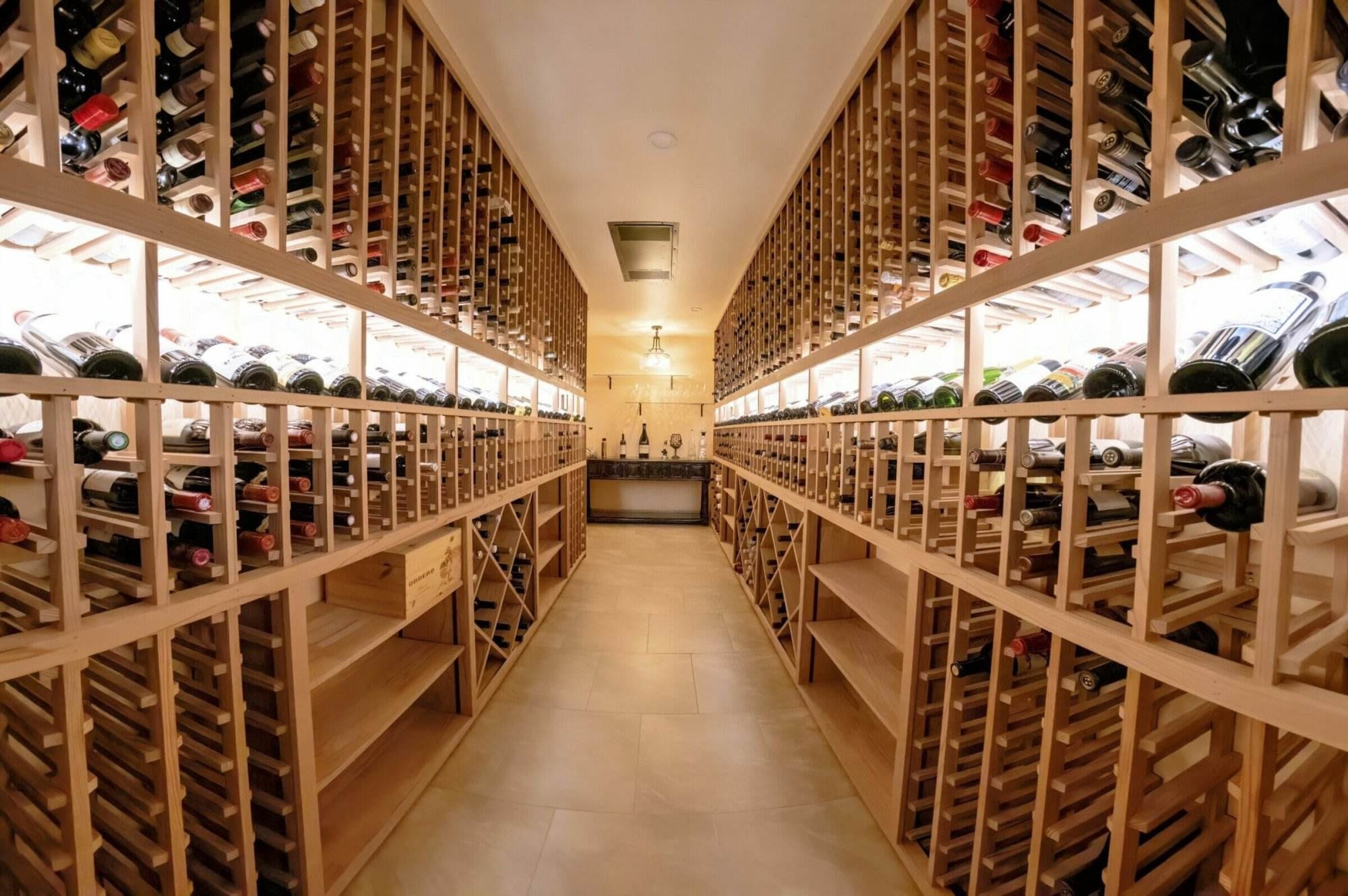
The final comparison should state what fits, how much of your collection it holds in practice, what work is needed and what remains uncertain. Request current prices and freight information for the selected equipment. We do not use a universal price comparison, promised energy saving or guaranteed resale increase to settle this decision.
Bring photographs, dimensions and the collection brief to Wine Hardware in Walnut Creek. We can discuss refrigerator options and custom cellar planning in the same conversation. The useful result is a next step you can act on: verifying an appliance opening, assessing a room or developing a complete storage layout.
Questions before you decide
Which option is better for long-term storage?
Compare a suitable refrigerator and a properly planned cellar against your storage requirements and bottle mix. The product category alone does not establish whether a particular installation or layout suits your collection.
Is a custom cellar always more expensive?
The cost depends on the scopes being compared. A complete room build and an appliance-only price include different work. Request current estimates with delivery, installation and required site changes identified before drawing a conclusion.
Can I use both?
Yes, when each has a purpose. For example, a serving refrigerator can hold upcoming selections while a cellar organizes the broader collection. Plan capacity and the movement of bottles between them so the arrangement remains useful.
Compare your wine fridge and cellar options with Wine Hardware. Call (925) 944-1084 or visit the Walnut Creek showroom with your room plan.