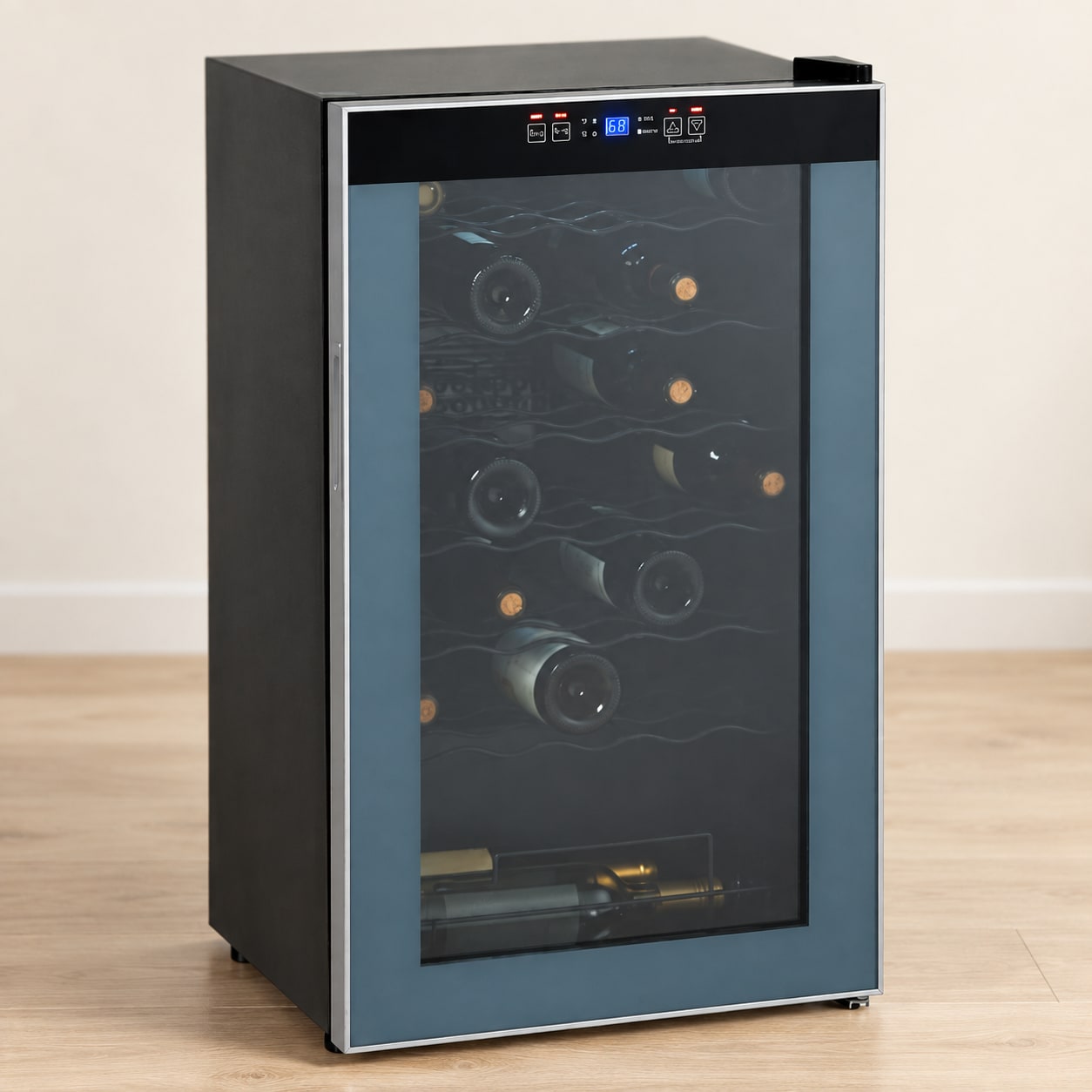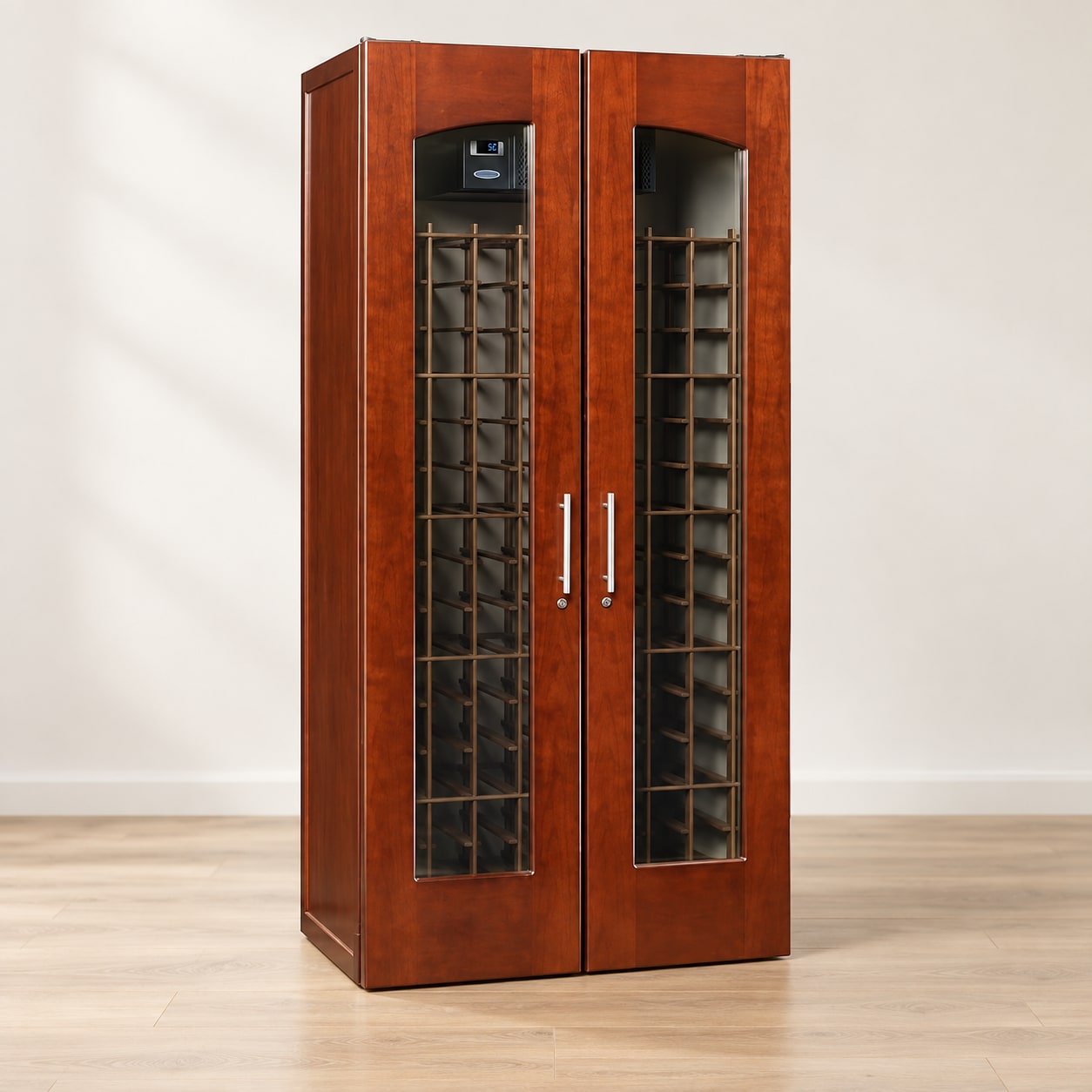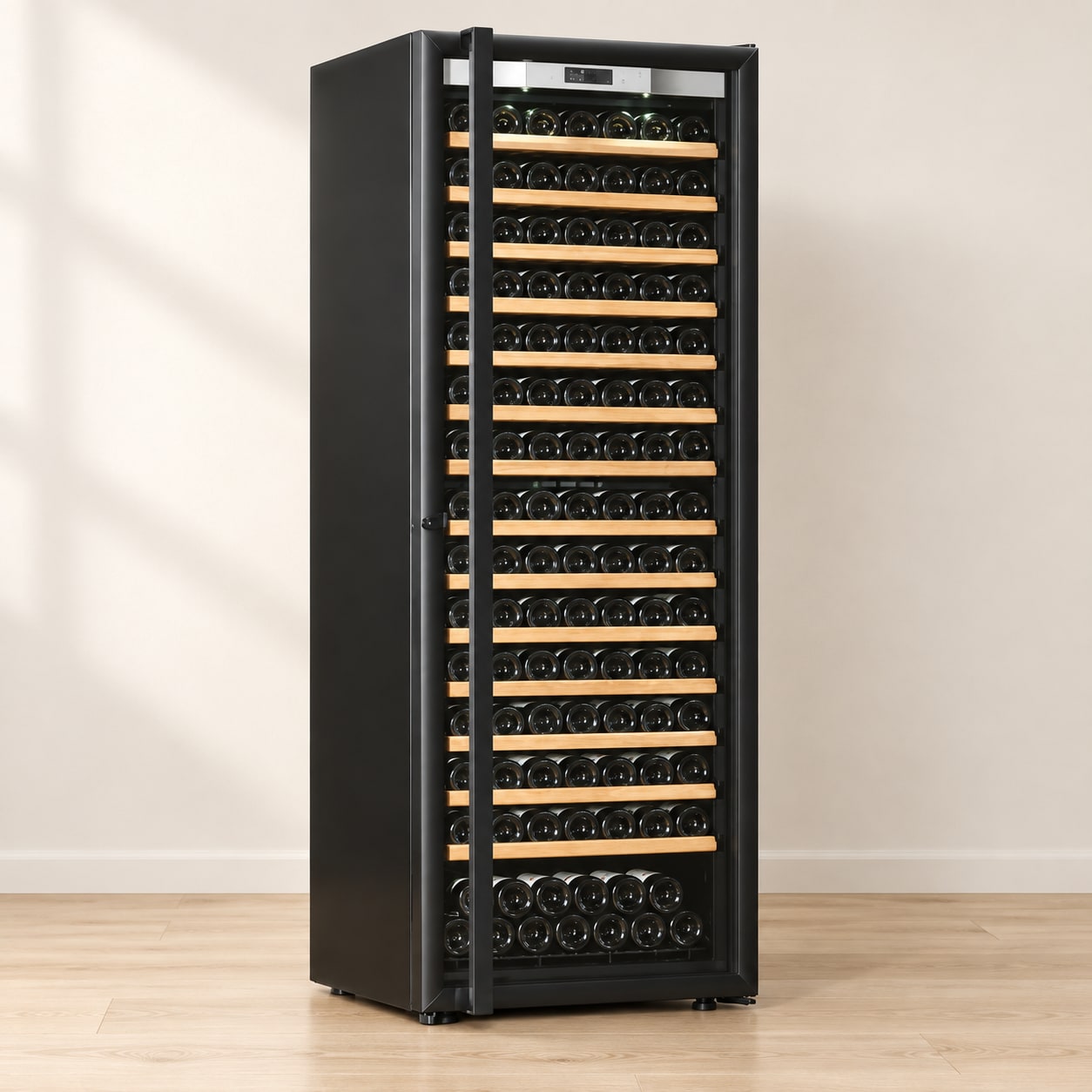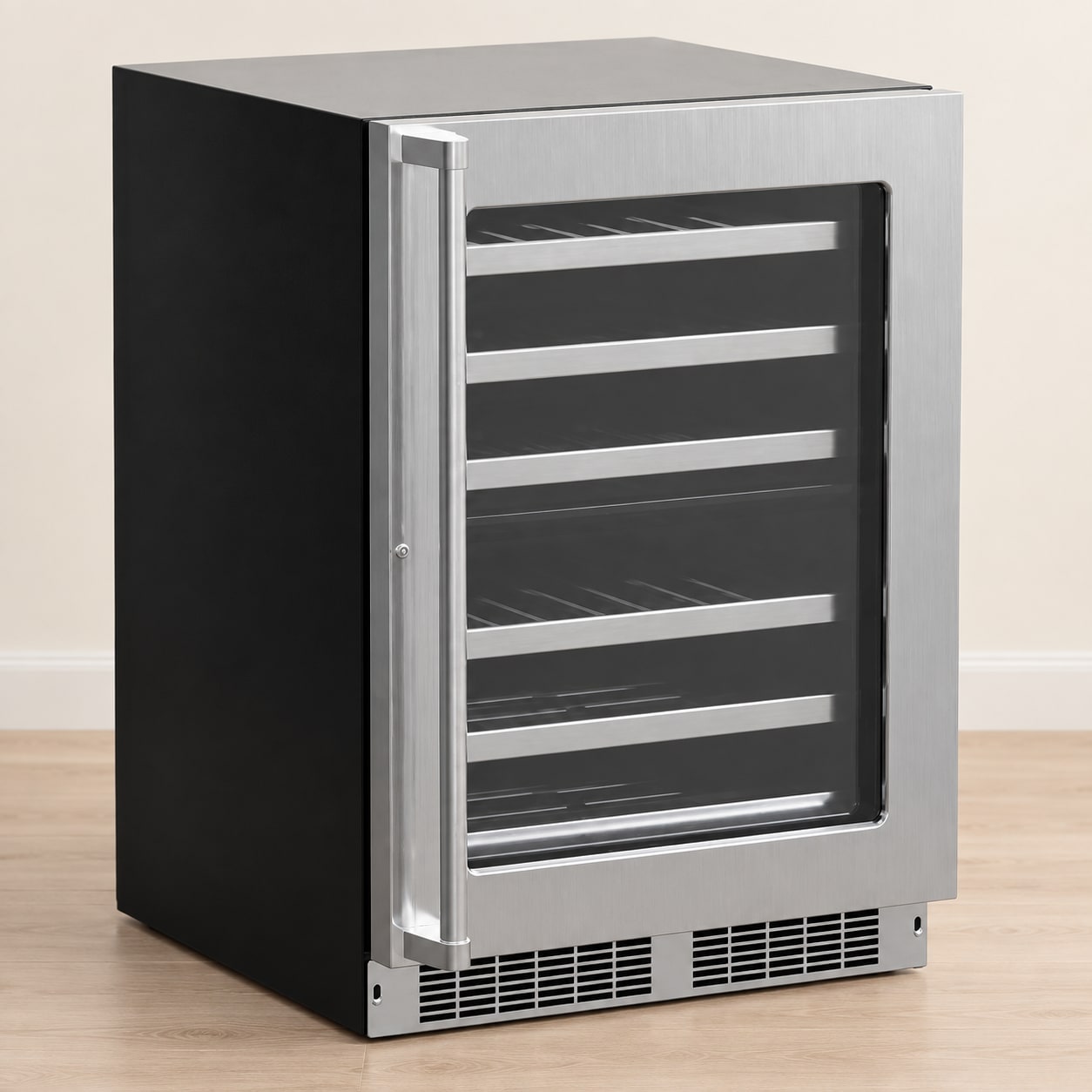
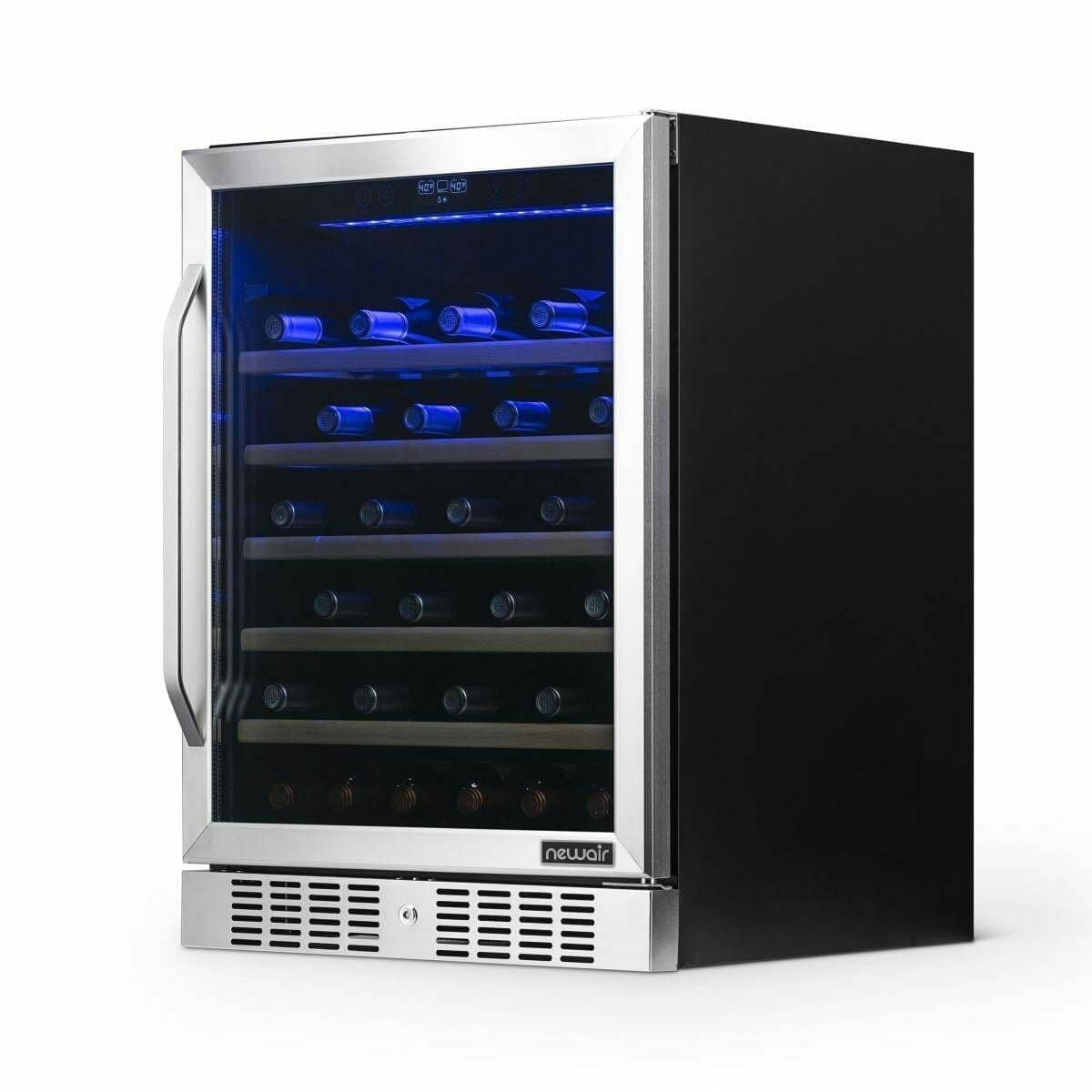
Choosing wine cooling for a Danville home starts with a clear distinction: a wine refrigerator is an appliance, while a cellar cooling system serves a prepared room. "Built-in" describes installation, not one universal kind of refrigeration. Once you name the space you want to cool, Wine Hardware can help compare through-wall, split and ducted approaches against the room, available equipment locations and the way your household uses the surrounding space.
Define what you want to cool
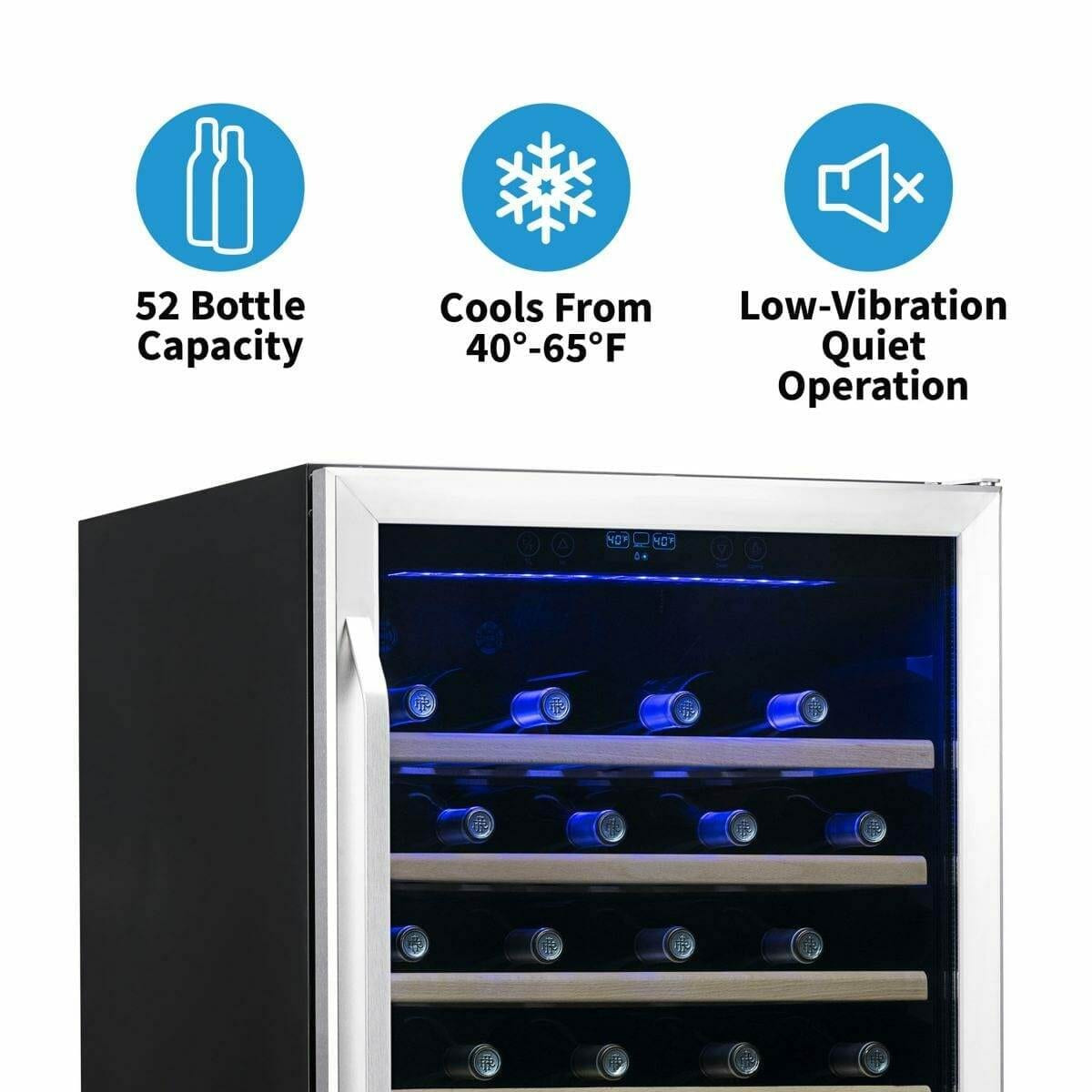
If you want bottles in kitchen cabinetry, begin with wine refrigerators approved for the intended installation. If you want to walk into the storage space, begin with the room and a dedicated cellar cooling assessment. Both can belong in a home, but their installation drawings and construction needs answer different questions.
Bring a floor plan showing the proposed cellar and adjacent rooms. Mark exterior walls, doors and the spaces above or below. Add where family members sit, work or sleep. The best equipment location on an isolated cellar sketch may place heat or operating sound beside a room where that would be inconvenient.
Understand the through-wall approach
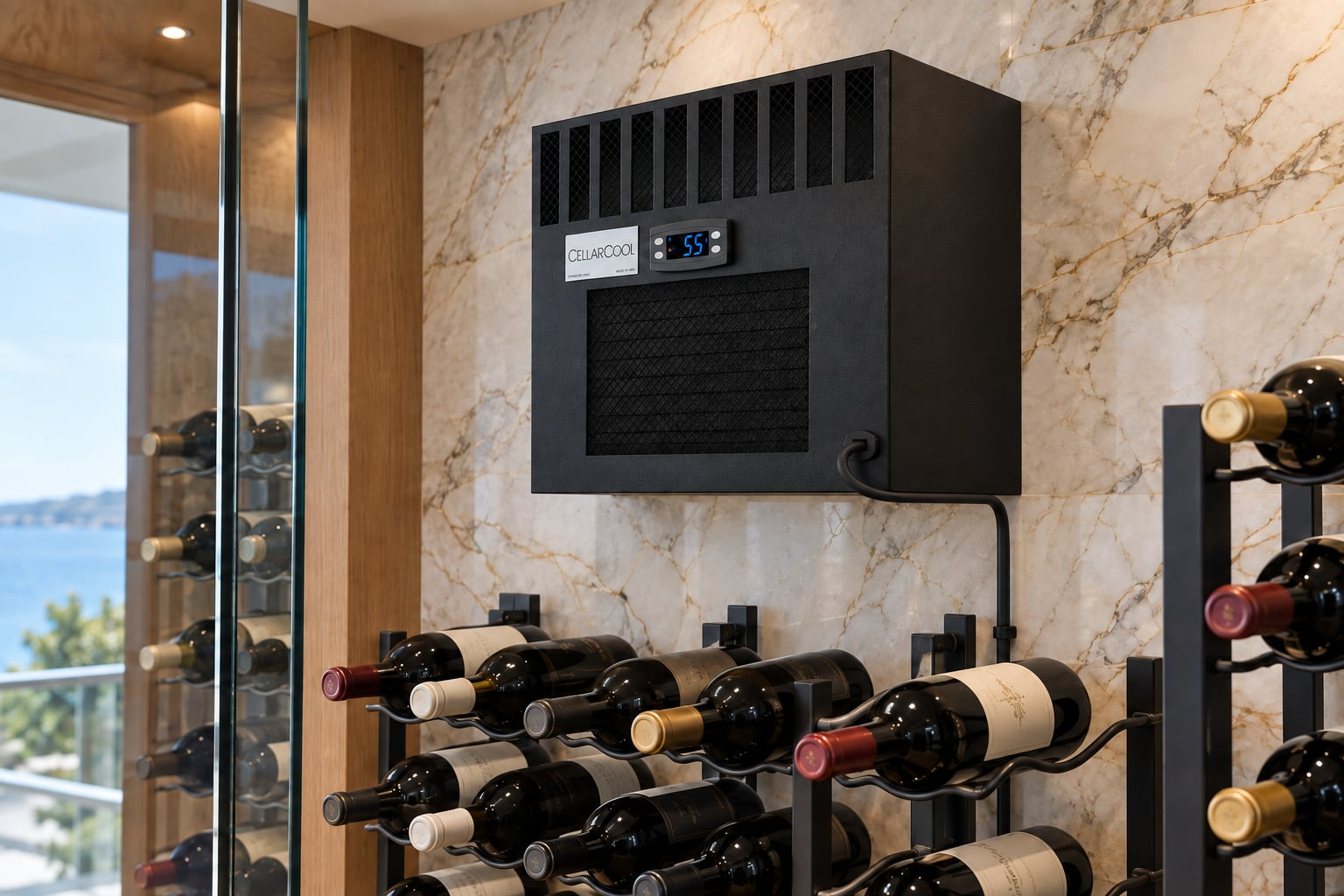
A through-wall self-contained unit puts the cooling system in one assembly spanning the cellar wall. The cellar side supplies cooled air; the other side releases heat into a suitable adjacent area. That receiving area belongs in the design, even though it is outside the wine room.
This approach can be useful when a suitable wall and heat-rejection space already exist. Before selecting it, review the exact unit's opening, clearances, ambient operating limits and installation requirements. Do not assume a small closet beyond the wall can accept the exhaust. Ask to see both faces of the unit on the drawing so finishes, racks and access are coordinated.
Understand split and ducted choices
A split system separates the evaporator and condensing unit, creating more choices for locating components. A ducted arrangement moves air between the cellar and equipment through designed duct runs. Split and ducted are related installation choices, but neither word alone describes the full proposed system.
WhisperKOOL's system categories distinguish through-wall, ductless split, ducted split and fully ducted self-contained equipment. Use that terminology to ask what is being quoted. Request the proposed component locations, connection routes and service access, then have the model-specific limits checked. A hidden unit still needs a practical route for installation and future maintenance.
Give the equipment a room it can serve
Record the room dimensions, glass areas, proposed insulation and door arrangement for the cooling assessment. Include adjacent conditions and any unusual exposure. A bottle count is useful for rack planning, but it does not describe the heat entering the room or the construction separating it from the home.
Have enclosure details reviewed alongside equipment selection. A larger unit is not a substitute for resolving an incomplete room design. Ask how penetrations, the door and the chosen finishes will be coordinated before construction. Wine Hardware carries WhisperKOOL, Wine Guardian, CellarPro and CellarCool equipment; the appropriate starting point is the application, followed by a comparison of suitable models.
Compare the installed work behind each option
A useful estimate separates equipment, installation labor, connections, any ductwork, enclosure preparation and freight. Ask which parts are included with the unit and which are additional. For a replacement project, add removal, changes to the opening and finish repairs so you are comparing complete outcomes.
Discuss power, condensate handling where applicable and the trades needed for the selected system. Ask who will start the equipment and demonstrate the controls. Do not choose solely by an advertised capacity or the equipment purchase price. A compatible installation with clear responsibilities is easier to evaluate than a low headline figure with the surrounding work left undefined.
Use the Danville room plan to narrow the field
Consider a cellar beside a family room: equipment appearance, sound and access may influence the layout. Consider a cellar with a useful adjacent service area: a different configuration may be worth comparing. These are planning examples, not assumptions about every Danville house. Your floor plan should decide which questions matter.
Take room photos, dimensions and any existing unit information to our Walnut Creek showroom. We can discuss the available cooling approaches and the details needed for a project recommendation. Before ordering, ask for confirmation of the exact model, installation arrangement, accessories, delivery expectations and the person responsible for final fit review.
Questions before you decide
Is a built-in wine fridge the same as a cellar unit?
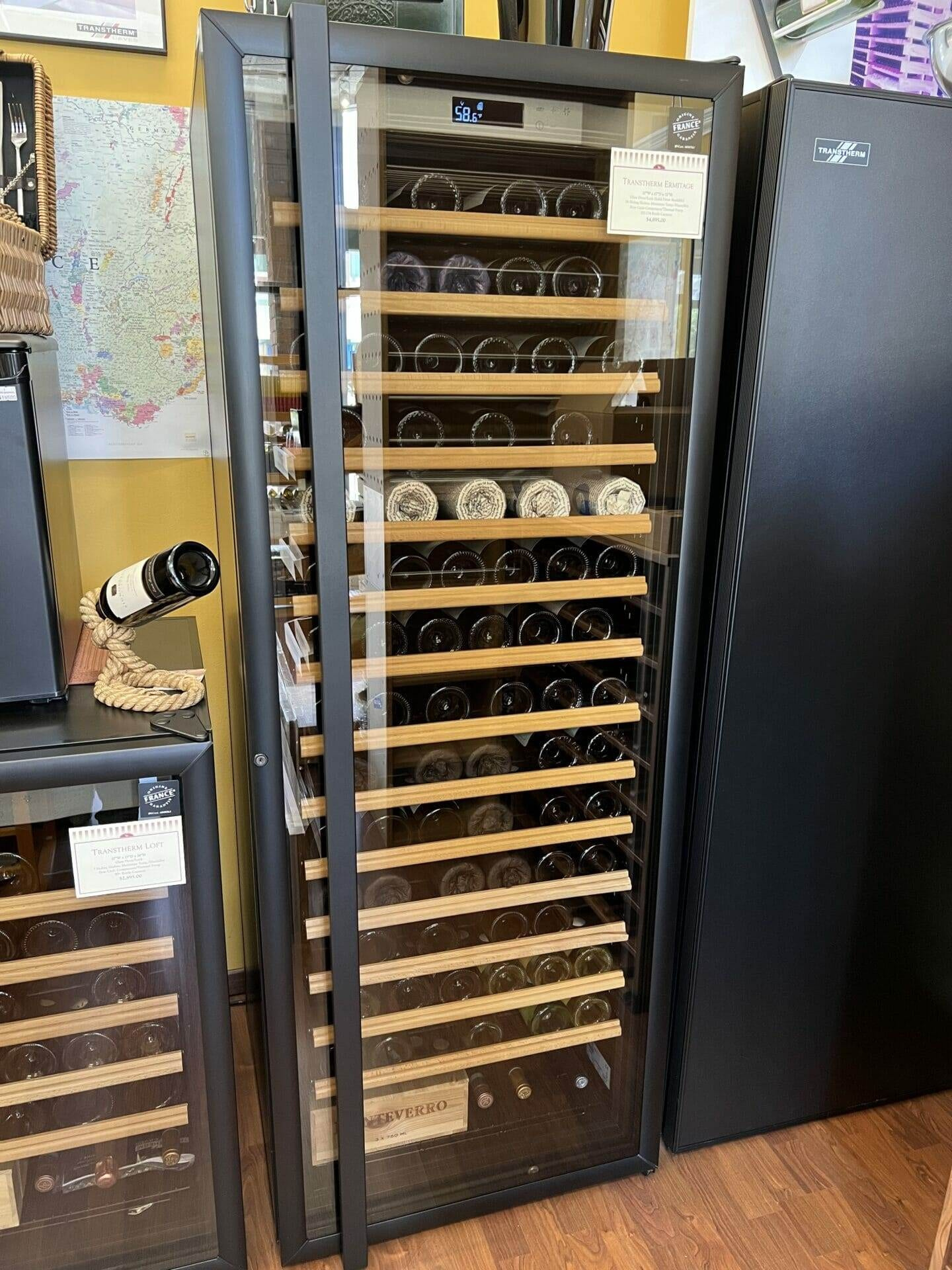
No. A wine refrigerator stores bottles within its cabinet. A cellar cooling system is selected for a prepared storage room. Describe the space and intended use before comparing equipment so the right product category is being considered.
Can any self-contained unit be ducted?
Do not assume so. Ducting compatibility and limits belong to the exact model and approved accessories. Have the proposed layout checked against its current documentation before buying a unit or enclosing any duct route.
Does a split system remove all sound from the cellar?
No universal silence promise is appropriate. Ask where each component operates and how the proposed installation affects adjacent rooms. Equipment placement should be discussed together with access, connections and the manufacturer's requirements.
Discuss cooling for your Danville cellar. Send Wine Hardware the room plan or call (925) 944-1084 to begin.