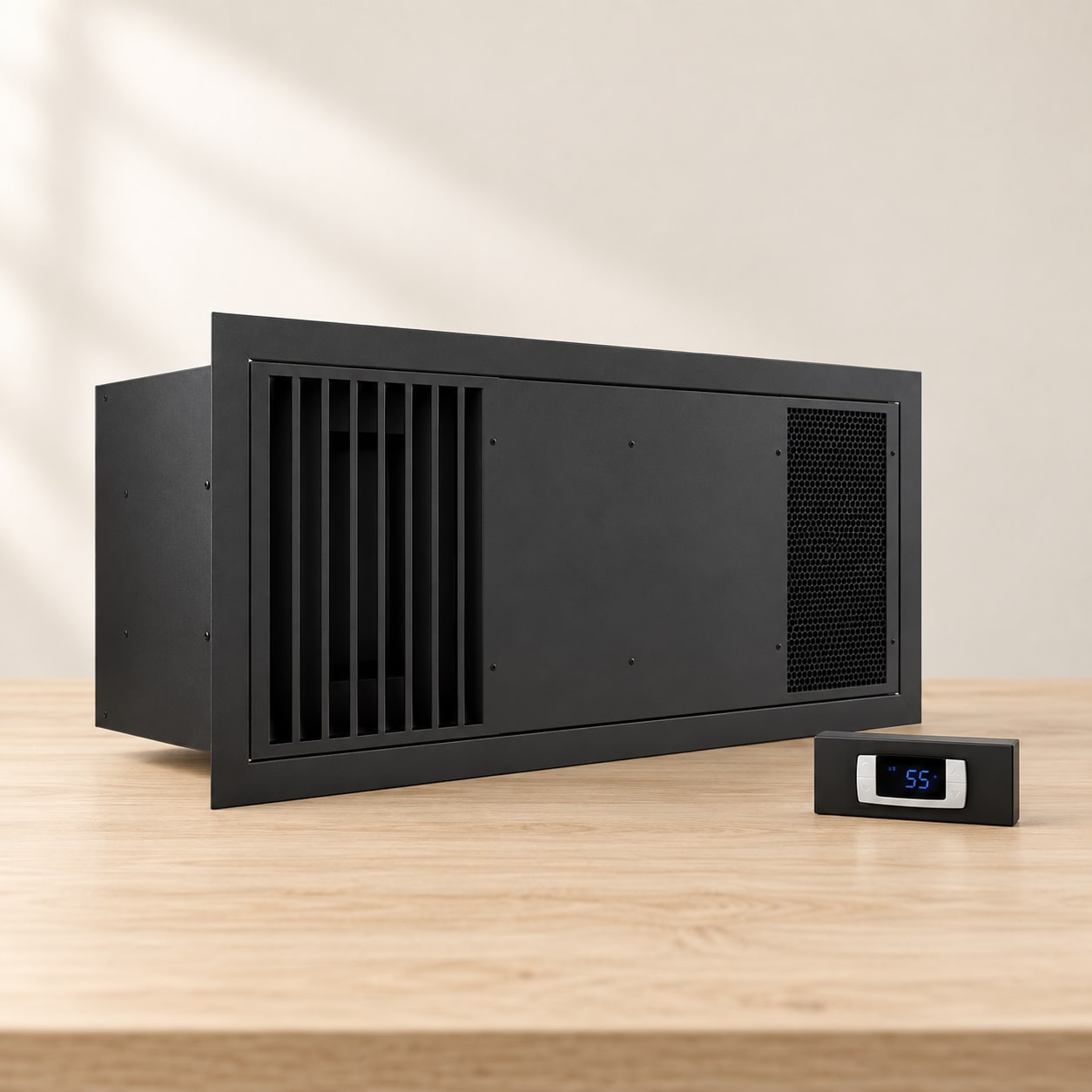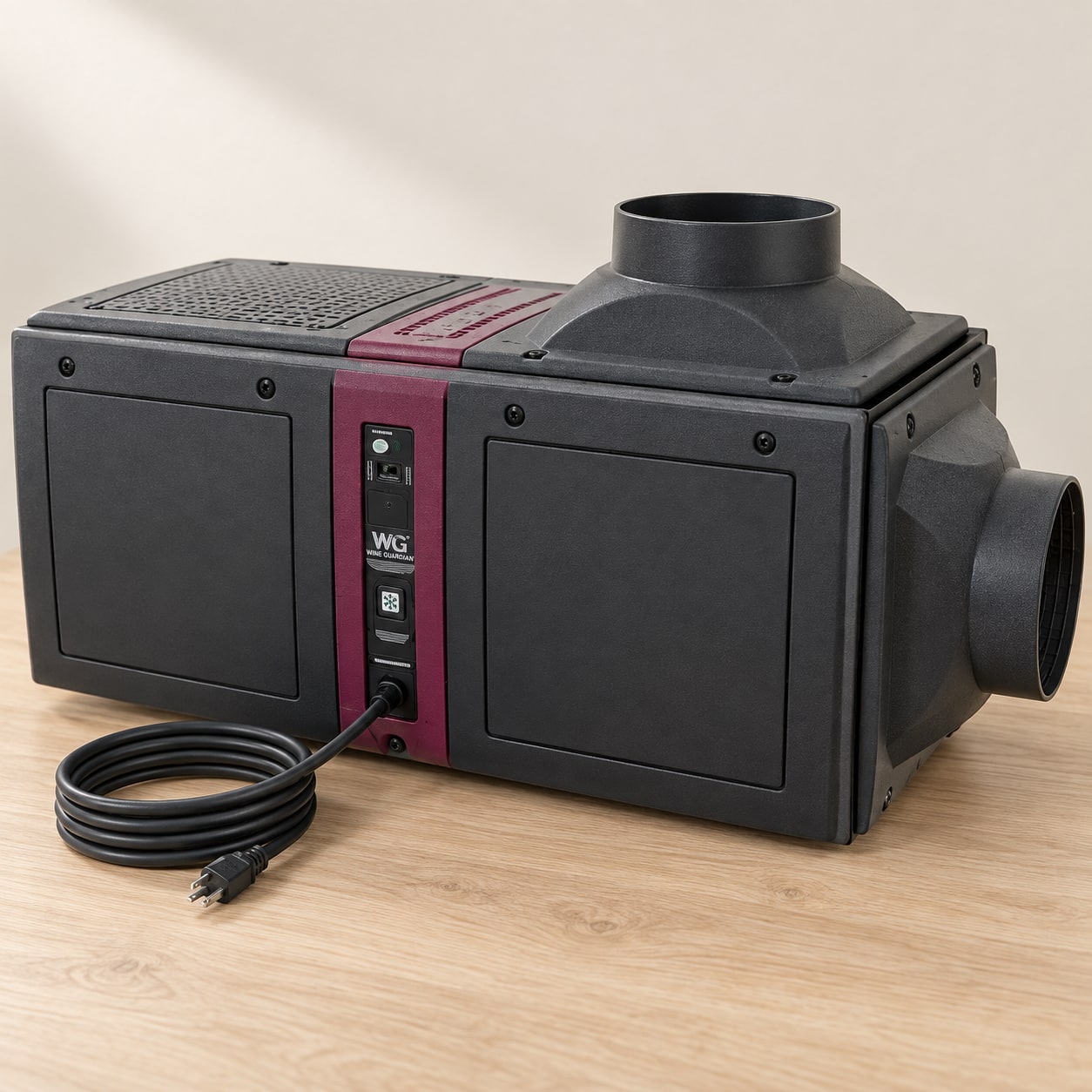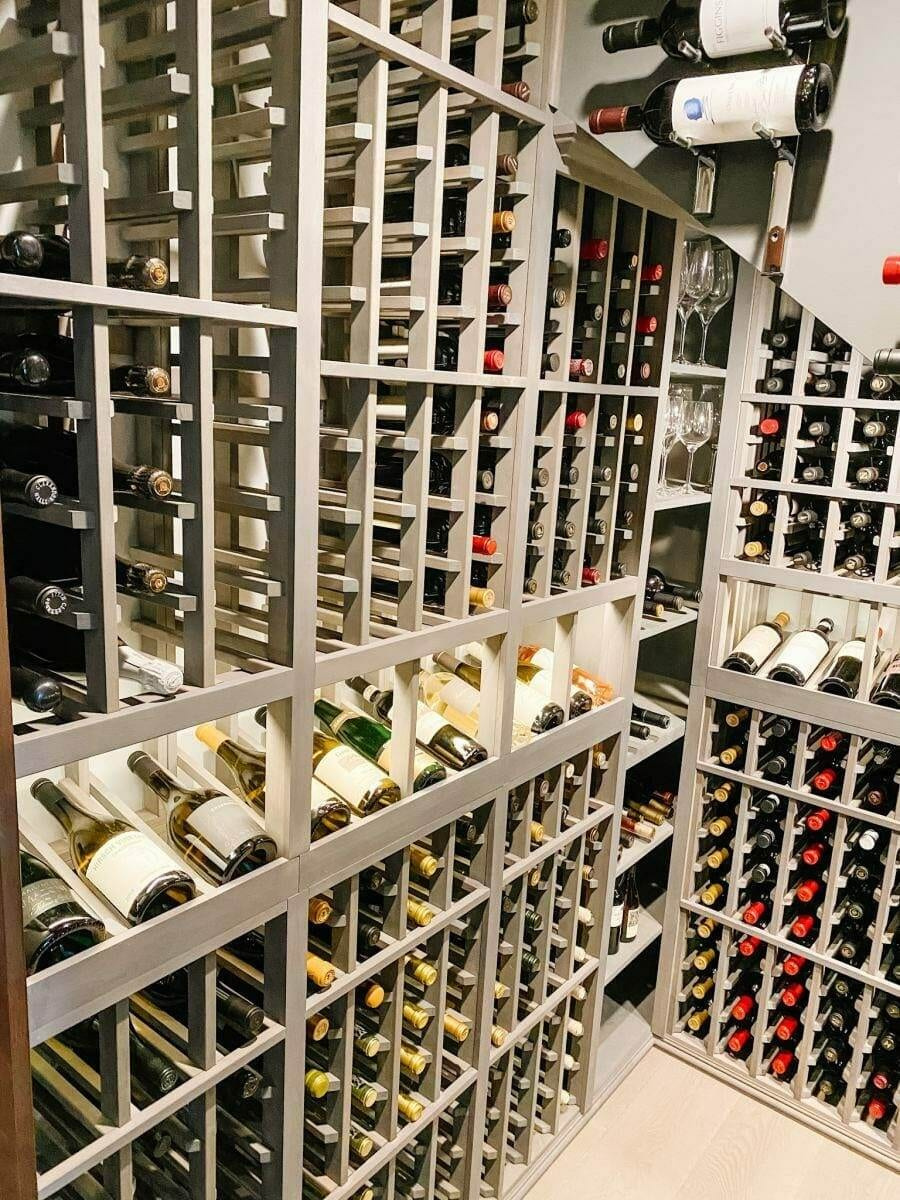
A wine cellar floor drain belongs in a coordinated building and equipment plan. Ask what drainage the project actually needs, where water would go and who designs the connection before treating a drain as a universal requirement for every wine room. At Wine Hardware in Walnut Creek, we help turn those decisions into a cellar plan. Bring room photos, a rough sketch and your collection goals to start the conversation.
Understanding these regulations is crucial for anyone looking to install or maintain a floor drain in a wine cellar, as non-compliance can lead to significant issues, including water damage and health hazards. In addition to safety and efficiency, the California Plumbing Code also emphasizes the importance of proper drainage to prevent flooding and water accumulation. This is particularly relevant in wine cellars, where humidity and moisture control are vital for preserving wine quality.
The code stipulates that floor drains must be adequately sized to handle potential water influx, ensuring that any spills or leaks are quickly and effectively managed. Familiarizing oneself with these regulations not only aids in compliance but also enhances the overall functionality of the wine cellar.


Key Takeaways
- The California Plumbing Code sets specific requirements for cellar floor drains to prevent flooding and water damage.
- When considering the size and capacity of floor drains, it’s important to take into account the potential volume of water and debris that may need to be drained.
- Evaluating the material and construction of floor drains is crucial for durability and resistance to corrosion and clogging.
- Proper installation and maintenance of floor drains are essential to ensure effective drainage and prevent blockages.
- Compliance with anti-backflow and anti-siphon requirements is necessary to prevent contamination of the drainage system.
Considering the Size and Capacity of Floor Drains
When selecting floor drains for a wine cellar, size and capacity are paramount considerations. The dimensions of the drain must be appropriate for the space it serves, taking into account factors such as the potential volume of liquid that may need to be drained. A floor drain that is too small may become overwhelmed during a spill or leak, leading to water pooling on the floor and creating an environment conducive to mold growth and other issues.
Conversely, an excessively large drain may not function efficiently, leading to inadequate drainage performance. Capacity is equally important; it refers to the drain’s ability to handle water flow rates. In a wine cellar, where spills can occur during bottling or serving, having a drain that can quickly manage these situations is essential.
The California Plumbing Code provides guidelines on the minimum flow rates required for different types of drains, which should be carefully considered when making a selection. By ensuring that the size and capacity of the floor drain align with the specific needs of the wine cellar, owners can mitigate risks associated with water damage and maintain optimal conditions for their wine collection.
Evaluating the Material and Construction of Floor Drains
The material and construction of floor drains play a critical role in their durability and effectiveness. Common materials used in floor drain construction include stainless steel, PVC, and cast iron, each offering distinct advantages and disadvantages. Stainless steel is often favored for its corrosion resistance and aesthetic appeal, making it an excellent choice for wine cellars where both functionality and appearance matter.
On the other hand, PVC is lightweight and easy to install but may not withstand heavy loads or extreme temperatures as well as metal options. In addition to material choice, the construction quality of the floor drain is vital for ensuring long-term performance. A well-constructed drain will feature robust seals and connections that prevent leaks and facilitate proper drainage.
It is also essential to consider the design of the drain itself; features such as sloped bottoms can enhance drainage efficiency by directing water toward the outlet. Evaluating both material and construction will help ensure that the selected floor drain can withstand the unique conditions present in a wine cellar while providing reliable performance over time.
Ensuring Proper Installation and Maintenance of Floor Drains
Proper installation of floor drains is crucial for their effective operation and longevity. Following the guidelines set forth in the California Plumbing Code is essential during this process. This includes ensuring that drains are installed at the correct slope to facilitate efficient water flow toward the outlet.
Additionally, it is important to verify that all connections are secure and watertight to prevent leaks that could lead to significant damage over time. Maintenance is equally important in preserving the functionality of floor drains. Regular inspections should be conducted to check for clogs or debris buildup that could impede drainage.
Cleaning the drains periodically will help prevent blockages and ensure that they continue to operate effectively. Furthermore, it is advisable to inspect seals and gaskets for wear and tear, replacing them as necessary to maintain a watertight seal. By prioritizing both installation and maintenance, wine cellar owners can ensure that their floor drains remain in optimal condition, safeguarding their valuable collections.
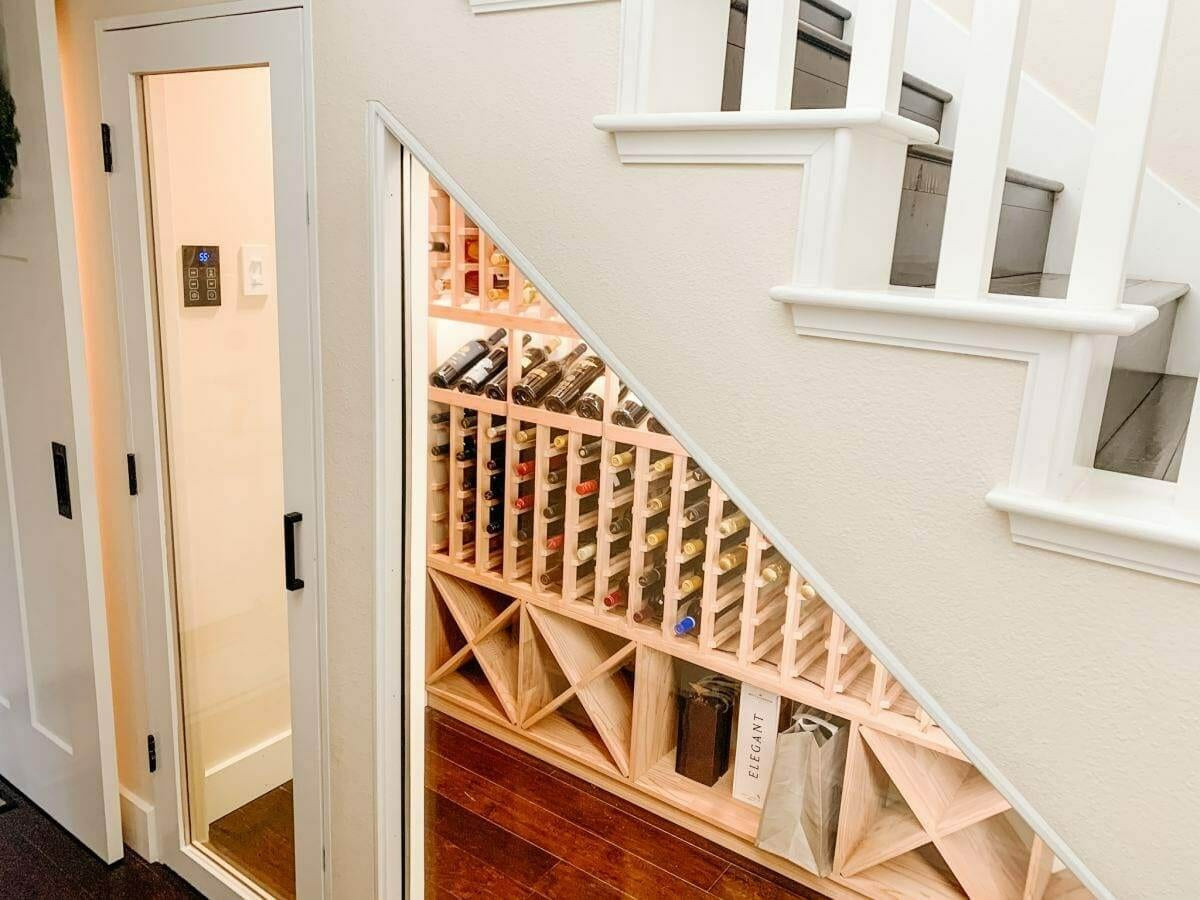

Compliance with Anti-Backflow and Anti-Siphon Requirements
Compliance with anti-backflow and anti-siphon requirements is a critical aspect of floor drain installation in California. These regulations are designed to prevent contaminated water from flowing back into clean water supplies, which is particularly important in environments like wine cellars where hygiene is paramount. Backflow can occur due to changes in pressure within plumbing systems, potentially leading to serious health risks if not properly managed.
To comply with these requirements, it is essential to install backflow prevention devices in conjunction with floor drains. These devices work by creating a physical barrier that prevents contaminated water from reversing its flow. Additionally, anti-siphon features should be integrated into the design of the drainage system to further mitigate risks associated with siphoning effects during drainage events.
Ensuring compliance with these regulations not only protects public health but also enhances the overall safety of the wine cellar environment.
Choosing Floor Drains with Grates and Covers that Meet Code Standards
The selection of grates and covers for floor drains is another important consideration when designing a wine cellar drainage system. These components must meet specific code standards outlined in the California Plumbing Code to ensure safety and functionality. Grates serve multiple purposes: they prevent large debris from entering the drain while allowing water to flow freely.
Choosing grates with appropriate openings is essential; if they are too small, they may become clogged easily, while overly large openings may allow unwanted materials into the drainage system. In addition to functionality, aesthetic considerations should also be taken into account when selecting grates and covers. Wine cellars often feature elegant designs, so choosing grates that complement the overall decor can enhance the space’s visual appeal.
However, it is crucial not to sacrifice safety or compliance for aesthetics; any chosen grate or cover must adhere strictly to code requirements regarding load-bearing capacity and drainage efficiency. By carefully selecting grates and covers that meet these standards, wine cellar owners can ensure both safety and style in their drainage systems.
Selecting Floor Drains with Built-in Sediment Buckets or Traps
Floor drains equipped with built-in sediment buckets or traps offer significant advantages for maintaining cleanliness in a wine cellar environment. These features are designed to capture sediment, debris, and other particulates before they enter the main drainage system, thereby preventing clogs and ensuring smooth operation over time. In a wine cellar where spills can occur during various activities such as bottling or serving, having a sediment bucket can significantly reduce maintenance efforts by trapping unwanted materials at the source.
Moreover, sediment traps contribute to better hygiene within the cellar by minimizing the accumulation of organic matter that could lead to unpleasant odors or attract pests. Regularly cleaning out these traps is essential for maintaining their effectiveness; however, this task is generally straightforward compared to dealing with clogged pipes further down the line. By selecting floor drains with built-in sediment buckets or traps, wine cellar owners can enhance their drainage systems’ efficiency while promoting a cleaner environment for their valuable collections.
Consulting with a Professional to Ensure Code Compliance
Navigating the complexities of plumbing codes and regulations can be challenging for those unfamiliar with them. Therefore, consulting with a professional plumber or contractor who specializes in wine cellars is highly advisable when planning for floor drains. These experts possess extensive knowledge of local codes, including those specific to California, ensuring that all installations meet legal requirements while also addressing practical concerns related to drainage efficiency.
A professional consultation can provide valuable insights into selecting appropriate materials, sizes, and configurations for floor drains based on individual cellar needs. Additionally, they can assist with proper installation techniques that adhere to code standards while optimizing performance. Engaging a professional not only helps ensure compliance but also provides peace of mind that your wine cellar will be equipped with an effective drainage system capable of protecting your investment for years to come.
FAQs
What are the requirements for floor drains in cellars according to California plumbing code?
The California plumbing code requires floor drains in cellars to be equipped with a trap and a cleanout. The trap prevents sewer gases from entering the building, while the cleanout allows for easy access to clear any blockages.
What size should the floor drains be in cellars according to California plumbing code?
The California plumbing code specifies that floor drains in cellars should have a minimum diameter of 2 inches. This ensures proper drainage and prevents clogging.
Are there any specific materials that floor drains in cellars must be made of according to California plumbing code?
The California plumbing code does not specify the material for floor drains in cellars. However, it is important to choose materials that are durable and resistant to corrosion, as cellars are often exposed to moisture and chemicals.
Do floor drains in cellars need to be installed at a specific location according to California plumbing code?
The California plumbing code does not specify a specific location for floor drains in cellars. However, they should be strategically placed to ensure proper drainage and to prevent standing water.
Are there any additional considerations to keep in mind when selecting floor drains for cellars according to California plumbing code?
In addition to the requirements outlined in the California plumbing code, it is important to consider factors such as the expected flow rate, the type of waste being drained, and the potential for debris accumulation when selecting floor drains for cellars.
Selecting Floor Drains that Comply with California Plumbing Code for Cellars
Ensuring Compliance: How to Select Floor Drains for Cellars According to California Plumbing Code
Get Mike's help to separate cellar equipment decisions from drainage questions for your plumbing professional. Bring the room photos and collection goals you have in mind into a conversation at (925) 944-1084.