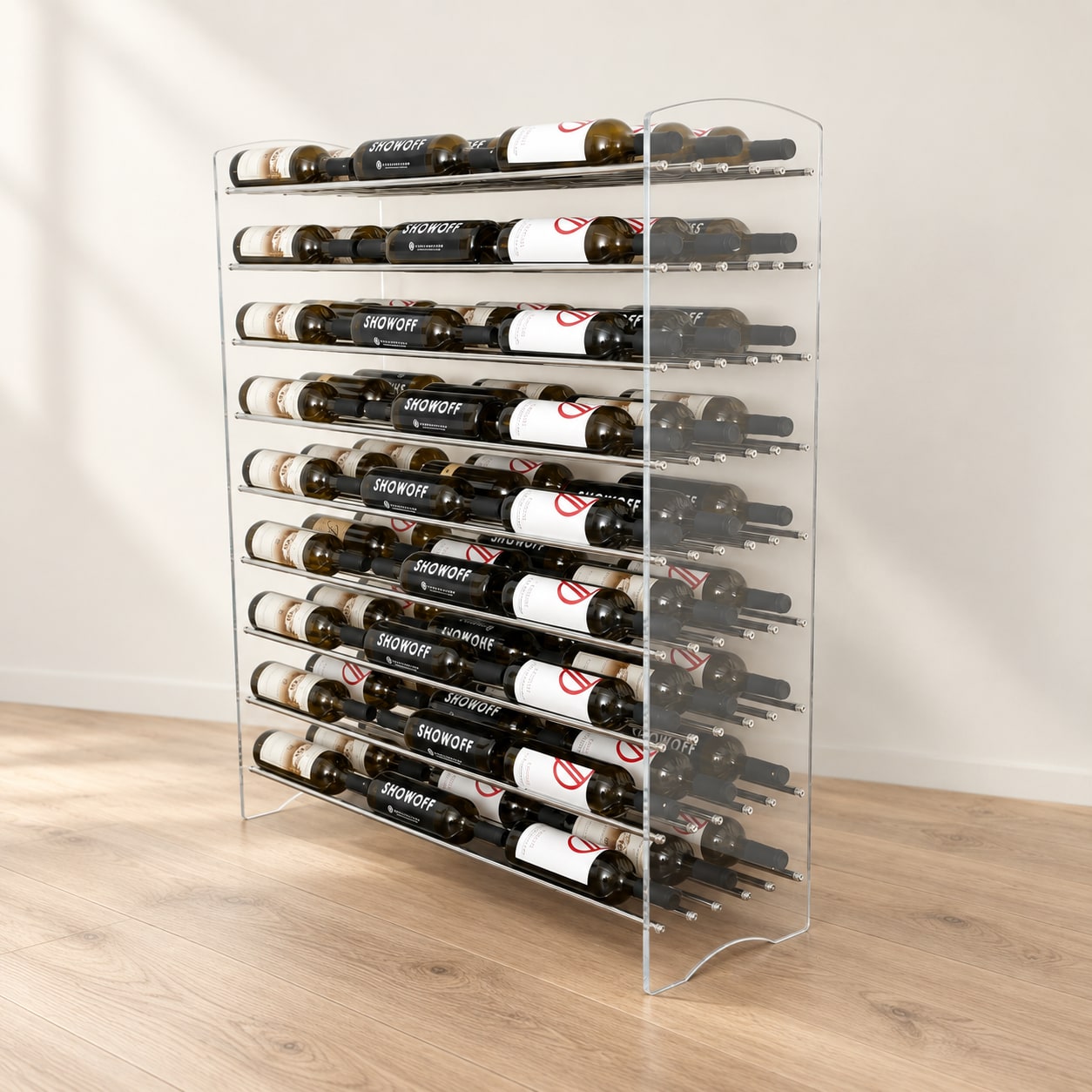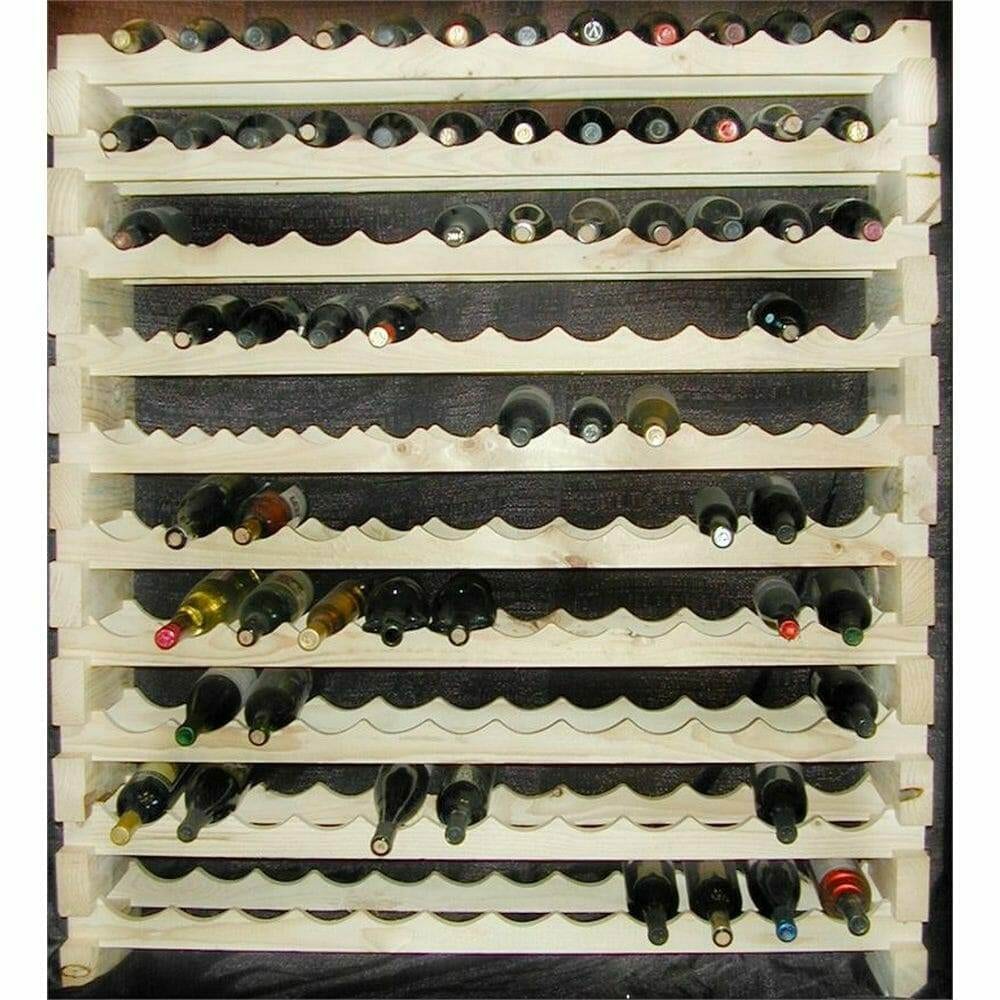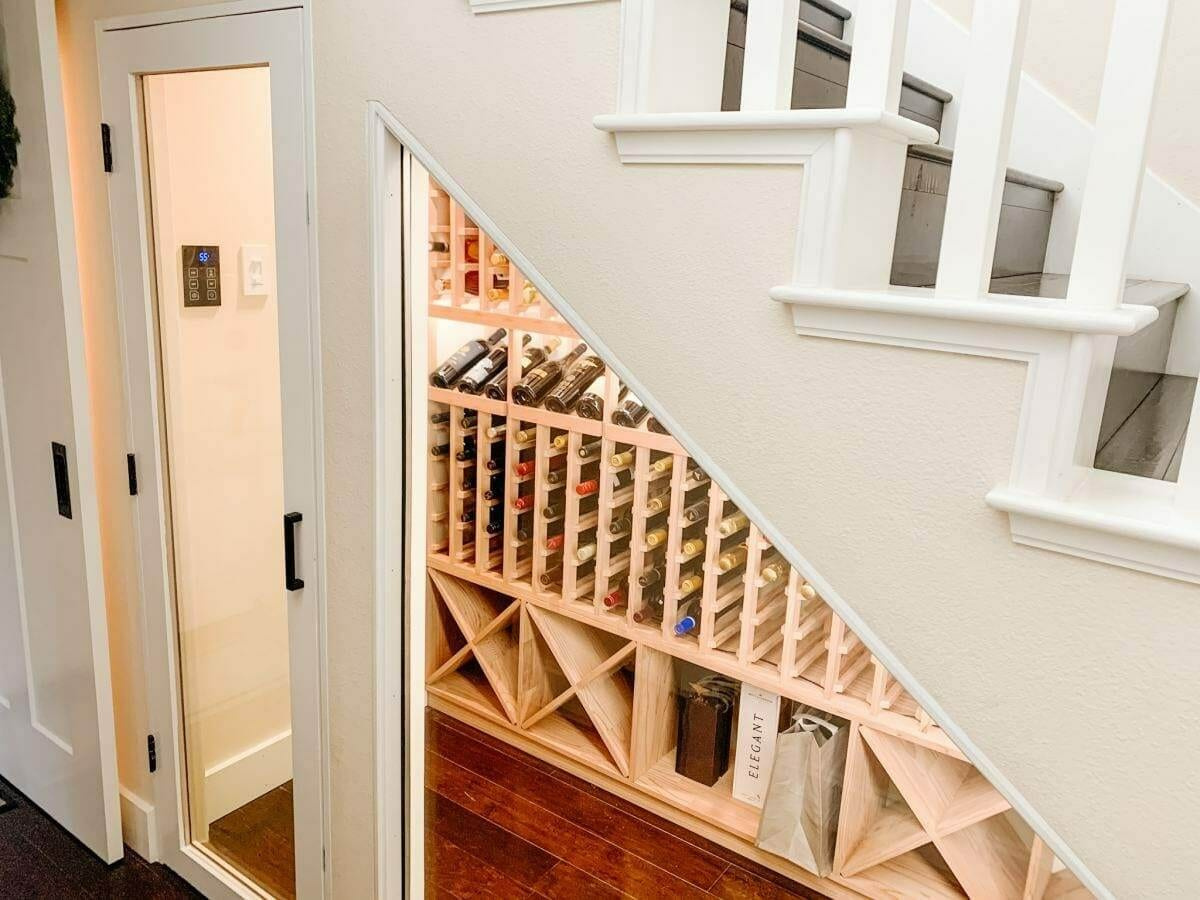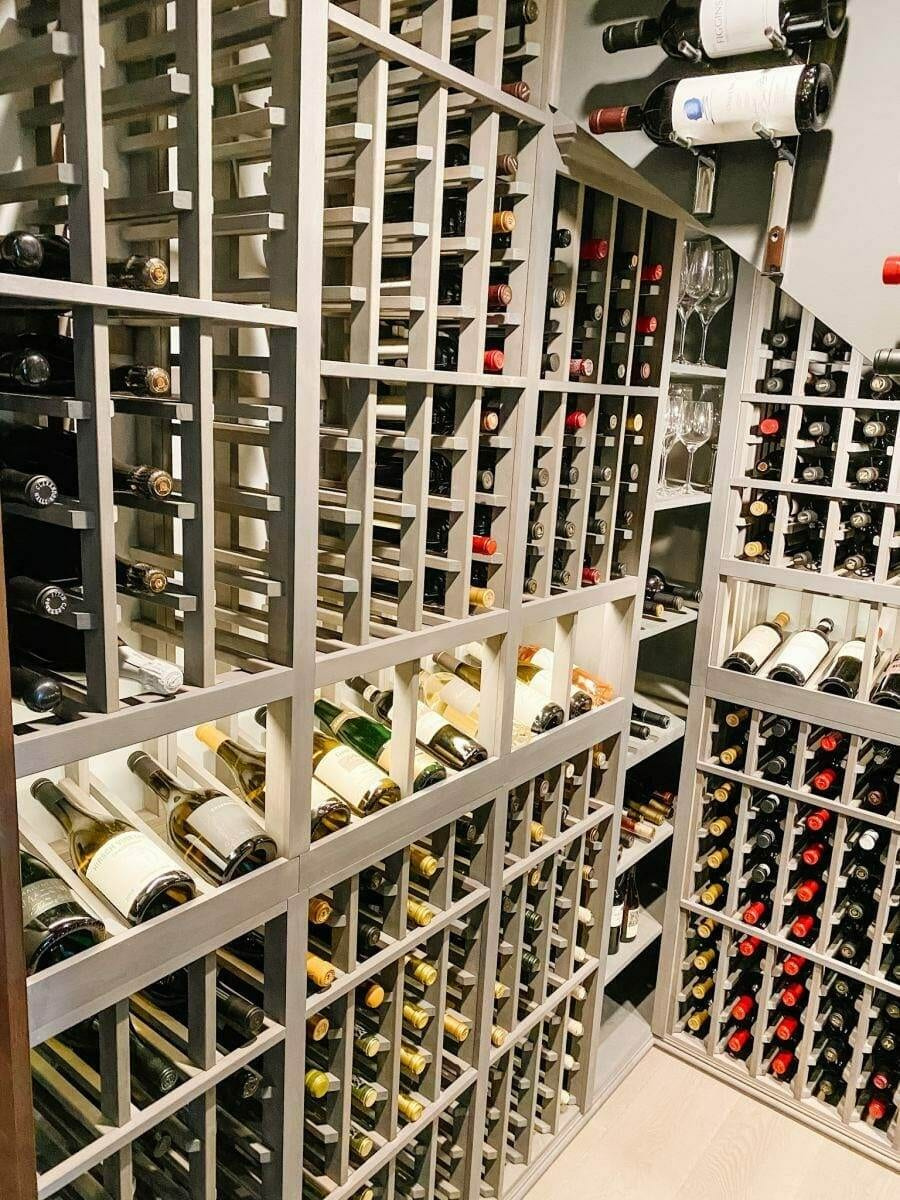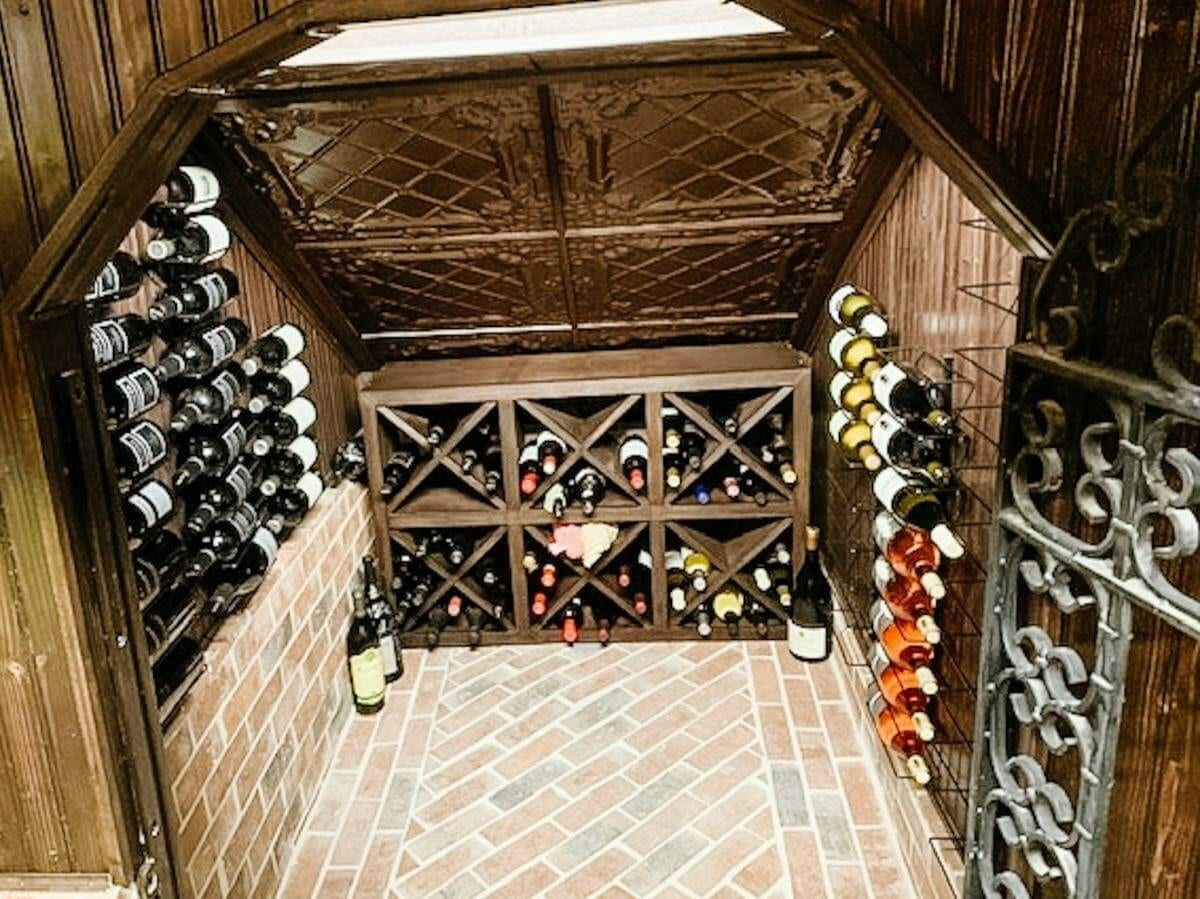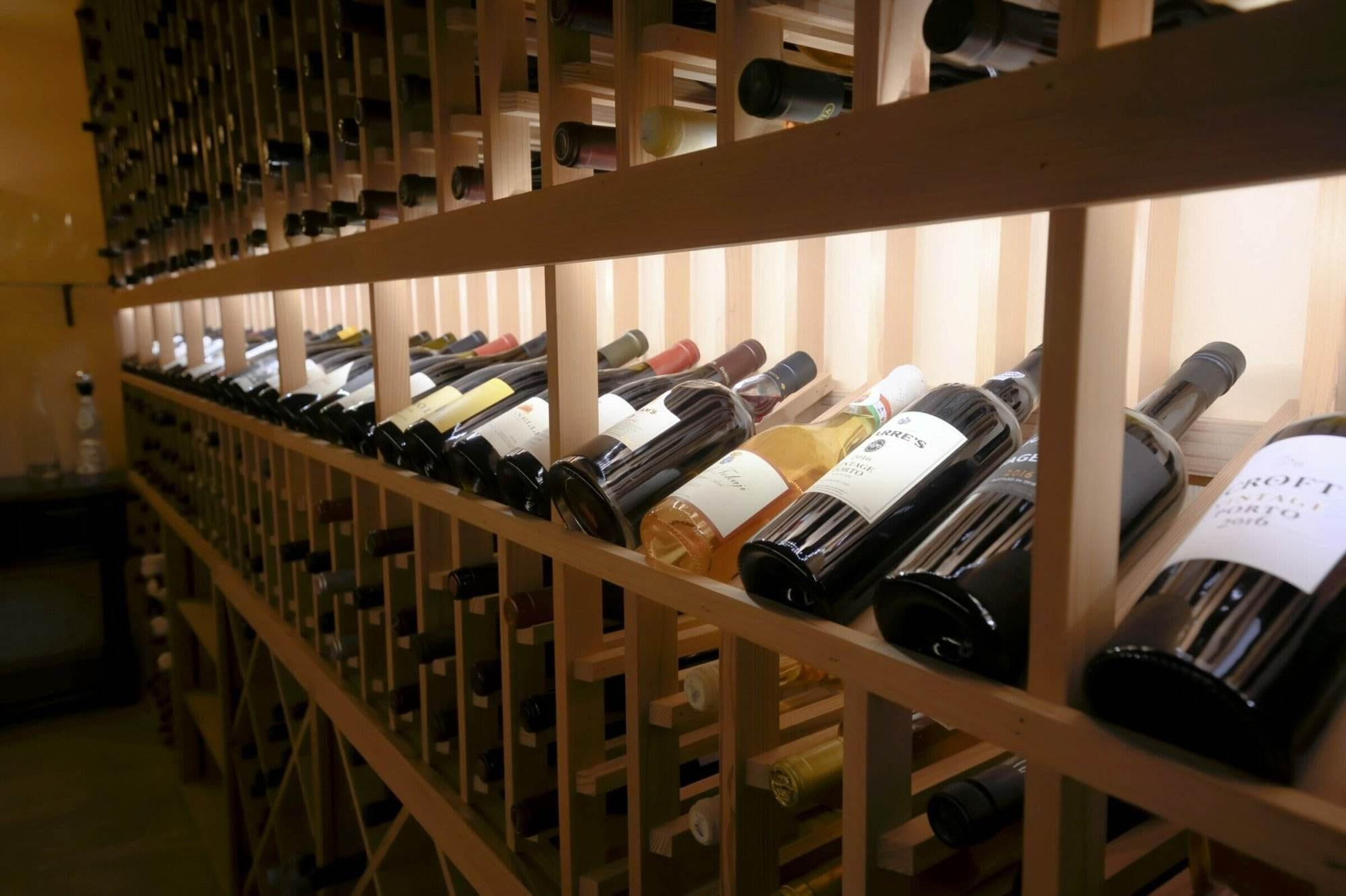
A growing collection needs an expansion plan before it needs another rack. For San Ramon homes, stackable wine racks can organize bottles in stages when the chosen system, support and available room suit that approach. Start with the final arrangement you might want, then decide what to buy now. Wine Hardware can help compare modular options against your collection, including the bottle shapes and access requirements that determine usable capacity.
Describe how the collection is likely to grow
Look at recent purchases. Do you add a few individual bottles, buy repeat wines by the case or keep an increasing number for later? Each pattern suggests a different arrangement. Write down the bottles already waiting for storage and the formats that do not fit comfortably in your existing racks.
Choose a planning target without pretending it is a forecast. The point is to reserve a plausible route for growth, not to fill every available wall immediately. A San Ramon closet, spare-room wall and dedicated cellar have different limits. Bring a sketch of the full available area so the first purchase does not block the most useful later addition.
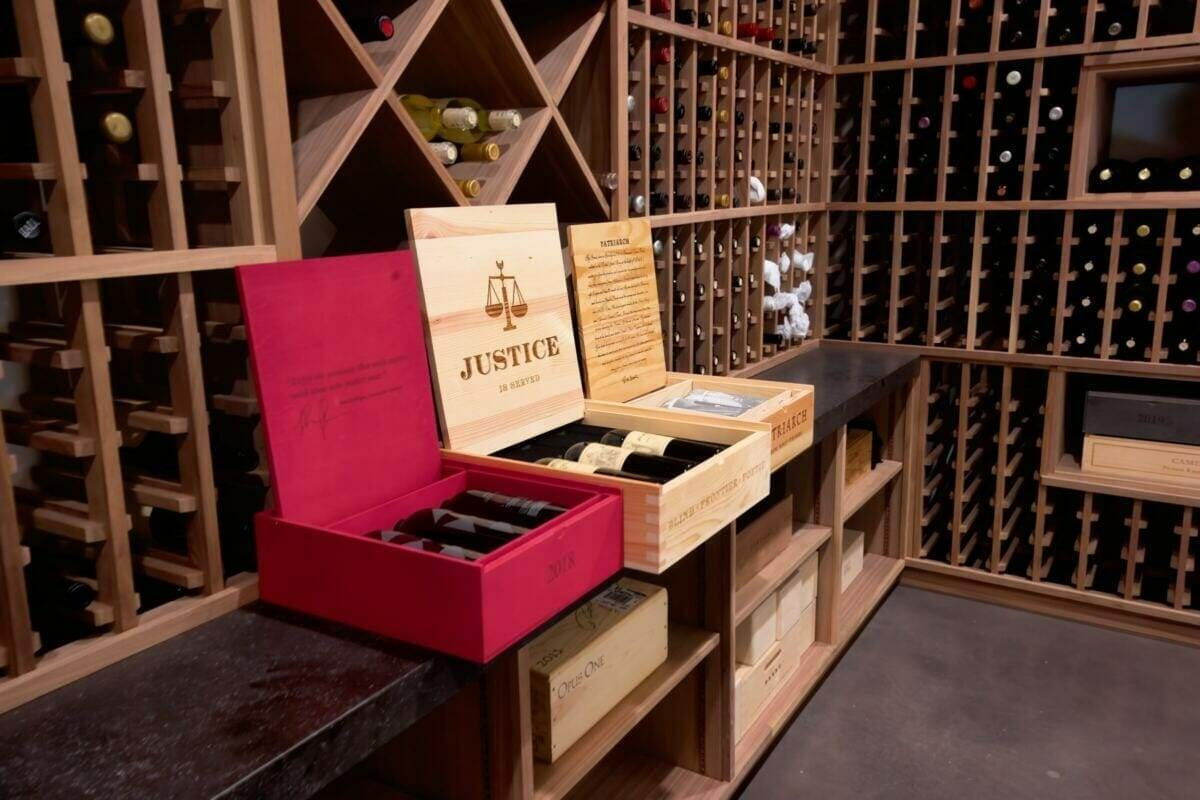
Check what the word stackable means for the product
A modular appearance does not establish how high or wide a system may be built. Review the exact manufacturer's instructions for assembly, connections, attachment and permitted configurations. Confirm which components belong together and whether the proposed finished arrangement needs additional parts.
Wine Hardware carries Modularack and other rack kits. Ask about the dimensions and instructions for the selected model, rather than assuming all wood modules share one stacking method. Keep the model and finish information with the layout. Future availability should be checked when you are ready to expand; it is better to plan compatible stages than promise that matching pieces will remain unchanged indefinitely.
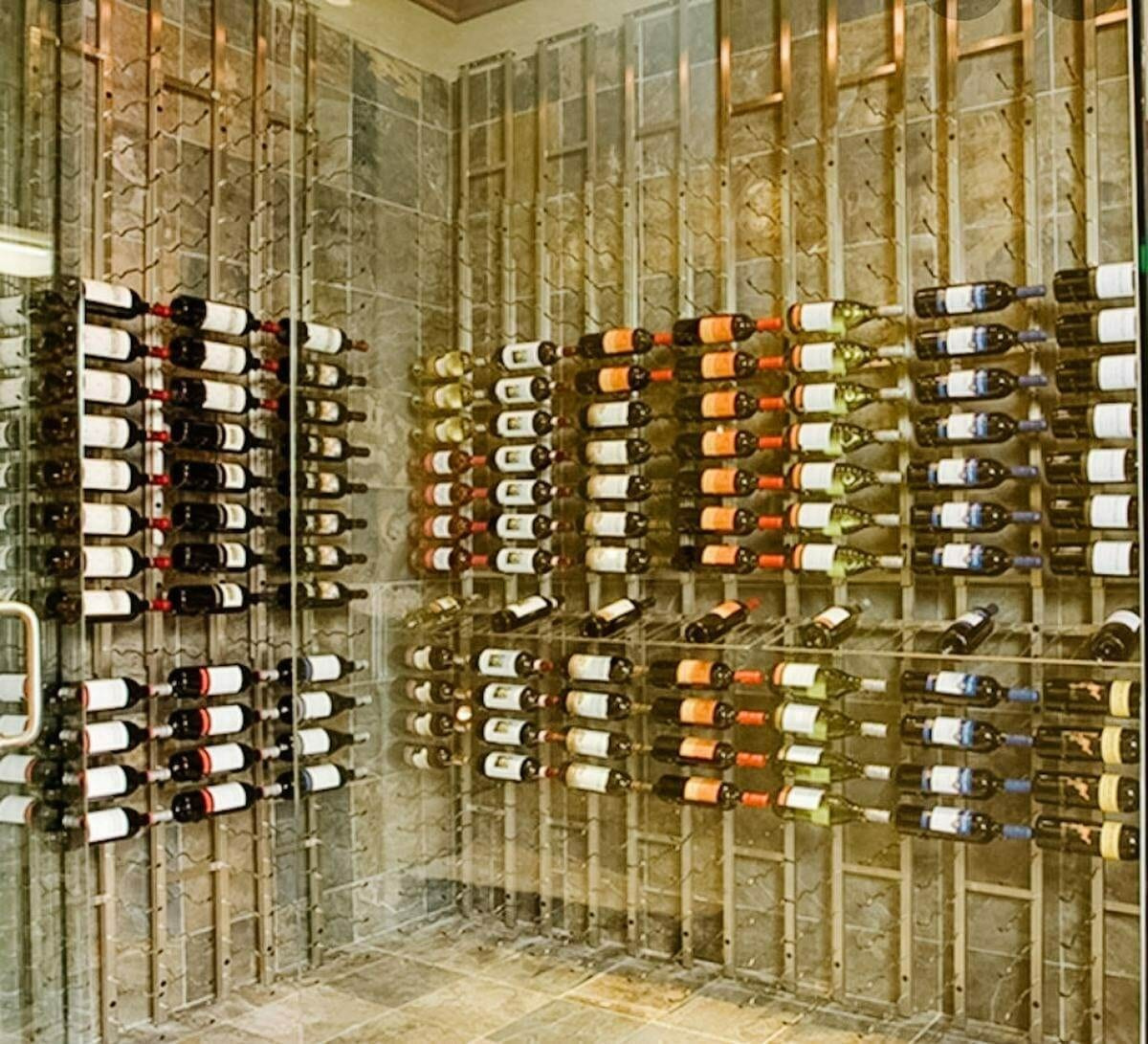
Reserve the footprint of the final arrangement
Mark the loaded rack depth on the floor and show the intended height on the wall. Include baseboards, outlets, light switches, door movement and nearby furniture. If a second column may be added later, make sure the first column's position leaves the appropriate space instead of centering the initial purchase in the whole area.
Keep equipment and service access available in an existing cellar. Check how you will reach the top positions and retrieve bottles near the floor. More vertical storage is useful only when the full configuration remains practical to load, organize and maintain. The room should still work when the planned expansion is in place, not only during the first stage.
Confirm bottle fit before multiplying modules
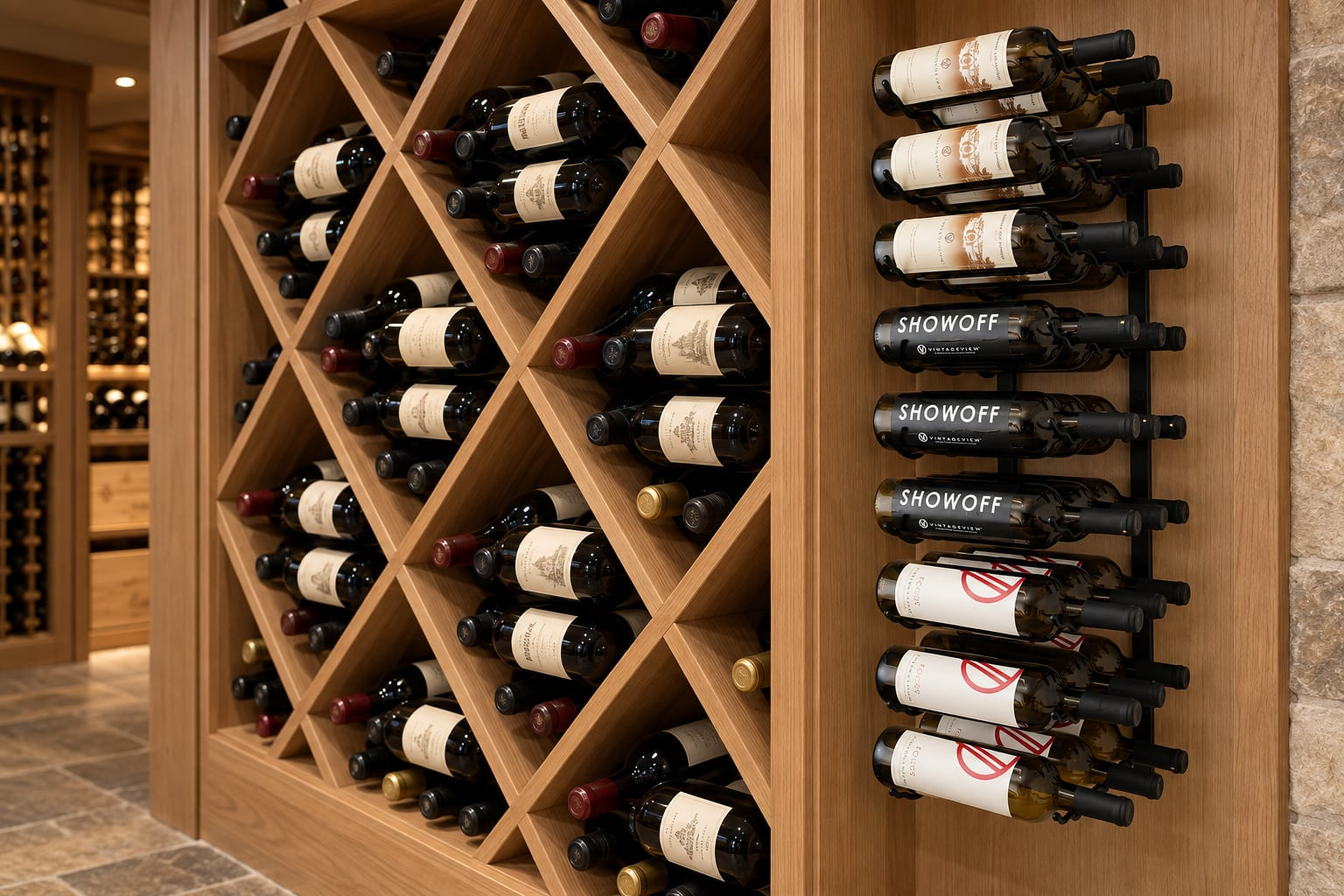
Test the repeated opening against the bottles you buy. Broad sparkling wines, tall bottles and larger formats can change how much of a rack you actually use. If those bottles need a separate arrangement, show it in the expansion plan from the start rather than leaving an unstructured pile beside otherwise orderly racks.
Decide whether repeated wines stay together and how you will identify locations. A simple row or section label may be sufficient. Leave a place for incoming bottles while they are entered into the inventory and assigned storage. Organization makes additional capacity usable; without it, adding modules can simply create more places to search.
Build stages around complete, supported sections
Confirm which initial configuration is complete and usable on its own, and how the next stage is attached or assembled. Do not use an unfinished arrangement while waiting for missing support components. Confirm the mounting surface and the manufacturer's required method for the final configuration before construction begins.
Plan expansion work with bottles removed from the affected area and follow the product's instructions. If you are changing an existing installation, have its condition and compatibility reviewed rather than extending it by resemblance. For a taller or different arrangement, revisit access and attachment as well as the shopping list. The new capacity should be a deliberate addition to a known system.
Compare today's order with the longer plan
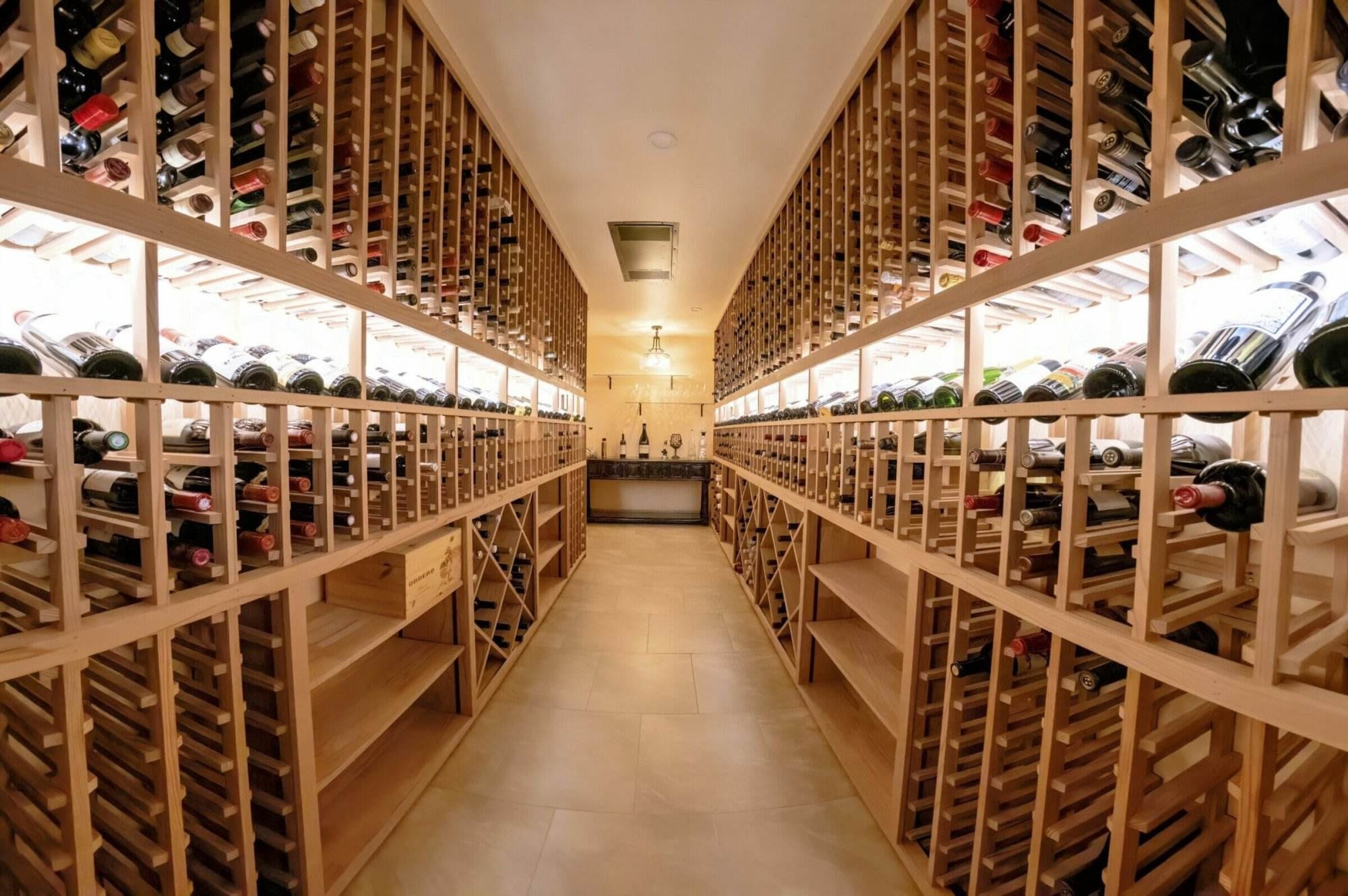
List the modules, connecting parts, assembly, mounting work and delivery for the first stage. Then ask what a later stage would require in addition to more racks. This makes it easier to decide whether to buy in phases or complete the layout during one installation, without relying on an invented savings percentage.
Bring the staged drawing to the Walnut Creek showroom with your San Ramon room measurements and bottle list. Wine Hardware can discuss the rack options and the information needed to confirm fit. If the project also needs climate-controlled storage, consider the room and cooling plan separately; expandable racks do not make an unsuitable storage location suitable on their own.
Questions before you decide
Can I stack any two racks from the same brand?
No. Check compatibility and permitted configurations for the exact components. Similar appearance or a shared brand name does not establish the correct connection, loading or attachment method.
Should I buy all future modules now?
Compare current space, budget and the intended finished arrangement. Ask about availability, but do not assume a finish or component will remain identical indefinitely. A documented expansion plan helps you evaluate either approach.
What is the best place for larger bottles?
Give them dedicated positions that are verified for their dimensions. Include those positions in the overall rack map before repeating standard modules across the whole wall. Actual bottle fit determines the capacity you can use.
Plan expandable racks for your San Ramon collection. Bring the room sketch to Wine Hardware, or call (925) 944-1084 to ask about compatible kits.