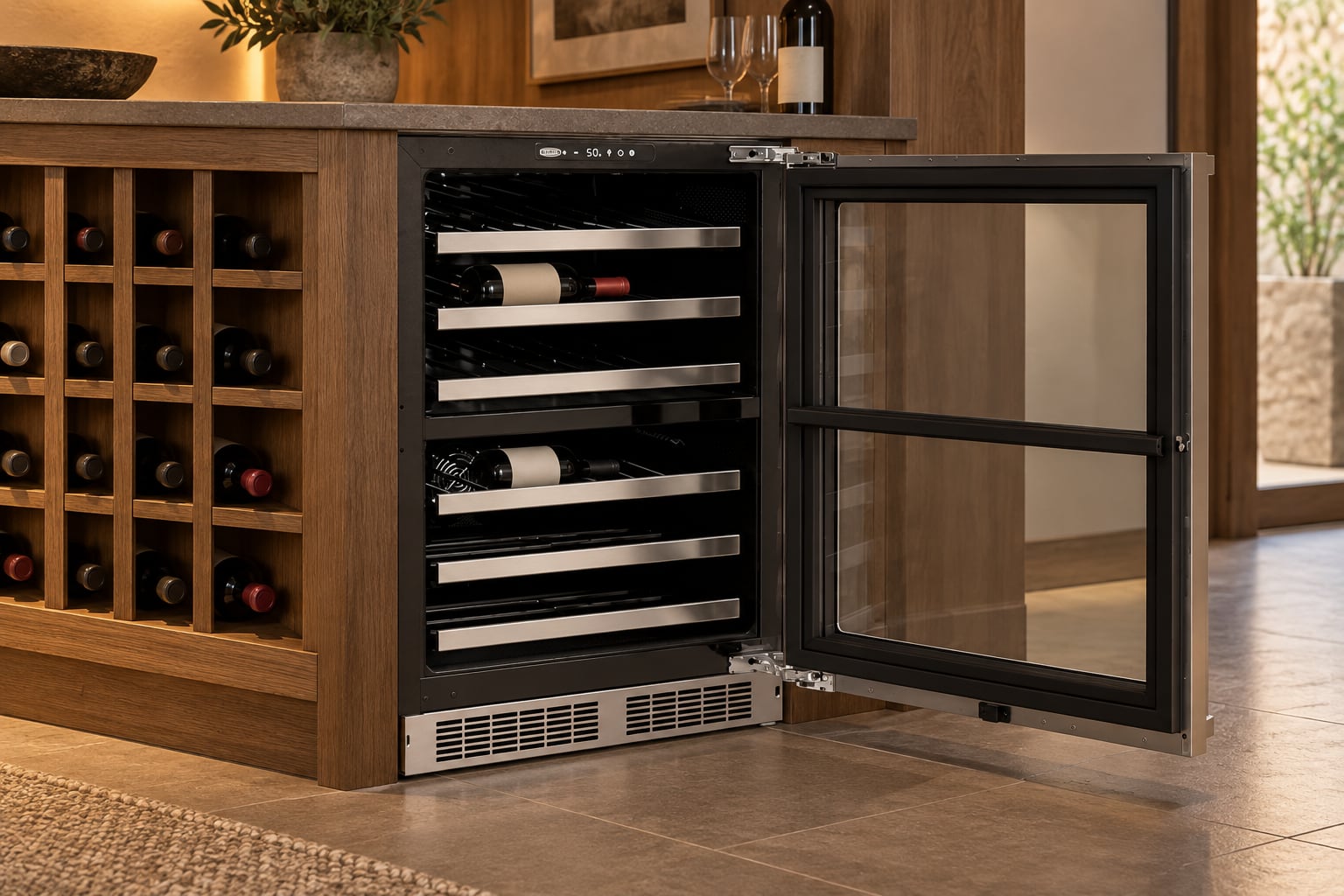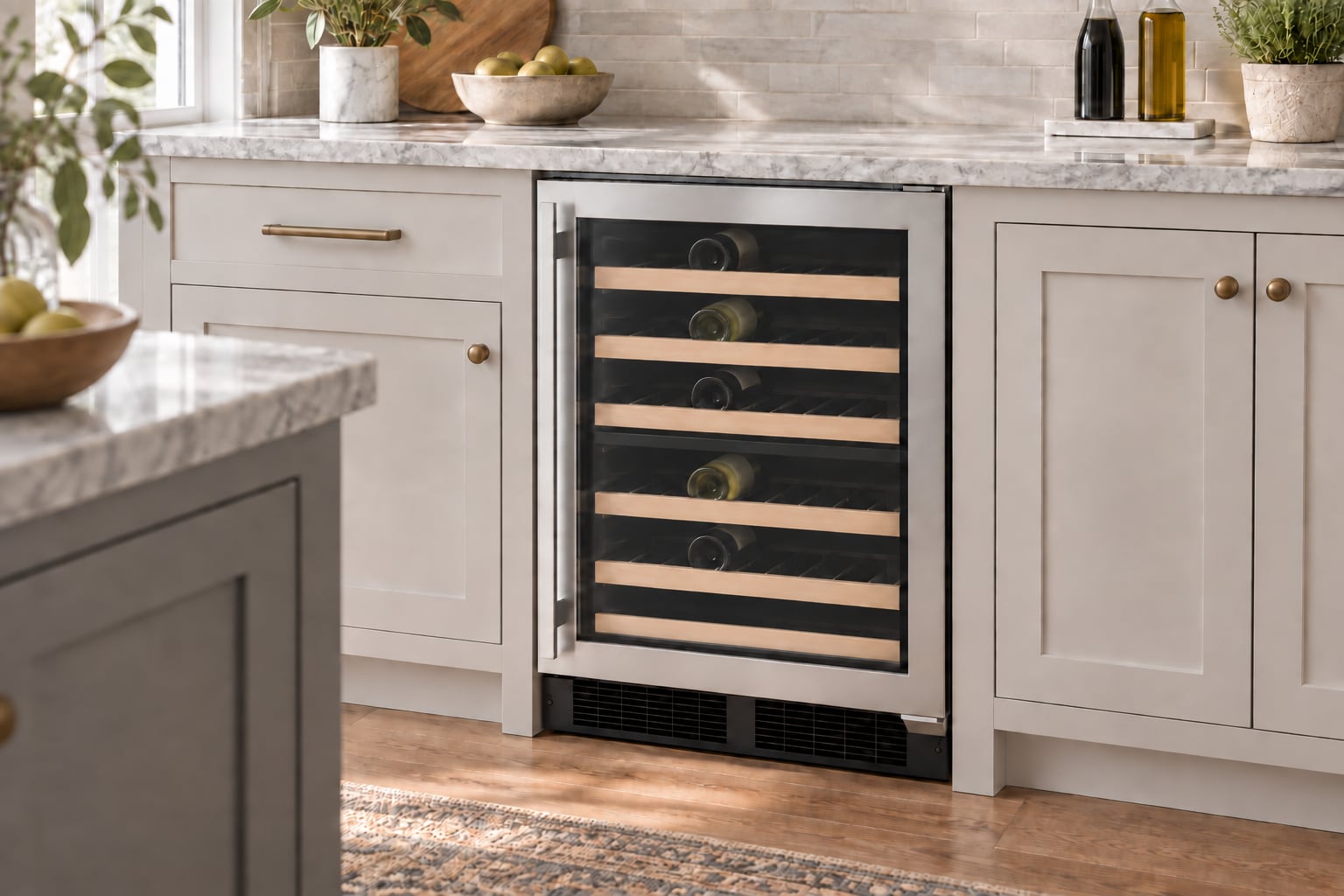
Smoke season is not the week to work out where your cellar's air comes from. Write down the equipment details, room readings and a number to call beforehand. When it happens, follow the county's instructions first. Improvised sealing and filters that block a cooling unit's ventilation give you a second problem on top of the first. Mike can go through your installation now, while nothing is urgent.
The severity of smoke taint can vary depending on several factors, including the grape variety, the timing of exposure during the growing season, and the duration of smoke contact. Research has shown that certain grape varieties are more susceptible to smoke taint than others. For instance, varietals with thinner skins may absorb smoke compounds more readily than those with thicker skins.
Additionally, the timing of smoke exposure is critical; grapes that are exposed to smoke during the ripening phase are more likely to develop taint than those exposed earlier in the growing season. Understanding these dynamics is essential for winemakers who wish to preserve the integrity of their wines and mitigate the risks associated with smoke exposure.

Key Takeaways
- Smoke exposure can negatively impact wine quality by introducing undesirable flavors and aromas, known as smoke taint.
- Sealing techniques such as using impermeable materials for wine storage can help protect wine from smoke exposure.
- Filtering methods like reverse osmosis and carbon filtration can be used to remove smoke compounds from wine.
- Wineries should carefully choose the right filtration equipment based on their specific needs and production scale.
- Best practices for storing and handling wine during smoke events include keeping the wine in airtight containers and monitoring for any signs of smoke taint.
Sealing techniques to protect wine from smoke exposure
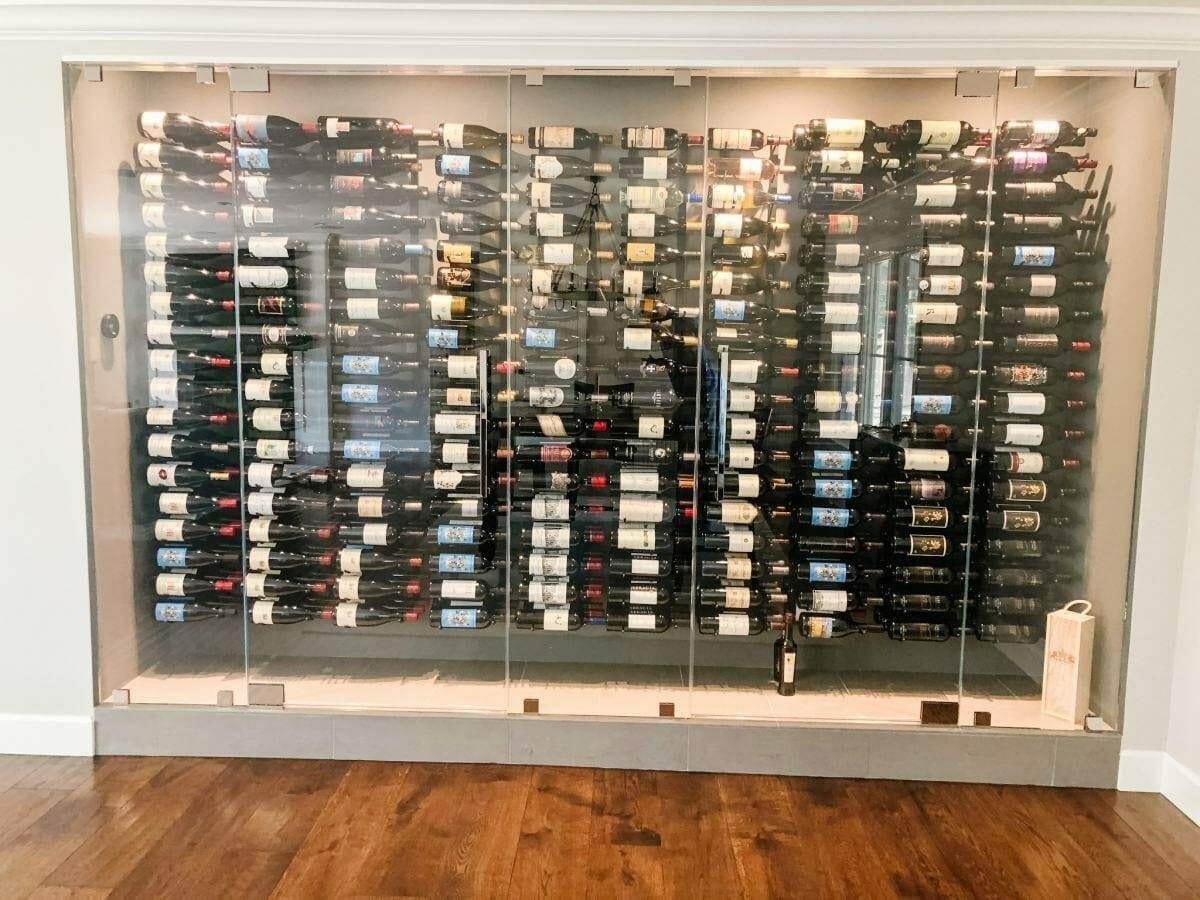
To safeguard wine from the detrimental effects of smoke exposure, effective sealing techniques are paramount. One of the most straightforward methods is to ensure that wine storage areas are well-sealed and insulated. This can involve using high-quality seals on doors and windows, as well as ensuring that any ventilation systems are equipped with filters designed to capture particulate matter and volatile organic compounds associated with smoke.
By creating a controlled environment, winemakers can significantly reduce the risk of smoke infiltration. Another effective sealing technique involves utilizing specialized storage containers or barrels that are designed to minimize exposure to external elements. For instance, using inert gas systems can help displace oxygen in storage tanks and barrels, thereby reducing the likelihood of smoke compounds interacting with the wine.
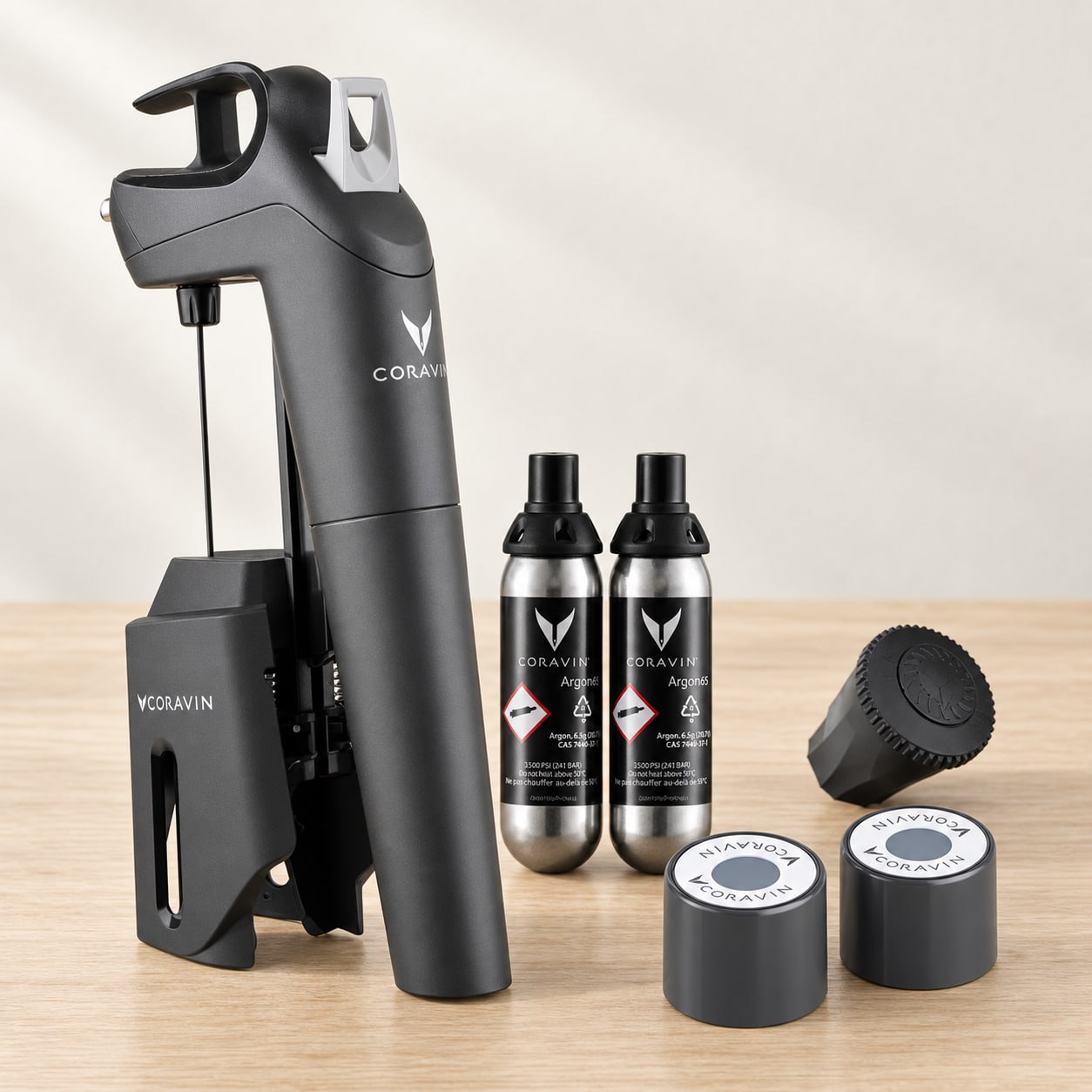
Additionally, employing airtight closures on bottles can further protect the wine from any residual smoke that may linger in the storage environment. These proactive measures are essential for maintaining wine quality during periods of heightened smoke risk.


Filtering methods to remove smoke compounds from wine
Once smoke taint has been identified in wine, filtering methods become crucial for remediation. Various filtration techniques can be employed to remove unwanted compounds and restore the wine’s original character. One common method is activated carbon filtration, which utilizes activated charcoal to adsorb volatile phenolic compounds responsible for smoke taint.
This process can be highly effective; however, it requires careful monitoring to ensure that desirable flavors and aromas are not inadvertently stripped away in the process. Another approach involves using reverse osmosis, a more advanced filtration technique that separates components based on their molecular size. This method allows winemakers to selectively remove unwanted compounds while retaining the essential characteristics of the wine.
While reverse osmosis can be more costly and complex than traditional filtration methods, it offers a high degree of precision in addressing smoke taint. Ultimately, the choice of filtration method will depend on the specific circumstances and desired outcomes for each batch of wine.
Choosing the right filtration equipment for your winery
Selecting appropriate filtration equipment is a critical decision for any winery aiming to combat smoke taint effectively. The right equipment will depend on various factors, including the scale of production, budget constraints, and specific wine styles being produced. For smaller wineries or those just beginning to address smoke taint issues, simpler systems such as gravity-fed filters or basic activated carbon units may suffice.
These options are often more affordable and easier to implement without extensive technical knowledge. For larger operations or those producing premium wines, investing in advanced filtration systems such as cross-flow filters or reverse osmosis units may be warranted. These systems offer greater efficiency and precision in removing unwanted compounds while preserving the integrity of the wine.
Additionally, it is essential to consider factors such as ease of maintenance, compatibility with existing equipment, and the ability to scale up operations in response to future needs. By carefully evaluating these aspects, wineries can make informed decisions that align with their goals for quality and sustainability.
Best practices for storing and handling wine during smoke events
During smoke events, implementing best practices for storing and handling wine is crucial for minimizing potential damage. First and foremost, winemakers should prioritize maintaining optimal storage conditions by monitoring temperature and humidity levels closely. Fluctuations in these parameters can exacerbate the effects of smoke exposure, so maintaining a stable environment is essential.
Additionally, it is advisable to keep wine stored in areas that are less likely to be affected by external smoke infiltration, such as underground cellars or well-sealed storage rooms. Handling practices also play a significant role in preserving wine quality during smoke events. When transferring wine between containers or during bottling processes, minimizing exposure to air is vital.
This can be achieved by using inert gas systems to blanket the wine during transfers or by employing vacuum-sealing techniques. Furthermore, winemakers should remain vigilant about monitoring any signs of smoke taint throughout these processes, allowing for timely interventions if necessary.
Monitoring and testing for smoke taint in wine

Regular monitoring and testing for smoke taint are essential components of a proactive approach to managing wine quality during periods of potential exposure. Various analytical methods can be employed to detect the presence of volatile phenolic compounds associated with smoke taint. Gas chromatography-mass spectrometry (GC-MS) is one such technique that allows for precise identification and quantification of these compounds in wine samples.
In addition to laboratory testing, sensory evaluation plays a crucial role in assessing potential smoke taint. Trained tasting panels can provide valuable insights into any off-flavors or aromas present in the wine, helping winemakers make informed decisions about remediation strategies. By combining analytical testing with sensory evaluation, wineries can develop a comprehensive understanding of their wines’ quality and take appropriate actions to mitigate any negative impacts from smoke exposure.
Tips for preventing smoke taint in the vineyard
Preventing smoke taint begins long before grapes reach the winery; it starts in the vineyard itself. One effective strategy is to implement proactive vineyard management practices that minimize the risk of smoke exposure during critical growth periods. This may include selecting vineyard sites that are less prone to wildfire risk or employing firebreaks and controlled burns to reduce fuel loads around vineyards.
Additionally, maintaining healthy vine canopies can help shield grapes from direct exposure to smoke particles. Practices such as proper pruning and canopy management can enhance airflow and reduce humidity levels within the vineyard, making it less conducive for smoke absorption. Furthermore, timely irrigation practices can help keep vines hydrated and resilient during periods of stress caused by environmental factors like heat or smoke.
Collaborating with experts and industry professionals for smoke taint prevention and mitigation
Collaboration with experts and industry professionals is vital for wineries seeking effective strategies for preventing and mitigating smoke taint. Engaging with viticulturists, enologists, and environmental scientists can provide valuable insights into best practices tailored to specific vineyard conditions and regional challenges. These professionals can offer guidance on vineyard management techniques that minimize fire risk while also enhancing grape quality.
Moreover, participating in industry workshops and seminars focused on smoke taint prevention can foster knowledge sharing among winemakers facing similar challenges. By building a network of support within the industry, wineries can stay informed about emerging research findings and innovative solutions for addressing smoke exposure risks. Ultimately, collaboration not only enhances individual winery practices but also contributes to a collective effort toward improving overall wine quality in regions prone to wildfire events.
FAQs
What are smoke events and how do they affect wine?
Smoke events occur when wildfires produce smoke that can settle on grapevines and affect the flavor of the grapes. This can result in a smoky or ashy taste in the wine produced from these grapes.
How can wine be protected during smoke events?
Wine can be protected during smoke events by sealing it in airtight containers to prevent the smoke from affecting its flavor. Filtering the wine using specialized filtration systems can also help remove any smoke-related compounds.
What are some tips for sealing wine during smoke events?
During smoke events, it is important to seal wine in airtight containers such as barrels, tanks, or bottles to prevent the smoke from affecting its flavor. It is also important to monitor the seals to ensure they remain intact.
What are some tips for filtering wine during smoke events?
Filtering wine during smoke events can help remove any smoke-related compounds. Using specialized filtration systems such as reverse osmosis or activated carbon filters can be effective in removing these compounds from the wine. It is important to work with a professional to determine the best filtration method for the specific situation.

Add an overline
Add a compelling title for your section to engage your audience.
Mike can help you identify which cellar enclosure details to discuss with the responsible specialist. Call (925) 944-1084 with your room photos and collection goals to begin the discussion.