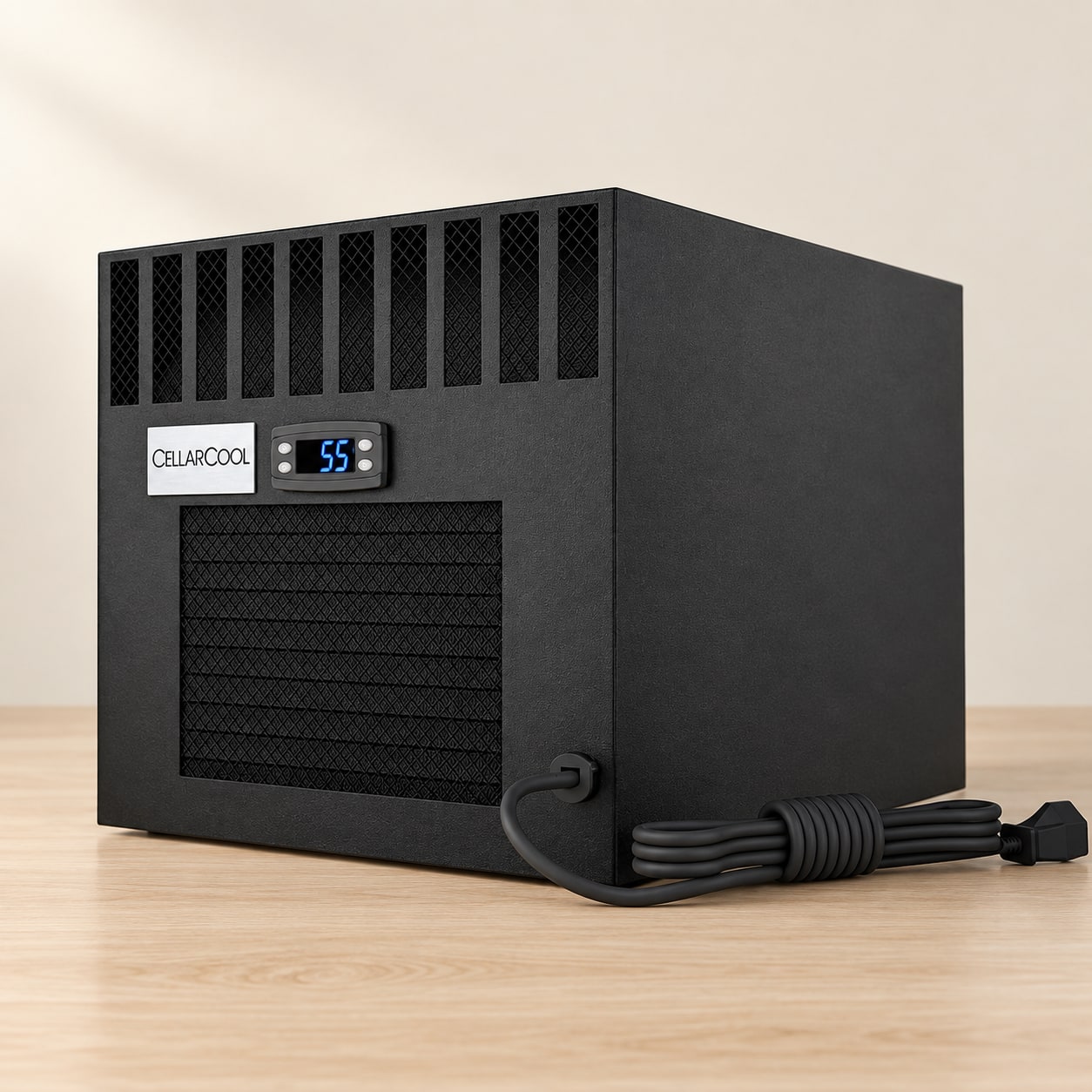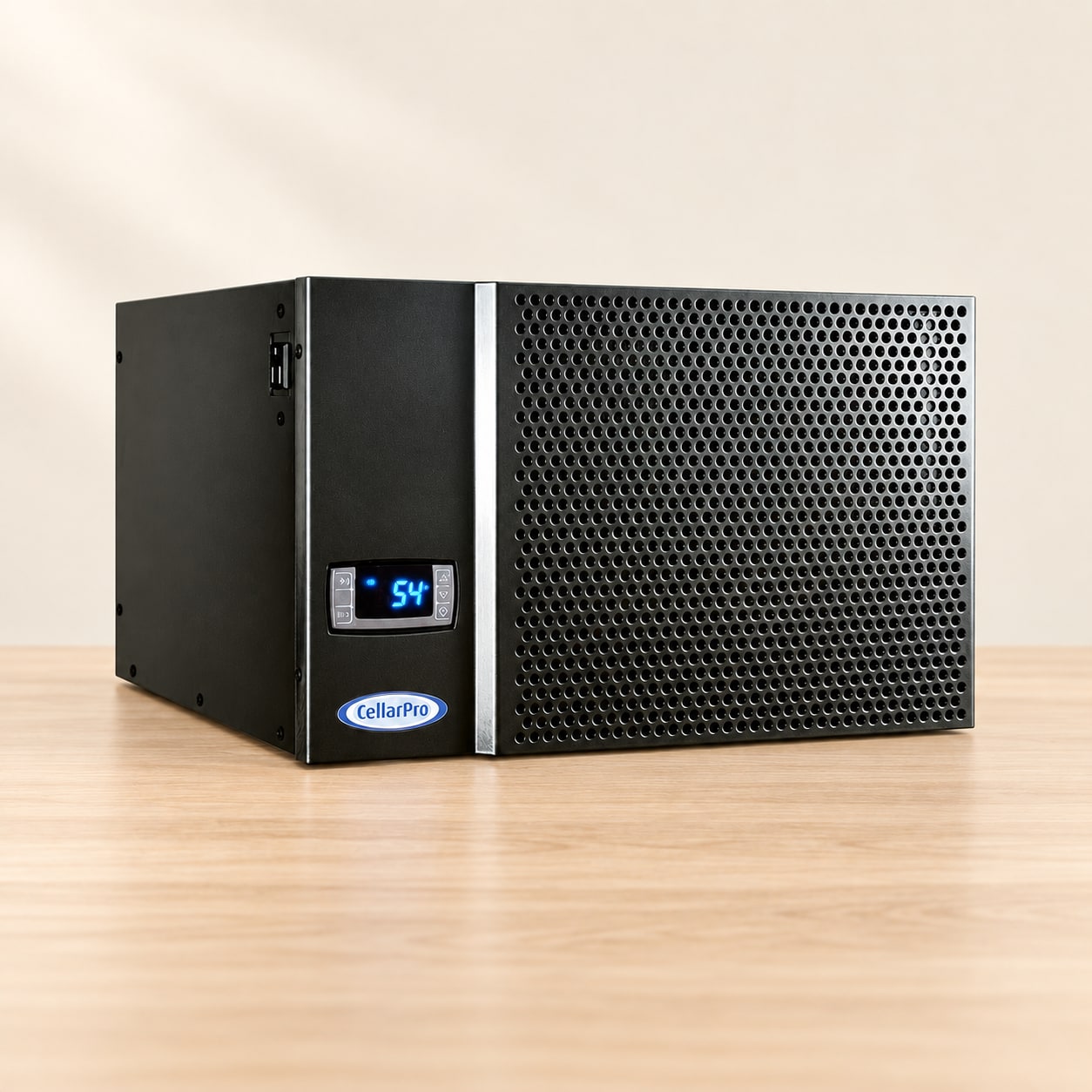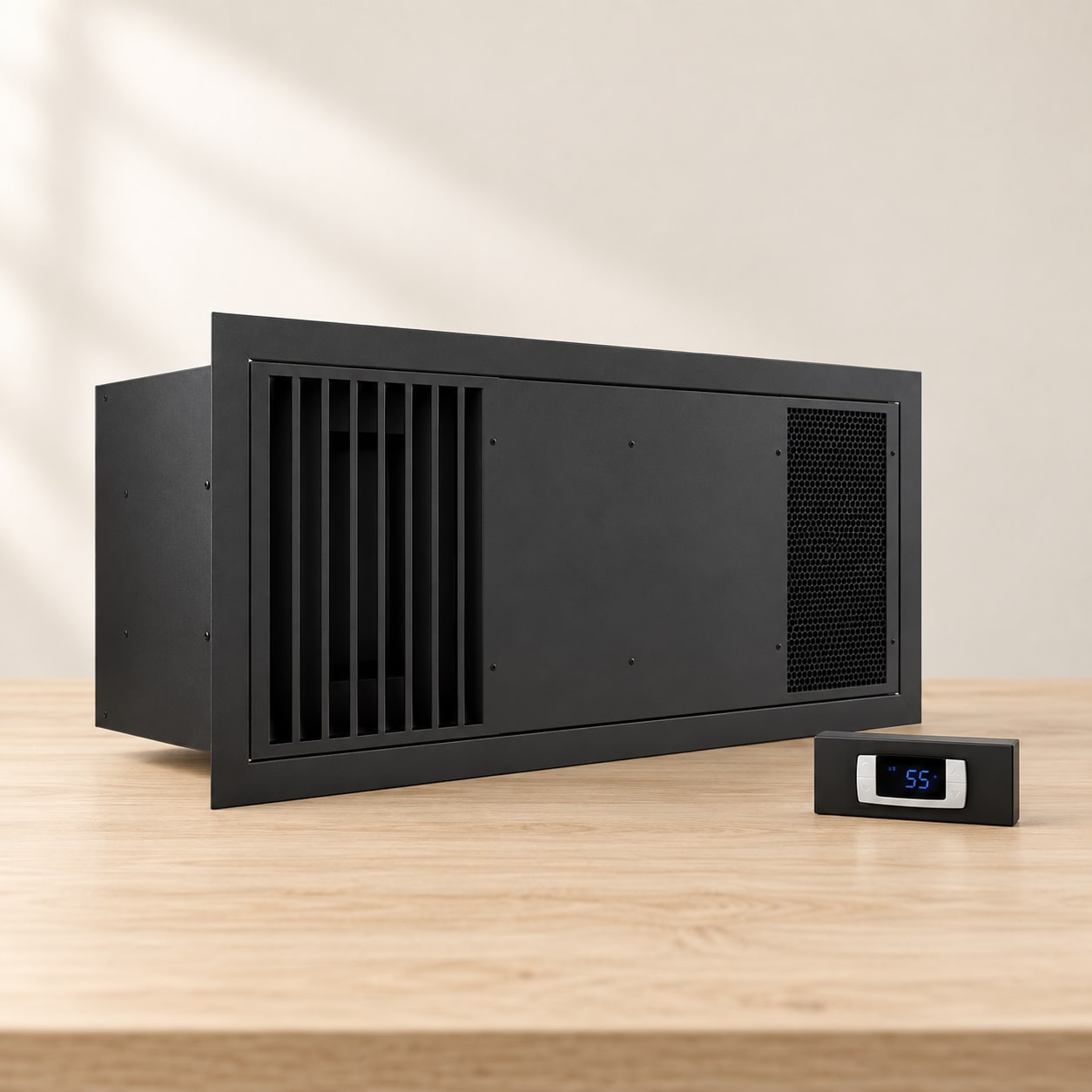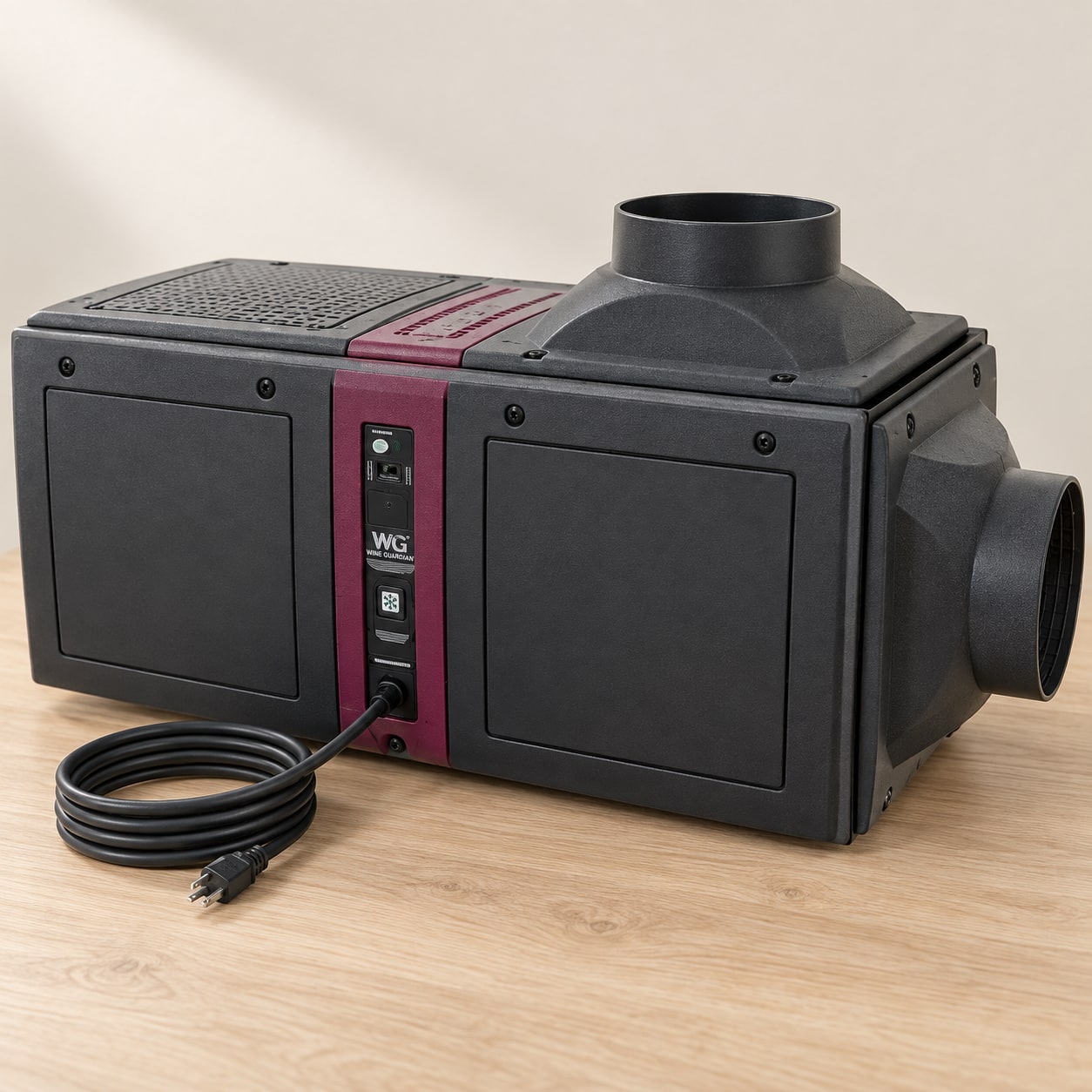
A damp Pacifica cellar needs the moisture source understood before new racks or finishes are added. Record where problems appear and when they recur, then seek an appropriate building assessment so storage improvements address the room rather than conceal a recurring condition. At Wine Hardware in Walnut Creek, we help turn those decisions into a cellar plan. Bring room photos, a rough sketch and your collection goals to start the conversation.
The organic materials found in wine, corks, and even the wooden racks can serve as food sources for mold spores, which can lead to significant damage not only to the wine itself but also to the structural integrity of the cellar. Understanding the risk of mold is crucial for anyone looking to maintain a wine cellar. Mold can develop rapidly, often going unnoticed until it has caused considerable harm.
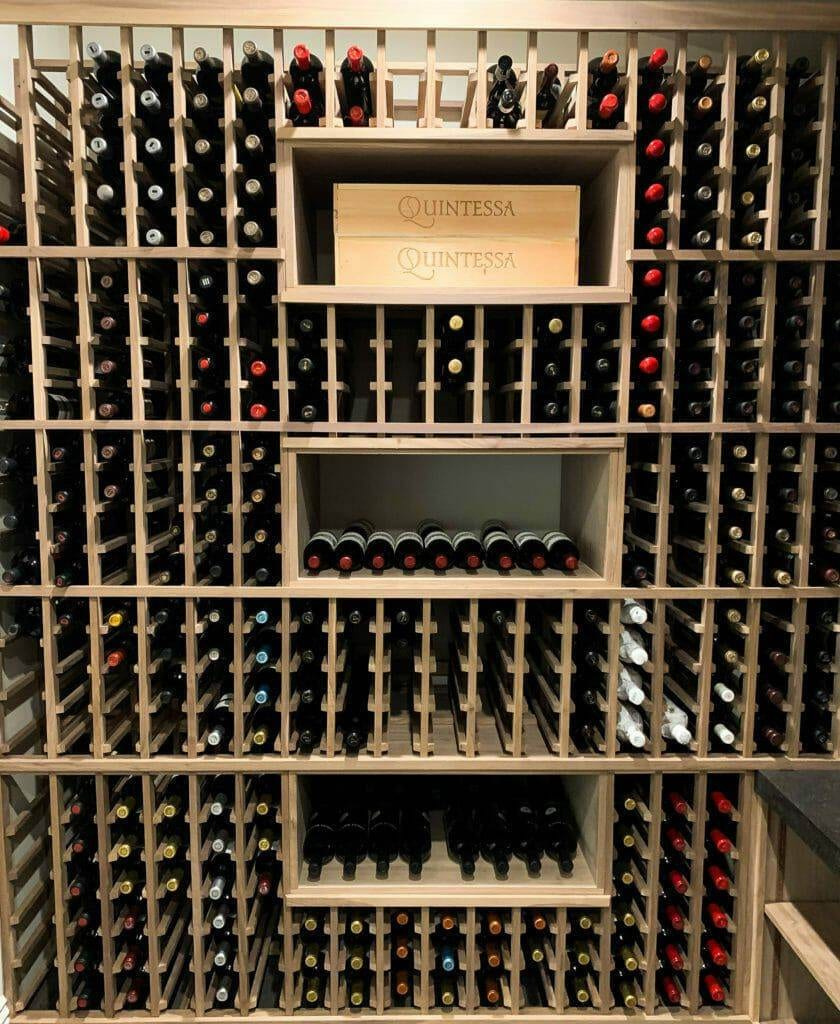
The presence of mold can compromise the quality of wine, leading to off-flavors and aromas that can ruin an otherwise perfect vintage. Additionally, mold can pose health risks to individuals who are sensitive or allergic to it. Therefore, recognizing the signs of mold growth and understanding the environmental factors that contribute to its development is essential for any wine enthusiast or collector.
Key Takeaways
- Subterranean cellars are at high risk for mold growth due to their underground location and potential for moisture buildup.
- Proper ventilation and air circulation are essential for preventing mold growth in subterranean cellars.
- Controlling humidity levels through dehumidifiers and proper insulation can help prevent mold growth in subterranean cellars.
- Regular inspection and maintenance of subterranean cellars is crucial for identifying and addressing potential mold issues.
- Using mold-resistant materials such as mold-resistant paint and moisture-resistant flooring can help prevent mold growth in subterranean cellars.
- Proper storage and organization of items in subterranean cellars can help prevent moisture buildup and mold growth.
- Addressing water intrusion and drainage issues is essential for preventing mold growth in subterranean cellars.
- Professional mold remediation and prevention services can help address and prevent mold issues in subterranean cellars.
Proper Ventilation and Air Circulation
Effective ventilation and air circulation are vital components in preventing mold growth in subterranean cellars. Stagnant air can lead to increased humidity levels, creating an ideal environment for mold spores to thrive. To combat this, it is essential to ensure that air can flow freely throughout the cellar.
This can be achieved by installing vents or using fans to promote air movement. Proper ventilation not only helps to reduce humidity but also aids in maintaining a consistent temperature, which is crucial for wine storage. In addition to mechanical ventilation, natural ventilation methods can also be employed.
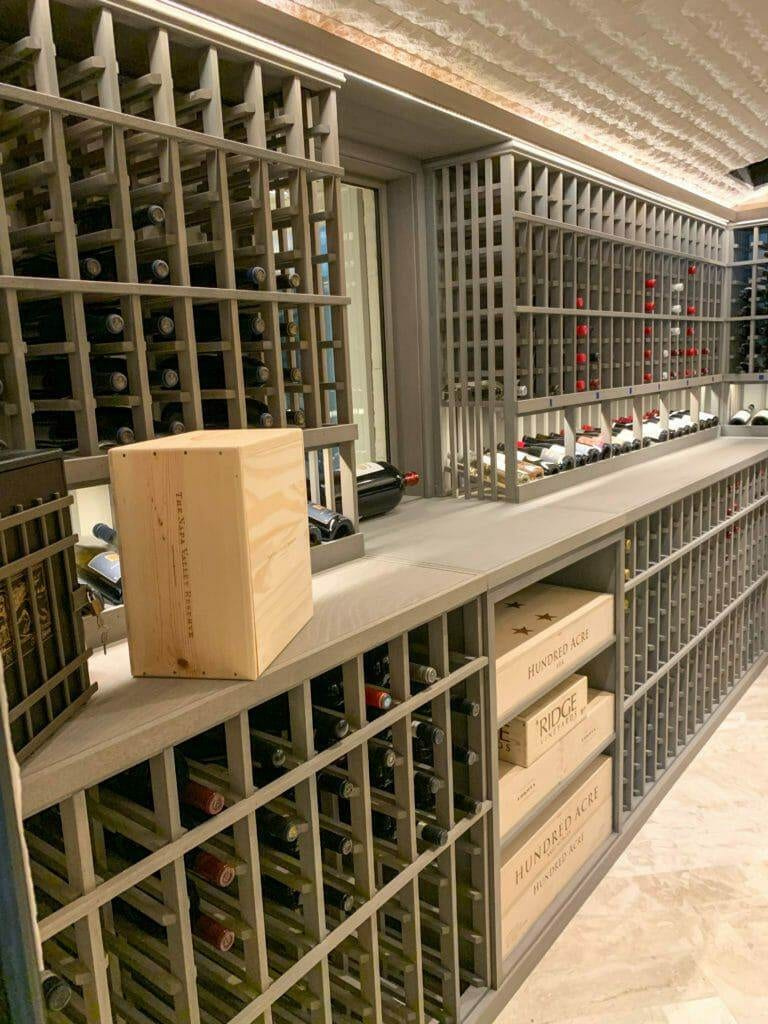
For instance, strategically placed windows or vents that can be opened during dry weather can help introduce fresh air into the cellar. However, care must be taken to avoid introducing outside contaminants or excessive heat. A well-ventilated cellar will not only deter mold growth but will also enhance the overall quality of the stored wine by allowing it to breathe and mature properly.
Controlling Humidity Levels
Humidity control is a critical factor in maintaining a mold-free environment in subterranean cellars. Ideally, humidity levels should be kept between 50% and 70%. When humidity levels exceed this range, the risk of mold growth increases significantly.
To manage humidity effectively, it is advisable to invest in a hygrometer to monitor moisture levels regularly. This device provides real-time data on humidity, allowing for timely interventions if levels become too high. There are several methods to control humidity in a wine cellar.
Dehumidifiers are one of the most effective tools for reducing excess moisture in the air. These devices work by extracting moisture from the air, thereby lowering humidity levels and creating an inhospitable environment for mold. Additionally, using moisture-absorbing materials such as silica gel or activated charcoal can help maintain optimal humidity levels.
By actively managing humidity, wine collectors can protect their valuable collections from the damaging effects of mold.
Regular Inspection and Maintenance
Regular inspection and maintenance are essential practices for preventing mold growth in subterranean cellars. Conducting routine checks allows cellar owners to identify potential issues before they escalate into significant problems. During inspections, it is important to look for signs of moisture accumulation, such as water stains on walls or ceilings, as well as any visible mold growth.
Early detection is key; addressing these issues promptly can save both time and money in the long run. Maintenance tasks should include cleaning surfaces regularly and ensuring that any spills or leaks are addressed immediately. Additionally, inspecting insulation and sealing any gaps or cracks in walls and floors can help prevent moisture intrusion.
By establishing a regular maintenance schedule, wine collectors can create a proactive approach to mold prevention, ensuring that their cellars remain safe and conducive to optimal wine storage.
Using Mold-Resistant Materials
Incorporating mold-resistant materials into the construction and design of a subterranean cellar can significantly reduce the risk of mold growth. When building or renovating a cellar, selecting materials that are less prone to moisture absorption is crucial. For example, using mold-resistant drywall or paint can help inhibit mold development on walls.
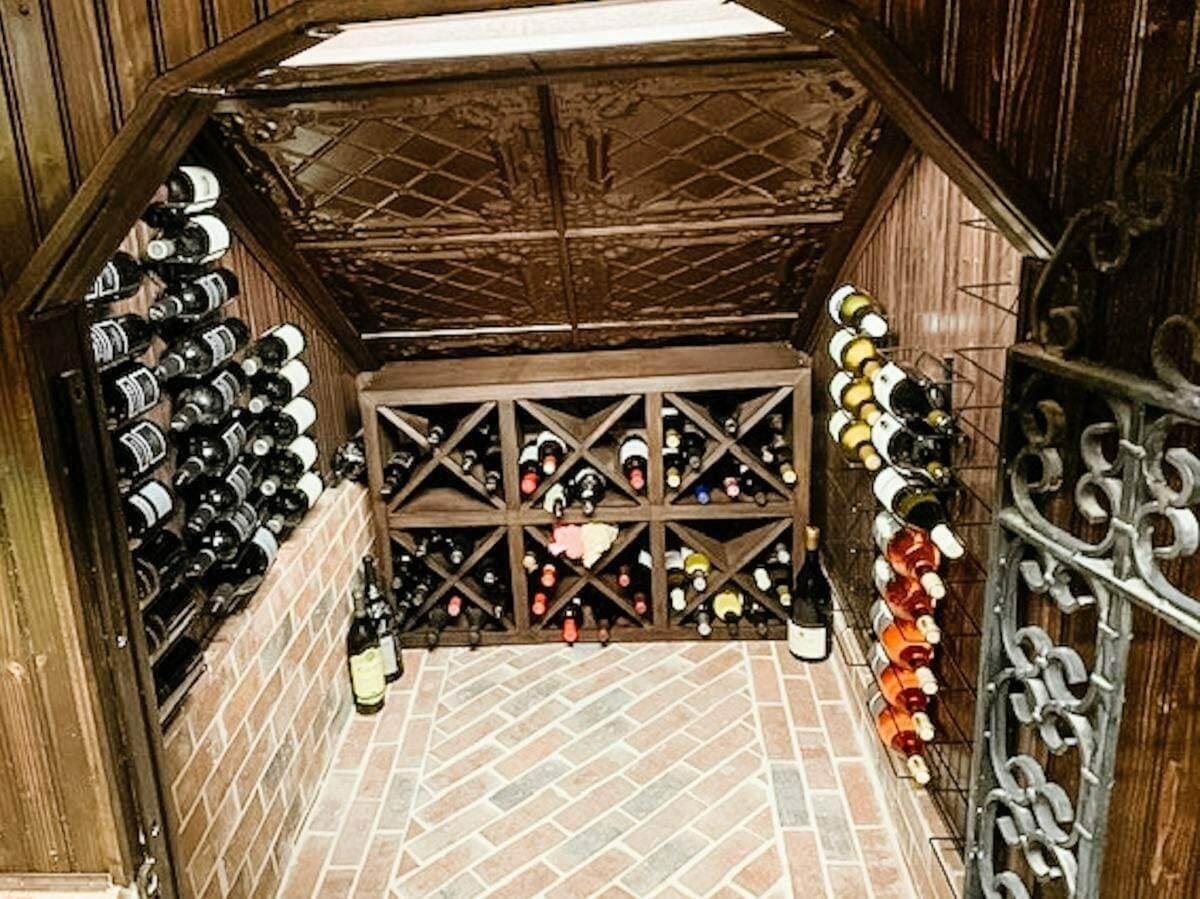
Similarly, choosing flooring materials that are resistant to moisture—such as tile or sealed concrete—can further protect against mold. In addition to structural materials, it is also wise to consider the storage solutions used within the cellar. Wine racks made from treated wood or metal are less likely to harbor mold compared to untreated wood options.
By investing in mold-resistant materials from the outset, cellar owners can create a more resilient environment that minimizes the likelihood of mold infestations.
Proper Storage and Organization
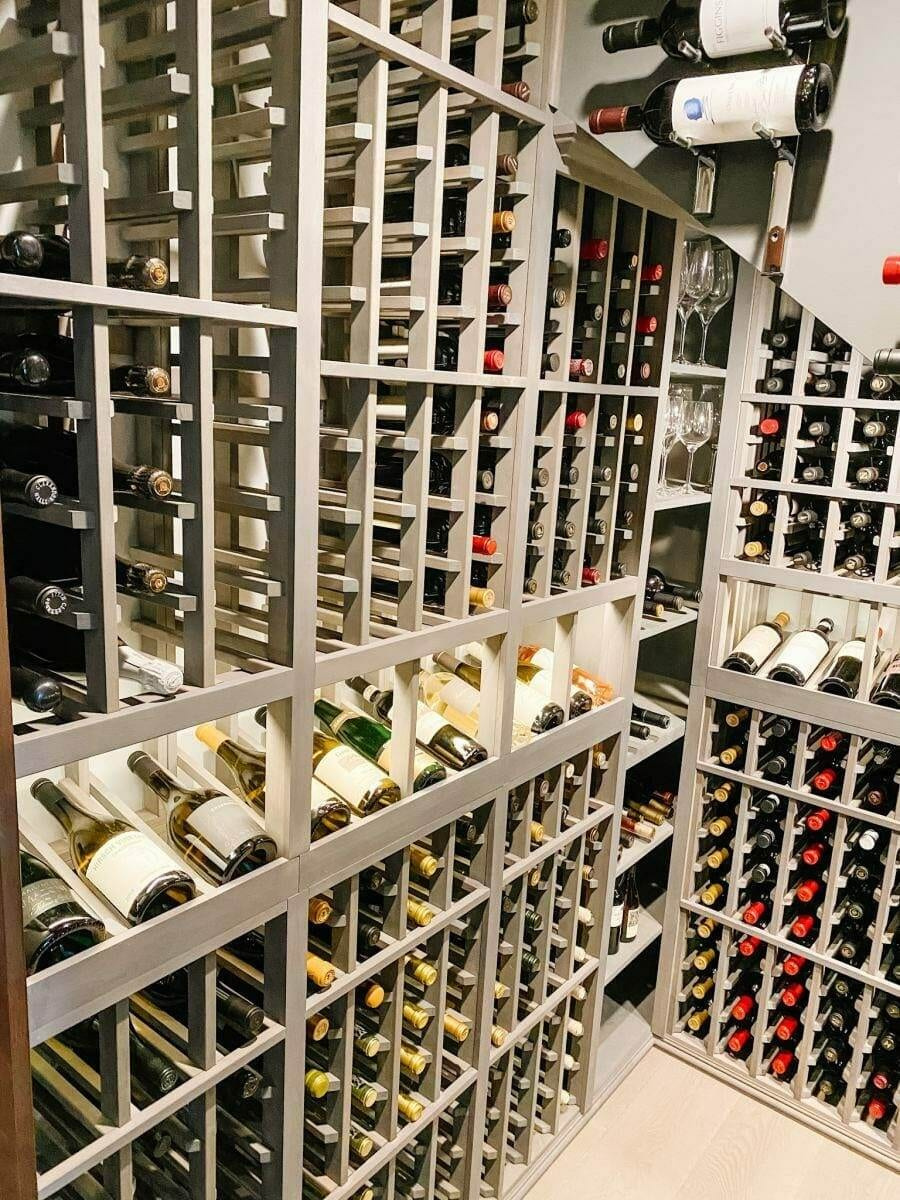
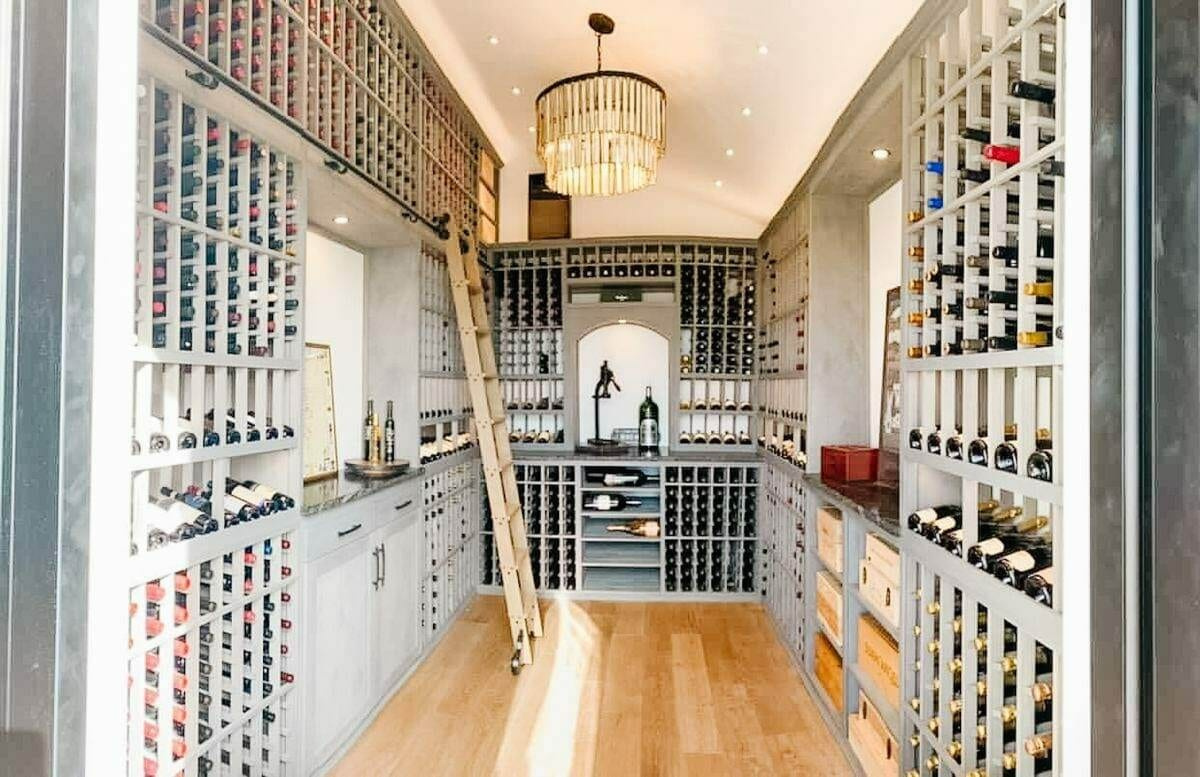
Proper storage and organization within a subterranean cellar play a significant role in preventing mold growth. Overcrowding shelves with bottles can restrict airflow and create pockets of stagnant air where moisture can accumulate. To mitigate this risk, it is essential to organize wine bottles in a way that allows for adequate spacing between them.
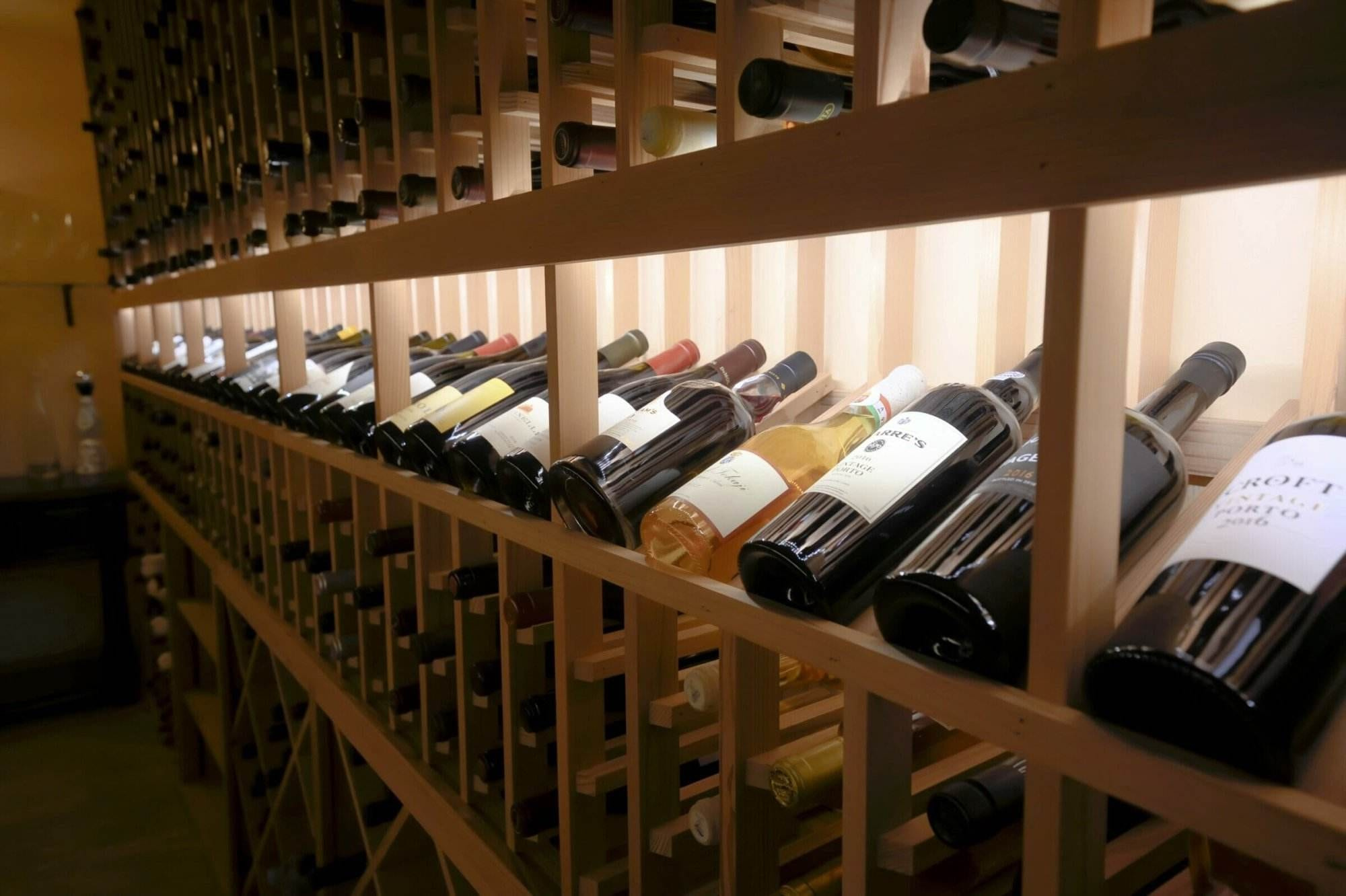
This not only promotes better air circulation but also makes it easier to monitor each bottle for any signs of spoilage or mold. Additionally, storing wine bottles horizontally is recommended as it keeps the cork moist and prevents it from drying out. However, care should be taken to ensure that bottles are not stored too tightly together, as this can lead to increased humidity levels around individual bottles.
By implementing thoughtful storage practices, wine collectors can create an environment that supports both the preservation of their collection and the prevention of mold growth.
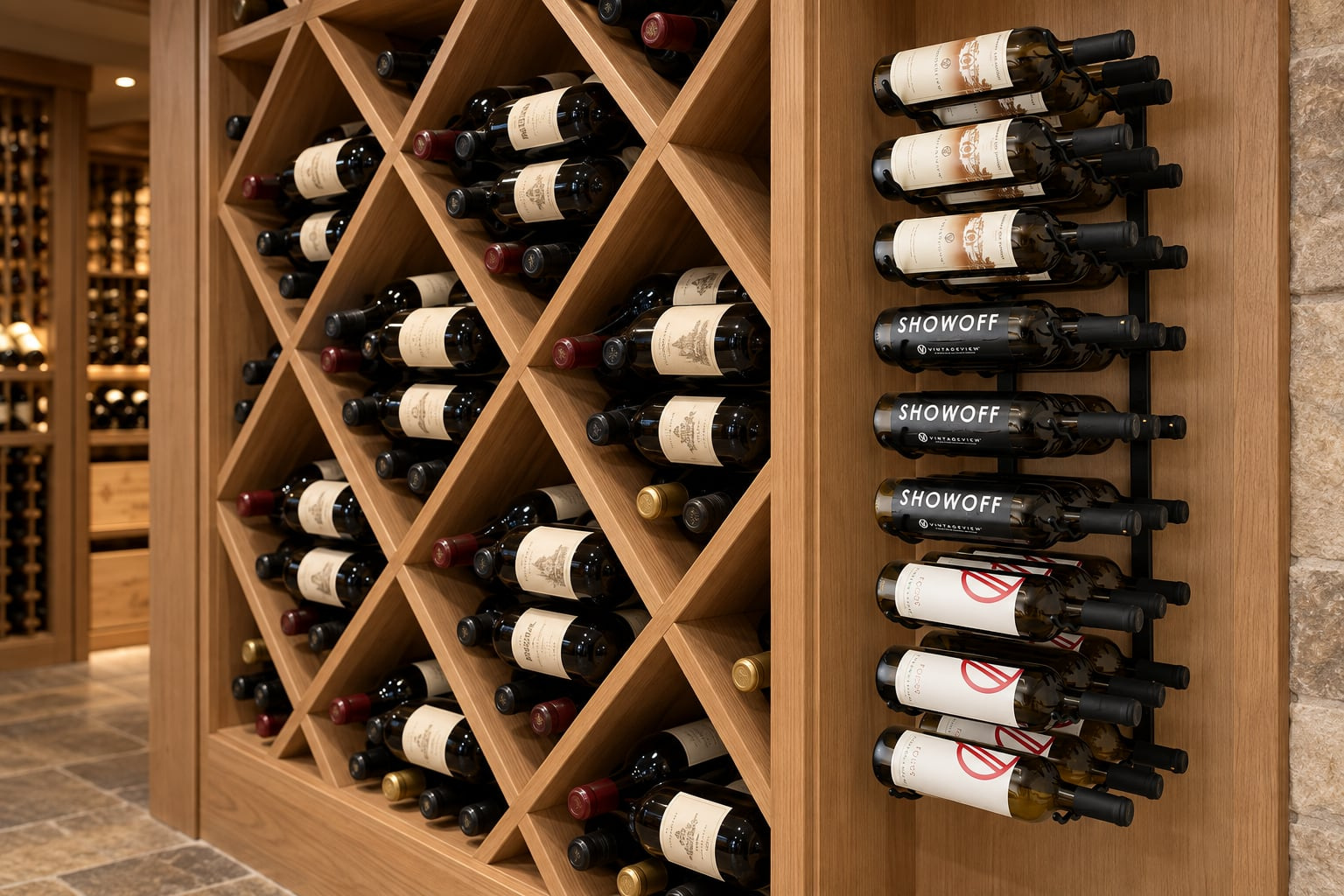
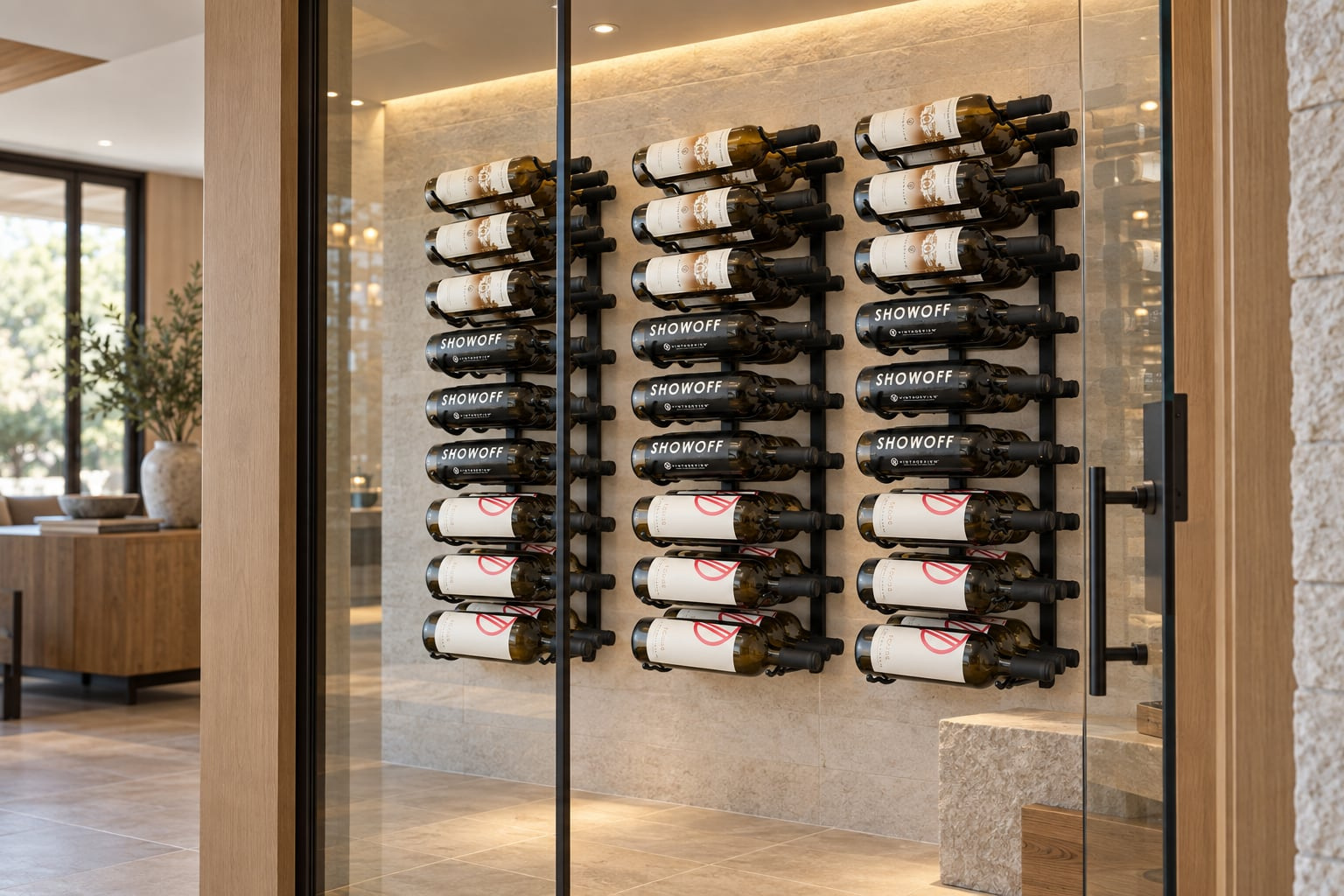
Addressing Water Intrusion and Drainage Issues
Water intrusion and drainage issues are significant contributors to mold growth in subterranean cellars. It is essential to assess the surrounding landscape and ensure that water is directed away from the foundation of the cellar. Proper grading and drainage systems should be installed to prevent water from pooling near the entrance or walls of the cellar.
Additionally, gutters and downspouts should be maintained regularly to ensure they are functioning correctly and directing water away from the structure. If water intrusion does occur, it is crucial to address it immediately. This may involve sealing cracks in walls or floors with waterproof sealants or installing sump pumps to remove excess water from the cellar.
By proactively managing drainage issues and addressing any water intrusion promptly, wine collectors can significantly reduce the risk of mold growth and protect their valuable collections.
Professional Mold Remediation and Prevention Services
For those who find themselves facing significant mold issues in their subterranean cellars, seeking professional mold remediation services may be necessary. These experts have the knowledge and tools required to effectively identify and eliminate mold infestations while ensuring that underlying causes are addressed. Professional services often include thorough inspections, testing for mold spores, and comprehensive cleaning protocols that go beyond what an individual might achieve on their own.
In addition to remediation services, many professionals also offer preventive solutions tailored specifically for wine cellars. This may include recommendations for ventilation systems, humidity control measures, and ongoing maintenance plans designed to keep mold at bay long-term. By investing in professional services, wine collectors can ensure that their cellars remain safe environments for their prized collections while minimizing future risks associated with mold growth.
In conclusion, maintaining a subterranean wine cellar requires careful attention to various factors that contribute to mold growth. From understanding the risks associated with these unique environments to implementing effective ventilation strategies and controlling humidity levels, each step plays a vital role in preserving both the quality of the wine and the integrity of the cellar itself. Regular inspections, using mold-resistant materials, proper storage practices, addressing drainage issues, and seeking professional assistance when necessary are all essential components of a comprehensive approach to mold prevention.
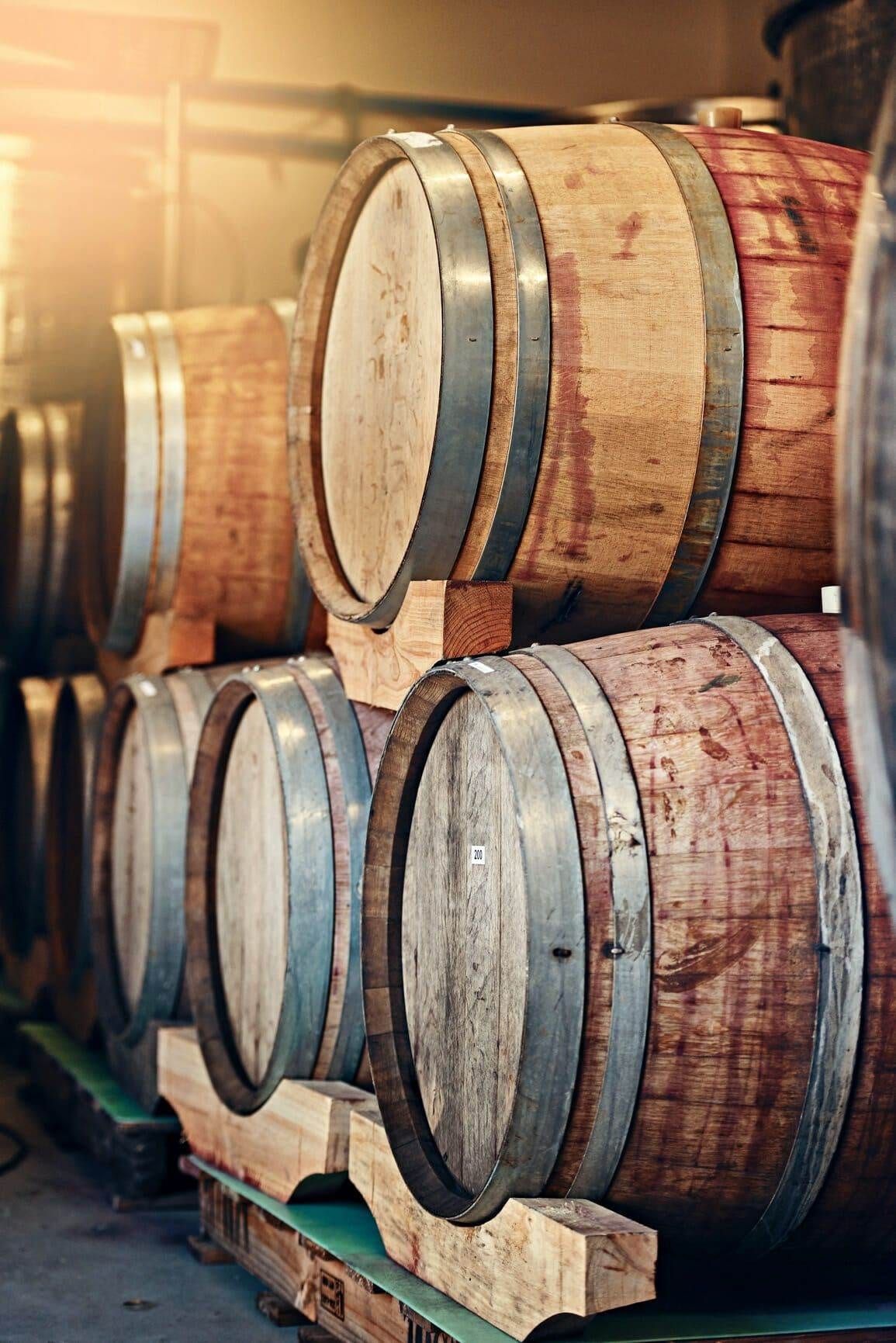
By taking these proactive measures, wine enthusiasts can enjoy their collections with peace of mind, knowing they have created an optimal environment for aging their wines while safeguarding against unwanted mold infestations.
FAQs
What are the common causes of mold in subterranean cellars in coastal Pacifica?
The common causes of mold in subterranean cellars in coastal Pacifica include high humidity levels, poor ventilation, water leaks or flooding, and organic materials such as wood or cardboard that provide a food source for mold.
How can I prevent mold in my subterranean cellar in coastal Pacifica?
To prevent mold in a subterranean cellar in coastal Pacifica, it is important to control humidity levels, improve ventilation, address any water leaks or flooding, and minimize the presence of organic materials that can support mold growth.
What are some tips for controlling humidity in a subterranean cellar?
Tips for controlling humidity in a subterranean cellar include using a dehumidifier, installing a vapor barrier, sealing any cracks or openings where moisture can enter, and using moisture-absorbing materials such as silica gel or calcium chloride.
How can I improve ventilation in my subterranean cellar?
Improving ventilation in a subterranean cellar can be achieved by installing exhaust fans, opening windows or vents when weather permits, and using air circulation fans to keep the air moving.
What should I do if I discover water leaks or flooding in my subterranean cellar?
If you discover water leaks or flooding in your subterranean cellar, it is important to address the source of the water and repair any leaks or drainage issues. It is also important to thoroughly dry and clean the affected area to prevent mold growth.
Are there any specific building materials or products that can help prevent mold in subterranean cellars?
Using mold-resistant building materials such as mold-resistant drywall, paint, and insulation can help prevent mold growth in subterranean cellars. Additionally, using moisture-resistant flooring materials such as tile or vinyl can also help prevent mold.
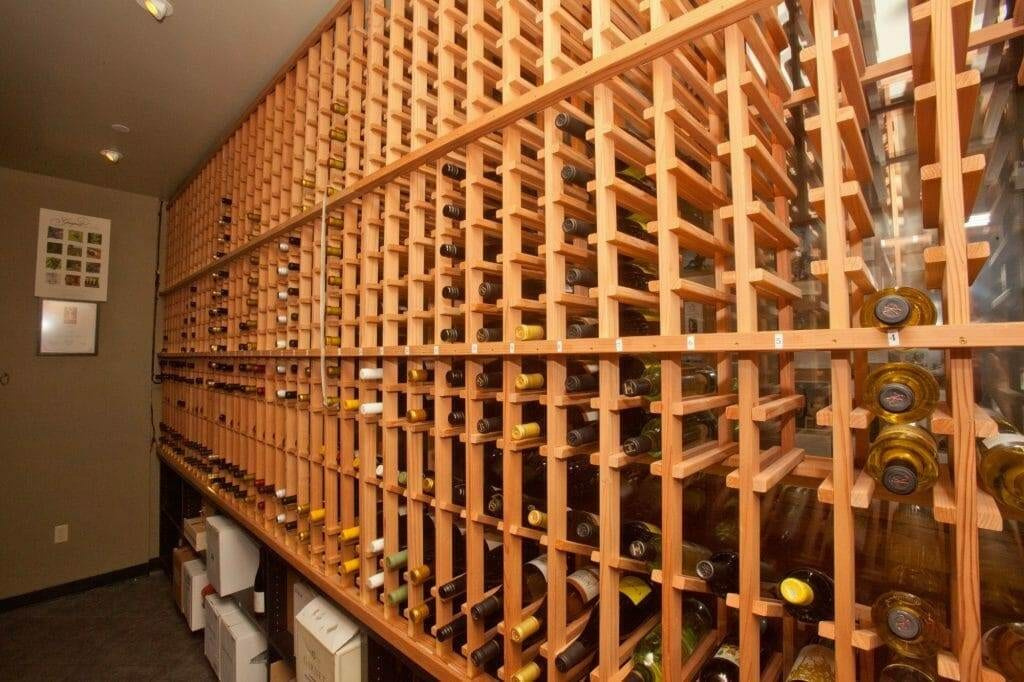
Mold Prevention Tips for Subterranean Cellars in Coastal Pacifica: Essential Strategies to Keep Your Underground Space Dry and Healthy
Shield Your Subterranean Cellar in Coastal Pacifica: Proven Mold Prevention Strategies for a Dry, Safe Space
You can review cellar equipment choices alongside the enclosure questions for your Pacifica project team with Mike. Start at (925) 944-1084 with photos of the room and your collection goals in mind.