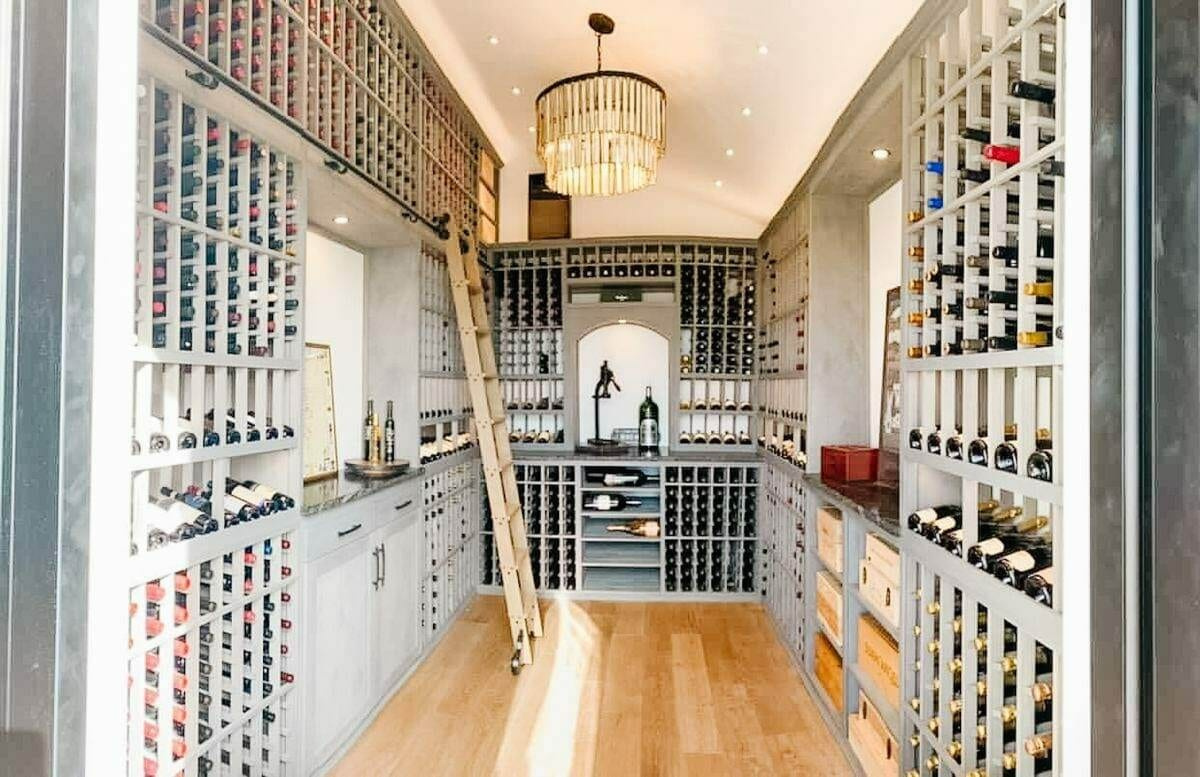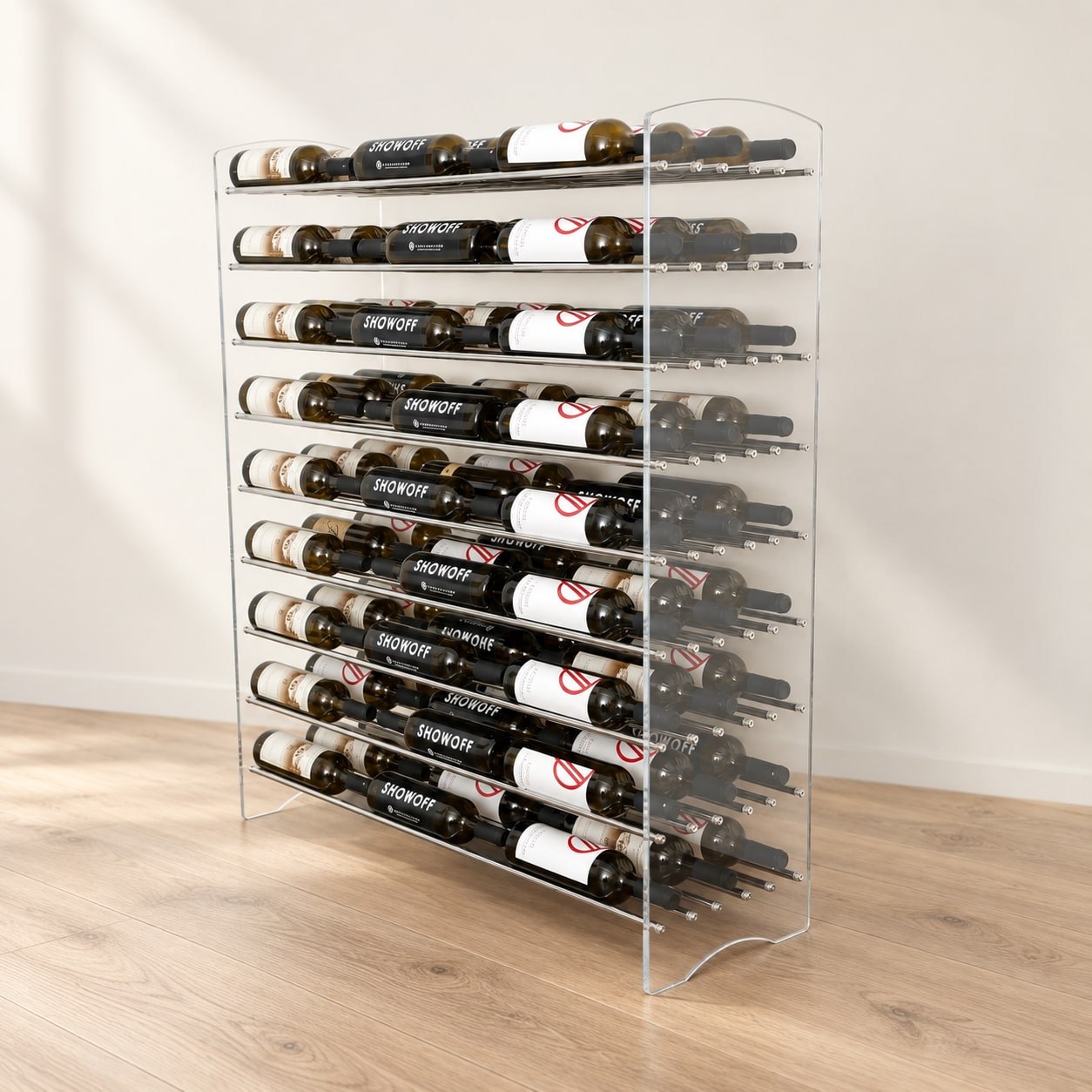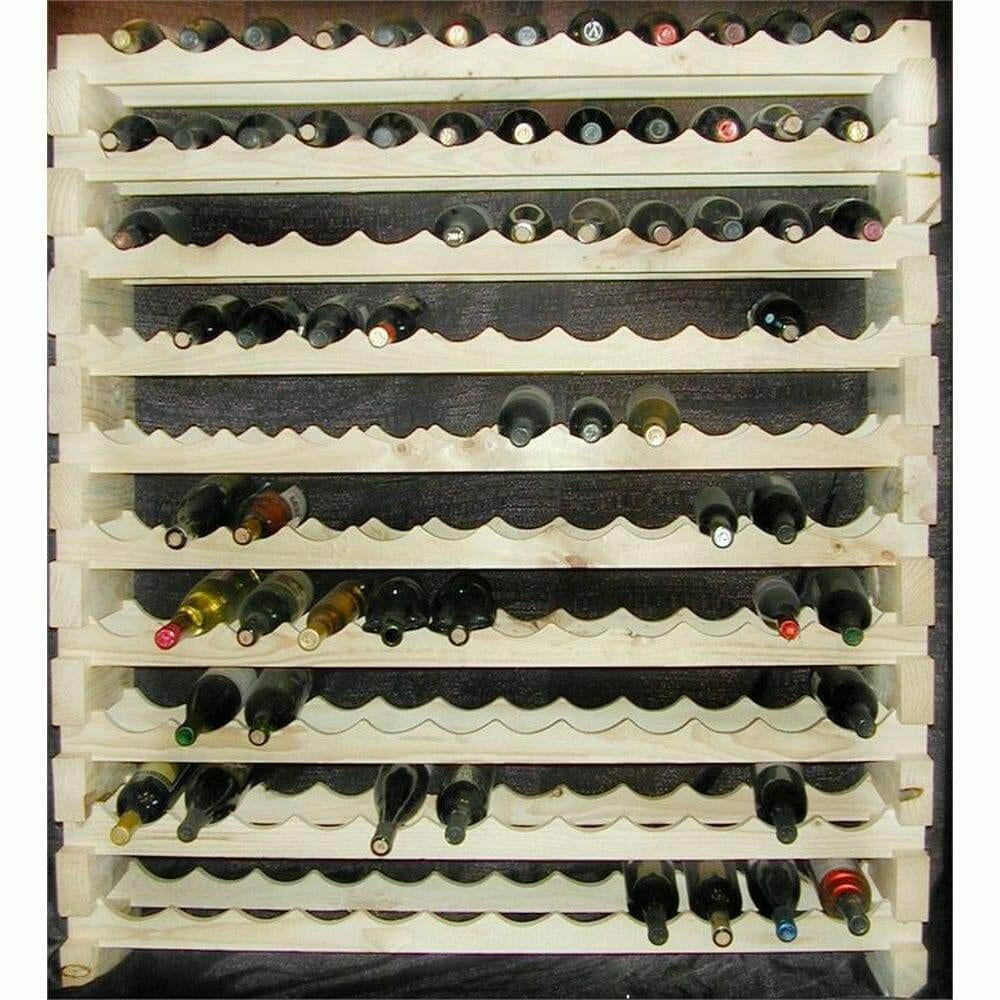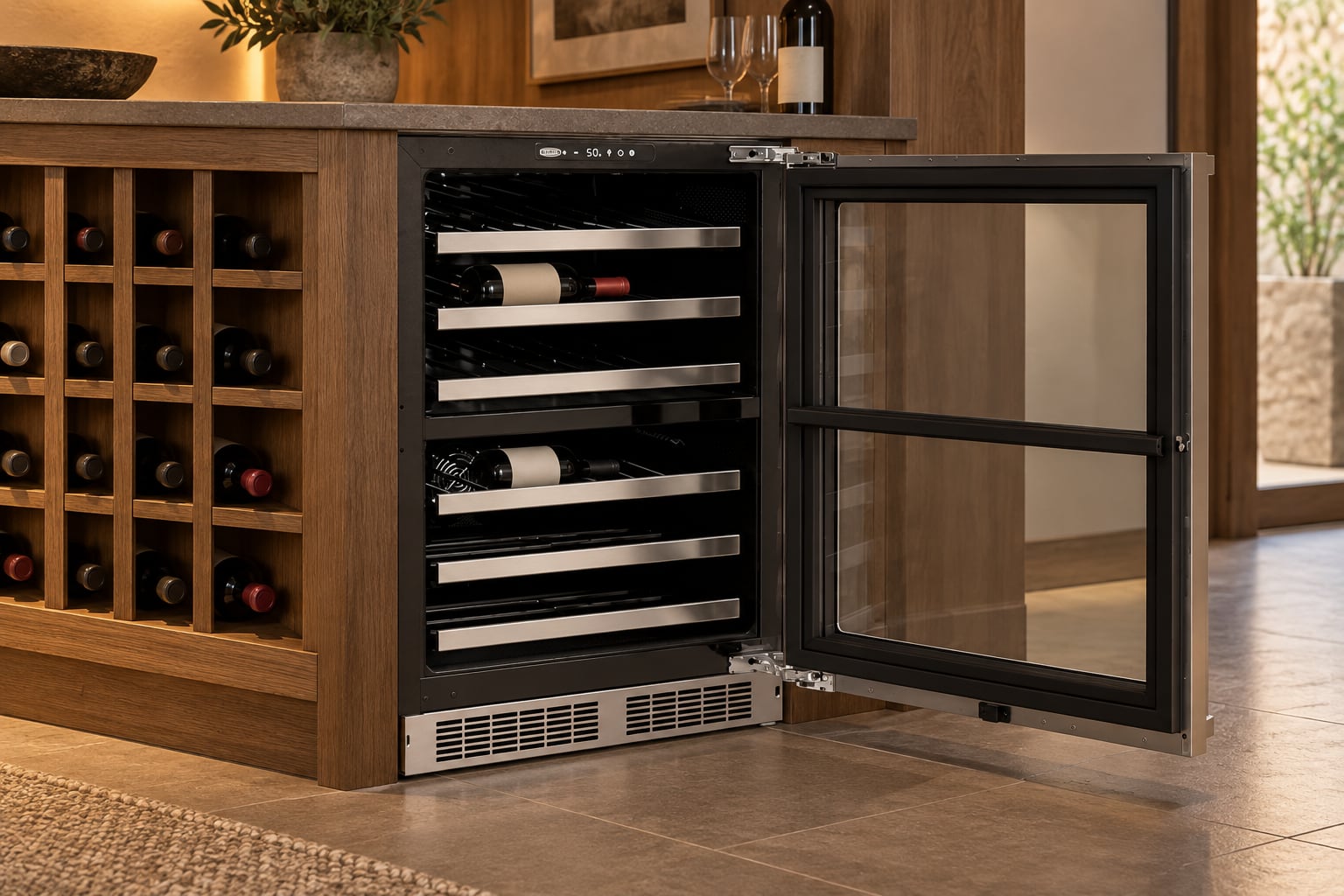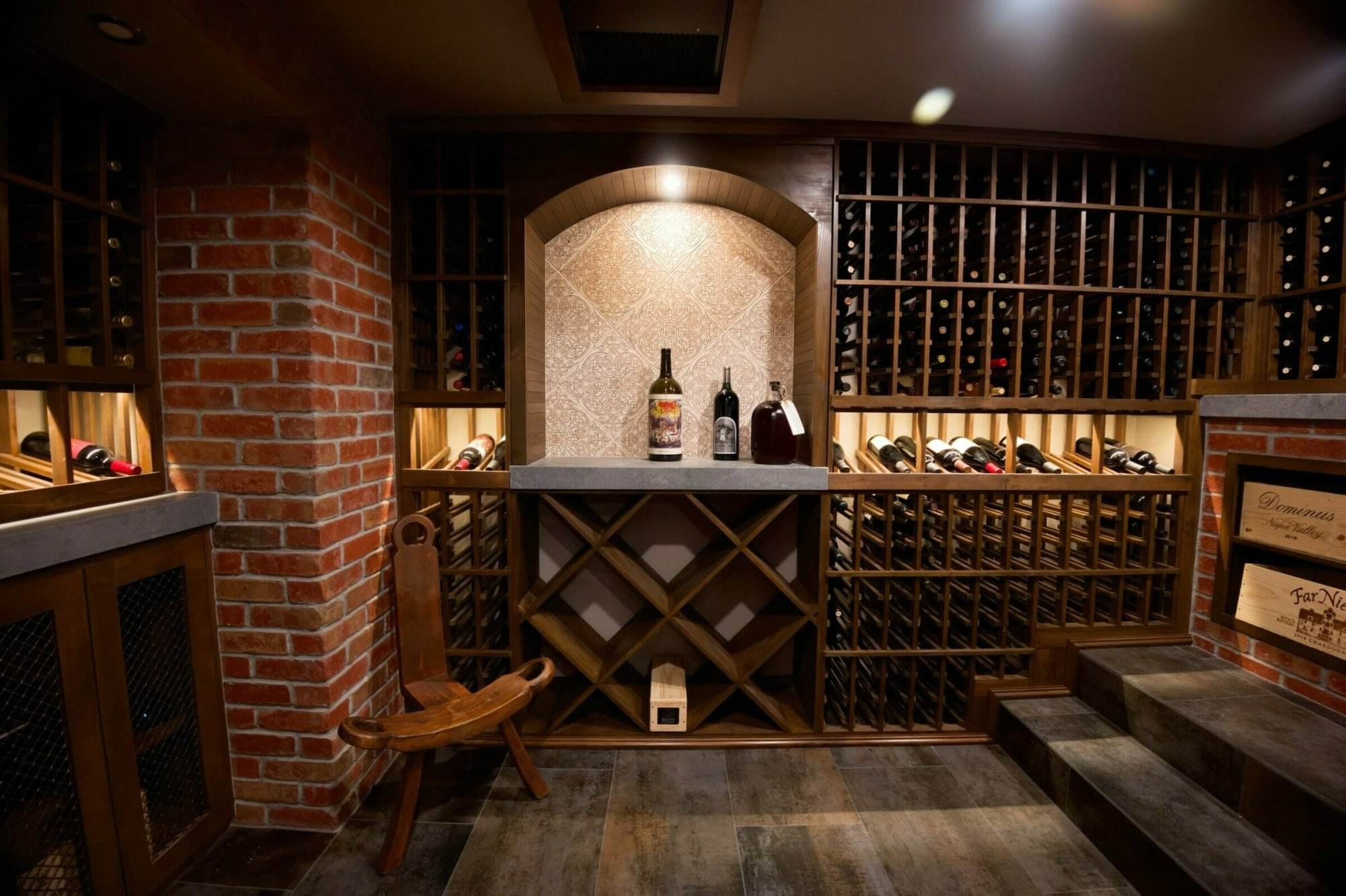
Wine cellar flooring needs a place in the room's construction plan. Review the substrate, observed moisture conditions, cleaning and doorway transitions with the responsible professionals, then select the finish beside your racks without letting appearance stand in for installation requirements. At Wine Hardware in Walnut Creek, we help turn those decisions into a cellar plan. Bring room photos, a rough sketch and your collection goals to start the conversation.
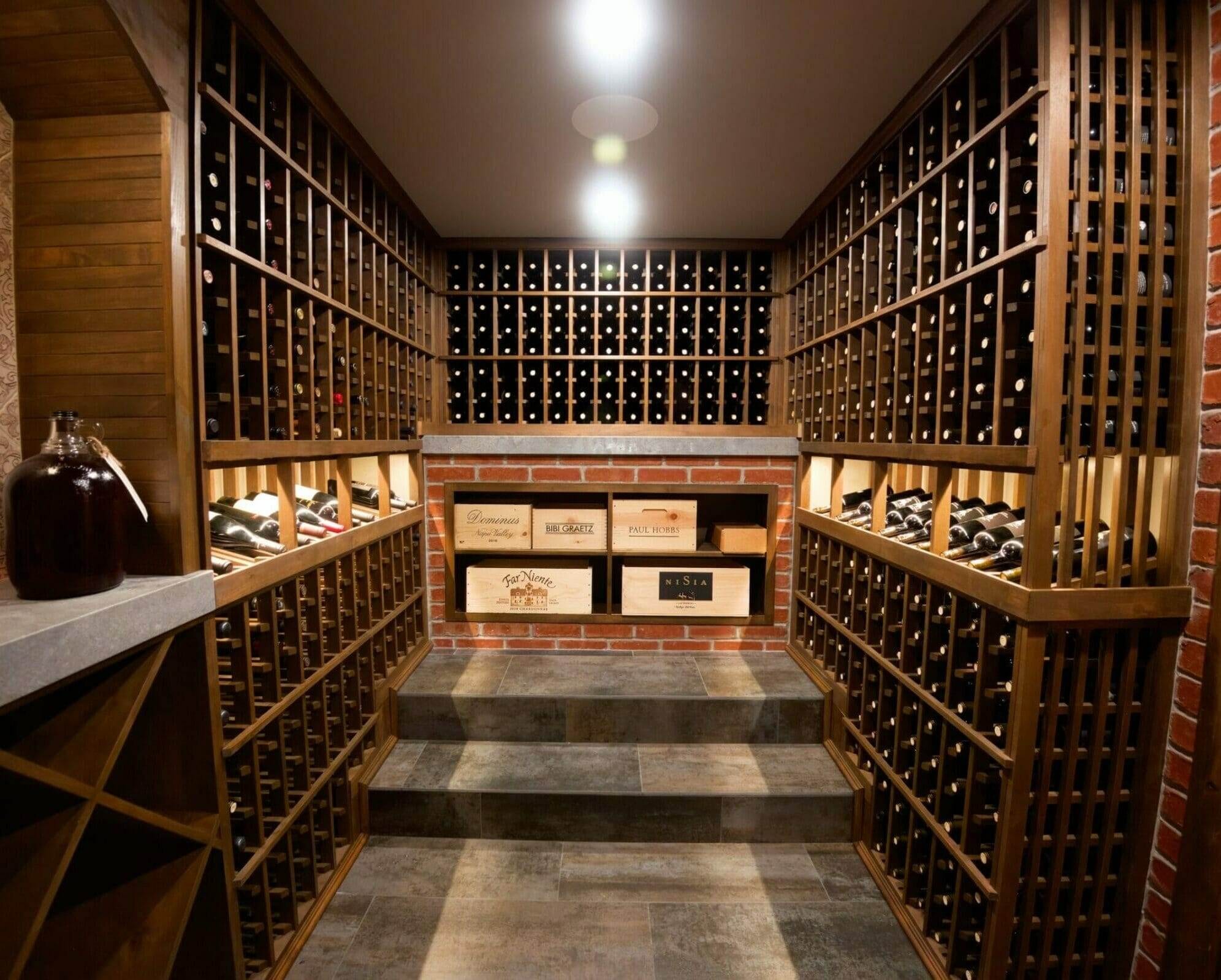
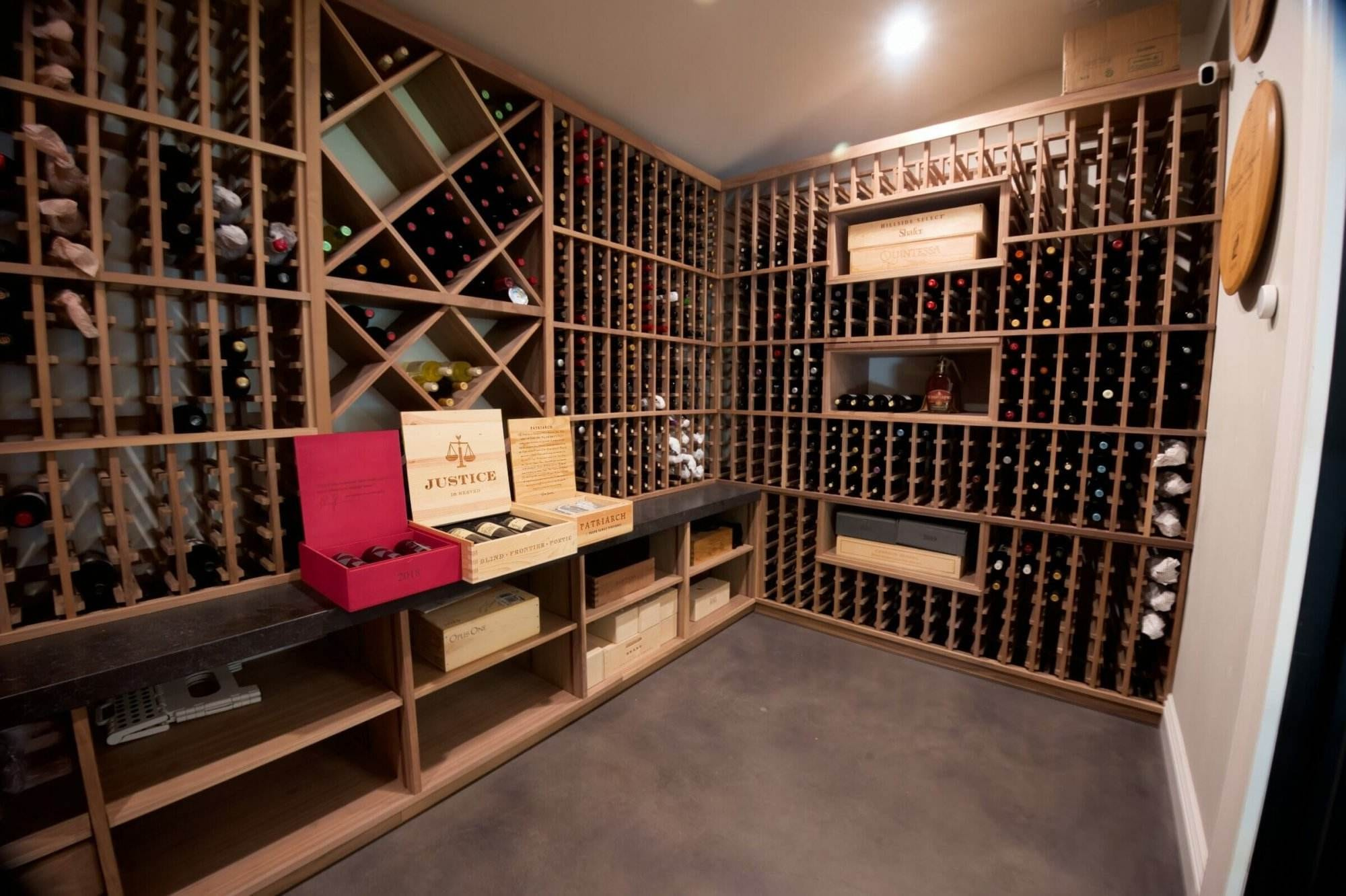
Factors to Consider when Choosing Wine Cellar Flooring
Before diving into the specific flooring options, it’s essential to understand the factors you should consider when making your decision. These factors will help guide you in selecting a flooring option that not only looks great but also performs well in a wine cellar environment.
Temperature and humidity control are critical considerations for wine cellars. Wine requires specific temperature and humidity levels to age properly. The flooring you choose should be able to withstand these conditions without warping or deteriorating. Additionally, it’s important to select a flooring material that can help regulate temperature and humidity levels in your cellar.
Durability and resistance to moisture are also crucial factors to consider. Wine cellars can be prone to moisture due to their cool temperatures and high humidity levels. The flooring you choose should be able to withstand these conditions without becoming damaged or deteriorating over time.
Aesthetic appeal and style are subjective factors that will vary depending on personal preference and the overall design of your wine cellar. Consider the style and theme you want to achieve in your space and choose a flooring option that complements it.
Maintenance and upkeep requirements should also be taken into account. Some flooring materials require more maintenance than others, so it’s important to choose a flooring option that aligns with your desired level of maintenance.
Budget considerations are also important when selecting wine cellar flooring. Different flooring materials come with different price points, so it’s essential to establish a budget and find a flooring option that fits within it.
Benefits of Choosing the Right Wine Cellar Flooring
Choosing the right flooring for your wine cellar can offer several benefits beyond just aesthetics. Here are some of the advantages of selecting the right flooring:
1. Protection of wine collection: The right flooring can help protect your valuable wine collection by providing a stable and controlled environment. Proper temperature and humidity control can prevent wine from spoiling or aging prematurely.
2. Enhanced aesthetic appeal: The flooring you choose can significantly impact the overall look and feel of your wine cellar. Whether you want a rustic, elegant, or modern aesthetic, the right flooring can help you achieve your desired style.
3. Increased property value: A well-designed and properly constructed wine cellar can add value to your property. Choosing the right flooring can enhance the overall appeal and functionality of your space, making it more attractive to potential buyers.
4. Improved functionality and ease of use: The right flooring can make your wine cellar more functional and user-friendly. For example, slip-resistant flooring can provide added safety when handling bottles or moving around in the cellar.
The Top 5 Flooring Options for Wine Cellars
Now that we’ve discussed the factors to consider and the benefits of choosing the right wine cellar flooring let’s explore the top five flooring options for wine cellars:
1. Cork Flooring: Cork is an excellent choice for wine cellars due to its natural insulation properties and resistance to moisture. It helps regulate temperature and humidity levels, making it ideal for maintaining optimal conditions for wine storage. Cork also has a unique appearance that adds warmth and character to any space. It is easy to maintain and can be sealed to provide additional protection against moisture.
2. Stone Flooring: Stone flooring, such as limestone or travertine, is a durable and elegant option for wine cellars. It is resistant to moisture and can withstand the cool temperatures and high humidity levels of a wine cellar environment. Stone flooring provides a timeless and sophisticated look that can enhance the overall aesthetic of your space. However, it can be more expensive than other options and may require professional installation.
3. Wood Flooring: Wood flooring, such as oak or mahogany, offers a classic and timeless look for wine cellars. It adds warmth and richness to the space while providing excellent insulation properties. Wood flooring is versatile and can be customized to fit any design style. However, it requires regular maintenance, including sealing and refinishing, to protect against moisture damage.
4. Tile Flooring: Tile flooring is a versatile and easy-to-maintain option for wine cellars. It comes in a wide range of styles, colors, and patterns, allowing you to create a unique look for your space. Tile is resistant to moisture and can withstand the temperature fluctuations of a wine cellar environment. It is also easy to clean and maintain, making it a practical choice for busy wine enthusiasts.
5. Concrete Flooring: Concrete flooring offers a modern and industrial aesthetic for wine cellars. It is highly durable and resistant to moisture, making it an excellent choice for long-term use. Concrete can be stained or polished to create a variety of finishes, from sleek and polished to rustic and textured. However, concrete can be cold underfoot, so it may require additional insulation or heating elements.
Cork Flooring: A Sustainable and Stylish Choice
Cork flooring is an increasingly popular choice for wine cellars due to its sustainability, unique appearance, and low maintenance requirements.
One of the main advantages of cork flooring is its sustainability and eco-friendliness. Cork is harvested from the bark of cork oak trees, which can be harvested without harming the tree. This makes cork a renewable and sustainable resource. Additionally, cork flooring is often made from recycled cork, further reducing its environmental impact.
In terms of appearance, cork flooring offers a stylish and unique look that can add warmth and character to any wine cellar. It comes in a variety of colors and patterns, allowing you to customize the look of your space. Cork also has a natural cushioning effect, making it comfortable to walk on and reducing noise levels in the cellar.
Maintenance and upkeep requirements for cork flooring are relatively low. It can be easily cleaned with a damp mop or vacuumed to remove dust and debris. Additionally, cork is naturally resistant to mold, mildew, and pests, making it an excellent choice for wine cellars where moisture control is essential.
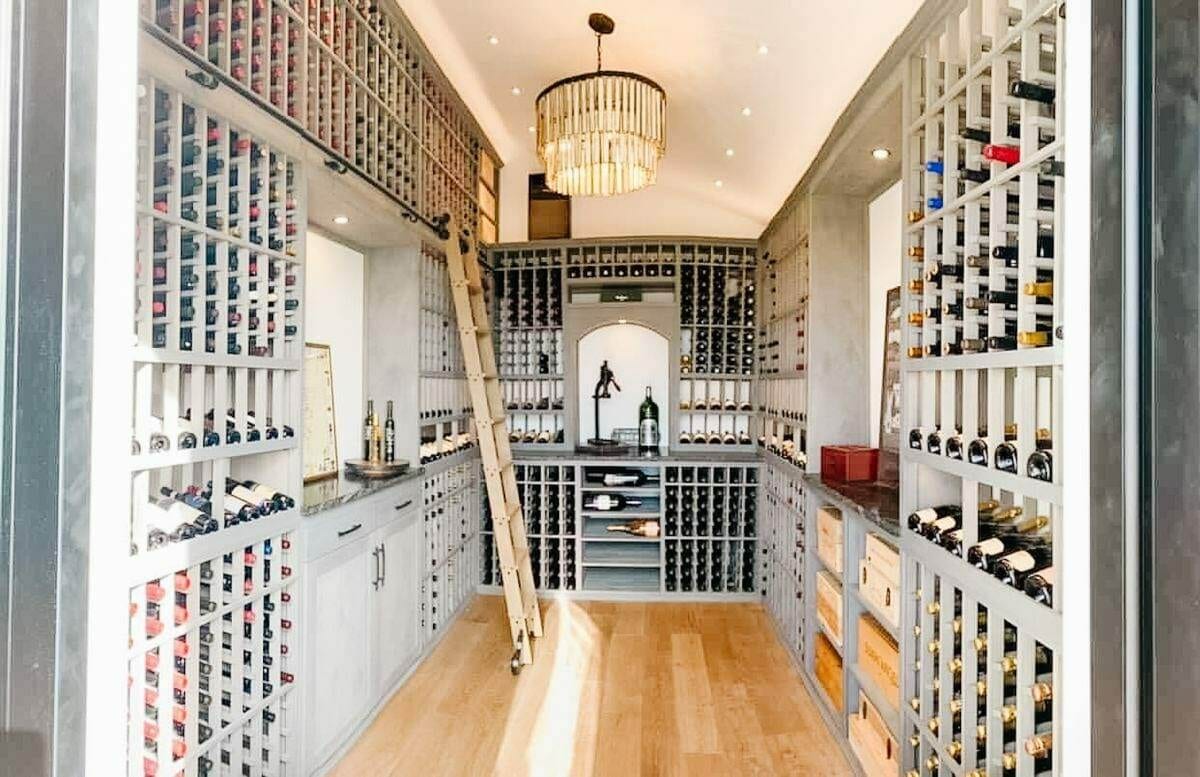
Stone Flooring: A Durable and Elegant Option
Stone flooring is a durable and elegant option for wine cellars that offers timeless beauty and exceptional performance.
One of the main advantages of stone flooring is its durability and resistance to moisture. Stone, such as limestone or travertine, can withstand the cool temperatures and high humidity levels of a wine cellar environment without warping or deteriorating. This makes it an excellent choice for long-term use.
In terms of appearance, stone flooring provides a sophisticated and elegant look that can enhance the overall aesthetic of your wine cellar. It comes in a variety of colors and finishes, allowing you to create a unique design that complements your space. Stone also has a natural cooling effect, which can help regulate temperature levels in your cellar.
Maintenance and upkeep requirements for stone flooring are relatively low. Regular sweeping or vacuuming is usually sufficient to keep the floor clean. Additionally, stone can be sealed to provide added protection against moisture and staining.
Wood Flooring: A Classic and Timeless Look
Wood flooring offers a classic and timeless look for wine cellars, adding warmth and richness to the space.
One of the main advantages of wood flooring is its classic and timeless appearance. Whether you choose oak, mahogany, or another type of wood, it can create a warm and inviting atmosphere in your wine cellar. Wood flooring also offers versatility in terms of design, as it can be customized to fit any style or theme.
In terms of performance, wood flooring provides excellent insulation properties, helping to regulate temperature and humidity levels in your cellar. It is also relatively easy to install and can be sanded and refinished if necessary.
Maintenance and upkeep requirements for wood flooring are higher compared to other options. Wood is susceptible to moisture damage, so it requires regular sealing and refinishing to protect against warping or rotting. Additionally, spills should be cleaned up immediately to prevent staining.
Tile Flooring: A Versatile and Easy-to-Maintain Choice
Tile flooring is a versatile and easy-to-maintain option for wine cellars that offers a wide range of design possibilities.
One of the main advantages of tile flooring is its versatility and customization options. Tiles come in a variety of styles, colors, and patterns, allowing you to create a unique look for your wine cellar. Whether you prefer a sleek and modern design or a rustic and textured look, there is a tile option to suit your taste.
In terms of maintenance, tile flooring is relatively easy to clean and maintain. Regular sweeping or vacuuming is usually sufficient to keep the floor free from dust and debris. Additionally, tiles are resistant to moisture and staining, making them a practical choice for wine cellars.
Durability is another advantage of tile flooring. Tiles are resistant to moisture, temperature fluctuations, and wear and tear, making them suitable for long-term use in wine cellars. However, it’s important to choose tiles that are specifically designed for use in high-moisture areas to ensure their performance.
Concrete Flooring: A Modern and Industrial Aesthetic
Concrete flooring offers a modern and industrial aesthetic for wine cellars, adding a unique touch to the space.
One of the main advantages of concrete flooring is its modern and industrial aesthetic. It provides a sleek and minimalist look that can complement a contemporary design style. Concrete can be stained or polished to create a variety of finishes, from smooth and polished to textured and rustic.
In terms of performance, concrete flooring is highly durable and resistant to moisture. It can withstand the cool temperatures and high humidity levels of a wine cellar environment without warping or deteriorating. Concrete also has excellent thermal mass properties, which can help regulate temperature levels in your cellar.
Maintenance and upkeep requirements for concrete flooring are relatively low. Regular sweeping or mopping is usually sufficient to keep the floor clean. Additionally, concrete can be sealed to provide added protection against moisture and staining.
Carpet Flooring: A Cozy and Insulating Selection
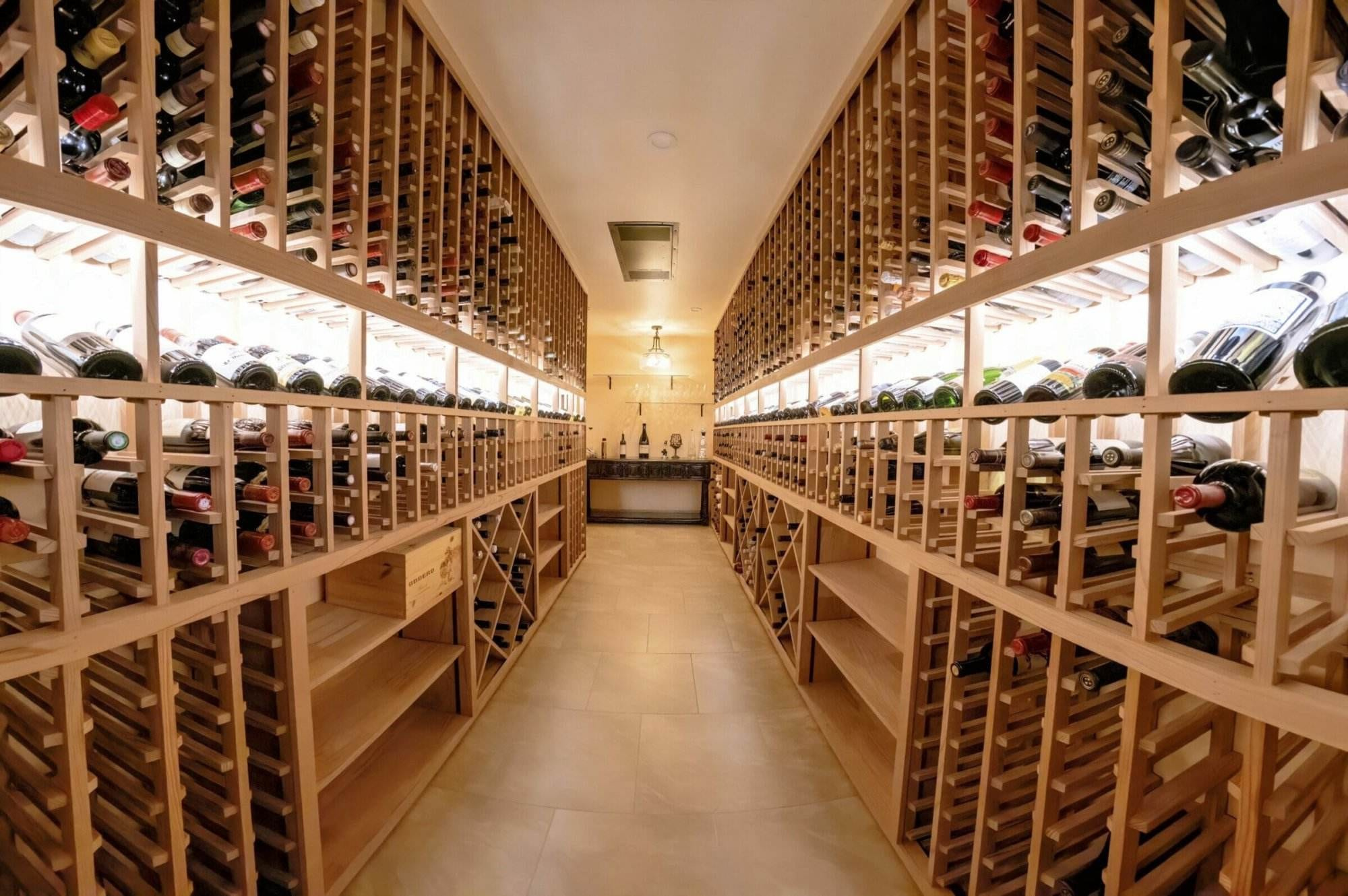
Carpet flooring offers a cozy and comfortable appearance for wine cellars, adding warmth and insulation to the space.
One of the main advantages of carpet flooring is its cozy and comfortable appearance. It provides a soft and plush surface that is comfortable to walk on and adds warmth to the space. Carpet also has excellent insulation properties, helping to regulate temperature levels in your wine cellar.
In terms of maintenance, carpet flooring requires regular vacuuming to remove dust and debris. Spills should be cleaned up immediately to prevent staining. Additionally, it’s important to choose a carpet with moisture-resistant properties to prevent mold or mildew growth in your cellar.
Durability is another consideration when choosing carpet flooring for wine cellars. It’s important to select a carpet that is specifically designed for high-traffic areas and can withstand the demands of a wine cellar environment.
Selecting the Perfect Flooring for Your Wine Cellar
Choosing the right flooring for your wine cellar is a crucial decision that can significantly impact the overall look, feel, and functionality of your space. By considering factors such as temperature control, durability, aesthetic appeal, maintenance requirements, and budget, you can make an informed decision that meets your specific needs and preferences.
Whether you choose cork, stone, wood, tile, concrete, or carpet flooring, each option offers its own set of advantages and considerations. It’s important to weigh these factors against your personal preferences and the requirements of your wine cellar environment to select the perfect flooring option.
Remember, the right flooring can not only protect your wine collection but also enhance the aesthetic appeal, increase property value, and improve the functionality and ease of use of your wine cellar. So take your time, do your research, and choose the flooring that best suits your needs. Cheers to creating the perfect wine cellar!
Get Mike's help to review cellar layout and access alongside the proposed flooring. Bring the room photos and collection goals you have in mind into a conversation at (925) 944-1084.
More on wine cellar flooring materials
Wine cellar flooring in a Napa home should be selected with the room's construction and use in view. Discuss the substrate, moisture conditions, cleaning and transition at the door before choosing a finish solely for its color beside the racks. At Wine Hardware in Walnut Creek, we help turn those decisions into a cellar plan. Bring room photos, a rough sketch and your collection goals to start the conversation.
As wine enthusiasts seek to create their own personal sanctuaries, the design elements they choose play a crucial role in capturing the essence of Napa's rustic charm. When it comes to designing a wine cellar that reflects this aesthetic, flooring choices are paramount. The right flooring can enhance the overall ambiance of the space, creating a harmonious blend of elegance and warmth.
From traditional stone to reclaimed wood, each flooring option offers unique characteristics that can elevate the design of a wine cellar. As we explore various flooring materials, it becomes evident that each choice not only serves a functional purpose but also contributes to the overall narrative of Napa’s rustic charm.
Key Takeaways
- Napa's rustic aesthetic is characterized by natural materials and earthy tones, creating a warm and inviting atmosphere.
- Traditional stone flooring adds a timeless and elegant touch to wine cellars, enhancing the rustic charm of the space.
- Reclaimed wood flooring brings a sense of history and authenticity to Napa wine cellars, creating a cozy and rustic look.
- Stamped concrete flooring offers a modern twist to the traditional rustic aesthetic, providing a durable and versatile option for wine cellars.
- Terracotta tile flooring adds a Mediterranean vibe to Napa wine cellars, with its warm and earthy tones complementing the rustic aesthetic.
Traditional Stone Flooring for Wine Cellars
Traditional stone flooring is a classic choice for wine cellars, evoking a sense of timelessness and durability. The natural beauty of stone adds an earthy element to the space, making it an ideal complement to the rich hues of wine bottles and wooden racks. Stone flooring is not only aesthetically pleasing but also practical; its inherent strength and resistance to moisture make it an excellent option for wine storage environments.
The cool surface of stone helps maintain optimal temperatures for wine preservation, ensuring that your collection remains in pristine condition. Moreover, traditional stone flooring comes in a variety of styles and finishes, allowing homeowners to customize their wine cellars according to their personal tastes. From rustic flagstone to polished marble, the versatility of stone enables a coordinated integration with other design elements.
The texture and color variations found in natural stone can create an attractive visual impact, enhancing the overall ambiance of the cellar. As one walks through a wine cellar adorned with traditional stone flooring, they are transported to the heart of Napa Valley, where the beauty of nature meets the art of winemaking.
Reclaimed Wood Flooring for a Rustic Look
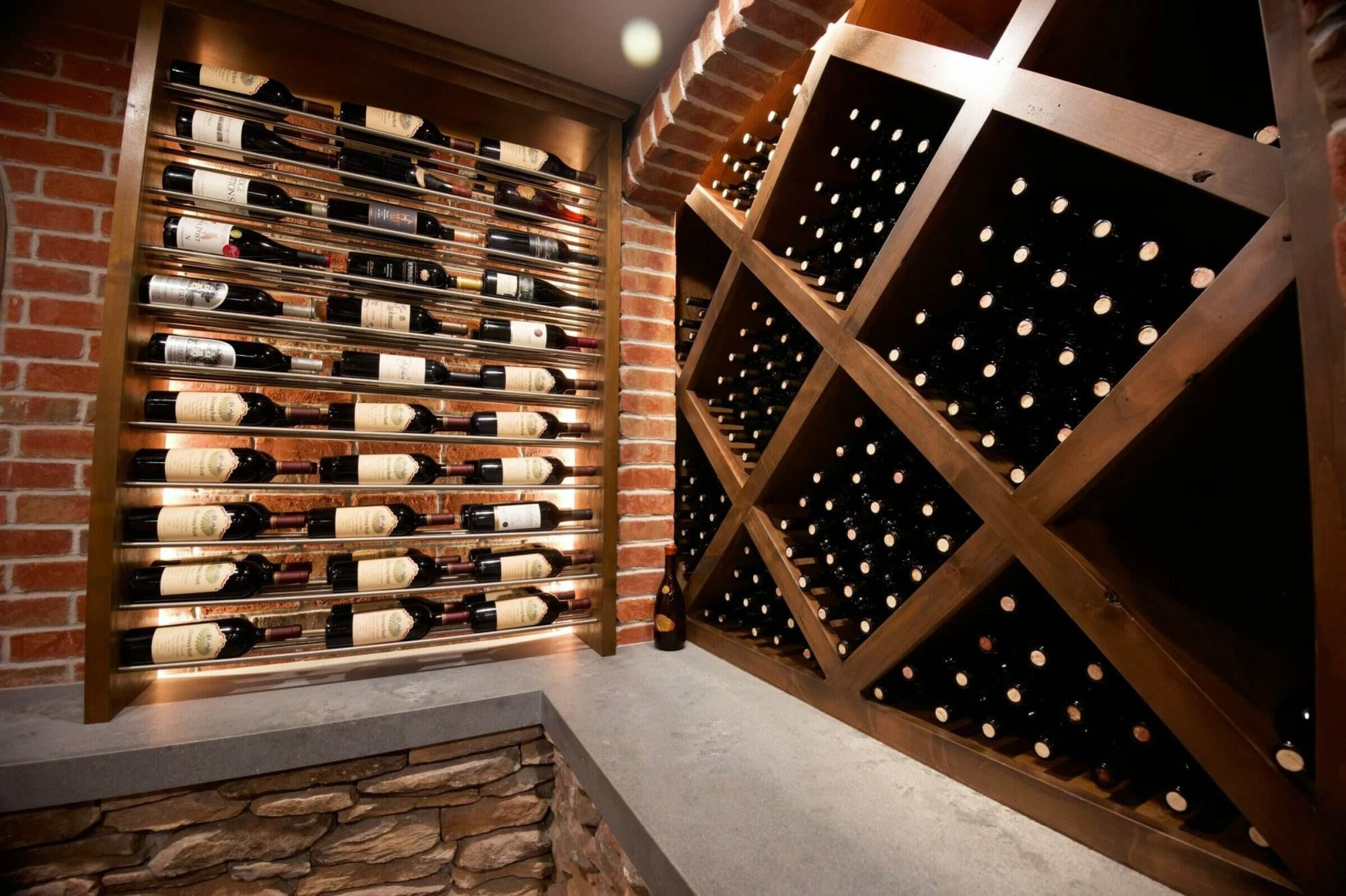
Reclaimed wood flooring has gained popularity in recent years as a sustainable and stylish option for wine cellars. This flooring choice not only adds character and warmth but also tells a story of its own. Sourced from old barns, factories, or other structures, reclaimed wood carries with it a sense of history and authenticity that resonates with the rustic aesthetic of Napa Valley.
Each plank is unique, showcasing knots, grains, and imperfections that contribute to its charm. In addition to its visual appeal, reclaimed wood flooring is an eco-friendly choice that aligns with the growing trend toward sustainability in home design. By repurposing materials that would otherwise go to waste, homeowners can create beautiful spaces while minimizing their environmental impact.
The natural insulation properties of wood also help regulate temperature and humidity levels within the wine cellar, creating an ideal environment for wine storage. With its rich textures and warm tones, reclaimed wood flooring invites guests to linger and enjoy the ambiance of the cellar, making it a perfect choice for those looking to capture Napa's rustic spirit.
Stamped Concrete Flooring for a Modern Twist
For those seeking a more contemporary approach while still embracing rustic elements, stamped concrete flooring offers an innovative solution. This versatile material can be designed to mimic the appearance of natural stone or wood while providing the durability and low maintenance that concrete is known for. Stamped concrete allows homeowners to achieve a rustic look without sacrificing modern functionality, making it an appealing option for wine cellars.
The customization possibilities with stamped concrete are virtually limitless. Homeowners can choose from an array of colors, patterns, and textures to create a unique flooring design that reflects their personal style. Whether opting for a weathered stone appearance or a sleek slate finish, stamped concrete can cleanly blend with other design elements in the cellar.
Additionally, its resistance to moisture and temperature fluctuations makes it an ideal choice for wine storage environments. With stamped concrete flooring, homeowners can enjoy the best of both worlds: a modern twist on rustic aesthetics that enhances the overall appeal of their wine cellar.
Terracotta Tile Flooring for a Mediterranean Vibe
Terracotta tile flooring brings a touch of Mediterranean charm to any wine cellar, evoking images of sun-drenched vineyards and rustic Italian villas. The warm earthy tones of terracotta create an inviting atmosphere that complements the rich colors of wine bottles and wooden racks. This type of flooring is not only visually appealing but also practical; terracotta tiles are known for their durability and ability to withstand temperature fluctuations.
The porous nature of terracotta allows it to absorb moisture, helping to regulate humidity levels within the wine cellar - a crucial factor in preserving wine quality. Additionally, terracotta tiles can be easily cleaned and maintained, making them a practical choice for those who frequently entertain guests in their wine cellars. The unique texture and color variations found in terracotta tiles add depth and character to the space, creating an ambiance that transports visitors to the heart of Napa Valley's wine country.
Cork Flooring for Eco-Friendly and Rustic Appeal
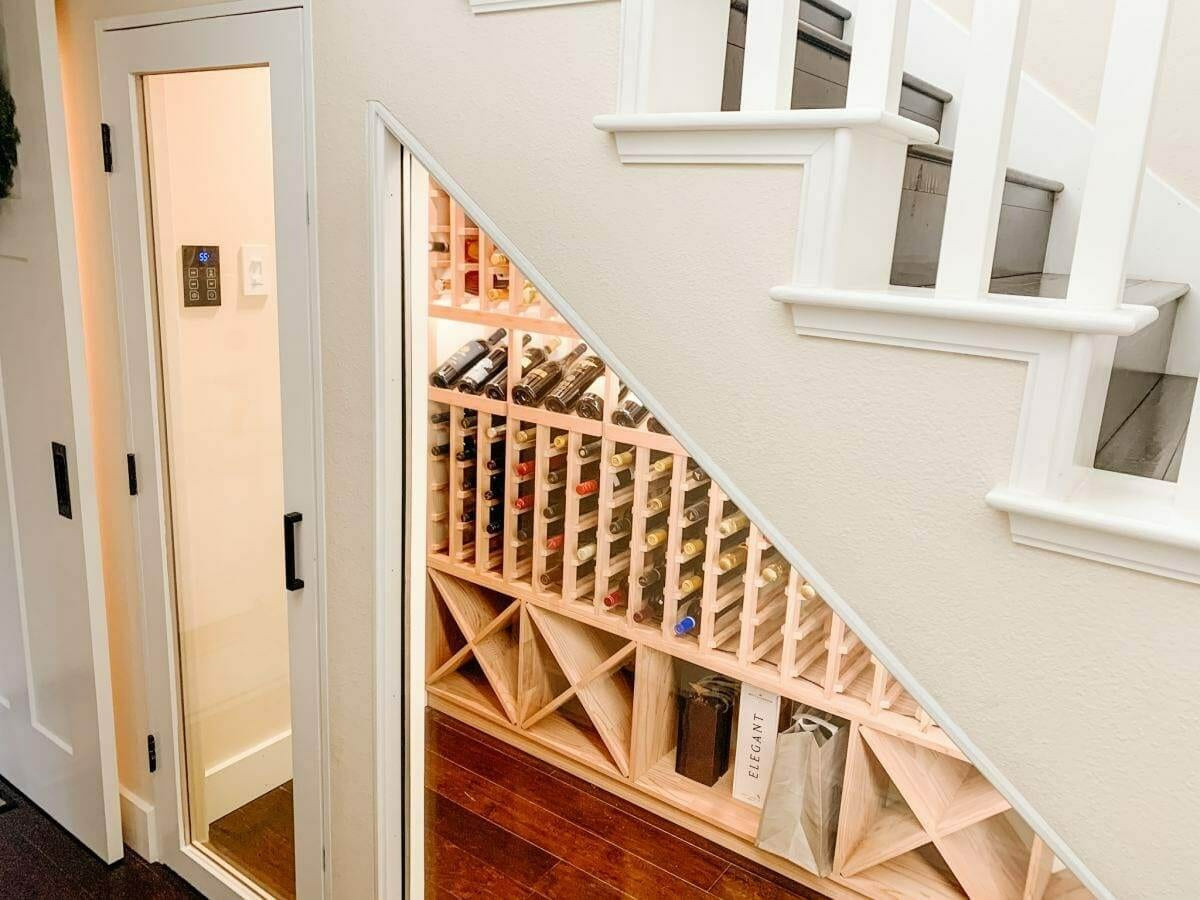
Cork flooring is an increasingly popular choice for those looking to combine eco-friendliness with rustic appeal in their wine cellars. Sourced from the bark of cork oak trees, this renewable material is not only sustainable but also offers numerous benefits for wine storage environments. Cork is naturally resistant to moisture and mold, making it an ideal choice for maintaining optimal conditions within a wine cellar.
In addition to its practical advantages, cork flooring provides a unique aesthetic that aligns perfectly with Napa's rustic charm. The natural texture and warm tones of cork create an inviting atmosphere that encourages relaxation and enjoyment. Furthermore, cork is an excellent insulator, helping to regulate temperature and humidity levels within the cellar - essential factors for preserving fine wines.
With its eco-friendly credentials and rustic appeal, cork flooring is an excellent choice for those looking to create a sustainable yet stylish wine cellar.
Slate Flooring for a Timeless and Elegant Look
Slate flooring exudes elegance and sophistication while maintaining a connection to nature - a perfect fit for Napa's rustic aesthetic. Known for its durability and unique color variations, slate offers a timeless appeal that enhances any wine cellar design. The natural clefts and textures found in slate create visual interest while providing a sturdy surface that can withstand the demands of a wine storage environment.
In addition to its aesthetic qualities, slate is also highly functional. Its ability to retain cool temperatures makes it an excellent choice for preserving wines at optimal conditions. Slate is easy to clean and maintain, ensuring that your wine cellar remains pristine even after hosting gatherings or tastings.
With its combination of elegance and practicality, slate flooring serves as an attractive backdrop for showcasing your wine collection while embodying the rustic charm that defines Napa Valley.
Choosing the Right Flooring for Your Napa Wine Cellar
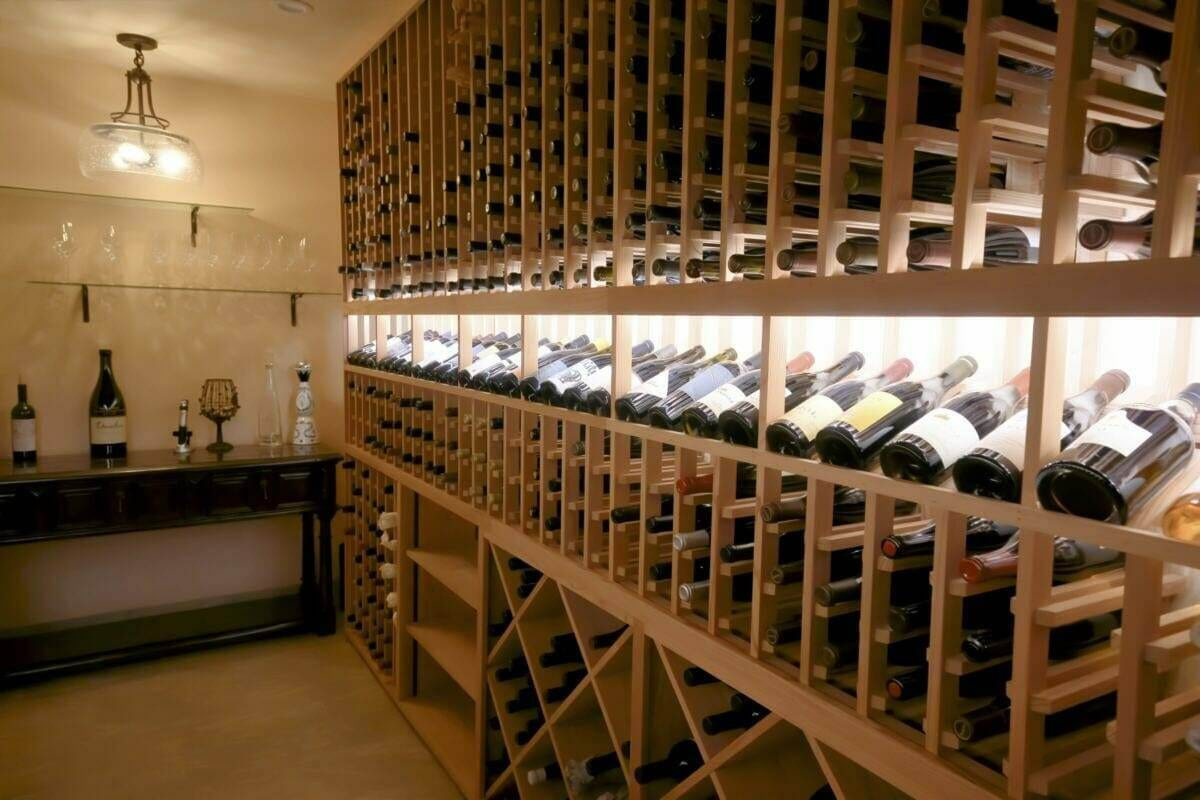
Selecting the right flooring for your Napa wine cellar is essential in creating an inviting space that reflects both your personal style and the region's rustic charm. Each flooring option - whether traditional stone, reclaimed wood, stamped concrete, terracotta tile, cork, or slate - offers unique characteristics that contribute to the overall ambiance of the cellar. As you consider your choices, think about how each material aligns with your vision for your space.
Ultimately, the right flooring will not only enhance the aesthetic appeal of your wine cellar but also serve practical purposes essential for preserving your collection. By thoughtfully selecting materials that resonate with Napa's rustic aesthetic while meeting functional requirements, you can create a beautiful sanctuary that celebrates your love for wine and embodies the spirit of this enchanting region. Whether you prefer the warmth of reclaimed wood or the elegance of slate, your choice will play a significant role in crafting an unforgettable experience within your personal wine haven.
FAQs
What are the best flooring options for a wine cellar in Napa's rustic aesthetic?
Some of the best flooring options for a wine cellar in Napa's rustic aesthetic include reclaimed wood, natural stone, and brick. These materials complement the rustic charm of Napa Valley and provide a timeless and elegant look for the wine cellar.
What are the benefits of using reclaimed wood for wine cellar flooring?
Reclaimed wood is a popular choice for wine cellar flooring in Napa due to its rustic and weathered appearance. It adds character and warmth to the space, and its sustainability aligns with the eco-friendly ethos of the region.
Why is natural stone a good option for wine cellar flooring in Napa?
Natural stone, such as limestone or slate, is a durable and low-maintenance option for wine cellar flooring. It adds a touch of elegance and complements the natural beauty of Napa Valley, making it a popular choice for wine enthusiasts.
What are the considerations when choosing brick flooring for a wine cellar in Napa?
Brick flooring is a classic choice for wine cellars in Napa, as it exudes a timeless and rustic charm. When choosing brick flooring, it's important to consider the level of maintenance required and the overall aesthetic it will bring to the space.
How does the choice of flooring impact the overall aesthetic of a wine cellar in Napa?
The choice of flooring can significantly impact the overall aesthetic of a wine cellar in Napa. Reclaimed wood, natural stone, and brick all contribute to the rustic and elegant ambiance that is characteristic of Napa Valley, enhancing the visual appeal of the wine cellar.