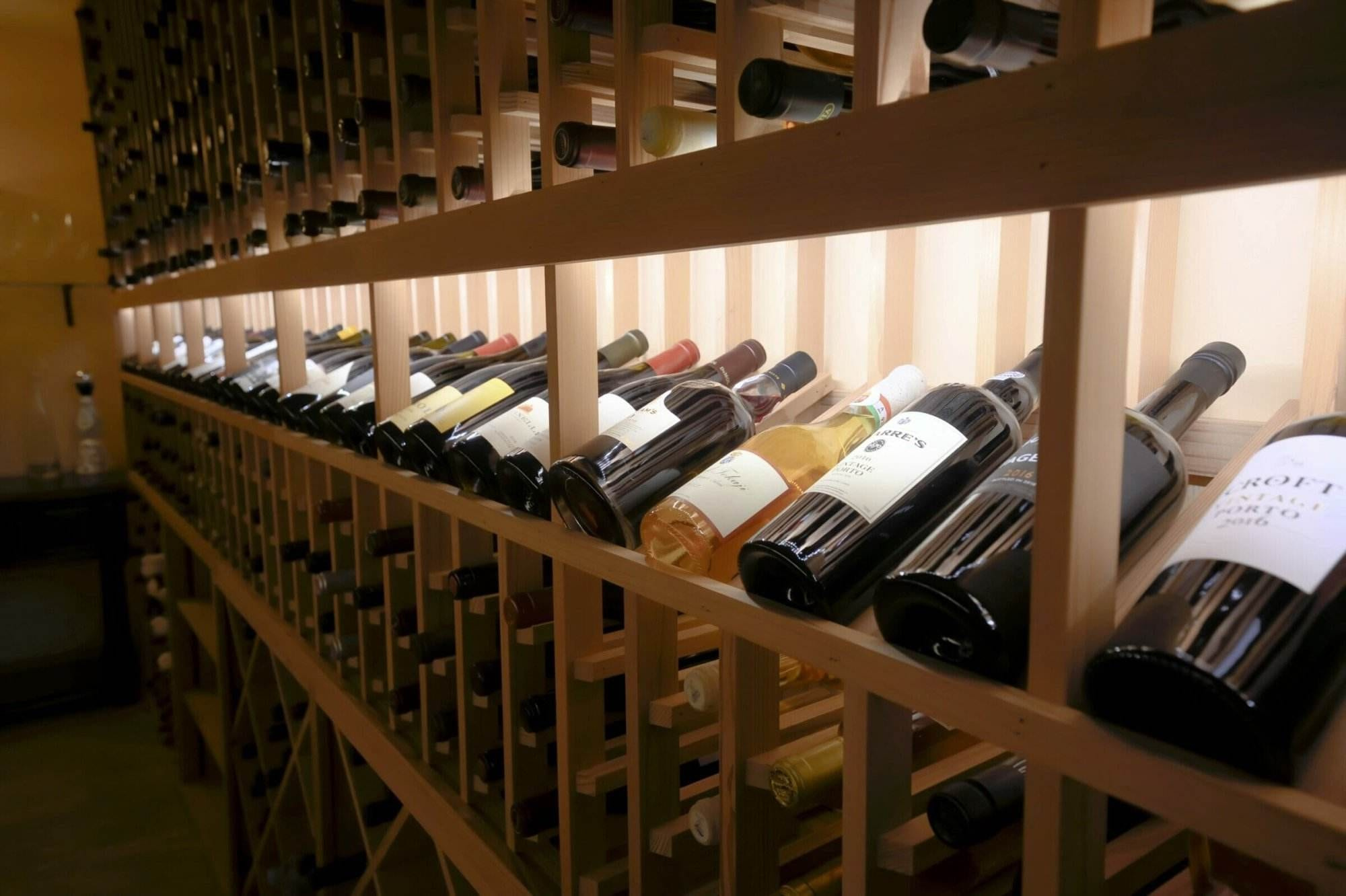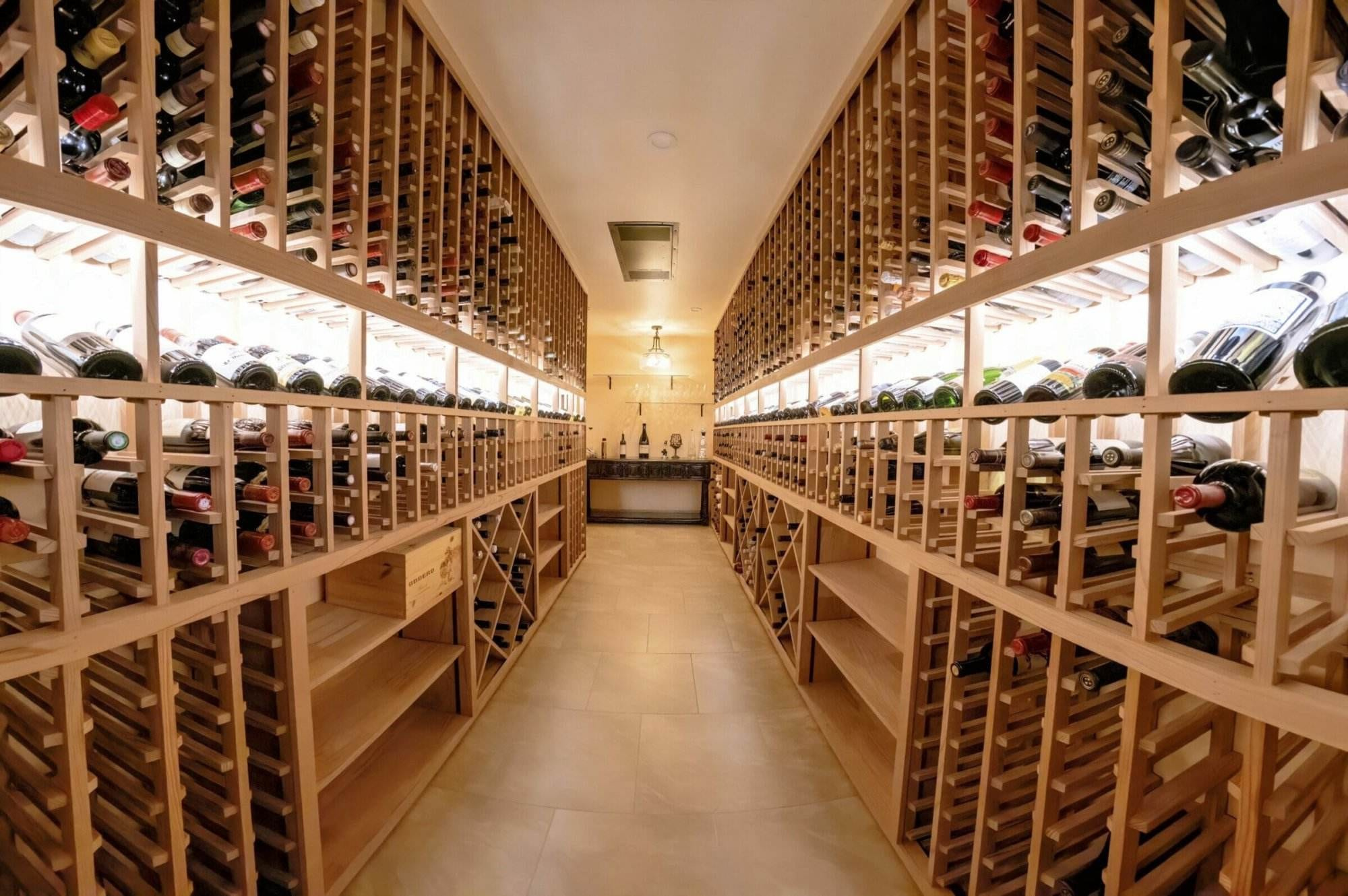
Custom Wine Cellar Construction Cost Factors
Custom wine cellar costs become clearer when the work is separated into a complete scope. Identify enclosure construction, cooling, racks, lighting, delivery and installation, then resolve allowances and site questions before comparing estimates or dividing…
- 13 min read
- By Wine Hardware
- Updated

Understanding the Basics of Building a Custom Wine Cellar
Custom wine cellar costs become clearer when the work is separated into a complete scope. Identify enclosure construction, cooling, racks, lighting, delivery and installation, then resolve allowances and site questions before comparing estimates or dividing the total by bottle capacity. At Wine Hardware in Walnut Creek, we help turn those decisions into a cellar plan. Bring room photos, a rough sketch and your collection goals to start the conversation.
Budgeting for your custom wine cellar requires consideration of various costs such as construction materials, labor, and additional features like lighting and insulation. Factors that can impact the overall expenses include the size of the cellar, material choices, and any customization requirements. The installation process involves following a step-by-step guide for installing wine cellar hardware, including cooling units, insulation, and racking systems. Proper maintenance and care are essential to preserve the quality of your wine collection, including regular cleaning, monitoring temperature and humidity levels, and inspecting for any signs of damage or pests. In conclusion, building a custom wine cellar with wine hardware requires careful planning, attention to detail, and knowledge of the specific needs of your collection; by following these guidelines and recommendations, you can create a functional and visually appealing space to store and showcase your wines.
Introduction to custom wine cellar construction
Building a custom wine cellar is a complex process that requires careful planning and execution. Assess your space requirements, budget, and understand the needs of your wine collection. Choose a location away from direct sunlight, vibrations, and temperature fluctuations. Design an efficient layout considering bottle capacity, accessibility, and labeling. Wine cooling systems regulate temperature and humidity levels. Racking options provide storage solutions. Budget for construction materials, labor, and additional features like lighting and insulation. Install wine cellar hardware step-by-step. Maintain and care for your wine collection regularly.
Key factors to consider before starting the project
When starting a custom wine cellar project, there are key factors to consider. Assess your available space and establish a budget. Choose a location that avoids direct sunlight, vibrations, and temperature fluctuations. Design an efficient layout for bottle capacity and accessibility. Consider the type of wine cooling system and racking options that suit your needs. Plan for construction materials, labor, and additional features like lighting and insulation.
Wine Cellar Design and Layout
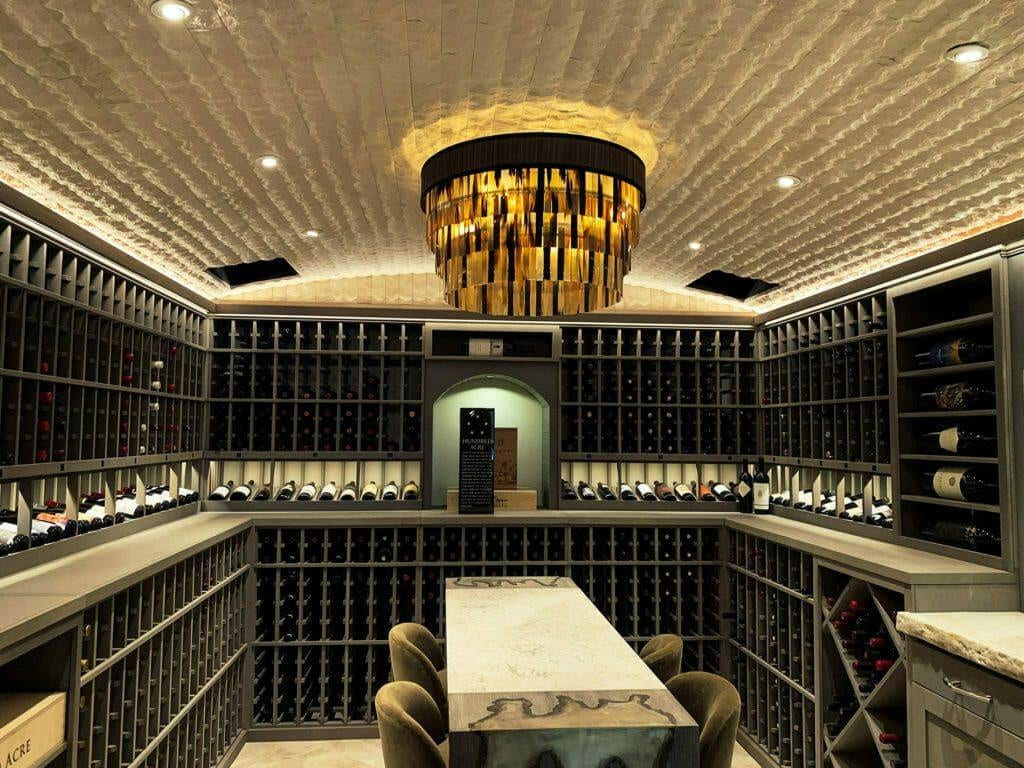
When it comes to Wine Cellar Design and Layout, choosing the right location is crucial. Avoid areas with direct sunlight, vibrations, and temperature fluctuations. Design an efficient layout that maximizes bottle capacity and accessibility. Consider the aesthetic appeal of your wine cellar as well.
Choosing the right location for your wine cellar
For optimal wine storage, choose a location that is away from direct sunlight, vibrations, and temperature fluctuations. Consider a basement or an interior room with proper insulation. Ensure the space has adequate ventilation to prevent mold and mildew growth. By selecting the right location, you can create an ideal environment for your wine collection.
Designing an efficient and aesthetically pleasing layout
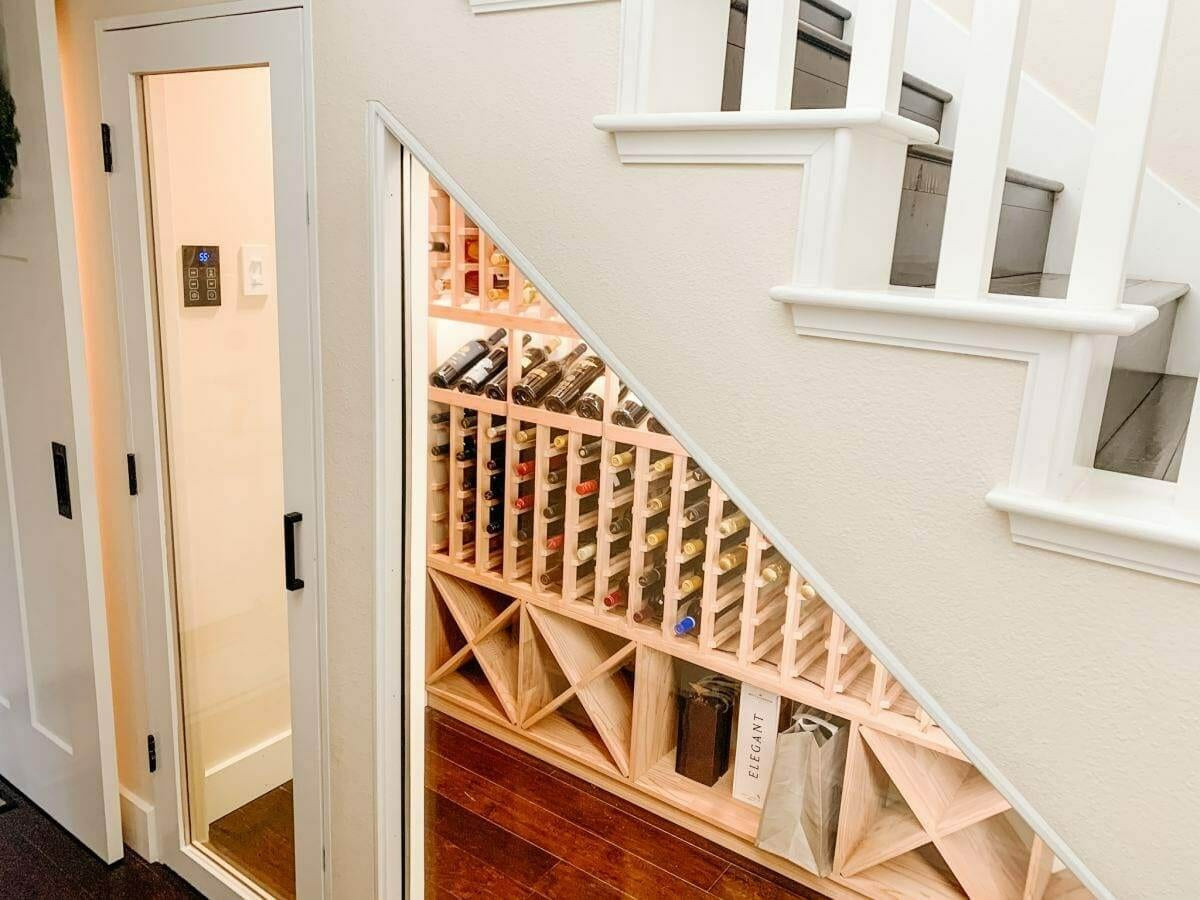
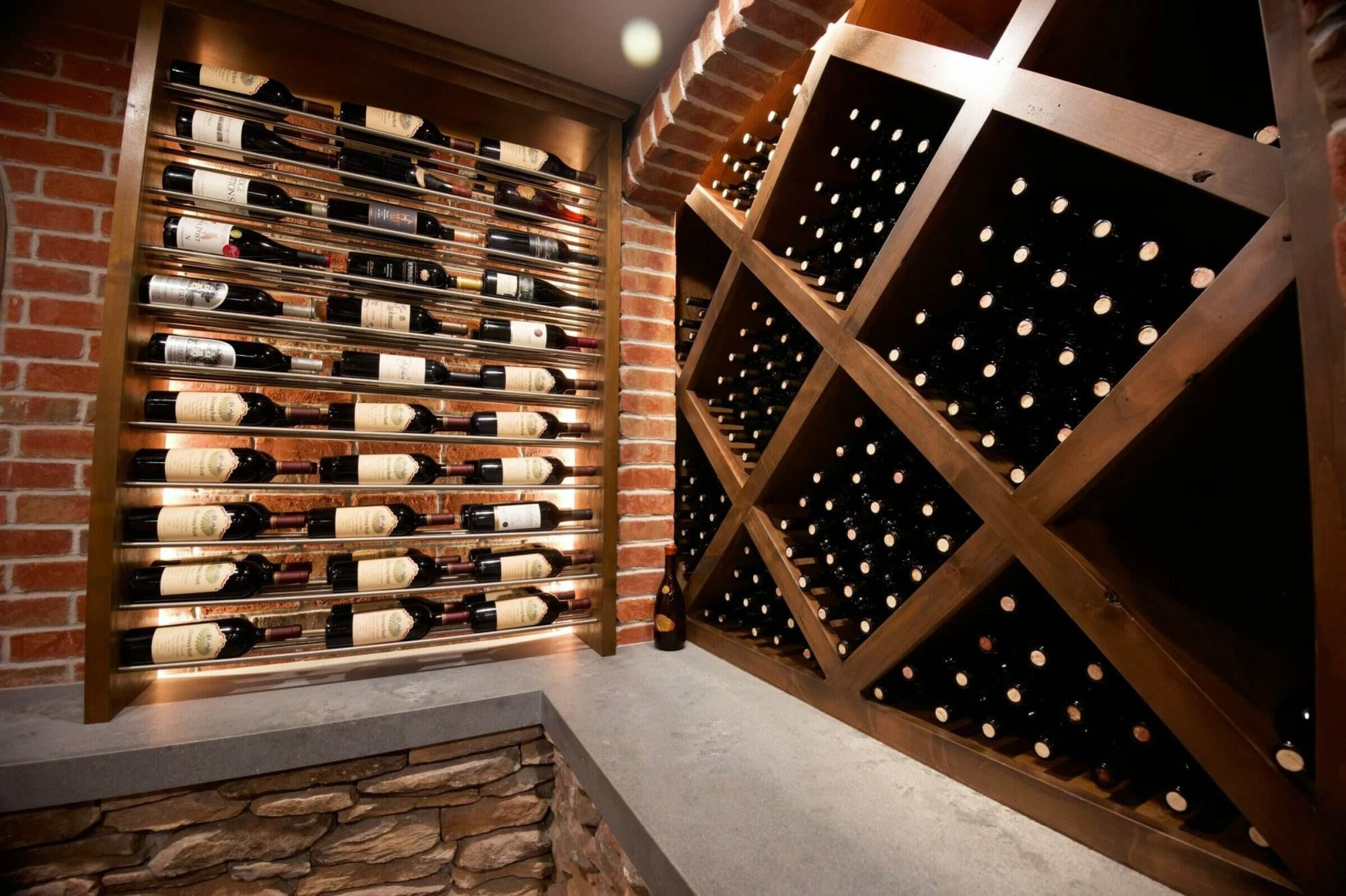
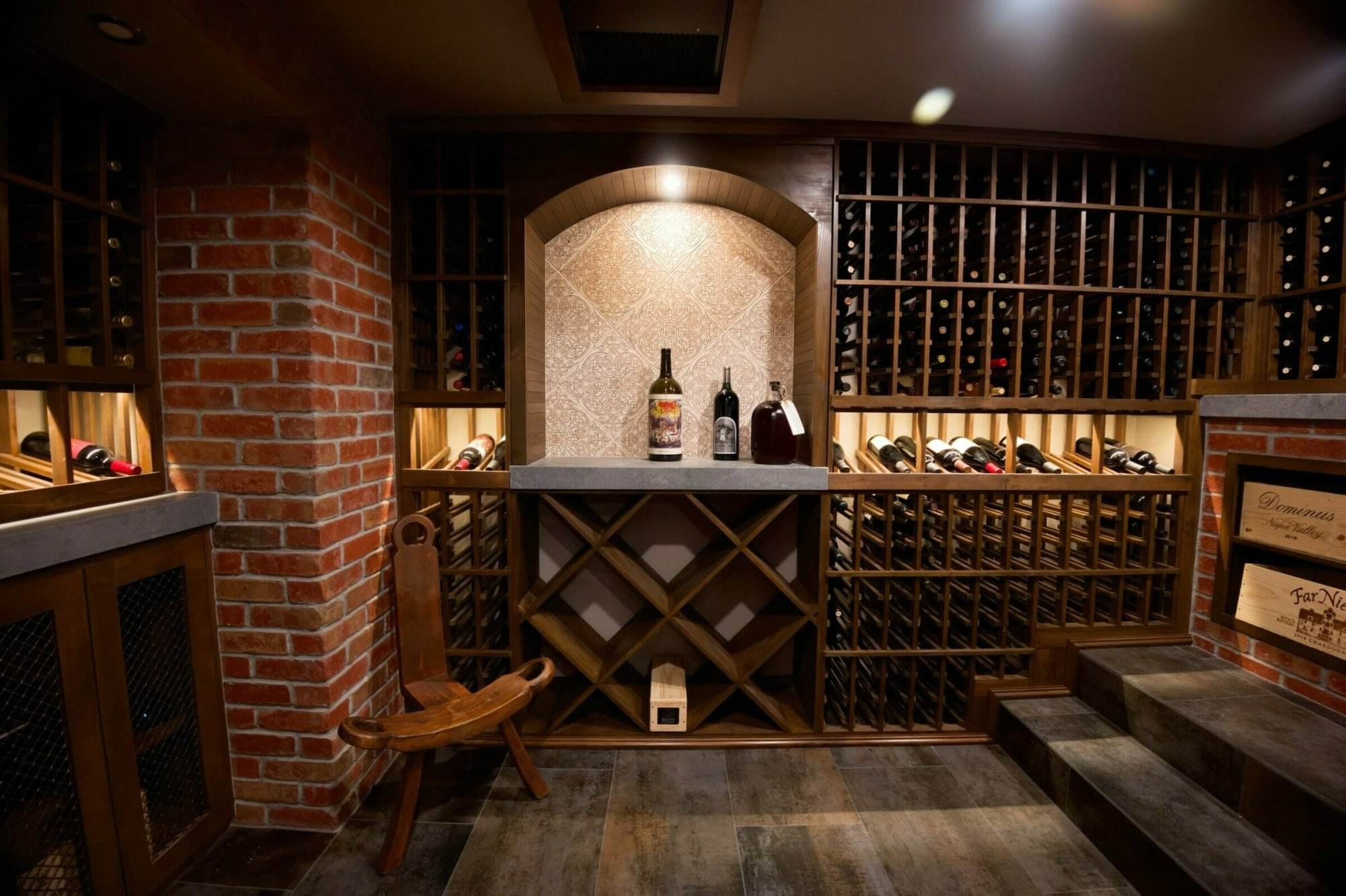
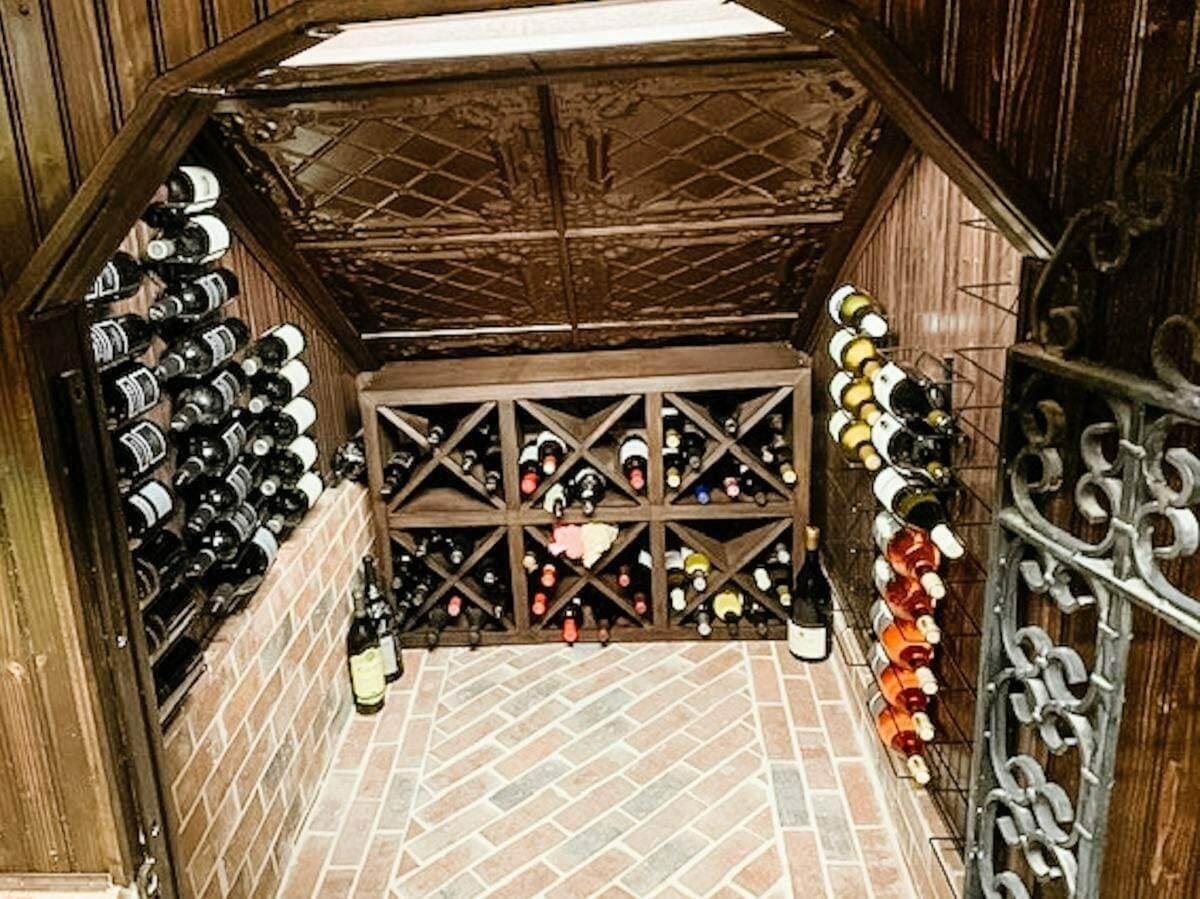
To create an efficient and aesthetically pleasing layout for your custom wine cellar, consider factors such as the size and shape of the space, the type of racking system you prefer, and the overall design theme. Optimize storage capacity by using space-saving techniques like utilizing under-stair areas or installing floor-to-ceiling racks. Incorporate proper lighting to enhance the visual appeal of your collection.
Essential Wine Cellar Hardware and Equipment
When it comes to building a custom wine cellar, selecting the right hardware and equipment is essential. The choice of wine cooling systems plays a crucial role in maintaining optimal conditions for your collection. Additionally, selecting the right racking options is crucial for organizing and storing your wine bottles efficiently. By investing in high-quality wine cellar hardware and equipment from Wine Hardware, you can ensure that your collection is properly cared for and displayed.
Wine cooling systems and their role in maintaining optimal conditions
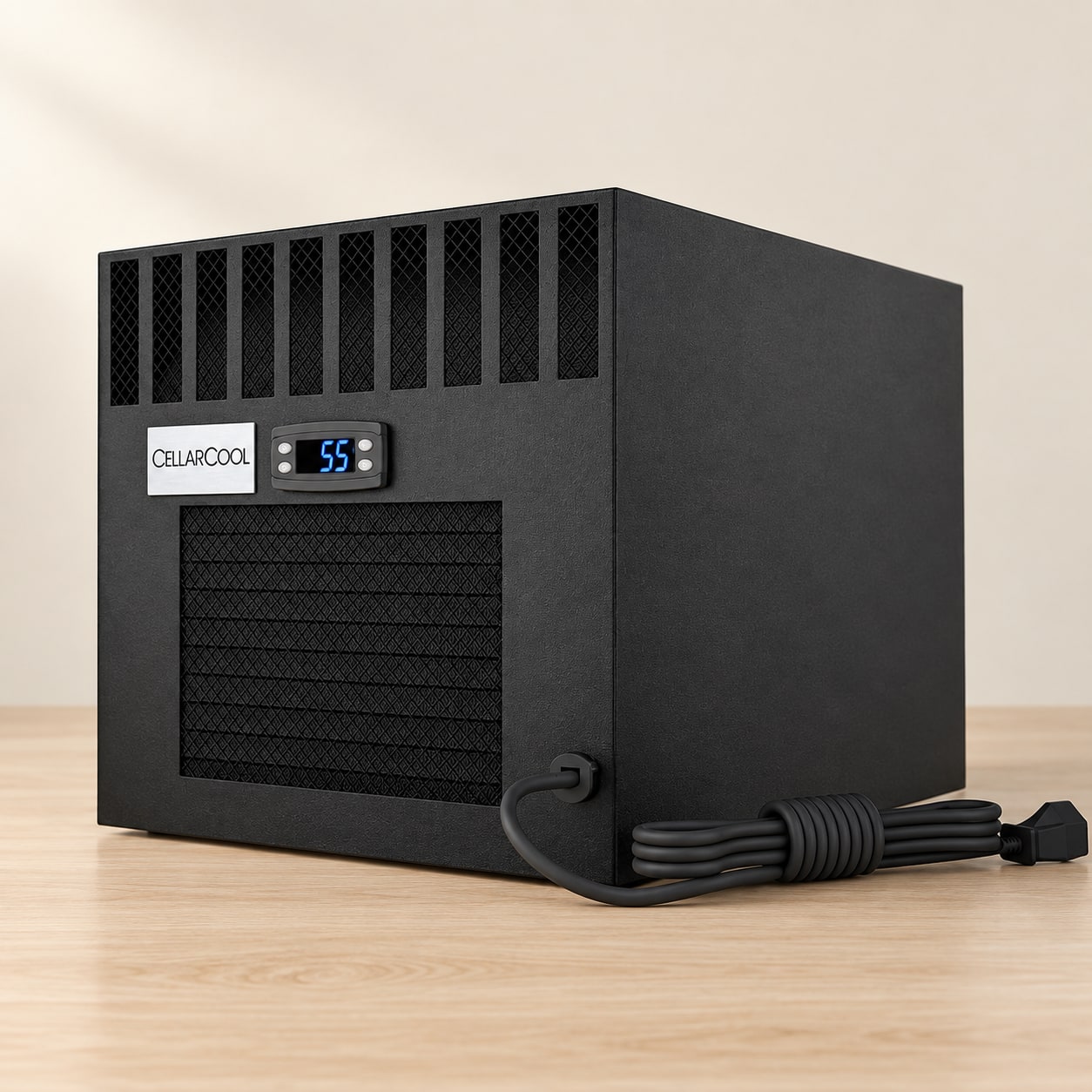
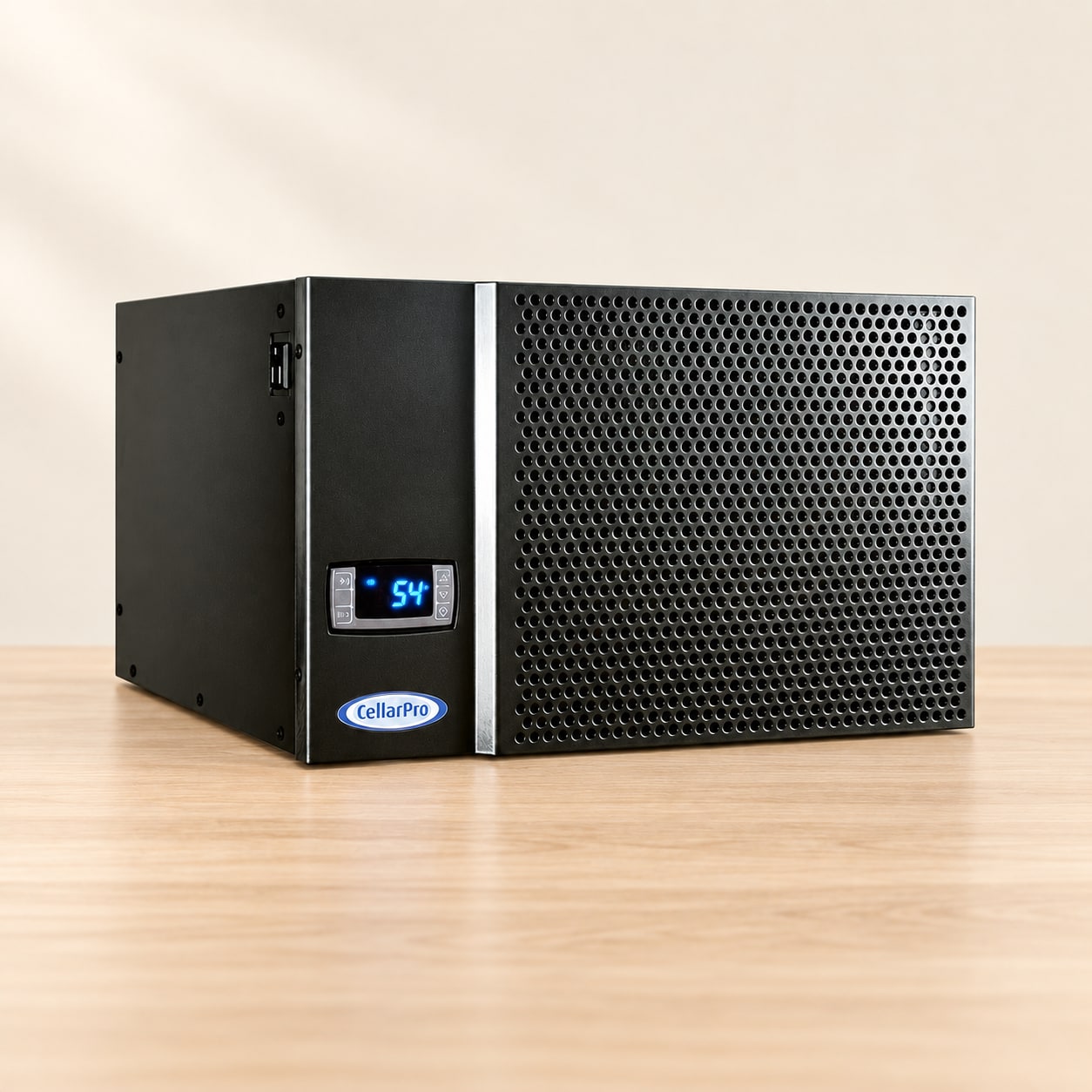
Wine cooling systems are crucial for maintaining optimal conditions in your custom wine cellar. They regulate temperature and humidity levels, protecting your wine from heat, light, and fluctuations. Investing in a high-quality cooling system ensures that your collection ages gracefully and maintains its flavor and aroma. Properly installed and maintained, these systems provide the ideal environment for your wines to thrive.
Racking options for organizing and storing your wine collection
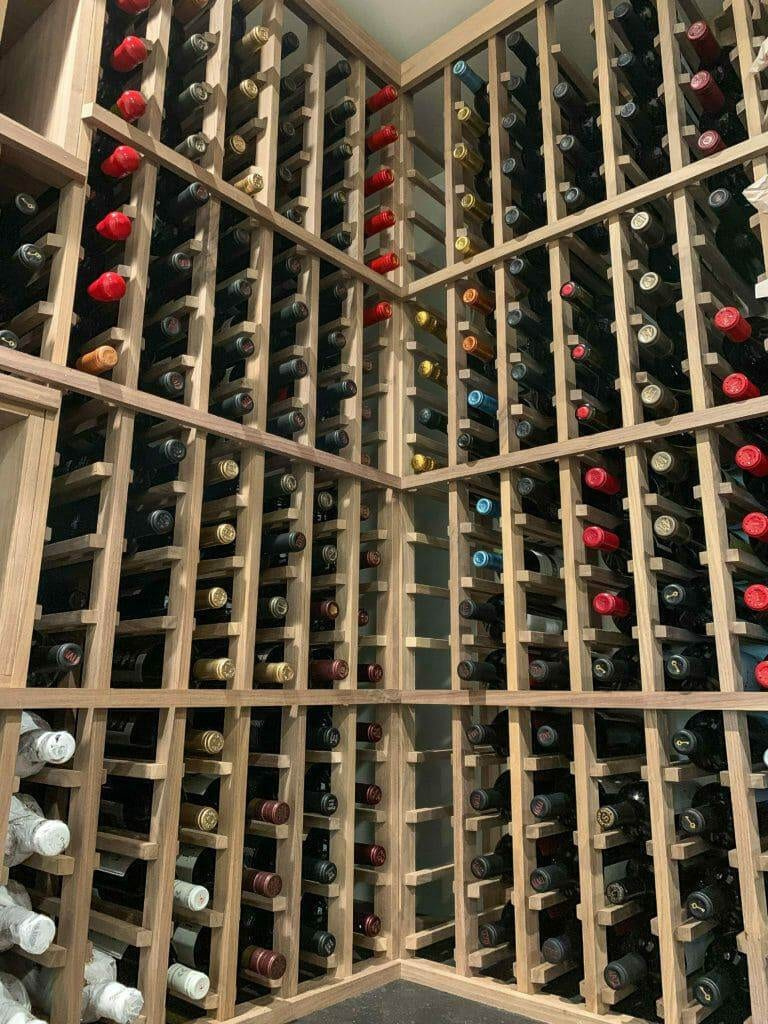
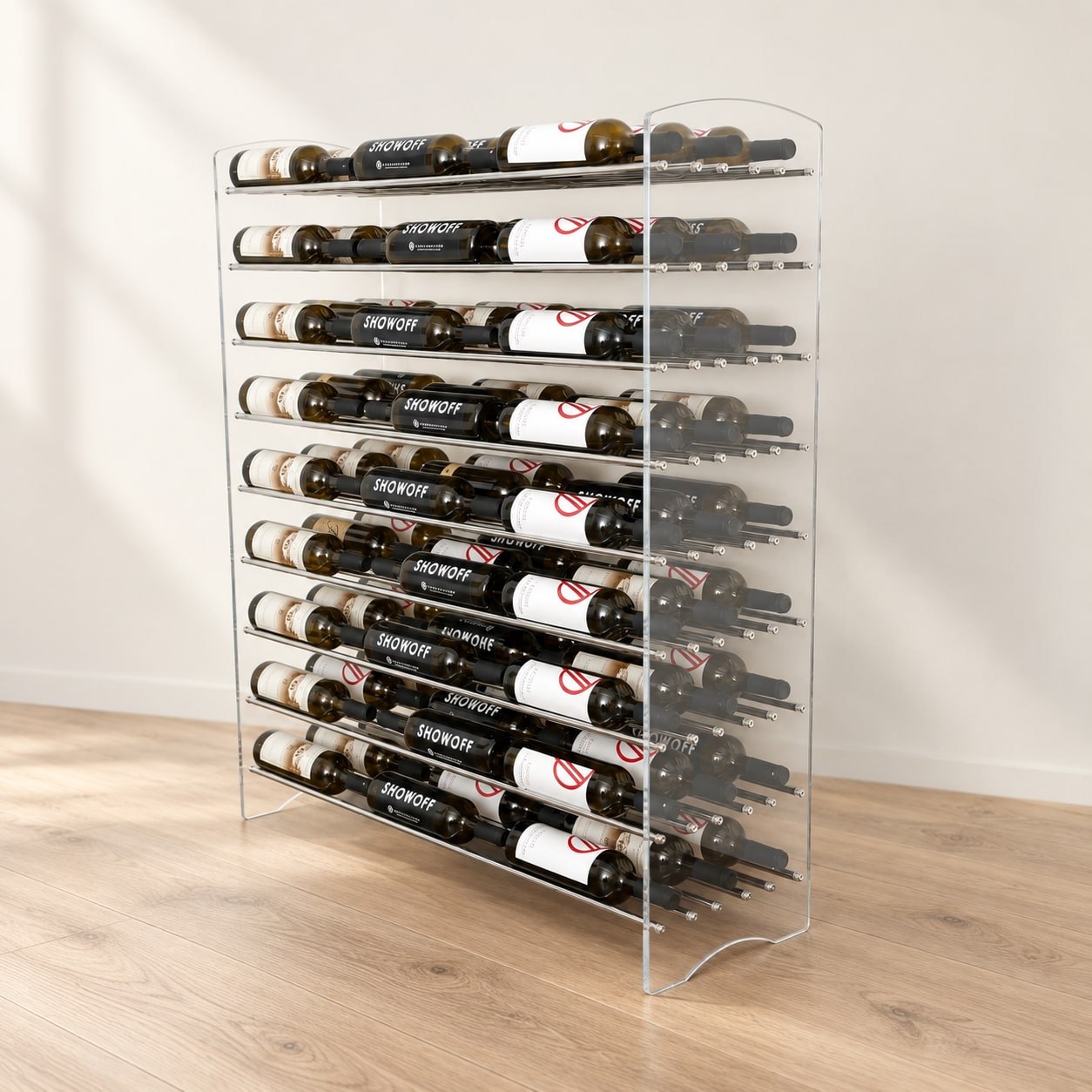
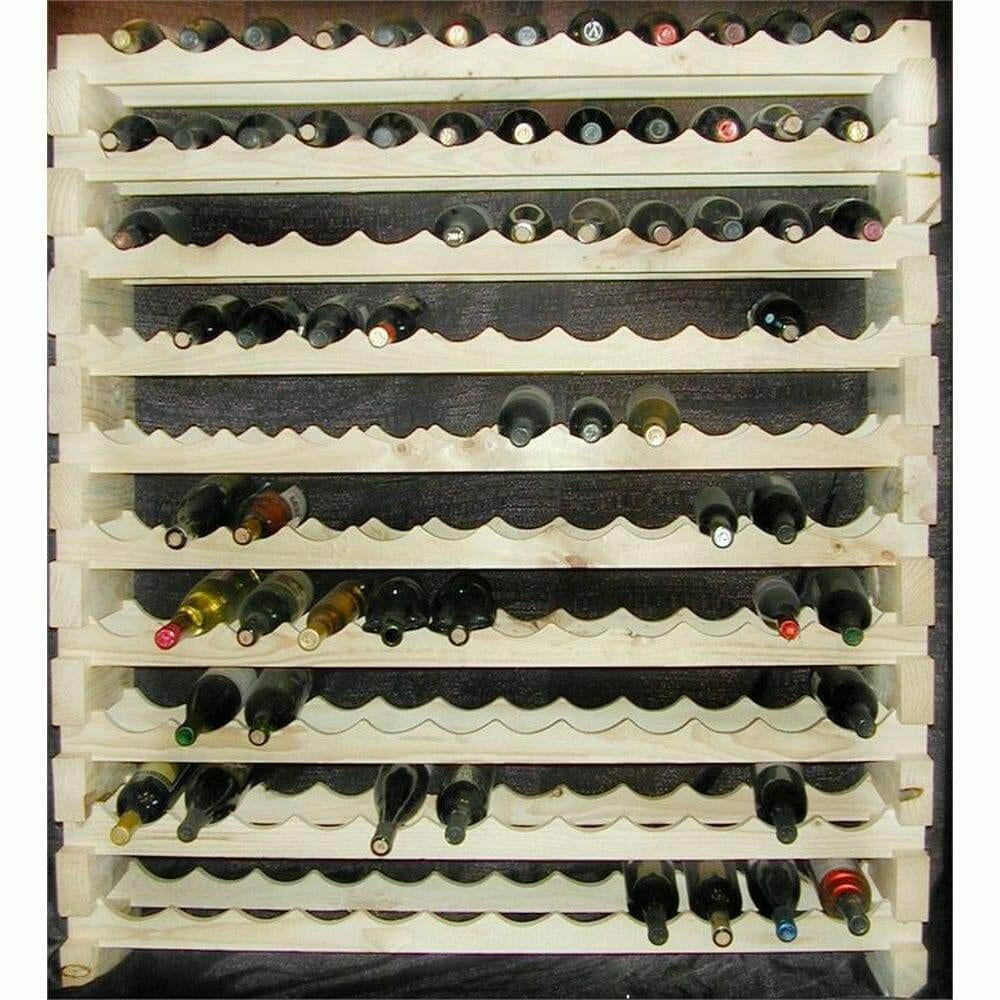
Racking options play a crucial role in organizing and storing your wine collection. Consider factors like bottle capacity, material, and design when choosing racks. Opt for modular systems that allow for flexibility and expansion as your collection grows. Wall-mounted, floor-to-ceiling, or standalone racks are popular choices. Ensure proper spacing between bottles to prevent damage and allow for easy access.
Budgeting for Your Custom Wine Cellar
Cost breakdown is an integral part of building a custom wine cellar, and it’s crucial to have a clear understanding of the expenses involved. Consider factors like construction materials, wine cellar size, insulation, cooling systems, lighting, and additional features to estimate your budget accurately. Creating a detailed budget plan will help you stay on track and avoid unexpected costs during the construction process.
Cost breakdown of building a custom wine cellar
Cost breakdown is an integral part of building a custom wine cellar, and it’s crucial to have a clear understanding of the expenses involved. Consider factors like construction materials, wine cellar size, insulation, cooling systems, lighting, and additional features to estimate your budget accurately. Creating a detailed budget plan will help you stay on track and avoid unexpected costs during the construction process.
Factors that can impact the overall expenses
Factors that can impact the overall expenses of building a custom wine cellar include the size of the cellar, the materials used for construction, insulation requirements, cooling system specifications, lighting choices, and any additional features or customization options. These factors can significantly affect the total cost of the project and should be carefully considered during the planning phase to stay within budget.
Installation Process and Maintenance
Step-by-step guide to installing wine cellar hardware
Installing wine cellar hardware involves:
- Preparing the designated space by cleaning and ensuring proper insulation.
- Assembling the cooling system and connecting it to a power source.
- Installing the wine racks and organizing them based on your preferred layout.
- Setting up the lighting fixtures and ensuring adequate visibility.
- Testing the cooling system and making any necessary adjustments.
Tips for proper maintenance and care to preserve your wine collection
To maintain your custom wine cellar:
1. Regularly monitor and adjust temperature and humidity levels.
2. Clean the cellar regularly, removing any dust or debris.
3. Inspect wine bottles for signs of damage or spoilage.
4. Rotate wines periodically to ensure even aging.
5. Keep a record of your collection and its storage conditions.
By following these steps and maintaining your custom wine cellar properly, you can ensure that your wine collection remains in optimal condition for years to come.
Conclusion and Recommendations
After completing the construction and installation of your custom wine cellar with Wine Hardware, it is important to conclude the project by assessing its functionality and appeal. Take the time to thoroughly inspect the cellar and make any necessary adjustments or additions. Additionally, consider implementing recommendations such as incorporating labeling systems for easy organization, adding a tasting area or seating, or installing proper lighting to enhance the ambiance. By continuously evaluating and optimizing your wine cellar, you can ensure that it remains a functional and enjoyable space for storing and showcasing your collection.
Final thoughts on building a custom wine cellar with wine hardware
When it comes to building a custom wine cellar with Wine Hardware, the final thoughts revolve around the satisfaction of creating a functional and visually appealing space for storing and showcasing your wine collection. By carefully considering the design, layout, and hardware options, as well as budgeting and proper installation and maintenance, you can ensure a successful project that meets your needs and exceeds your expectations.
Recommendations for maximizing the functionality and appeal of your wine cellar
To maximize the functionality and appeal of your wine cellar, consider these recommendations:
- Install proper lighting to enhance the ambiance and showcase your wine collection.
- Use glass doors or windows to create a visually stunning display.
- Opt for adjustable racking systems to accommodate different bottle sizes and types.
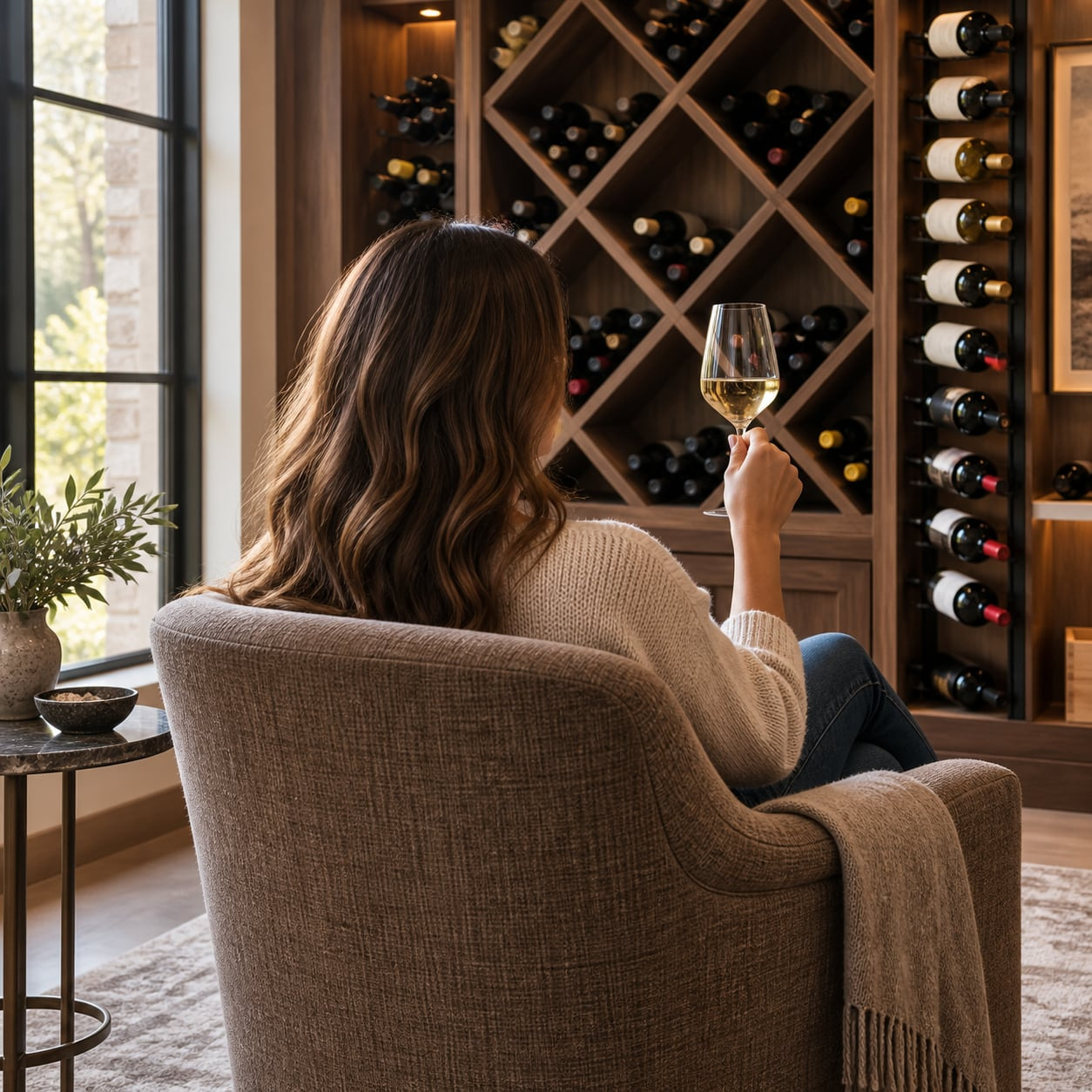
- Incorporate a tasting area with comfortable seating.
- Implement a labeling system to easily locate specific bottles.
- Utilize humidity control systems to protect your wine from damage.
- Consider adding a cooling unit for precise temperature regulation.
- Install a security system to safeguard your valuable collection.
By following these recommendations, you can create a wine cellar that not only functions efficiently but also impresses with its aesthetic appeal.
Plan your cellar with Wine Hardware. Send your room photos and collection goals, or call (925) 944-1084 to discuss the next step.
More on custom wine cellar construction cost
200-Bottle Cellar Costs in Walnut Creek
From the Wine Hardware article published 2025-12-30.
A 200-bottle cellar in Walnut Creek is a useful planning brief, not a fixed-price product. The cost depends on the room you start with, the bottles you want to hold and the construction needed around the cooling and racks. Begin with a complete scope instead of a price per bottle. Wine Hardware can help separate the decisions that shape the budget and the details needed before an estimate becomes meaningful.
Define what 200 bottles means for your collection
Start with a bottle list grouped by shape and storage purpose. Two hundred similar bottles can use a different layout from the same count containing Champagne, larger formats and wines you want displayed individually. Decide whether the target includes future purchases or describes only what you own today.
Mark the accessible positions, display sections and any case storage on a draft layout. Ask for usable capacity with your bottle mix rather than relying only on the rack manufacturer’s headline number. A small allowance for unusual shapes should be an intentional part of the drawing. This keeps a nominal 200-bottle project from becoming full before the collection is properly organized.

Identify the room work before pricing finishes
Document the existing space with measurements and photographs. Note what will remain, what must be removed and how the proposed cellar connects with the rest of the home. A new enclosure inside an existing room and a conversion involving substantial construction are different scopes even when they hold the same collection.
Have the enclosure, door and any glass assessed with the cooling plan. Ask the proposal to identify construction assumptions and areas that need further investigation. Include finish repairs outside the cellar where work extends into adjacent rooms. A decorative surface allowance cannot stand in for an unresolved wall, floor or door detail.
Break the equipment and rack budget into parts
Request separate lines for cooling equipment, accessories required for its installation, connections and startup. The unit should be selected through a room assessment, not by the 200-bottle label. Ask where it will operate, how heat is rejected and how it will be reached for service once the racks are in place.
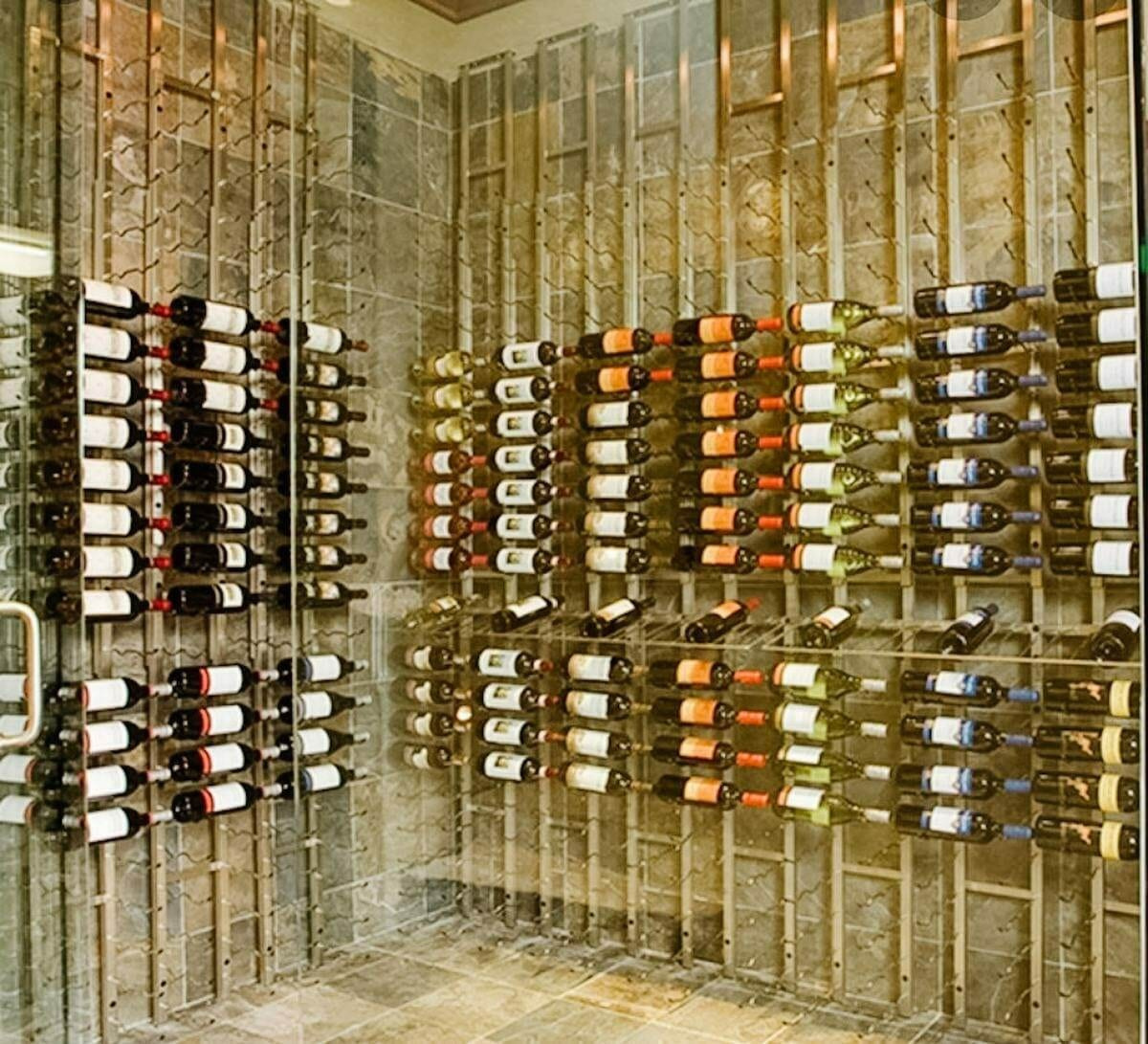
For racking, separate modules or custom fabrication, trim, assembly and attachment. Wine Hardware carries VintageView, Modularack and designer kits and provides custom cellar design. Compare suitable combinations against the same collection map. A simpler storage section and a focused display can have a different scope from custom detail across every wall, while still serving the intended capacity.
Include the work between the major line items
Lighting, electrical work, delivery, material handling, wall preparation and final finish work should not disappear between the rack and cooling quotes. Ask who owns each task and whether the price includes installation or only supplied goods. Request current freight arrangements for large equipment and allow for the route into the home.
Have the appropriate authority confirm any permits and inspections required for the address and scope. Fees and review requirements should come from the responsible office, not from a generic cellar article. If the work is part of a larger Walnut Creek remodel, identify which items are already included in that contract to avoid counting them twice or leaving them out entirely.
Compare estimates using the same finished result
Give each proposal the same room sketch, capacity target and bottle mix. Compare exclusions, allowances and unresolved choices before comparing totals. Ask how changes are approved and priced. A quote can be detailed without being final if site conditions or equipment selections remain open.
Keep an explicit place in the budget for unresolved work rather than inventing a universal contingency percentage. Ask what information would reduce that uncertainty: a site inspection, a selected door, an equipment layout or a final rack drawing. This turns “How much will it cost?” into a sequence of decisions that produces a more reliable answer.

Adjust the design without losing its purpose
If the first scope exceeds your budget, review the discretionary choices separately from the room requirements. Consider the amount of display storage, finish complexity, custom trim and whether a tasting surface is necessary. Compare an appropriate rack kit where it fits the plan. Do not treat omitted service access or an unreviewed enclosure detail as a saving.
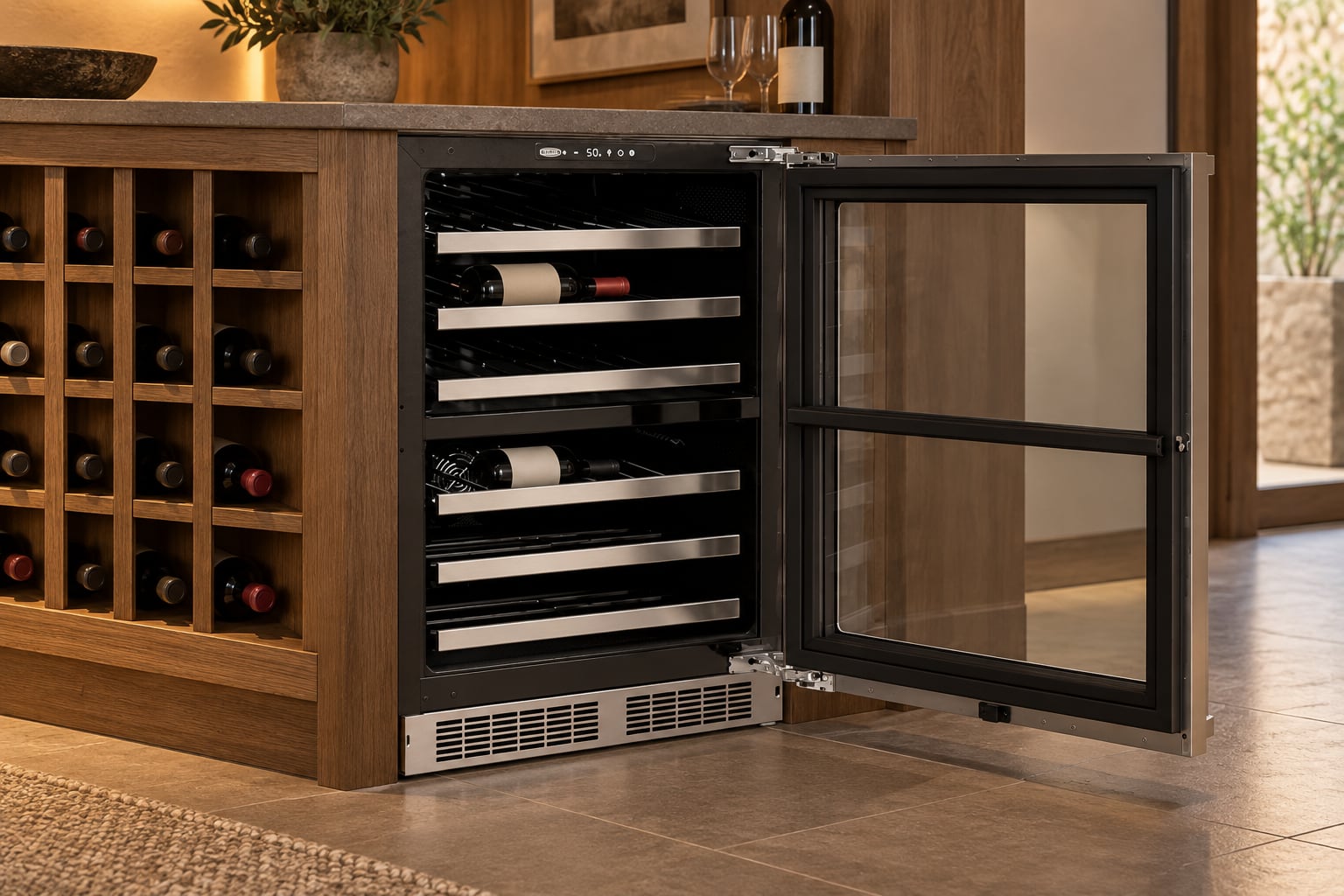
Also compare a suitable wine refrigerator arrangement if a dedicated room no longer matches the available scope. The aim is useful storage for your collection, with a project you understand. Bring the bottle list, room photos and a comfortable budget range to Wine Hardware at 1617 Locust St so the next discussion can focus on real alternatives.
Questions before you decide
Can you quote a 200-bottle cellar from the bottle count?
The count starts the conversation but does not define the room, bottle mix, equipment or construction. A useful estimate needs those details and a clear statement of what is included.
Is there a reliable price per bottle?
Not for comparing different construction scopes. A price-per-bottle calculation can hide differences in enclosure work, cooling, display space and installation. Compare the full project first, then consider capacity as one measure of usefulness.
What can I prepare before asking for a quote?
Bring room measurements and photographs, a list of bottle formats, the intended capacity and any existing remodel plans. State your budget range and which design features matter most. This helps identify what needs assessment and what can be compared immediately.
Start your Walnut Creek 200-bottle cellar estimate. Call Wine Hardware at (925) 944-1084 with the room details and collection plan.
Behind the advice
Bring the article. Talk it through with Mike.
How would this work in your room? Bring Mike the article and your dimensions at 1617 Locust St, Walnut Creek. You can compare racking, cabinets and cooling choices around the wine you want to store.
Cooling sized, not guessed
We work out the heat load for your room before recommending a unit.
Racking you can touch first
Wood, metal and display racking standing in the showroom, not in a PDF.
Support after the install
For a product question or replacement, call Mike with the model number and what you need help with.
1617 Locust St, Walnut Creek, CA 94596 · Mon–Fri 9:30–5:30
Questions people ask about this
Can you quote a 200-bottle cellar from the bottle count?
Is there a reliable price per bottle?
What can I prepare before asking for a quote?
Your cellar
Put your room into the conversation.
Which part of the article fits what you have in mind? Have a photo, dimensions and bottle count ready, then call Mike to compare the layout and cooling options. This beta form does not email the store.
Call Mike at (925) 944-1084 during showroom hours to work through the details.
Work through your cellar plans with Mike: (925) 944-1084
Keep reading
Next in the cellar
Articles our customers open after this one.

Wine Tips
Reducing Wine Cooler Noise in Living Rooms
January 6, 2026 · 3 min read
A wine cooler beside a living room should be evaluated from the sofa as well as at the cabinet. Describe the sound, timing and installation, then…

Wine Tips
Preventing Mold in Pacifica Wine Cellars
November 18, 2025 · 10 min read
A damp Pacifica cellar needs the moisture source understood before new racks or finishes are added. Record where problems appear and when they recur…

Wine Tips
Wine Rack Kit Delivery in the SF Bay Area
October 21, 2025 · 3 min read
Shipping wine rack kits in the SF Bay Area starts with the order and delivery location. Confirm package sizes, receiving access, assembly…
Start here
Ready to stop reading and start measuring?
Take a photo and a few measurements, then call Mike at (925) 944-1084. He can help you connect the ideas here to your room, collection and equipment choices.