Introduction to Wine Guardian System Maintenance
Most Wine Guardian service calls come down to a blocked coil, a filter nobody has touched, or a drain line doing nothing. Keep the unit reachable and follow the maintenance schedule for your exact model. Record the date, reading and surrounding changes when something unusual occurs. That log is what turns a vague fault into a fixable one when you call.
Overview of Wine Guardian System
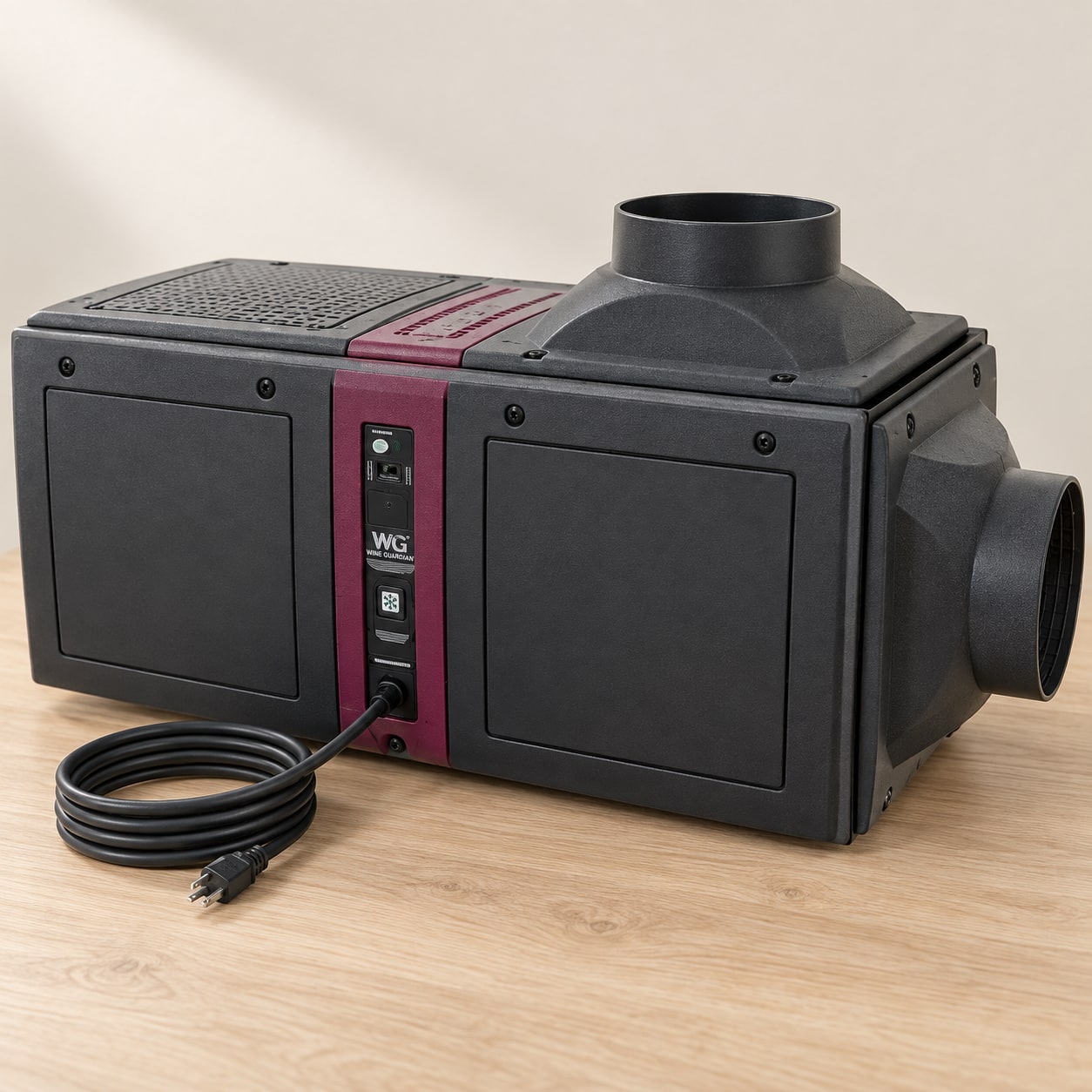
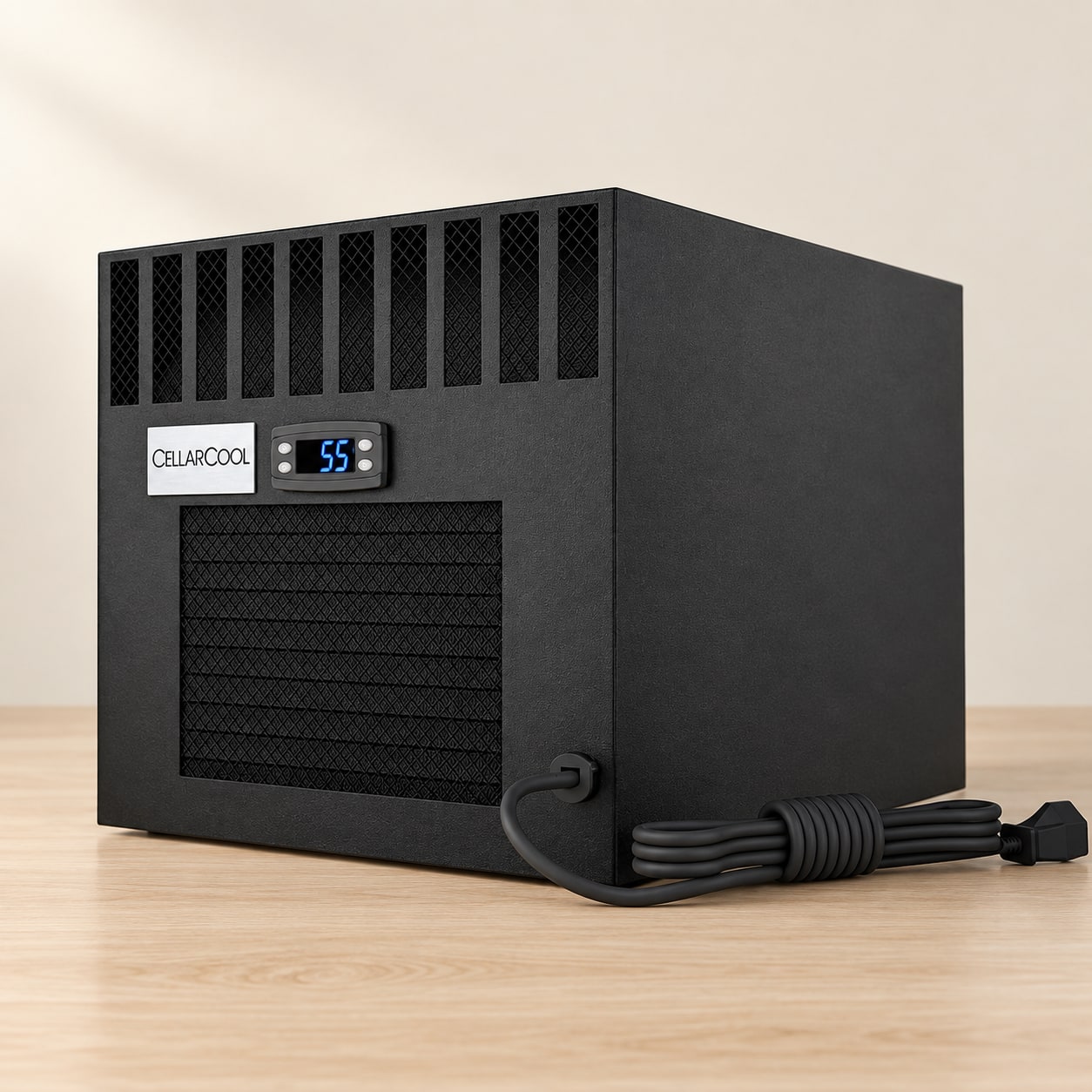
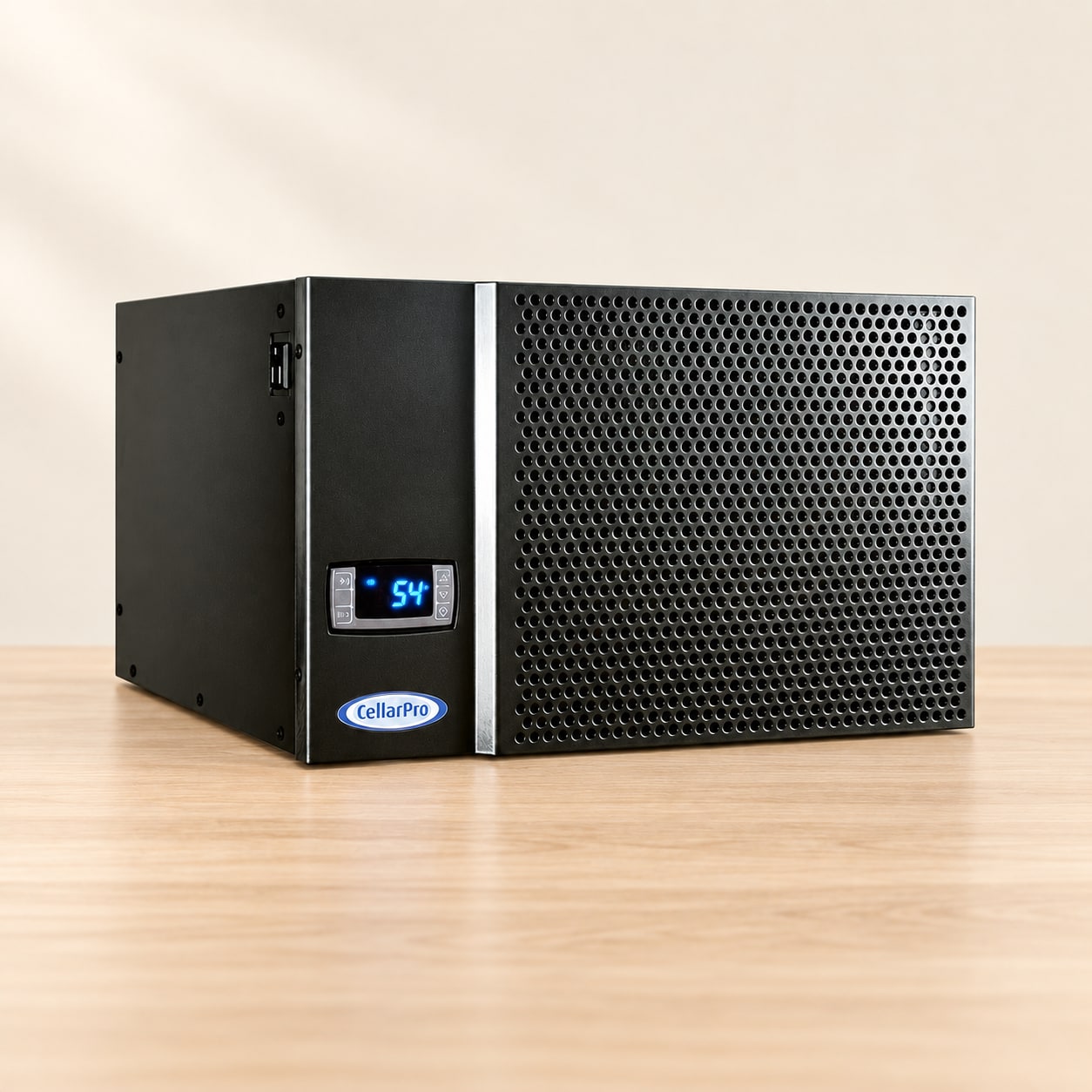
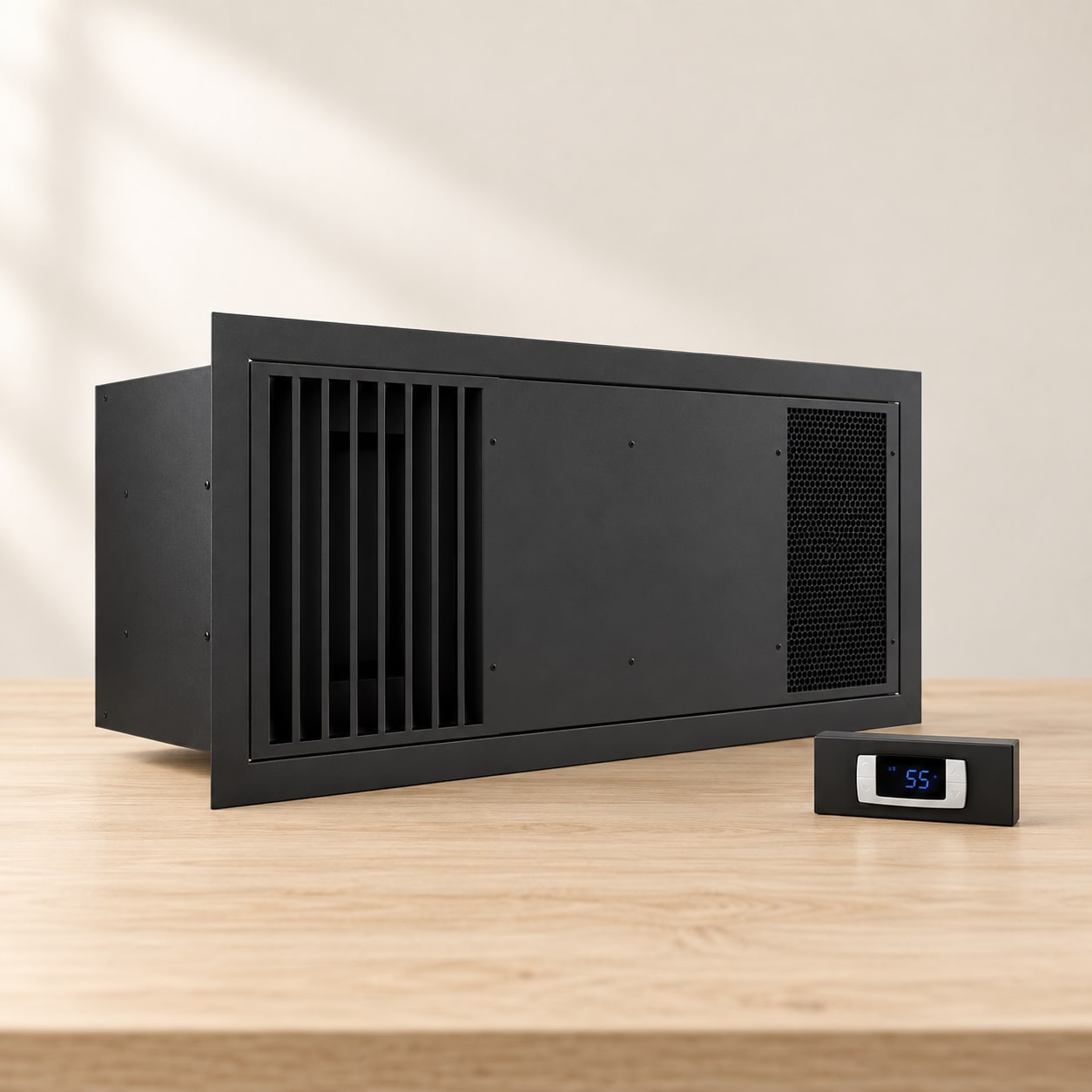
The Wine Guardian System is a sophisticated wine cooling unit designed to maintain the ideal climate conditions for storing and aging wine. It is equipped with advanced temperature and humidity control capabilities, ensuring that your wine collection stays in optimal conditions. The system includes components such as an evaporator coil, air filters, drain lines, and insulation. It also features software that allows for precise temperature adjustments and monitoring. With its reliable performance and innovative technology, the Wine Guardian System is a top choice for wine connoisseurs and professionals alike.
Importance of Regular Maintenance
Regular maintenance is crucial for the optimal performance and longevity of your Wine Guardian System. By conducting routine maintenance, you ensure that all components are in proper working order, reducing the risk of malfunctions or breakdowns. This helps to maintain consistent temperature and humidity levels, safeguarding your valuable wine collection. Regular maintenance also allows for early detection of any issues, preventing potential damage and costly repairs. By investing time in maintaining your Wine Guardian System, you can enjoy peace of mind knowing that your wine is stored under ideal conditions for aging and preserving its quality.
Cleaning and Maintenance of Wine Guardian System Components
To ensure optimal performance and longevity of the Wine Guardian System, regular cleaning and maintenance of its components are essential. In order to maintain consistent temperature and humidity levels, it is important to clean the evaporator coil thoroughly. This helps prevent dust and debris buildup, which can hinder efficient operation. Additionally, inspecting and cleaning the air filters is crucial for effective air circulation and filtration. These simple maintenance steps contribute to preserving your wine collection at its best quality.
Cleaning the Evaporator Coil
The evaporator coil is a critical component of the Wine Guardian System that requires regular cleaning. To ensure optimal performance, it is important to remove dust and debris buildup from the coil. This can be done by gently vacuuming or using a soft brush to clean the fins. It is essential to avoid using harsh chemicals or excessive force, as this can damage the coil. By keeping the evaporator coil clean, you can ensure efficient operation and maintain consistent temperature and humidity levels for your wine collection.
Inspecting Air Filters
Regularly inspecting the air filters is an essential part of maintaining your Wine Guardian system. The air filters are responsible for capturing dust, dirt, and other particles in the air before it reaches the evaporator coil. Over time, these filters can become clogged with debris, hindering the system’s performance and reducing airflow.
To inspect the air filters, remove them from the unit and examine them closely. Look for any signs of dirt or debris buildup. If the filters appear dirty or clogged, they should be cleaned or replaced. Cleaning can be done by gently vacuuming or rinsing the filters with water. Allow them to thoroughly dry before re-installing them.
By regularly inspecting and cleaning or replacing the air filters in your Wine Guardian system, you can ensure optimal airflow and prevent dust and debris from compromising the system’s efficiency and performance. This will help maintain consistent temperature and humidity levels for your wine collection, ensuring its longevity and quality.
Temperature and Humidity Calibration
Calibrating the temperature settings and adjusting humidity levels are crucial steps in maintaining a Wine Guardian system. Accurate temperature control is essential for preserving the quality of your wine, while proper humidity levels prevent cork drying and potential oxidation. To calibrate the temperature settings, use a calibrated thermometer to compare the displayed temperature with the actual temperature inside the wine storage area. If there is a discrepancy, follow the manufacturer’s instructions to adjust the settings accordingly.
To adjust humidity levels, use a hygrometer to measure the humidity inside the wine storage area. The ideal humidity level for wine storage ranges between 50% and 70%. If the humidity deviates from this range, follow the manufacturer’s guidelines to adjust it accordingly. This may involve adjusting the output of the humidification system or adding moisture-absorbing materials if it is too high, or using a humidification device if it is too low.
Proper calibration of both temperature and humidity ensures optimal conditions for your wine collection. Regularly monitoring and adjusting these settings will help preserve your wine’s flavor, aroma, and overall quality over time. Maintaining consistent temperature and humidity levels is an essential aspect of Wine Guardian system maintenance.
Calibrating Temperature Settings
To ensure accurate temperature control, it is essential to calibrate the temperature settings of a Wine Guardian system. This can be done by comparing the displayed temperature with the actual temperature inside the wine storage area using a calibrated thermometer. If there is a discrepancy, the user should follow the manufacturer’s instructions to adjust the settings accordingly. Calibrating the temperature settings ensures that the wine is stored at the desired temperature, preserving its quality and flavor. It is recommended to regularly monitor and adjust these settings for optimal wine storage conditions.
Adjusting Humidity Levels
To maintain the ideal environment for wine storage, it is crucial to adjust the humidity levels of your Wine Guardian system. High humidity can lead to mold growth and damage wine labels, while low humidity can cause corks to dry out and allow air to seep into the bottles.
To increase humidity, Wine Hardware recommends placing a pan of water or a humidifier near the unit. This will help add moisture to the air and maintain a humidity level between 50% and 70%.
Conversely, if the humidity is too high, a dehumidifier can be used to remove excess moisture from the air. This will prevent the growth of mold and mildew.
Regularly monitoring and adjusting the humidity levels ensures that your Wine Guardian system creates an optimal storage environment that preserves the quality of your wines for years to come.
Checking for Leaks and Condensation
Checking for Leaks and Condensation
To ensure the optimal performance of your Wine Guardian system, it is essential to periodically check for leaks and condensation. Leaks can lead to water damage and compromise the integrity of the unit, while excessive condensation can negatively affect the storage environment.
Inspecting Drain Lines: Regularly inspect the drain lines of your Wine Guardian system to ensure they are clear and free from any obstructions. Clogged drain lines can cause water buildup and potential leaks. Clearing any blockages will help maintain proper water drainage and prevent excess moisture accumulation.
Ensuring Proper Insulation: Adequate insulation is crucial in preventing condensation within your Wine Guardian system. Inspect all seals and gaskets to ensure they are intact and properly sealed. Any gaps or cracks should be addressed promptly to prevent moisture from entering the unit.
By regularly checking for leaks and condensation, you can identify and address any issues before they escalate. This proactive approach ensures the continuous functionality of your Wine Guardian system, providing optimal storage conditions for your valuable wine collection.
Inspecting Drain Lines
Regularly inspecting the drain lines of the Wine Guardian system is crucial for optimal performance. This ensures that the drain lines are clear and free from obstructions. Clogged drain lines can lead to water buildup and potential leaks, which can cause water damage and compromise the integrity of the unit. By clearing any blockages, proper water drainage is maintained, preventing excess moisture accumulation. Inspecting drain lines should be a part of the regular maintenance routine to keep the Wine Guardian system functioning at its best.
Ensuring Proper Insulation
Proper insulation is essential for the optimal functioning of the Wine Guardian system. It helps maintain a consistent temperature and humidity level within the wine cellar. To ensure proper insulation, Wine Hardware recommends checking for any gaps or leaks in the sealing of the wine cellar walls and door. Any cracks or openings should be sealed to prevent outside air from entering the cellar and affecting the temperature. Well-insulated walls and doors help the system work more efficiently, preserving the quality of your wines. Regularly inspecting and maintaining insulation is crucial for long-term performance and energy efficiency.
Software Updates and Troubleshooting
To ensure optimal performance, regularly updating the Wine Guardian system software is crucial. Wine Hardware recommends checking for any available software updates on the official Wine Guardian website. These updates often include bug fixes and performance enhancements that improve the system’s overall functionality.
In the event of any issues or malfunctions with the Wine Guardian system, troubleshooting steps can help identify and resolve the problem. Wine Hardware suggests referring to the system’s user manual or contacting their customer support team for specific troubleshooting guidelines.
Common issues that may arise include temperature fluctuations, sensor errors, or display malfunctions. By following the recommended troubleshooting steps, users can often rectify these problems without professional assistance.
However, if troubleshooting does not resolve the issue or if the problem persists, it is advisable to seek professional maintenance services from Wine Hardware. Their trained technicians have the expertise to diagnose and repair any complex issues with the Wine Guardian system.
By keeping up with software updates and promptly addressing any troubleshooting needs, wine cellar owners can ensure their Wine Guardian system operates at its best and safeguards their valuable wine collection.
Updating Wine Guardian System Software
To ensure optimal performance, regularly updating the Wine Guardian system software is crucial. This helps to keep the system up-to-date with the latest bug fixes and performance enhancements. Wine Hardware recommends checking for any available software updates on the official Wine Guardian website. These updates often include improvements that enhance the overall functionality of the system. By staying updated with the latest software, wine cellar owners can ensure that their Wine Guardian system operates at its best and provides reliable temperature control for their valuable wine collection.
Common Issues and Troubleshooting Tips
It’s important to be aware of common issues that may arise with your Wine Guardian system and how to troubleshoot them effectively. Here are a few common issues and troubleshooting tips to keep in mind:
- Temperature Fluctuations: If you notice temperature fluctuations in your wine cellar, check the thermostat settings and ensure they are set correctly. Additionally, make sure there are no obstructions blocking the airflow around the Wine Guardian unit.
- Excessive Noise: If you hear unusual noises coming from your Wine Guardian system, it could be due to loose components or a malfunctioning fan. Check for any loose screws or debris that may be causing the noise and tighten or remove them accordingly.
- Inaccurate Readings: If your Wine Guardian system is displaying inaccurate temperature or humidity readings, check the sensors for any dirt or dust buildup. Clean them gently using a soft cloth or brush to ensure accurate readings.
- Power Issues: If your Wine Guardian system is not powering on or experiencing frequent power outages, check the power supply and connections. Ensure that they are secure and functioning properly. Consider contacting a professional technician if the issue persists.
- Drainage Problems: If you notice water leaks or improper drainage from your Wine Guardian unit, inspect the drain lines for any clogs or blockages. Clear any debris to allow proper water flow and prevent leaks.
Remember, if you encounter any issues with your Wine Guardian system that you are unsure how to resolve, it is always recommended to contact the manufacturer’s customer support team for assistance. They can provide further guidance and help resolve any complex troubleshooting issues. By addressing these common issues promptly, you can ensure that your Wine Guardian system continues to function efficiently and maintain the ideal conditions for your wine cellar.
Conclusion
Summary of Maintenance Steps
The Wine Guardian system is a crucial component of any wine cellar, ensuring optimal temperature and humidity levels for the preservation of your valuable wine collection. To maintain its efficiency and longevity, regular maintenance is necessary. This includes cleaning the evaporator coil, inspecting air filters, calibrating temperature settings, checking for leaks and condensation, and updating the system software.
Professional Maintenance Services
While regular maintenance can be performed by wine cellar owners, it is recommended to seek professional services from wine hardware experts like Wine Hardware. Their technicians have the expertise and knowledge to efficiently maintain your Wine Guardian system, conduct thorough inspections, and address any potential issues before they escalate. By entrusting your system to professionals, you can ensure its continued performance and prolong its lifespan.
Investing time and effort in properly maintaining your Wine Guardian system will reap long-term benefits, providing a stable environment for your wine collection and protecting your investment. Regular maintenance will help prevent breakdowns, improve energy efficiency, and ensure accurate temperature and humidity control. By following the maintenance steps discussed in this guide and seeking professional assistance when needed, you can enjoy peace of mind knowing that your Wine Guardian system will continue to safeguard your cherished wines for years to come.
Talk with Mike to gather the right Wine Guardian model details for a maintenance conversation. Take the next step by calling (925) 944-1084 with your model number and photos of the room.
More on Wine Guardian maintenance and efficiency
Introduction to Wine Guardian System by Wine Hardware
Improving Wine Guardian operation starts with a review of the room and the installed model. Check documented maintenance, enclosure issues and required airflow before buying additional components or treating a single control adjustment as an explanation for higher operating costs. Bring the model details, room dimensions and installation photos to Wine Hardware in Walnut Creek. We can help identify the equipment questions to resolve before you choose your next step.
Introduction to the Wine Guardian System
The Wine Guardian System, developed by Wine Hardware, is a revolutionary solution for wine enthusiasts and professionals seeking to optimize their wine storage conditions. This modern system combines advanced temperature and humidity control technology to ensure that wines are preserved at their optimal conditions. Designed to maximize efficiency and maintain the quality of your valuable wine collection, the Wine Guardian System is a must-have for connoisseurs and restaurant owners alike. With its innovative features and commitment to excellence, Wine Hardware has created a game-changing solution for wine storage.
Benefits of using the Wine Guardian System
The Wine Guardian System offers a multitude of benefits for wine enthusiasts and professionals. Its advanced temperature and humidity control technology ensures that wines are stored at their optimal conditions, preserving their quality and taste. This system maximizes efficiency by creating a consistent environment, preventing fluctuations that can harm the wine. The precise control allows you to customize settings according to your collection's specific needs, whether you are storing reds, whites, or sparkling wines. With the Wine Guardian System, you can have peace of mind knowing that your valuable wines are protected and aging gracefully.
Understanding Wine Guardian System Components
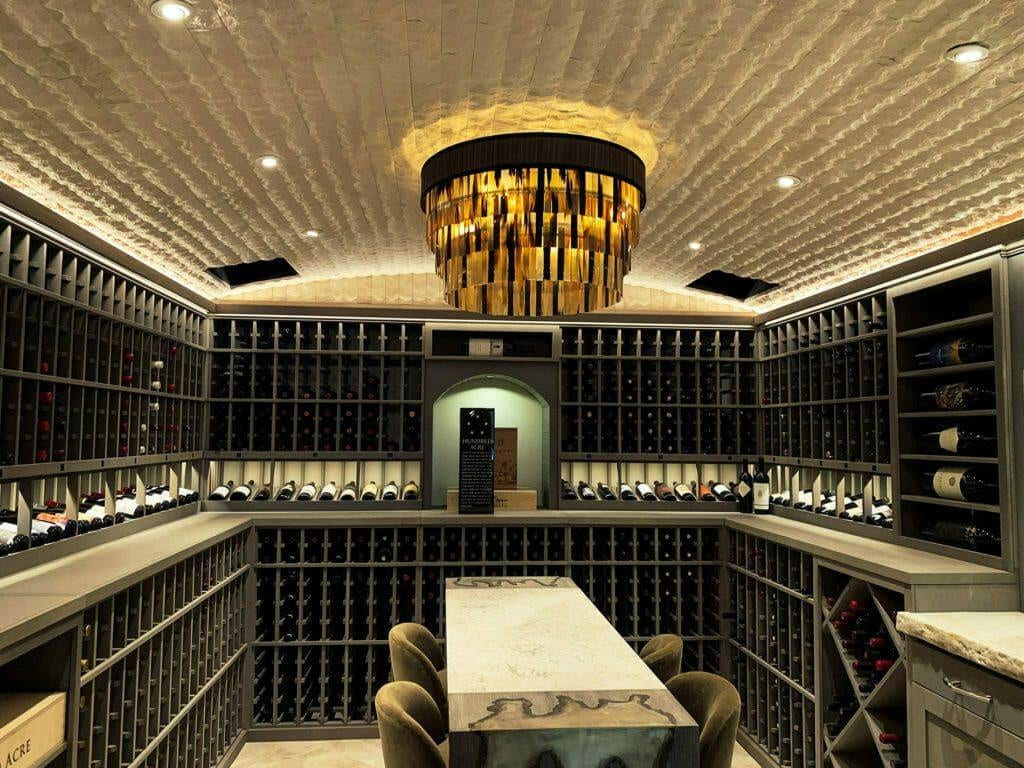
Overview of Wine Guardian System components
The Wine Guardian System consists of several key components that work together to create an optimal wine storage environment. These components include the main unit, cooling and humidification systems, and a control panel for adjusting settings. The system also has ducts or vents that distribute cool air throughout the storage area. Additionally, sensors measure temperature and humidity levels, providing real-time data for monitoring. Each component plays a vital role in maintaining the ideal conditions for wine storage and ensuring maximum efficiency.
Significance of each component in maximizing efficiency
The Wine Guardian System consists of several key components, each playing a significant role in maximizing efficiency.
The main unit is the heart of the system, housing the cooling and humidification systems. It is responsible for regulating temperature and humidity levels, ensuring optimal conditions for wine storage.
The cooling system works to maintain a consistent and ideal temperature, preventing fluctuations that can harm the quality of the wine.
The humidification system helps to control humidity levels, preventing the air from becoming too dry, which can cause corks to dry out and compromise the integrity of the wine.
The control panel allows users to adjust and monitor settings, providing precise control over the wine storage environment. This level of customization ensures that the system operates at its most efficient level.
Ducts or vents are strategically placed to distribute cool air evenly throughout the storage area, promoting uniform temperature and humidity levels. This helps to prevent hot spots and ensure that every bottle receives the same level of care.
Sensors constantly measure temperature and humidity levels in real-time, providing valuable data for monitoring and maintaining optimal conditions.
Each component of the Wine Guardian System is designed to work together cleanly, ensuring maximum efficiency in creating an ideal environment for wine storage.
Installation Tips for Wine Guardian System
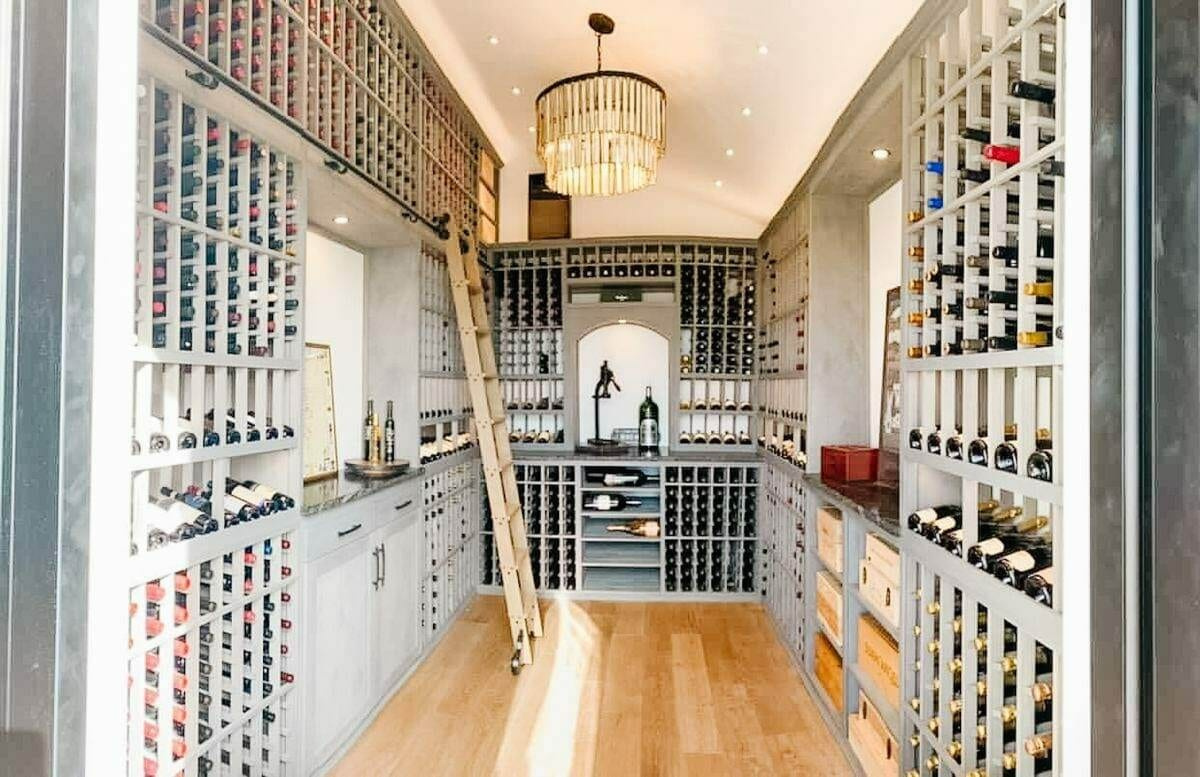
Key factors to consider during Wine Guardian System installation
During the installation process of the Wine Guardian System, there are several key factors to consider to ensure optimal performance.
Firstly, it is crucial to select a suitable location for the main unit. The unit should be placed in an area with sufficient airflow and away from direct sunlight or heat sources. This helps to maintain consistent temperature and humidity levels.
It is essential to follow the manufacturer's instructions carefully when connecting and positioning the ducts or vents. Proper placement of these components ensures even distribution of cool air throughout the wine storage area, preventing any hot spots.
Proper electrical connections are also vital for the Wine Guardian System. It is recommended to consult a licensed electrician during installation to ensure that the electrical requirements are met and that all wiring is done correctly.
Best practices to ensure optimal performance
To maximize efficiency and performance of the Wine Guardian System, it is important to follow best practices during installation.
One key practice is to properly insulate the wine storage area. Insulation helps to create a more stable environment, reducing energy consumption and preventing temperature fluctuations that may harm the wine.
Another best practice is to regularly clean and maintain all components of the system. Regularly check for any dust or debris buildup on the cooling coils or vents and clean them as needed. This helps to optimize airflow and prevent any blockages that could impact efficient operation.
Record cellar conditions and follow the selected unit's operating instructions when checking or changing its settings. By regularly monitoring and adjusting settings, you can ensure that the Wine Guardian System operates at its most efficient level, providing ideal conditions for storing your wines.
Taking these installation tips and best practices into consideration will help you optimize the performance and efficiency of your Wine Guardian System, ensuring that your wines are stored in optimal conditions for long-term preservation.
Key factors to consider during Wine Guardian System installation
The installation of the Wine Guardian System requires careful consideration of several key factors to ensure optimal performance.
One crucial factor is selecting a suitable location for the main unit. It should be placed in an area with sufficient airflow and away from direct sunlight or heat sources, maintaining consistent temperature and humidity levels.
Following the manufacturer's instructions is essential when connecting and positioning the ducts or vents. Proper placement ensures even distribution of cool air throughout the wine storage area, avoiding any hot spots.
Proper electrical connections are vital for the Wine Guardian System. Consulting a licensed electrician during installation helps ensure that the electrical requirements are met and that all wiring is done correctly.
Considering these key factors during installation will help maximize the efficiency and performance of your Wine Guardian System, providing optimal conditions for storing your valuable wine collection.
Best practices to ensure optimal performance
To ensure optimal performance of the Wine Guardian System, several best practices must be followed. First and foremost is selecting a suitable location for the main unit. It should be placed in an area with sufficient airflow and away from direct sunlight or heat sources. This helps maintain consistent temperature and humidity levels, essential for preserving wine quality.
Proper installation of the ducts or vents is crucial. Following the manufacturer's instructions ensures even distribution of cool air throughout the wine storage area, preventing any hot spots and maintaining a stable environment for the bottles.
In terms of electrical connections, it is important to consult a licensed electrician during installation. This ensures that all electrical requirements are met, and wiring is done correctly, minimizing any electrical issues or malfunctions.
Regular maintenance is another key aspect of optimizing performance. This includes cleaning and changing air filters as recommended by Wine Hardware. Regular inspections should also be conducted to identify any potential issues before they become major problems.
Lastly, it is recommended to invest in a temperature and humidity monitoring system. This allows for real-time tracking of conditions within the wine storage area, enabling prompt adjustments if necessary.
By following these best practices, wine enthusiasts can enjoy the full benefits of their Wine Guardian System, ensuring optimal efficiency and performance in preserving their valuable wine collection.
Maintenance Guide for Wine Guardian System
Routine maintenance procedures for the Wine Guardian System
Regular maintenance is crucial for ensuring the optimal performance and longevity of the Wine Guardian System. To keep the system running smoothly, it is important to follow these routine maintenance procedures:
- Clean or replace air filters: Dirty or clogged air filters can impede airflow, affecting the system's cooling capacity. Regularly clean or replace the filters as recommended by Wine Hardware.
- Inspect fan blades and motors: Regularly check the fan blades for any debris buildup and ensure they are clean and free from obstructions. Additionally, inspect motors for signs of wear, damage, or overheating.
- Clean condenser coils: Over time, dust and debris can accumulate on the condenser coils, reducing their efficiency in heat exchange. Gently vacuum or brush off any residue to maintain optimal performance.
- Check refrigerant levels: Low refrigerant levels can impact cooling performance. It is advisable to consult a professional technician to check and recharge refrigerant if necessary.
- Lubricate moving parts: Proper lubrication of bearings and other moving parts reduces friction and extends their lifespan. Always use the lubricants recommended by Wine Hardware.
- Test thermostat accuracy: Periodically compare the thermostat reading with an independent thermometer placed near the wine bottles to ensure accurate temperature control.
Following these routine maintenance procedures will help maximize the efficiency and reliability of your Wine Guardian System, allowing you to enjoy perfectly stored wine collections for years to come.
Tips for prolonging the lifespan of your Wine Guardian System
- Regularly clean and maintain the system: Proper cleaning and maintenance are essential for extending the lifespan of your Wine Guardian System. Regularly clean or replace air filters to ensure proper airflow and cooling efficiency. Additionally, keep the condenser coils clean from any dust or debris buildup.
- Schedule professional inspections: It is advisable to schedule regular professional inspections to assess the overall condition of your Wine Guardian System. Professional technicians can identify any potential issues or wear and tear that may require attention, thus prolonging the system's lifespan.
- Monitor and control humidity levels: High humidity can cause moisture damage to the components of the Wine Guardian System. Utilize a hygrometer to monitor humidity levels in your wine storage area and ensure they remain within the recommended range. Use a dehumidifier if necessary.
- Avoid extreme temperature fluctuations: Rapid changes in temperature can put additional stress on the system's components. Try to maintain a consistent temperature range within the specified limits. Set appropriate temperature thresholds and avoid unnecessary adjustments.
- Protect against power surges: Power surges can damage sensitive electrical components of the Wine Guardian System. Consider investing in surge protectors or uninterruptible power supply (UPS) systems to safeguard against sudden voltage spikes.
- Follow manufacturer guidelines for maintenance: It is crucial to follow the manufacturer's guidelines for maintenance procedures, lubrication techniques, and recommended replacement parts for your specific Wine Guardian System model. This ensures that you are taking the necessary steps to prolong its lifespan.
By following these tips, you can proactively extend the lifespan of your Wine Guardian System, ensuring it continues to provide optimal temperature and humidity control for your valuable wine collection for years to come.
Troubleshooting Common Issues with Wine Guardian System
Identifying common issues with the Wine Guardian System
The Wine Guardian System is known for its reliability, but occasional issues may arise. Here are some common problems you may encounter:
- Temperature inconsistencies: If you notice temperature fluctuations within your wine storage area, it could be due to a malfunctioning thermostat or improper calibration. Verify that the thermostat is set correctly and consult the system's user manual to recalibrate if necessary.
- Insufficient cooling or excessive humidity: If your Wine Guardian System is not cooling adequately or there is excessive humidity, check the air filters and condenser coils for dirt or debris buildup. Clean or replace the filters and ensure the coils are clear of any obstructions.
- Noisy operation: Unusual noises from your Wine Guardian System may indicate loose components or a failing fan motor. Inspect the system for loose screws or connections and tighten as needed. If the noise persists, contact a professional technician for further diagnosis.
- Power issues: If the system fails to power on, check that it is properly plugged into a functioning power outlet. Ensure that any breakers or fuses related to the system are not tripped or blown. If the problem persists, contact an electrician to assess the electrical supply to your Wine Guardian System.
- Error codes or alarms: The Wine Guardian System may display error codes or trigger alarms in certain situations. Refer to the user manual for specific information about these codes and follow the recommended troubleshooting steps. If you are unable to resolve the issue, contact Wine Hardware customer support for further assistance.
Troubleshooting techniques to resolve problems efficiently
When troubleshooting issues with your Wine Guardian System, there are several techniques that can help you resolve problems efficiently:
- Check for simple issues first: Ensure that basic operational factors such as power supply and temperature settings are functioning correctly before delving deeper into troubleshooting.
- Consult the user manual: The system's user manual provides valuable information about troubleshooting specific issues and offers step-by-step instructions to resolve them. Always refer to the manual for guidance before attempting any repairs.
- Contact Wine Hardware customer support: If you are unable to resolve the issue on your own, contact Wine Hardware's knowledgeable customer support team. They can provide expert advice tailored to your specific problem and guide you through the troubleshooting process.
- Seek professional assistance if needed: In cases where the issue persists or requires technical expertise, it is advisable to consult a professional technician familiar with the Wine Guardian System. They have the necessary skills and tools to diagnose and repair any complex or internal problems.
By using these troubleshooting techniques, you can efficiently address common issues with your Wine Guardian System, ensuring its continued performance and reliability in maintaining ideal wine storage conditions.
Expert Tips for Maximizing Efficiency with Your Wine Guardian System
To ensure optimal performance and efficiency, experts at Wine Hardware have provided the following tips for maximizing the potential of your Wine Guardian System:
- Maintain Consistent Temperature: Set and monitor the thermostat to maintain a consistent temperature range suitable for your wine collection. Regularly check and recalibrate the thermostat if necessary.
- Clean Filters and Condenser Coils: Dirty air filters and condenser coils can hinder cooling efficiency and lead to excessive humidity. It is crucial to clean or replace these components regularly to avoid such issues.
- Check for Loose Components: Noisy operation is often caused by loose components. During routine inspections, be sure to tighten any loose parts to eliminate unnecessary noise.
- Power Connection Check: In case of power issues, always check the power connections to ensure they are secure. Additionally, inspect breakers or fuses as they may need resetting or replacing if tripped or blown.
- Diagnose Error Codes or Alarms: If error codes or alarms are displayed on your Wine Guardian System, reference the user manual for specific troubleshooting steps. Following these guidelines will help efficiently resolve any issues encountered.
- Seek Professional Assistance: If problems persist or are beyond your expertise, it is recommended to contact Wine Hardware's customer support for further assistance. Their knowledgeable team will provide expert advice and guidance tailored to your specific needs.
By following these expert tips, you can maximize the efficiency and longevity of your Wine Guardian System, allowing you to safely store and enjoy your wine collection for years to come.
Advanced strategies for maximizing efficiency with the Wine Guardian System
- Optimize Airflow: Proper airflow is crucial for effective cooling in your wine cellar. To maximize efficiency, ensure that there are no obstructions blocking the airflow from the Wine Guardian System. Arrange your wine racks and bottles in a way that allows air to circulate freely.
- Implement Insulation: Insulating your wine cellar can significantly improve the efficiency of your Wine Guardian System. Proper insulation helps maintain a stable temperature and reduces the workload on the system. Consider using insulation materials such as foam boards or spray foam insulation to minimize heat transfer.
- Utilize Zone Control: If you have a larger wine cellar with different temperature requirements, consider implementing zone control with your Wine Guardian System. This feature allows you to set different temperature zones within the cellar, ensuring that each area is kept at its optimal temperature range.
- Take Advantage of Remote Monitoring: Many Wine Guardian Systems offer remote monitoring capabilities through smartphone apps or computer interfaces. By utilizing this feature, you can monitor and adjust your wine cellar's temperature and humidity levels from anywhere, enabling efficient management of your collection even when you're not on-site.
- Integrate Lighting Controls: Certain lighting fixtures can emit heat that may affect the temperature within your wine cellar. By using lighting controls or LED lights, you can minimize heat generation and reduce the strain on your Wine Guardian System, ultimately improving its overall efficiency.
- Regularly Inspect Ductwork: The ductwork connected to your Wine Guardian System plays a vital role in distributing cooled air throughout your wine cellar. Regularly inspect and clean the ducts to ensure there are no leaks or blockages that could impede airflow.
- Consider Energy-Efficient Models: If you're in the market for a new Wine Guardian System or upgrading an existing one, consider choosing an energy-efficient model. Look for systems with energy-saving features such as variable-speed fans and compressor cycling, as these can significantly reduce energy consumption and improve efficiency.
These advanced strategies can help you maximize the efficiency of your Wine Guardian System, ensuring optimal conditions for your wine collection while minimizing energy usage. By implementing these techniques, you can enjoy a well-functioning wine cellar and preserve your wines for years to come.
Professional Advice on Getting the Most Out of Your Wine Storage Setup
To ensure you get the most out of your wine storage setup and maximize efficiency with your Wine Guardian System, follow these professional tips:
- Proper Organization: Arrange your wine racks and bottles in a way that allows for optimal airflow around the Wine Guardian System. This will ensure consistent cooling throughout your cellar.
- Maintain Recommended Temperature: It is essential to maintain the recommended temperature range for your wines. The Wine Guardian System allows you to set precise temperatures, so make sure to select the appropriate settings for your collection.
- Regularly Monitor Humidity Levels: Along with temperature, monitoring humidity levels is crucial for preserving your wines. Monitor humidity and review unexpected readings with the installer.
- Minimize Vibrations: Vibrations can disturb sediments and potentially impact the quality of your wines. Avoid placing any vibrating appliances near your wine cellar or install vibration-dampening mechanisms if necessary.
- Store Wines Properly: Ensure that your wines are stored horizontally to keep the corks moist and prevent oxidation. Use appropriate wine racks or shelving systems designed to support bottles securely.
- Limit Exposure to Light: Protect your wines from direct sunlight as it can cause chemical reactions and heat buildup. Consider using UV-resistant glass doors or window coverings to minimize light exposure.
- Insulate Efficiently: Proper insulation of your wine cellar will help maintain stable temperature conditions and reduce strain on the Wine Guardian System. Insulate walls, ceilings, and floors with suitable materials like foam boards or spray foam insulation.
8.Monitor Air Circulation: Regularly check for any obstructions or blockages that may hinder airflow within your wine cellar. Observe proper air circulation by leaving enough space between racks and ensuring there are no objects blocking vents or grilles.
By following these professional tips, you can ensure optimal conditions for your wine collection and maximize the efficiency of your Wine Guardian System. Proper organization, temperature control, humidity monitoring, and careful storage techniques will help you enjoy your wines to their fullest potential.