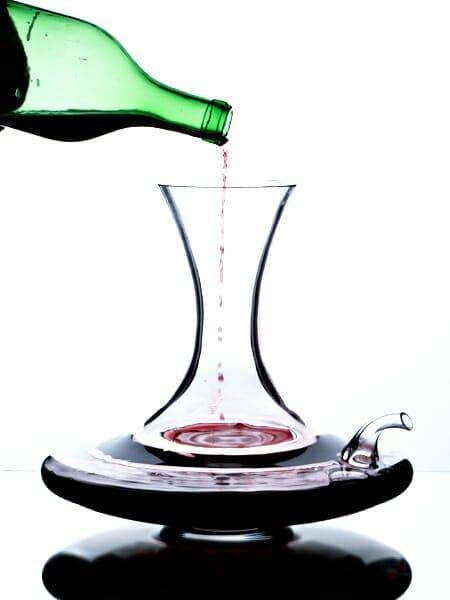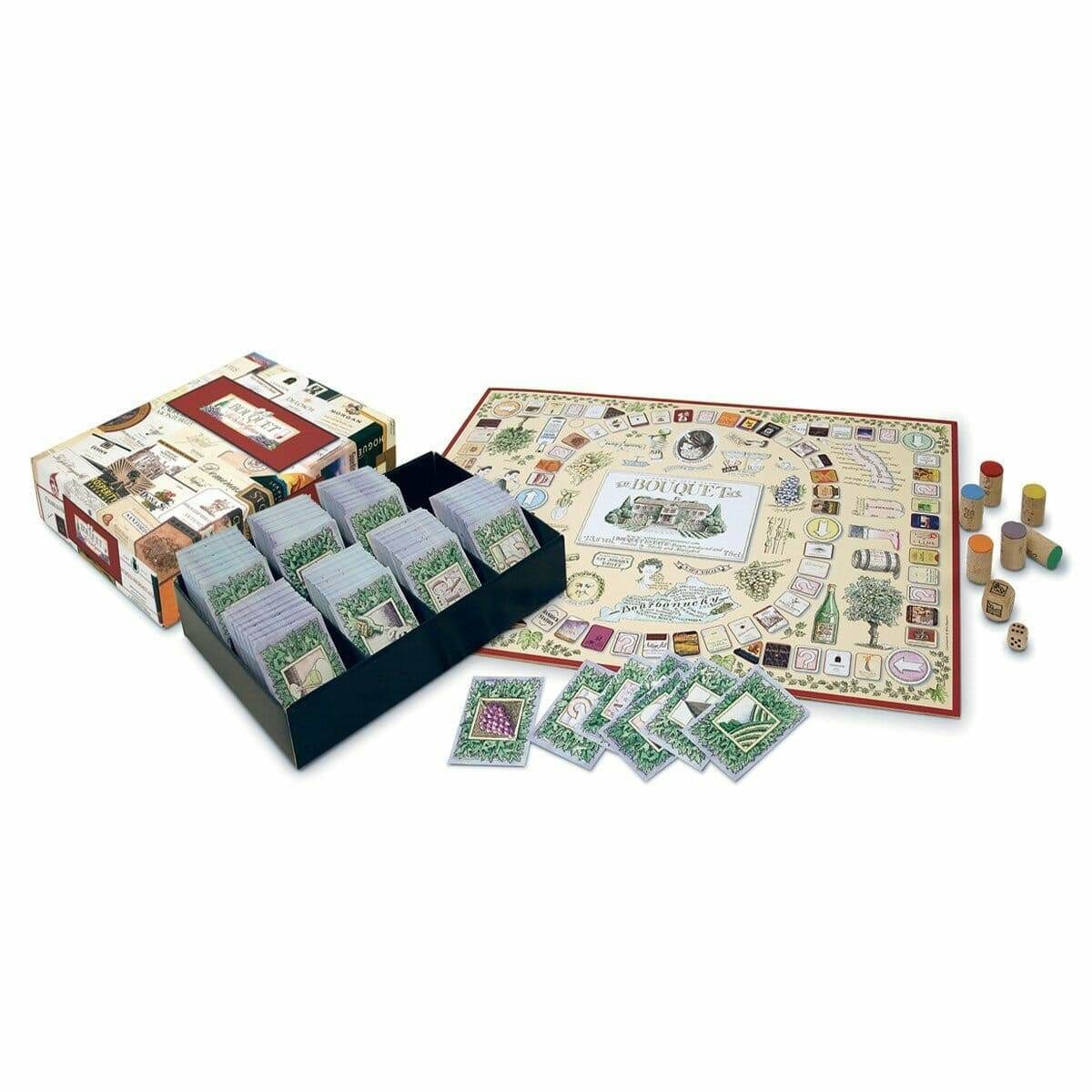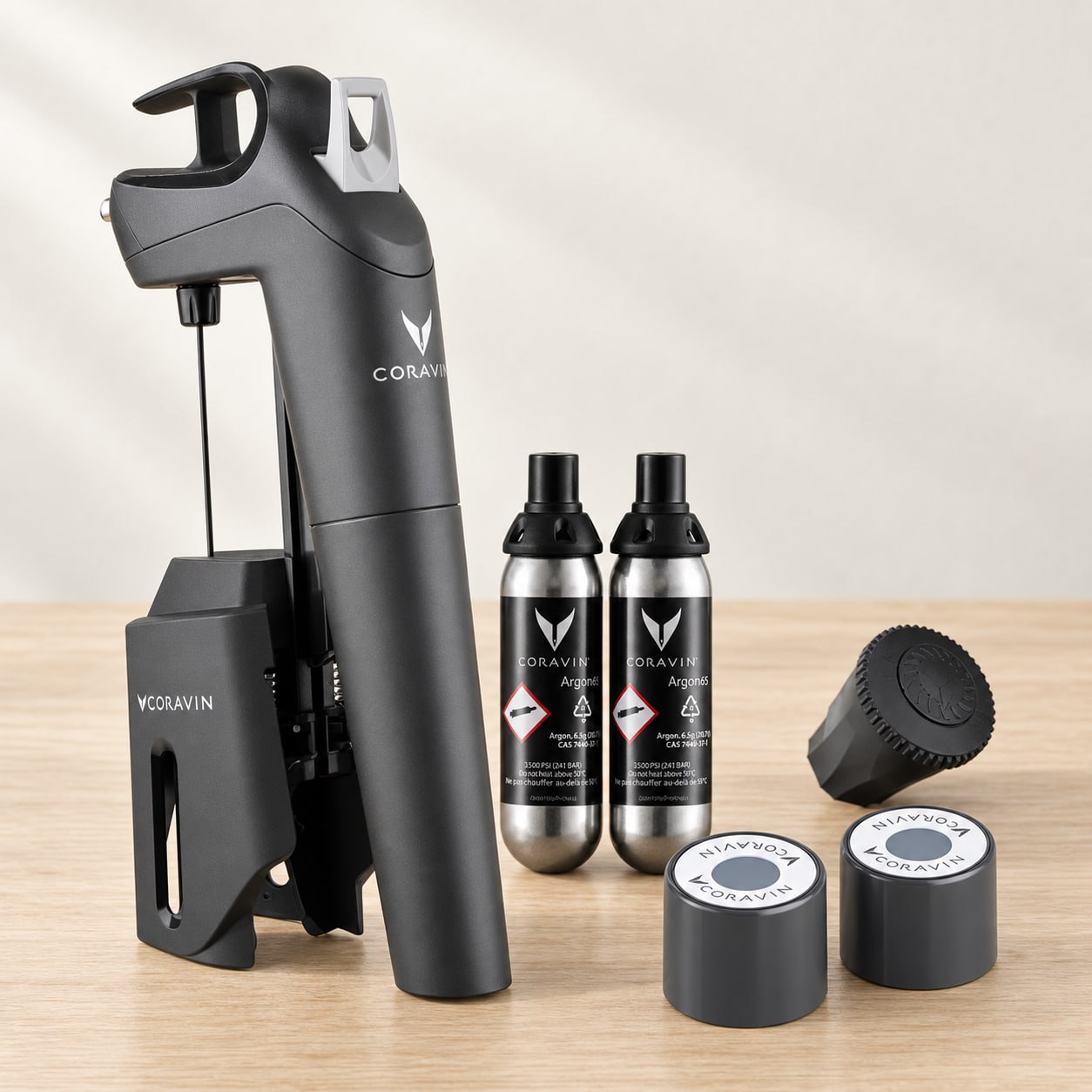
Decanting has a purpose when you know what you want from the bottle. Decide whether you are separating sediment, exploring how the wine changes with air or preparing for service, then choose a vessel that is comfortable to pour and clean. Wine Hardware in Walnut Creek carries glassware and wine accessories you can compare around your own routine. Bring your serving question to the showroom and ask about the available options.
The Science of Aeration: Unlocking Aromas and Flavors
Decanting wine exposes the liquid to air, which triggers a chemical process known as oxidation. This process is crucial in unlocking the wine’s full potential, as it helps to soften tannins, release aromatic compounds, and integrate the various flavor elements, creating a more harmonious and enjoyable drinking experience.
The degree of aeration can have a significant impact on the wine’s profile, and decanting can be used to fine-tune this process. Younger, more tannic wines may benefit from longer decanting times, as the exposure to air helps to soften the tannins and allow the wine’s other flavor components to shine. Conversely, older, more delicate wines may only require a brief exposure to air, as excessive aeration can cause them to lose their freshness and vibrancy.
Experimenting with different decanting durations can help you discover the sweet spot that brings out the best in your wine. Some wine enthusiasts even go so far as to use advanced techniques, such as wine aerators or decanting through a funnel, to further enhance the aeration process. By understanding the science behind aeration and how it affects the wine’s profile, you can unlock a whole new world of flavors and aromas, elevating your wine tasting experience to new heights.
Decanting and Sediment Removal: Improving Clarity and Smoothness
Many wines, particularly older red wines, develop sediment over time as the tannins and other compounds precipitate out of the liquid. This sediment can not only affect the wine’s appearance but also contribute to bitterness or astringency, detracting from the overall drinking experience.
Decanting the wine separates the clear liquid from the sediment, resulting in a smoother, more refined drinking experience. By removing the sediment, the wine’s clarity is improved, and any undesirable flavors or textures are eliminated. This process is especially important for older wines, where the sediment can be more pronounced and have a more significant impact on the wine’s profile.
In addition to improving the wine’s clarity, decanting can also help to integrate the various flavor elements, creating a more harmonious and balanced drinking experience. The act of pouring the wine into a separate vessel and allowing it to interact with air can help to soften tannins, release aromatic compounds, and bring the wine’s different components into better alignment. This can result in a smoother, more enjoyable sipping experience, where the wine’s true character is allowed to shine.
The Importance of Decanting Time: Finding the Sweet Spot
The optimal decanting time can vary depending on the wine’s age, style, and personal preference. Younger, more tannic wines may benefit from longer decanting times, as the exposure to air helps to soften the tannins and allow the wine’s other flavor components to emerge. Older, more delicate wines, on the other hand, may only require a brief exposure to air, as excessive aeration can cause them to lose their freshness and vibrancy.
Experimenting with different decanting durations can help you discover the sweet spot that brings out the best in your wine. Some wine enthusiasts recommend decanting young, tannic reds for 30 minutes to an hour, while older, more mature wines may only need 10-15 minutes of aeration. However, these guidelines are not set in stone, and the optimal decanting time can vary depending on the specific wine and your personal preferences.
Finding the right decanting time can be a bit of a trial-and-error process, but it’s well worth the effort. By adjusting the decanting duration, you can fine-tune the wine’s profile, enhancing its aromas, flavors, and overall drinking experience. Whether you prefer a more structured, tannic wine or a softer, more delicate one, the right decanting time can make all the difference in unlocking the wine’s full potential.
Decanting Techniques: Pouring, Swirling, and Beyond
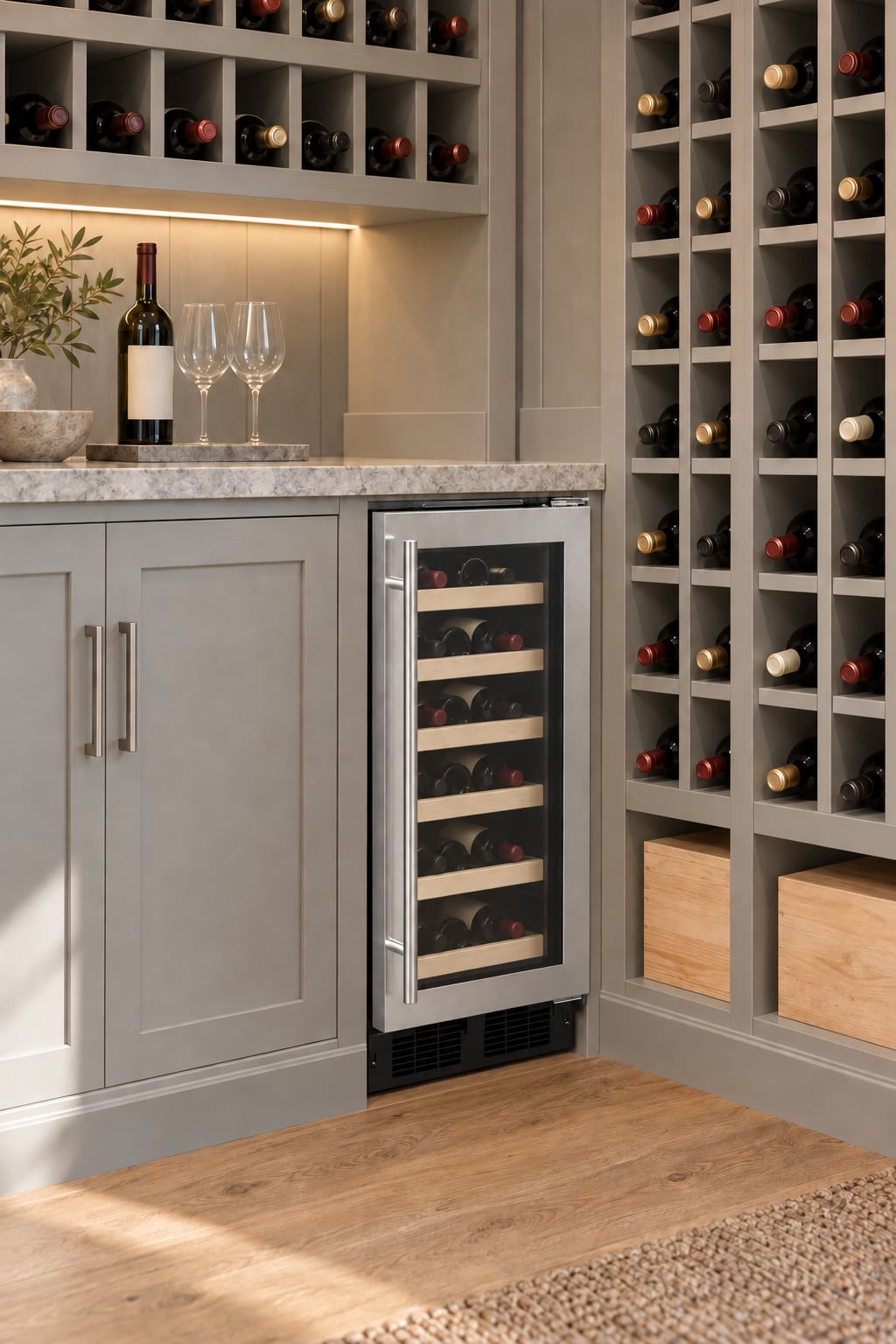
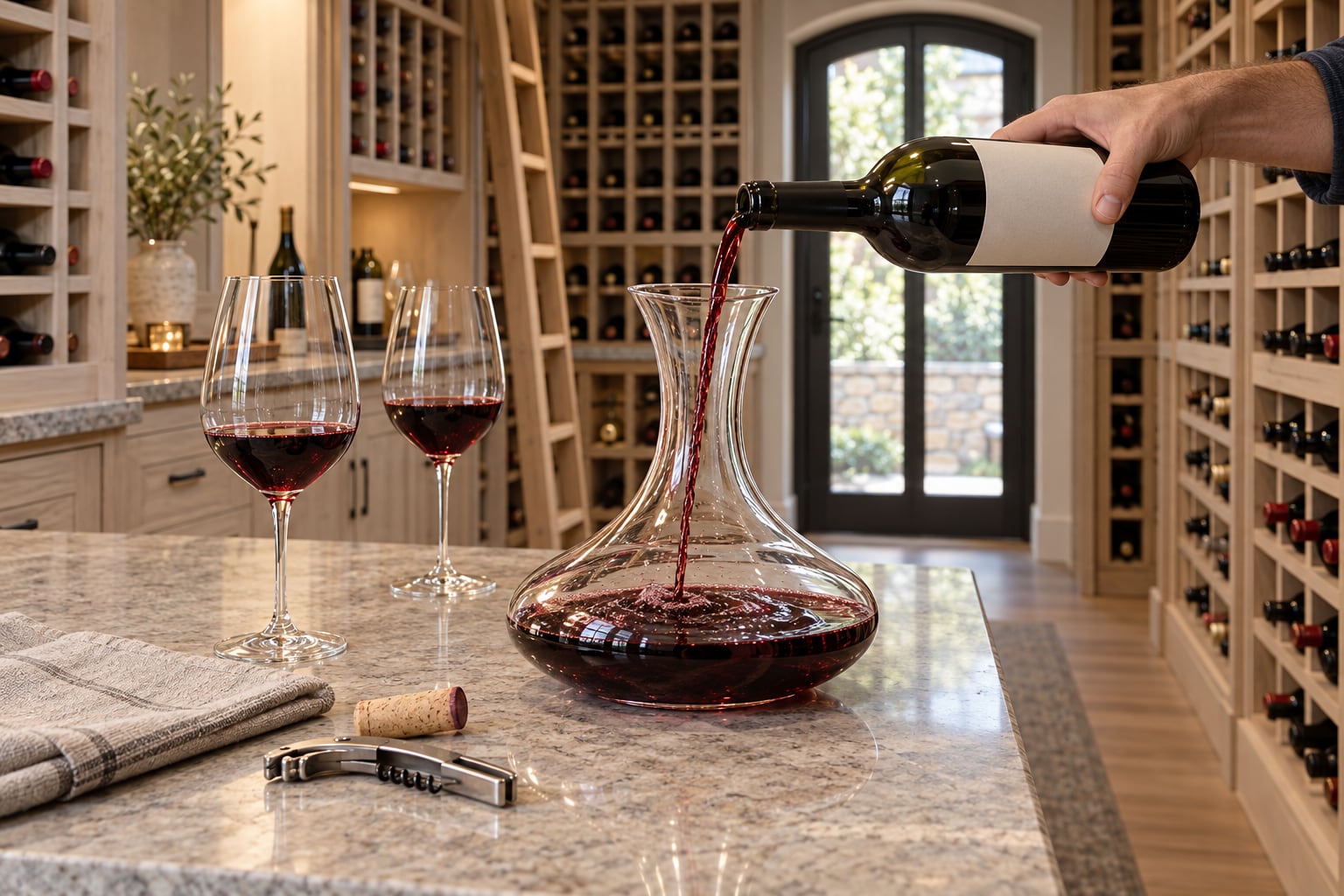
The traditional method of decanting involves slowly and carefully pouring the wine into a separate vessel, leaving the sediment behind. This process requires a steady hand and a keen eye, as you’ll need to ensure that the wine is poured smoothly and without disturbing the sediment at the bottom of the bottle.
Swirling the wine in the decanter can also help to aerate the wine and release its aromas. By gently swirling the wine, you can introduce more oxygen into the liquid, triggering the oxidation process and helping to soften the tannins and integrate the various flavor elements.
More advanced techniques, such as using a wine aerator or decanting through a funnel, can further enhance the decanting process. Wine aerators are designed to rapidly introduce air into the wine, accelerating the aeration process and allowing the wine to reach its peak drinking window more quickly. Decanting through a funnel, on the other hand, can help to create a more controlled and consistent pour, ensuring that the sediment is effectively separated from the clear liquid.
Regardless of the specific technique you choose, the key to successful decanting is to approach the process with care and attention to detail. By mastering the art of decanting, you can unlock the full potential of your wine and elevate the overall drinking experience, whether you’re enjoying a special occasion or a casual evening with friends.
Decanting for Different Wine Styles: Red, White, and Beyond
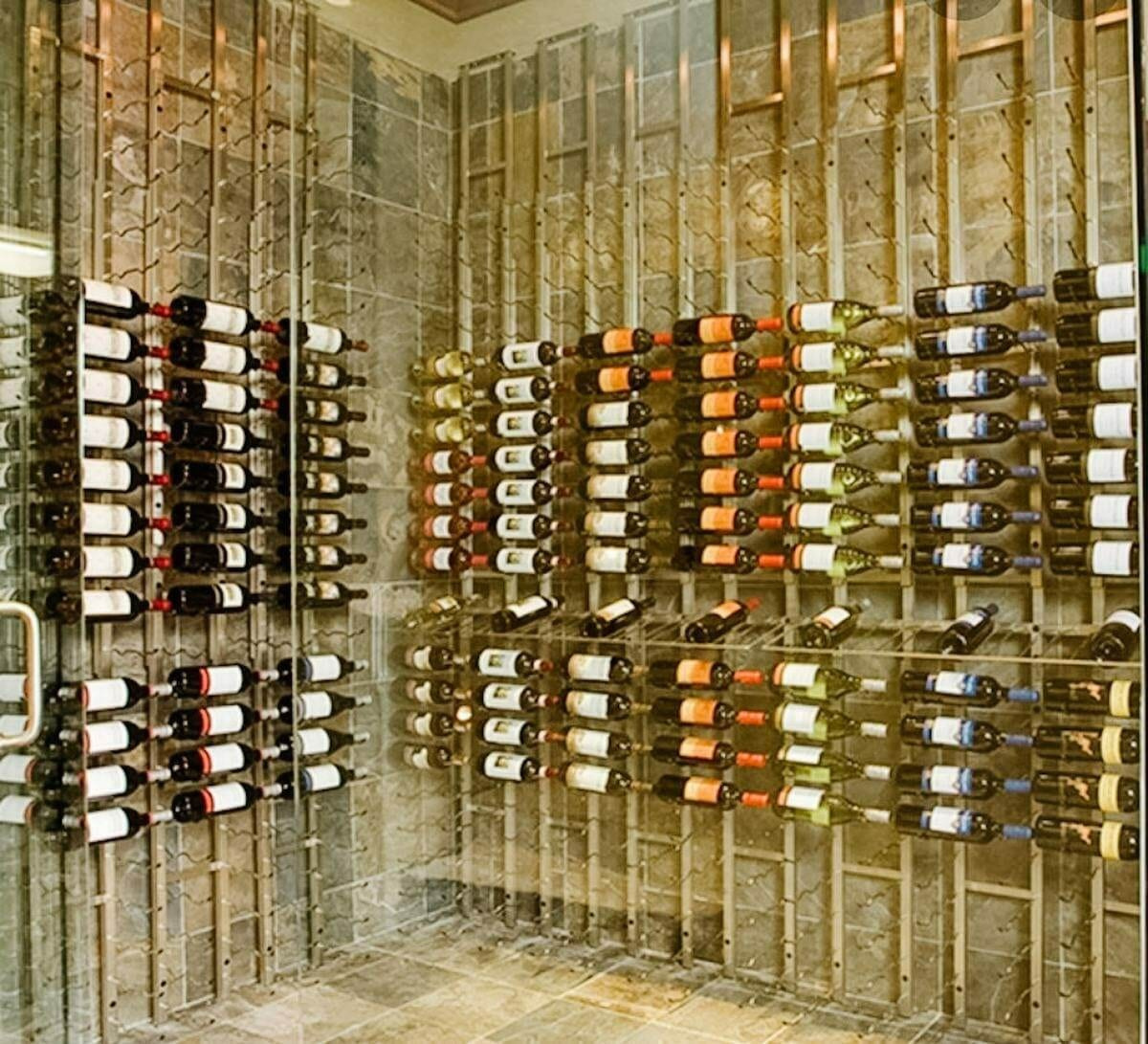
While decanting is most commonly associated with red wines, it can also be beneficial for certain white wines and even some sparkling wines. The specific decanting requirements may vary depending on the wine’s grape variety, winemaking style, and age.
For example, some full-bodied white wines, such as oaked Chardonnays or Viognier, can benefit from a brief period of decanting. The exposure to air can help to soften the wine’s texture and integrate the various flavor components, creating a more harmonious and enjoyable drinking experience.
Sparkling wines, on the other hand, may require a more delicate approach to decanting. The effervescence of these wines can be easily disrupted by excessive aeration, so it’s important to use a gentle touch and a shorter decanting time, if any at all.
Experimenting with decanting different wine styles can help you discover new ways to elevate your wine tasting experience. By understanding the unique characteristics and decanting requirements of various wine types, you can tailor your approach to bring out the best in each bottle, whether it’s a bold, tannic red or a delicate, aromatic white.
The Impact of Decanting on Wine’s Evolution and Aging
Decanting can have a significant impact on how a wine evolves and ages over time. By exposing the wine to air, decanting can accelerate the aging process, allowing the wine to reach its peak drinking window more quickly.
This can be particularly beneficial for younger, more tannic wines, which may benefit from a longer decanting time to help soften the tannins and integrate the various flavor components. However, it’s important to strike the right balance, as excessive decanting can also cause a wine to lose its freshness and vibrancy.
Older, more mature wines may require a more delicate approach to decanting, as they are more sensitive to the effects of oxidation. In these cases, a brief exposure to air may be all that’s needed to help the wine reach its full potential, without risking the loss of its delicate aromas and flavors.
By understanding the impact of decanting on a wine’s evolution and aging, you can make more informed decisions about when and how to decant your wines. This knowledge can help you unlock the full potential of your wine collection, ensuring that each bottle is enjoyed at its absolute best.
Decanting Myths and Misconceptions: Separating Fact from Fiction
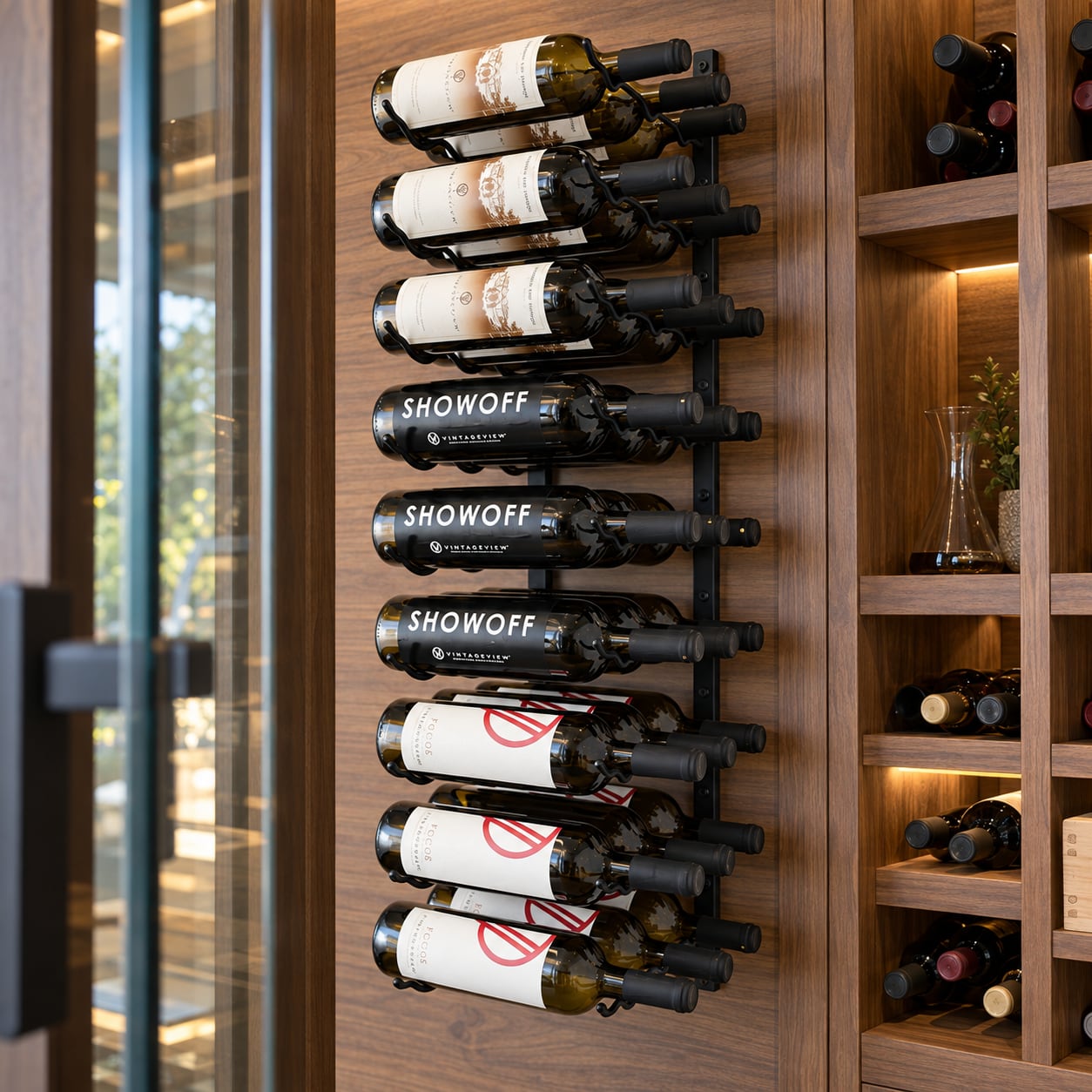
There are many common myths and misconceptions surrounding the practice of decanting wine. Addressing these myths and providing factual information can help wine enthusiasts make more informed decisions about when and how to decant their wines.
One common myth is that all wines must be decanted. In reality, not every wine requires decanting, and the decision to decant should be based on the wine’s age, style, and personal preference. Younger, more tannic wines may benefit from decanting, while older, more delicate wines may not require the same level of aeration.
Another misconception is that decanting is only necessary for older wines. While it’s true that older wines are more likely to develop sediment, younger wines can also benefit from decanting, as the exposure to air can help to soften tannins and release aromatic compounds.
Debunking these myths can encourage more people to explore the benefits of decanting and unlock the full potential of their wine collection. By providing factual information and dispelling common misconceptions, wine enthusiasts can make more informed decisions about when and how to decant their wines, ultimately enhancing their overall wine tasting experience.
Decanting as an Art Form: Enhancing the Wine Tasting Experience
Decanting wine can be more than just a functional task; it can also be an opportunity to elevate the overall wine tasting experience. The ritual of decanting, with its careful pouring and swirling motions, can add a sense of ceremony and anticipation to the wine drinking process.
Mastering the art of decanting can also impress guests and demonstrate your wine knowledge and appreciation, making the experience even more memorable. By carefully pouring the wine into a decanter and observing the transformation as it interacts with air, you can create a sense of theater and excitement that enhances the overall wine tasting experience.
Beyond the practical benefits of decanting, the act itself can be a form of self-expression and creativity. Some wine enthusiasts even go so far as to collect unique and visually striking decanters, using them as a way to showcase their personal style and appreciation for the art of wine appreciation.
Ultimately, decanting wine is not just about improving the wine’s clarity, aroma, and flavor; it’s also about elevating the entire wine tasting experience. By approaching decanting with care, attention to detail, and a touch of artistry, you can create a truly memorable and enjoyable wine drinking experience, one that will leave a lasting impression on both you and your guests.
Talk with Mike to compare decanting tools with the way you like to serve wine. Bring your serving question to our Walnut Creek showroom, or call (925) 944-1084.
More on wine decanting and aeration
Decanting and aeration are choices to make around the wine and the result you want. Decide whether you are managing sediment or exploring a change with air, then compare practical tools without assuming every bottle needs the same treatment before serving. Wine Hardware in Walnut Creek carries glassware and wine accessories you can compare around your own routine. Bring your serving question to the showroom and ask about the available options.
Here are the definitions of each from dictionary.com
- de·cant /dəˈkant/ - verb – gerund or present participle: decanting - gradually pour (liquid, typically wine or a solution) from one container into another, especially without disturbing the sediment.
- aer·ate /ˈerāt/ - verb - introduce air into (a material).
These definitions are funny to me because that is how I think of Decanting vs. Aerating and why it can be a topic of conversation in our house. Which one is better? In my eyes you decant older European wines to open them up and get rid of the sediment. You aerate newer American style wines to quickly oxidize and open the flavors.
At the end of the day, they both serve a similar purpose which is to expose wine to air. Wine has 100’s of different compounds but there are three that you really do want to allow aeration into, Sulfites (added to prevent oxidation), Sulfides (natural but have a rotten smell), and Ethanol.
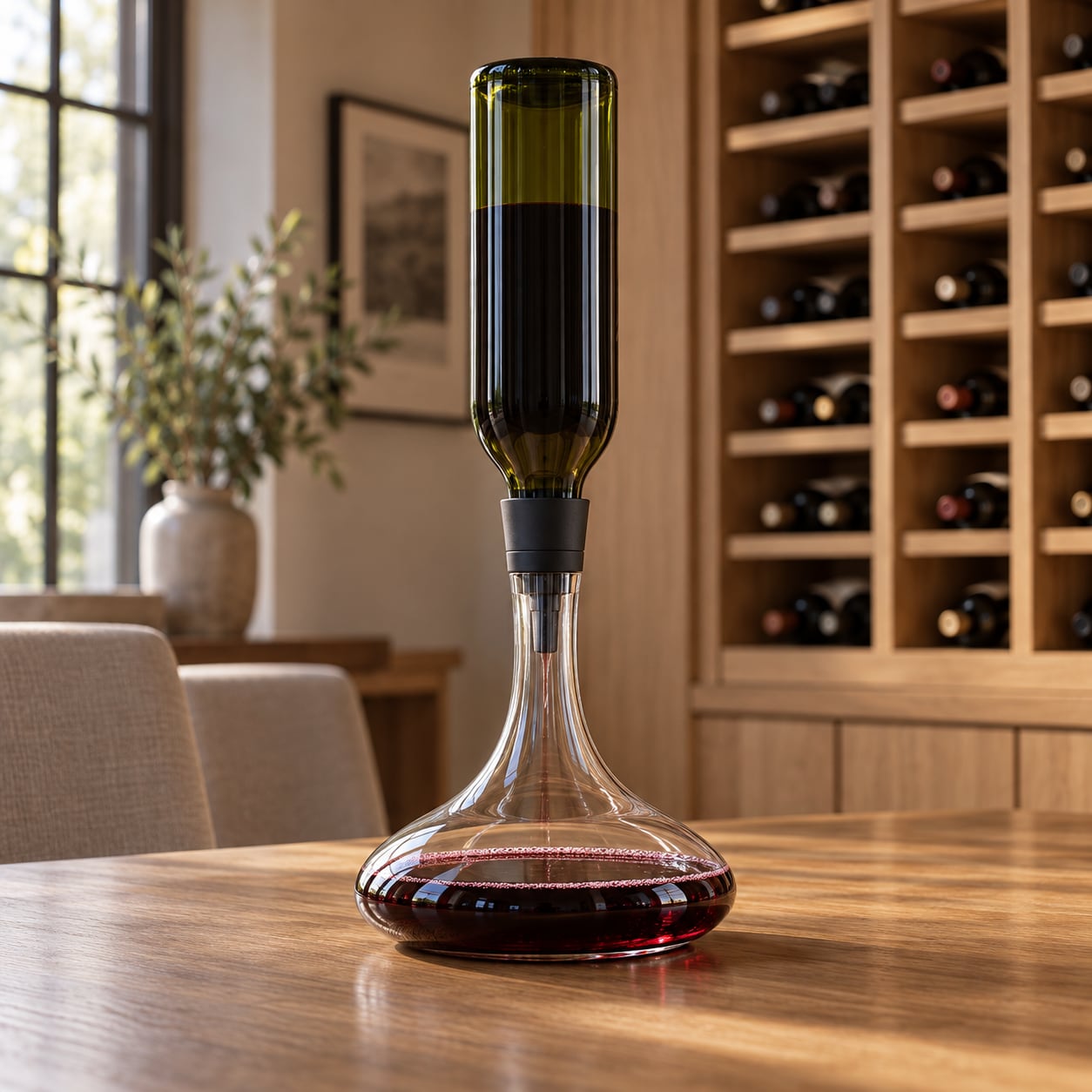
Suggestions of When to Decant:
- If you have the time
- An older wine that needs the sediment removed
- If you will be consuming a BIG Bordeaux or Napa Valley Cab that may require a couple hours of decanting to fully open up and unlock the tannins
- Hosting an event, dinner party and want to impress family/friends
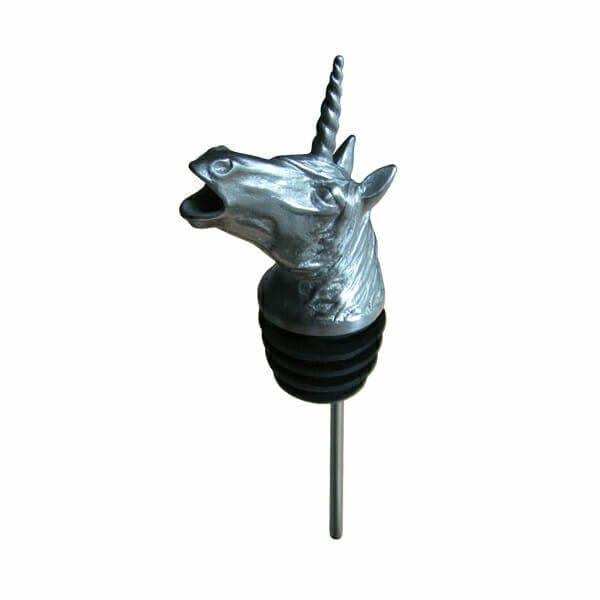
Suggestions of When to Aerate:
- If you have a younger wine and want to taste it before deciding how long to decant it
- Casual time at home
- Wanting to share your Menagerie Aerators and the newest addition to your collection
If you don’t have time or don’t have a fancy decanter or an aerator, don’t fret…just swirl! ???? You know when you go wine tasting and you see tasters swirling their wine, this is an organic way of aerating the wine.
Home is where the wine is!