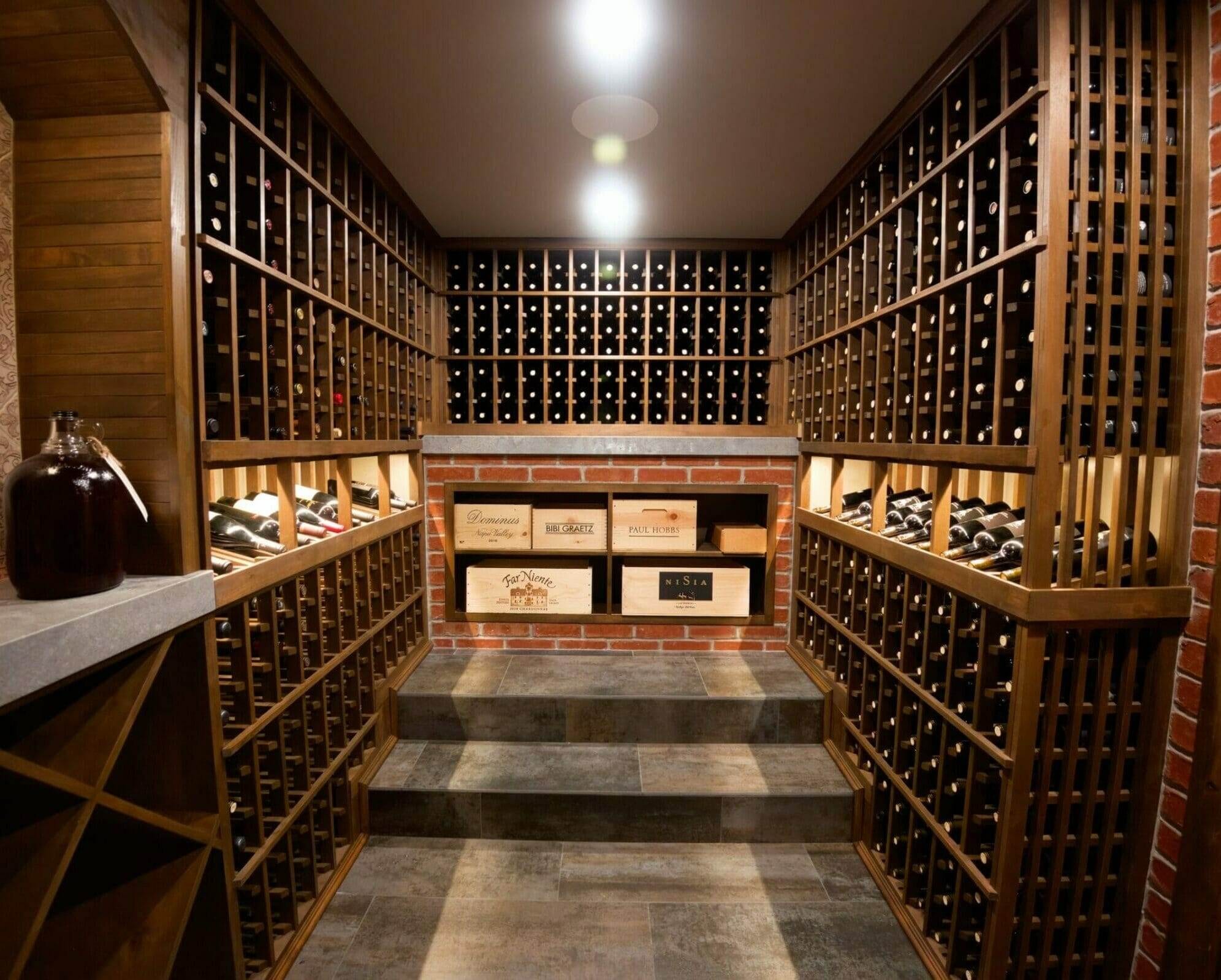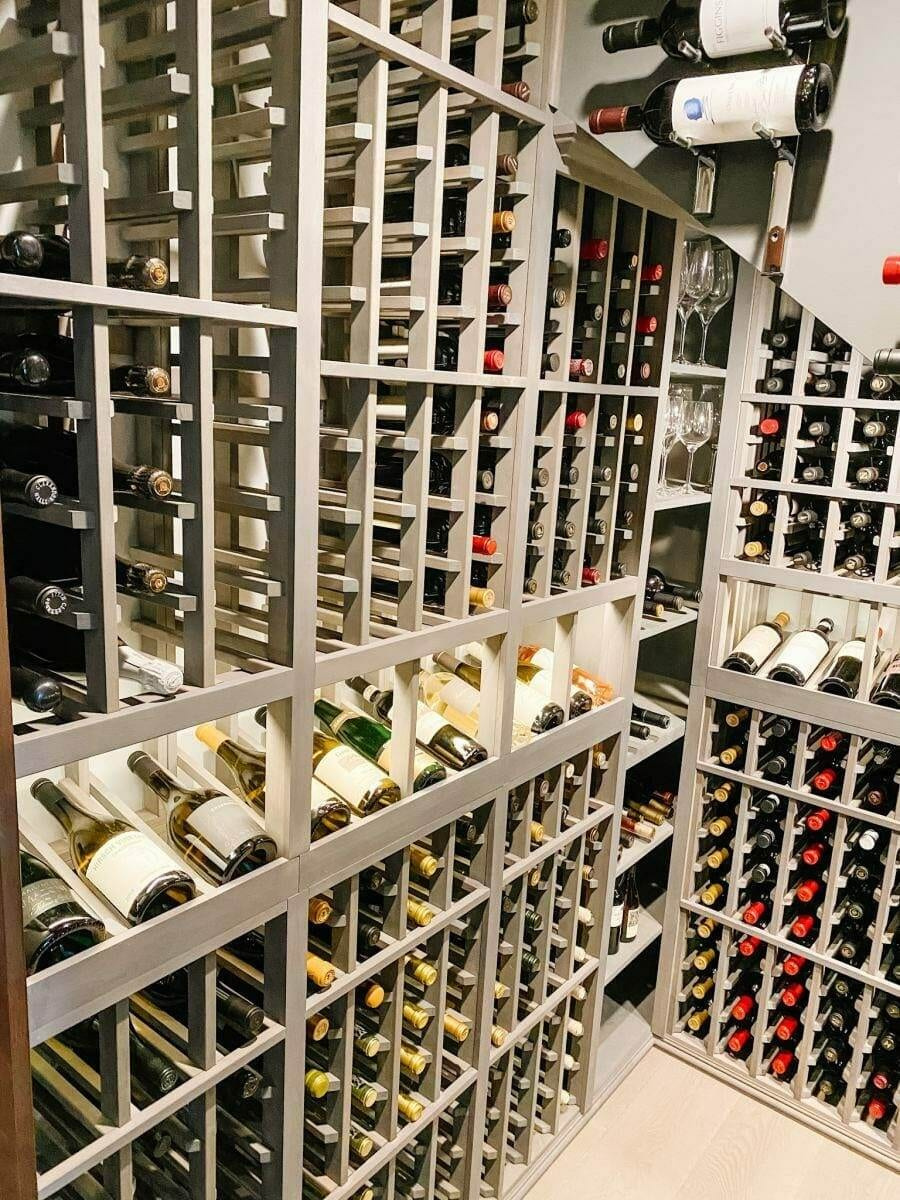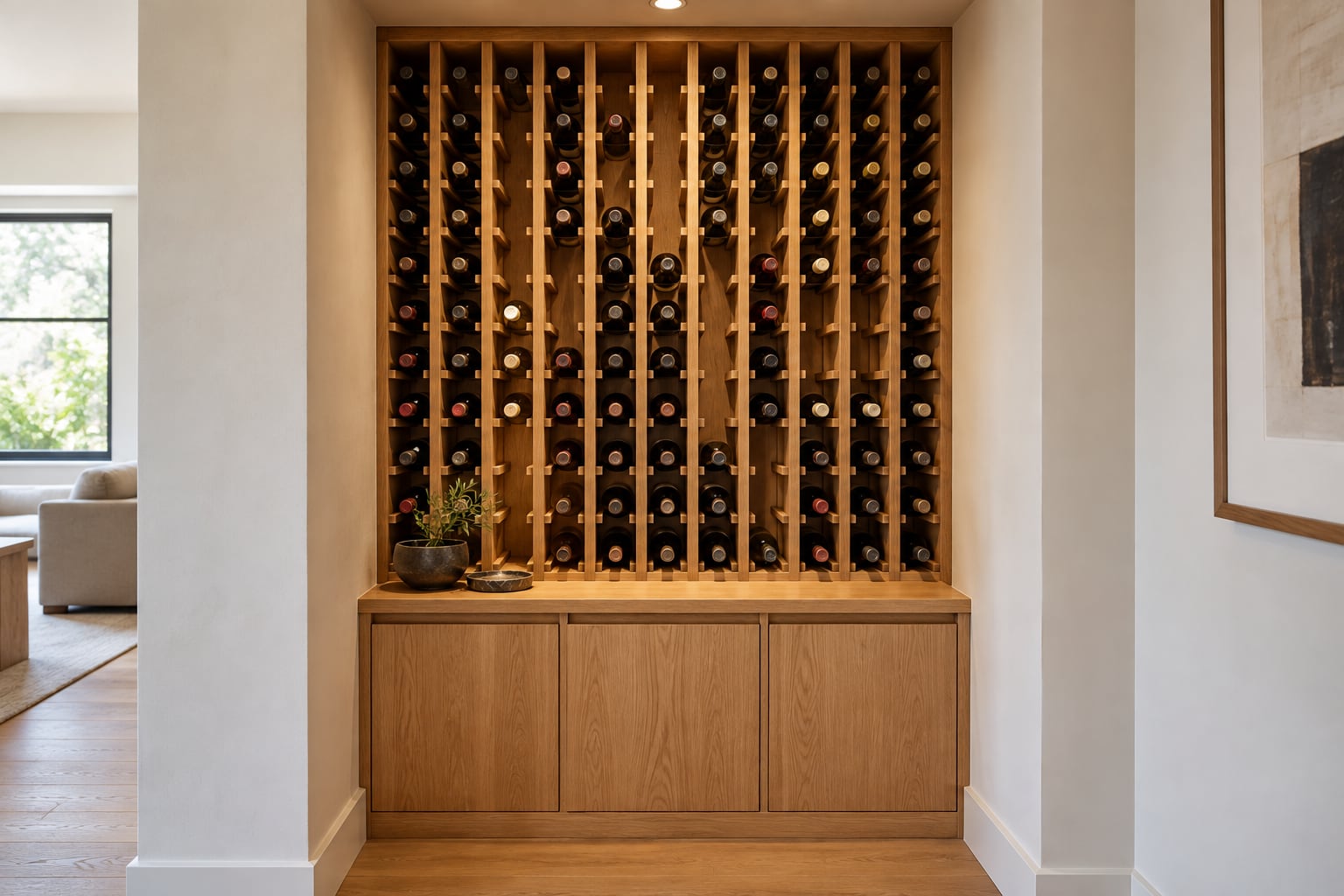
The Allure of a Custom Wine Cellar
Building a custom wine cellar starts by connecting the collection brief with the room. Work through site assessment, enclosure, cooling, racking and handover as coordinated decisions, so each stage leaves the next trade the space and information it needs. At Wine Hardware in Walnut Creek, we help turn those decisions into a cellar plan. Bring room photos, a rough sketch and your collection goals to start the conversation.
Beyond the aesthetic appeal, a well-designed wine cellar also represents a savvy investment. As your collection grows, the value of your wines can appreciate significantly, making a custom wine cellar a prudent financial decision. The ability to properly store and age your wines in a controlled environment ensures that your investment is protected, allowing you to enjoy the fruits of your labor for years to come.
The journey of building a custom wine cellar is one of both practical and emotional significance. It is a chance to create a sanctuary where you can sip, savor, and immerse yourself in the world of oenology. Whether you are a seasoned collector or just beginning to explore the depths of the wine universe, the process of designing and constructing your own wine cellar can be a deeply rewarding experience, one that will enhance your appreciation for the art of wine and the pleasure it brings.
Assessing Your Wine Collection and Storage Needs
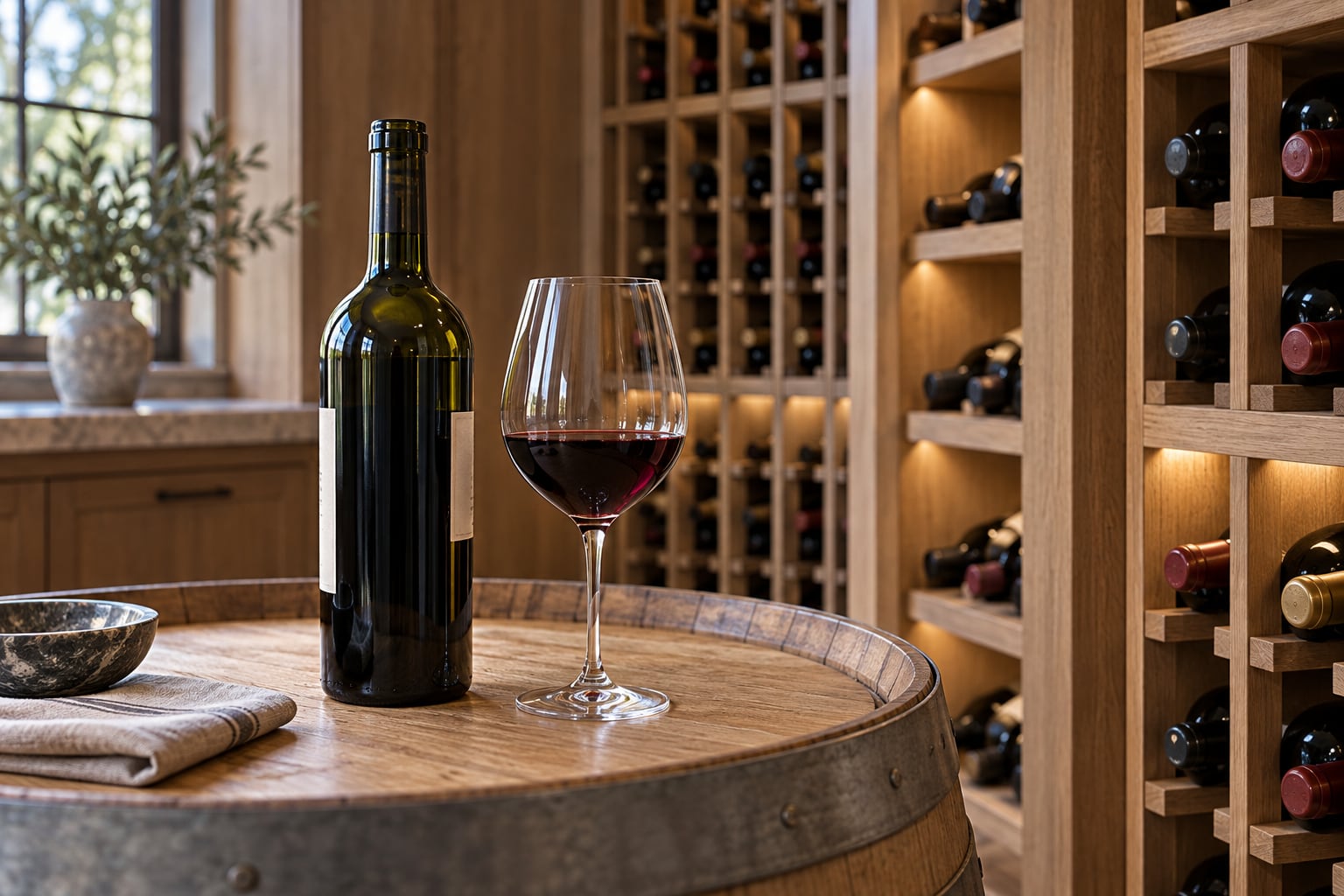
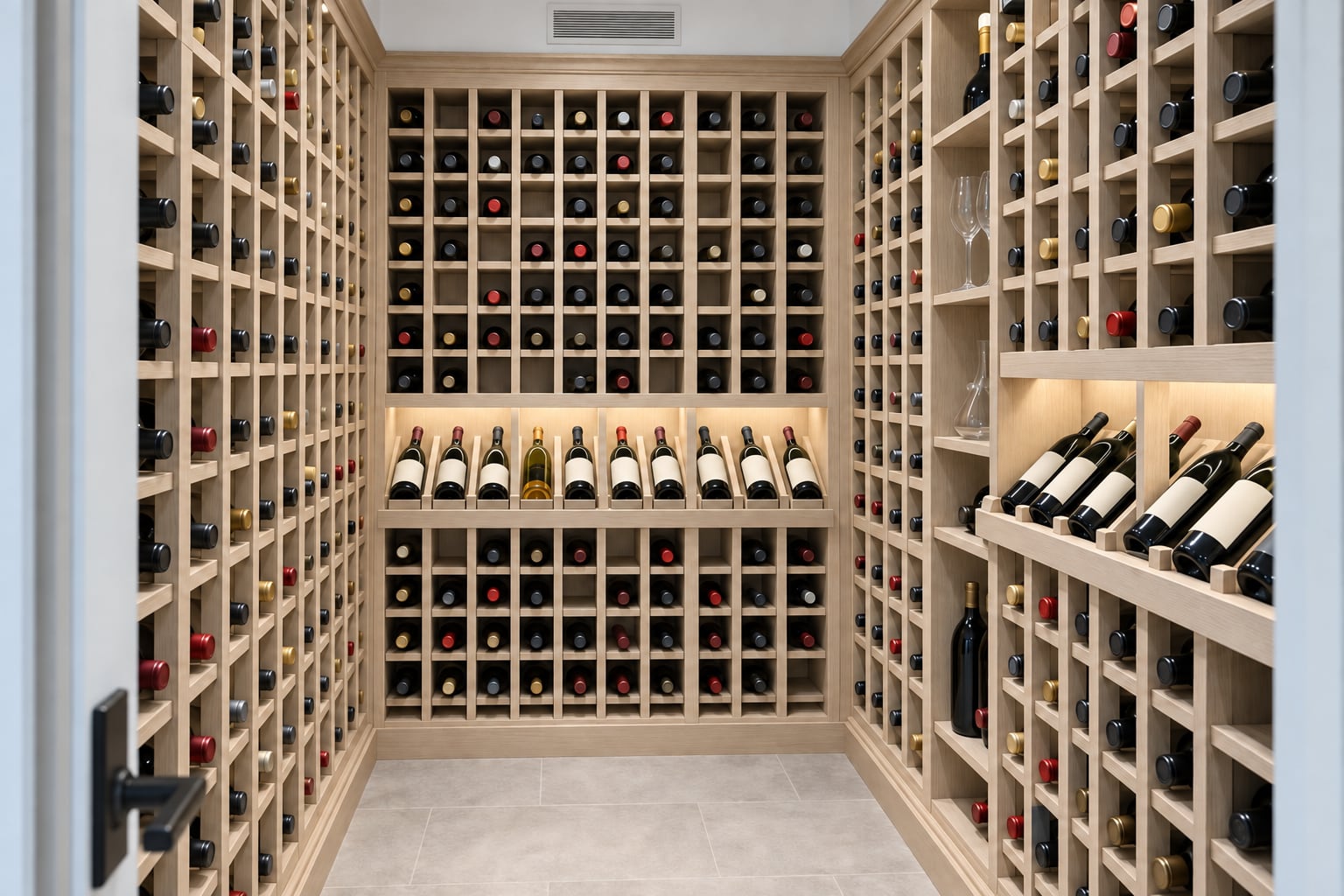
As you embark on the journey of building your custom wine cellar, the first step is to take a comprehensive look at your current and future wine collection. This assessment will serve as the foundation for your cellar’s design and ensure that it meets your specific storage needs.
Begin by evaluating the size and composition of your existing wine collection. Consider the types of wines you prefer to collect, whether it’s bold reds, crisp whites, or a diverse portfolio. Understanding the specific characteristics and storage requirements of your wines will help you determine the optimal capacity and layout for your cellar. Additionally, factor in your anticipated growth in the coming years, as your passion for wine collecting may continue to expand.
Determining the ideal storage capacity for your wine cellar is a crucial consideration. It’s important to strike a balance between accommodating your current collection and leaving room for future growth. Consult with wine experts or industry professionals to gain insights into the appropriate sizing for your needs, taking into account factors such as bottle count, bottle sizes, and the types of wines you plan to store.
As you delve deeper into your wine collection, also consider the specific storage conditions that your preferred wines require. Some varietals may thrive in cooler temperatures, while others may benefit from slightly warmer environments. Understanding these nuances will guide you in selecting the right cooling system and humidity control measures for your custom wine cellar.
Choosing the Perfect Location for Your Wine Cellar
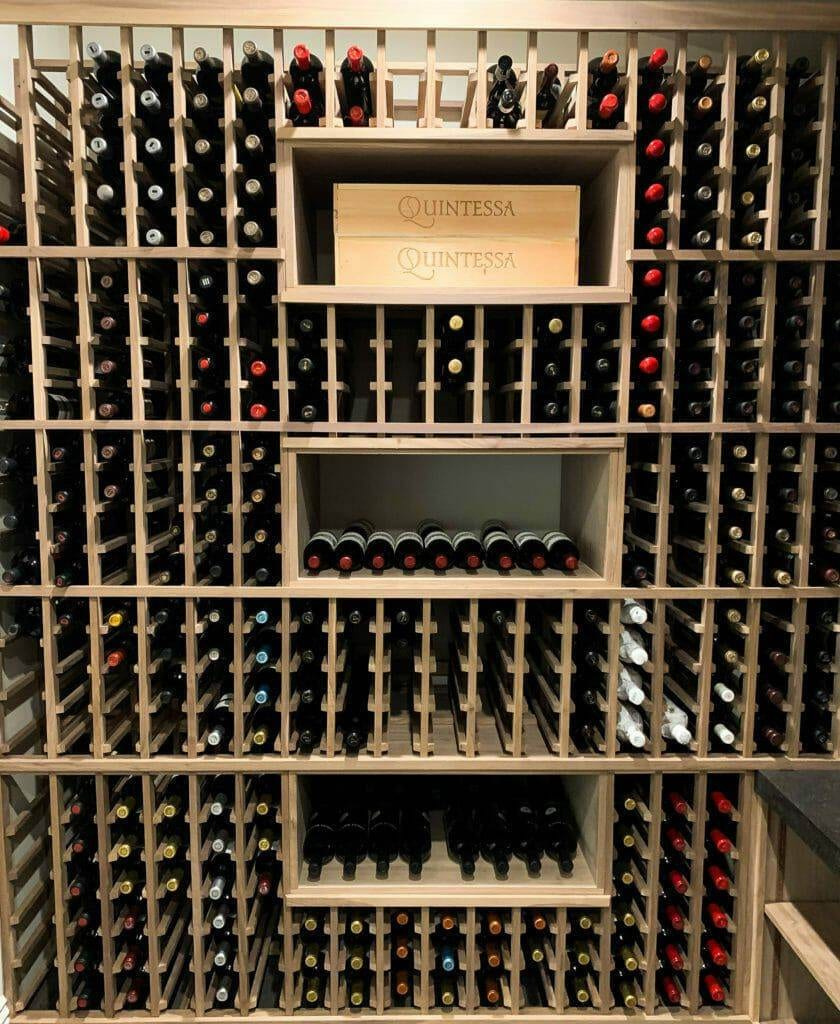
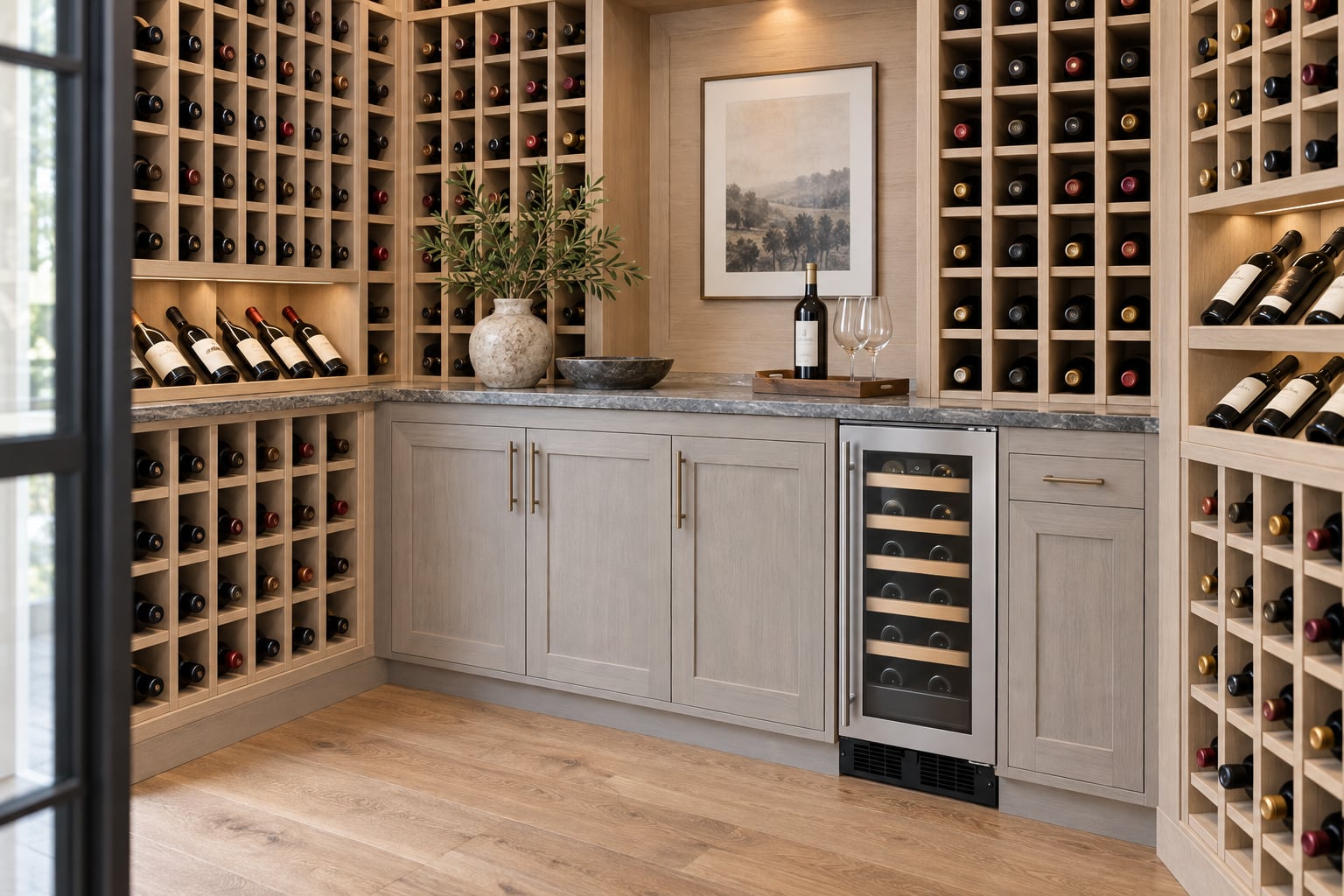
The location of your wine cellar is a critical decision that can significantly impact the long-term preservation and enjoyment of your wine collection. When selecting the ideal spot, there are several key factors to consider.
First and foremost, the chosen location should provide the optimal environmental conditions for wine storage. This includes maintaining a consistent temperature, typically between 55°F and 65°F, and a relative humidity level between 60% and 70%. Exposure to fluctuations in temperature or humidity can be detrimental to the aging process and the overall quality of your wines.
In addition to environmental factors, the accessibility and integration of the wine cellar within your home’s layout are also important considerations. The cellar should be conveniently located, allowing you to easily access and enjoy your collection. Whether it’s a dedicated room, a basement corner, or a custom-built space, the integration of the wine cellar should seamlessly flow with the overall design and functionality of your home.
Another crucial aspect to consider is the level of light exposure. Wines are sensitive to ultraviolet light, which can cause premature aging and damage the delicate flavors and aromas. Selecting a location with minimal natural light or implementing appropriate lighting solutions is essential to protect the integrity of your wine collection.
Designing the Layout and Aesthetic of Your Wine Cellar
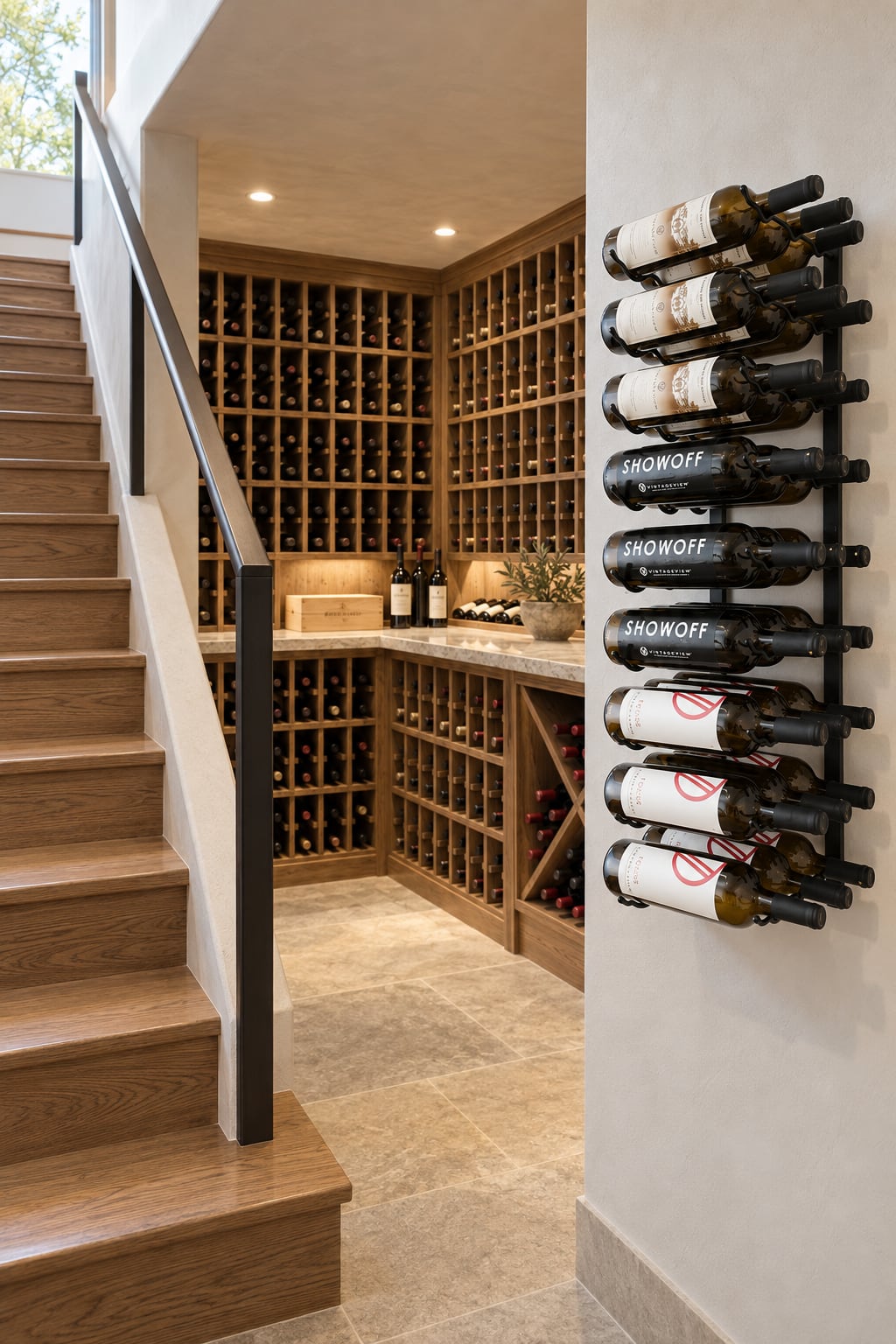
Designing the layout and aesthetic of your custom wine cellar is where your personal style and vision come to life. This is the stage where you can balance functionality with visual appeal, creating a space that not only serves its purpose but also reflects your unique taste and personality.
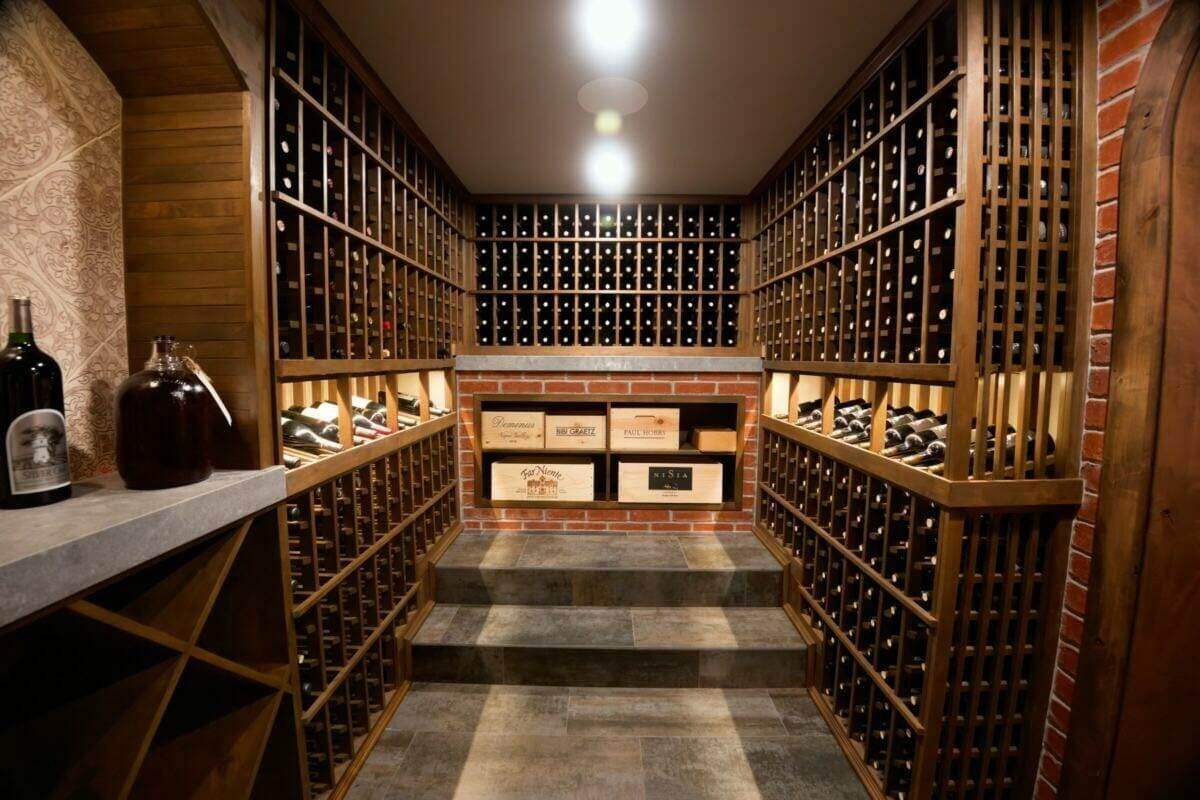
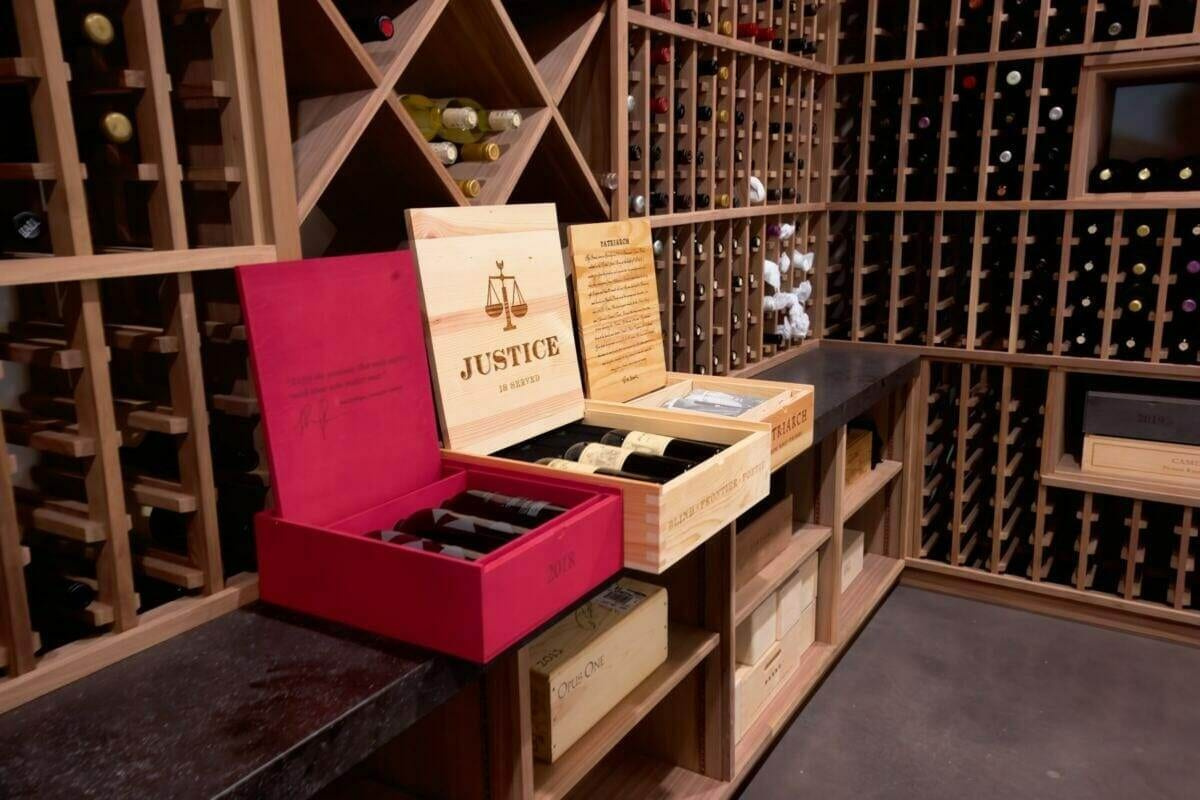
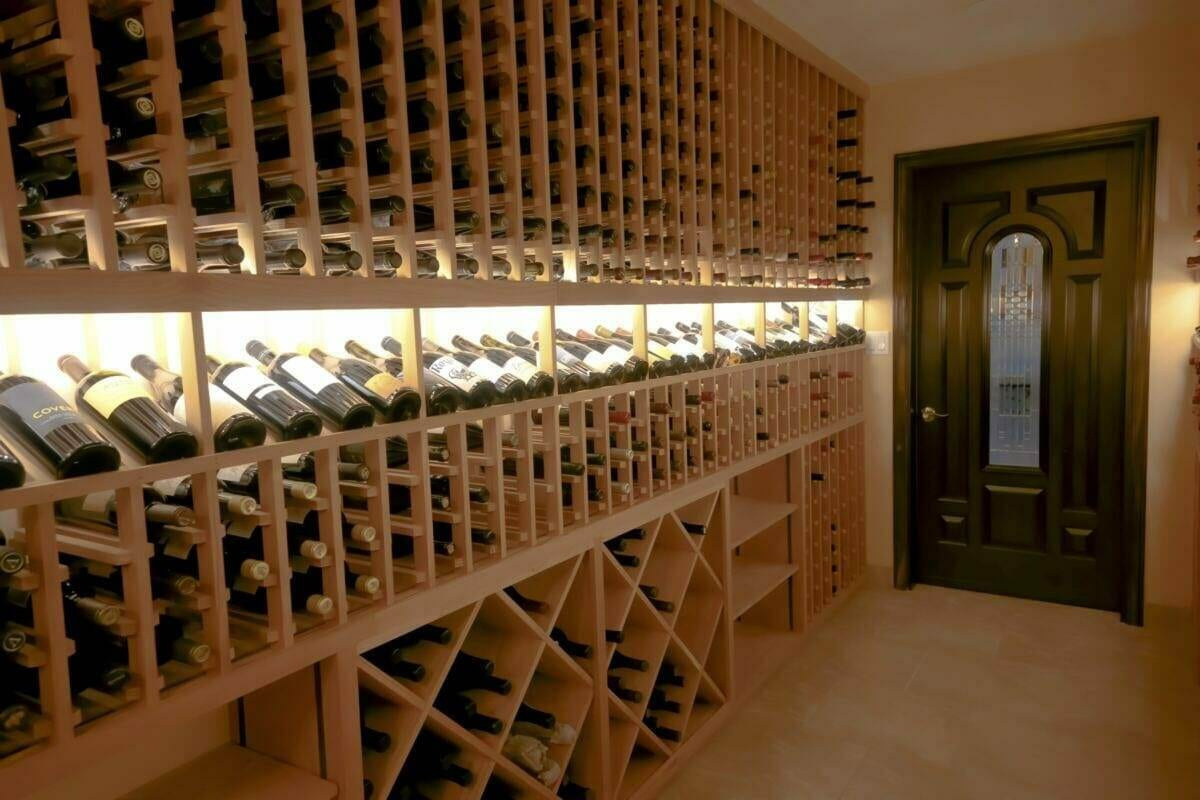
When it comes to the layout, the key is to strike a balance between efficient storage and a visually appealing design. Consider the various racking configurations and storage solutions that will maximize the use of your available space, while also creating a cohesive and visually harmonious flow. Incorporate features like display racks, tasting areas, and specialized storage for your most prized bottles to showcase your collection in a captivating manner.
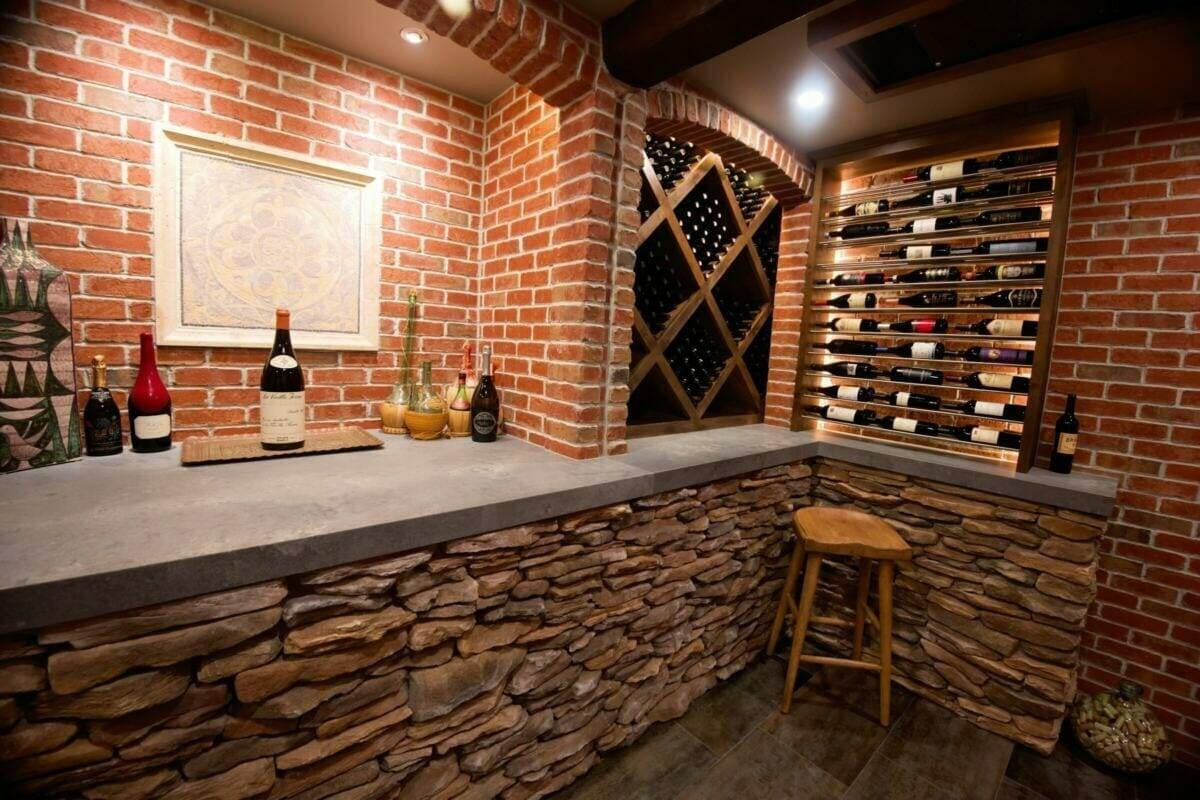
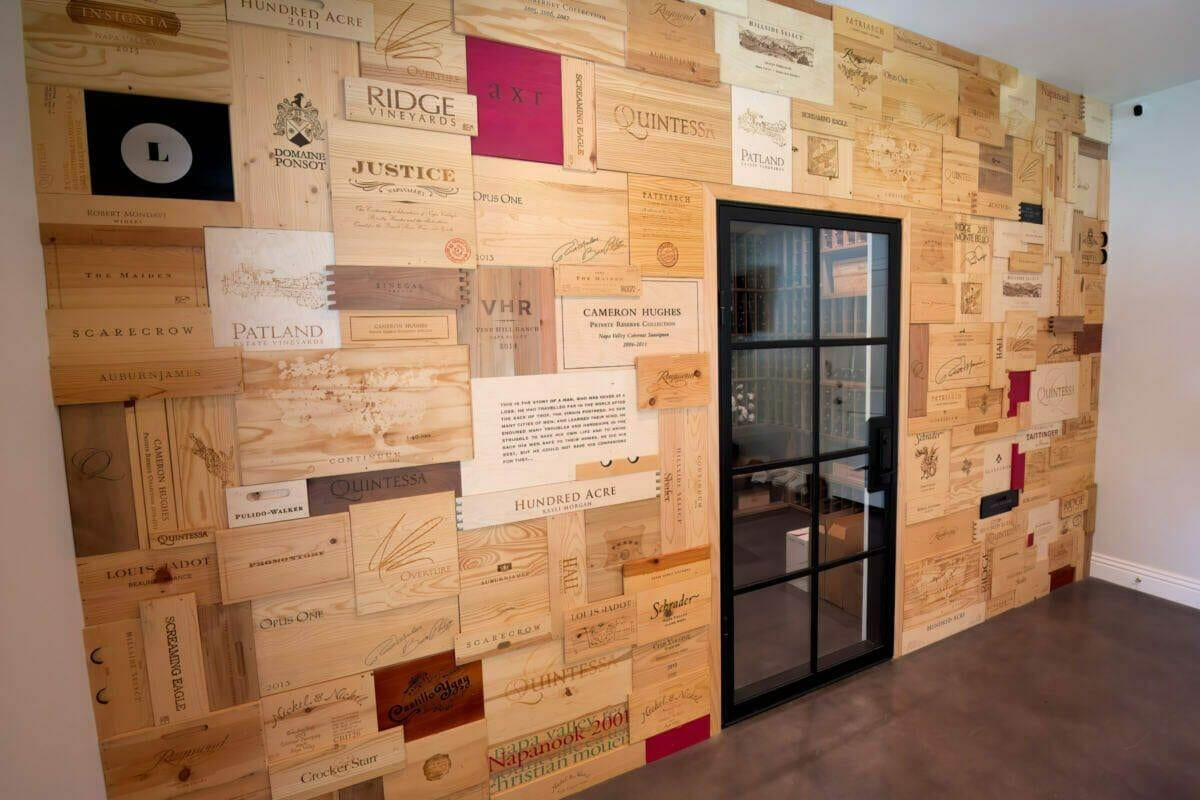
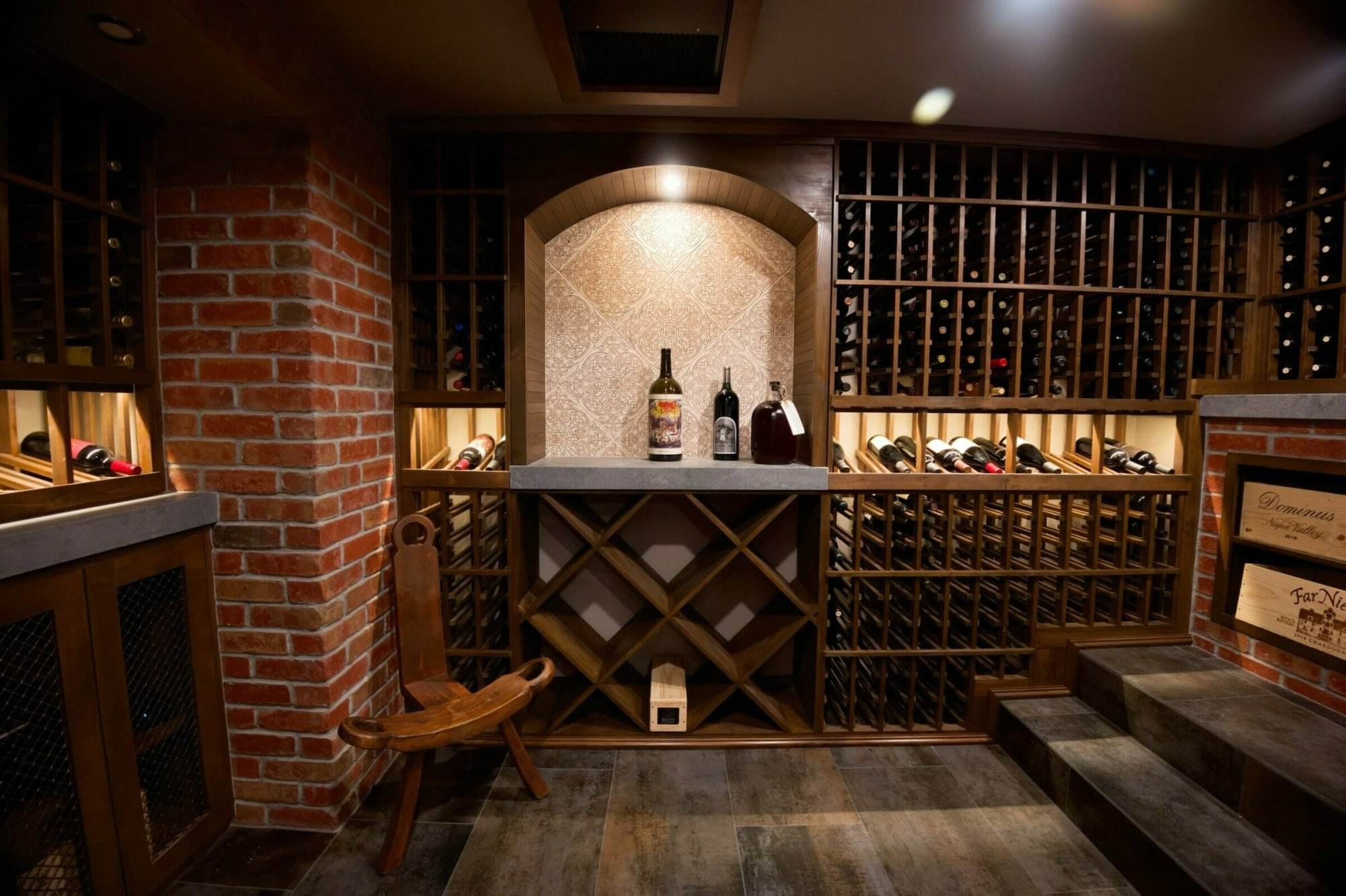
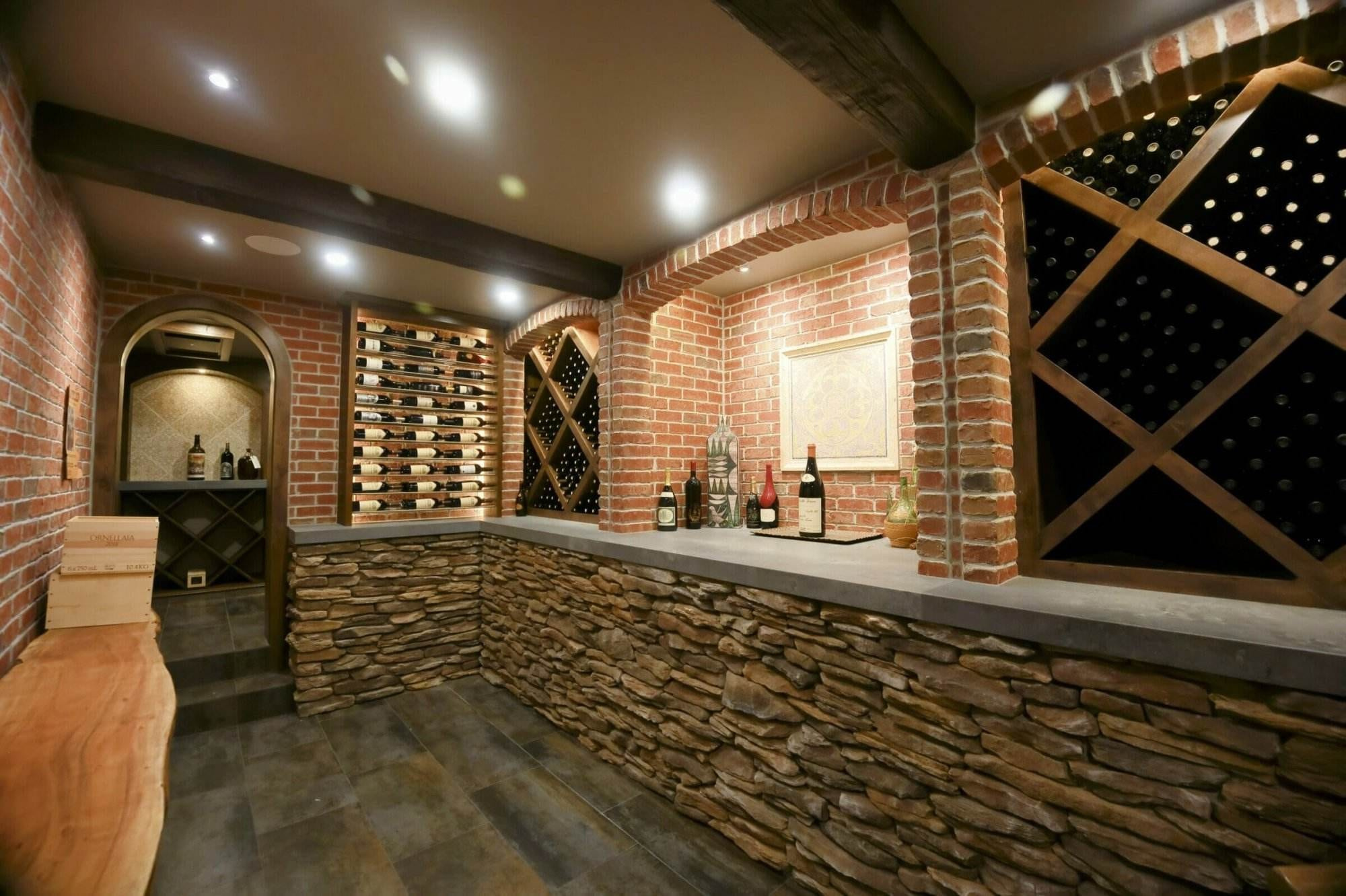
The aesthetic of your wine cellar should be a reflection of your personal style and the overall design aesthetic of your home. Explore different architectural styles, from the classic and timeless to the modern and contemporary, and incorporate materials that complement your preferences. Whether it’s the use of natural stone, rich wood tones, or sleek metal accents, the design elements you choose will contribute to the overall ambiance and create a unique and inviting atmosphere.
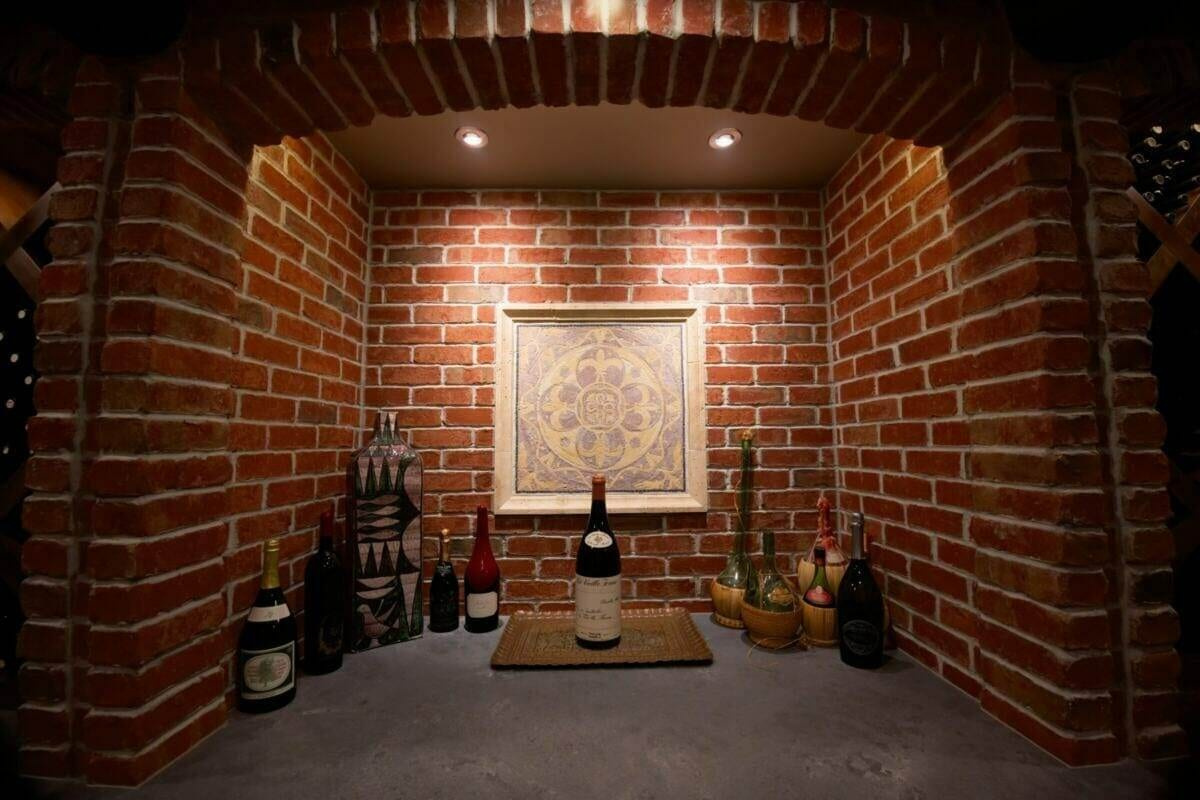
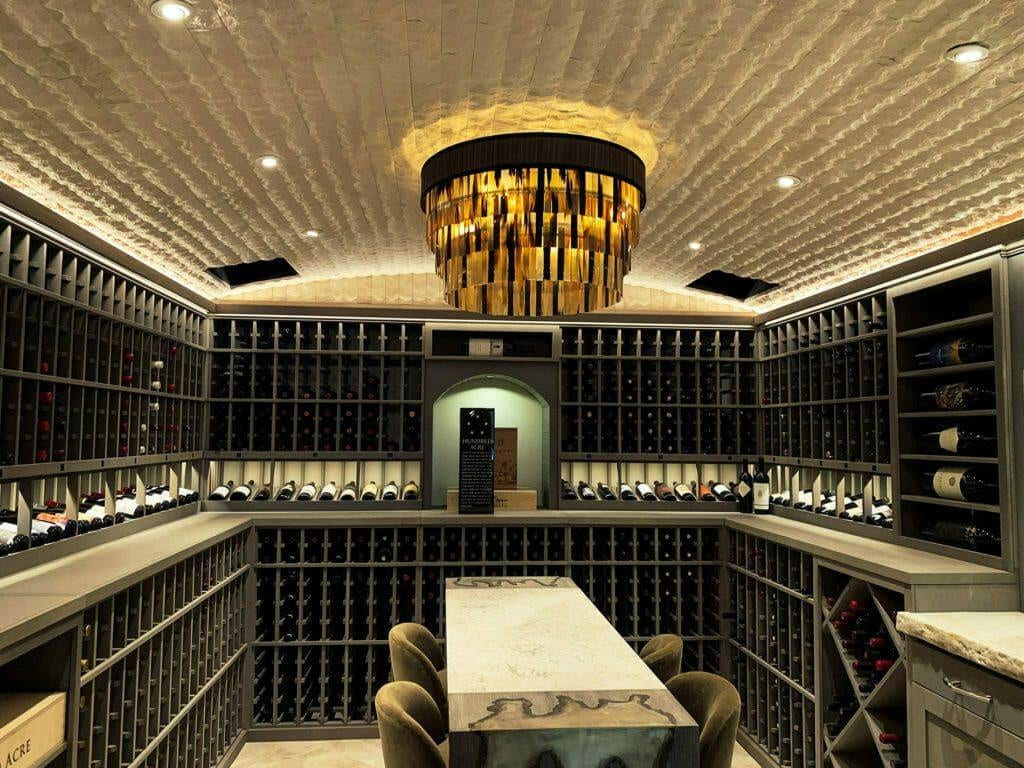
Beyond the structural and material choices, you can also incorporate decorative elements that add depth and character to your wine cellar. Consider the inclusion of custom lighting fixtures, artwork, or even a tasting table and seating area to transform your cellar into a multifunctional space for entertaining and enjoying your collection.
By carefully designing the layout and aesthetic of your custom wine cellar, you can create a space that not only serves as a functional storage solution but also becomes a true reflection of your passion for wine and your personal style. This harmonious blend of form and function will elevate your wine-drinking experience and provide a sanctuary where you can sip, savor, and share your prized vintages.
Selecting the Right Cooling System for Optimal Wine Storage
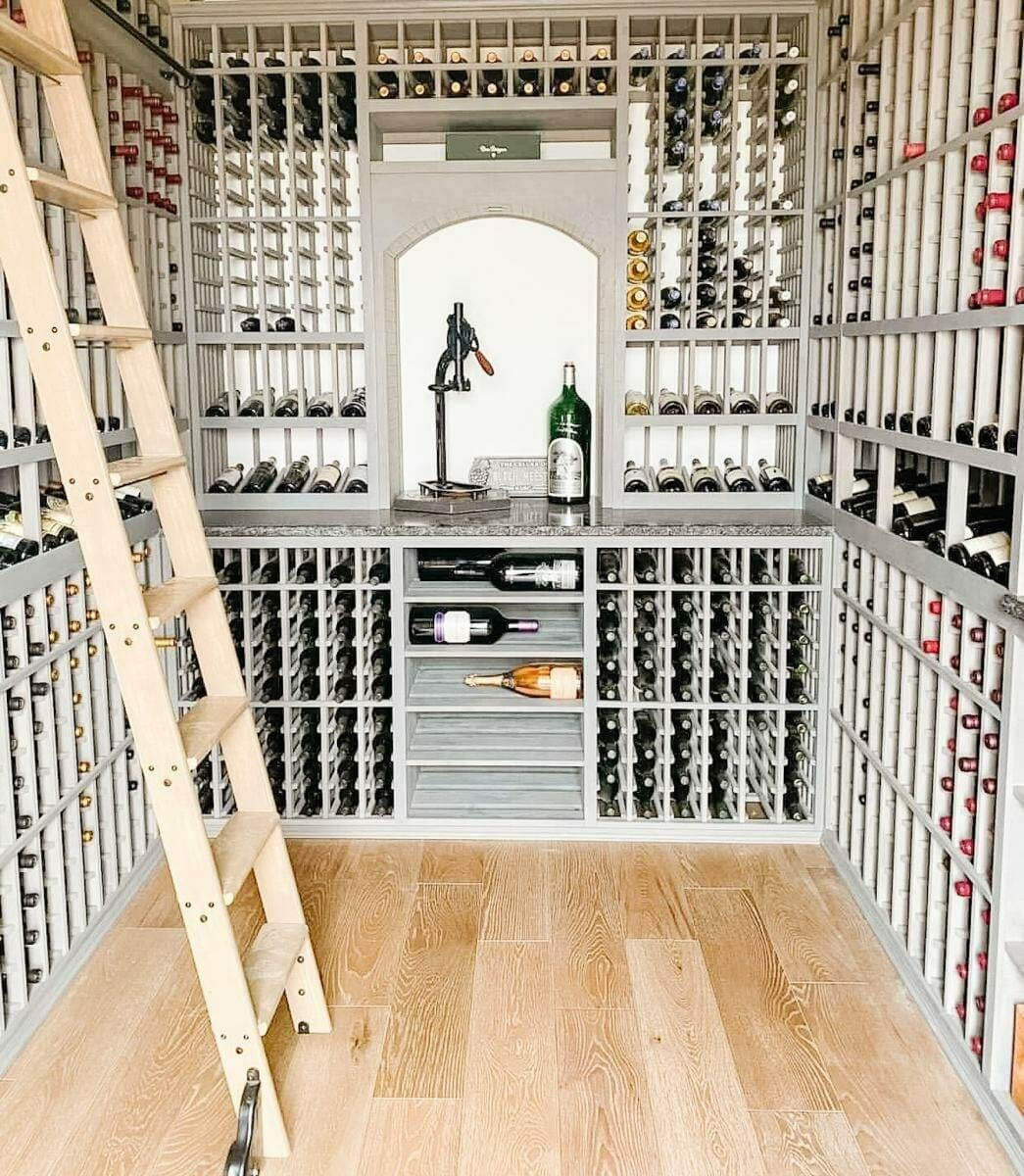
Maintaining the optimal temperature and humidity levels is crucial for the long-term preservation and aging of your wine collection. The selection of the right cooling system for your custom wine cellar is a critical decision that will ensure the proper storage conditions for your valuable bottles.
Understanding the importance of temperature and humidity control is the first step in choosing the appropriate cooling system. Wines are sensitive to fluctuations in temperature, which can accelerate the aging process and compromise the delicate flavors and aromas. Similarly, the proper humidity level is essential to prevent the drying out of corks and the potential for oxidation.
When evaluating the various cooling system options, consider factors such as the size of your wine cellar, the specific temperature and humidity requirements of your collection, and the energy efficiency of the system. Explore solutions ranging from self-contained cooling units to more complex, custom-designed refrigeration systems that can be integrated seamlessly into your cellar’s design.
Ensuring the long-term reliability and maintenance of your cooling system is also crucial. Consult with experienced wine cellar specialists or HVAC professionals to understand the maintenance requirements and the expected lifespan of the cooling equipment. This will help you make an informed decision and ensure that your investment in a custom wine cellar is protected for years to come.
By selecting the right cooling system for your wine cellar, you can create an environment that maintains the optimal storage conditions for your collection. This attention to detail will not only safeguard the quality and value of your wines but also provide you with the peace of mind that your prized bottles are being cared for in the most meticulous manner.
Incorporating Lighting and Humidity Control
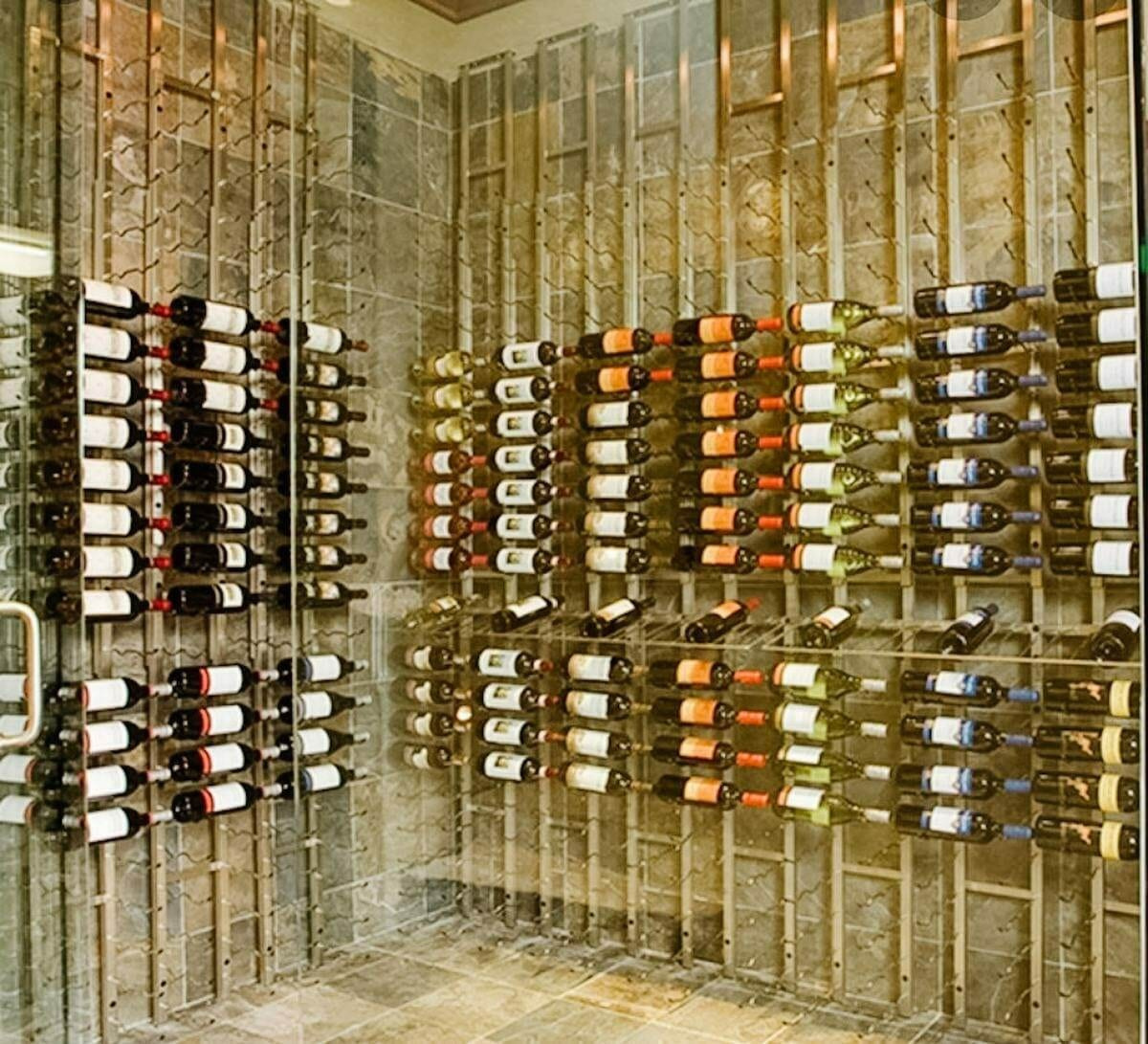
Elevating the experience of your custom wine cellar goes beyond temperature control; it also involves the thoughtful integration of lighting and humidity management systems. These elements work in harmony to create an environment that not only preserves your wine collection but also showcases it in a visually captivating manner.
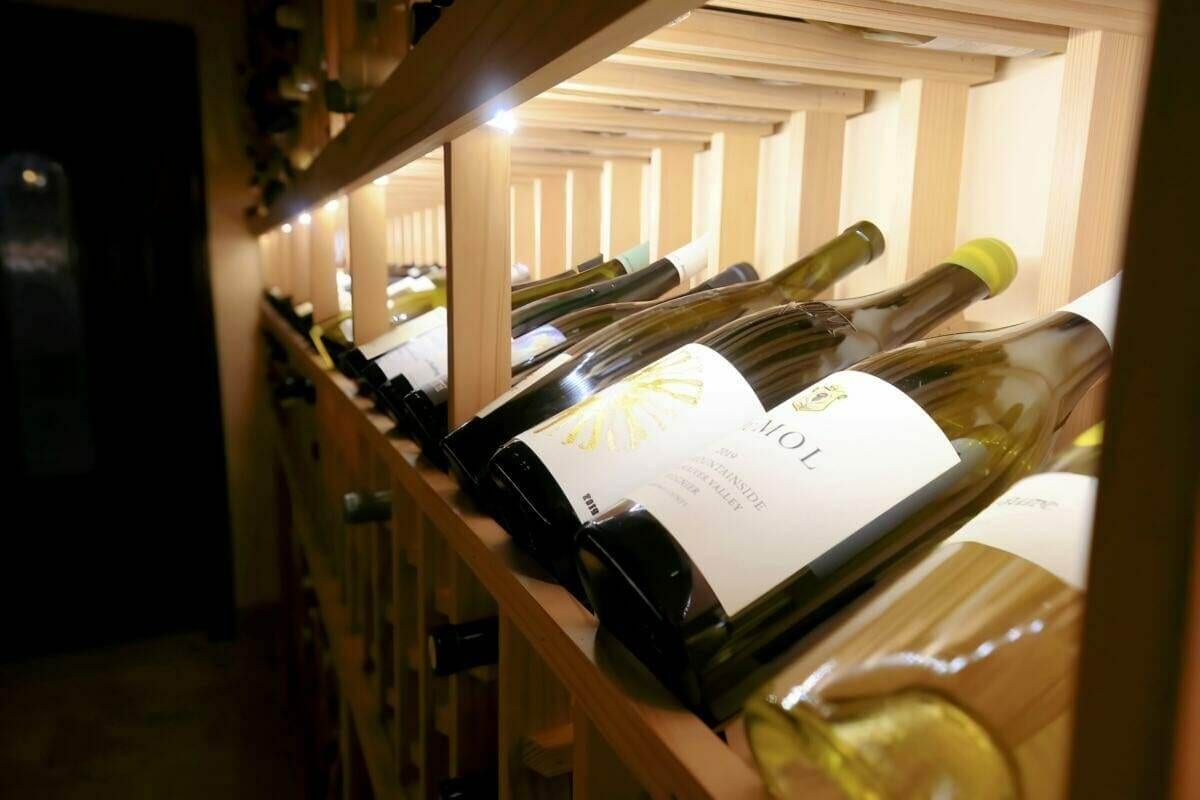
Lighting plays a crucial role in enhancing the aesthetic appeal of your wine cellar. Carefully selected lighting fixtures can accentuate the architectural features, highlight your wine display, and create a warm and inviting ambiance. From subtle recessed lighting to dramatic pendant fixtures, the lighting design should complement the overall style of your cellar and provide the appropriate level of illumination without compromising the delicate nature of your wines.
Alongside the lighting, the implementation of effective humidity control measures is essential for the long-term preservation of your wine collection. Maintaining the optimal humidity levels, typically between 60% and 70%, helps prevent the drying out of corks and the potential for oxidation. This can be achieved through the integration of specialized humidification systems or the strategic placement of humidity-regulating materials within your wine cellar.
The seamless integration of lighting and humidity control systems into your wine cellar’s design is crucial. These elements should work in harmony, enhancing the overall functionality and visual appeal of your space. Consult with experts who can provide guidance on the most suitable lighting and humidity control solutions, ensuring that your custom wine cellar not only safeguards your investment but also becomes a captivating showcase for your passion.
Maximizing Storage Capacity with Custom Racking Solutions
Optimizing the storage capacity of your custom wine cellar is a crucial aspect of the design process. By incorporating custom racking solutions, you can maximize the available space and create a visually striking display for your wine collection.
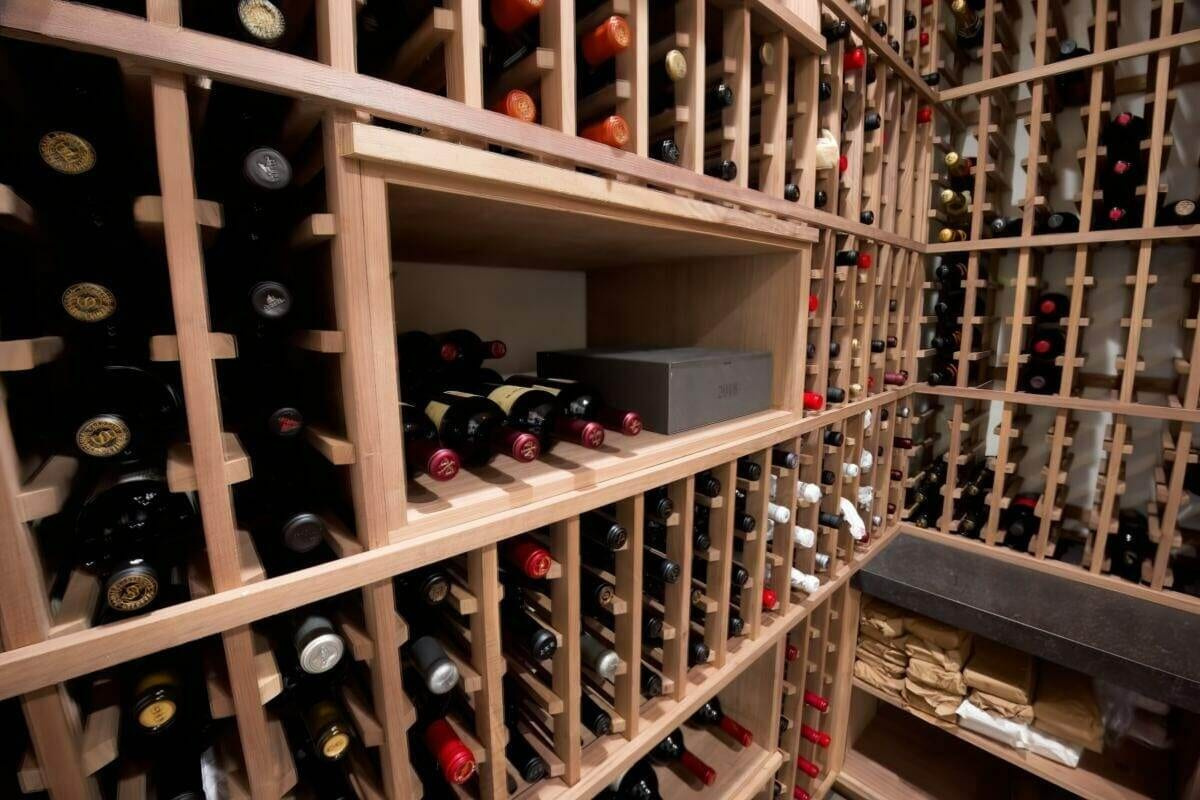
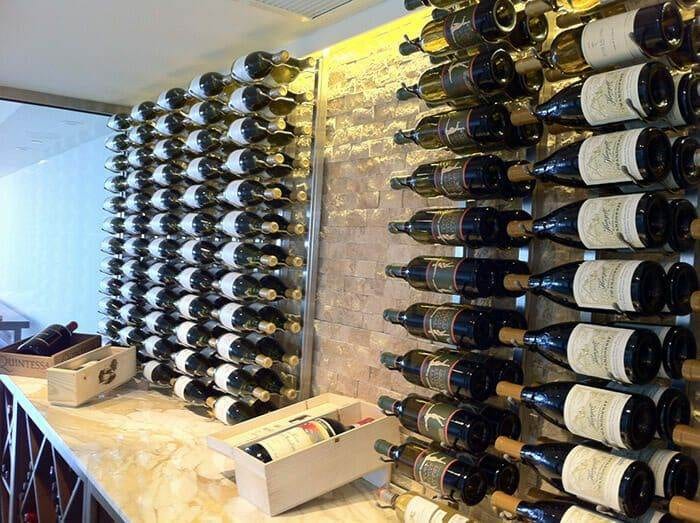
Exploring the various racking configurations and materials is the first step in this process. From traditional wooden racks to sleek metal or glass options, the choice of racking will depend on your personal style, the size of your collection, and the specific storage requirements of your wines. Consider factors such as bottle orientation, label visibility, and the ability to accommodate different bottle sizes and shapes.
Efficient space utilization is key when designing your wine cellar’s racking system. Incorporate specialized features like display racks, angled shelves, and tiered storage to optimize the available space and create a visually appealing layout. This strategic approach not only maximizes your storage capacity but also allows you to showcase your most prized bottles in a captivating manner.
Beyond the functional aspects, the custom racking solutions you choose can also contribute to the overall aesthetic of your wine cellar. Integrate design elements that complement the architectural style and materials used throughout the space, creating a harmonious and cohesive visual experience.
By working closely with experienced wine cellar designers and custom racking specialists, you can develop a storage solution that not only meets your practical needs but also reflects your personal style and enhances the overall ambiance of your custom wine cellar. This attention to detail will ensure that your prized wine collection is not only properly preserved but also beautifully displayed for you and your guests to enjoy.
Securing and Protecting Your Wine Cellar
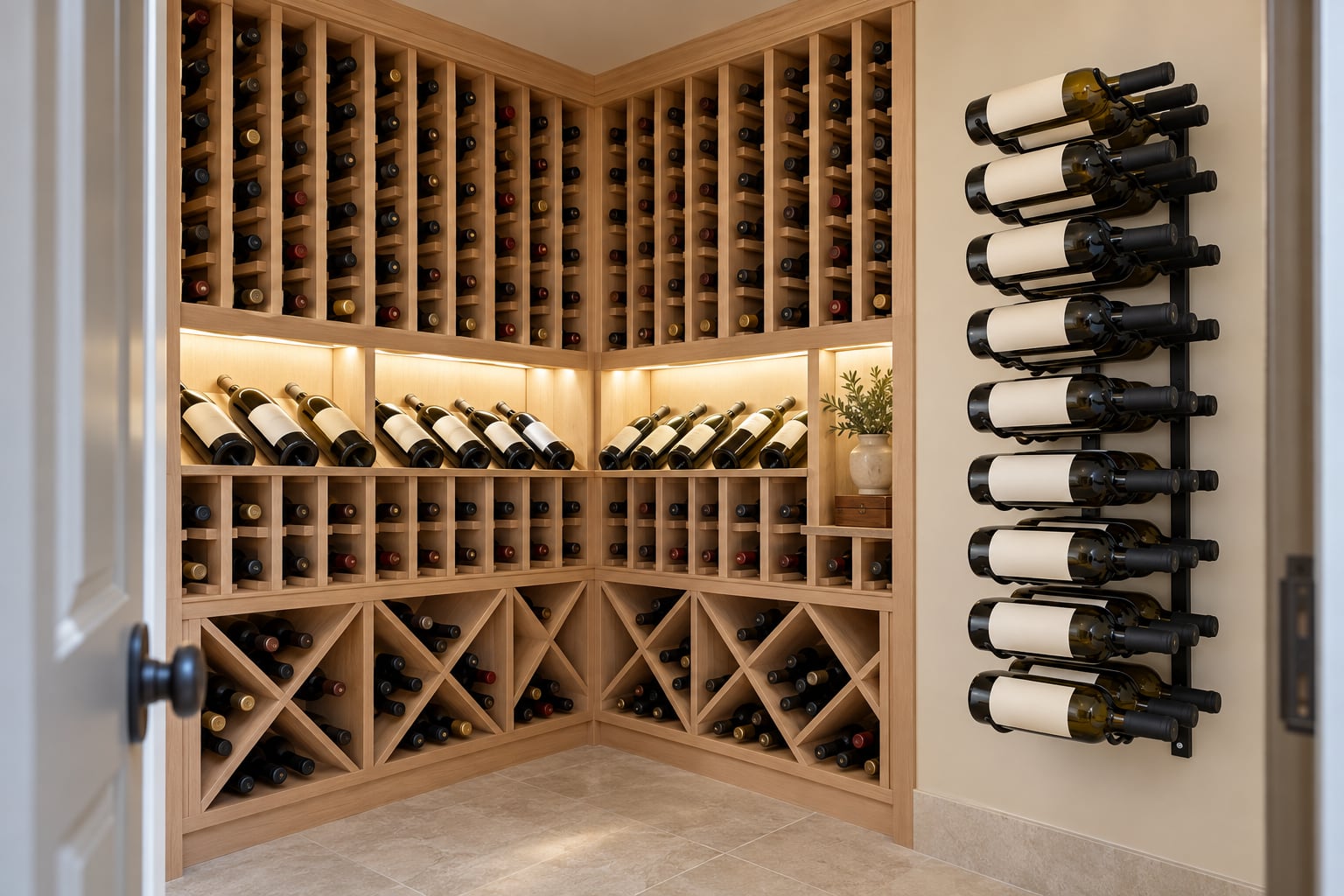
Safeguarding your valuable wine collection is a paramount concern when building a custom wine cellar. Implementing robust security measures and incorporating strategies to prevent potential threats, such as fire or water damage, are essential steps in ensuring the long-term protection of your investment.
Securing your wine cellar begins with the implementation of reliable access control systems. This may include features like keypad entry, biometric scanners, or even integrated smart home technology to restrict unauthorized access and provide an additional layer of protection for your collection.
Alongside the security measures, it is crucial to consider fire and water damage prevention strategies. Incorporate fire suppression systems, such as sprinklers or gas-based extinguishers, to mitigate the risk of fire-related incidents. Additionally, implement water detection and drainage systems to safeguard your wines from potential leaks or flooding.
Proper ventilation and air circulation within your wine cellar are also important factors in maintaining the integrity of your collection. Ensure that the design of your cellar allows for adequate airflow, preventing the buildup of harmful gases or the accumulation of moisture that could compromise the quality of your wines.
By addressing these critical security and protection considerations, you can create a custom wine cellar that not only preserves the value of your collection but also provides you with the peace of mind that your prized bottles are safe and secure. Consulting with experts in wine cellar design and security can help you develop a comprehensive plan to safeguard your investment and enjoy your wine collection with confidence.
Enjoying the Fruits of Your Labor: Sipping and Savoring in Your Custom Wine Cellar
The culmination of your journey in building a custom wine cellar is the opportunity to fully immerse yourself in the art of wine appreciation and enjoyment. This dedicated space becomes a sanctuary where you can sip, savor, and share your prized vintages with family and friends, creating lasting memories and deepening your connection to the world of oenology.
Beyond the practical aspects of storage and preservation, your custom wine cellar should be designed as a space that invites you to linger and savor the experience. Incorporate features that cater to the social and experiential aspects of wine appreciation, such as a tasting area with comfortable seating, a dedicated bar or serving station, and even a small lounge or entertainment space.
The ability to showcase your wine collection in a visually captivating manner is another key aspect of your custom cellar. Strategically placed display racks, lighting, and decorative elements can transform your cellar into a true work of art, allowing you to take pride in your curated collection and share your passion with others.
Entertaining and hosting wine-tasting events in your custom cellar can be a truly rewarding experience. The intimate and inviting atmosphere you’ve created will provide the perfect setting for you to share your knowledge, introduce new wines to your guests, and foster a deeper appreciation for the art of winemaking.
As you sip and savor your wines in the comfort of your custom-built sanctuary, you’ll find that the journey of creating this space has been just as fulfilling as the act of enjoying its fruits. The custom wine cellar you’ve built becomes a reflection of your passion, your personal style, and your commitment to the pursuit of oenological excellence. It is a space where you can indulge in the pleasures of wine, create lasting memories, and continue to expand your knowledge and appreciation for this timeless and captivating beverage.
Additional guidance: Tips in building a wine cellar
If this is new construction and you are not going to use spray foam, then it is recommended that you install a 6 mil vapor barrier or a primer on the back side/warm side of your wall studs before lifting them into position.
Make sure to leave excess vapor barrier at the comers so that you can wrap it, overlap the seams and tuck tape (not duct tape) them shut. Then fill all holes in studs and joists with spray foam sealer insulation.
If this is a remodeling project, it is OK to wrap the existing studs in the room as shown, in a similar fashion to the ceiling joists. Make sure the vapor barrier is on the warm side of the wine cellar, meaning the exterior cellar wall.
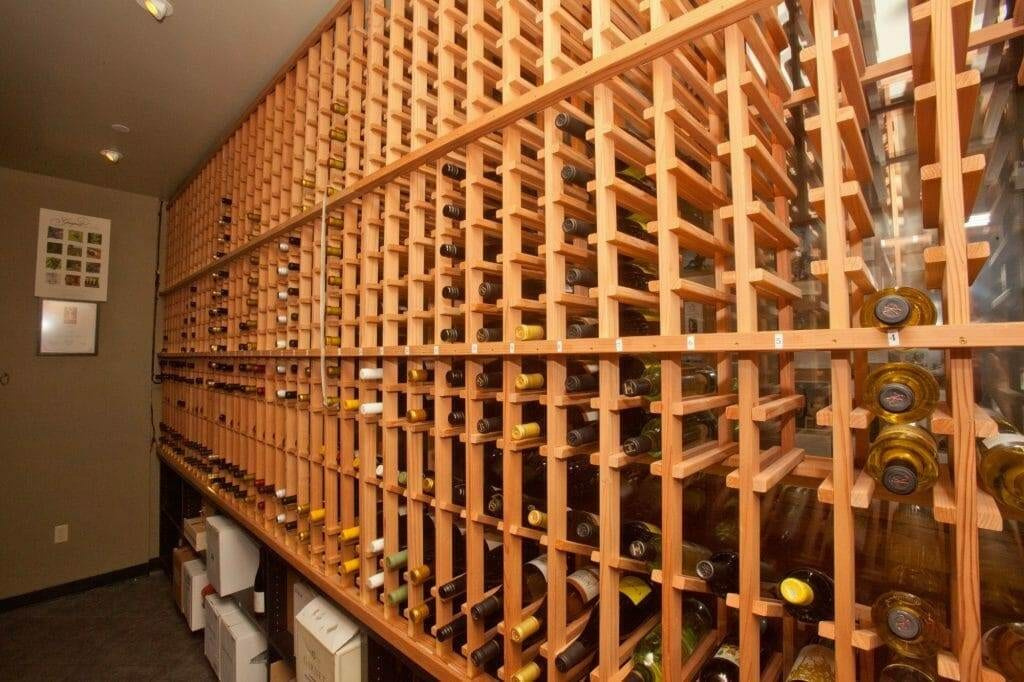
Additional guidance: Use Wine Hardware to build your next Custom Wine Cellar!
Once you’ve decided on the structure and coverings for the walls and ceiling of your custom wine cellar, it’s time to consider the door. A glass wine cellar door can give your space a modern, elegant feel, while also providing a good level of insulation and protection from extreme temperatures. Dual paned glass can result in quieter and more efficient cooling. At Wine Hardware, we offer an array of custom-designed doors that can help take your wine cellar to the next level. Browse our selection to find one that fits your style and budget today.
Once the wine racks are assembled, it’s time to select the motion sensor. It can also be used to measure light intensity – perfect for setting up auto brightness control, using WLED for visual alerts and Google Home integration. With this motion sensor in place, you can be sure that your wine cellar will remain secure and undisturbed!
Stop waiting and start enjoying the perfect wine cellar of your dreams! Purchase your custom Wine Hardware from Walnut Creek to make it happen today. Don’t delay – get your loyal sommelier just one click away and revolutionize wine storage with Wine Hardware!
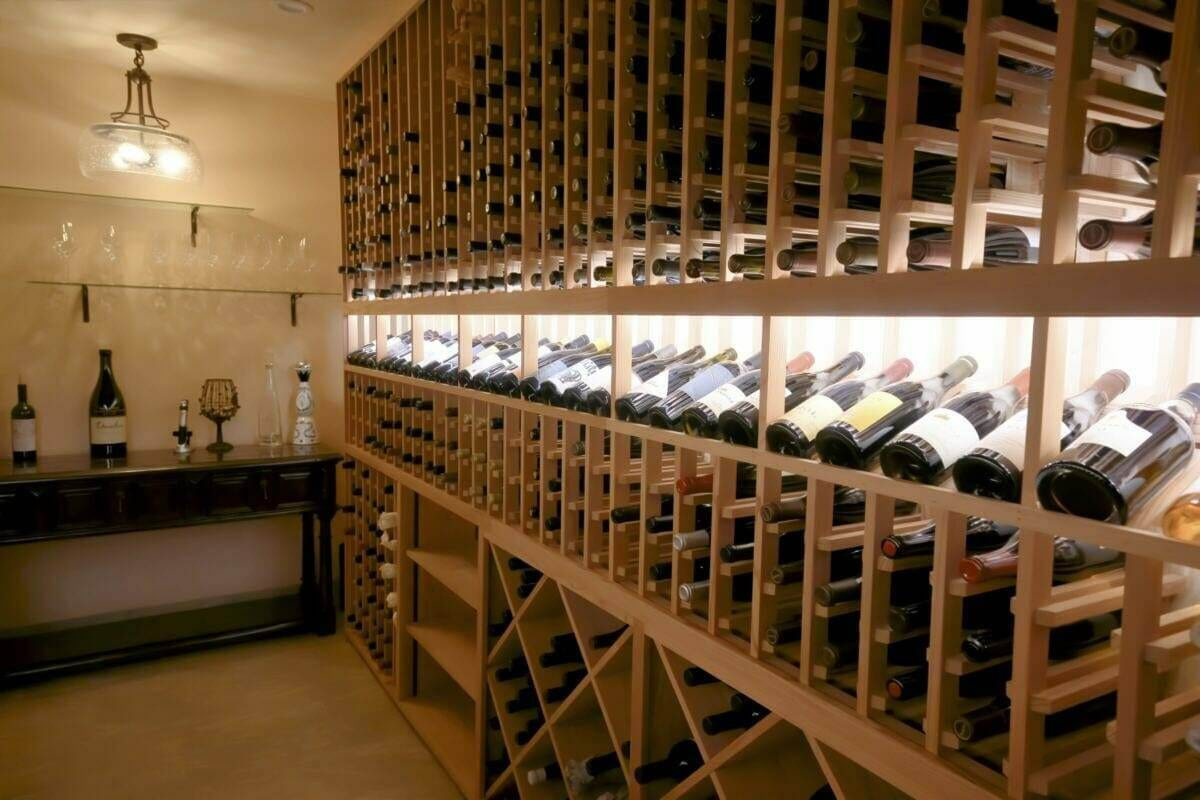
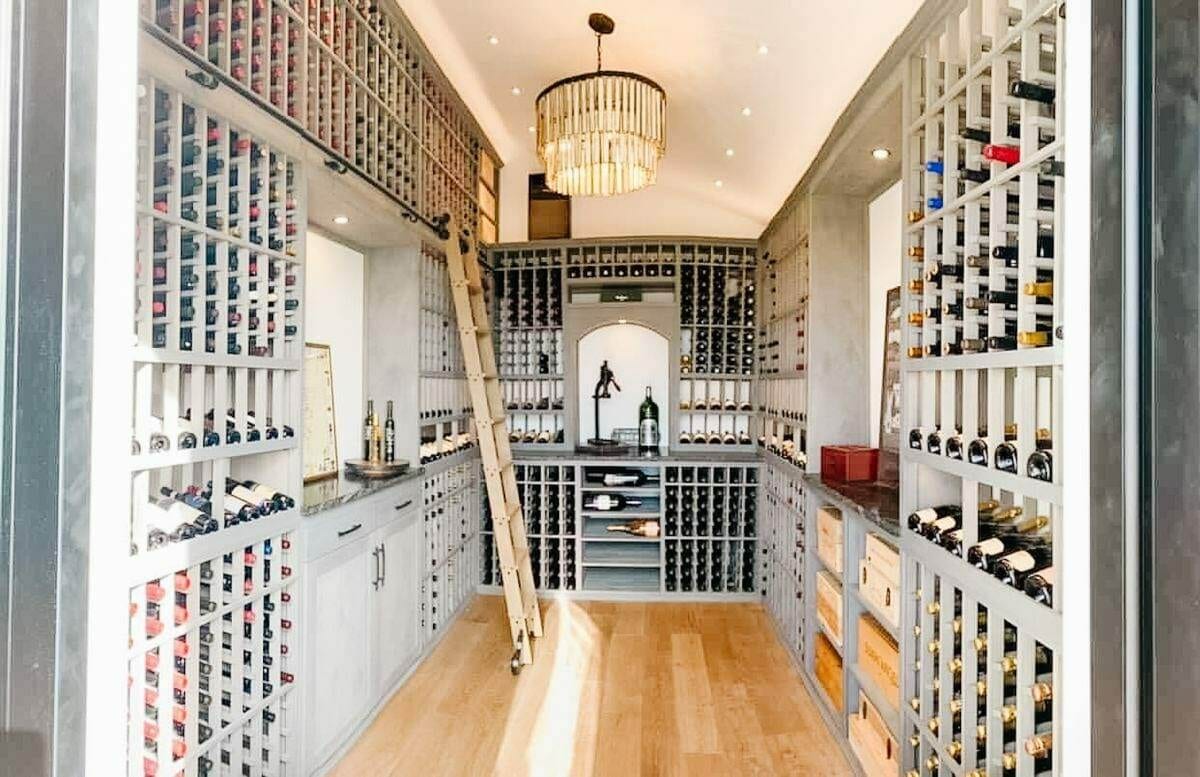
Additional guidance: Creating the Perfect Wine Cellar: Construction Tips and Techniques
They can also help you navigate any building codes or regulations that may apply to your project. By working with a professional, you can ensure that your wine cellar is built using the best construction materials available.
By working with a professional, you can ensure that your wine cellar is equipped with proper lighting and shelving to showcase and protect your valuable bottles.
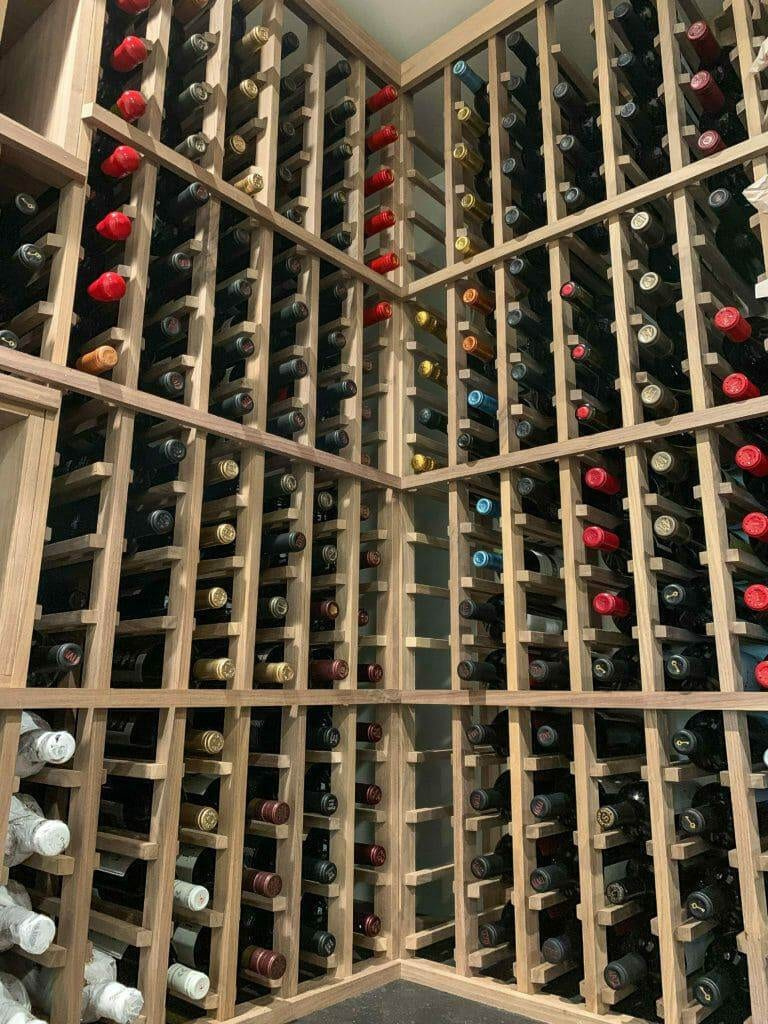
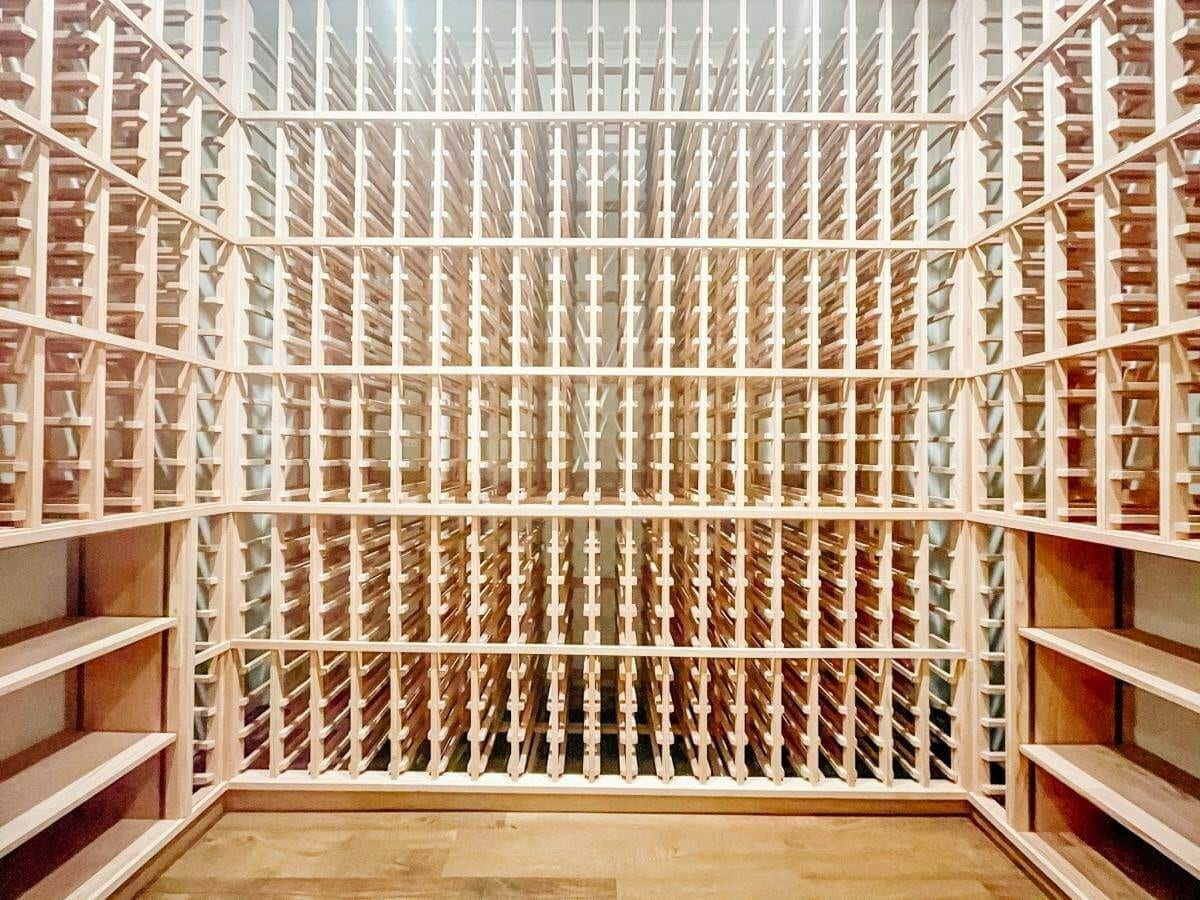
You can turn your room and collection goals into a cellar design conversation with Mike. Bring photos of the room and your collection goals into a conversation at (925) 944-1084.
More on planning and building a custom wine cellar
A well-run Danville cellar installation starts before the first rack arrives. The room, enclosure, cooling equipment and bottle layout need a shared plan, with someone responsible for the points where trades meet. Knowing that sequence helps you ask better questions and compare proposals. Wine Hardware can help develop the cellar design and equipment scope, and discuss contractor coordination so you understand what happens before, during and after installation.
Turn the first conversation into a written brief
Begin with the collection and the room. Provide current bottle counts, unusual formats, expected buying patterns and whether you want storage, display or a place to host. Include room photographs and a rough floor plan. If the cellar is part of a Danville remodel, share the wider project schedule and the person coordinating it.
A useful brief records priorities and unresolved questions. It should distinguish what you have chosen from what still needs review. For example, wanting a glass front does not settle the enclosure details, and wanting space for a growing collection does not define a final rack count. Those decisions become more precise through design and site assessment.
Review the site before final equipment selection
The installer or responsible specialist needs to understand the existing room, adjacent areas and available routes for equipment and services. Ask what measurements and site information are required before a final recommendation. Photographs help begin the discussion, but they do not replace every field check.
Have the proposal explain what is assumed about the wall, floor and enclosure. Note where electrical work, connections, drainage where applicable and equipment access will occur. If an existing unit is being replaced, include its model and opening dimensions while allowing the replacement's current requirements to govern the new installation.
There are various types of wine cellars, including traditional underground cellars, above-ground cellars, walk-in wine rooms, and refrigerated wine cabinets. Each type has its own advantages and considerations for construction.
Coordinate construction before closing the room
The enclosure and service routes should be agreed before finished surfaces conceal them. Ask the team to identify the construction details that need review before racks or trim are installed. Keep the cooling plan, door, lighting and any penetrations on the same drawing set so one trade's work does not create another trade's problem.
Clarify who is responsible for required approvals and inspection scheduling. Ask how design changes are recorded and shared. A verbal adjustment to a light, vent or rack height may affect equipment clearance or a finished opening elsewhere. A short, current decision record is more useful than several different drawings that no longer describe the same cellar.
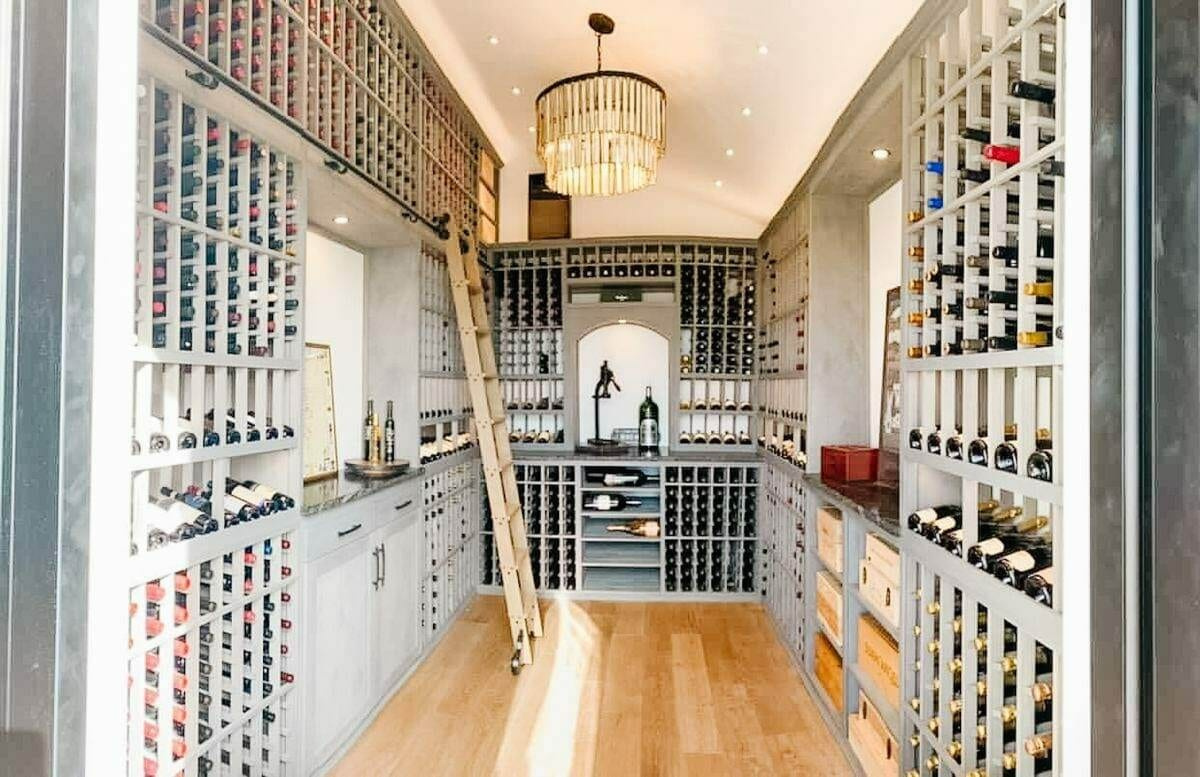
Receive equipment and racks against the plan
Confirm delivery arrangements before selecting an installation date. Identify who receives the shipment, where components can be held and how they will be inspected against the order. Large equipment may need a freight quote and a route assessment through the property, particularly when turns or stairs separate the entrance from the cellar.
Before assembly, match model numbers, finishes and quantities to the approved schedule. Keep manuals and supplied hardware with the relevant components. If something differs from the order, resolve the discrepancy before adapting the room around it. The aim is to install the agreed system, rather than turn a shipping or selection mistake into a permanent design change.
Install with access and bottle use in mind
Cooling and racking installation should follow the exact manufacturers' documentation and the reviewed project details. Ask who verifies attachment, connections and equipment access. A rack section should not cover a service point just because it fits neatly on the elevation. The finished room needs to remain maintainable after the collection is loaded.
Check how the doors, shelves and display positions work together. Use representative bottle shapes to confirm the intended fit, including larger formats. Review label visibility and the location of frequent selections. These checks connect the build back to the original brief and can identify an awkward detail while the installation team is still available to address it.
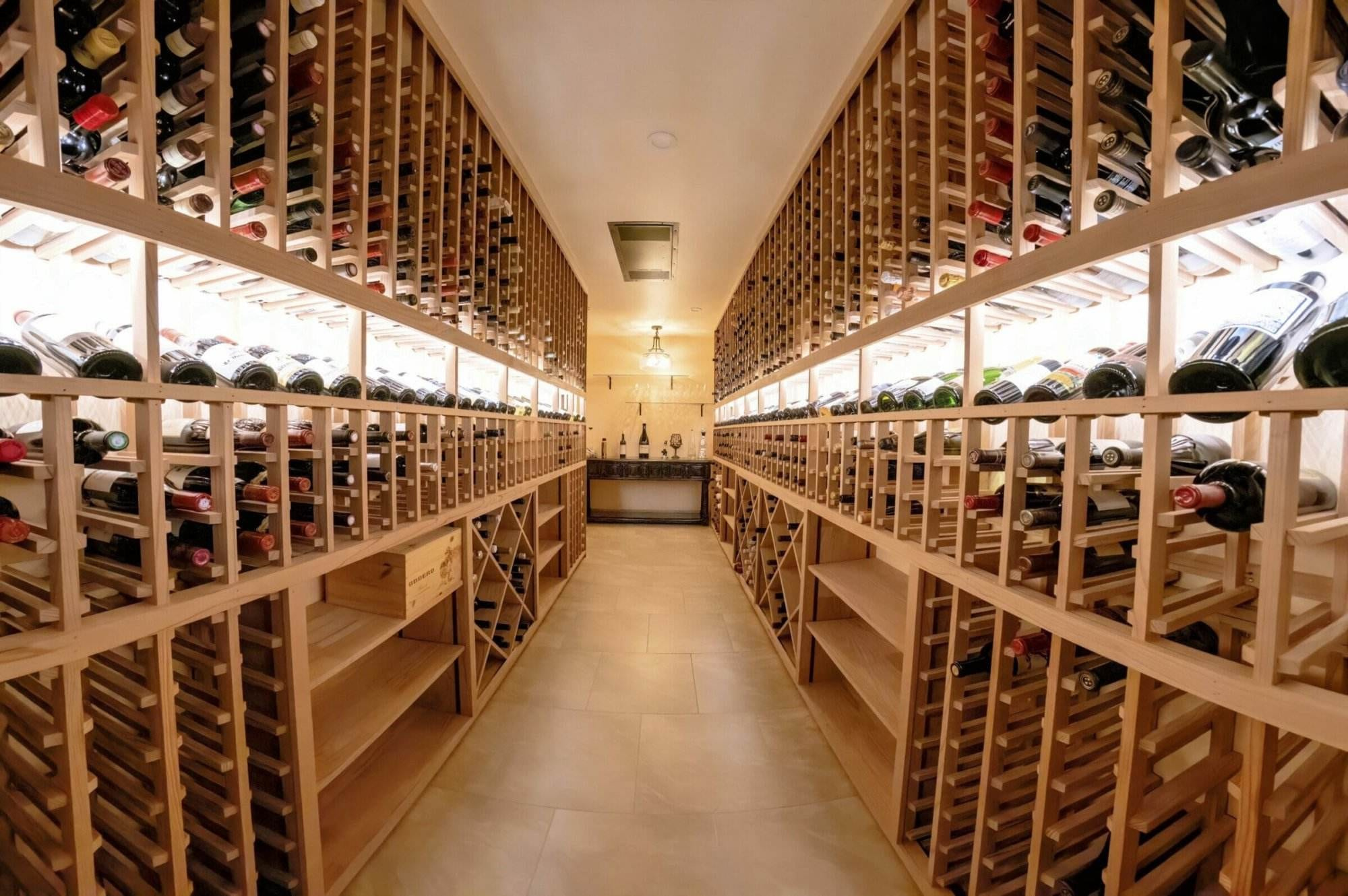
Ask for a usable handover
At completion, request the final equipment list, operating instructions, relevant drawings and contacts for service questions. Ask for a demonstration of controls, alarms where fitted and owner maintenance tasks. Confirm how the room's operation will be checked before moving the full collection into it.
Record any remaining work and who will complete it. A clear handover also states which questions belong with the builder, cooling installer or equipment supplier. Wine Hardware's family-run Walnut Creek showroom is a place to begin that coordinated conversation. Bring your Danville project brief so the design, equipment and installation responsibilities can be discussed as one complete scope.
Questions before you decide
How long will installation take?
The schedule depends on the room, construction scope, approvals, equipment availability and trade coordination. Ask for a project-specific sequence with dependencies, rather than relying on a universal duration for every cellar.
Who handles permits and inspections?
The project agreement should name the responsible person and the reviewing authority for the address. Clarify this before work begins, along with who responds to comments or arranges access for required inspections.
What should I receive when the work is finished?
Request the final model list, relevant drawings, manuals, operating demonstration and service contacts. Any remaining items should have a named owner and next step. Keep this information where you can find it before a future maintenance call.
Start the installation conversation for your Danville cellar. Contact Wine Hardware at (925) 944-1084 with your room photos and project goals.
Planning a Walnut Creek Cellar With an ArchitectAn architect can coordinate a Walnut Creek cellar more effectively when the collection brief is clear. Share bottle formats, desired capacity and how the room will be used, then keep enclosure details, equipment routes and rack access together on the drawings. At Wine Hardware in Walnut Creek, we help turn those decisions into a cellar plan. Bring room photos, a rough sketch and your collection goals to start the conversation.
By integrating these elements into the design, architects help create an environment that enhances the longevity and flavor of your wine collection. Moreover, architects are skilled in spatial planning, which is vital when designing a wine cellar. They consider the layout, flow, and accessibility of the space to ensure that it is both practical and inviting.
This involves selecting the right location within your home, determining the optimal size for your collection, and incorporating features such as custom wine racks and cooling systems. An architect's ability to visualize the final product allows them to create a cohesive design that harmonizes with the overall style of your home while catering to your specific wine storage needs.
Key Takeaways
- An architect plays a crucial role in wine cellar design, ensuring functionality, aesthetics, and compliance with regulations.
- When choosing an architect for your Walnut Creek wine cellar project, consider their experience, portfolio, and understanding of your specific needs.
- Collaborating with an architect allows for a customized wine cellar design that reflects your personal style and storage requirements.
- Incorporating sustainable and energy-efficient features in your wine cellar design can save costs and reduce environmental impact.
- Working with an architect helps maximize space and functionality in your wine cellar, optimizing storage and usability.
Choosing the Right Architect for Your Walnut Creek Wine Cellar Project
Selecting the right architect for your Walnut Creek wine cellar project is a critical step that can significantly influence the outcome of your design. It is essential to look for an architect who specializes in residential projects and has experience specifically in designing wine cellars. This specialization ensures that they are familiar with the unique requirements and challenges associated with wine storage.
A well-chosen architect will not only understand the technical aspects of climate control and structural design but will also appreciate the aesthetic nuances that make a wine cellar truly special. When evaluating potential architects, consider their portfolio and past projects. Look for examples of wine cellars they have designed, paying attention to their creativity, attention to detail, and ability to blend functionality with beauty.
Additionally, client testimonials can provide insight into their working style and how well they communicate throughout the design process. A good architect should be open to collaboration, willing to listen to your ideas, and able to translate your vision into a practical design that meets your needs.
Collaborating with an Architect to Create a Customized Wine Cellar Design
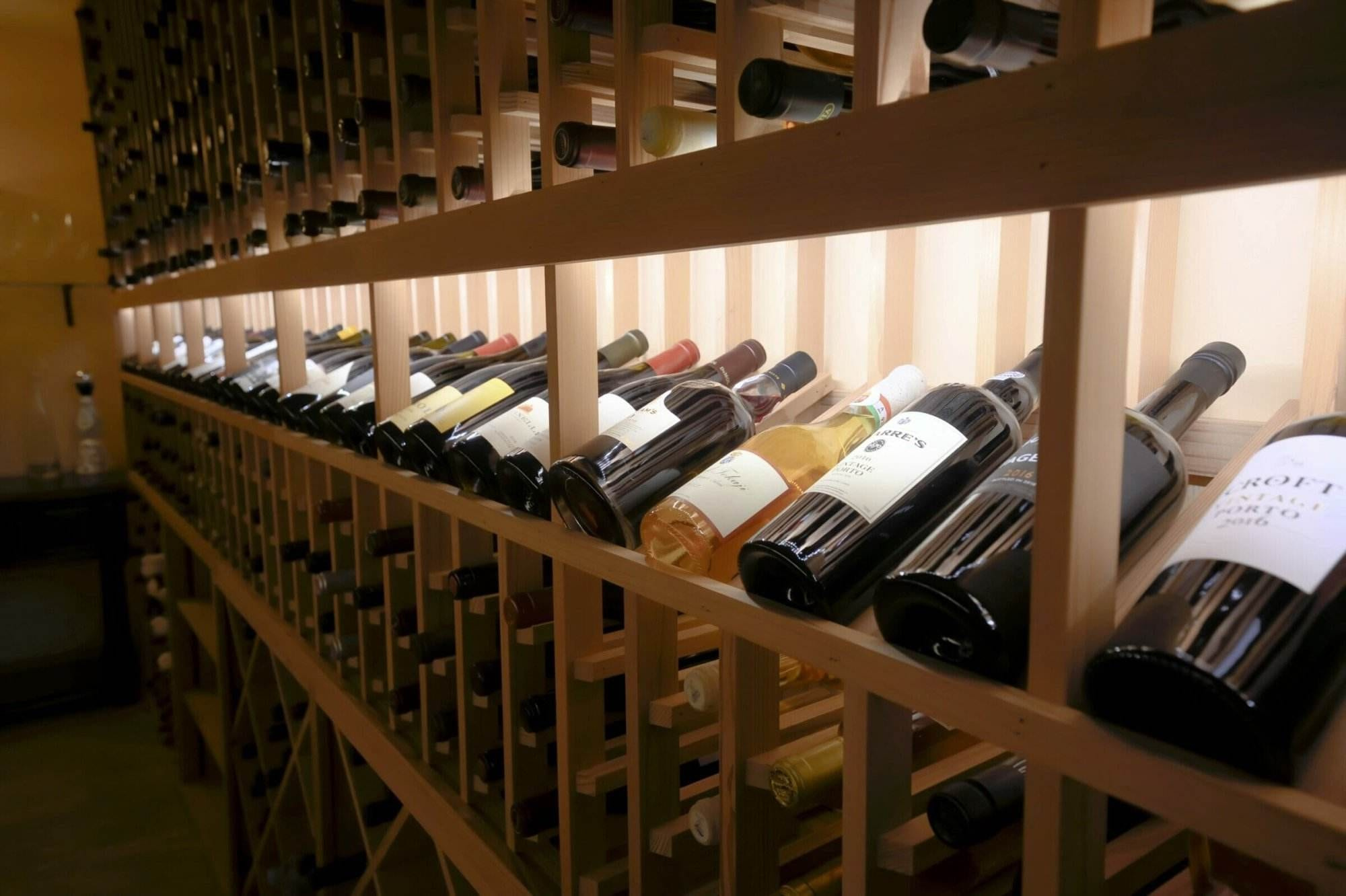
Collaboration with an architect is key to creating a customized wine cellar design that reflects your personal style and meets your specific requirements. The process typically begins with an initial consultation where you can share your vision, preferences, and any specific features you desire in your wine cellar. This dialogue is essential for establishing a clear understanding of your goals and expectations.
An experienced architect will ask probing questions to uncover your needs, such as how many bottles you plan to store, whether you want a tasting area, or if you require additional storage for wine accessories. As the design process unfolds, architects will present various concepts and layouts based on your input. This iterative process allows for adjustments and refinements until the final design aligns perfectly with your vision.
Architects often use advanced design software to create 3D renderings of the proposed space, enabling you to visualize how different elements will come together. This collaborative approach not only ensures that your wine cellar is tailored to your preferences but also fosters a sense of ownership in the design process.
Incorporating Sustainable and Energy-Efficient Features in Your Wine Cellar Design
In today's environmentally conscious world, incorporating sustainable and energy-efficient features into your wine cellar design is more important than ever. An architect can guide you in selecting materials and systems that minimize environmental impact while maintaining optimal conditions for wine storage. For instance, energy-efficient cooling systems can be integrated into the design to regulate temperature without excessive energy consumption.
These systems are designed to maintain consistent conditions while using less power, which is beneficial for both the environment and your utility bills. Additionally, architects can recommend sustainable materials for construction and finishes. Options such as reclaimed wood for wine racks or eco-friendly insulation can enhance the sustainability of your wine cellar while adding character and charm.
Natural ventilation systems can also be incorporated to reduce reliance on mechanical cooling, allowing fresh air to circulate while maintaining humidity levels. By prioritizing sustainability in your design, you not only create a beautiful space for your wine collection but also contribute positively to the environment.
Maximizing Space and Functionality with the Help of an Architect
Maximizing space and functionality is a primary concern when designing a wine cellar, especially in homes where square footage may be limited. An architect's expertise in spatial planning can help you make the most of every inch available. Compare wall-mounted racks and modular shelves by bottle fit, attachment requirements and the sections you expect to add.
By carefully considering the layout, an architect can create a functional flow that allows easy access to your wines while maintaining an organized appearance. Furthermore, architects can incorporate multi-functional elements into your wine cellar design. For example, they might suggest integrating a tasting area or a small bar within the cellar itself, allowing you to enjoy your collection in a dedicated space.
This not only enhances the functionality of the cellar but also creates an inviting atmosphere for entertaining guests. By working closely with an architect, you can ensure that your wine cellar is not just a storage area but a well-designed space that serves multiple purposes.
Selecting the Best Materials and Finishes for Your Walnut Creek Wine Cellar
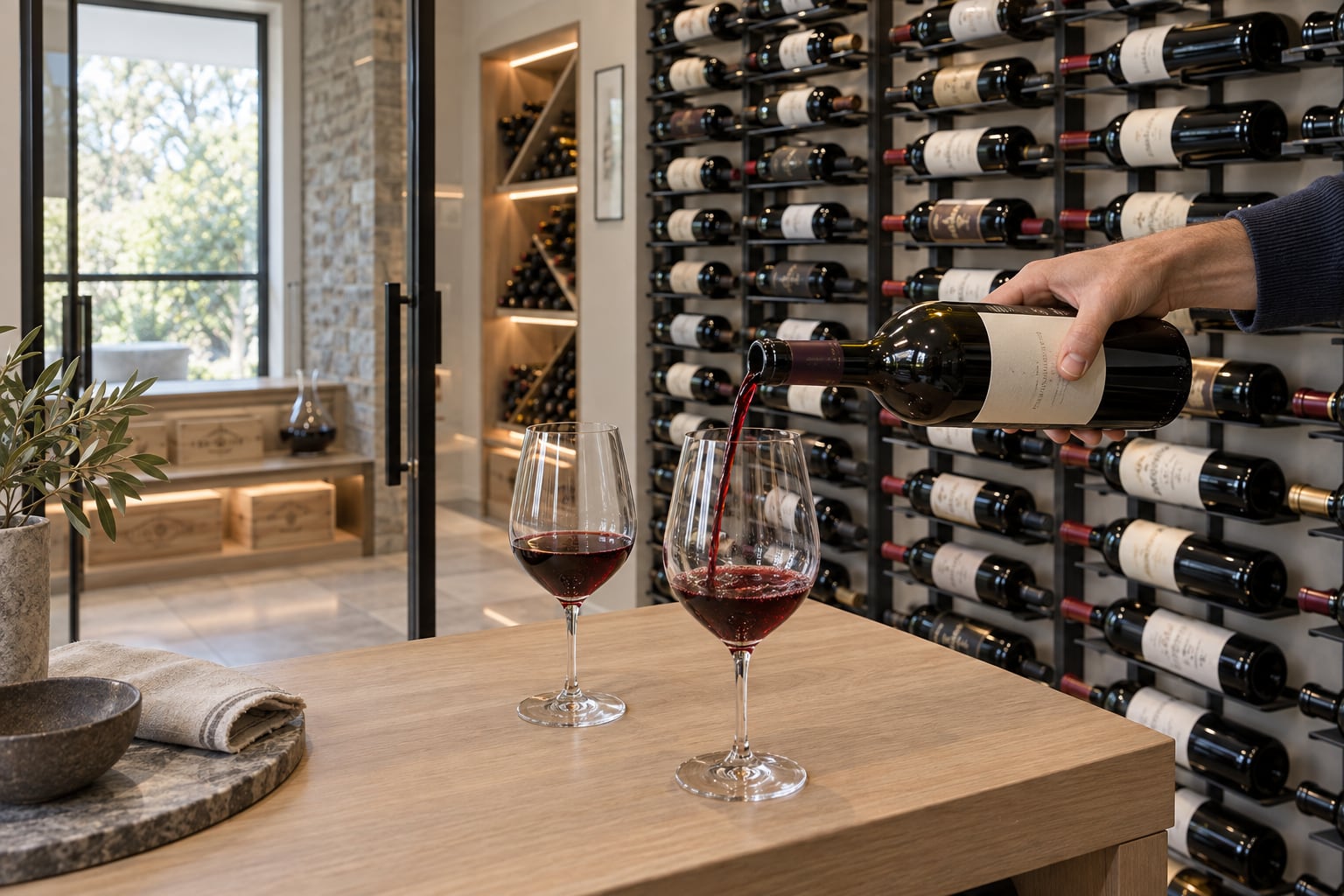
The selection of materials and finishes plays a significant role in both the functionality and aesthetics of your Walnut Creek wine cellar. An architect can provide valuable insights into which materials are best suited for wine storage environments. For instance, wood is often favored for wine racks due to its natural insulating properties and ability to absorb moisture.
However, not all woods are created equal; some are more resistant to mold and decay than others. An architect can guide you in choosing durable materials that will withstand the test of time while complementing your overall design. In addition to wood, other materials such as stone or metal can be incorporated into your wine cellar design for added visual interest.
Stone walls can create a rustic ambiance, while metal accents can lend a modern touch. The choice of finishes - such as paint colors or stains - also contributes significantly to the overall look of the space. An architect will help you select finishes that not only enhance the beauty of your wine cellar but also align with your personal style and the existing decor of your home.
Balancing Aesthetics and Functionality in Your Wine Cellar Design
Achieving a balance between aesthetics and functionality is one of the most challenging yet rewarding aspects of designing a wine cellar. An architect plays a pivotal role in ensuring that both elements are harmoniously integrated into the final design. While it is essential for a wine cellar to serve its primary purpose - storing wine at optimal conditions - it should also be visually appealing and reflect your personal taste.
This balance can be achieved through thoughtful design choices that prioritize both form and function. For example, custom wine racks can be designed not only for efficient storage but also as artistic focal points within the cellar. The use of lighting can further enhance this balance; strategically placed LED lights can illuminate your collection while creating an inviting atmosphere for entertaining guests.
An architect will work closely with you to identify key design elements that resonate with your aesthetic preferences while ensuring that practical considerations - such as accessibility and climate control - are not compromised.
Navigating Permits and Regulations with the Assistance of an Architect
Navigating permits and regulations is often one of the more complex aspects of any home renovation project, including wine cellar design. Fortunately, an experienced architect can provide invaluable assistance in this area. They are well-versed in local building codes and regulations specific to Walnut Creek, ensuring that your project complies with all necessary requirements.
This knowledge helps streamline the permitting process, reducing potential delays or complications down the line. Additionally, architects can help prepare detailed plans and documentation required for permit applications. Their expertise ensures that all aspects of the design meet safety standards while adhering to zoning laws.
By entrusting this responsibility to an architect, you can focus on other aspects of your project with peace of mind, knowing that all regulatory requirements are being handled professionally. Ultimately, this collaboration not only simplifies the process but also contributes to a successful outcome for your custom wine cellar project. In conclusion, engaging an architect for your Walnut Creek wine cellar project is an investment in quality design that pays off in both functionality and aesthetics.
From understanding their role in creating a customized space to navigating permits and regulations, architects bring expertise that enhances every aspect of the design process. Give the architect your bottle inventory and storage goals so the enclosure, equipment and finishes can be planned together.
FAQs
What are the benefits of collaborating with architects for building a wine cellar?
Collaborating with architects for building a wine cellar ensures that the design and construction process is well-planned and executed, taking into consideration factors such as space utilization, climate control, and aesthetic appeal.
How can architects help in designing a wine cellar in Walnut Creek?
Architects can help in designing a wine cellar in Walnut Creek by understanding the specific needs and preferences of the client, considering the local climate and building regulations, and creating a functional and visually appealing space for storing and displaying wine.
What should one consider when collaborating with architects for a wine cellar project?
When collaborating with architects for a wine cellar project, it is important to consider factors such as budget, timeline, desired features, and any specific requirements for the storage and display of wine bottles.
What are some key considerations for building a wine cellar in Walnut Creek?
Key considerations for building a wine cellar in Walnut Creek include climate control to protect the wine from temperature fluctuations, proper insulation, ventilation, and lighting, as well as compliance with local building codes and regulations.
How can architects help in maximizing space in a wine cellar?
An architect can plan usable wall space, access and rack placement together, with dimensions for the equipment and the people using it.
Assessing Space for Your Wine Cellar
Assessing a wine cellar space begins with measurements, photographs and the existing construction. Identify the room's shape, adjacent conditions and access before selecting materials, then develop the enclosure, equipment and bottle layout as a coordinated plan for the actual location. At Wine Hardware in Walnut Creek, we help turn those decisions into a cellar plan. Bring room photos, a rough sketch and your collection goals to start the conversation.
Assessing available space for your wine cellar
When assessing available space for your wine cellar, carefully measure the dimensions of the area and take note of any structural limitations or obstacles that may affect the layout. Consider the number of bottles you plan to store and leave enough room for movement and ventilation. Also, ensure there is adequate space for wine racks, shelving, and other storage options. Don't forget to utilize underutilized areas such as basements, closets, or spare rooms. Taking these steps will help you create a functional and efficient wine cellar.
Considerations for determining the ideal location
When determining the ideal location for your wine cellar, consider factors such as temperature stability, humidity levels, and exposure to sunlight. Choose a space that is away from direct sunlight and has insulation to maintain a consistent temperature. Additionally, ensure the area has proper ventilation and is free from any potential sources of vibration or odors. By carefully considering these factors, you can create an optimal environment for storing and aging your wines.
Choosing the Right Materials for Your Wine Cellar
When it comes to choosing the right materials for your wine cellar, there are a few key factors to consider. Firstly, select materials for wine racks, flooring, and walls that are durable, moisture-resistant, and easy to clean. Secondly, consider factors such as aesthetics and budget when making your selections. By carefully choosing the right materials, you can create a functional and visually appealing wine cellar that will enhance your wine storage experience.
Selecting materials for wine racks, flooring, and walls
When selecting materials for your wine cellar, it's important to choose options that are durable, moisture-resistant, and easy to clean. For wine racks, consider materials like wood or metal that can securely and stylishly hold your bottles. For flooring, opt for materials like tile or stone that can withstand the weight of your collection. And for walls, choose materials that provide insulation and protect against temperature fluctuations, such as insulated panels or cork.
Factors to consider when selecting materials for wine cellar construction
Factors to consider when selecting materials for wine cellar construction include durability, moisture resistance, and ease of cleaning. You should also take into account the aesthetic appeal and compatibility with your overall design. Additionally, consider the weight capacity of the materials for wine racks and the insulation properties of materials for walls to protect against temperature fluctuations. Choose wisely to create a functional and visually appealing wine cellar.
Climate Control Essentials for Your Wine Cellar
To ensure optimal wine storage conditions, climate control is essential for your wine cellar. Maintaining the right temperature and humidity levels is crucial in preserving the quality and flavor of your wines. Consider investing in temperature and humidity regulation systems, such as cooling units and humidifiers, to create a stable environment. Regular monitoring and maintenance of these systems will help ensure that your wines age gracefully and reach their full potential.
Understanding the importance of climate control in wine storage
Proper climate control is crucial for wine storage to maintain the quality and flavor of your wines. Temperature and humidity regulation are essential factors to consider, as they directly impact the aging process. Investing in cooling units and humidifiers will help create a stable environment. Regular monitoring and maintenance of these systems are key to ensuring optimal storage conditions and preserving your wines' integrity.
Options for temperature and humidity regulation in a wine cellar
To ensure optimal climate control in your wine cellar, consider investing in temperature and humidity regulation options such as cooling units and humidifiers. These systems will help create a stable environment for your wines, preserving their quality and flavor during the aging process. Regular monitoring and maintenance of these options are essential to maintain the integrity of your wines.
Efficient Storage options for Your Wine Cellar
Compare rack and shelf dimensions with your bottle inventory, then choose an organizing method you can maintain. These options provide easy access to your bottles and ensure they are stored securely. Additionally, utilizing vertical space and incorporating adjustable shelves can help you make the most of your available space. Keep in mind the size and shape of your wine bottles when selecting storage options to ensure a proper fit.
Exploring different storage options such as wine racks and shelving
Plan racks and shelving around the bottle formats and usable space in the cellar. Consider options that allow easy access to bottles and maintain organization. Utilize vertical space and adjustable shelves to make the most of available storage. Keep bottle sizes and shapes in mind when selecting storage options. Choose racks that support your bottle formats and leave room to retrieve them without moving unrelated wines.
Maximizing storage capacity while maintaining organization
When it comes to maximizing storage capacity while maintaining organization in your wine cellar, there are a few key considerations to keep in mind. First, utilize vertical space by installing taller wine racks or shelving units. This allows you to stack bottles on top of each other and make the most efficient use of the available space. Additionally, adjustable shelves can be a great investment as they allow you to customize the storage configuration based on the size and shape of your bottles. Lastly, consider investing in storage options that allow for easy access to your wine collection, such as sliding racks or pull-out shelves. By prioritizing organization and accessibility, you can create a functional and efficient storage system for your wine cellar.
Budgeting for Your Dream Wine Cellar
When it comes to budgeting for your dream wine cellar, there are a few key steps to follow. First, estimate the costs associated with designing and building the cellar, including materials, labor, and any necessary permits. Next, consider cost-saving measures such as repurposing existing furniture or using alternative construction materials. It's also important to set a realistic budget and stick to it throughout the process. By carefully planning and budgeting, you can create a beautiful wine cellar that meets your needs without breaking the bank.
Estimating costs associated with designing and building a wine cellar
To effectively estimate the costs associated with designing and building a wine cellar, it's crucial to consider factors such as materials, labor, and necessary permits. Researching the average pricing for these components can provide a baseline for estimating expenses. Additionally, seeking quotes from contractors or suppliers can help refine the budget further. Remember to account for any unexpected costs that may arise during the construction process.
Tips for budgeting and cost-saving measures in wine cellar construction
When it comes to budgeting for your dream wine cellar, there are several tips and cost-saving measures that can help you keep expenses in check. Here are some actionable steps to consider:
- Research and compare prices for materials and fixtures from different suppliers.
- Opt for cost-effective options like modular wine racks or DIY installation.
- Consider repurposing existing furniture or storage options to save on costs.
- Plan ahead and purchase materials during sales or discounts.
- Seek multiple quotes from contractors to find the best value for your budget.
By implementing these strategies, you can create a beautiful wine cellar without breaking the bank.
Conclusion
Bring the room dimensions, proposed materials, cooling requirements and rack layout into the same cellar plan. It is important to prioritize functionality and style while staying within budget. Remember to research prices, consider cost-saving measures, and seek multiple quotes from contractors. By following these steps, you can create a beautiful wine cellar that meets your needs and enhances your wine collection.
Key takeaways for creating a functional and stylish wine cellar
To create a functional and stylish wine cellar, prioritize functionality and style while staying within budget. Research prices, consider cost-saving measures, and seek multiple quotes from contractors. Assess available space, select appropriate materials, and ensure proper climate control. Choose efficient storage options such as wine racks and shelving to maximize capacity and maintain organization. By following these steps, you can design a beautiful wine cellar that enhances your wine collection.
Resources for further guidance on wine cellar design and construction
For further guidance on wine cellar design and construction, Wine Hardware offers a variety of resources. Their website provides informative articles, design inspiration galleries, and expert tips. Additionally, they offer consultation services to help you plan and create your dream wine cellar. Take advantage of these resources to ensure a successful and well-designed wine cellar project.
- Find the location. A lot of times people will come in for a consultation and are lost on where to even put their cellar…here are places to look
- Closets – do you have a linen closet or extra closet that isn’t utilized? This is a great spot!
- Section of a garage – Some people have too much garage and it just becomes a place to store unneeded things…and that is a great spot to start a cellar.
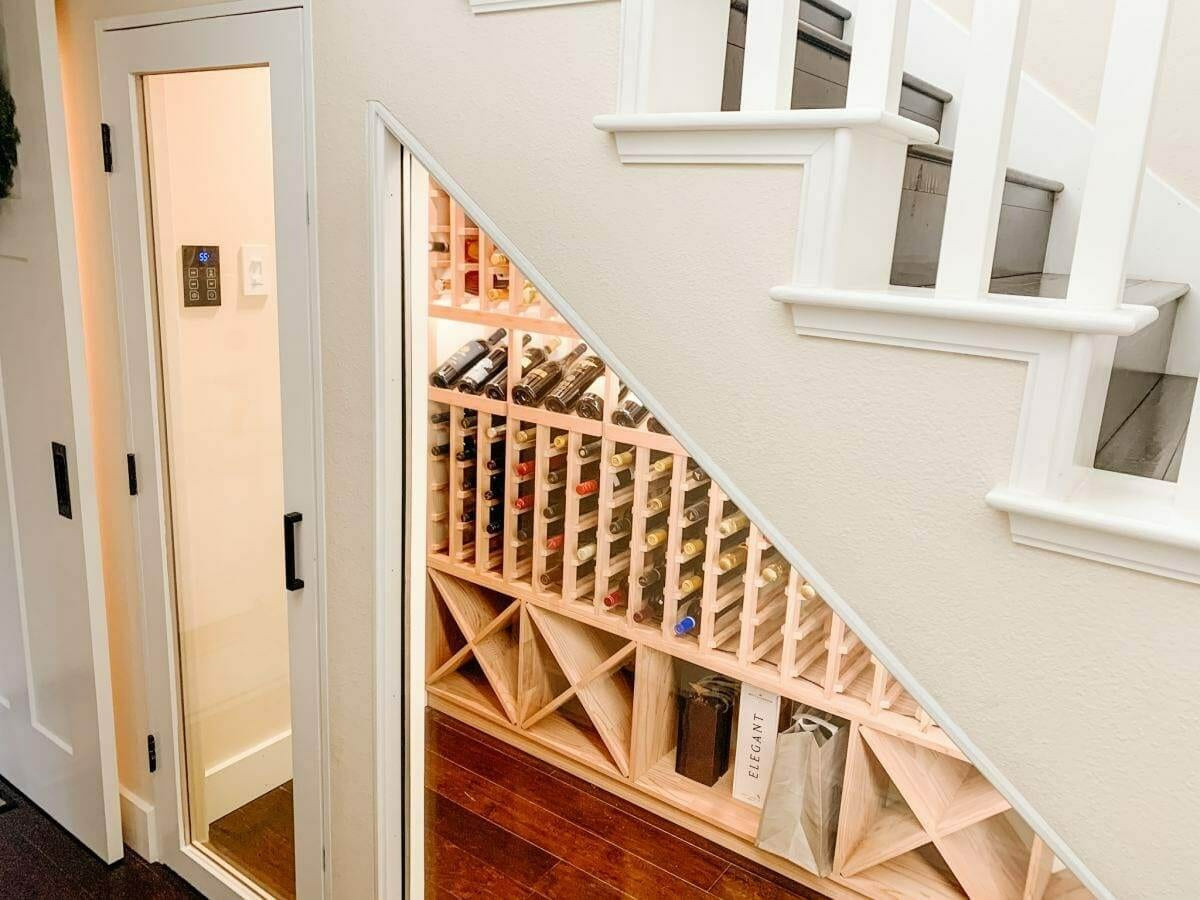
- Underneath the staircase – Probably one of the most popular places as most space underneath your staircase is empty…it is just wasted space that could be housing your beautiful wine.
- Pantry – who needs a place to store food anyways, that is so 2018!
- Basement: review access, structure and moisture conditions before planning an underground cellar.
- Guest room – a lot of people have guest rooms that aren’t utilized, new empty nesters maybe…but this is a great way to utilize space that is currently just making you feel like a hoarder because you throw everything in there!
- Design the Layout. This may sound daunting but all we really mean is measure the space
- Consultation: Come in or call for a free consultation where we will guide you, based on your location and dimensions on what will work best. Mainly…
- Racking: compare classic wood (Redwood, Walnut, Alderwood), stained or lacquered finishes, metal and peg racking against your bottles and room.
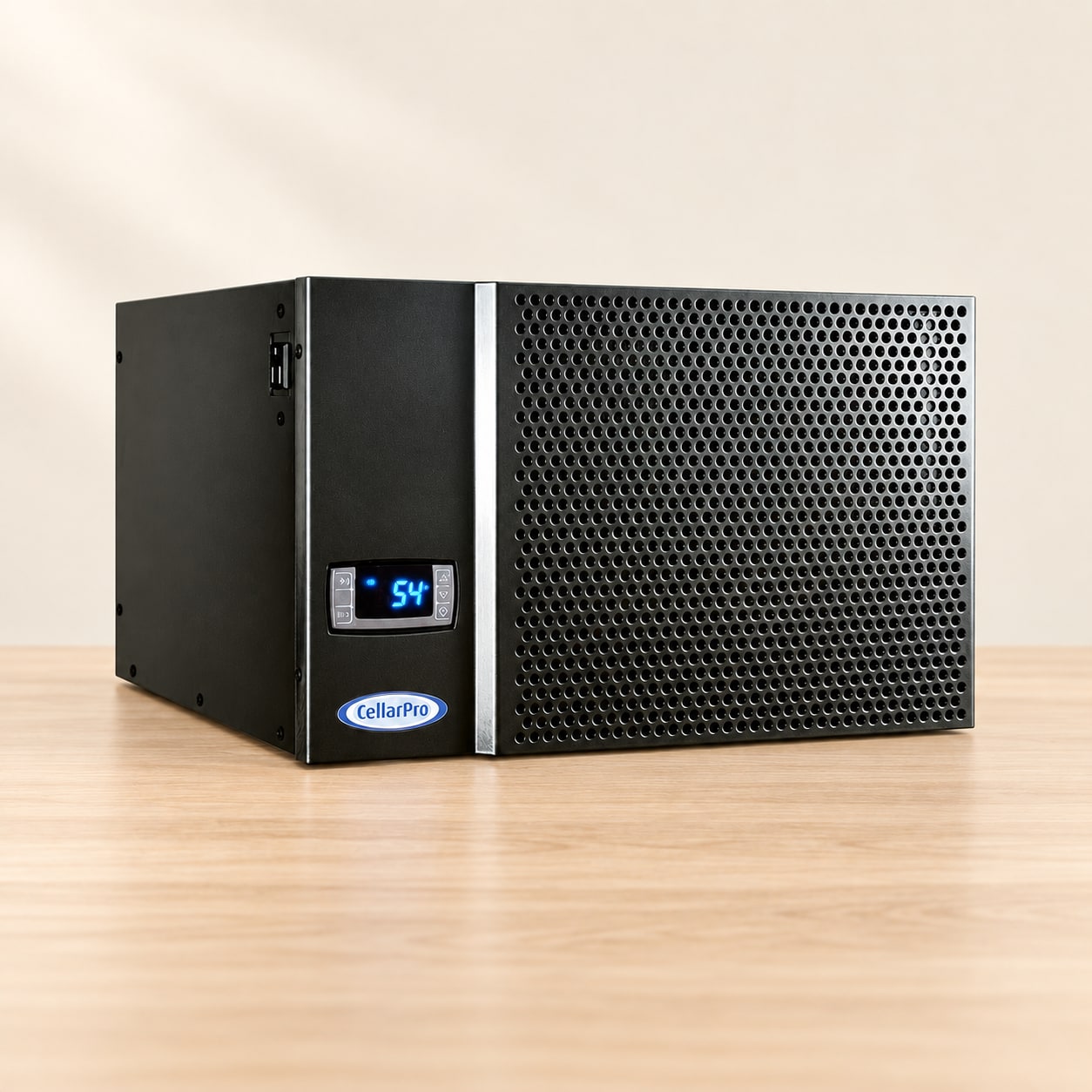
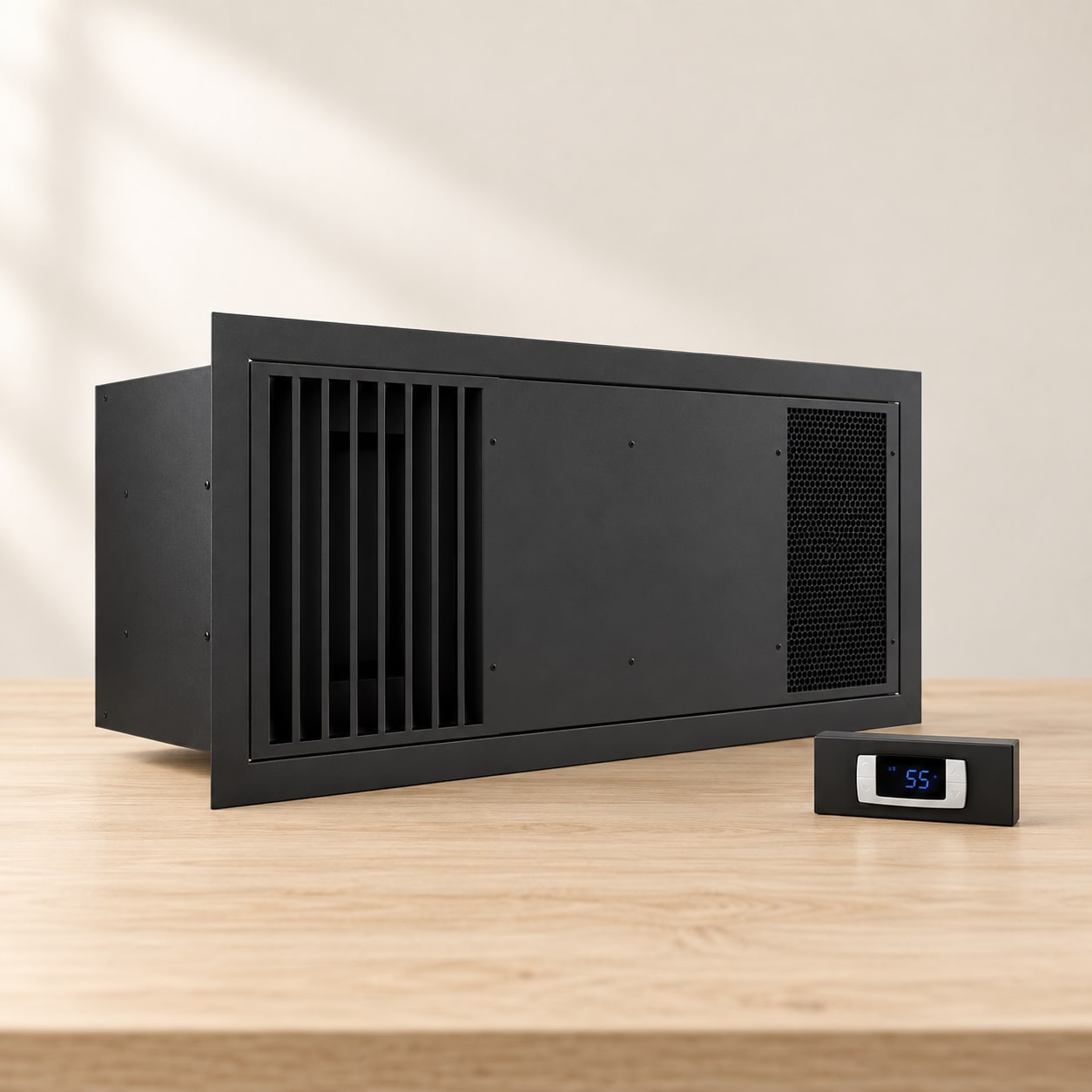
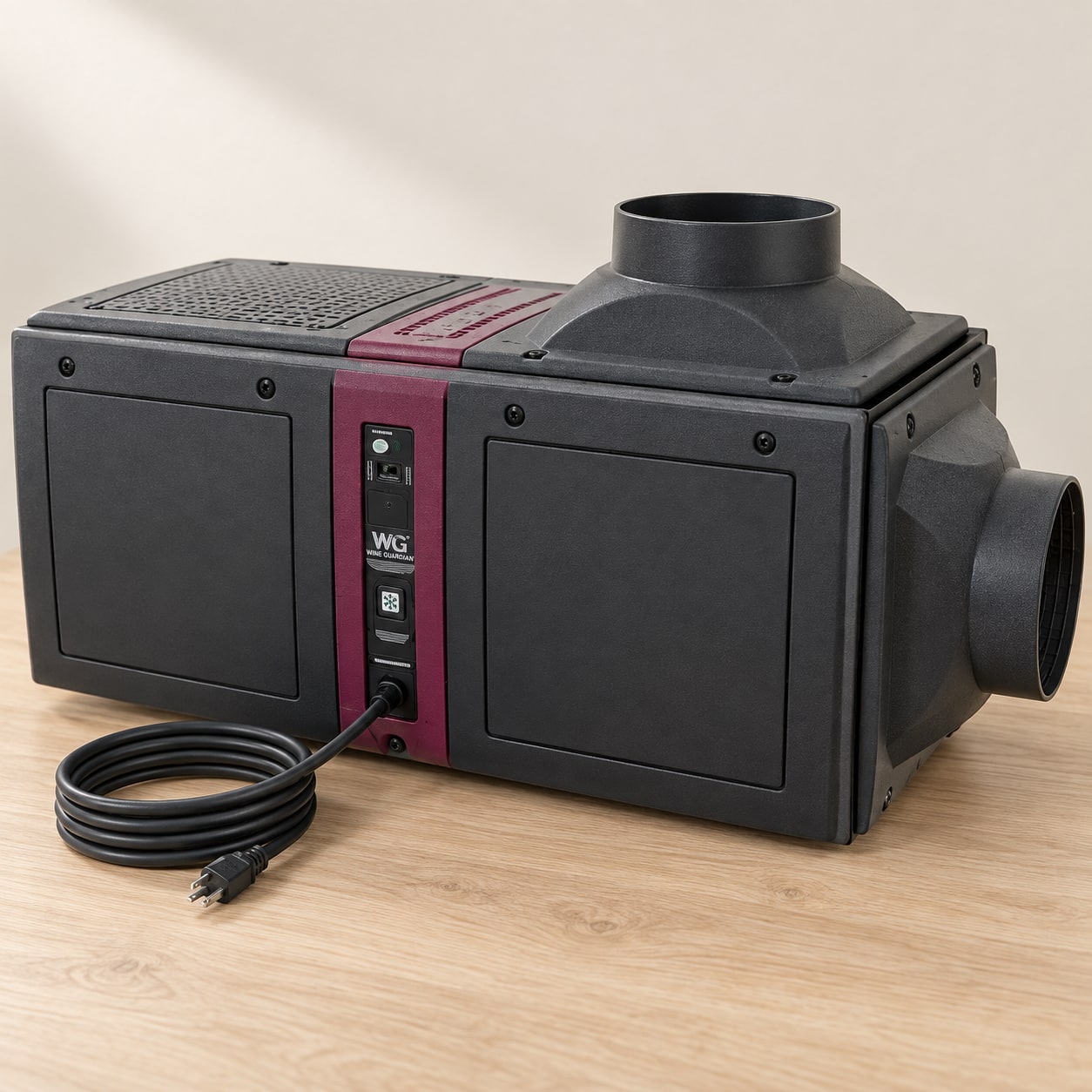
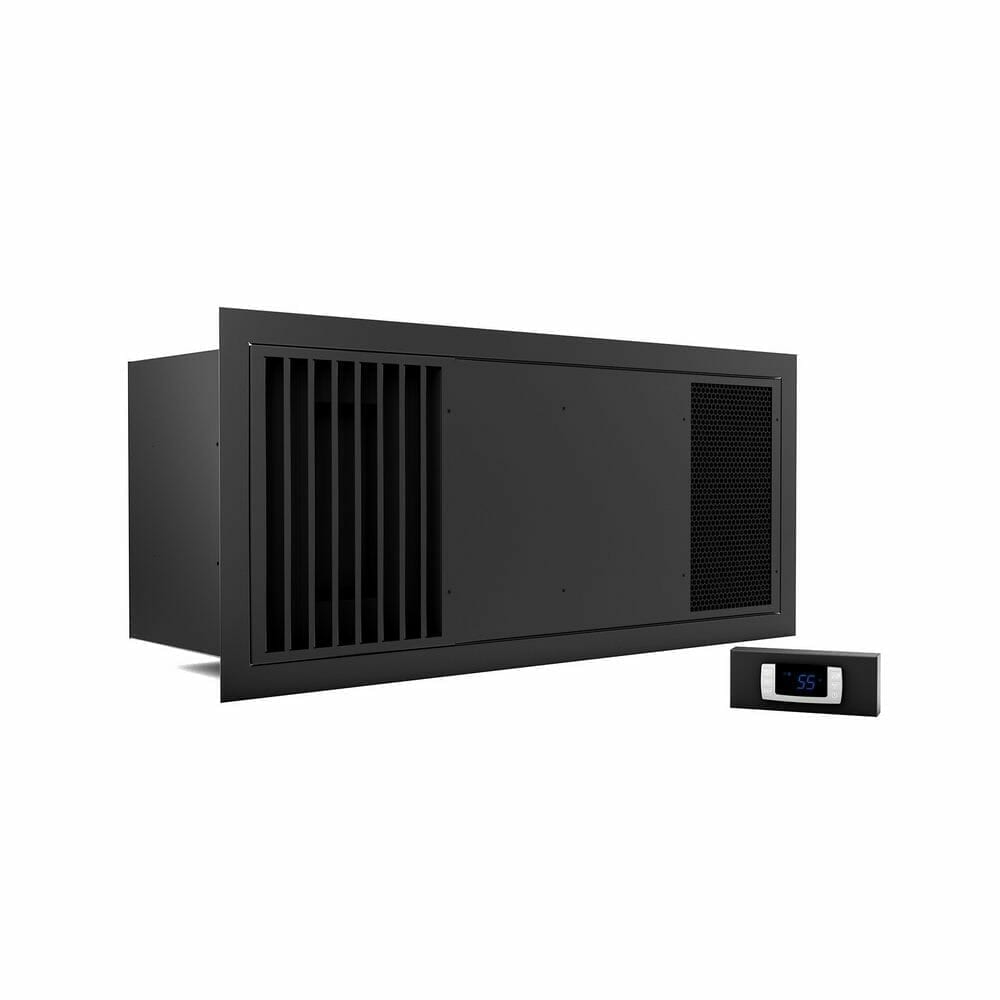
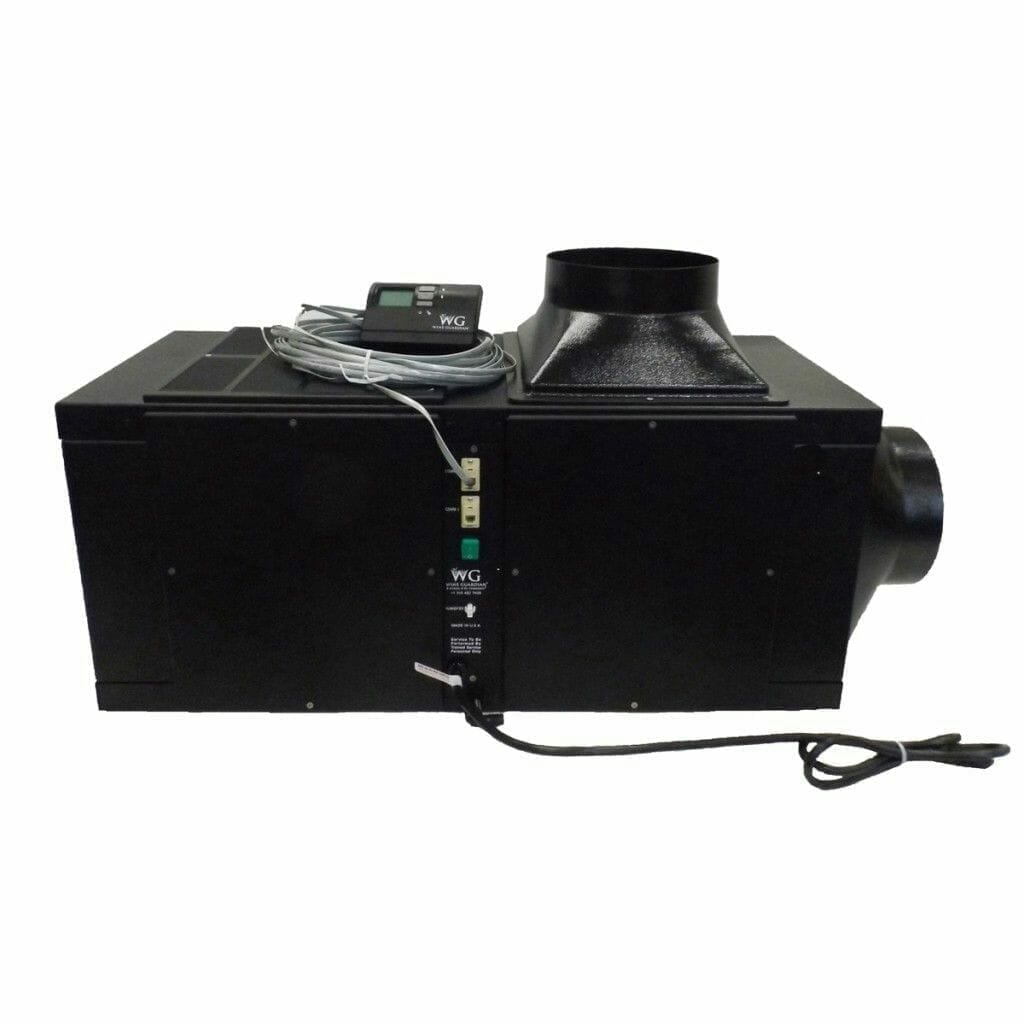
- Cooling systems: the room and equipment location help determine whether a split, fully ducted or through-wall system fits the plan. There is a wide variety and you need an expert to guide you.
Before designing a wine cellar, ask what the room needs to do for your collection. Identify bottle formats, growth, access and display priorities, then connect those answers with the available space and construction scope before choosing racks or cooling equipment. At Wine Hardware in Walnut Creek, we help turn those decisions into a cellar plan. Bring room photos, a rough sketch and your collection goals to start the conversation.
- Begin the Design. The Fun Part! Based on your consultation, you will get option(s) back on potential designs and then you can start building.
- Prep your Space. You will need an HVAC tech for the cooling unit and a contractor for the build (we have preferred installers, or you can go with your own)
- Wall and ceiling covering for the cellar: you need a vapor barrier on the warm side of the wall, proper insulation (minimum R20 in the walls and minimum R30 in the ceiling), purple board for the sheetrock and your finishing paint.
- Wine cellar doors: ask the installer to specify the door and seals for the room design. If you are going to have glass, it should be double or triple paned. You don't want your cooling unit working overtime because your door isn't airtight or not double paned.
- Flooring – flooring is the easy part in terms of what will work…just go with what you like best, as long as it isn’t carpet! Most of our clients use Stone, Marble, Tile or Slate.
- Lighting – a vital part of cellar décor and people are getting really creative these days with color LED lights, floor lights and so on…Just keep in mind that low lights are important, and a dimmer switch adds a nice feature. I love to see the end results of lighting.
- Enjoy!!!
Talk with Mike to connect your architect's Walnut Creek room plans with the cellar equipment discussion. Have the room photos and collection goals you have in mind ready when you call (925) 944-1084.