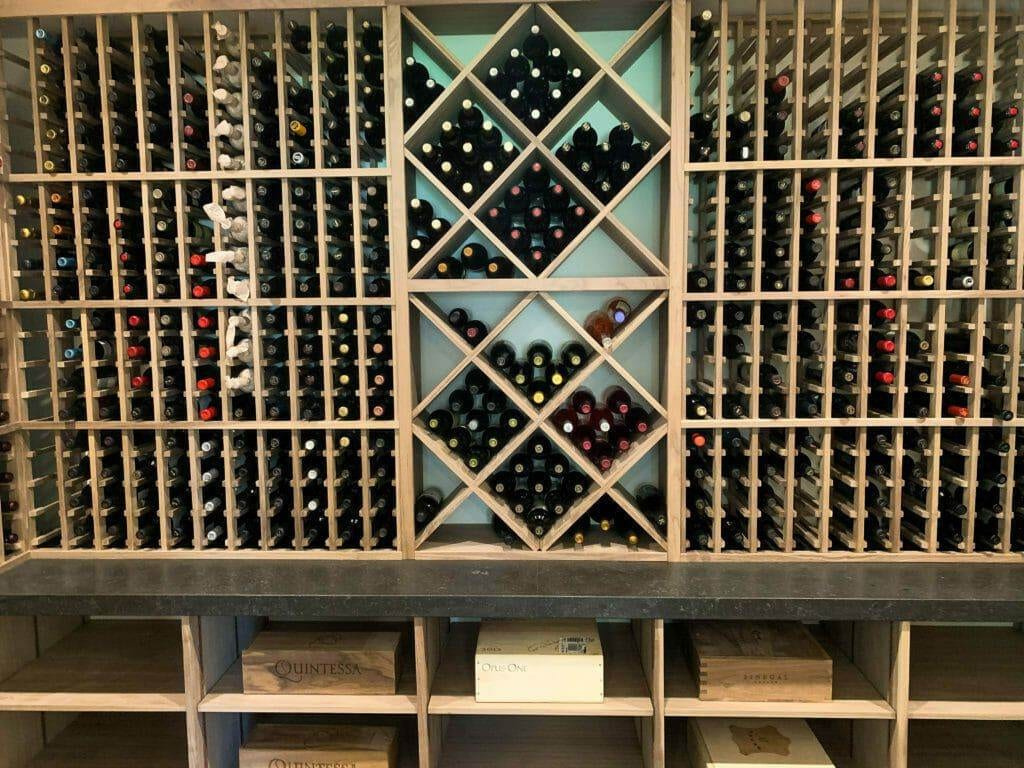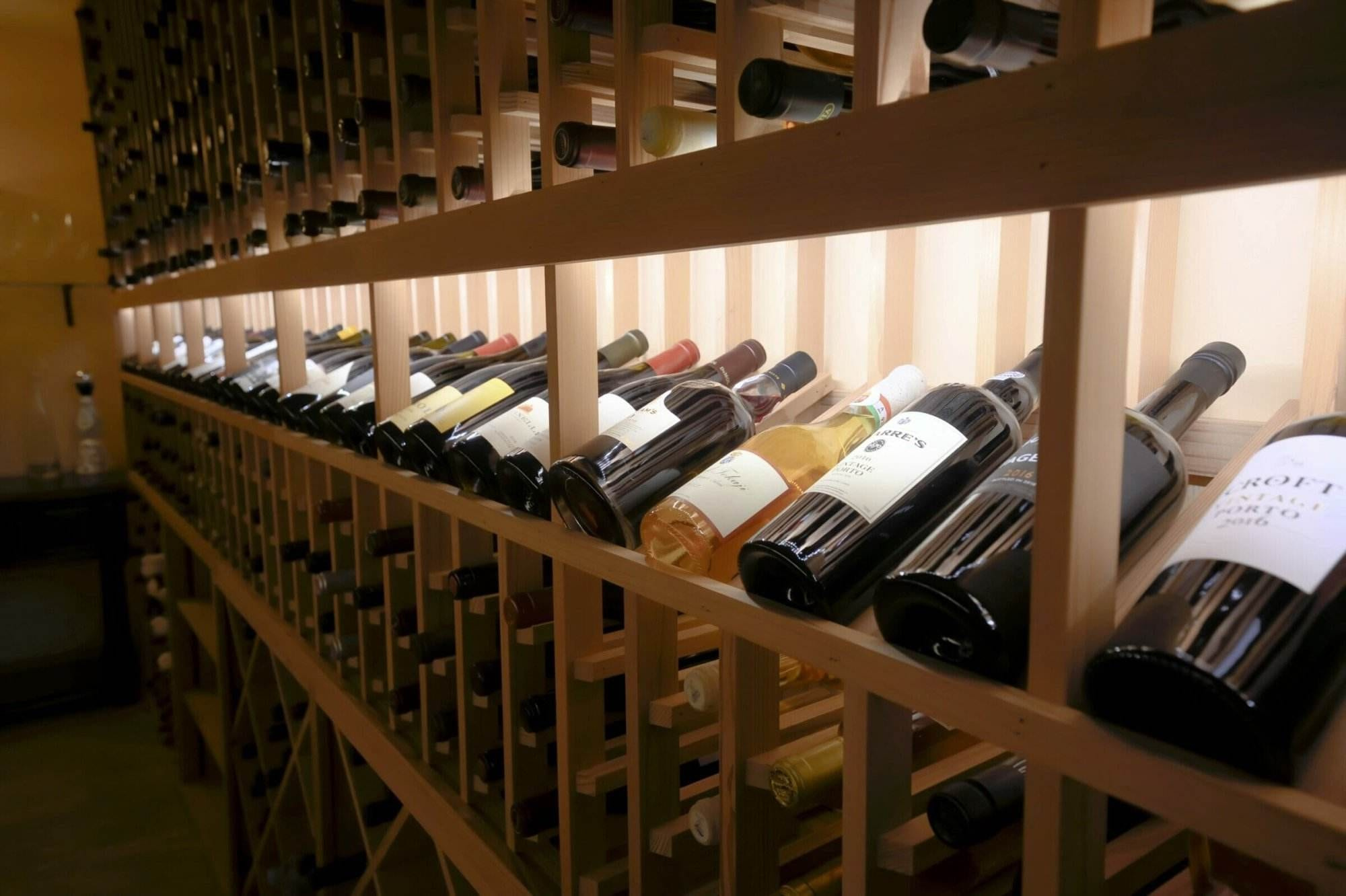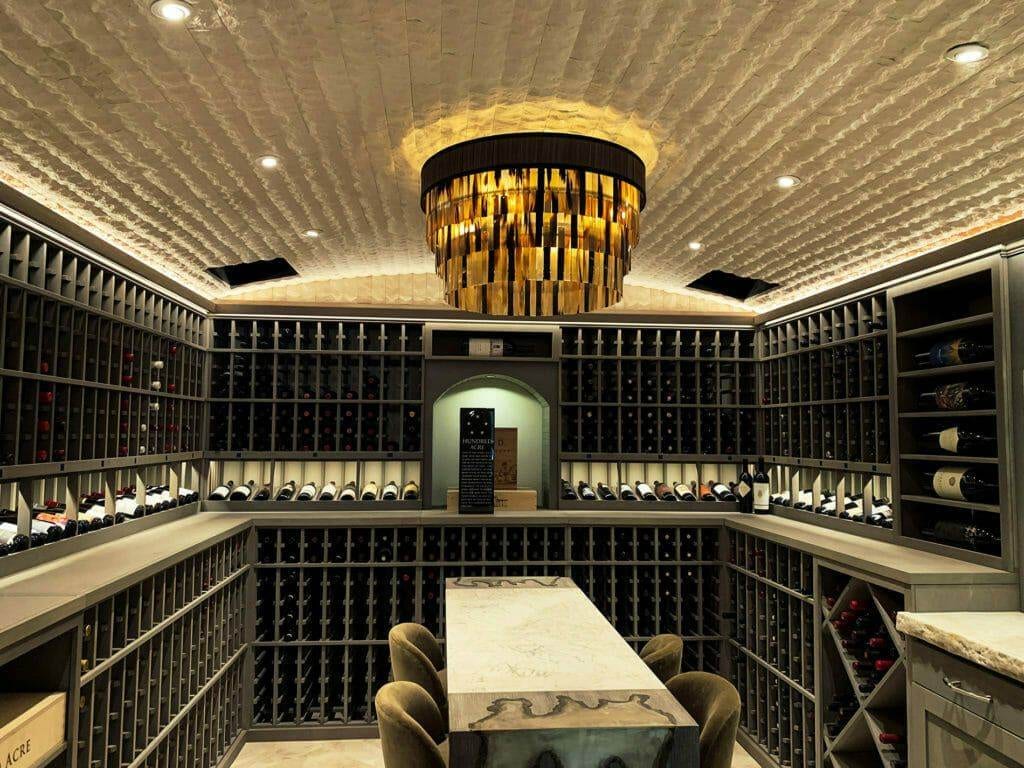
Storm preparation for a Lafayette collection begins with the storage room and a practical contingency. Document water-entry concerns, equipment details and contacts before an interruption, and keep any emergency response tied to official safety guidance rather than the urgency of checking bottles. At Wine Hardware in Walnut Creek, we help turn those decisions into a cellar plan. Bring room photos, a rough sketch and your collection goals to start the conversation.
For instance, if a storm causes a power outage, the temperature in your wine fridge or cellar may rise, leading to premature aging or spoilage of your prized bottles. Understanding these risks is the first step in ensuring the longevity and quality of your wine collection. Moreover, storms can also bring about unexpected challenges such as leaks or structural damage to your home.
If your wine cellar is located in a basement or lower level, it may be particularly vulnerable to flooding. Even minor water exposure can lead to mold growth and other issues that can compromise the integrity of your wine. Additionally, the vibrations caused by strong winds or nearby debris can disturb the sediment in your bottles, affecting the taste and quality of the wine.
Therefore, it is crucial to be proactive in safeguarding your collection against these potential threats.
Key Takeaways
- Weather can pose significant risks to wine, including temperature fluctuations, humidity changes, and physical damage from storms.
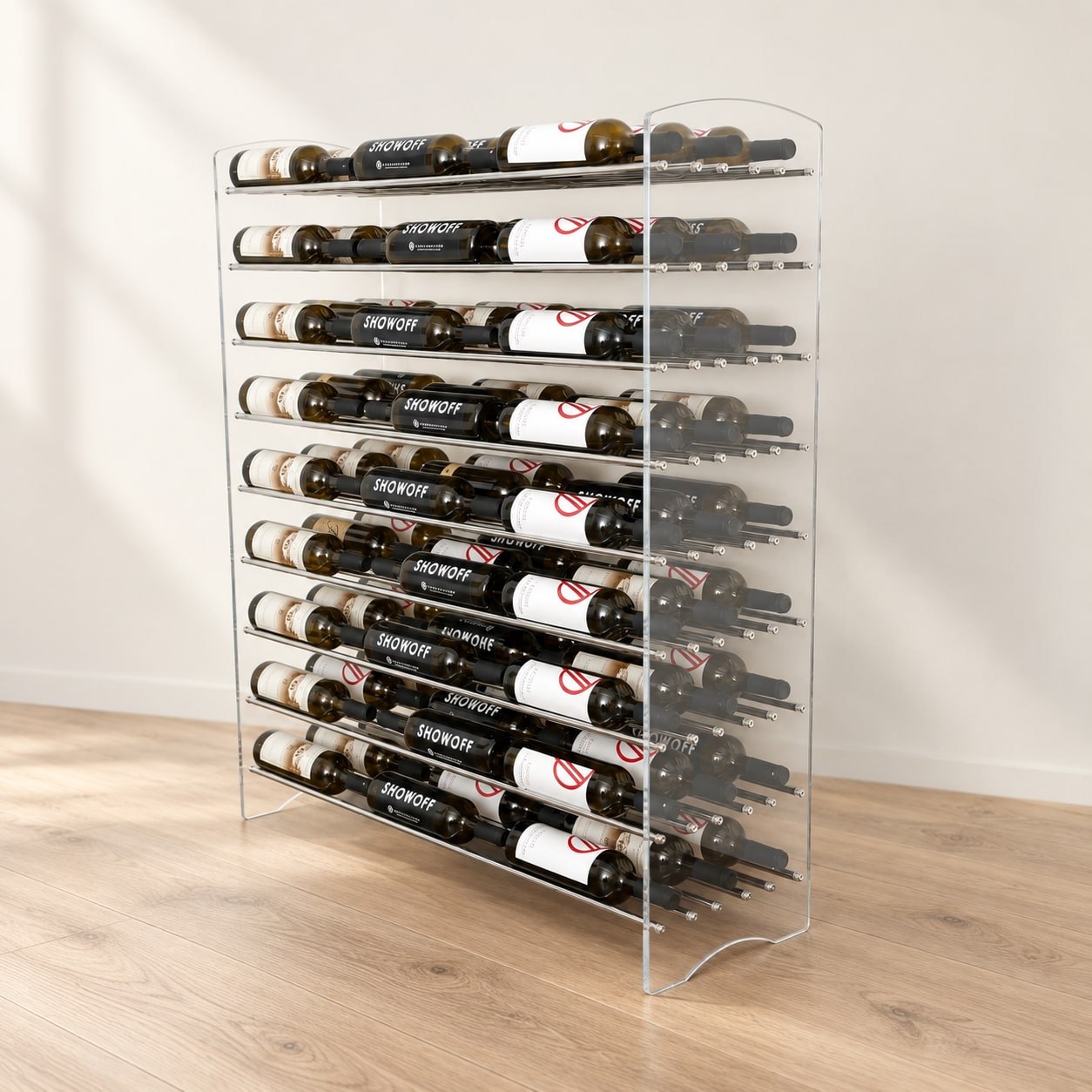
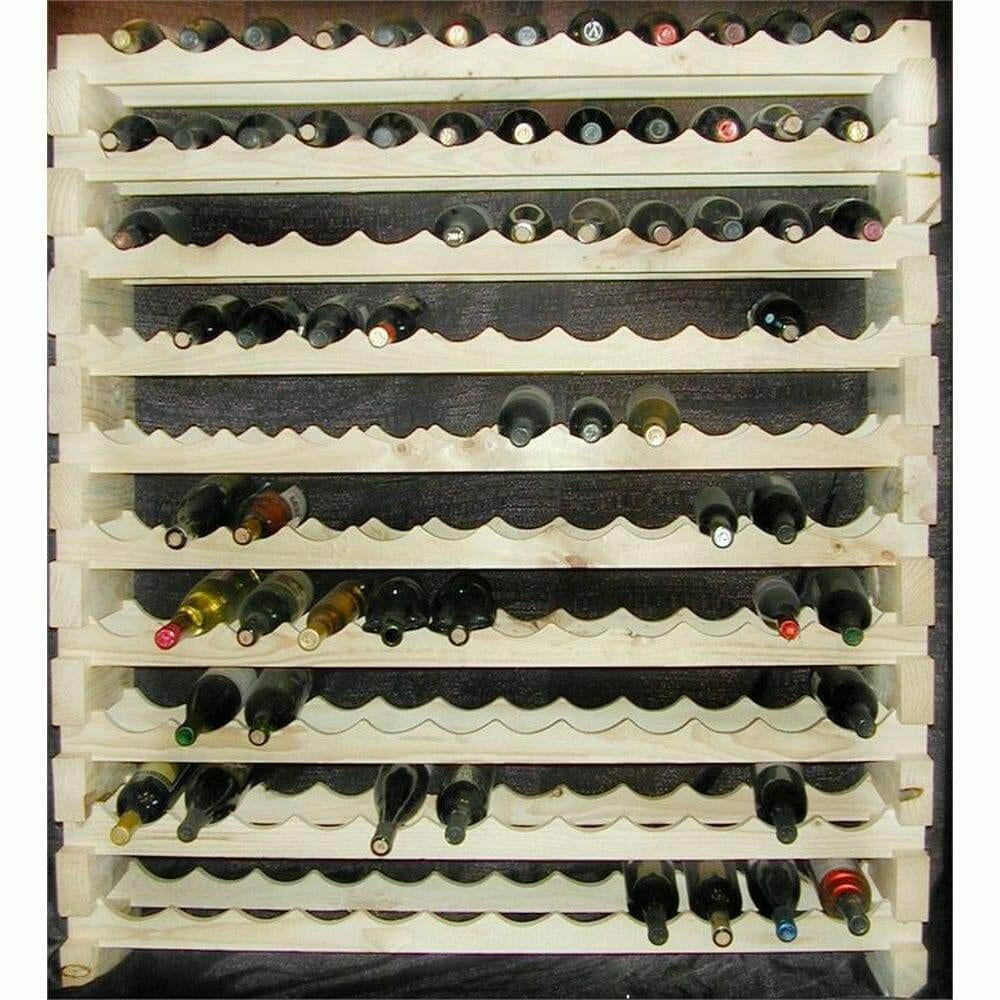
- Essential storm-proofing gear for your wine collection includes sturdy wine racks, earthquake straps, and backup power sources.
- Tips for storing wine safely during storms include keeping bottles on their sides, maintaining consistent temperature and humidity levels, and securing the storage area.
- Creating a storm-proof wine storage plan involves assessing potential risks, implementing protective measures, and having a contingency plan in place.
- Protecting your wine collection during power outages can be achieved by using backup generators, insulated storage containers, and monitoring temperature levels closely.
Essential Storm-Proofing Gear for Your Wine Collection
To protect your wine collection from the ravages of severe weather, investing in storm-proofing gear is essential. One of the most effective measures is to ensure that your wine storage area is equipped with proper insulation and sealing. This includes using weather stripping around doors and windows to prevent water intrusion and maintaining a consistent temperature within your wine cellar.
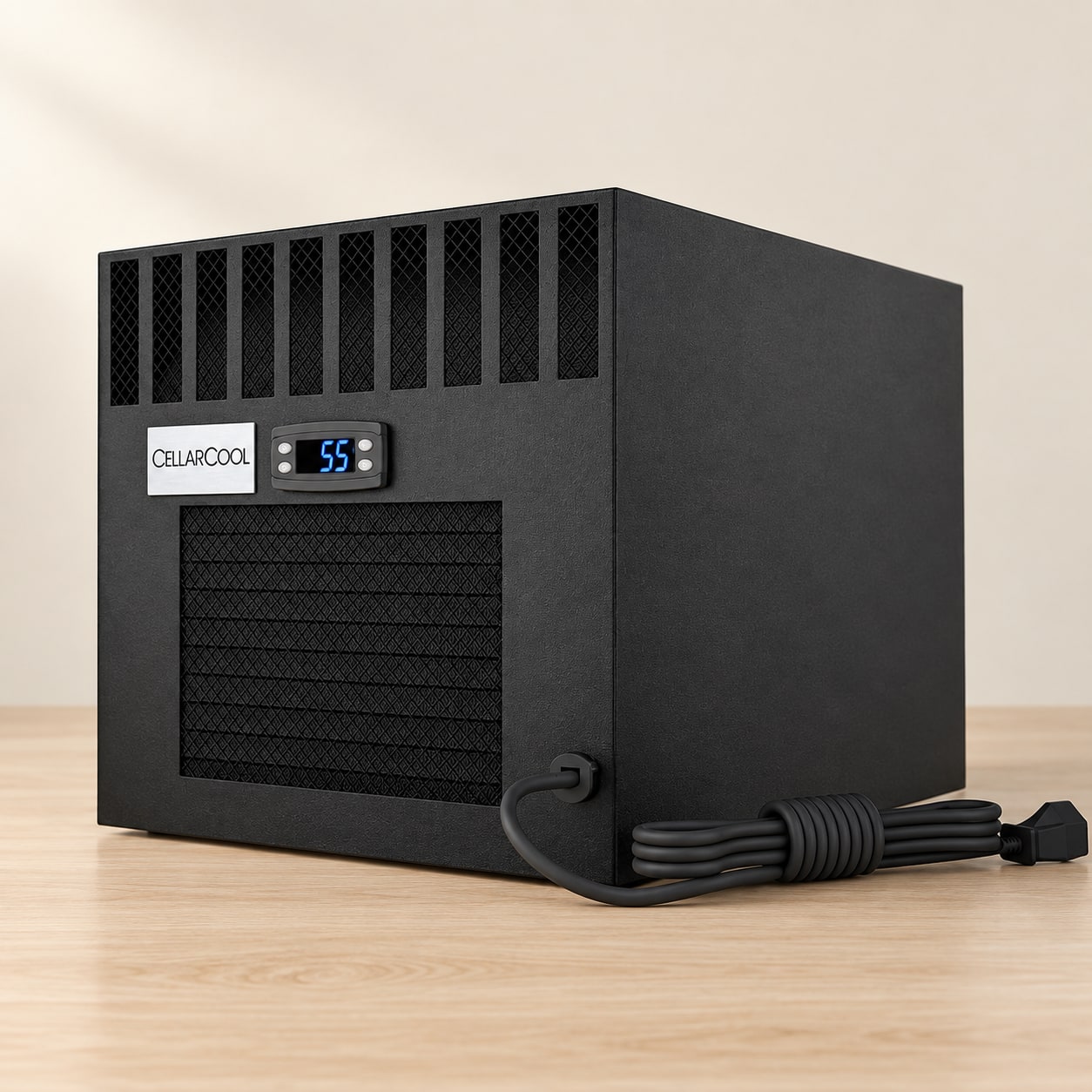
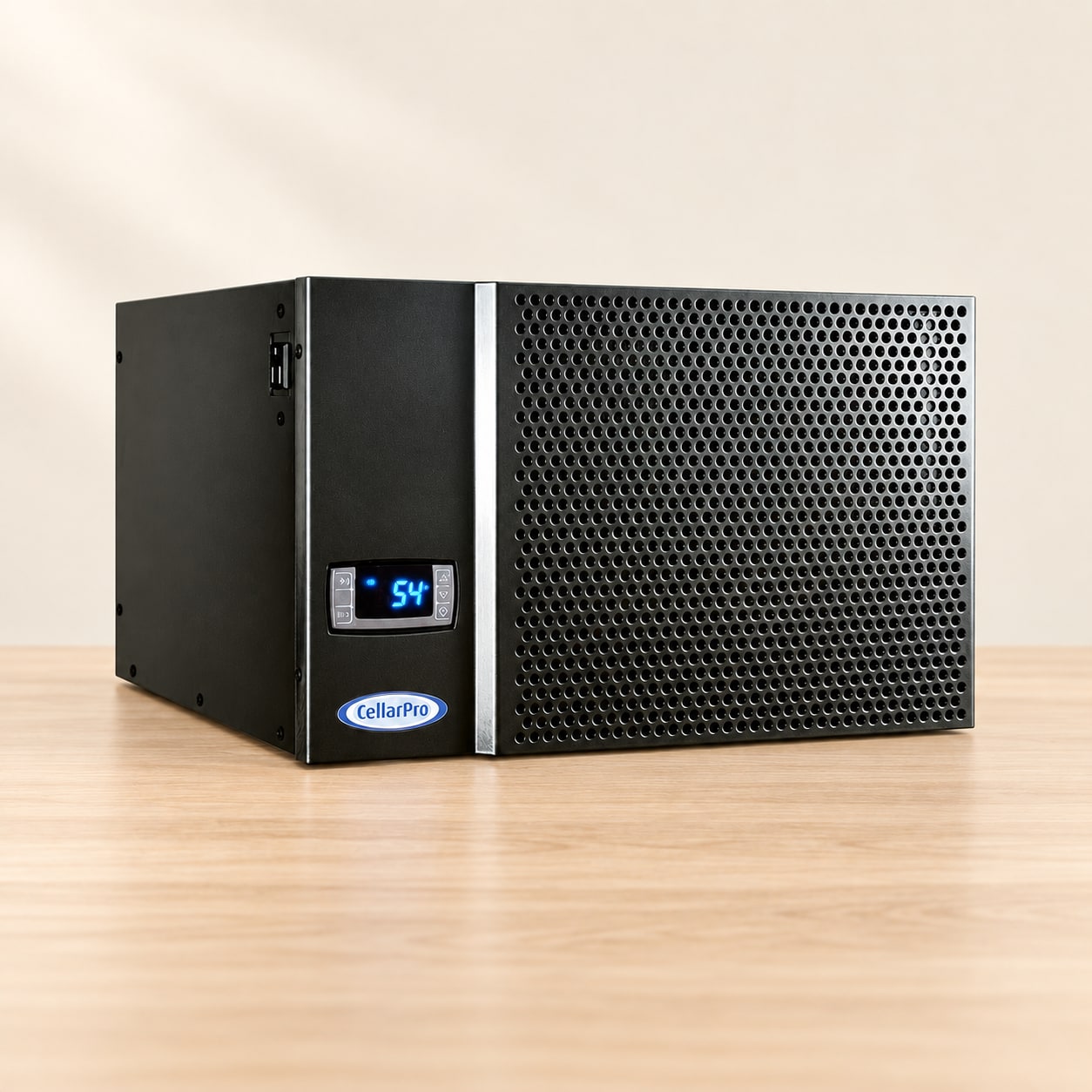
Additionally, consider installing a sump pump if your cellar is prone to flooding; this device can help remove excess water quickly and efficiently. Another critical piece of storm-proofing gear is a reliable wine fridge or cooling system. These appliances not only maintain optimal storage conditions but also provide a backup solution during power outages.
Look for models with battery backup features or those designed to withstand fluctuations in power supply. Furthermore, investing in sturdy wine racks that can withstand vibrations and potential impacts during storms will help keep your bottles secure. By taking these precautions, you can significantly reduce the risk of damage to your collection during inclement weather.
Tips for Storing Wine Safely During Storms
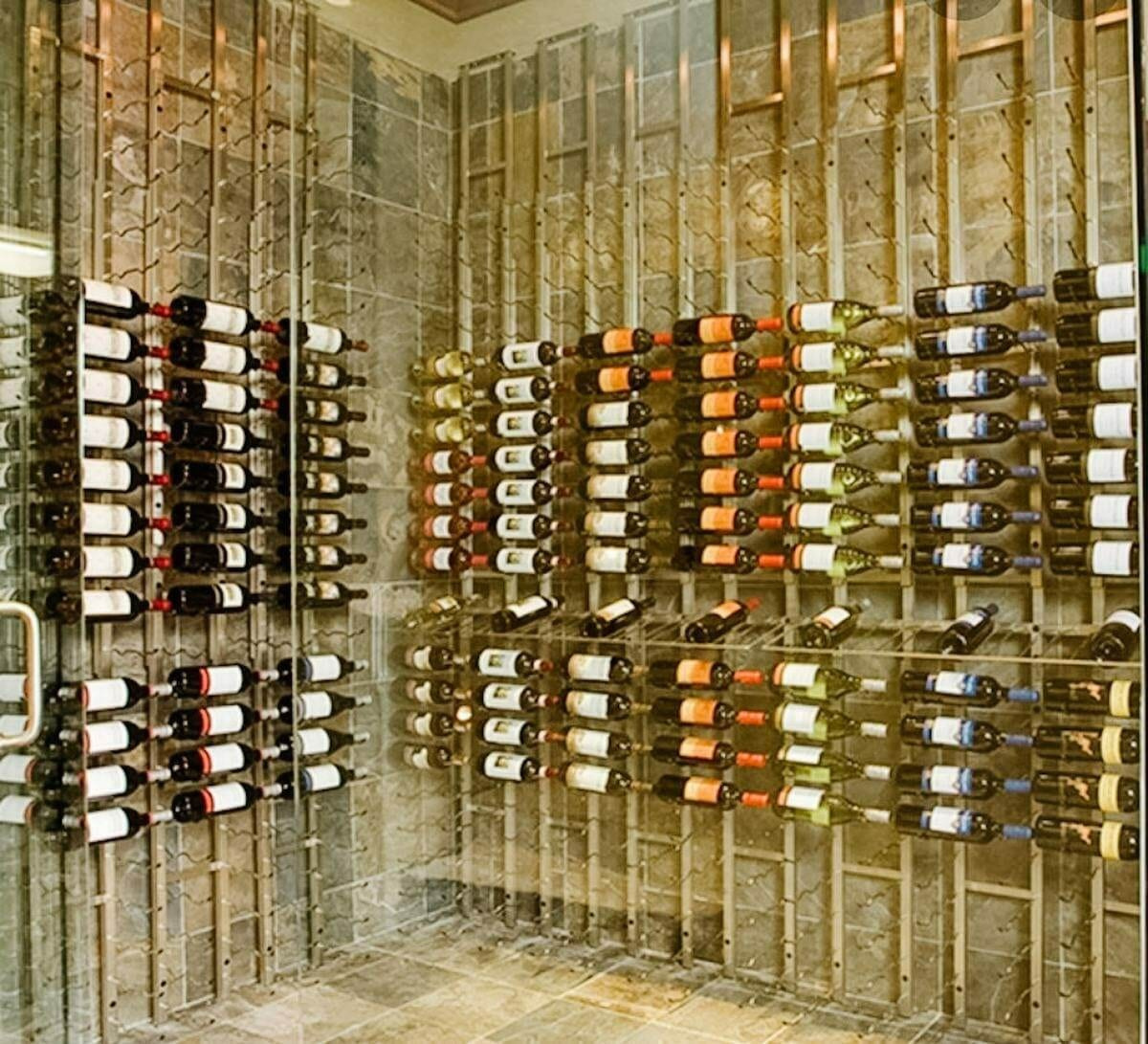
When storms are on the horizon, there are several proactive steps you can take to ensure the safety of your wine collection. First and foremost, it’s essential to monitor weather forecasts closely. If severe weather is predicted, consider moving your most valuable bottles to a safer location within your home, such as an interior room or a higher level that is less likely to flood.
This precaution can help protect them from potential water damage. Additionally, ensure that your wine storage area is organized and accessible. In the event of an emergency, you want to be able to quickly assess which bottles are at risk and take action accordingly.
Labeling your bottles and keeping an inventory can also be beneficial; this way, you’ll know exactly what you have and what needs immediate attention. Lastly, consider using protective materials such as bubble wrap or foam padding around particularly valuable bottles to cushion them against any potential impacts during a storm.
Creating a Storm-Proof Wine Storage Plan
Creating a comprehensive storm-proof wine storage plan involves several key components. Start by assessing your current storage setup and identifying any vulnerabilities. This may include checking for leaks, ensuring proper insulation, and evaluating the stability of your wine racks.
Once you have a clear understanding of your storage environment, outline specific actions you will take in preparation for storms. Your plan should include a checklist of items to secure before a storm hits, such as moving bottles to higher ground or reinforcing storage areas. Additionally, consider establishing a communication plan with family members or housemates so everyone knows their roles in protecting the wine collection during an emergency.
Regularly reviewing and updating this plan will ensure that you are always prepared for unexpected weather events.
Protecting Your Wine Collection During Power Outages
Power outages can be particularly detrimental to wine storage, as they can lead to temperature fluctuations that may spoil your collection. To mitigate this risk, it’s essential to have a backup power source in place. Investing in a generator can provide temporary power to your wine fridge or cooling system during an outage, helping maintain stable temperatures until power is restored.
In addition to having backup power solutions, consider using thermal blankets or insulation materials around your wine fridge or cellar. These materials can help retain cool temperatures for longer periods during an outage. It’s also wise to keep an eye on the temperature inside your wine storage area using a thermometer with an alarm feature that alerts you if temperatures rise above safe levels.
By taking these precautions, you can protect your collection from the adverse effects of power outages.
Preparing for Evacuation: Safeguarding Your Wine
In the unfortunate event that you need to evacuate due to severe weather conditions, having a plan in place for safeguarding your wine collection is crucial. Start by identifying which bottles are most valuable or irreplaceable; these should be prioritized for transport. Consider investing in sturdy wine transport cases that provide adequate protection during transit.
When packing your wine for evacuation, ensure that bottles are stored upright to prevent leakage and damage to corks. If time allows, try to keep the bottles at a stable temperature by placing them in insulated bags or coolers with ice packs. Additionally, make sure to document your collection before evacuation; taking photos and keeping an inventory will help you keep track of what you have and assist with insurance claims if necessary.
Insurance and Documentation: Protecting Your Investment
Protecting your wine collection goes beyond physical safeguards; it also involves ensuring that you have adequate insurance coverage in place. Many homeowners’ insurance policies may not cover damage to wine collections specifically, so it’s essential to review your policy and consider additional coverage options if necessary. Specialized wine insurance policies are available that cater specifically to collectors and can provide peace of mind in case of loss or damage.
Documentation is another critical aspect of protecting your investment. Keep detailed records of your collection, including purchase receipts, appraisals, and photographs of each bottle. This documentation will not only help you assess the value of your collection but will also be invaluable when filing insurance claims after a storm or other disaster.
Regularly updating this information ensures that you have an accurate account of your collection at all times.
Rebuilding and Recovering: Post-Storm Wine Collection Care
After a storm has passed and it’s safe to return home, assessing the condition of your wine collection should be one of your top priorities. Begin by inspecting each bottle for signs of damage or spoilage; this includes checking cork integrity and looking for any leaks or sediment disturbance within the bottle. If you notice any issues, it may be best to consult with a wine expert for guidance on whether the affected bottles are still drinkable.
Once you’ve evaluated the condition of your collection, take steps to restore your wine storage area if necessary. This may involve cleaning up any water damage, repairing structural issues, or replacing damaged racks or cooling systems. It’s also an excellent time to review and update your storm-proofing plan based on what you learned from this experience.
By taking these steps, you can ensure that your wine collection remains safe and secure for years to come. In conclusion, protecting your wine collection from the risks posed by severe weather requires careful planning and proactive measures. By understanding the potential threats and implementing effective storm-proofing strategies, you can safeguard your investment and enjoy peace of mind during storm season.
Whether it’s through proper storage techniques, backup power solutions, or comprehensive insurance coverage, taking these steps will help ensure that your cherished bottles remain in excellent condition no matter what Mother Nature throws your way.
FAQs
What are the essential gear and tips for storm-proofing a wine collection in Lafayette?
– Essential gear for storm-proofing a wine collection in Lafayette includes sturdy wine racks, earthquake straps, and protective covers for bottles.
– Tips for storm-proofing a wine collection in Lafayette include storing wine in a cool, dark place, keeping an inventory of the collection, and having a backup power source for temperature control.
Why is storm-proofing a wine collection important in Lafayette?
– Lafayette is prone to hurricanes and tropical storms, which can cause power outages and potential damage to wine collections.
– Storm-proofing a wine collection helps protect the investment and ensures the quality of the wine remains intact.
How can wine racks help storm-proof a wine collection in Lafayette?
– Sturdy wine racks can secure wine bottles in place and prevent them from falling or breaking during a storm.
– Wine racks can also be anchored to the wall for added stability in case of an earthquake or strong winds.
What are earthquake straps and how do they help storm-proof a wine collection?
– Earthquake straps are designed to secure wine racks and cabinets to the wall, preventing them from tipping over during seismic activity.
– In Lafayette, where hurricanes and tropical storms can also cause strong winds, earthquake straps provide added protection for wine collections.
How can protective covers for wine bottles help storm-proof a wine collection?
– Protective covers can shield wine bottles from potential damage due to flying debris or water intrusion during a storm.
– These covers can also provide insulation and help maintain the temperature of the wine in case of power outages.
With Mike, you can review your Lafayette storage setup and the equipment questions you want to resolve. Have photos of the room and your collection goals ready when you call (925) 944-1084.
More on weather contingency planning for wine collections
Protecting a Napa wine collection during changing weather starts with knowing the storage room and having a plan before an interruption. Review the enclosure, equipment access, monitoring and the people who can help if conditions change. Wine Hardware can help discuss the cellar and cooling side of that plan. Keep emergency decisions tied to local official guidance, with the safety of people taking priority over moving or checking bottles.
Review the storage location before the next event
Record where the wine is stored and what separates it from outdoor conditions. Include doors, windows, exterior walls and the location of cooling equipment. Note any recurring moisture, unusual temperature readings or areas where rainwater has previously entered the building. These observations help identify the questions for a cellar or building specialist.
Do not assume every Napa property has the same exposure. A below-ground room, a garage conversion and an interior wine cabinet need different assessments. Bring photographs and a plan of the actual location when asking for advice. The useful starting point is what happens at your storage space, not a broad description of the region's weather.
Check equipment and enclosure responsibilities
Find the cooling system's current manual and identify its permitted installation conditions, maintenance tasks and service contacts. Keep required ventilation and access available. If the unit has an outdoor component, have its location and protection reviewed under the manufacturer's instructions rather than adding covers or barriers that might obstruct operation.
Have recurring enclosure or water-entry problems assessed by the appropriate professional. Cooling equipment and racks do not resolve a building leak. If the cellar is being redesigned, include door details, penetrations and the surrounding construction in the scope so the room is reviewed as an installation rather than a collection of separate products.
Know what your monitoring can tell you
List the readings and alerts your current equipment actually provides. Distinguish a thermostat setting from an independent measurement and a local alarm from a notification you can receive away from home. Test any functions according to their instructions and confirm who is expected to respond.
If remote monitoring relies on power or a network, include those dependencies in the discussion. A notification feature should not be treated as a guarantee that someone will know about every interruption. Keep model information and support contacts accessible outside the cellar so you can describe the equipment even when you are not standing in front of it.
Prepare a collection record and a practical contingency
Maintain an inventory with bottle locations and photographs sufficient for your own recordkeeping. Decide which wines would need attention first if storage were unavailable and identify a suitable alternative location in advance. Confirm arrangements with that location instead of assuming space will be available during a widespread event.
Consider the transport route, packaging and who could help if moving wine is appropriate and safe. Avoid assigning a universal number of hours that every cellar can remain suitable without power; the room, conditions and collection differ. Discuss your particular setup before an interruption so decisions are less dependent on guesswork at the moment you need them.
Keep emergency actions separate from equipment advice
During a fire, flood or other emergency, follow official instructions for the area. California's Ready for Wildfire resources are a starting point for wildfire preparedness. Do not delay leaving or enter an unsafe area to inspect or relocate a wine collection.
Avoid improvised electrical, generator or ventilation changes as a cellar workaround. Those decisions require the appropriate safety guidance and qualified professionals. If equipment or the room has been exposed to water or damage, have the installation assessed before returning it to use. The storage plan should make it easier to protect people and make informed follow-up decisions.
Use observations to improve the next plan
After an interruption, record what happened, how the equipment responded and what information was missing. Ask a qualified specialist about the condition of affected equipment and the room where appropriate. Review the collection with relevant wine or insurance professionals if you need advice beyond storage equipment.
Bring Wine Hardware the room photographs, cooling model and questions revealed by the event. We can discuss cellar design and equipment choices for your Napa property without promising that any unit makes the collection immune to weather or power loss. A useful improvement addresses a documented weakness and has a clear owner, scope and maintenance plan.
Questions before you decide
How long will wine remain protected during a power loss?
There is no universal duration for every room and weather condition. Review your enclosure, monitoring and contingency arrangements before an interruption. Do not rely on an unsupported hour count from a general article.
Should I move bottles during a wildfire evacuation?
Follow official evacuation instructions and prioritize people. Do not delay departure or enter an unsafe area for the collection. A storage contingency is useful only when it can be carried out safely and consistently with local guidance.
Can better cooling solve water entering a cellar?
No. Water entry is a building issue that needs appropriate assessment. Coordinate any cellar equipment changes with the repair of the underlying condition, and have affected equipment reviewed before returning it to use.
Review your Napa cellar plan with Wine Hardware. Call (925) 944-1084 with the room and cooling details to discuss practical improvements.