Wine cellar light protection starts with the windows, fixtures and glazed enclosure. Record when direct light reaches bottles and ask what the specified materials actually protect against; a technical-sounding treatment name should never substitute for documented performance in the proposed room. At Wine Hardware in Walnut Creek, we help turn those decisions into a cellar plan. Bring room photos, a rough sketch and your collection goals to start the conversation.
Start with the actual sources of light
Review windows, glazed doors and fixtures near the collection. Notice whether direct sunlight reaches bottles and how long display lighting remains on. Photograph the room at relevant times so the discussion is based on the storage location you have, rather than an assumed exposure.
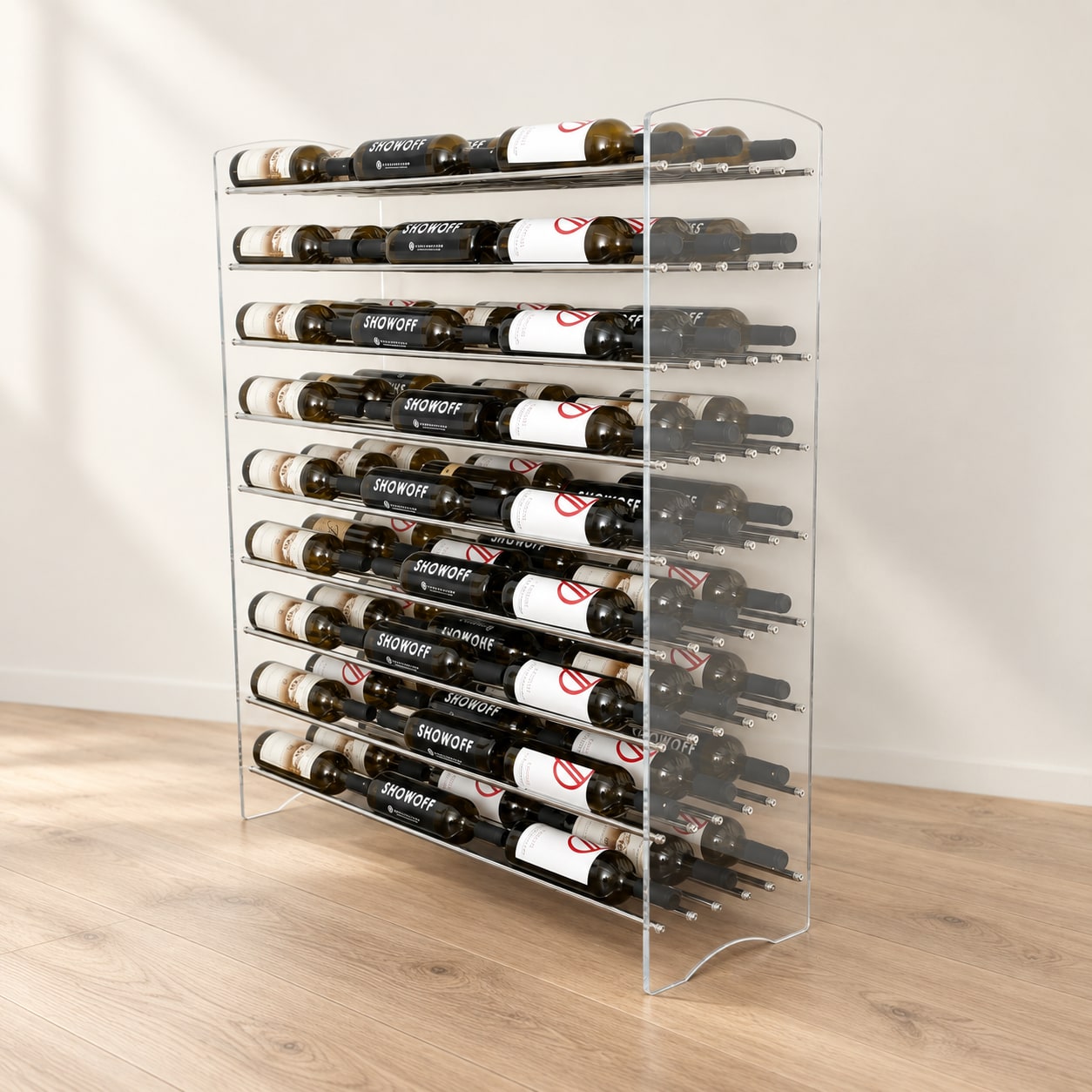
Separate a decorative bottle display from the place you intend to hold wines for longer periods. If the display is in an ordinary living room, review its storage purpose alongside light and room conditions. Racks organize the bottles but do not create a controlled environment.
Check the specified enclosure and fixtures
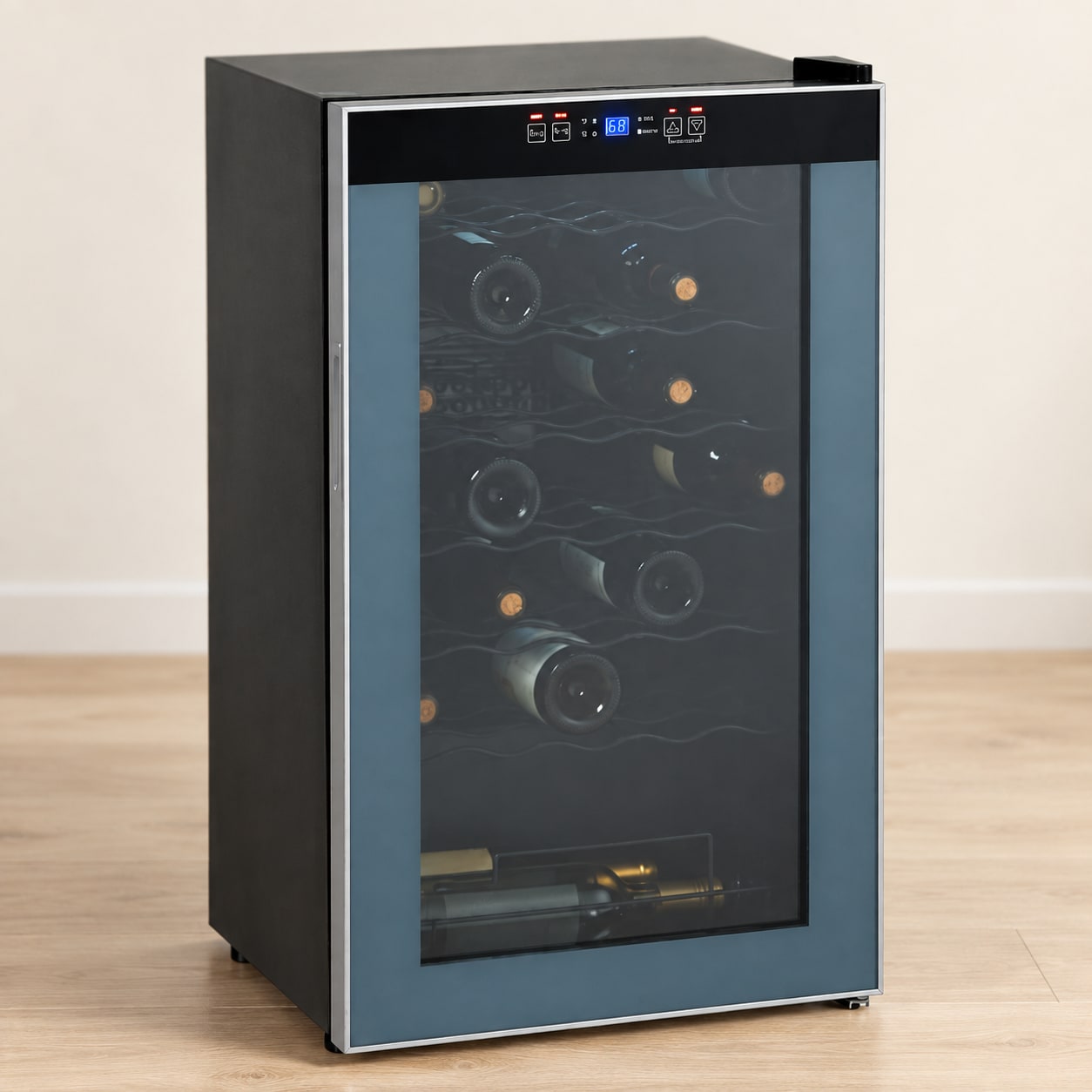
Request documentation supporting any protective-glass or lighting claim on the selected product. Review the actual glazing, location and intended use with the appropriate supplier or designer. A description of one glass product should not be applied to every door or enclosure.
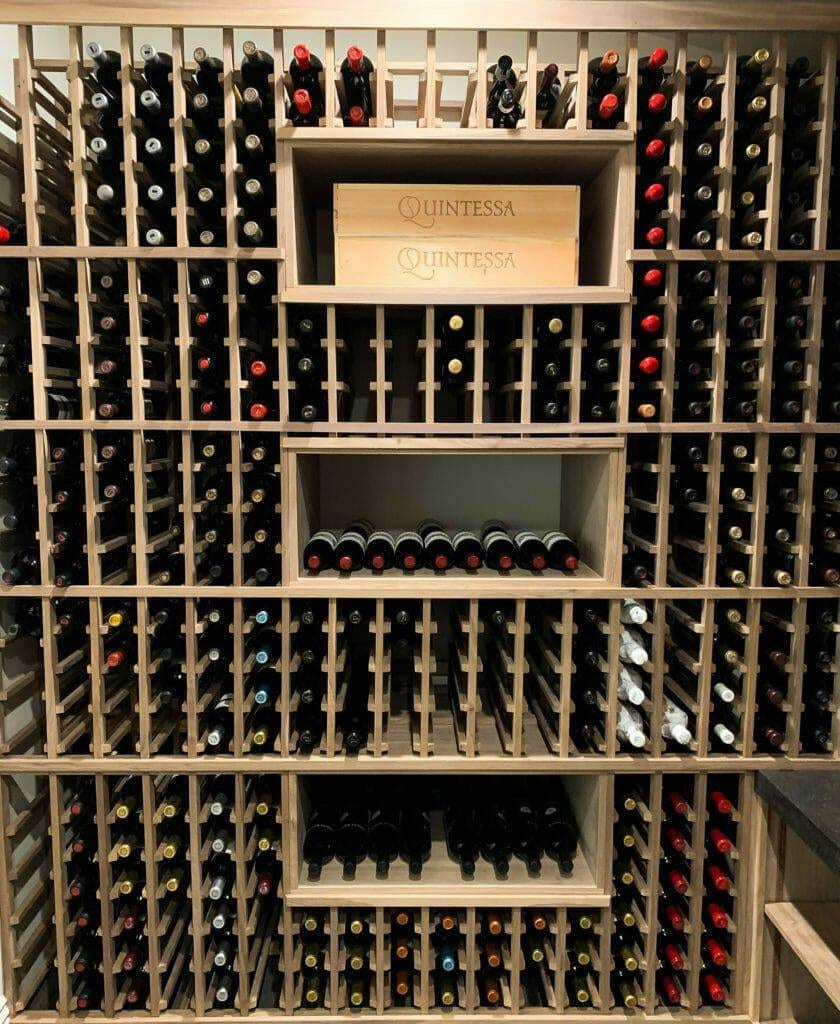
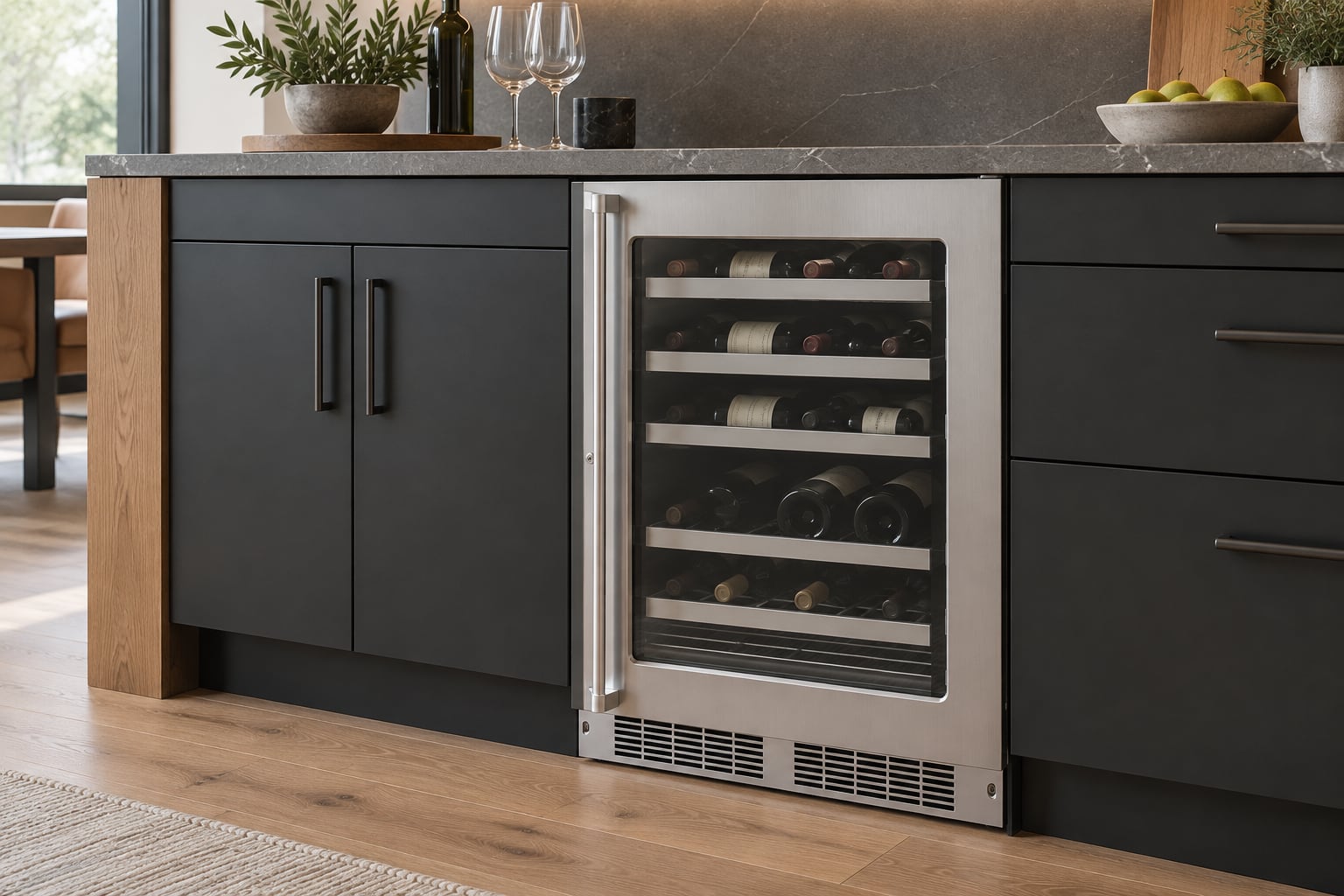
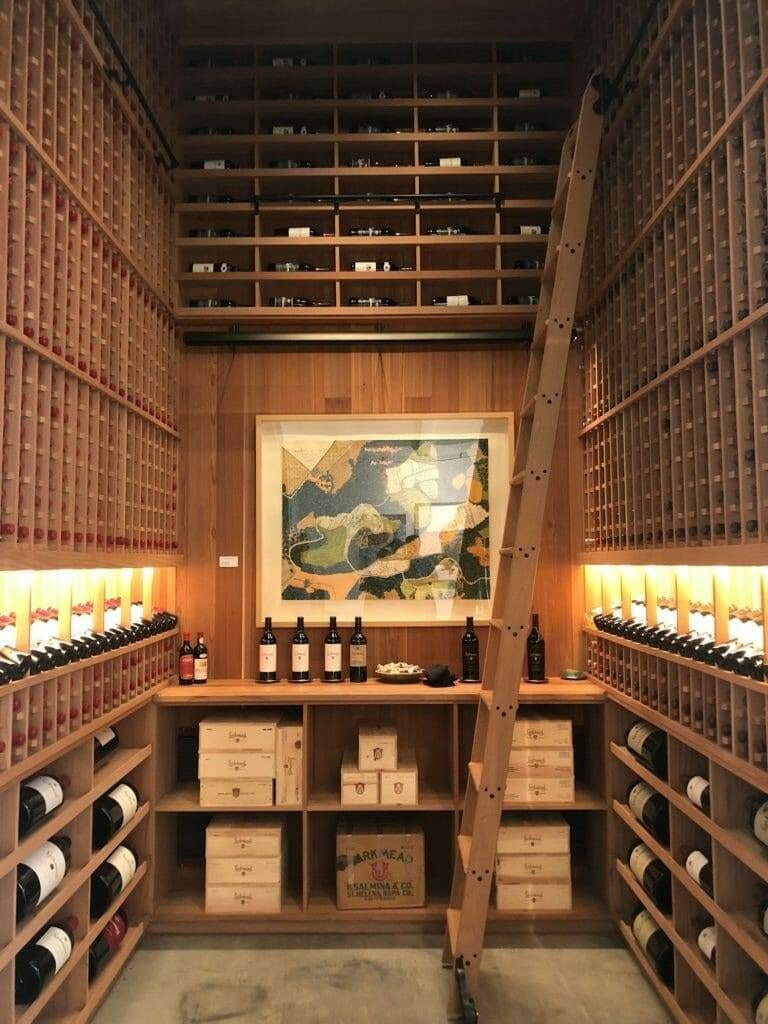
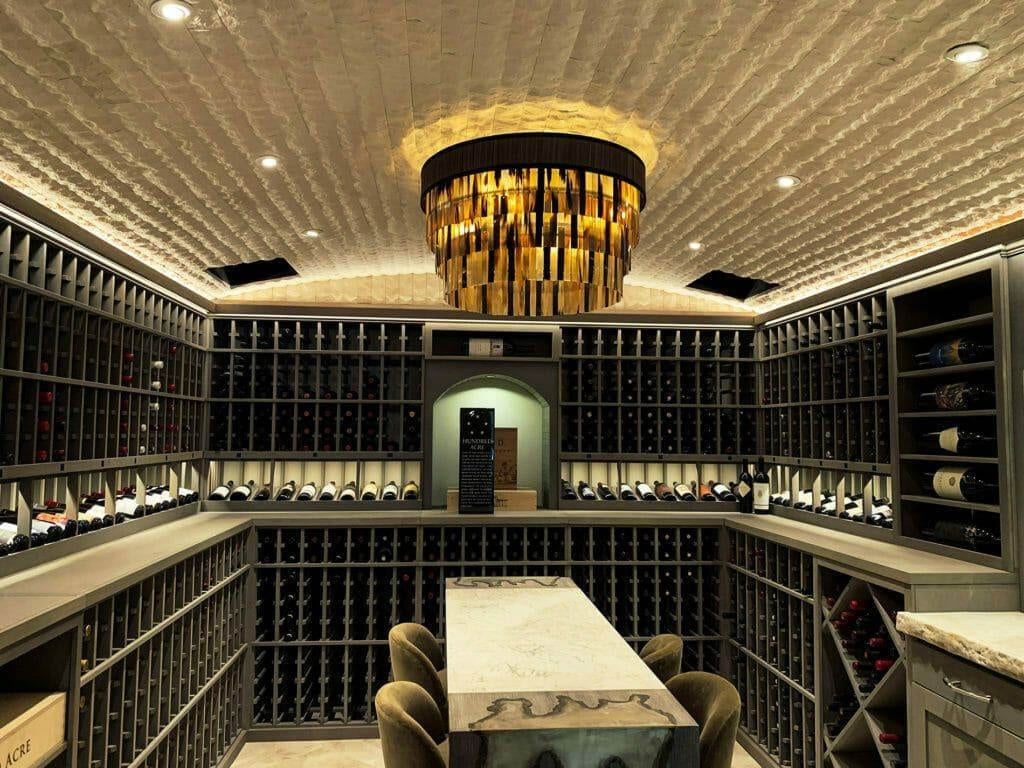
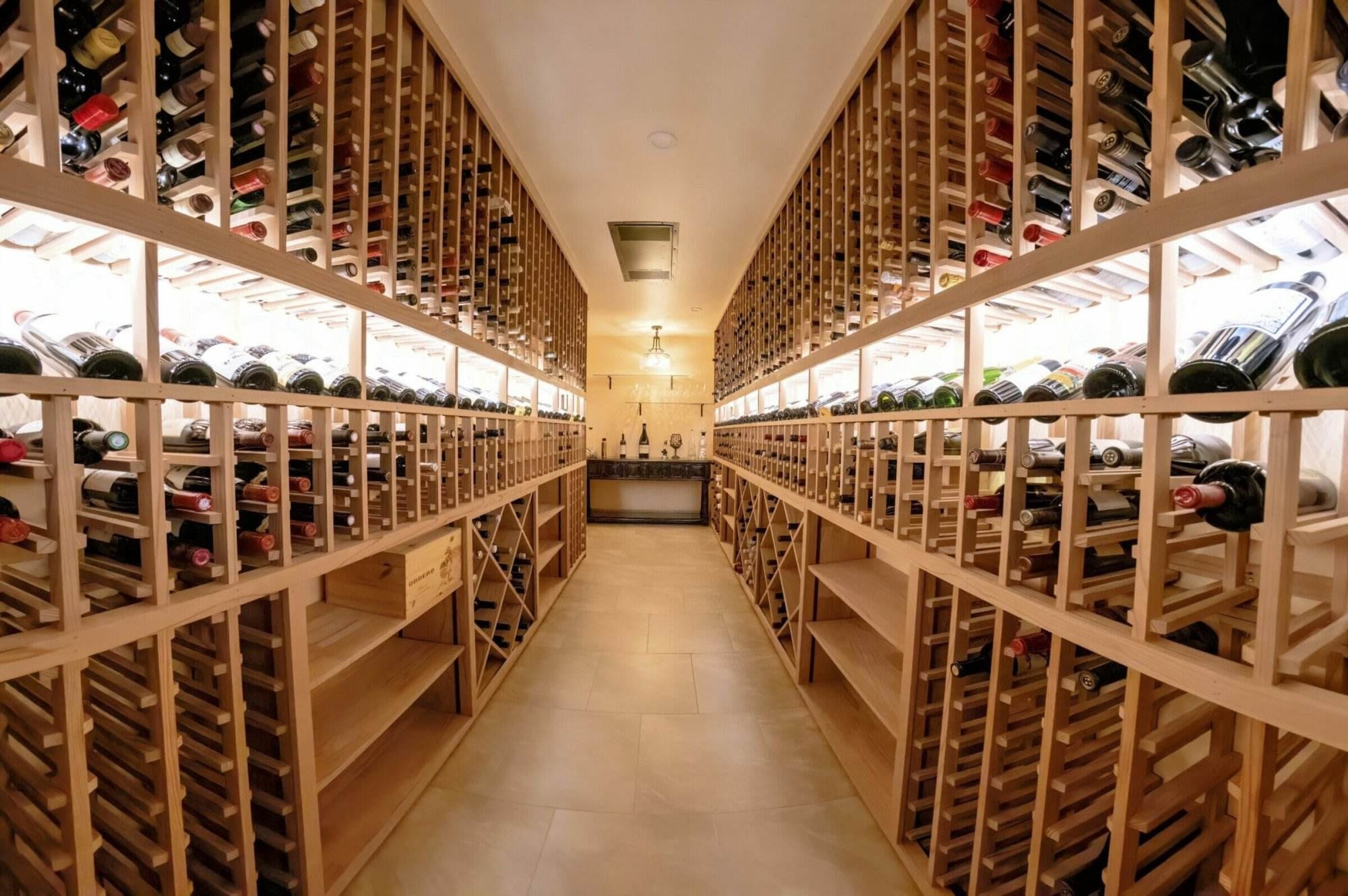
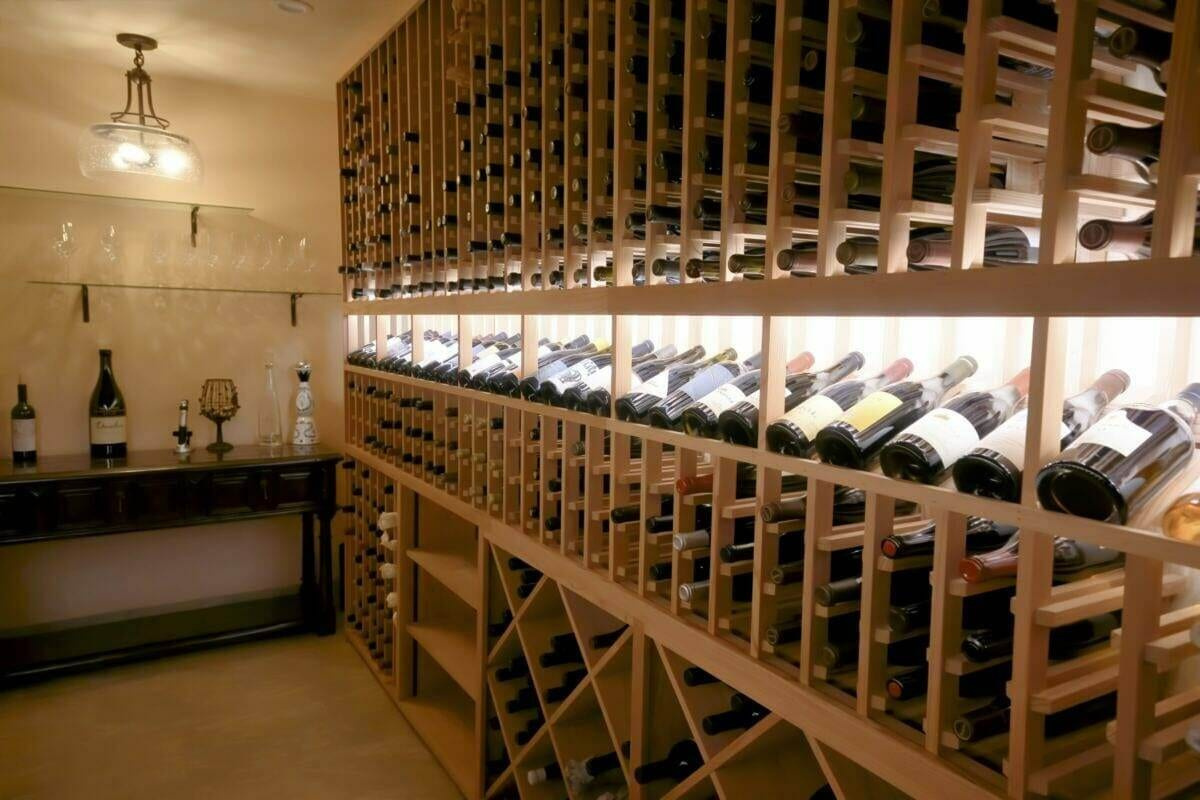
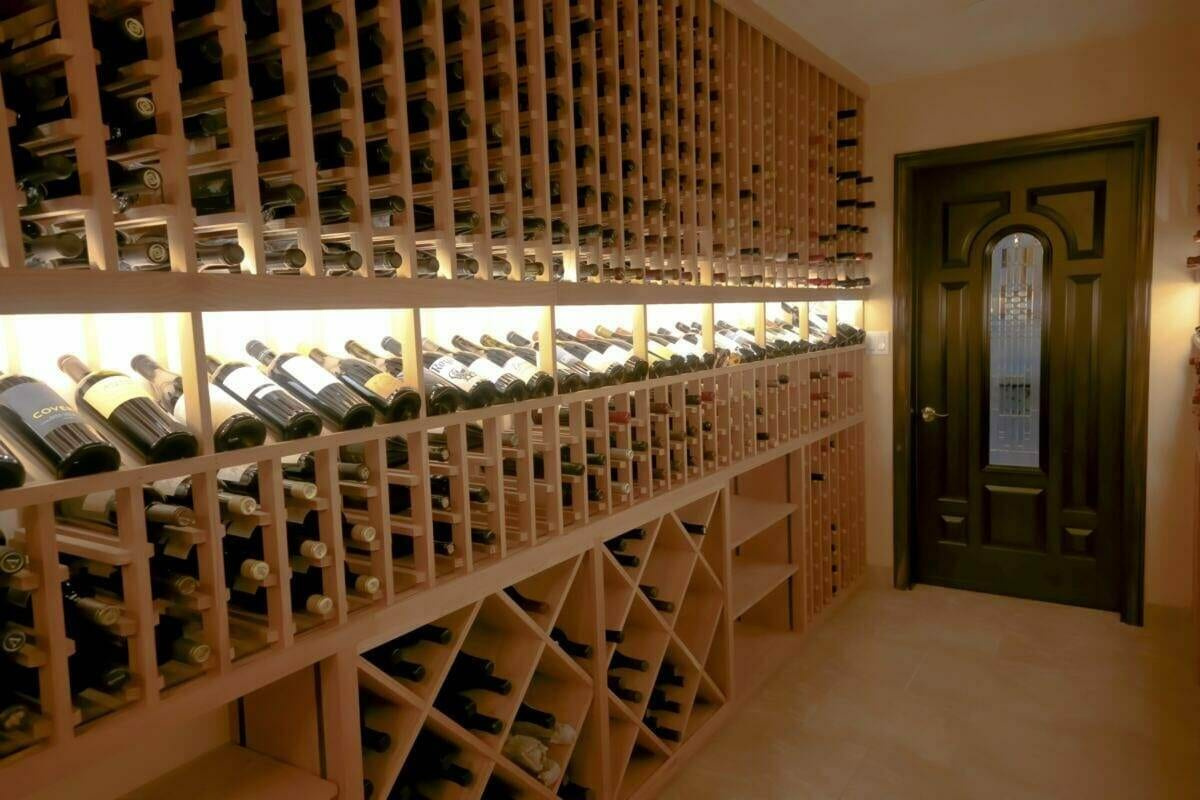
For cellar lighting, test label readability and reflections with the proposed rack and bottles. Plan useful light for retrieving wine and a separate display effect where needed. Keep fixture and power-supply access available and coordinate their installation with the enclosure.
Use a documented protection approach
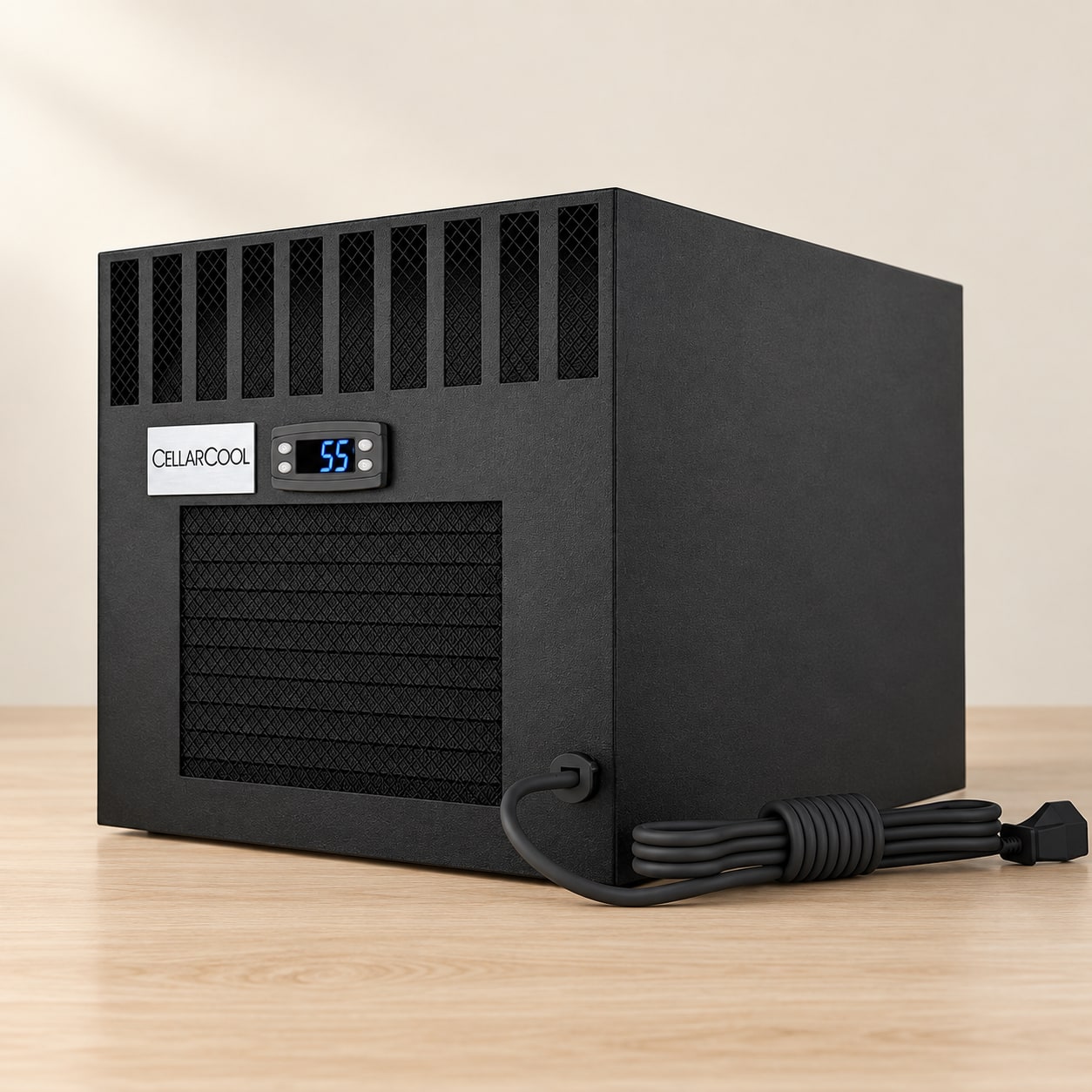
Discuss limiting unwanted exposure through location, enclosure choices and how lighting is used. UV-C bulbs are air-sanitizing accessories inside certain cooling units; they do not block sunlight or room light from reaching your bottles.
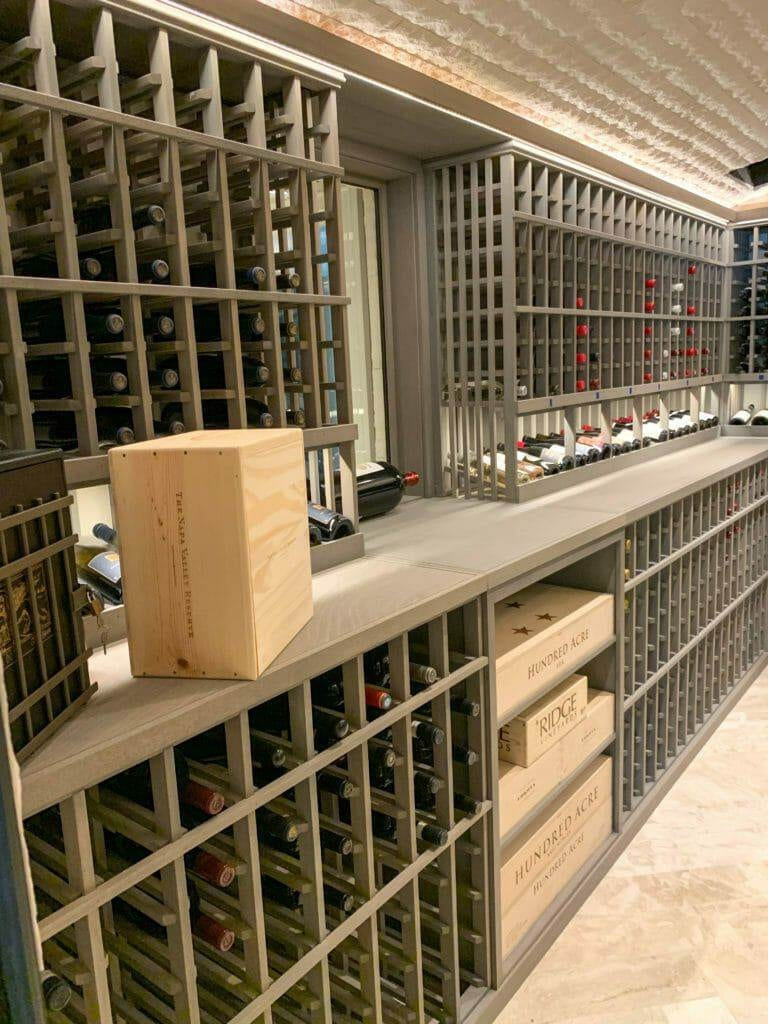
When you are comparing glass doors or lighting strips, ask the glass supplier for the UV-filtering spec and put display LEDs on a dimmer or timer so the room stays dark when nobody is in it.
Bring the light review into the cellar design
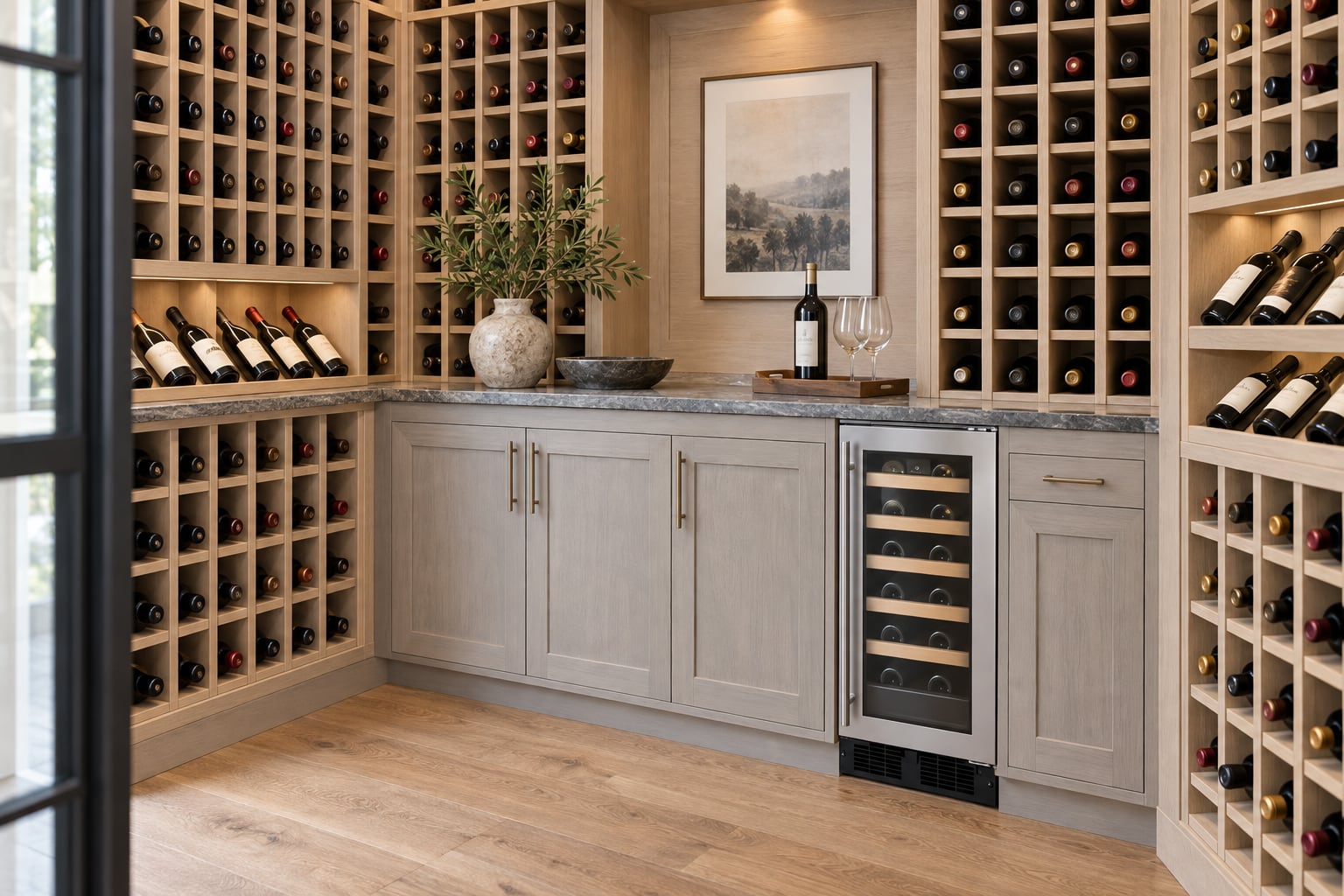
Include windows, doors, display lighting and equipment access on the room drawing. Consider the views from inside the cellar and adjacent seating, then choose the bottle arrangement and lighting controls around the way you will use the room.
Wine Hardware can discuss the relationship between racks, cooling and the enclosure for a residential or commercial cellar. Bring photographs, a room sketch and the product information you are considering so the next step addresses the actual space and avoids unsupported equipment assumptions.
With Mike, you can review glazing and lighting questions alongside your cellar equipment choices. Have photos of the room and your collection goals ready when you call (925) 944-1084.