Skip to content

Mon–Fri 9:30–5:301617 Locust St, Walnut Creek

Wine Tips

Wine Cellar Temperature & Humidity Fundamentals

Temperature and humidity readings become useful when you understand what measures them and how the room behaves.

  • 38 min read
  • By Wine Hardware
  • Updated
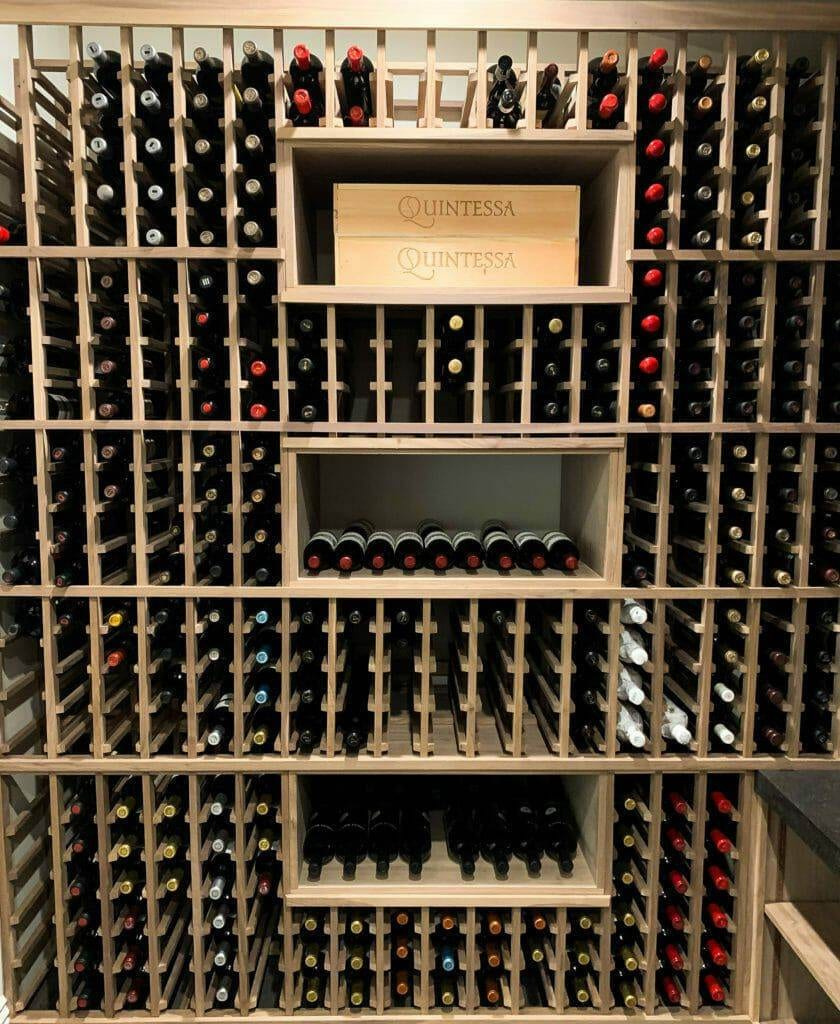
Wooden diamond bins and bottle slots surround open wine cases on a cellar counter.

Temperature and humidity readings become useful when you understand what measures them and how the room behaves. Begin with the enclosure, equipment and a record of conditions, then investigate persistent changes before adding devices or repeatedly adjusting the controls. Bring the model details, room dimensions and installation photos to Wine Hardware in Walnut Creek. We can help identify the equipment questions to resolve before you choose your next step.

Start with the room and the collection

Describe the wines you intend to store and how the space will be used. Record room dimensions, the proposed enclosure, glass and possible equipment locations. Include what is on the other side of the walls and where equipment heat could go.

For an existing cellar, keep observations of temperature, humidity and changes over time. Note where each reading was taken and which device supplied it. A brief visit or a controller setting alone does not describe the room throughout the year.

Separate cooling from humidity management

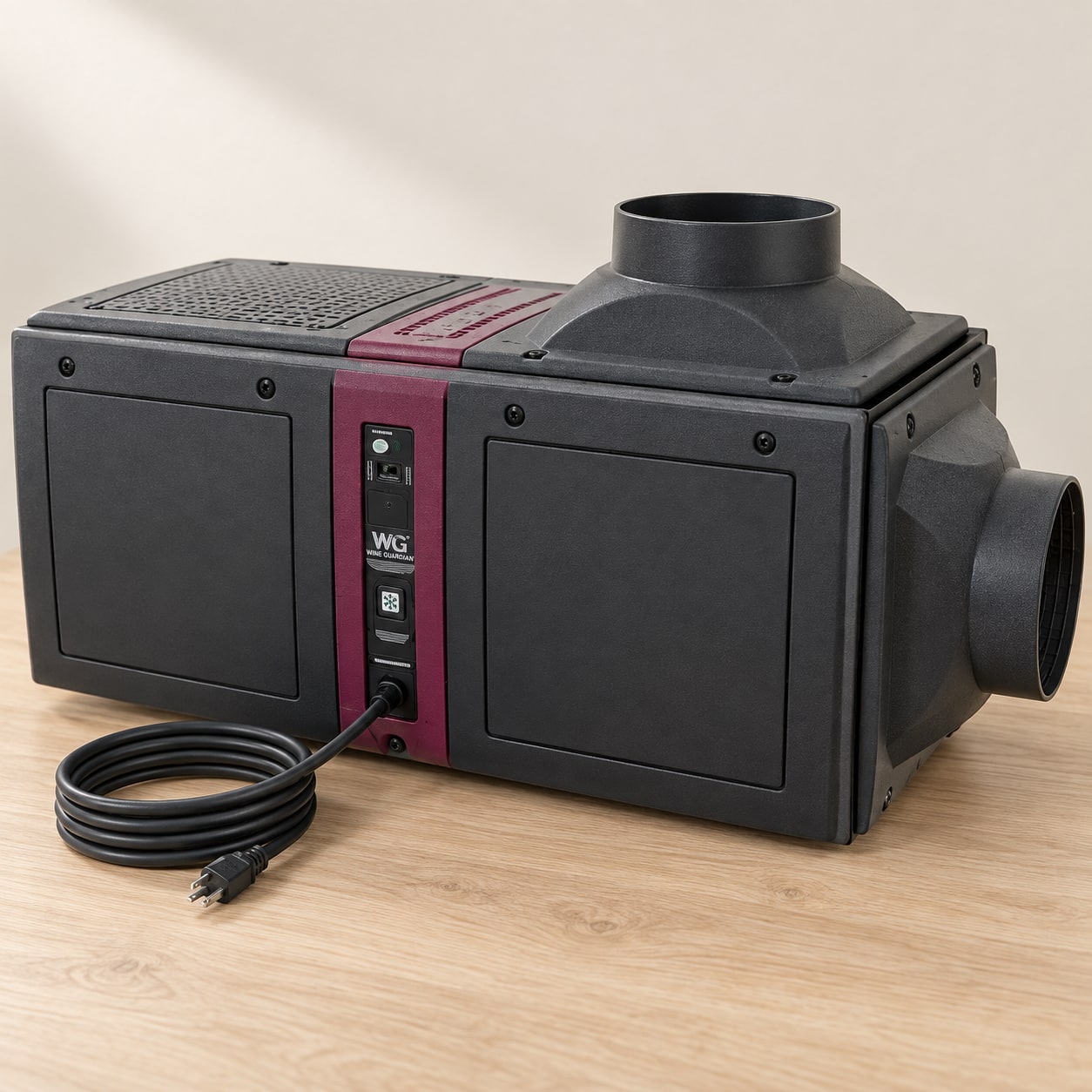
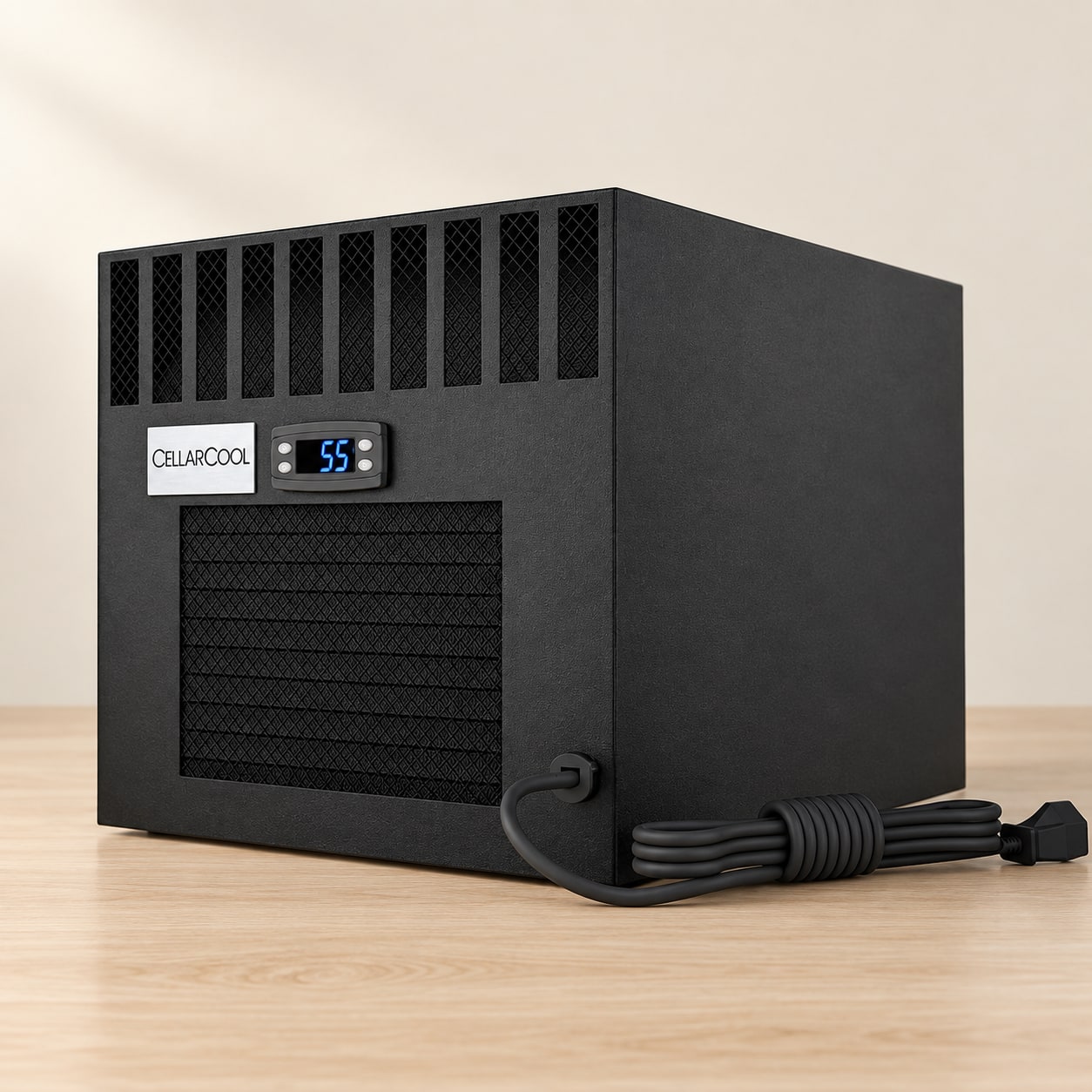
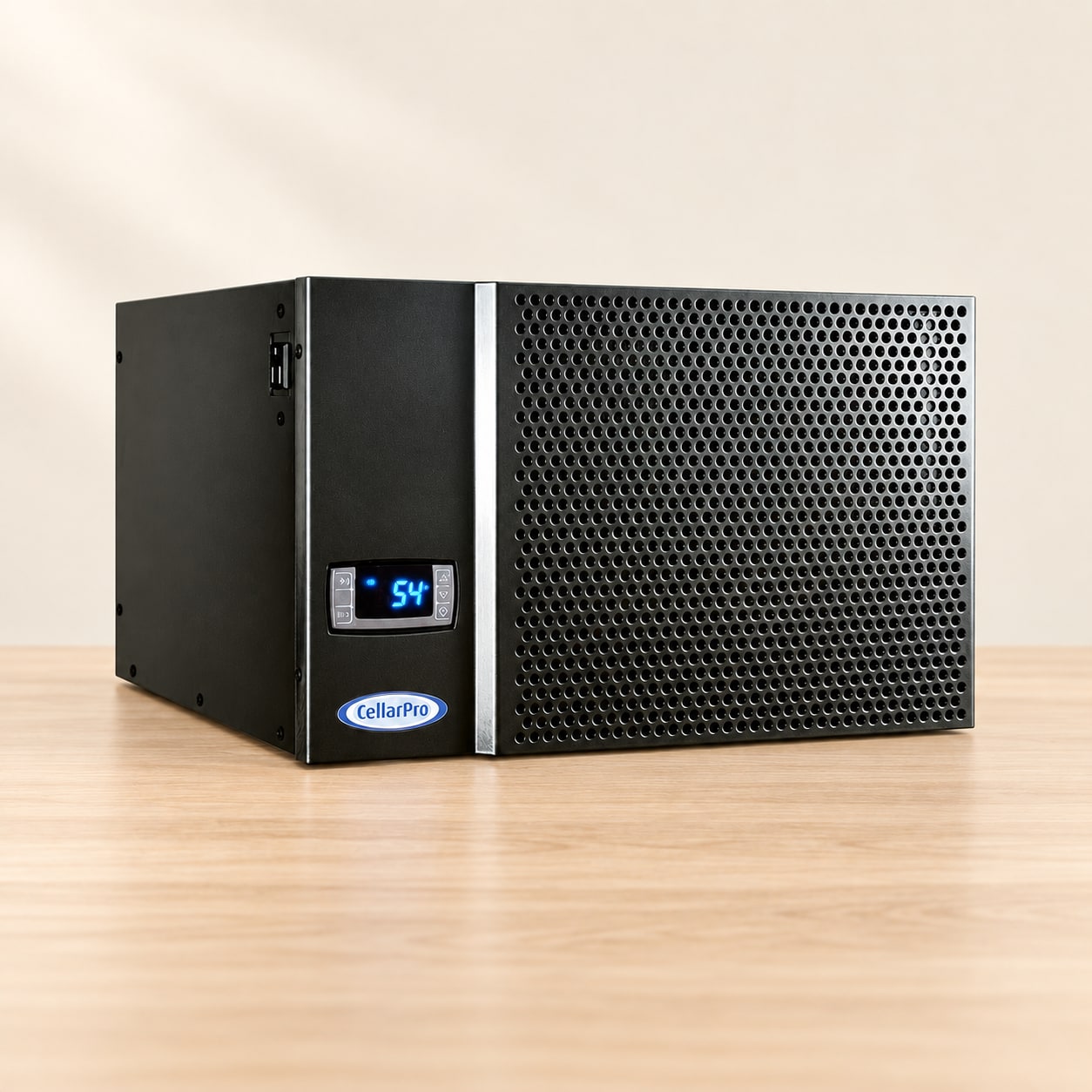
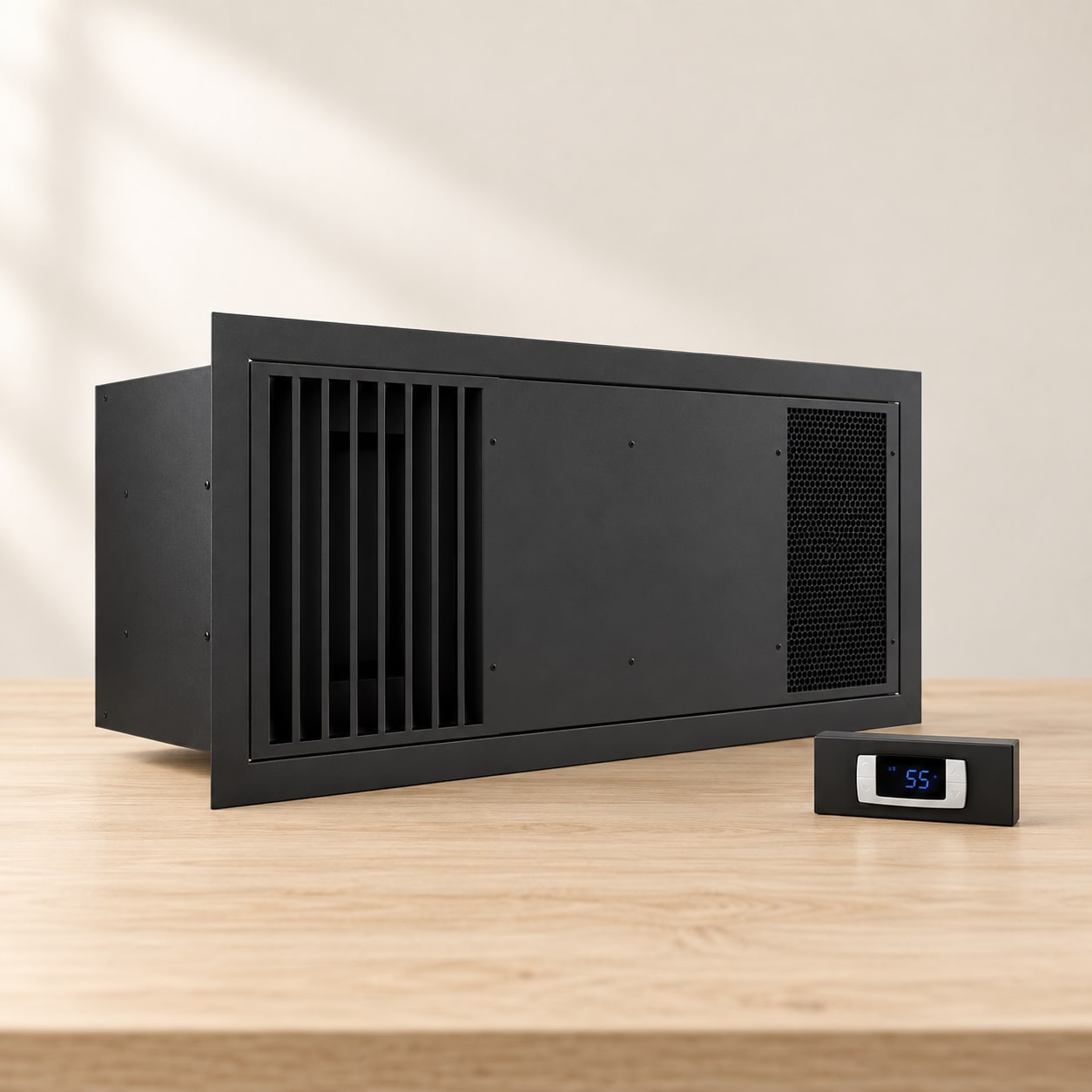
Wine Hardware carries WhisperKOOL, Wine Guardian, CellarPro and CellarCool cooling equipment. The appropriate model depends on the room and its installation requirements. Ask what the selected unit actually measures, displays and controls.

Wine Guardian humidifiers are listed separately in the catalog. Their presence is a reason to confirm compatibility and the room’s needs, rather than assume every cooling unit provides the same humidity control. Have the chosen system assessed as a complete installation.
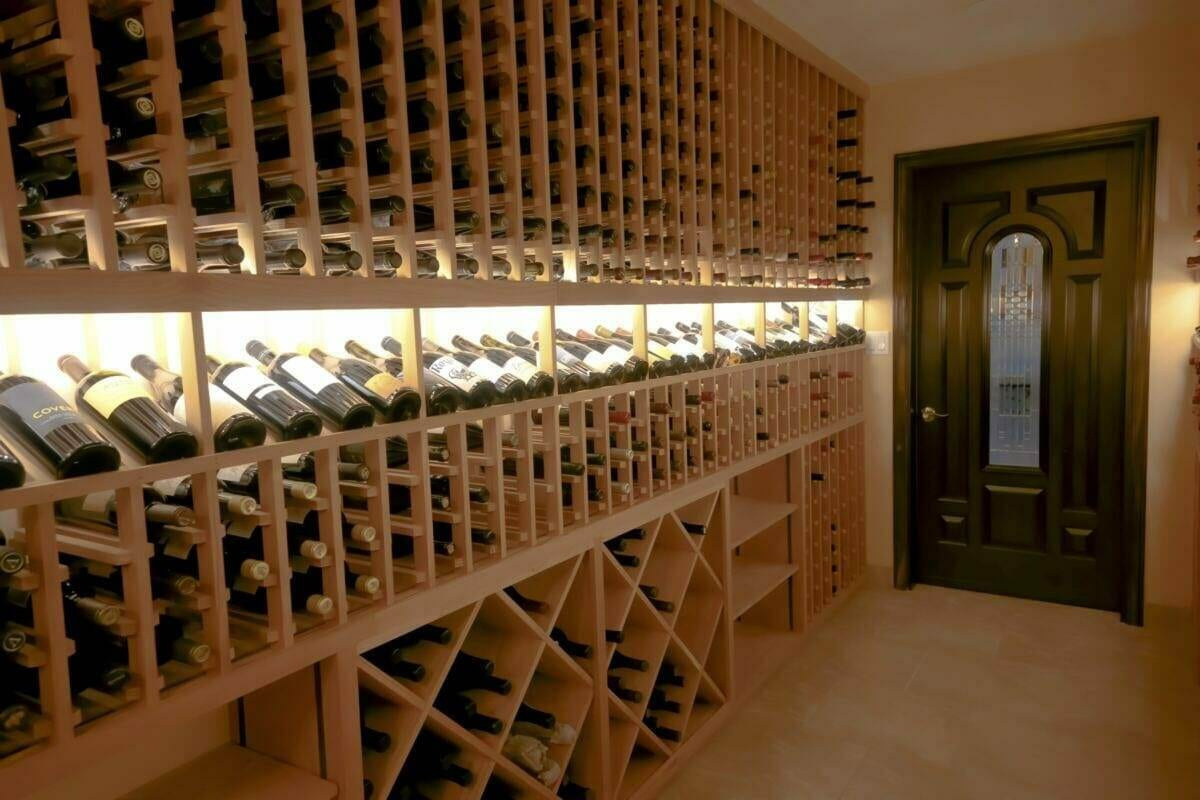
Wooden bottle racks combine individual slots, an illuminated display row and diamond bins.

Use readings to guide the next question

If a reading changes, note the timing, door use, recent loading and surrounding conditions. Consult the exact equipment instructions and describe the pattern before repeatedly changing controls. Ask for appropriate service help when the cause is unclear.

For new construction, coordinate the door, enclosure, cooling and service access before finishes are fixed. Bring the plan or existing equipment details to the Walnut Creek showroom. We can discuss the available equipment and the information needed for a recommendation.
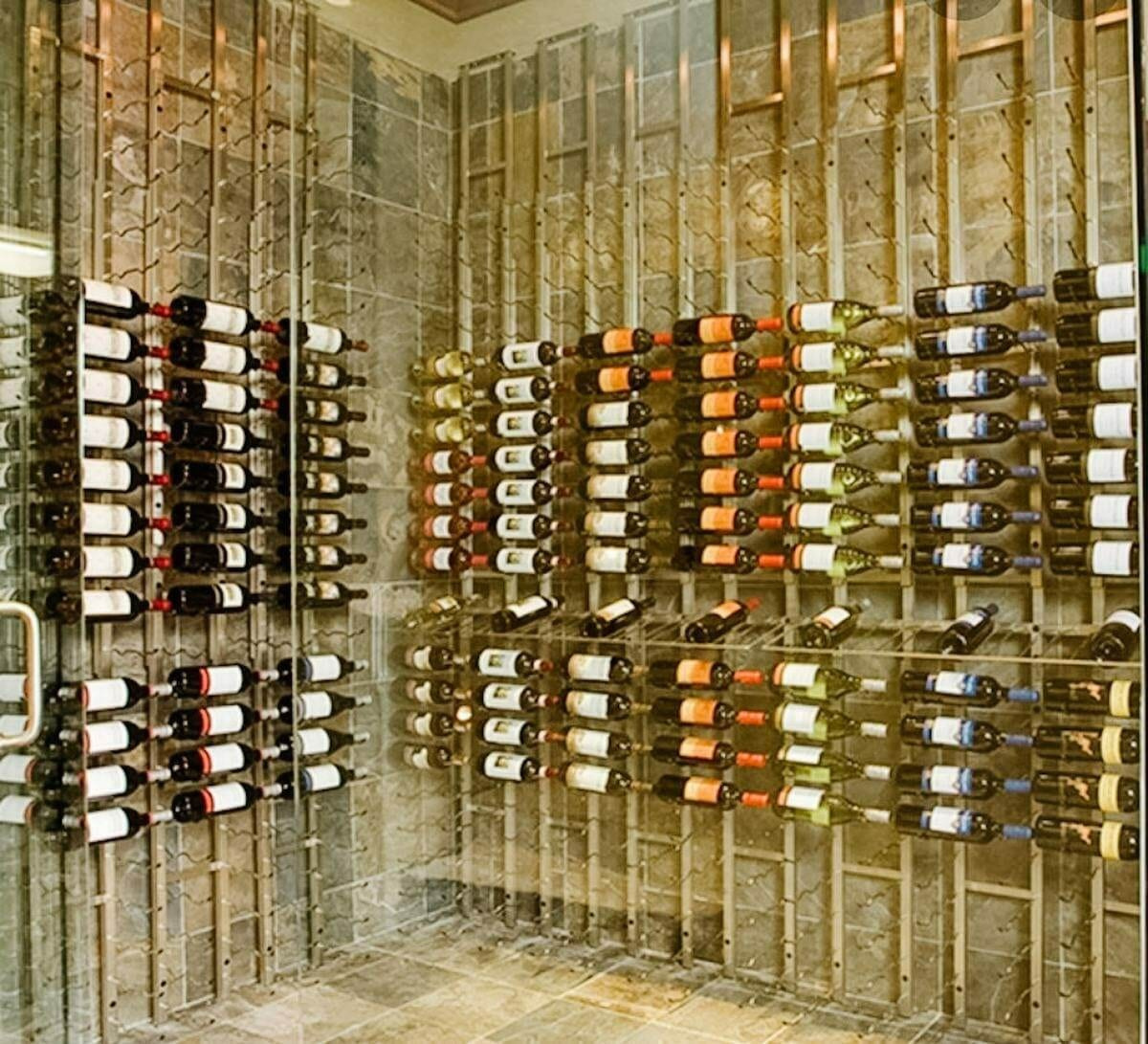
Metal bottle cradles hold wine against a textured stone wall behind glass.

Questions before you decide

Does temperature control also mean humidity control?

No. Confirm each capability separately for the exact equipment. A temperature controller, a humidity reading and active humidification are different functions and should not be assumed from a general product description.

What should I bring to the showroom?

Bring the room or equipment details relevant to the question, photographs and your collection goals. Tell us which decisions are already made so we can discuss a useful next step.

How do I discuss availability or a project?

Call Wine Hardware at (925) 944-1084 or visit 1617 Locust St, Walnut Creek. Ask about current products and the scope needed for your room before ordering.

Discuss cellar temperature and humidity equipment with Wine Hardware. Call (925) 944-1084 to discuss the next step.

More on wine cellar temperature and humidity management

What to Do When Cellar Humidity Falls Below 50%

From the Wine Hardware article published 2025-07-01.

A humidity reading below fifty percent is a prompt to verify the measurement and investigate the room. Record the pattern, review the equipment instructions and look for recent changes before adding humidification or treating one reading as a complete diagnosis. Bring the model details, room dimensions and installation photos to Wine Hardware in Walnut Creek. We can help identify the equipment questions to resolve before you choose your next step.

This range is essential for preventing corks from drying out, which can lead to oxidation and spoilage of the wine. When corks dry out, they lose their elasticity, allowing air to seep into the bottle and compromise the wine’s flavor and aroma. Conversely, excessive humidity can lead to mold growth on labels and corks, which can also negatively impact the wine’s quality.

Moreover, the right humidity levels contribute to the overall environment of the cellar. A well-humidified cellar not only protects the wine but also creates a stable environment that minimizes temperature fluctuations. These fluctuations can cause expansion and contraction of the wine within the bottle, potentially leading to leakage or spoilage.

Therefore, understanding and managing cellar humidity is a fundamental aspect of wine storage that every wine enthusiast should prioritize.

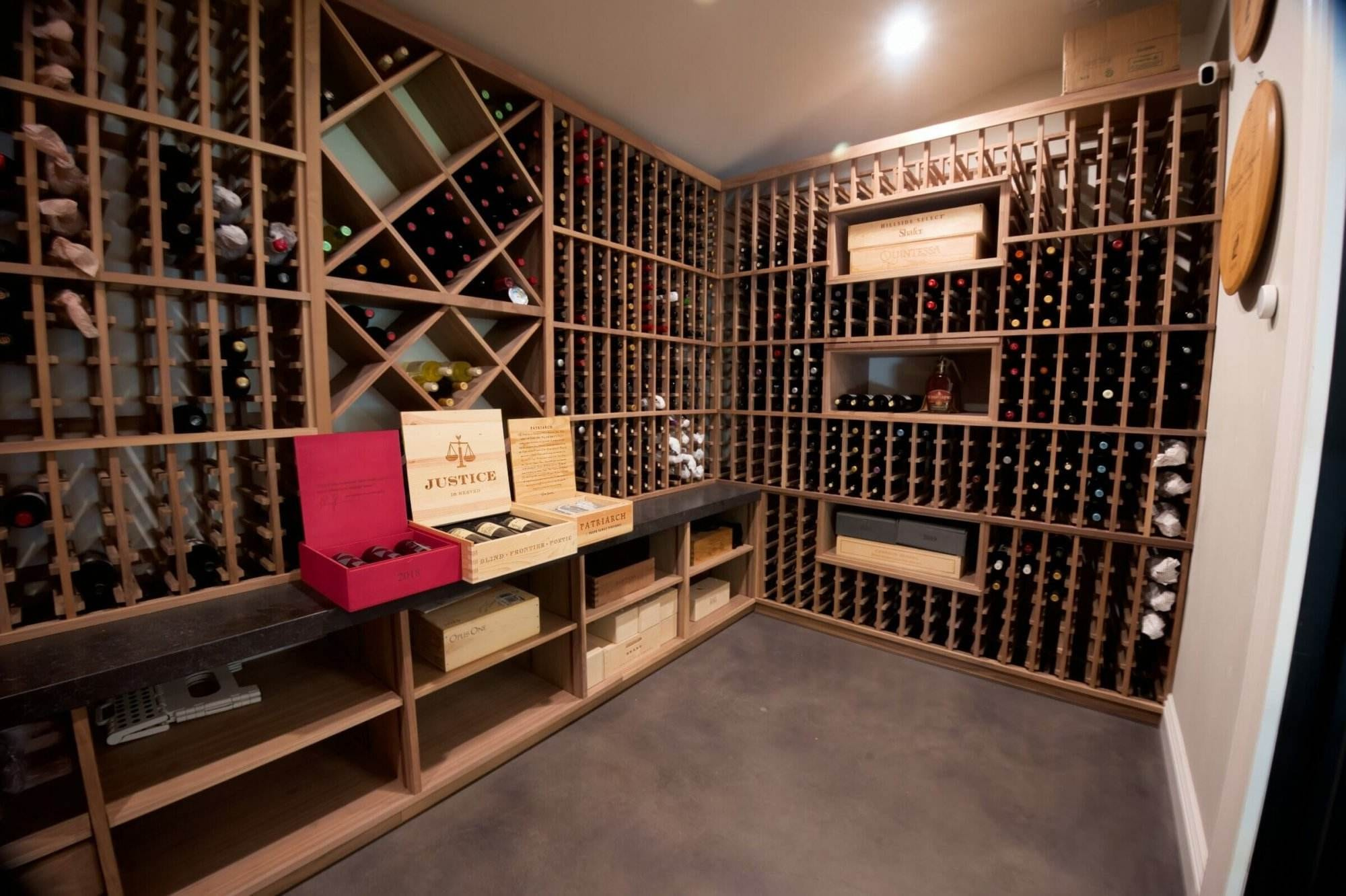
Open wooden wine cases sit beneath diamond bins and individual bottle slots.

Key Takeaways

  • Proper cellar humidity is crucial for preserving wine and other items
  • Regularly monitor cellar humidity levels to ensure they stay within the optimal range
  • Increase cellar humidity naturally by using methods such as adding water sources or plants
  • Consider using humidifiers to maintain and increase cellar humidity levels
  • Seal any leaks in the cellar to prevent humidity from dropping too low
  • Store moisture-rich items in the cellar to help maintain humidity levels
  • Seek professional help if low humidity issues persist despite efforts to increase levels
  • Take preventive measures to avoid future drops in cellar humidity, such as regular maintenance and monitoring

Monitoring Cellar Humidity Levels

To effectively manage humidity levels in a wine cellar, regular monitoring is essential. Utilizing a hygrometer is one of the most effective ways to keep track of humidity levels. This device measures the moisture content in the air and provides real-time data that can help you make informed decisions about your cellar’s environment.

Placing the hygrometer at various locations within the cellar can give you a comprehensive understanding of humidity distribution, allowing you to identify any areas that may require additional attention. In addition to using a hygrometer, it is advisable to keep a log of humidity readings over time. This practice can help you identify patterns and trends in humidity fluctuations, enabling you to take proactive measures before issues arise.

By consistently monitoring humidity levels, you can ensure that your wine remains in optimal condition, safeguarding your investment and enhancing your enjoyment of your collection.

Increasing Cellar Humidity Naturally

There are several natural methods to increase humidity levels in a wine cellar without relying on mechanical devices. One effective approach is to introduce water sources into the environment. For instance, placing shallow trays filled with water around the cellar can help elevate humidity levels as the water evaporates.

This method is particularly useful in smaller cellars where humidity levels may fluctuate more dramatically. Another natural method involves using plants that thrive in humid environments. Certain types of ferns or tropical plants can release moisture into the air through a process called transpiration.

By strategically placing these plants in your cellar, you can create a more humid atmosphere while also enhancing the aesthetic appeal of the space. However, it is essential to choose plants that do not require excessive light or care, as the primary focus should remain on maintaining optimal conditions for your wine.

Using Humidifiers to Increase Cellar Humidity

When natural methods are insufficient to maintain desired humidity levels, investing in a humidifier may be necessary. Humidifiers come in various types, including ultrasonic, evaporative, and steam models, each with its own advantages and disadvantages. Ultrasonic humidifiers are particularly popular for wine cellars due to their ability to produce a fine mist without raising temperatures significantly.

This feature is crucial because excessive heat can adversely affect wine quality. When selecting a humidifier for your cellar, consider factors such as capacity, maintenance requirements, and noise levels. A unit with a built-in hygrometer can automatically adjust humidity levels based on real-time readings, providing a hassle-free solution for maintaining optimal conditions.

Regular maintenance is essential to ensure that the humidifier operates efficiently; this includes cleaning the unit and replacing filters as needed to prevent mold and bacteria growth.

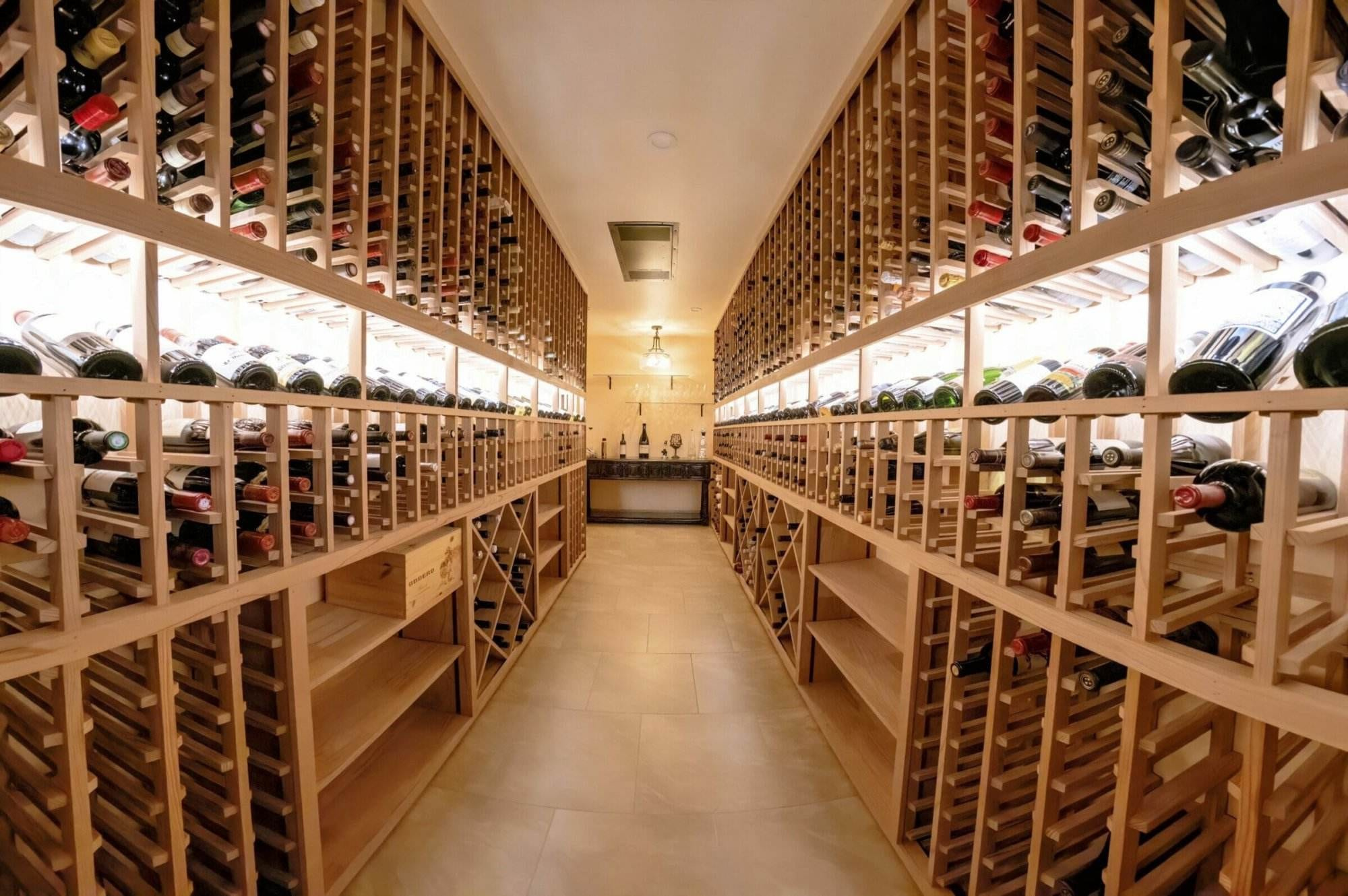
A bright cellar aisle runs between wooden racks with illuminated bottle display rows.
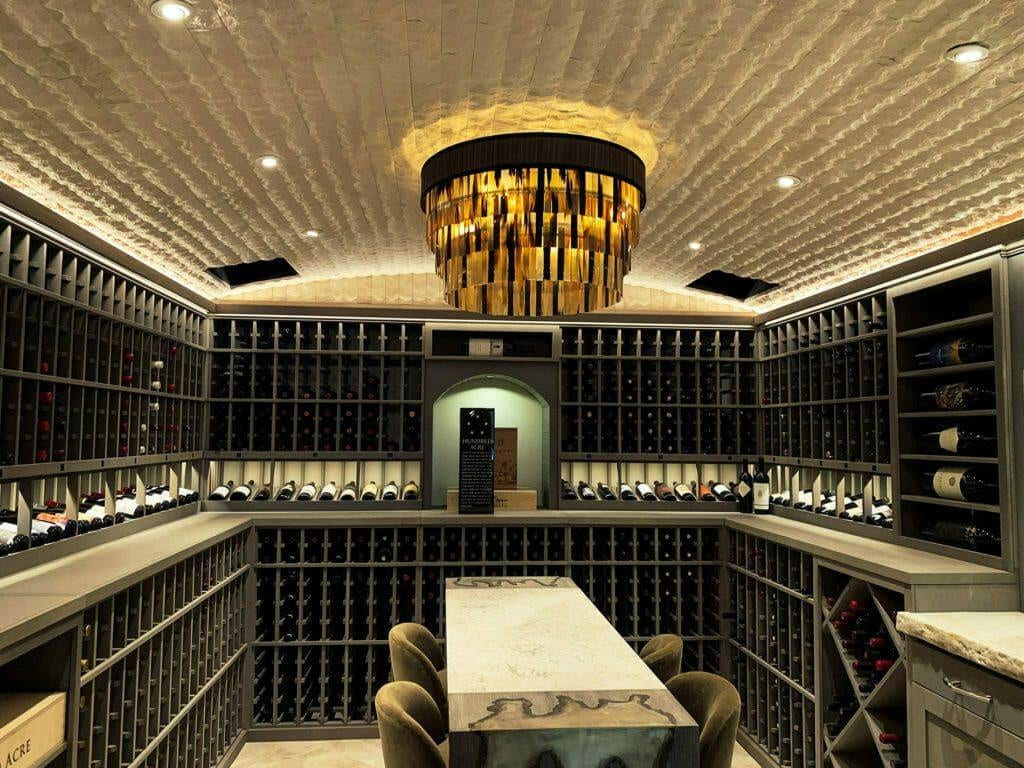
Gray wooden racks meet at a corner with an illuminated bottle display row.

Sealing Cellar Leaks to Maintain Humidity

Another critical aspect of maintaining consistent humidity levels in a wine cellar is addressing any leaks or drafts that may compromise the environment. Air leaks can lead to significant fluctuations in both temperature and humidity, making it challenging to create a stable storage environment for your wine collection. Inspecting the cellar for gaps around windows, doors, and walls is an essential first step in identifying potential problem areas.

Once leaks are identified, sealing them with appropriate materials such as caulk or weather stripping can help maintain humidity levels more effectively. Additionally, ensuring that doors close tightly and that any ventilation systems are functioning correctly will further enhance your cellar’s ability to retain moisture. By taking these proactive measures, you can create a more controlled environment that supports the long-term preservation of your wines.

Storing Moisture-Rich Items in the Cellar

Incorporating moisture-rich items into your wine cellar can be an effective strategy for increasing humidity levels naturally. Items such as damp sponges or towels can release moisture into the air over time, helping to maintain a more stable environment. However, it is crucial to monitor these items regularly to prevent mold growth or unpleasant odors from developing.

Another option is to store containers filled with water or even pebbles soaked in water within the cellar. These containers will gradually release moisture into the air as they evaporate, contributing to an increase in humidity levels. While these methods may not provide immediate results like mechanical humidifiers, they can be effective long-term solutions for maintaining an optimal environment for your wine collection.

A wooden ladder stands beside gray bottle racks and an illuminated central display alcove.
A central aisle leads through gray cellar racks past a wooden ladder and display counters.

Seeking Professional Help for Persistent Low Humidity

If you find that despite your best efforts, humidity levels remain persistently low, it may be time to seek professional assistance. Experts in climate control and wine storage can provide valuable insights into your specific situation and recommend tailored solutions to address humidity issues effectively. They may conduct an assessment of your cellar’s design and construction, identifying any underlying problems that could be contributing to low humidity levels.

Professional services may include installing advanced climate control systems specifically designed for wine storage. These systems often combine temperature and humidity control features, ensuring that both aspects are managed effectively. Investing in professional help can ultimately save you time and resources while providing peace of mind that your wine collection is being stored under optimal conditions.

Wooden wine racks line a short cellar aisle leading to a raised storage alcove.

Preventing Future Drops in Cellar Humidity

To ensure that your wine cellar maintains consistent humidity levels over time, implementing preventive measures is essential. Regular maintenance checks should be part of your routine; this includes inspecting seals around doors and windows, monitoring equipment like humidifiers or dehumidifiers, and keeping an eye on hygrometer readings. By staying proactive about these aspects, you can catch potential issues before they escalate into significant problems.

Additionally, consider creating a contingency plan for extreme weather conditions that may affect humidity levels. For instance, during particularly dry seasons or heatwaves, having backup systems or additional moisture sources ready can help mitigate sudden drops in humidity. By being prepared and vigilant about maintaining your cellar’s environment, you can protect your investment and enjoy your wine collection for years to come.

In conclusion, understanding and managing humidity levels in a wine cellar is vital for preserving the quality of your collection. By monitoring conditions regularly and employing various strategies—both natural and mechanical—you can create an optimal environment for your wines. Whether through simple adjustments or professional interventions, taking these steps will ensure that your wines remain in excellent condition for future enjoyment.

FAQs

What is the ideal humidity level for a cellar?

The ideal humidity level for a cellar is between 50-70 percent. This range helps to prevent the growth of mold and mildew while also preserving the quality of stored items.

What are the potential issues with cellar humidity dropping below 50 percent?

When cellar humidity drops below 50 percent, it can lead to the drying out of stored items such as wine corks, wooden furniture, and leather goods. This can result in damage and deterioration of these items.

How can I measure the humidity level in my cellar?

You can measure the humidity level in your cellar using a hygrometer, which is a device specifically designed to measure humidity.

What are some methods to increase cellar humidity?

To increase cellar humidity, you can use a humidifier, place bowls of water around the cellar, or install a vapor barrier to prevent moisture from escaping.

Are there any natural ways to maintain cellar humidity?

Yes, you can maintain cellar humidity naturally by storing wet or damp items in the cellar, such as clay pots filled with water or damp towels.

How often should I monitor cellar humidity levels?

It is recommended to monitor cellar humidity levels regularly, especially during seasonal changes, to ensure that the humidity remains within the ideal range.

Metal bottle cradles hold wine against a textured stone wall behind glass.

Managing Low Humidity in Your Cellar: Steps to Take When It Falls Below 50%

How to Restore Ideal Humidity When Your Cellar Drops Below 50%

Call To Action

Ask Wine Hardware about your cooling setup. Include the model number and room photos, or call (925) 944-1084.

How often should I monitor cellar humidity levels?

It is recommended to monitor cellar humidity levels regularly, especially during seasonal changes, to ensure that the humidity remains within the ideal range. Managing Low Humidity in Your Cellar: Steps to Take When It Falls Below 50%

Wooden diamond wine bins beside a label-forward metal bottle rack
Walnut Creek Wine Cellar Humidity Control

From the Wine Hardware article published 2025-04-23.

Humidity control in a Walnut Creek cellar begins with verified readings and a review of the room. Identify what the cooling system actually measures and controls, then discuss persistent patterns before adding equipment or assuming every cellar needs the same adjustment. Bring the model details, room dimensions and installation photos to Wine Hardware in Walnut Creek. We can help identify the equipment questions to resolve before you choose your next step.

When humidity levels are too low, corks can dry out, leading to oxidation and spoilage. Conversely, excessive humidity can promote mold growth and damage labels, which can detract from the wine’s value and aesthetic appeal. Maintaining optimal humidity levels—typically between 50% and 70%—is essential for ensuring that wine ages gracefully.

This balance not only protects the wine but also enhances its flavor and aroma over time. A well-regulated humidity level helps to preserve the cork’s elasticity, allowing it to maintain a proper seal. This seal is crucial for preventing air from entering the bottle, which can lead to unwanted chemical reactions that compromise the wine’s quality.

Therefore, understanding and managing humidity is not just a technical requirement; it is a fundamental aspect of wine stewardship that every wine enthusiast should prioritize.

Key Takeaways

  • Proper humidity control is crucial for preserving the quality and flavor of wine in cellars.
  • Factors such as climate, cellar construction, and ventilation can affect humidity levels in wine cellars.
  • Regular monitoring and maintenance of humidity levels are essential for preserving wine quality.
  • Humidifiers and dehumidifiers play a key role in controlling and adjusting humidity levels in wine cellars.
  • Preventing mold and mildew in wine cellars requires proper ventilation, insulation, and regular cleaning.

Factors Affecting Humidity Levels in Wine Cellars

Construction Materials and Humidity

The construction materials used in a wine cellar play a significant role in influencing humidity levels. For instance, concrete and stone walls tend to retain moisture better than drywall or wood, which can lead to fluctuations in humidity levels.

Insulation and Climate

The quality of insulation in the cellar is also crucial, as poorly insulated spaces may experience greater temperature swings, affecting humidity. The climate of the surrounding environment is another critical factor, with high humidity regions potentially leading to excessive dampness and arid climates making it challenging to maintain adequate humidity.

Seasonal Changes and Humidity

Seasonal changes also contribute to variations in humidity levels, with summer months typically bringing higher humidity and winter months resulting in drier air. By understanding these factors, wine collectors can take proactive measures to maintain a stable environment for their prized collections.

Methods for Monitoring and Maintaining Ideal Humidity Levels

Wooden bottle slots surround open cubbies holding wine cases.

To ensure that humidity levels remain within the ideal range, regular monitoring is essential. One effective method is to use hygrometers, which measure the moisture content in the air. Digital hygrometers are particularly useful as they provide real-time readings and can often be connected to smart home systems for remote monitoring.

Placing multiple hygrometers throughout the cellar can help identify any areas with inconsistent humidity levels, allowing for targeted adjustments. In addition to monitoring, implementing strategies to maintain ideal humidity levels is crucial. This may involve using water trays or damp sponges placed strategically within the cellar to increase moisture levels naturally.

For those who prefer a more automated approach, investing in a dedicated wine cellar humidifier can provide consistent humidity control. These devices are designed specifically for wine storage environments and can be adjusted to maintain desired humidity levels effectively.

The Role of Humidifiers and Dehumidifiers in Wine Cellar Humidity Control

Humidifiers and dehumidifiers are essential tools for managing humidity levels in wine cellars. A humidifier adds moisture to the air when levels drop below the desired range, ensuring that corks remain properly sealed and preventing oxidation. There are various types of humidifiers available, including ultrasonic models that produce a fine mist and evaporative models that use a fan to circulate moist air.

Selecting the right humidifier depends on the size of the cellar and specific humidity needs. On the other hand, dehumidifiers are crucial in environments where humidity levels tend to rise excessively. High humidity can lead to mold growth and damage to both wine and storage materials.

Dehumidifiers work by extracting moisture from the air, helping to maintain a balanced environment. It’s important to choose a dehumidifier that is appropriately sized for the space; an undersized unit may struggle to keep up with moisture levels, while an oversized unit may create overly dry conditions.

Tips for Preventing Mold and Mildew in Wine Cellars

Preventing mold and mildew is paramount for maintaining a healthy wine cellar environment. One of the most effective strategies is to ensure proper ventilation within the space. Adequate airflow helps prevent stagnant air, which can contribute to mold growth.

Installing vents or using fans can promote circulation and keep humidity levels in check. Regular cleaning is another essential practice for mold prevention. Dust and debris can trap moisture, creating an ideal breeding ground for mold spores.

Wiping down surfaces with a mild cleaning solution and ensuring that any spills are promptly addressed will help maintain a clean environment. Additionally, inspecting corks and bottles regularly for signs of mold or deterioration allows collectors to take immediate action if issues arise.

The Impact of Temperature on Humidity Levels in Wine Cellars

Metal bottle cradles hold wine against a textured stone wall behind glass.

Temperature and humidity are closely intertwined; changes in one often affect the other. Warmer air holds more moisture than cooler air, meaning that fluctuations in temperature can lead to corresponding changes in humidity levels. For instance, if a wine cellar experiences a rise in temperature due to external heat sources or poor insulation, it may lead to increased humidity levels as well.

Conversely, if temperatures drop significantly, humidity may decrease as well. This relationship underscores the importance of maintaining stable temperature conditions alongside humidity control. Ideally, wine cellars should be kept at a consistent temperature—typically between 55°F and 65°F—to create an optimal aging environment.

By managing both temperature and humidity effectively, wine collectors can ensure their collections age gracefully without compromising quality.

Common Mistakes to Avoid in Wine Cellar Humidity Control

While managing humidity levels may seem straightforward, there are several common mistakes that wine collectors should avoid. One frequent error is neglecting regular monitoring of humidity levels. Without consistent checks using hygrometers, collectors may remain unaware of fluctuations that could jeopardize their wine’s integrity.

Another mistake is relying solely on passive methods for humidity control without considering active solutions like humidifiers or dehumidifiers. While natural methods such as water trays can be helpful, they may not provide sufficient control in extreme conditions or larger cellars. Additionally, failing to account for seasonal changes can lead to unexpected challenges; what works during one season may not suffice during another.

Consulting with Professionals for Wine Cellar Humidity Control Solutions

For those who find managing humidity levels daunting or who have extensive collections at stake, consulting with professionals can provide invaluable assistance. Experts in wine cellar design and climate control can offer tailored solutions based on individual needs and environmental conditions. They can assess existing setups and recommend appropriate equipment or modifications to enhance humidity control.

Professional consultations also provide access to advanced technology that may not be readily available to individual collectors. From sophisticated monitoring systems that alert owners to changes in conditions to high-quality humidification systems designed specifically for wine storage, professionals can help create an optimal environment for aging wines. Ultimately, investing in expert guidance ensures that collectors can enjoy their wines at their best while safeguarding their investments for years to come.

In conclusion, understanding and managing humidity control in wine cellars is essential for preserving the quality of wines over time. By recognizing the factors affecting humidity levels, employing effective monitoring methods, utilizing humidifiers and dehumidifiers appropriately, and avoiding common pitfalls, wine enthusiasts can create an ideal environment for their collections. For those seeking additional support or expertise, consulting with professionals like Wine Hardware of Walnut Creek can provide tailored solutions that enhance both enjoyment and investment value in fine wines.

FAQs

What is the ideal humidity level for a wine cellar?

The ideal humidity level for a wine cellar is between 50-70%. This range helps to keep the corks from drying out and prevents mold growth.

Why is humidity control important in a wine cellar?

Humidity control is important in a wine cellar because it helps to preserve the quality of the wine. Proper humidity levels prevent the corks from drying out and maintain the integrity of the wine.

How can I control the humidity in my wine cellar?

You can control the humidity in your wine cellar by using a humidifier or dehumidifier to adjust the moisture levels as needed. Additionally, sealing the cellar properly and using insulation can help maintain the desired humidity level.

What are the risks of improper humidity levels in a wine cellar?

Improper humidity levels in a wine cellar can lead to dried out corks, which can cause wine to oxidize and spoil. It can also lead to mold growth, which can contaminate the wine and affect its flavor.

What are some tips for maintaining the proper humidity level in a wine cellar?

Some tips for maintaining the proper humidity level in a wine cellar include using a hygrometer to monitor the humidity, sealing any cracks or gaps in the cellar, and storing wine bottles on their sides to keep the corks moist. Regular maintenance of the cellar’s HVAC system is also important.

Label-forward metal racks meet large wooden diamond bins against a brick wall.
Danville Wine Cellar Humidity Maintenance

From the Wine Hardware article published 2025-04-16.

A Danville cellar humidity routine should be simple enough to keep. Record the measurements, equipment settings and maintenance history, then investigate changes with the room and manufacturer’s instructions in view instead of repeatedly adjusting a control without knowing the cause. Bring the model details, room dimensions and installation photos to Wine Hardware in Walnut Creek. We can help identify the equipment questions to resolve before you choose your next step.

This range is essential for preserving the corks that seal wine bottles. If the humidity is too low, corks can dry out, leading to oxidation and spoilage of the wine. Conversely, excessive humidity can cause corks to become overly saturated, which may lead to mold growth and other issues that compromise the integrity of the wine.

Moreover, humidity levels also affect the overall environment within the cellar. A well-humidified space helps to maintain a stable temperature, which is crucial for aging wine. Fluctuations in temperature can cause the wine to expand and contract, potentially damaging the delicate balance of flavors and aromas.

Therefore, understanding and managing humidity is not just about protecting the corks; it is about creating an optimal environment for wine to mature gracefully over time.

Key Takeaways

  • Humidity is crucial for maintaining the quality of wine in cellars, as it prevents corks from drying out and wine from oxidizing.
  • Monitoring and controlling humidity levels is essential to ensure that it stays within the optimal range of 50-70%.
  • Humidifiers can be used to increase humidity, while dehumidifiers can be used to decrease it, depending on the cellar’s needs.
  • Proper ventilation and air circulation are important for preventing stagnant air and maintaining consistent humidity levels.
  • Insulation and sealing are key to retaining humidity and preventing outside air from affecting the cellar environment.

Monitoring and Controlling Humidity Levels

To ensure that your wine cellar maintains the ideal humidity levels, it is essential to monitor these conditions regularly. This can be achieved through the use of hygrometers, which measure the moisture content in the air. By placing a hygrometer in your wine cellar, you can easily keep track of humidity levels and make adjustments as necessary.

Regular monitoring allows you to identify any fluctuations that may occur due to changes in weather or other environmental factors. In addition to monitoring, controlling humidity levels is equally important. This can be accomplished through various methods, including the use of humidifiers or dehumidifiers, depending on whether you need to increase or decrease moisture in the air.

By actively managing humidity, you can create a stable environment that promotes the proper aging of your wines while preventing potential damage caused by extreme conditions.

Using Humidifiers and Dehumidifiers

Wine bottles rest at an angle in an illuminated wooden display row.

Humidifiers and dehumidifiers are essential tools for maintaining optimal humidity levels in a wine cellar. If your cellar tends to be on the dry side, a humidifier can help introduce moisture into the air. There are various types of humidifiers available, including ultrasonic, evaporative, and steam models.

Each type has its advantages, so it’s important to choose one that fits your specific needs and the size of your cellar. On the other hand, if your wine cellar experiences high humidity levels, a dehumidifier becomes necessary. Excess moisture can lead to mold growth and damage to both the wine and the storage environment.

Dehumidifiers work by extracting moisture from the air, helping to maintain a balanced atmosphere. When selecting a dehumidifier, consider factors such as capacity, energy efficiency, and noise level to ensure it meets your requirements without disrupting your wine storage experience.

Proper Ventilation and Air Circulation

Proper ventilation and air circulation are vital components of a well-functioning wine cellar. Stagnant air can lead to uneven temperature distribution and increased humidity levels, which can adversely affect your wine collection. To promote good airflow, consider installing vents or fans that facilitate circulation throughout the space.

This will help maintain consistent temperatures and humidity levels while preventing hot spots that could damage your wines. Additionally, ensuring that your wine cellar is well-ventilated can help mitigate odors that may develop over time. Unpleasant smells can permeate corks and affect the taste of your wine.

By allowing fresh air to circulate within the cellar, you can minimize these risks and create a more pleasant environment for your collection. Regularly checking and maintaining ventilation systems will ensure they function effectively and contribute positively to your wine storage conditions.

Insulation and Sealing to Maintain Humidity

Insulation plays a crucial role in maintaining consistent humidity levels within a wine cellar. Proper insulation helps prevent external temperature fluctuations from affecting the internal environment. Insulating walls, ceilings, and floors can significantly reduce energy costs while ensuring that your wine cellar remains at an optimal temperature and humidity level year-round.

Sealing any gaps or cracks in the structure is equally important for maintaining humidity. Air leaks can allow outside air to enter, disrupting the carefully controlled environment you’ve established. Use weather stripping or caulking to seal any openings around doors and windows.

By investing time in insulation and sealing, you create a more stable environment for your wines, ultimately enhancing their aging potential.

Preventing Mold and Mildew Growth

Wooden bottle racks combine individual slots, an illuminated display row and diamond bins.

Mold and mildew are significant threats to any wine cellar, as they can compromise both the quality of the wine and the integrity of the storage environment. High humidity levels combined with poor ventilation create an ideal breeding ground for these unwanted organisms. To prevent mold growth, it is essential to maintain proper humidity levels within the recommended range while ensuring adequate airflow throughout the space.

Regular inspections are also crucial for identifying any signs of mold or mildew early on. Look for discoloration on walls or shelves, as well as any musty odors that may indicate a problem. If you do discover mold growth, it’s important to address it immediately by cleaning affected areas with appropriate solutions and adjusting humidity levels as needed.

Taking proactive measures will help protect your wine collection from potential damage caused by mold and mildew.

Regular Maintenance and Inspections

Regular maintenance and inspections are key components of successful wine cellar management. Establishing a routine schedule for checking humidity levels, temperature settings, and overall cleanliness will help ensure that your cellar remains in optimal condition. During these inspections, pay close attention to any signs of wear or damage in insulation, ventilation systems, or storage racks.

Additionally, consider keeping a log of your inspections to track any changes over time. This documentation can provide valuable insights into how environmental factors may be affecting your wine collection. By staying vigilant and proactive in your maintenance efforts, you can create a stable environment that supports the aging process of your wines while minimizing potential risks.

Consulting with a Professional Wine Cellar Specialist

When it comes to creating and maintaining an ideal wine cellar environment, consulting with a professional wine cellar specialist can be invaluable. These experts possess extensive knowledge about climate control systems, insulation techniques, and storage solutions tailored specifically for wine collections. They can assess your space and provide recommendations based on your unique needs and preferences.

Working with a specialist not only ensures that you have access to expert advice but also helps you avoid common pitfalls associated with DIY approaches. From selecting appropriate humidification systems to designing custom racks that maximize space efficiency, a professional can guide you through every step of the process. Ultimately, investing in expert consultation will enhance your ability to create a perfect sanctuary for your wines at Wine Hardware of Walnut Creek, where custom solutions are tailored specifically for your collection’s needs.

FAQs

What is the ideal humidity level for a wine cellar in Danville?

The ideal humidity level for a wine cellar in Danville is between 50-70%. This range helps to keep the corks moist and prevents them from drying out, which can lead to oxidation and spoilage of the wine.

How can I maintain the perfect humidity level in my Danville wine cellar?

To maintain the perfect humidity level in your Danville wine cellar, you can use a humidifier or dehumidifier to adjust the moisture in the air. Additionally, sealing the cellar properly and using a vapor barrier can help to regulate humidity levels.

What are the risks of humidity levels being too high or too low in a wine cellar?

If the humidity levels in a wine cellar are too high, it can lead to mold growth and label damage on the wine bottles. On the other hand, if the humidity levels are too low, the corks can dry out, leading to oxidation and spoilage of the wine.

Are there any natural methods for maintaining humidity in a wine cellar?

Yes, there are natural methods for maintaining humidity in a wine cellar, such as using gravel or water features to increase humidity, and using ventilation and insulation to decrease humidity.

How often should I monitor the humidity levels in my Danville wine cellar?

It is recommended to monitor the humidity levels in your Danville wine cellar at least once a week, especially during seasonal changes when humidity levels can fluctuate. This will help you to make any necessary adjustments to maintain the ideal humidity level.

A central aisle leads through gray cellar racks past a wooden ladder and display counters.
Wine Storage Humidity in the Foggy Bay Area

From the Wine Hardware article published 2025-03-01.

Foggy Bay Area weather does not establish the humidity inside every wine room. Start with measurements at the storage location, note the enclosure and equipment behavior, and use that record to discuss persistent conditions before adding or removing moisture-control equipment. Bring the model details, room dimensions and installation photos to Wine Hardware in Walnut Creek. We can help identify the equipment questions to resolve before you choose your next step.

When humidity levels are too low, corks can dry out, leading to oxidation and spoilage of the wine. Conversely, excessive humidity can cause mold growth and damage labels, which may affect the wine’s value and aesthetic appeal. Understanding these dynamics is essential for any wine enthusiast or collector who wishes to preserve their collection over time.

Humidity plays a significant role in the aging process of wine. It affects the integrity of the cork, which serves as a barrier against air and contaminants. A cork that has dried out due to low humidity can allow air to seep into the bottle, resulting in oxidation and a loss of flavor.

On the other hand, high humidity can lead to mold growth on the cork and labels, which can be unsightly and potentially harmful to the wine itself. Therefore, maintaining the right humidity level is crucial for ensuring that your wine ages gracefully and retains its intended characteristics.

Key Takeaways

  • Humidity can impact the quality of wine by affecting the cork and potentially causing mold and mildew.
  • When choosing a storage solution for a humid environment, consider options such as climate-controlled wine cabinets or cellars with proper insulation.
  • To maintain proper humidity levels in your wine cellar, use a hygrometer to monitor and adjust as needed.
  • Store wine in a humid environment by keeping bottles on their sides and ensuring adequate air circulation.
  • Prevent mold and mildew in your wine collection by regularly inspecting bottles and using mold-resistant materials in your cellar.

Choosing the Right Storage Solution for Humid Environments

Custom Wine Cellars: A Tailored Solution

Custom wine cellars are an excellent option for those who want to create a tailored environment for their wine collection. These cellars can be designed with specific humidity control systems that maintain optimal conditions year-round. Additionally, custom wine racks can be integrated into these spaces, allowing for both functionality and aesthetic appeal.

Alternative Storage Solutions

For those who may not have the space for a full wine cellar, there are alternative storage solutions available. Wine fridges and cooling systems are designed to provide a stable environment for your bottles, regardless of external humidity levels. These appliances often come equipped with features that allow you to set and monitor humidity levels, ensuring that your wine remains in pristine condition.

Practical Solutions for Humid Environments

Investing in a high-quality wine fridge can be a practical solution for maintaining your collection, especially in areas where humidity fluctuates significantly. By providing a stable environment, you can ensure that your wine remains in optimal condition, regardless of the external humidity levels.

Maintaining Proper Humidity Levels in Your Wine Cellar

A finished wine cellar with wood racks, stone pillars, and a wall lantern

Once you have established a suitable storage solution for your wine collection, the next step is to maintain proper humidity levels within that space. Regular monitoring is essential to ensure that conditions remain within the ideal range. This can be achieved through the use of hygrometers, which measure humidity levels accurately.

By placing a hygrometer in your wine cellar, you can easily keep track of fluctuations and make adjustments as needed. In addition to monitoring, it is crucial to implement strategies that help maintain consistent humidity levels. For instance, using water trays or humidifiers can introduce moisture into the air if levels drop too low.

Conversely, if humidity levels are too high, dehumidifiers can help remove excess moisture from the environment. By being proactive about maintaining humidity, you can protect your wine collection from potential damage and ensure that each bottle ages as intended.

Tips for Storing Wine in a Humid Environment

Storing wine in a humid environment requires careful consideration and planning. One of the most effective tips is to choose a location that naturally maintains stable humidity levels. Basements are often ideal for this purpose, as they tend to have higher humidity compared to other areas of the home.

If a basement is not available, consider using a dedicated room with minimal exposure to external elements that could affect humidity. Another important tip is to avoid overcrowding your wine storage area. Allowing space between bottles promotes air circulation, which can help regulate humidity levels more effectively.

Additionally, consider using insulated storage solutions that can help buffer against external temperature and humidity changes. Wine Hardware of Walnut Creek offers various options for custom racks and cellars that can be designed with insulation in mind, ensuring your collection remains protected from environmental fluctuations.

Preventing Mold and Mildew in Your Wine Collection

Mold and mildew are significant concerns when it comes to storing wine in humid environments. These fungi thrive in damp conditions and can quickly spread if not addressed promptly. To prevent mold growth, it is essential to maintain proper ventilation within your wine storage area.

Ensuring that air can circulate freely will help reduce moisture buildup and create an inhospitable environment for mold. Regular cleaning of your wine cellar or storage area is also crucial in preventing mold and mildew. Wipe down surfaces with a mild solution of vinegar and water to eliminate any spores that may be present.

Additionally, inspect your bottles regularly for signs of mold on corks or labels. If you notice any growth, it is vital to address it immediately by removing affected bottles from your collection and cleaning them thoroughly before returning them to storage.

Utilizing Dehumidifiers and Humidifiers to Control Wine Storage Conditions

Wine bottles rest at an angle in an illuminated wooden display row.

To effectively manage humidity levels in your wine storage area, utilizing dehumidifiers and humidifiers can be incredibly beneficial. Dehumidifiers work by extracting excess moisture from the air, making them ideal for environments where humidity levels tend to rise above the recommended range. By placing a dehumidifier in your wine cellar, you can create a more stable environment that protects your collection from mold growth and cork deterioration.

Conversely, humidifiers are essential for areas where humidity levels may drop too low. These devices add moisture back into the air, helping to maintain the ideal conditions for aging wine. When selecting a humidifier, look for models specifically designed for use in wine cellars or similar environments, as they often come equipped with features that allow for precise control over humidity levels.

By incorporating these devices into your storage strategy, you can ensure that your wine remains in optimal condition.

The Importance of Regularly Monitoring and Adjusting Humidity Levels

Regular monitoring and adjustment of humidity levels are vital components of successful wine storage. Fluctuations in humidity can occur due to changes in weather or seasonal variations, making it essential to stay vigilant about conditions within your cellar or storage area. By checking humidity levels frequently with a hygrometer, you can identify any deviations from the ideal range and take corrective action as needed.

In addition to monitoring, it is important to develop a routine for adjusting humidity levels based on your findings. This may involve using dehumidifiers or humidifiers as necessary or even adjusting ventilation within the space. Keeping a log of humidity readings over time can also help you identify patterns and make informed decisions about how best to manage your wine storage conditions moving forward.

Consulting with a Professional for Humidity Control Solutions in the Bay Area

A glass of red wine on a wood patio railing overlooking golden Bay Area hills

For those who may feel overwhelmed by the complexities of managing humidity levels in their wine storage areas, consulting with a professional can provide valuable guidance and support. Wine Hardware of Walnut Creek specializes in custom wine cellars and offers expert advice on creating optimal storage conditions tailored to individual needs. Their team can assess your space and recommend solutions that will help you maintain ideal humidity levels while also enhancing the overall aesthetic of your collection.

Working with professionals ensures that you have access to the latest technology and best practices for humidity control. They can help you select appropriate equipment such as humidifiers or dehumidifiers and provide insights into how to integrate these systems seamlessly into your existing setup. By investing in professional consultation, you can enjoy peace of mind knowing that your wine collection is being cared for under optimal conditions, allowing you to savor each bottle at its best.

In conclusion, understanding the impact of humidity on wine storage is crucial for any collector or enthusiast looking to preserve their collection’s quality over time. By choosing the right storage solutions, maintaining proper humidity levels, and taking proactive measures against mold and mildew, you can create an environment where your wines thrive. Whether through DIY methods or professional consultation with experts like Wine Hardware of Walnut Creek, ensuring optimal conditions will ultimately enhance your enjoyment of this timeless beverage.

FAQs

What is the ideal humidity for storing wine?

The ideal humidity for storing wine is between 50-80%. This range helps to keep the corks from drying out and allows the wine to age properly.

How does humidity affect wine storage?

Humidity affects wine storage by keeping the corks from drying out, which can lead to oxidation and spoilage of the wine. Proper humidity levels also help maintain the integrity of the wine labels and prevent mold growth on the bottles.

What are some humidity hacks for keeping wine fresh in the foggy Bay Area?

Some humidity hacks for keeping wine fresh in the foggy Bay Area include using a wine fridge with adjustable humidity controls, storing wine in a temperature-controlled cellar, or using a humidifier to maintain the ideal humidity levels.

What are the risks of storing wine in low humidity conditions?

Storing wine in low humidity conditions can lead to the drying out of corks, which can result in air seeping into the bottles and causing oxidation. This can lead to off-flavors and spoilage of the wine.

How can I measure the humidity levels in my wine storage area?

You can measure the humidity levels in your wine storage area using a hygrometer, which is a device specifically designed to measure humidity. Hygrometers are available in analog and digital forms and can be easily purchased at hardware or home improvement stores.

Wooden bottle slots and diamond bins follow the angle of a staircase behind glass.
Wine Storage Temperature & Humidity Basics

From the Wine Hardware article published 2016-07-03.

Wine storage temperature and humidity should be considered together with the actual room or appliance. Identify how conditions are measured, follow the selected equipment’s instructions and keep a record of changes before assuming one adjustment can resolve every storage concern. Bring the model details, room dimensions and installation photos to Wine Hardware in Walnut Creek. We can help identify the equipment questions to resolve before you choose your next step.

All wine is best stored between 45° – 60° F with 55° to 57° F being the optimal range to age red wine. Proper humidity is also important with the ideal range being 50-70%. Without the proper humidity your corks can crack or become overly saturated resulting in the spoiling of your wine. Historically, wine was stored in natural underground caves where the temperature was around 55° F with the proper humidity percentage.  This is what you are aiming for in your home wine storage.  Wine is alive, and proper aging is essential for the ideal maturation of your fine wines.

However, not everyone has a cellar for storing wine. If you live in a cooler climate, and have a bottle of red on your counter for a day or two, away from heat, it should be okay. If it is white wine, you can keep it in the refrigerator as a short term solution.

Wines age faster at a higher temperature, and chemically, a high temperature is bad for your wine.  If the temperature is too cold it could slow down the aging process.  Ideally you want a steady temperature and humidity level for your wine year round.

You can tell by the color of your wine if it has been damaged by improper storage and/or heat. The wine will be brown in color, not to mention it will taste of vinegar due to oxidation. To achieve the optimum temperature it is best to store your wines in a wine cellar or wine refrigerator. Wine refrigerators come in several different sizes and we have a wide variety on our website, www.winehardware.com.  Depending on time and budget a custom wine cellar is always a great option.  There are many ideal places in your home that can be transformed, such as underneath a staircase or in a closet.

With all that being said, happy wine is ideally stored in a natural cave, and if you don’t have access to one of those (who does), and you like to collect, it is a good idea to invest in a wine fridge or custom wine cellar for your home.

Home is the Where the Wine is!
Wine bottles rest at an angle in an illuminated wooden display row.
Stacked wine barrels lit warmly inside the Walnut Creek showroom

Behind the advice

Bring the article. Talk it through with Mike.

How would this work in your room? Bring Mike the article and your dimensions at 1617 Locust St, Walnut Creek. You can compare racking, cabinets and cooling choices around the wine you want to store.

  • Cooling sized, not guessed

    We work out the heat load for your room before recommending a unit.

  • Racking you can touch first

    Wood, metal and display racking standing in the showroom, not in a PDF.

  • Support after the install

    For a product question or replacement, call Mike with the model number and what you need help with.

Visit the showroom

1617 Locust St, Walnut Creek, CA 94596 · Mon–Fri 9:30–5:30

Questions people ask about this

Does temperature control also mean humidity control?
No. Confirm each capability separately for the exact equipment. A temperature controller, a humidity reading and active humidification are different functions and should not be assumed from a general product description.
What should I bring to the showroom?
Bring the room or equipment details relevant to the question, photographs and your collection goals. Tell us which decisions are already made so we can discuss a useful next step.
How do I discuss availability or a project?
Call Wine Hardware at (925) 944-1084 or visit 1617 Locust St, Walnut Creek. Ask about current products and the scope needed for your room before ordering.
What is the ideal humidity level for a cellar?
The ideal humidity level for a cellar is between 50-70 percent. This range helps to prevent the growth of mold and mildew while also preserving the quality of stored items.
What are the potential issues with cellar humidity dropping below 50 percent?
When cellar humidity drops below 50 percent, it can lead to the drying out of stored items such as wine corks, wooden furniture, and leather goods. This can result in damage and deterioration of these items.
How can I measure the humidity level in my cellar?
You can measure the humidity level in your cellar using a hygrometer, which is a device specifically designed to measure humidity.
What are some methods to increase cellar humidity?
To increase cellar humidity, you can use a humidifier, place bowls of water around the cellar, or install a vapor barrier to prevent moisture from escaping.
Are there any natural ways to maintain cellar humidity?
Yes, you can maintain cellar humidity naturally by storing wet or damp items in the cellar, such as clay pots filled with water or damp towels.
How often should I monitor cellar humidity levels?
It is recommended to monitor cellar humidity levels regularly, especially during seasonal changes, to ensure that the humidity remains within the ideal range. Managing Low Humidity in Your Cellar: Steps to Take When It Falls Below 50%
What is the ideal humidity level for a wine cellar?
The ideal humidity level for a wine cellar is between 50-70%. This range helps to keep the corks from drying out and prevents mold growth.
Why is humidity control important in a wine cellar?
Humidity control is important in a wine cellar because it helps to preserve the quality of the wine. Proper humidity levels prevent the corks from drying out and maintain the integrity of the wine.
How can I control the humidity in my wine cellar?
You can control the humidity in your wine cellar by using a humidifier or dehumidifier to adjust the moisture levels as needed. Additionally, sealing the cellar properly and using insulation can help maintain the desired humidity level.
What are the risks of improper humidity levels in a wine cellar?
Improper humidity levels in a wine cellar can lead to dried out corks, which can cause wine to oxidize and spoil. It can also lead to mold growth, which can contaminate the wine and affect its flavor.
What are some tips for maintaining the proper humidity level in a wine cellar?
Some tips for maintaining the proper humidity level in a wine cellar include using a hygrometer to monitor the humidity, sealing any cracks or gaps in the cellar, and storing wine bottles on their sides to keep the corks moist. Regular maintenance of the cellar’s HVAC system is also important.
What is the ideal humidity level for a wine cellar in Danville?
The ideal humidity level for a wine cellar in Danville is between 50-70%. This range helps to keep the corks moist and prevents them from drying out, which can lead to oxidation and spoilage of the wine.
How can I maintain the perfect humidity level in my Danville wine cellar?
To maintain the perfect humidity level in your Danville wine cellar, you can use a humidifier or dehumidifier to adjust the moisture in the air. Additionally, sealing the cellar properly and using a vapor barrier can help to regulate humidity levels.
What are the risks of humidity levels being too high or too low in a wine cellar?
If the humidity levels in a wine cellar are too high, it can lead to mold growth and label damage on the wine bottles. On the other hand, if the humidity levels are too low, the corks can dry out, leading to oxidation and spoilage of the wine.
Are there any natural methods for maintaining humidity in a wine cellar?
Yes, there are natural methods for maintaining humidity in a wine cellar, such as using gravel or water features to increase humidity, and using ventilation and insulation to decrease humidity.
How often should I monitor the humidity levels in my Danville wine cellar?
It is recommended to monitor the humidity levels in your Danville wine cellar at least once a week, especially during seasonal changes when humidity levels can fluctuate. This will help you to make any necessary adjustments to maintain the ideal humidity level.
What is the ideal humidity for storing wine?
The ideal humidity for storing wine is between 50-80%. This range helps to keep the corks from drying out and allows the wine to age properly.
How does humidity affect wine storage?
Humidity affects wine storage by keeping the corks from drying out, which can lead to oxidation and spoilage of the wine. Proper humidity levels also help maintain the integrity of the wine labels and prevent mold growth on the bottles.
What are some humidity hacks for keeping wine fresh in the foggy Bay Area?
Some humidity hacks for keeping wine fresh in the foggy Bay Area include using a wine fridge with adjustable humidity controls, storing wine in a temperature-controlled cellar, or using a humidifier to maintain the ideal humidity levels.
What are the risks of storing wine in low humidity conditions?
Storing wine in low humidity conditions can lead to the drying out of corks, which can result in air seeping into the bottles and causing oxidation. This can lead to off-flavors and spoilage of the wine.
How can I measure the humidity levels in my wine storage area?
You can measure the humidity levels in your wine storage area using a hygrometer, which is a device specifically designed to measure humidity. Hygrometers are available in analog and digital forms and can be easily purchased at hardware or home improvement stores.

Your cellar

Put your room into the conversation.

Which part of the article fits what you have in mind? Have a photo, dimensions and bottle count ready, then call Mike to compare the layout and cooling options. This beta form does not email the store.

Call Mike at (925) 944-1084 during showroom hours to work through the details.

Work through your cellar plans with Mike: (925) 944-1084

Plan my cellar

Keep reading

Articles our customers open after this one.

Start here

Ready to stop reading and start measuring?

Take a photo and a few measurements, then call Mike at (925) 944-1084. He can help you connect the ideas here to your room, collection and equipment choices.