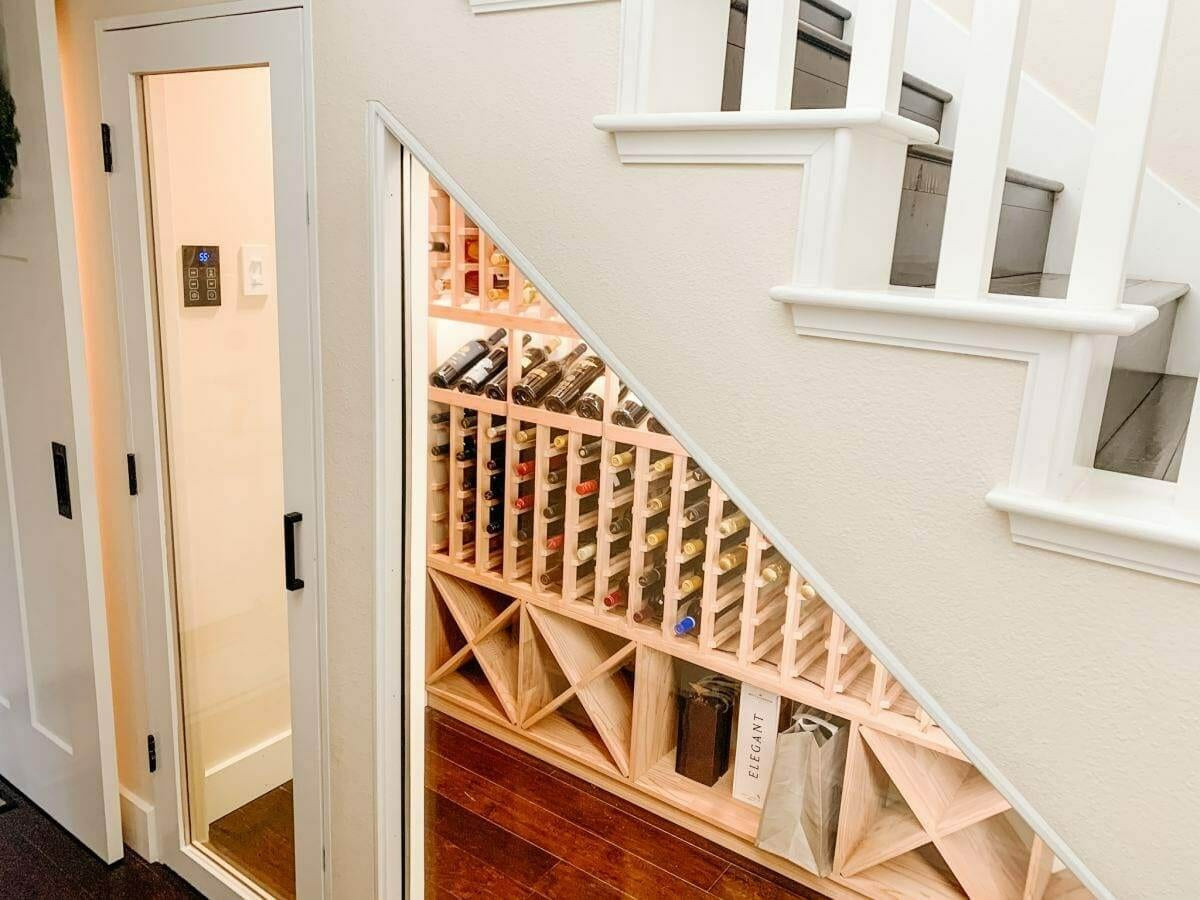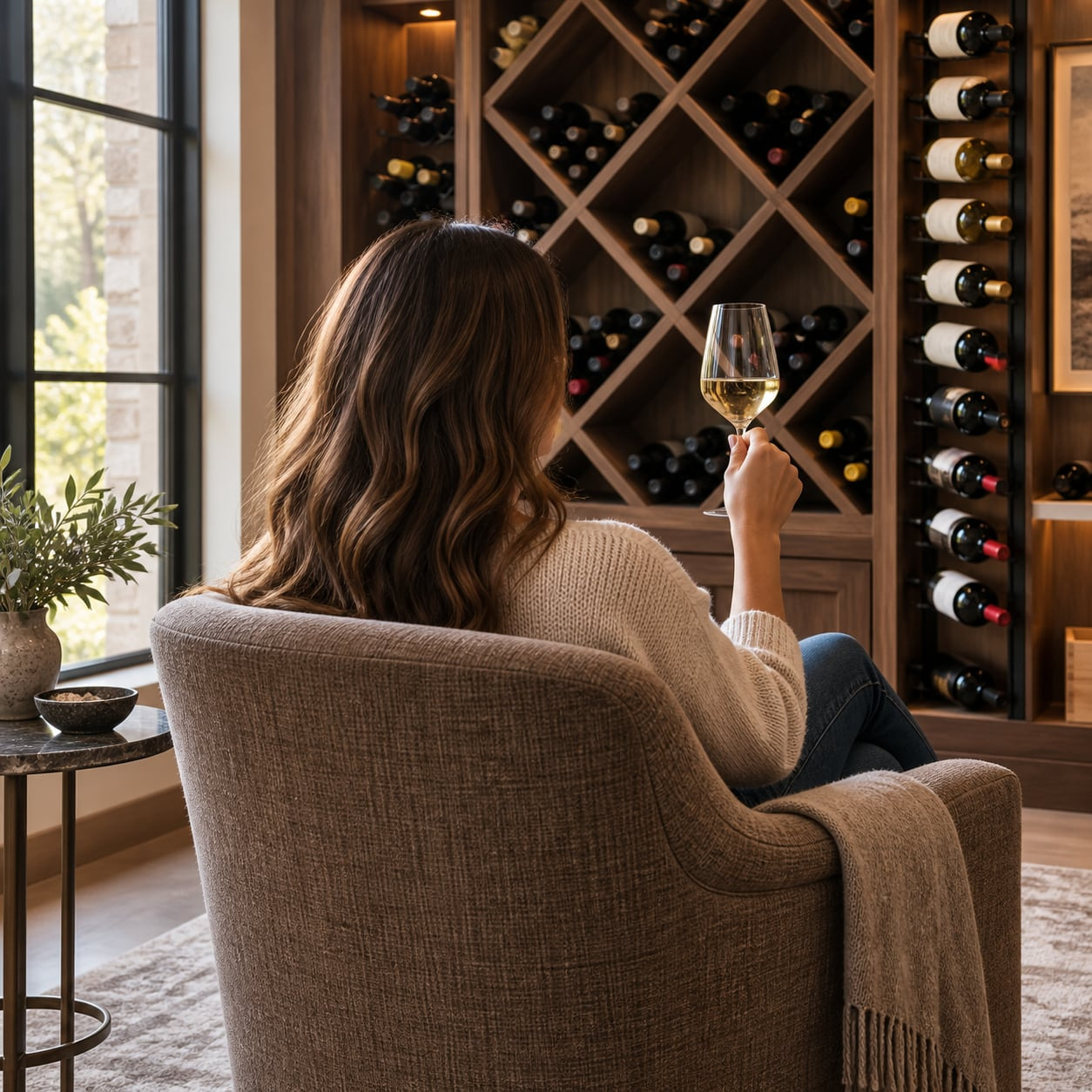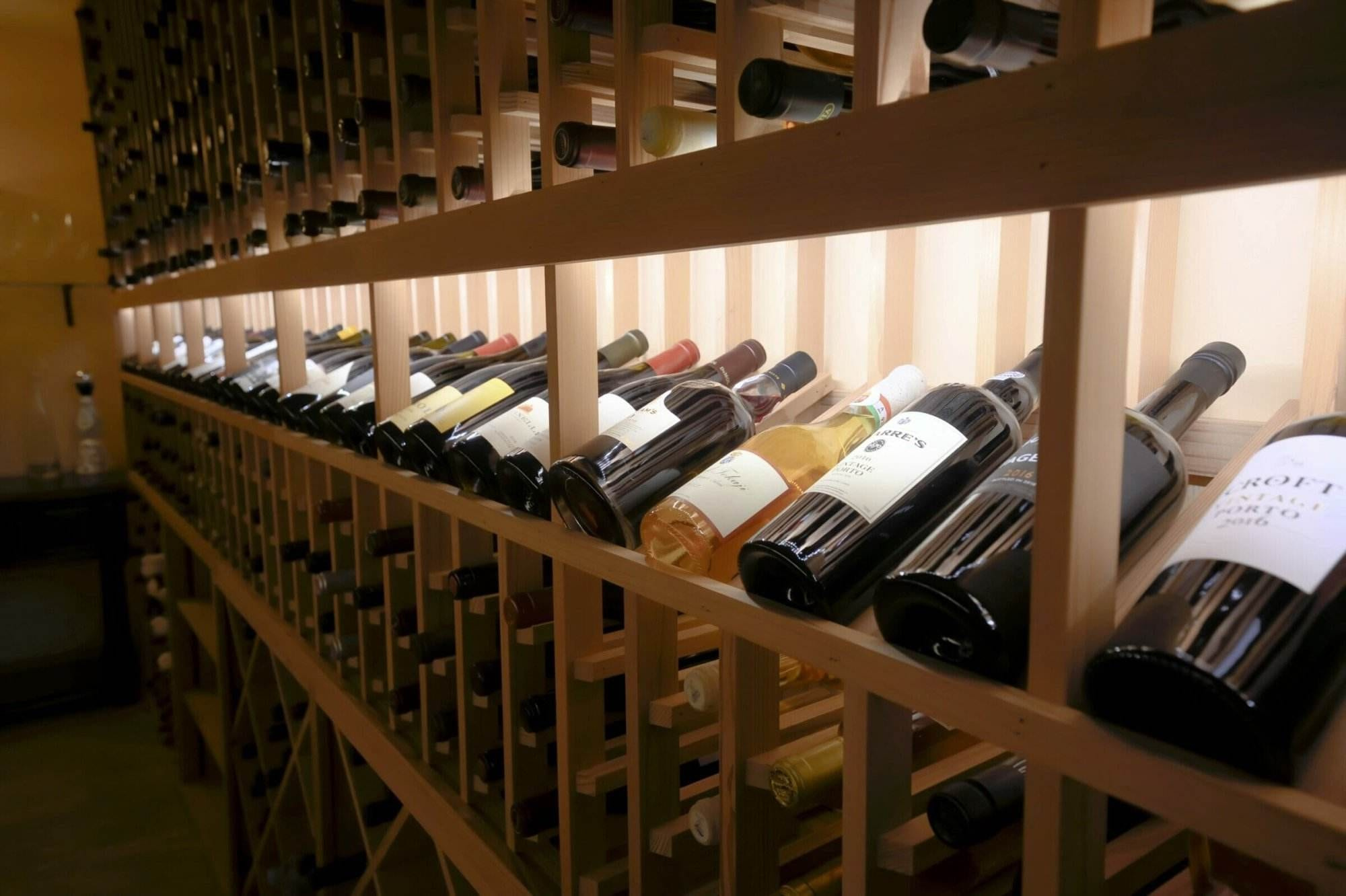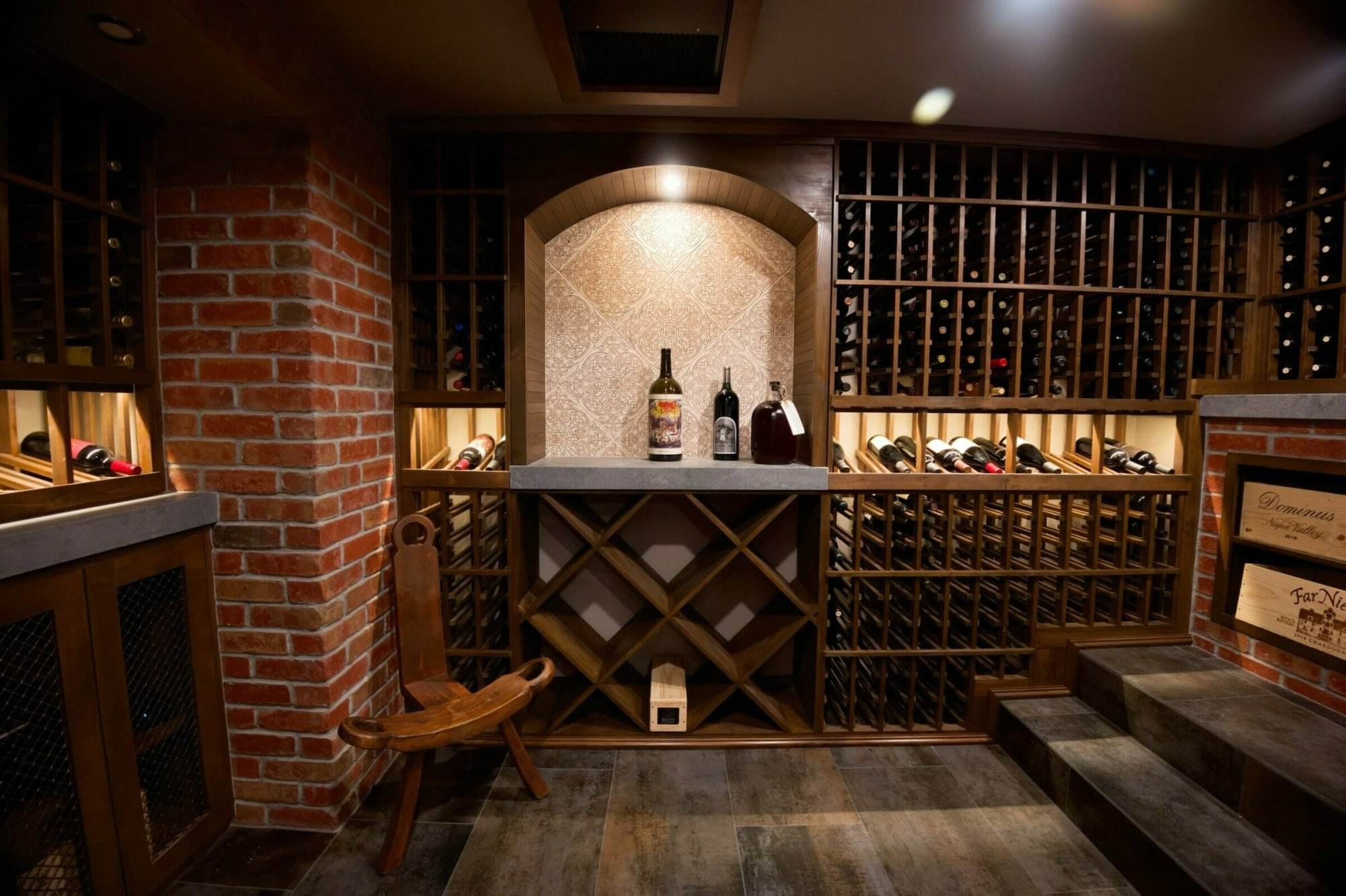
Wine cellar lighting design begins with the tasks of entering, finding and showing bottles. Separate working light from display emphasis, test fixtures with the actual materials and coordinate access before hiding components within racks or the finished enclosure. At Wine Hardware in Walnut Creek, we help turn those decisions into a cellar plan. Bring room photos, a rough sketch and your collection goals to start the conversation.
Understanding the Basics of Wine Cellar Lighting
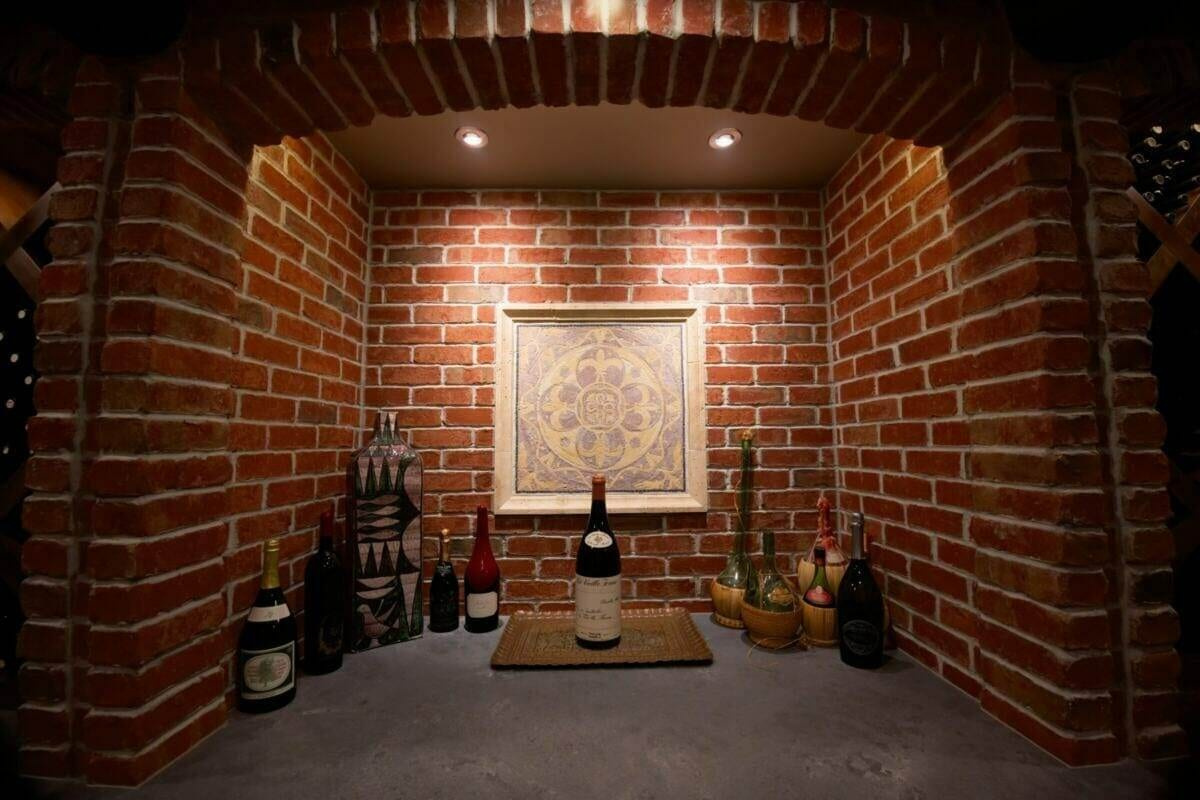
Proper lighting is essential for wine storage as it helps maintain the quality and integrity of the wine. Excessive exposure to light can cause chemical reactions in wine that can lead to oxidation and spoilage. It is important to choose lighting fixtures that emit minimal UV light, as UV rays can degrade wine over time. Additionally, light can also affect the temperature inside the cellar, so it is crucial to choose fixtures that emit minimal heat.
Types of Lighting Fixtures for Wine Cellars
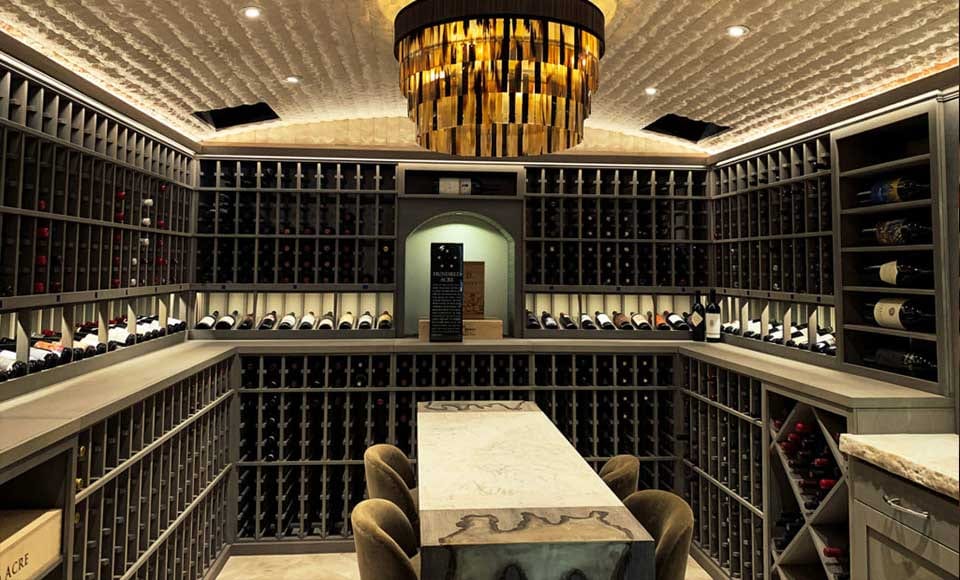
There are several types of lighting fixtures that can be used in wine cellars, each with its own advantages and disadvantages. Recessed lighting is a popular choice as it provides a clean and minimalist look. Track lighting allows for flexibility in positioning and directing light. Pendant lighting adds a touch of elegance and can be used to highlight specific areas or displays. Wall sconces provide a soft and ambient glow that adds warmth to the space.
Choosing the Right Bulbs for Wine Cellar Lighting
When it comes to choosing bulbs for wine cellar lighting, there are two main options: LED and incandescent bulbs. LED bulbs are energy-efficient, long-lasting, and emit minimal heat. They are also available in a variety of color temperatures, allowing for customization based on personal preference. Incandescent bulbs, on the other hand, emit more heat and have a shorter lifespan. It is important to consider the color rendering index (CRI) of the bulbs, as this determines how accurately colors are represented under the light.
Tips for Proper Wine Cellar Lighting Placement
Proper lighting placement is crucial for creating an even distribution of light throughout the wine cellar. It is important to avoid shadows and dark spots, as this can make it difficult to read labels or locate specific bottles. Accent lighting can be used to highlight certain areas or displays, adding depth and visual interest to the space. The angle at which the light is directed can also impact the presentation of the wine, so it is important to consider this when planning the lighting layout.
The Role of Color Temperature in Wine Cellar Lighting
Color temperature refers to the warmth or coolness of a light source. It is measured in Kelvin (K), with lower values indicating warmer light and higher values indicating cooler light. The color temperature of the lighting can have a significant impact on the presentation of wine. Warmer color temperatures (around 2700K-3000K) can create a cozy and intimate ambiance, while cooler color temperatures (around 4000K-5000K) can create a more modern and crisp look. It is important to choose a color temperature that complements the overall design and aesthetic of the wine cellar.
Creating a Mood with Wine Cellar Lighting
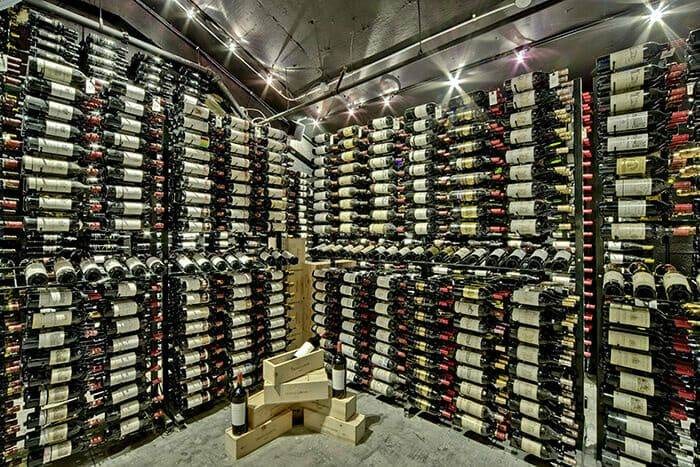
In addition to its practical purposes, lighting also plays a crucial role in creating a mood and ambiance in the wine cellar. The right lighting can enhance the overall experience and make the space more inviting and enjoyable. Dimmers are an essential tool for creating a mood, as they allow for adjustable lighting levels. By dimming the lights, you can create a more intimate and cozy atmosphere. Additionally, using lighting to highlight wine displays can add visual interest and draw attention to specific bottles or collections.
The Benefits of LED Lighting for Wine Cellars
LED lighting is becoming increasingly popular in wine cellars due to its numerous benefits. LED bulbs are highly energy-efficient, consuming significantly less energy than traditional incandescent bulbs. They also have a much longer lifespan, reducing the need for frequent bulb replacements. LED bulbs emit minimal heat, which is crucial for maintaining the temperature and humidity levels in the wine cellar. Additionally, LED bulbs are available in a wide range of color temperatures, allowing for customization based on personal preference.
The Importance of Dimmers in Wine Cellar Lighting
Dimmers are an essential component of wine cellar lighting design as they allow for adjustable lighting levels. This is particularly important when it comes to creating a mood and ambiance in the space. By dimming the lights, you can create a more intimate and cozy atmosphere, perfect for enjoying a glass of wine. Dimmers also help reduce energy consumption, as they allow you to lower the lighting levels when full brightness is not necessary.
Maintenance and Upkeep of Wine Cellar Lighting
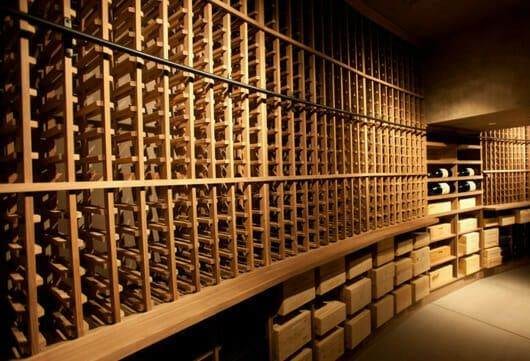
Proper maintenance and upkeep of wine cellar lighting are crucial for ensuring its longevity and optimal performance. Regular cleaning and dusting of fixtures are necessary to remove any dirt or debris that may accumulate over time. It is also important to regularly check and replace bulbs as needed to ensure consistent lighting levels. Upgrading lighting systems can also be beneficial, as new technologies and advancements may offer improved efficiency and performance.
Designing the Perfect Wine Cellar Lighting Plan
In conclusion, proper lighting design is crucial for both the storage and presentation of wine in a cellar. It is important to choose lighting fixtures that emit minimal UV light and heat to maintain the quality of the wine. LED bulbs are a popular choice due to their energy efficiency, longevity, and minimal heat emission. Dimmers are essential for creating a mood and ambiance in the space, allowing for adjustable lighting levels. Regular maintenance and upkeep of lighting fixtures are necessary to ensure optimal performance. By considering these factors and following the tips provided, you can design the perfect wine cellar lighting plan that enhances the overall experience and showcases your wine collection in the best possible way.
A conversation with Mike can help you work through the lighting discussion alongside the racking and cooled room. Bring your room photos and collection goals into a conversation at (925) 944-1084.
More on wine cellar lighting design
Wine display lighting should make labels readable without leaving heat, glare or service access unresolved. Compare a sample fixture with the actual racks and bottles, and coordinate its power supply and controls before concealing components behind a finished display. At Wine Hardware in Walnut Creek, we help turn those decisions into a cellar plan. Bring room photos, a rough sketch and your collection goals to start the conversation.
These rays can lead to premature aging and spoilage, altering the wine's flavor profile and aroma. Therefore, understanding the importance of proper lighting is essential for anyone looking to preserve their collection. In addition to protecting the wine from harmful UV rays, proper lighting can enhance the aesthetic appeal of a wine cellar or storage area.
A well-lit space not only showcases the collection but also creates an inviting atmosphere for entertaining guests or simply enjoying a glass of wine. The right lighting can highlight the unique characteristics of each bottle, making it easier to appreciate the artistry involved in winemaking. Thus, achieving a balance between functionality and aesthetics is crucial for any wine storage solution.
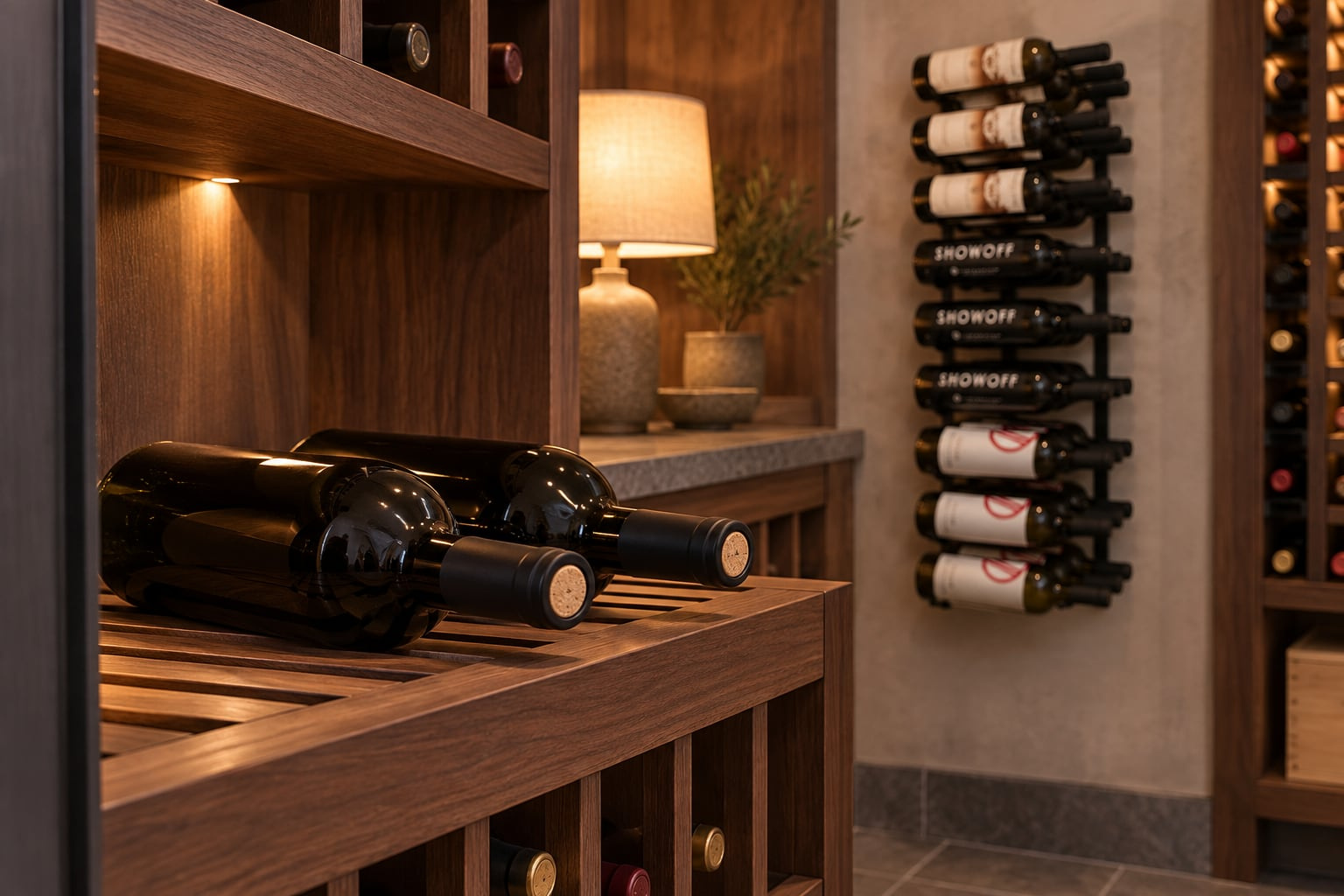
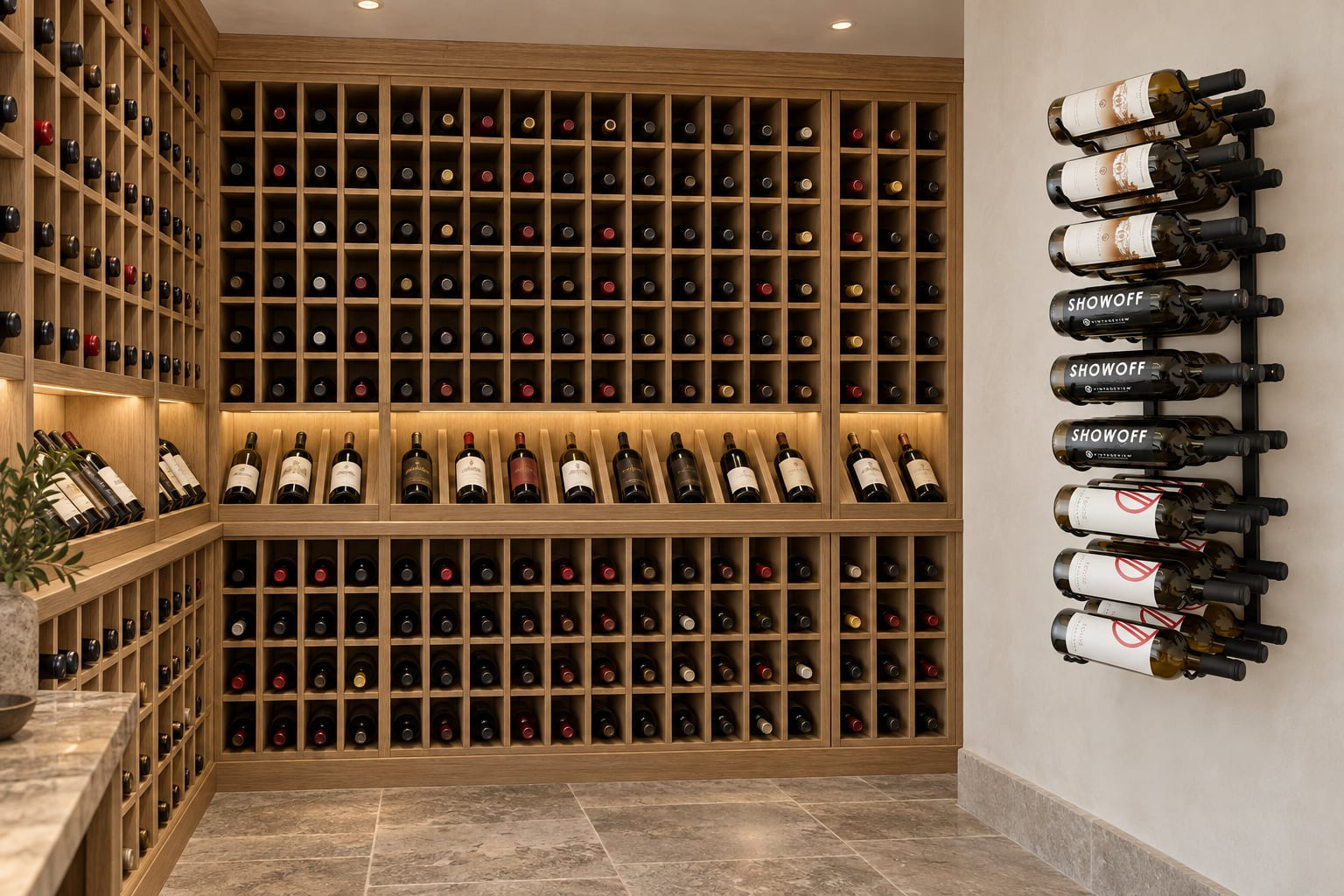
Key Takeaways
- Proper lighting is crucial for wine storage as it can affect the aging and preservation of wine.
- High-intensity display lighting can have negative effects on wine, such as increased temperature and UV exposure.
- Look for high-intensity display lighting options with UV filters and low heat emission to protect your wine collection.
- When selecting lighting for wine storage, consider LED options and fixtures with dimming capabilities to control intensity.
- Proper installation and positioning of high-intensity display lighting is essential to minimize direct exposure to wine bottles.
Understanding the Effects of High-Intensity Display Lighting on Wine
High-intensity display lighting, while visually striking, can have detrimental effects on wine. This type of lighting often emits a significant amount of heat and UV radiation, both of which can accelerate the aging process of wine. When wine is exposed to high-intensity light for extended periods, it can lead to chemical reactions that degrade its quality.
The delicate compounds that contribute to a wine's flavor and aroma can break down, resulting in a less enjoyable drinking experience. Moreover, high-intensity lighting can create an environment that is not conducive to proper wine storage. The heat generated by such lighting can raise the temperature within the storage area, which is detrimental to wine preservation.
Ideally, wine should be stored in a cool, dark place where temperature fluctuations are minimal. Therefore, understanding the effects of high-intensity display lighting is essential for anyone serious about maintaining their wine collection.
Finding High-Intensity Display Lighting Options that Won't Harm Your Wine
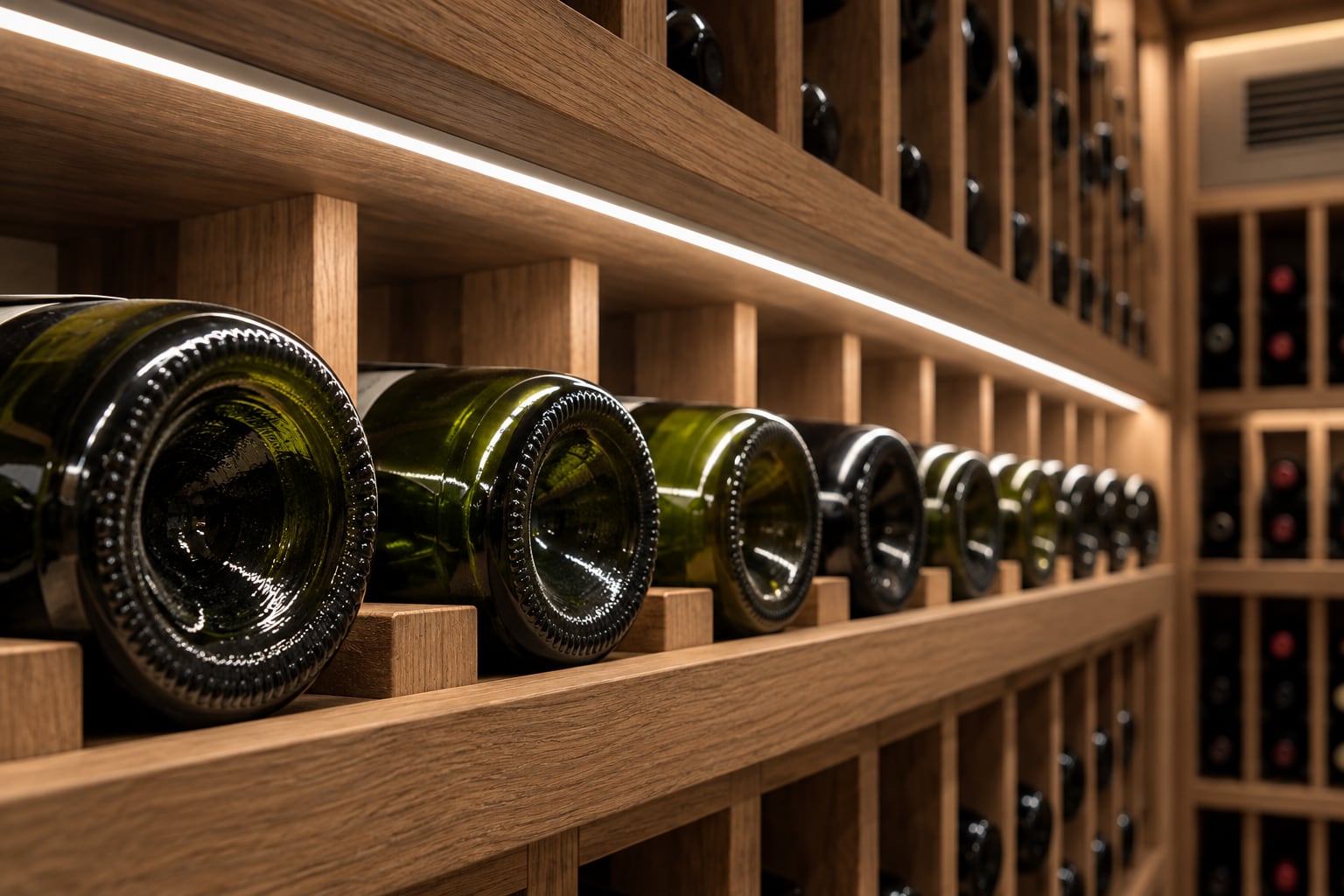
While high-intensity display lighting poses risks to wine quality, there are options available that minimize these dangers. LED lights are an excellent alternative as they emit very little heat and do not produce UV radiation. This makes them a safe choice for illuminating a wine storage area without compromising the integrity of the bottles.
Additionally, LED lights are energy-efficient and have a long lifespan, making them a cost-effective solution for wine enthusiasts. When selecting high-intensity display lighting, it is crucial to look for fixtures specifically designed for use in wine storage environments. These fixtures often incorporate features such as dimming capabilities and adjustable color temperatures, allowing you to customize the lighting to suit your needs.
By choosing the right type of high-intensity display lighting, you can create an attractive showcase for your wine collection while ensuring that the quality of your wines remains intact.
Tips for Selecting the Right Lighting for Wine Storage
Selecting the right lighting for your wine storage area involves several considerations. First and foremost, prioritize energy-efficient options that minimize heat output and UV exposure. As mentioned earlier, LED lights are an excellent choice due to their low heat emission and lack of UV radiation.
Additionally, consider using fixtures with adjustable brightness levels so you can tailor the intensity of the light based on your preferences and the specific needs of your collection. Another important factor to consider is the color temperature of the lighting. Warmer color temperatures (around 2700K to 3000K) tend to create a more inviting atmosphere while being less harsh on the eyes.
This type of lighting can also enhance the visual appeal of your wine bottles without compromising their quality. Plan fixture positions around useful label lighting and the time bottles will be exposed, then review fixture output and controls.
How to Install and Position High-Intensity Display Lighting in Your Wine Storage Area
Installing and positioning high-intensity display lighting in your wine storage area requires careful planning and execution. Start by assessing the layout of your space and identifying key areas you want to illuminate. Consider using track lighting or recessed fixtures that allow for flexibility in positioning and directionality.
This way, you can easily adjust the focus of the light as needed. When installing the lights, ensure they are placed at a safe distance from the wine bottles to prevent any heat damage. A good rule of thumb is to keep lights at least 12 inches away from the bottles.
Additionally, consider using dimmer switches to control the intensity of the light based on your needs or preferences at different times. This not only helps protect your wine but also allows you to create different moods within your storage area.
Maintaining the Ideal Lighting Conditions for Wine Storage
Maintaining ideal lighting conditions in your wine storage area is an ongoing process that requires regular monitoring and adjustments. Start by establishing a routine check-up schedule to assess both the functionality of your lighting fixtures and their impact on your wine collection. Look for any signs of wear or malfunction in your lights, as well as any changes in temperature or humidity levels within the storage area.
Additionally, be mindful of seasonal changes that may affect your lighting conditions. For instance, during summer months when natural light may be more abundant, consider adjusting your artificial lighting accordingly to maintain a consistent environment for your wines. Regularly reviewing and adjusting your lighting setup will help ensure that your wines remain in optimal condition over time.
Alternatives to High-Intensity Display Lighting for Showcasing Your Wine Collection
If you're concerned about the potential risks associated with high-intensity display lighting but still want to showcase your wine collection effectively, there are several alternatives available. One option is using low-intensity ambient lighting combined with accent lights that focus on specific bottles without overwhelming them with brightness. This approach allows you to create an inviting atmosphere while minimizing exposure to harmful light.
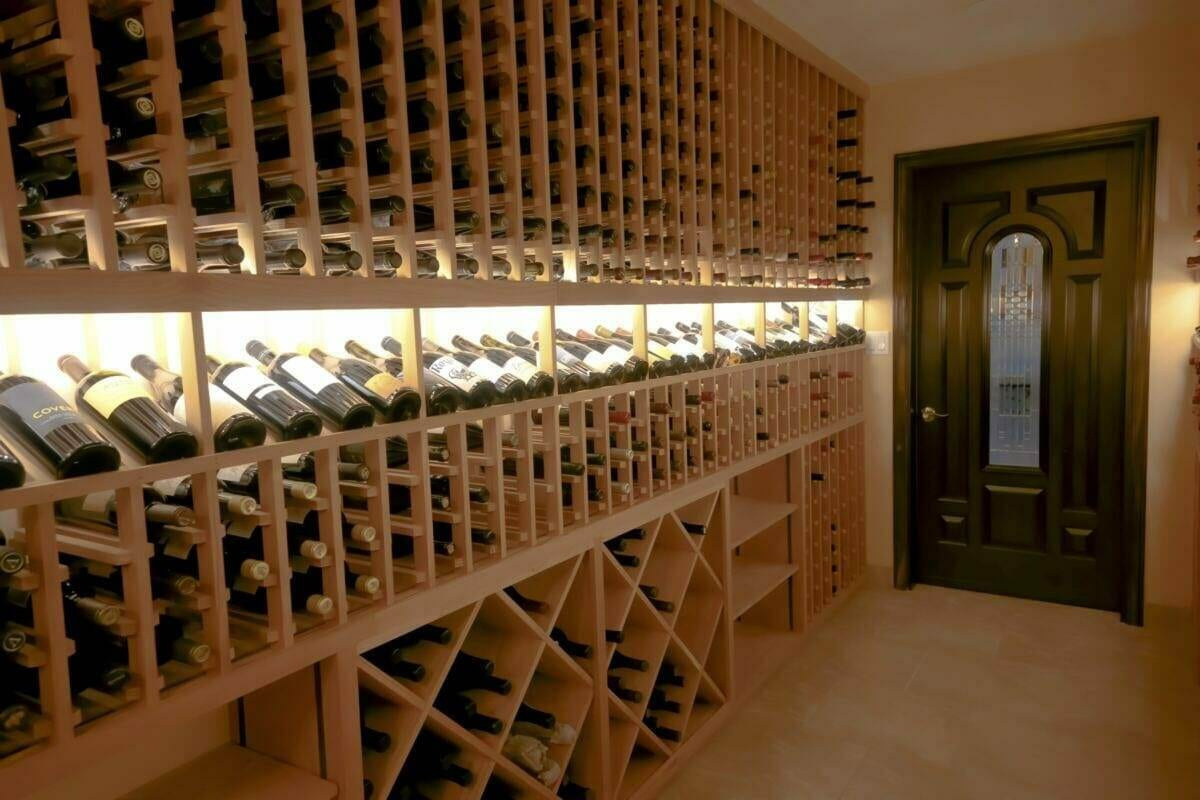
Another alternative is utilizing natural materials such as wood or fabric to diffuse light within your storage area. These materials can help soften harsh lighting effects while providing a warm glow that enhances the overall aesthetic appeal of your collection. Additionally, consider using backlighting behind shelves or within cabinets to create a subtle yet effective display without subjecting your wines to direct light exposure.
The Impact of Proper Lighting on Wine Aging and Preservation
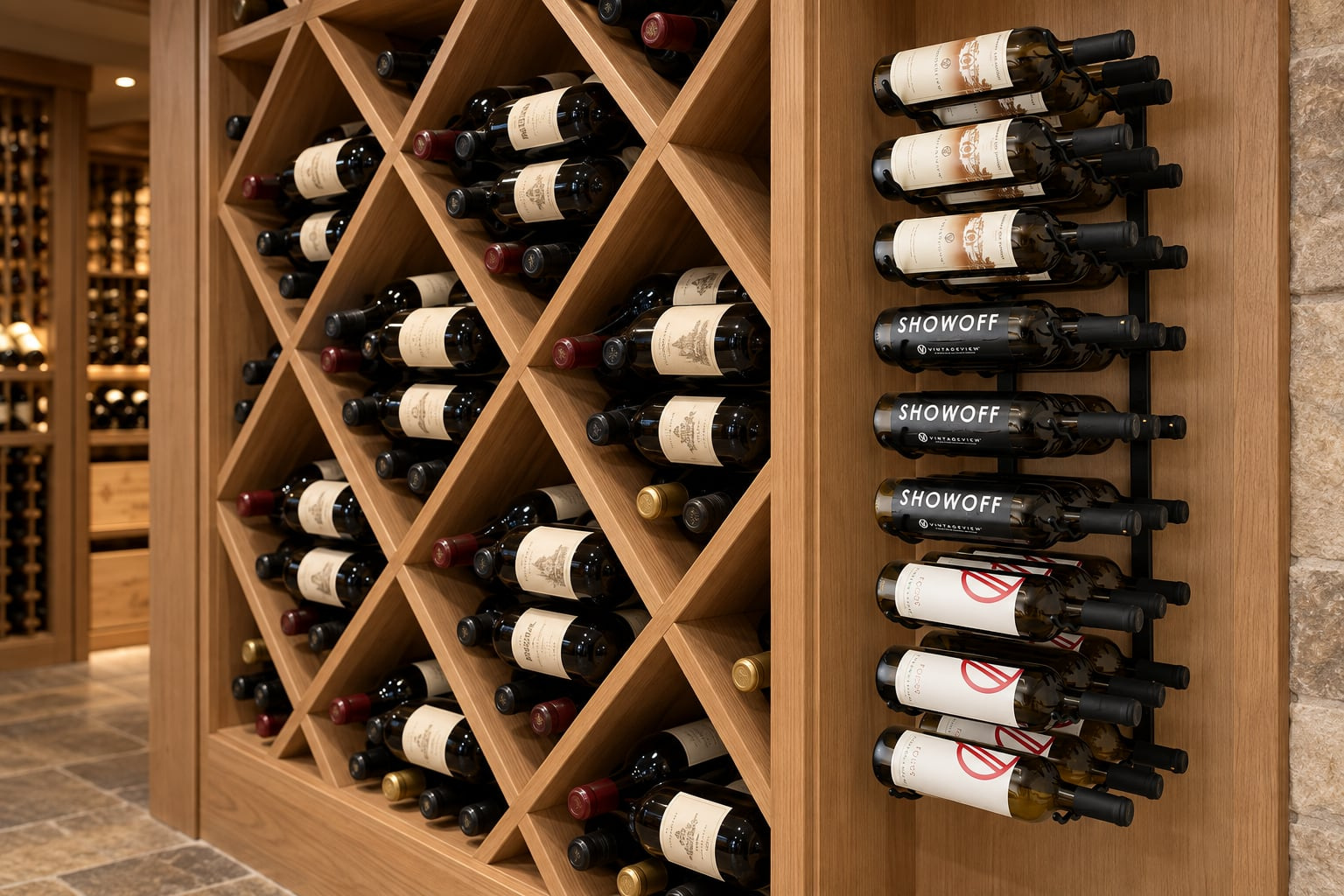
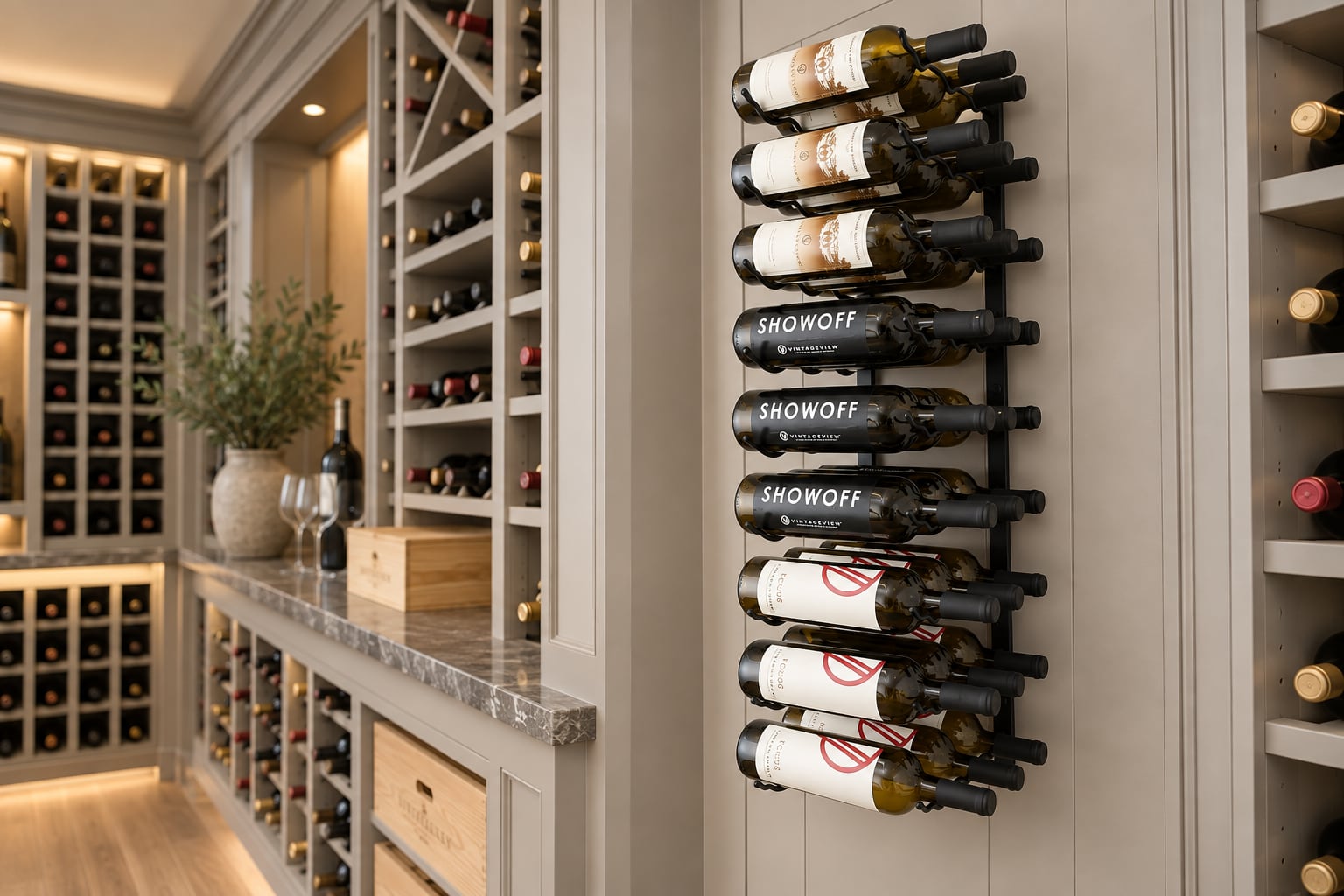
The impact of proper lighting on wine aging and preservation cannot be overstated. Wines are sensitive products that require specific conditions to develop their full potential over time. Exposure to inappropriate lighting conditions can lead to accelerated aging processes that compromise flavor profiles and aromas.
Review the selected lighting, glazing and operating schedule as parts of the cellar plan. Moreover, proper lighting contributes not only to preservation but also enhances the overall enjoyment of wine tasting experiences. When wines are stored under optimal conditions - both in terms of temperature and light - they are more likely to express their intended characteristics when opened.
This means that investing time and resources into creating an ideal lighting environment pays off in terms of both quality and enjoyment for any wine enthusiast or collector. In conclusion, understanding the importance of proper lighting in wine storage is essential for anyone looking to maintain their collection's quality over time. By selecting appropriate lighting options, positioning them thoughtfully, and maintaining ideal conditions, you can ensure that your wines age gracefully while also creating an inviting atmosphere for showcasing your collection.
FAQs
What is high-intensity display lighting?
High-intensity display lighting refers to lighting systems that produce a high level of brightness and illumination, often used for showcasing products in retail environments.
How does high-intensity display lighting affect wine?
High-intensity display lighting can produce heat, which may negatively impact the quality of wine by causing it to age prematurely or altering its flavor profile.
What are the potential risks of using high-intensity display lighting for wine storage?
The potential risks of using high-intensity display lighting for wine storage include heat damage, accelerated aging, and degradation of the wine's characteristics.
How should display lighting be planned around stored wine?
Review fixture output, UV exposure, heat and operating time with the lighting supplier and cellar designer before choosing display lighting.
How can LED lighting be beneficial for wine storage and display?
LED lighting can be beneficial for wine storage and display as it produces minimal heat, emits little to no UV radiation, and can be customized to create the ideal lighting environment for showcasing wine.
High-Intensity Display Lighting That Protects Your Wine from Heat Damage
Brighten Your Display Without Heating Your Wine: The Ultimate High-Intensity Lighting Solution
How can LED lighting be beneficial for wine storage and display?
LED lighting can be beneficial for wine storage and display as it produces minimal heat, emits little to no UV radiation, and can be customized to create the ideal lighting environment for showcasing wine. High-Intensity Display Lighting That Protects Your Wine from Heat Damage
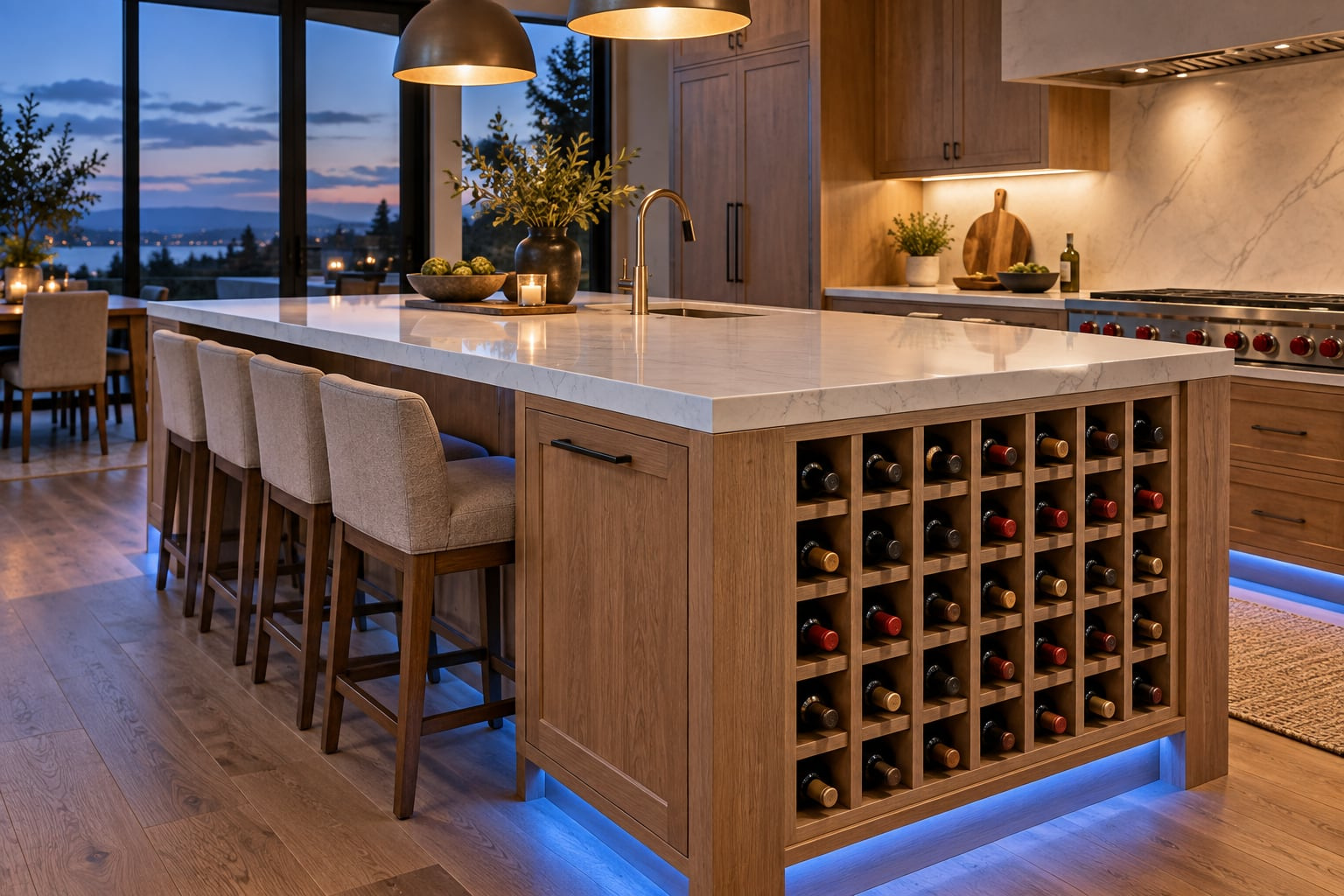
Cellar lighting should help you read a label, choose a bottle and enjoy the room without making the fixtures the main event. For a Lafayette project, comparing LED with older lighting starts with those tasks, followed by heat, controls and access for replacement. Wine Hardware can help coordinate the lighting discussion with racks and cooling, so a change that looks simple on a shopping list works within the whole cellar.
Decide what each light must do
Separate general light for entering the room, useful light for finding bottles and accent light for a display. A single bright ceiling fixture may leave labels in shadow while making the center of the room uncomfortable to look toward. Drawing these jobs separately helps you decide whether a fixture change or a new arrangement is needed.
Walk through the cellar with the racks loaded, or use a sample rack and representative bottles for a new project. Notice where hands obscure labels and where shelves cast shadows. Include the view from outside any glass door. A lighting plan should work from the positions where people stand, not only from the angle of a promotional photograph.
Compare LED and incandescent on useful light
LED lighting can provide useful illumination efficiently compared with traditional incandescent lighting. The U.S. Department of Energy explains the technology in its LED basics guide. For a cellar, evaluate the actual fixture and output rather than treating every LED strip or lamp as interchangeable.
Compare the light reaching the bottles, the fixture's electrical demand and where its heat is released. Avoid describing LED as heat-free. Drivers and fixtures still require an appropriate installation and access. If you are replacing an older system, record the existing lamp and control details before deciding whether a lamp substitution or a complete fixture change makes sense.
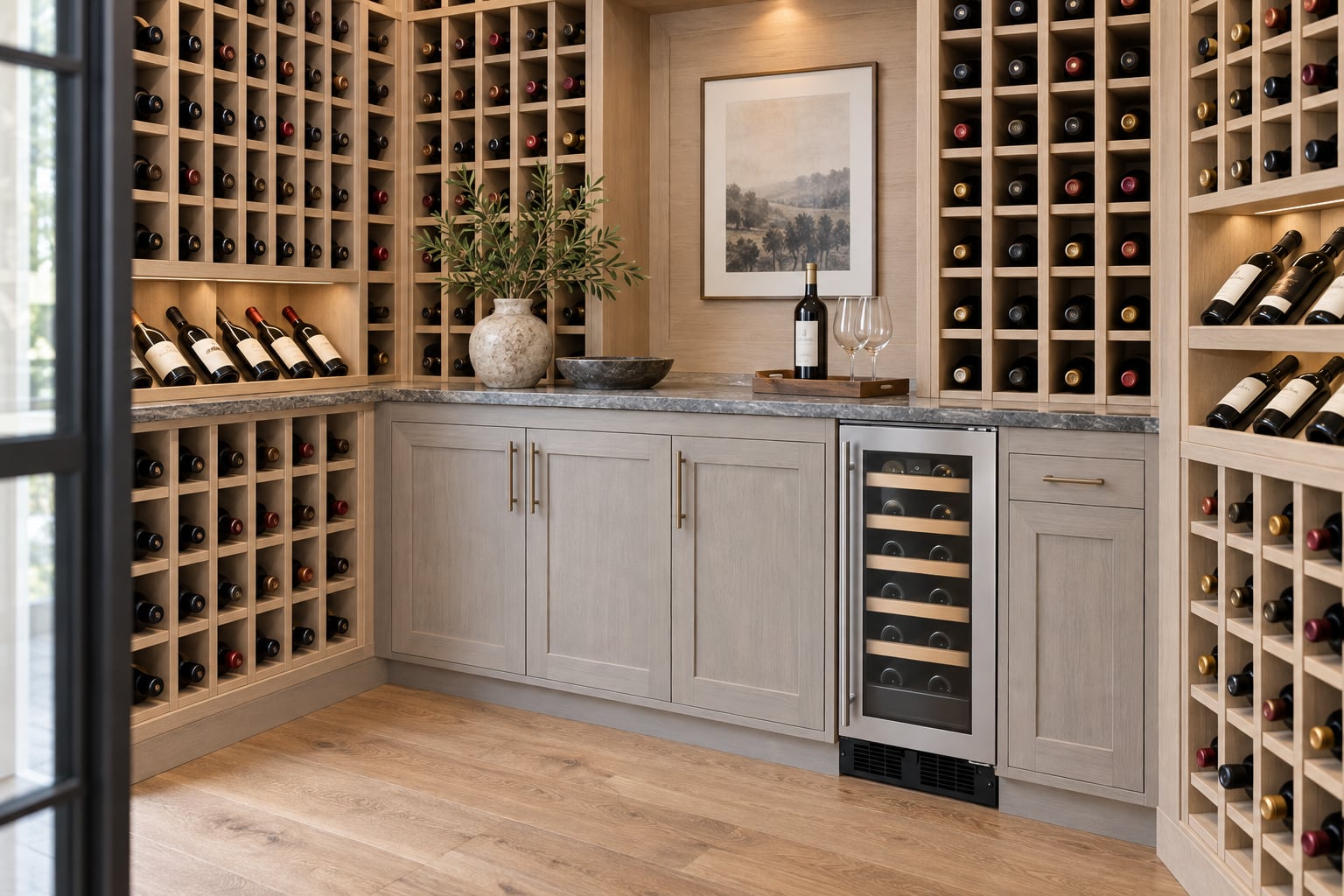
Test color and glare with the real finishes
A warm wood rack and a dark metal display can respond differently to the same light. Put a sample near the intended surface and view it with clear, green and dark glass bottles. Check whether labels are readable and whether the rack finish looks the way you expected. The test is more informative than a color description alone.
Pay attention to visible dots, bright reflections and light aimed directly at someone entering the room. Concealment and shielding should be designed with the rack, leaving access to the fixture. For glass enclosures, review the view from adjacent seating as well as inside the cellar. A dramatic display is useful only if it remains comfortable to look at.
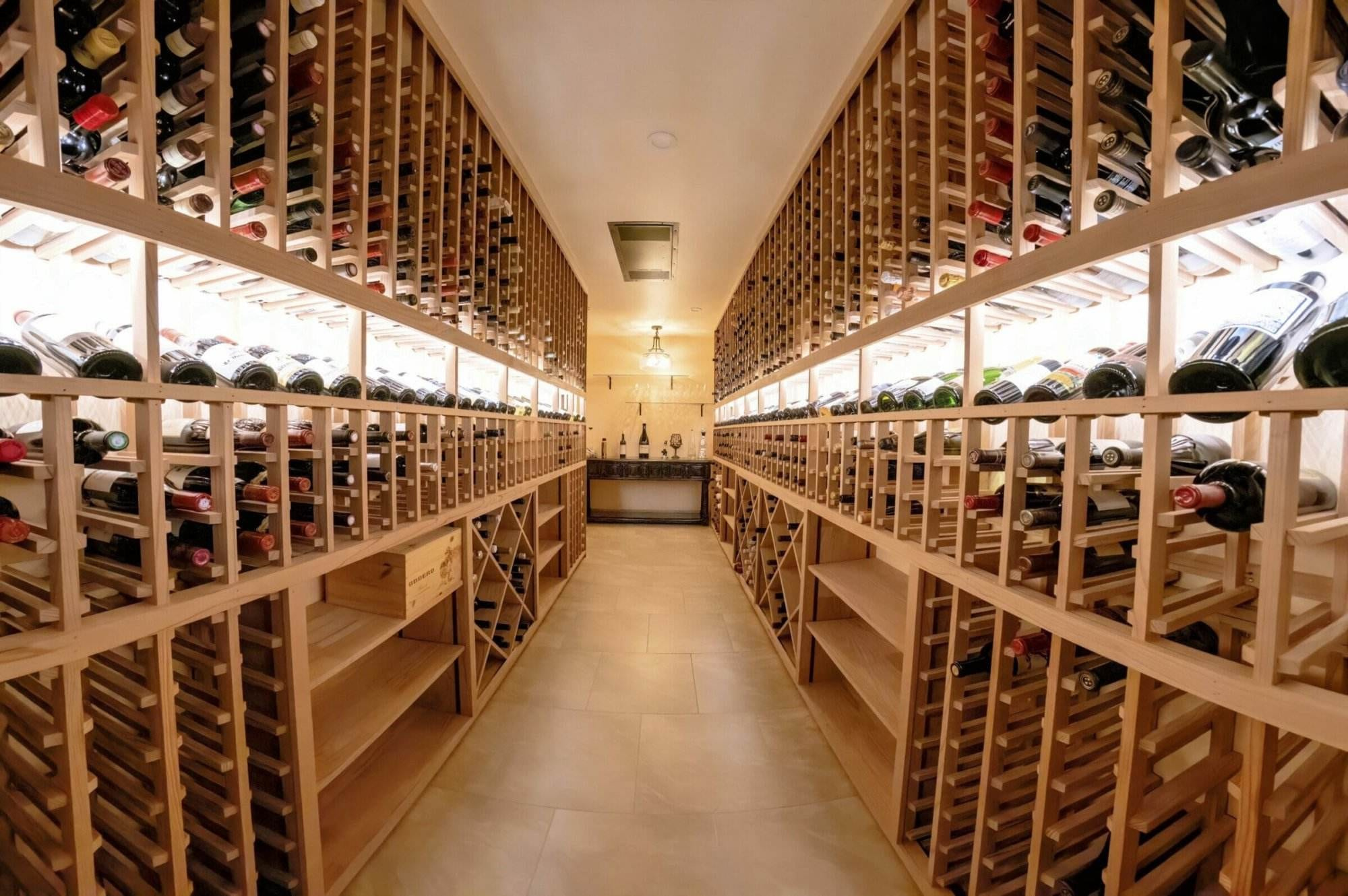
Check controls before ordering parts
Write down how you want to turn the lights on, adjust them and turn them off. You may want brighter working light while selecting wine and a quieter display setting during dinner. A simple switch arrangement can meet those needs; an app is a separate preference, not a prerequisite for a good cellar.
Have the electrician confirm compatibility among the selected fixtures, drivers and dimmers. Do not assume an existing control will behave correctly with a replacement lamp. If you want a timer, door switch or automated scene, ask how it operates and what remains usable if the control system is unavailable. The owner should be able to demonstrate the everyday controls at handover.
Compare replacement work as a complete scope
List the fixtures, power supplies, controls, wiring access, installation and any finish repairs. A new strip fitted beneath racks is a different project from changing a readily accessible lamp. Ask which existing parts can remain and why. Keep the comparison tied to the intended light levels and use, rather than the smallest material price.
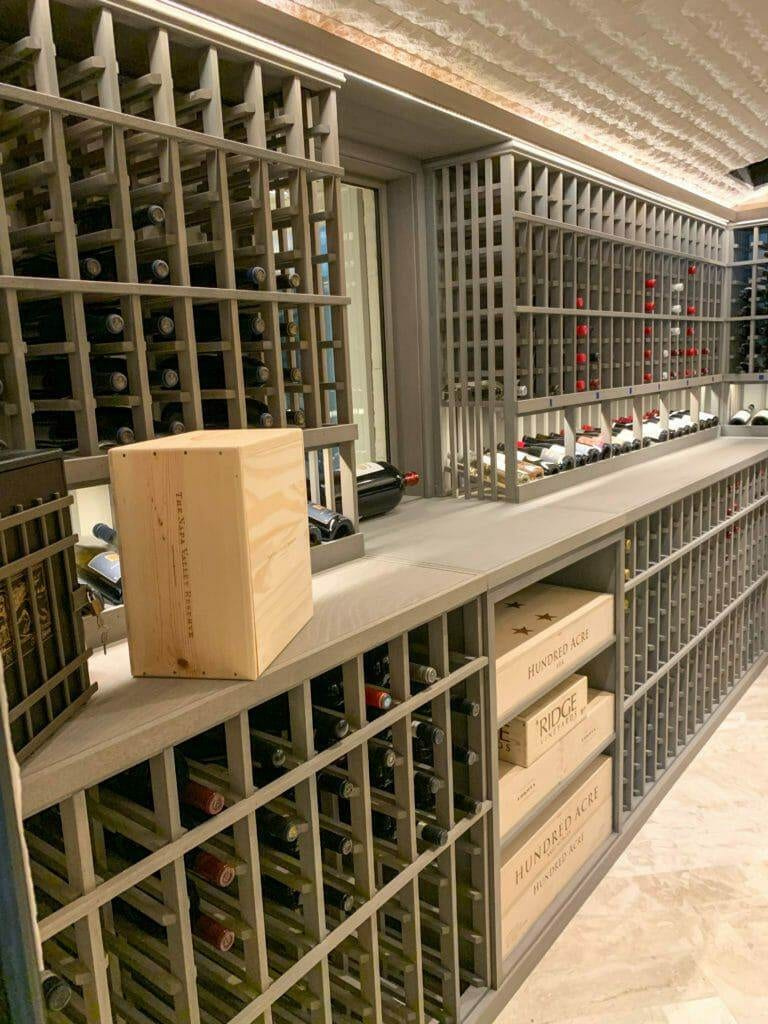
Do not assume a particular payback period or a guaranteed reduction in the cellar's operating bill. Usage hours, existing equipment and the finished installation all matter. Choose an arrangement you can maintain: confirm how a failed component is accessed, where its identifying information is kept and whether replacement work would require unloading a large portion of the collection.
Bring lighting into the cellar plan early
For a new Lafayette cellar, mark fixture and cable locations before the racks and finishes are finalized. Coordinate penetrations and equipment clearances with the room design. For an existing cellar, photograph the fixtures on and off, identify the controls and describe the problem you want solved: shadowed labels, glare, awkward switching or unwanted brightness.
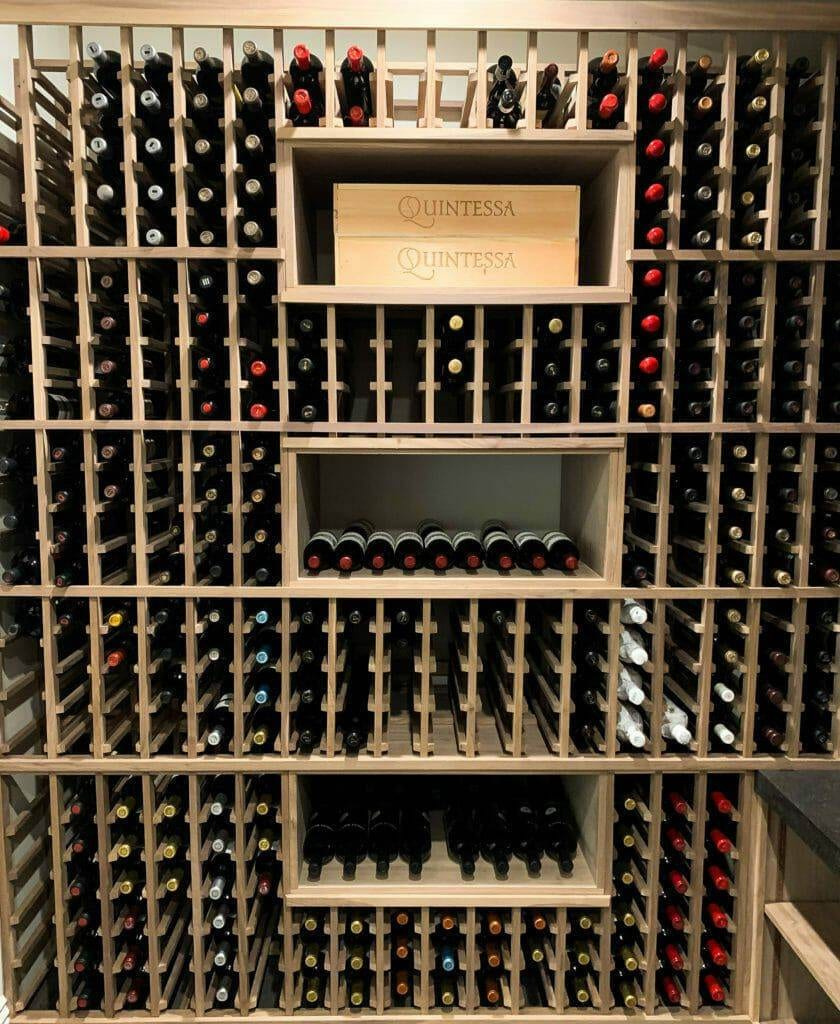
Wine Hardware's Walnut Creek showroom is a place to discuss how racking, display and cooling should work together. Bring those observations and a room sketch. Agree on a sample, a control approach and an installation scope before buying components, so the finished result supports choosing wine as well as looking into the room.
Questions before you decide
Can I just replace the old bulbs with LEDs?
Sometimes, but the lamp base is only one part of compatibility. Check the fixture's permitted lamp type, enclosure requirements and controls. Have the selected replacement and any dimmer reviewed before assuming it is a direct substitution.
Should every bottle have accent lighting?
No. Decide which areas need working light and which deserve display emphasis. A smaller, intentional accent area can leave the rest of the collection easy to navigate without turning the whole room into a bright showcase.
Does Wine Hardware sell every lighting system discussed?
Ask about the available options for your project. This guide describes planning choices, not a lighting inventory. We can discuss the relationship between the rack design, cellar equipment and the lighting work to be coordinated.
Bring your Lafayette cellar lighting question to Wine Hardware. Call (925) 944-1084 or visit the showroom in Walnut Creek with photos of the room.
Wine Cellar Display Lighting in Napa HomesA Napa cellar display should guide your eye to the wines you want to share and leave every bottle easy to find. Lighting can do both when it is planned with the rack arrangement, glass and viewing angles. Start with one display idea, then add working light for using the room. Wine Hardware can help connect those decisions with the cellar design before fixtures and finished racks fix the arrangement in place.
Choose the bottles that deserve visual emphasis
Begin with the story you want the display to tell: favorite Napa purchases, wines for an upcoming dinner or a small group you enjoy discussing. Assign those bottles a deliberate area. The rest of the collection still needs useful storage and readable locations, but it does not all need equal visual emphasis.
Consider how the display changes when a bottle is opened. A layout should remain attractive with some positions empty rather than depend on keeping every label in place forever. This is a helpful way to distinguish a living collection from a permanent decorative arrangement. Ask the lighting plan to support that changing use.
Look from outside and inside the cellar
Draw the main views: entering the room, standing at the racks and looking through glass from nearby seating. A light hidden from one position may reflect directly into another. Review those angles before deciding where fixtures sit or where a bright display row belongs.
For a glass-fronted cellar, consider the surrounding room's light as well. A sample test with the proposed rack finish, bottle glass and glazing can reveal reflections that are difficult to judge from a rendering. Photograph the test from the positions where you will actually see the cellar, then use those observations to refine the arrangement.
Layer useful light before decorative effects
Provide enough light for entering, reading labels and retrieving bottles. Then add focused accents where you want attention. A soft display scene may look appealing from the dining room yet be insufficient when you are looking for a particular bottle at the back of a section.
Keep the working and display purposes clear in the controls. You may want them separately switched or adjusted, depending on the chosen system. Ask the electrical and lighting professionals to confirm compatible fixtures, drivers and dimmers. Wine Hardware can discuss rack placement and the cellar plan while the relevant trade resolves the electrical details for the installation.
Test the fixture with materials and bottles
Compare the light on labels, wood tones and metal finishes. Notice shadows beneath shelves, visible points of light and reflections on bottle shoulders. A fixture specification is useful, but the sample shows whether the effect is comfortable and whether the labels can be read in the intended rack arrangement.
Discuss the fixture's heat, permitted conditions and access requirements as part of the cellar design. LED is a common option to compare, but it is not automatically heat-free or suitable for every concealed location. Keep power supplies and replacement routes accessible. Do not build a beautiful rack detail around a component that cannot later be reached without dismantling the display.
Control exposure without making the room difficult to use
Consider daylight and artificial light together. A display beside a window needs a storage-location discussion as well as a lighting design. Do not assume a glass-door description or a fixture label settles every concern about the wine's environment. Review the selected enclosure and equipment with the actual room conditions.
Use lighting when it serves a purpose and choose controls the household understands. A timer, door switch or a simple manual scene may suit the brief; connected automation is optional. If you choose automated controls, ask how to operate the essential lighting locally. The cellar should remain easy to navigate without requiring a complicated routine every time you select wine.
Finish with a coordinated installation drawing
Show racks, fixtures, control locations and equipment access on the same plan. Include how cable routes and penetrations will be handled within the enclosure design. Ask who confirms those details before finishes are completed. This keeps a later lighting adjustment from conflicting with racks or cooling requirements.
Bring the display idea and room photographs to our Walnut Creek showroom. For a Napa project, we can discuss how the collection should be arranged and what the lighting work needs to coordinate with. Ask for a sample review and a clear installation scope so the finished room looks considered and remains comfortable to use.
Questions before you decide
Should I light every rack row the same way?
Not necessarily. Start with useful illumination for access and label reading, then emphasize selected areas. The collection can remain organized and attractive without equal accent lighting at every position.
Can lighting be added after the racks are installed?
It may be possible, but access, cable routes and finish work can change the scope. Review the existing rack and enclosure before choosing components. For a new cellar, planning the lighting early makes those interfaces easier to coordinate.
How can I avoid reflections in a glass wine wall?
Test a sample from the main viewing positions inside and outside the enclosure. Review fixture placement and shielding with the relevant designer. The actual glass, bottles and room light are more informative than a single rendering.
Plan your Napa cellar display with Wine Hardware. Call (925) 944-1084 or bring your rack and lighting ideas to the Walnut Creek showroom.